
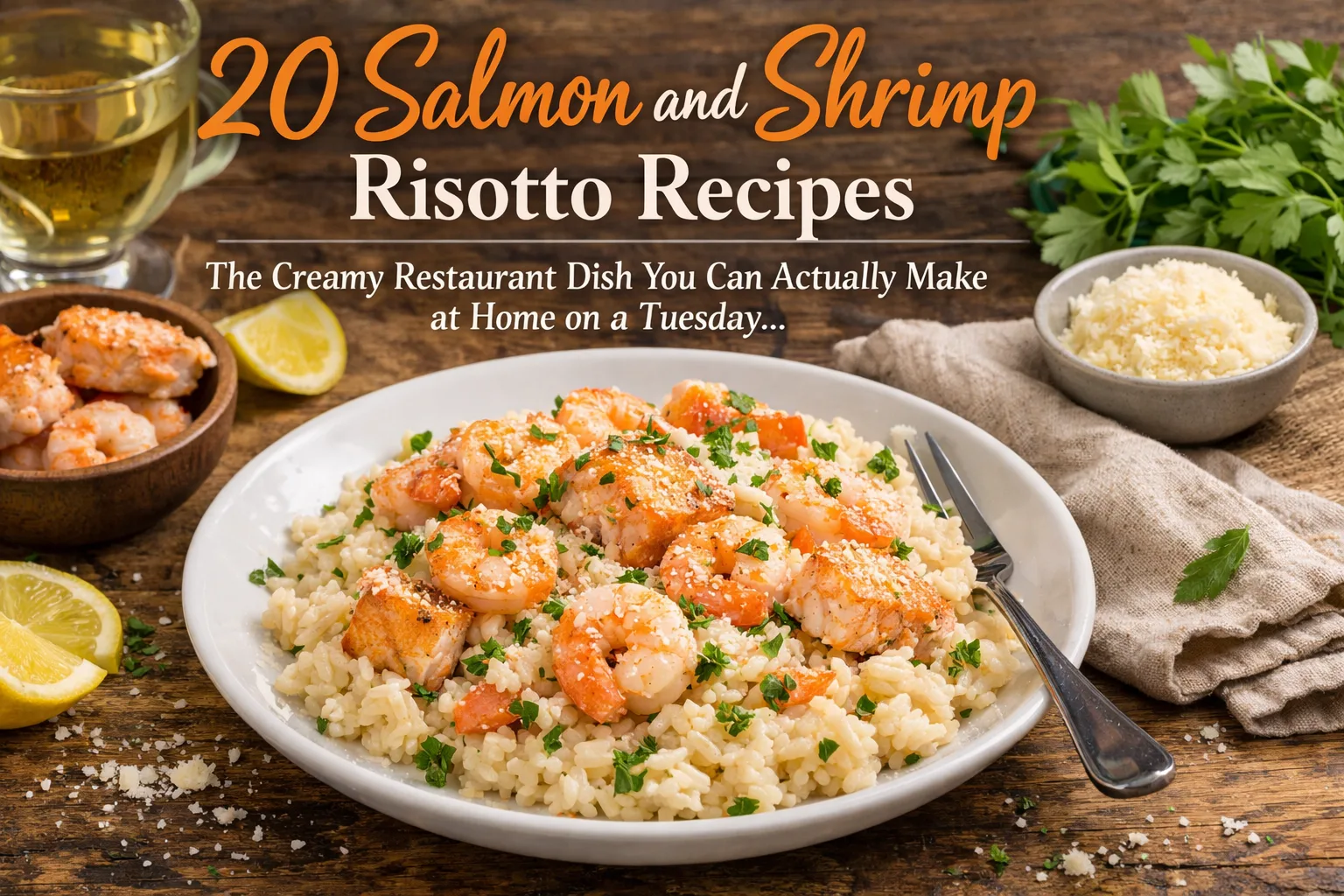
A Complete Guide to Mastering Seafood Risotto at Home — No Culinary Degree Required
The last time I ordered seafood risotto at a restaurant, it cost thirty-four dollars and arrived in a bowl the size of my palm. It was extraordinary. Silky, deeply savory, studded with perfectly cooked shrimp and flaked salmon, finished with a drizzle of something herby and green. I ate every grain. Then I paid the bill, drove home, and immediately started trying to figure out how to make it myself.
That was three years ago. What followed was an education I did not expect. I burned a batch by walking away from the stove. I produced rice with the texture of wet cement by using the wrong variety. I made a version so salty that my dinner guest politely left half of it. Every failure taught me something precise. Every correction brought the result closer to that thirty-four-dollar memory.
Today I make salmon and shrimp risotto on Tuesday evenings when I want something that feels like a real meal but does not require a Sunday afternoon of preparation. The process takes forty minutes from cold pan to table. The ingredients cost between twelve and eighteen dollars depending on seafood pricing in your area. The result is genuinely restaurant-quality when you understand the mechanics behind it.
This guide covers the foundational technique, twenty specific variations built on that foundation, every mistake I made and how to avoid it, a complete troubleshooting section, equipment recommendations, and answers to the questions people most commonly ask when attempting seafood risotto for the first time. Start here and you will not need to look anywhere else.
Why Seafood Risotto Has a Reputation for Being Difficult (And Why That Reputation Is Mostly Wrong)
Here is the honest truth that most cooking guides bury at the bottom of page three: risotto is not technically difficult. It is attentionally difficult. The difference matters.
Risotto requires your presence at the stove. It does not require skill that takes years to develop. You do not need to julienne anything, control a precise internal temperature, or execute a technique that requires practice. You need to stand at the stove, stir regularly, add warm liquid gradually, and pay attention to how the rice looks and feels. That is genuinely the whole skill.
The myth that risotto is restaurant-only food was partially constructed by chefs who preferred that people believe it. Risotto is one of the most forgiving high-end dishes in Italian cooking because its entire preparation happens in a single pan and the outcome signals itself clearly at every stage. When it looks right, it is right.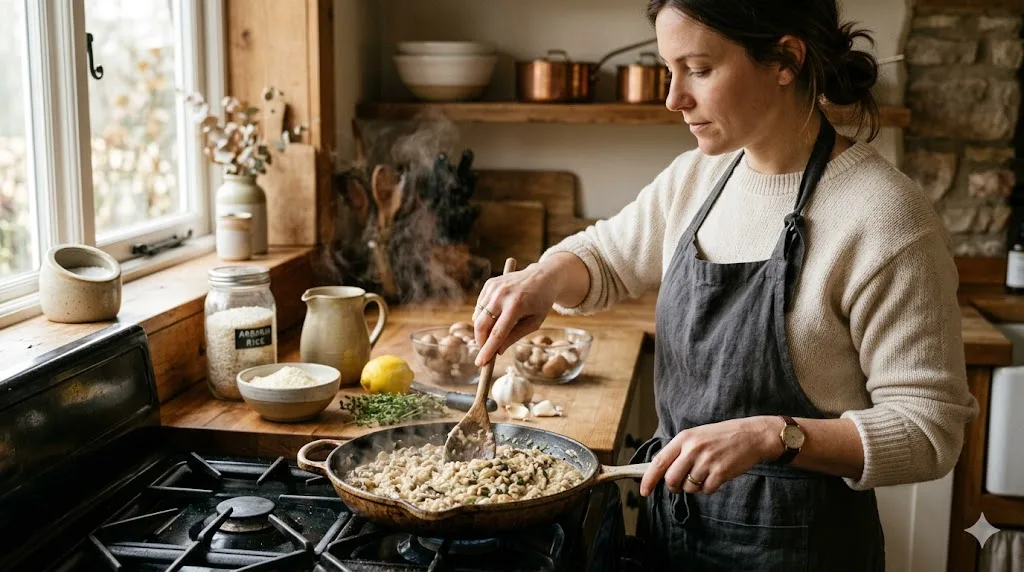
The One Thing That Actually Makes Risotto Hard
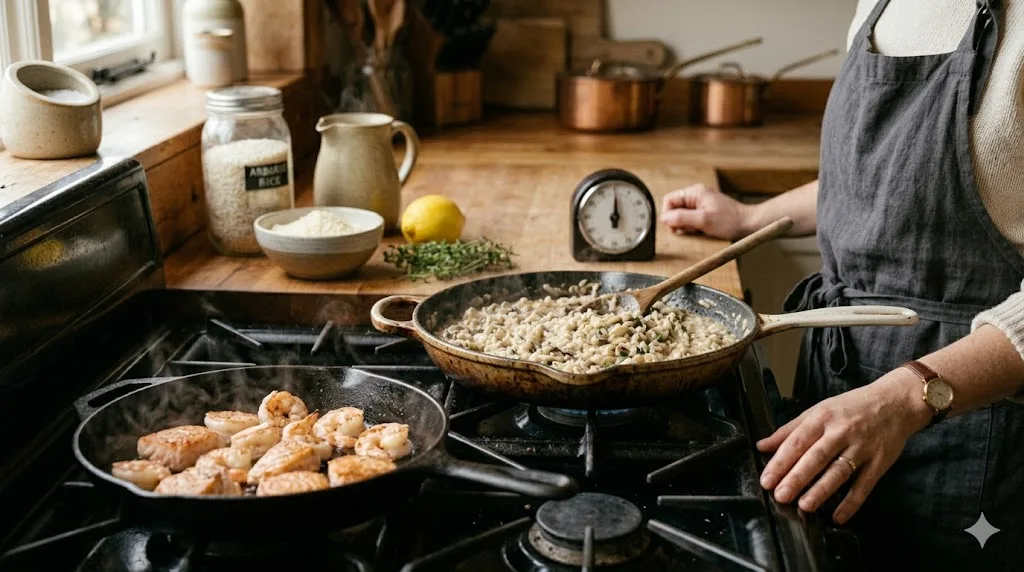
Timing the seafood. This is where home cooks genuinely struggle, and it is worth being direct about it. Salmon and shrimp both overcook in under two minutes at high heat. Overcooked shrimp becomes rubbery and tight. Overcooked salmon becomes chalky and falls apart unpleasantly. The rice takes 18 to 22 minutes to reach the correct texture. Adding seafood at the wrong moment ruins the dish regardless of how perfect the risotto base is.
The solution is simple once you understand it: cook the seafood separately and add it at the very end. Two minutes before serving, not twenty minutes into cooking. This single principle solves the timing problem that causes most failed seafood risotto attempts.
The Rice That Actually Matters: Why Arborio Is Not Always the Best Choice
Most recipes default to Arborio rice, and Arborio is a fine choice. It is widely available, reasonably priced, and produces a creamy, slightly thick risotto. But Arborio is not the best rice for seafood risotto, and I want to explain why, because this is the kind of detail that distinguishes a good home cook from one who genuinely understands their ingredients.
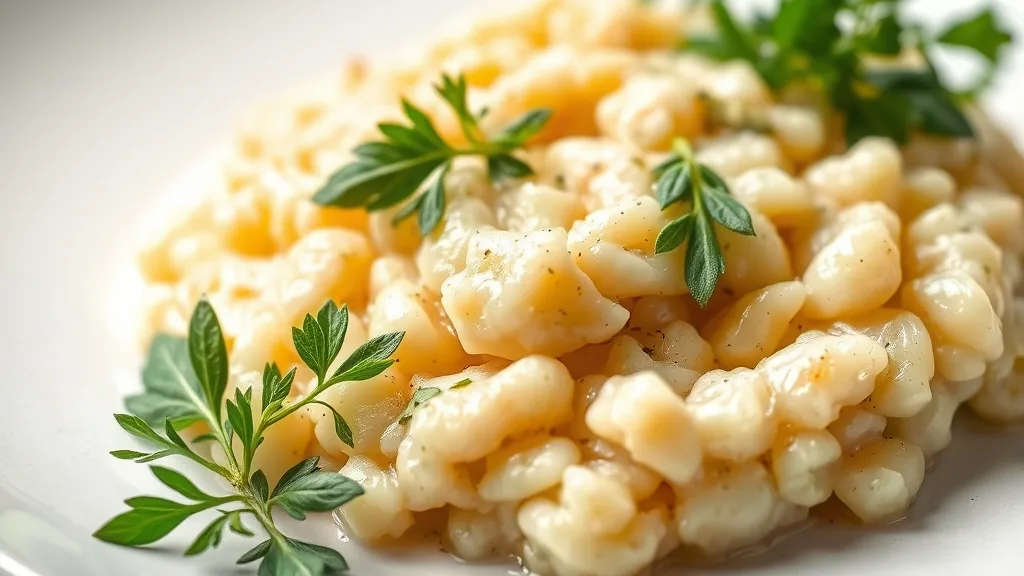
Carnaroli rice is the professional choice for seafood risotto. It has a firmer grain center than Arborio, holds its structure better during the long cooking process, and produces a creamier sauce without turning mushy. The Italian term for perfect risotto texture is ‘all’onda,’ meaning wave-like, the gentle flow of rice across a tilted plate. Carnaroli achieves this more reliably than Arborio.
Vialone Nano is a third option, less commonly found outside specialty Italian grocery stores but worth seeking if available. It produces the most delicate, soup-like risotto and is the traditional choice in the Veneto region of Italy for seafood preparations.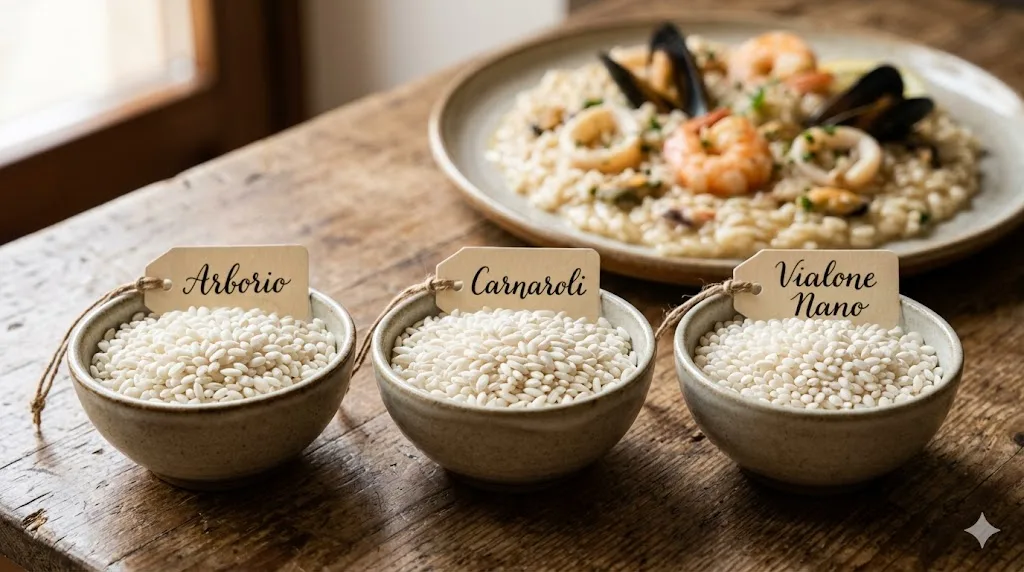
Where to Buy the Right Rice
Carnaroli rice is available at Whole Foods Market, Italian specialty stores, and online through Amazon or Gustiamo, which imports directly from Italian producers. Riso Gallo Carnaroli and Acquerello Carnaroli are both excellent products. Acquerello is aged for a minimum of one year, which develops more complex starch behavior, and costs around twelve to fifteen dollars for a 500-gram bag. It is worth it for a special occasion. For Tuesday dinner, Riso Gallo at around six dollars performs beautifully.
If Carnaroli is genuinely unavailable, Arborio works. RiceSelect Arborio and Roland Arborio are both consistent products. Do not use regular long-grain rice, jasmine rice, or basmati rice. Their starch profiles are completely wrong for risotto and will not produce the creamy emulsification the dish requires.
The Master Recipe: Salmon and Shrimp Risotto Base
Ingredients (Serves 4)
- 300 grams Carnaroli or Arborio rice
- 200 grams fresh or frozen salmon fillet, skin removed, cut into 2cm cubes
- 200 grams raw shrimp, peeled and deveined (medium to large size)
- 1.2 liters warm seafood stock or high-quality chicken stock
- 1 medium white onion, finely diced
- 3 cloves garlic, minced
- 150 ml dry white wine (Pinot Grigio or Sauvignon Blanc)
- 60 grams cold unsalted butter, cut into cubes
- 40 grams Parmigiano-Reggiano, finely grated (optional, omit for a cleaner seafood flavor)
- 3 tablespoons extra virgin olive oil
- Salt and white pepper to taste
- Fresh flat-leaf parsley and lemon zest to finish
Step-by-Step Method
- Warm your stock in a separate saucepan over low heat. It must stay warm throughout cooking. Cold stock added to hot rice shocks the cooking process and produces uneven texture.
- Heat two tablespoons of olive oil in a wide, heavy-bottomed pan over medium heat. A 28cm stainless steel or enameled cast iron pan is ideal. Non-stick pans work but make it harder to develop the fond (the caramelized bits) that adds depth of flavor.
- Add the diced onion and cook for five to six minutes until soft and translucent but not browned. Add the garlic and cook for one additional minute.
- Add the rice and toast it for two minutes, stirring constantly. The grains should turn slightly translucent at the edges and smell nutty. This toasting step is non-negotiable. It seals the outer starch and prevents mushiness.
- Pour in the white wine and stir vigorously until it is fully absorbed, about ninety seconds. The alcohol will cook off and leave behind the wine’s acidity and fruit, which balances the richness of the finished dish.
- Begin adding warm stock one ladle at a time (approximately 120ml per addition). Stir after each addition and wait until the liquid is almost fully absorbed before adding the next ladle. Maintain a gentle simmer throughout. Total cooking time from this point is 16 to 18 minutes.
- At the 15-minute mark, taste the rice. It should be al dente with a tiny firm center. If it needs two more minutes, continue. If it tastes correct, move to the next step.
- In a separate pan, heat one tablespoon of olive oil over high heat. Season the shrimp and salmon with salt and white pepper. Sear the shrimp for 60 to 90 seconds per side until pink and just cooked. Sear the salmon cubes for 60 seconds per side. Remove immediately from heat.
- Remove the risotto from heat. Add the cold butter cubes and grated Parmigiano if using. Beat vigorously for 90 seconds. This process, called mantecatura in Italian, creates the creamy emulsification that distinguishes great risotto from adequate risotto.
- Fold the seafood gently into the risotto. Plate immediately. Garnish with fresh parsley and lemon zest. Serve on warmed plates.
Total active time: approximately 40 minutes. The most common error is rushing the stock addition. Each ladle must absorb almost completely before the next goes in. That patience is the whole recipe.
20 Salmon and Shrimp Risotto Variations Worth Making
Classic and Italian-Inspired Variations (1 to 6)
Variation 1: The Classic Venetian. The master recipe exactly as written. Carnaroli rice, dry white wine, cold butter finish, lemon zest, flat-leaf parsley. This is the benchmark against which every other version is measured. Make this first, always.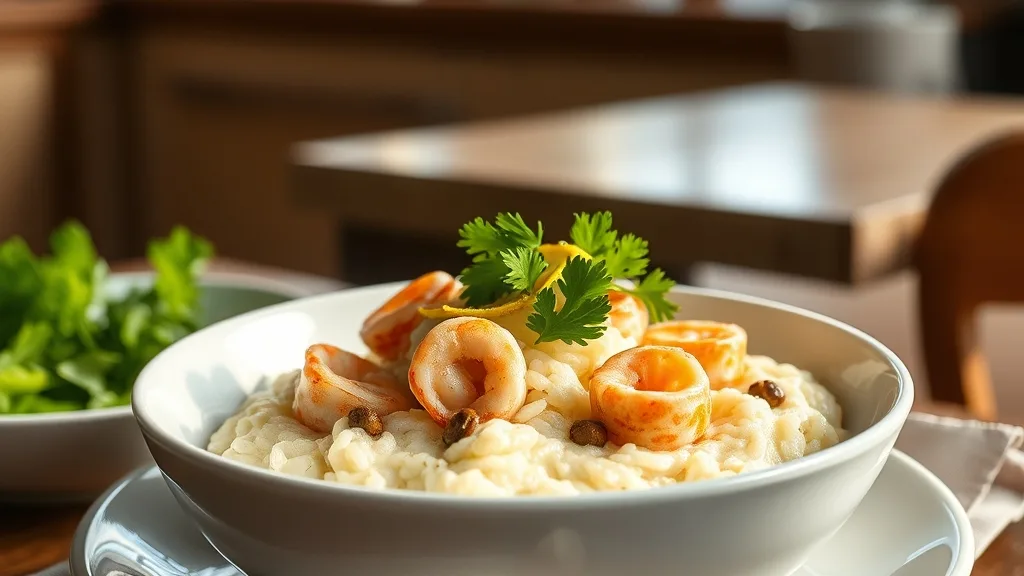
Variation 2: Saffron Seafood Risotto. Add a generous pinch of high-quality saffron threads (Rumi Spice or La Mancha saffron are both excellent) to the warm stock and let it steep for ten minutes before using. The saffron turns the stock a vivid golden yellow and adds a floral, slightly metallic depth that transforms the dish. This is the Milanese approach applied to seafood and it is exceptional.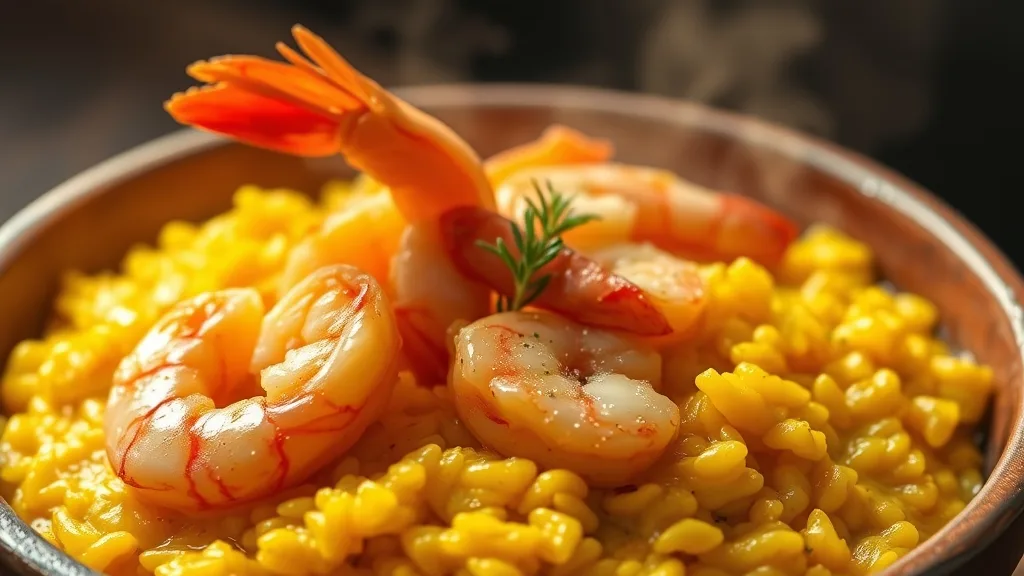
Variation 3: Tomato and Basil Seafood Risotto. Replace 200ml of the stock with a ladleful of San Marzano tomato passata added midway through cooking. Finish with fresh torn basil instead of parsley. The acidity of the tomato cuts through the butter richness and creates a brighter, more summery character.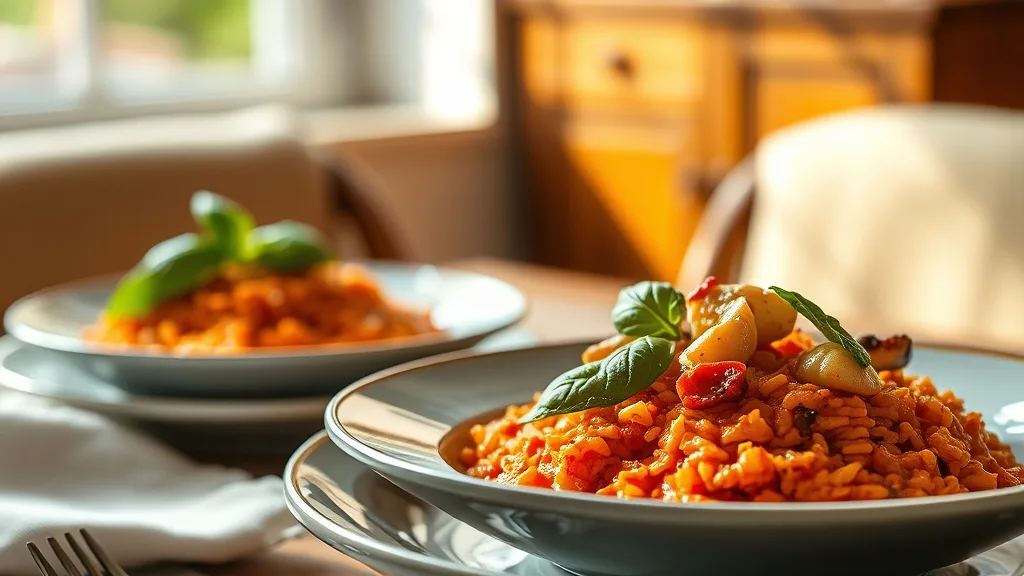
Variation 4: Lemon and Caper Risotto. Add two tablespoons of capers (rinsed and roughly chopped) and the zest of two lemons to the rice during the last five minutes of cooking. Finish with a generous squeeze of fresh lemon juice in the mantecatura step alongside the butter. The brininess of the capers amplifies the seafood flavor.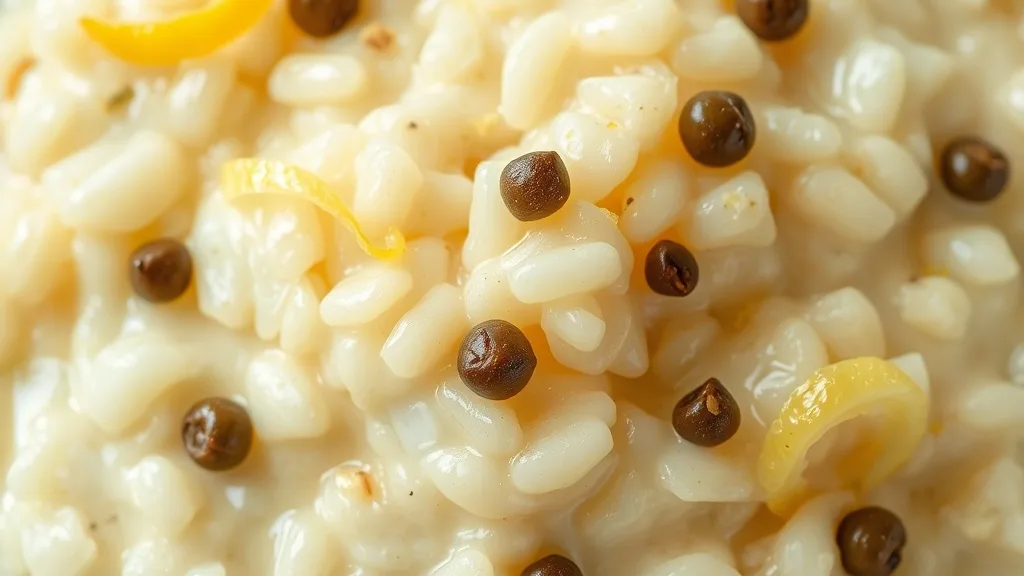
Variation 5: White Truffle Oil Finish. Make the master recipe exactly. At the very end, after plating, add four to six drops of high-quality white truffle oil per serving. Urbani white truffle oil is the most reliable commercially available product. Do not cook with truffle oil. Its volatile aromatic compounds dissipate completely under heat. It is a finishing element only, and used correctly it elevates this dish to genuinely special occasion territory.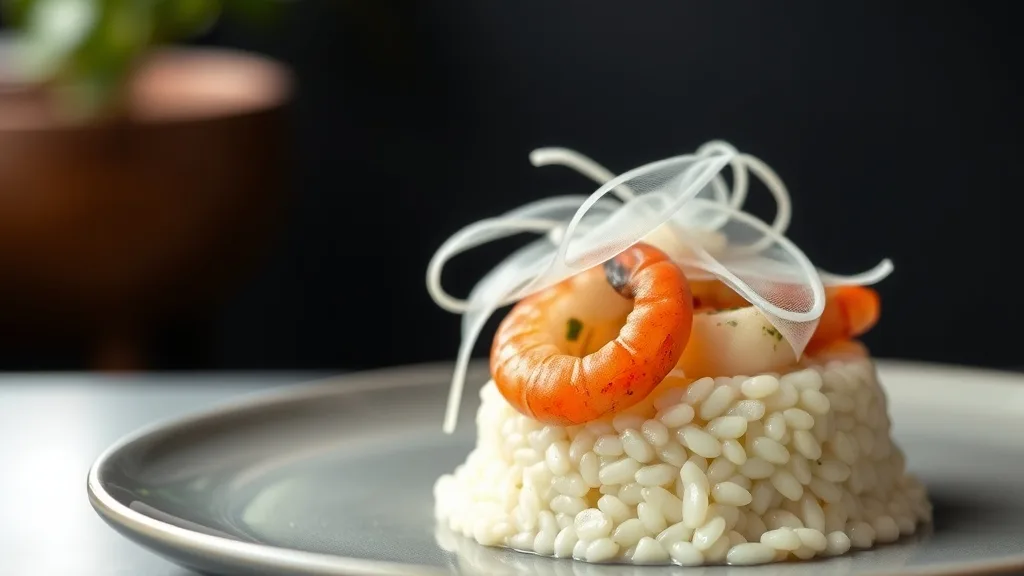
Variation 6: Prosecco Risotto. Replace the dry white wine with an equal quantity of Prosecco Brut. The slight sweetness and effervescence of Prosecco creates a subtly different flavor profile, lighter and more floral than standard white wine. This version pairs beautifully with a light spring meal.
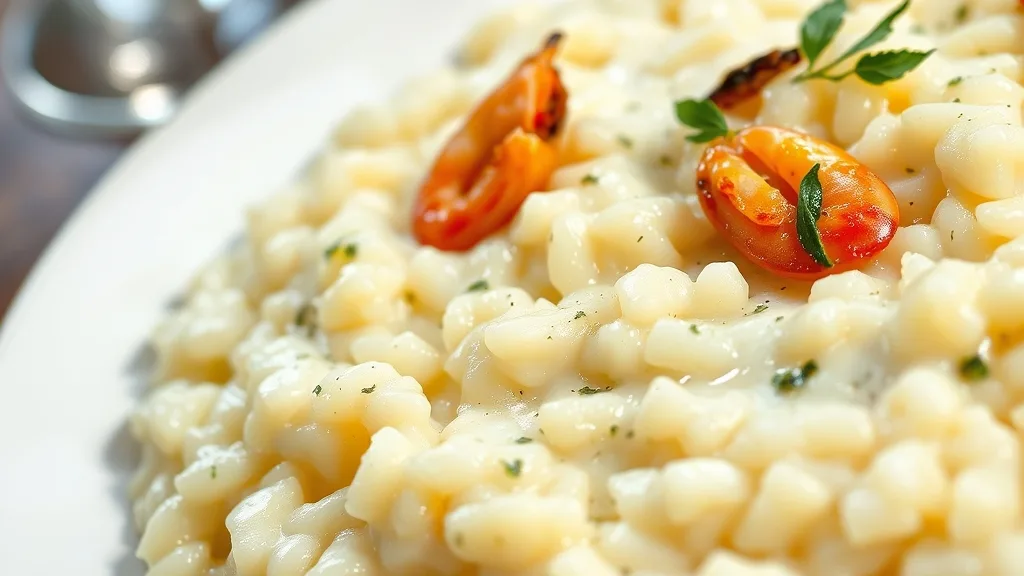
Herb and Vegetable Forward Variations (7 to 12)
Variation 7: Asparagus and Seafood Risotto. Add thin asparagus pieces cut into 3cm lengths during the final five minutes of cooking. They should retain some bite. The vegetal sweetness of asparagus is one of the most complementary flavors for both salmon and shrimp. This is my go-to spring version.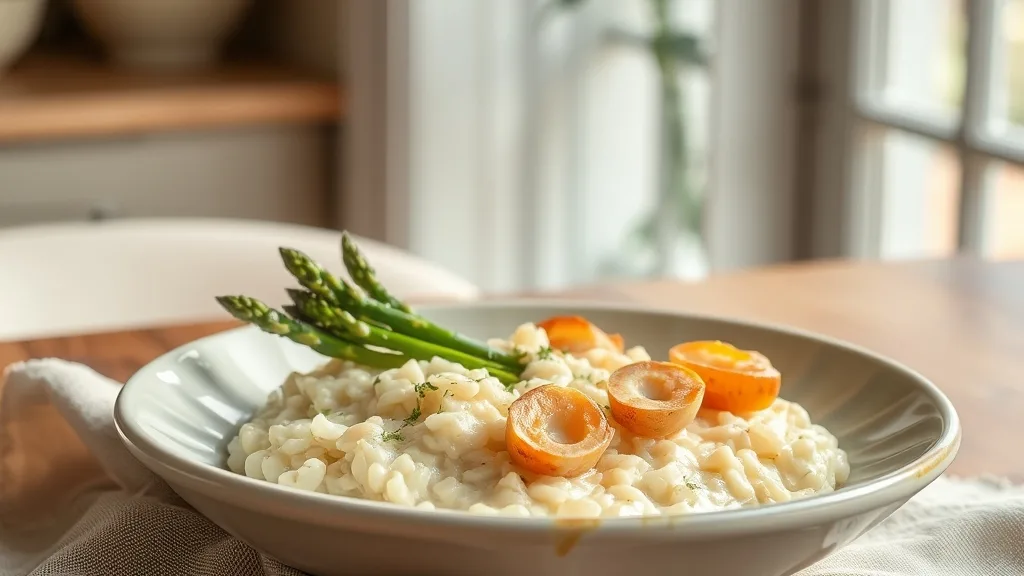
Variation 8: Pea and Mint Risotto. Stir in 150 grams of fresh or frozen peas during the last three minutes of cooking. Add one tablespoon of finely chopped fresh mint with the parsley at the end. The sweetness of peas against the savory seafood base creates a classical Italian combination that has been popular in Venice for centuries.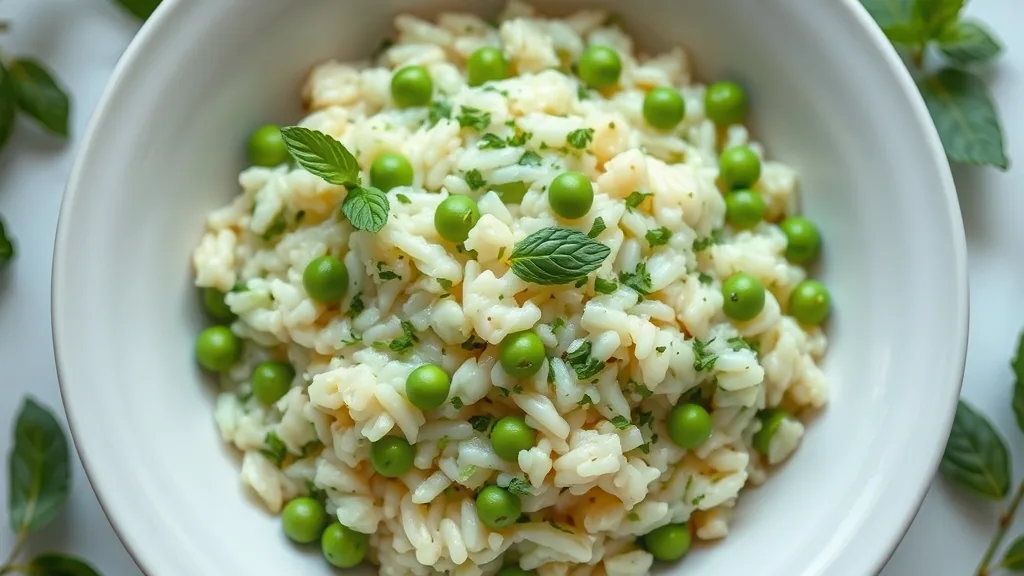
Variation 9: Spinach and Lemon Risotto. Wilt two large handfuls of baby spinach into the risotto during the final two minutes of cooking. Add extra lemon zest and a pinch of nutmeg with the butter finish. The spinach turns the risotto pale green and adds an earthy note that works particularly well with salmon.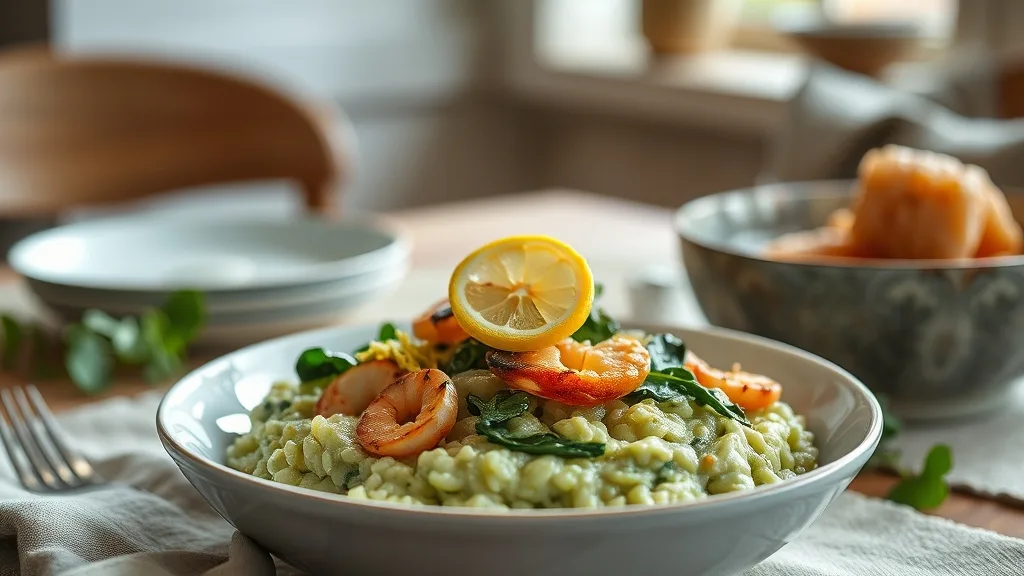
Variation 10: Roasted Cherry Tomato Risotto. Roast 250 grams of cherry tomatoes with olive oil, salt, and thyme at 200 degrees Celsius for 20 minutes before starting the risotto. Stir the softened tomatoes and their juices into the risotto during the last five minutes. The concentrated, jammy tomato flavor this produces is dramatically more complex than adding raw tomatoes.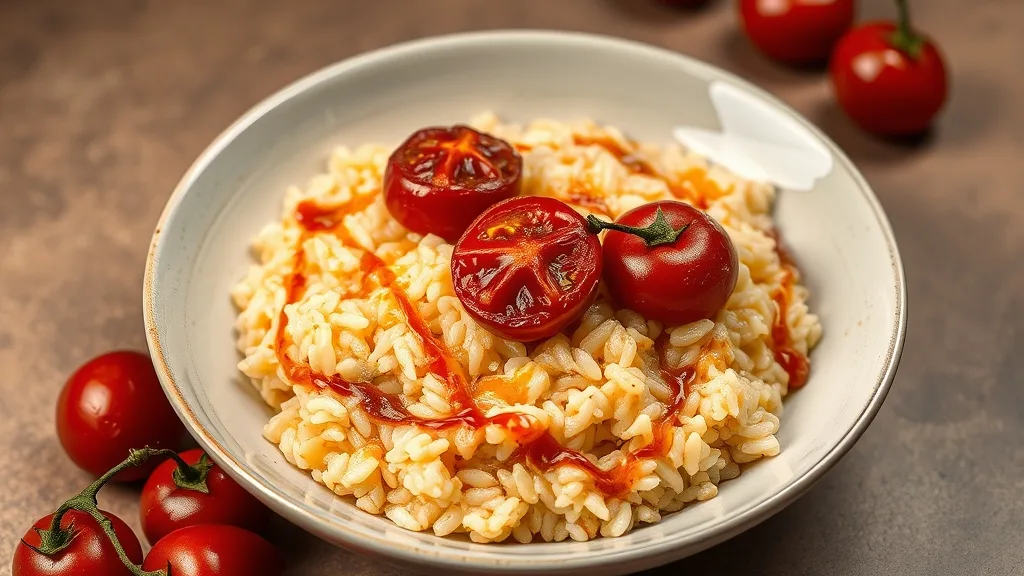
Variation 11: Fennel and Dill Risotto. Replace the white onion with one medium fennel bulb, finely diced. Cook it in the same way. Replace flat-leaf parsley with fresh dill at the finish. Fennel and dill are both classic companions to seafood in Scandinavian and Italian cooking, and their combination creates a highly aromatic risotto that tastes distinctly different from the classic base.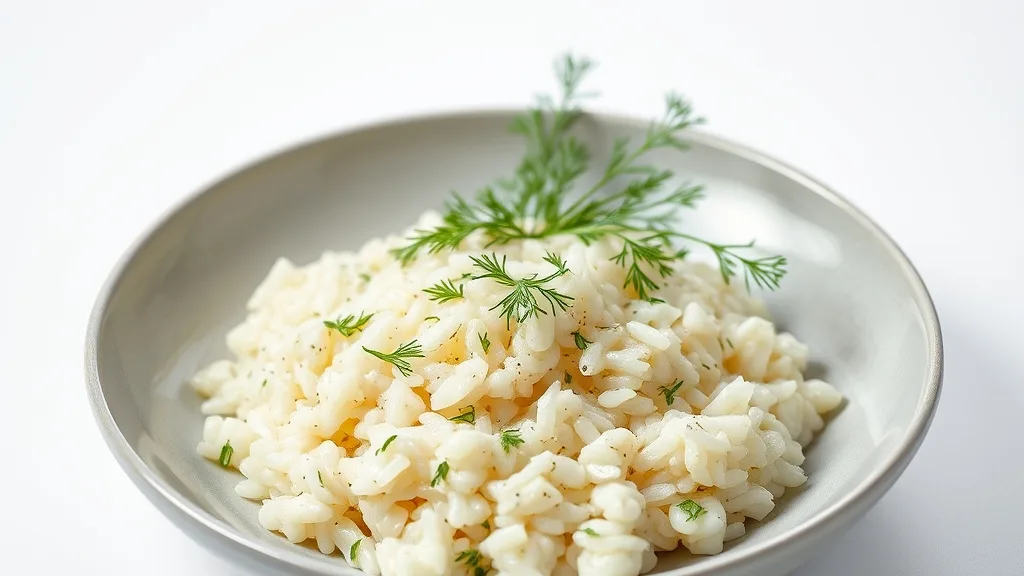
Variation 12: Arugula and Walnut Pesto Risotto. Make a quick arugula pesto by blending two handfuls of arugula, 30 grams of walnuts, one garlic clove, olive oil, and salt in a small food processor. Stir two tablespoons of this pesto into the finished risotto before adding the seafood. The peppery bitterness of arugula creates a memorable contrast with the rich, sweet shrimp.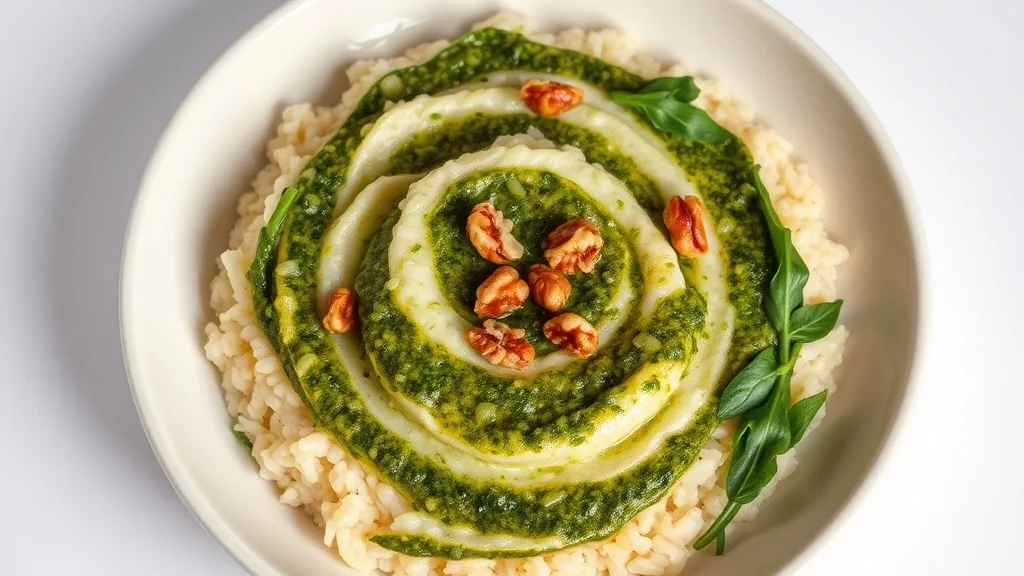
Bold and International Flavor Variations (13 to 17)
Variation 13: Miso Butter Seafood Risotto. Replace the standard cold butter in the mantecatura with a miso butter made by combining 50 grams of softened unsalted butter with one tablespoon of white miso paste. The miso adds umami depth that amplifies the seafood flavor dramatically. Omit the Parmigiano in this version. Garnish with toasted sesame seeds and thinly sliced green onion.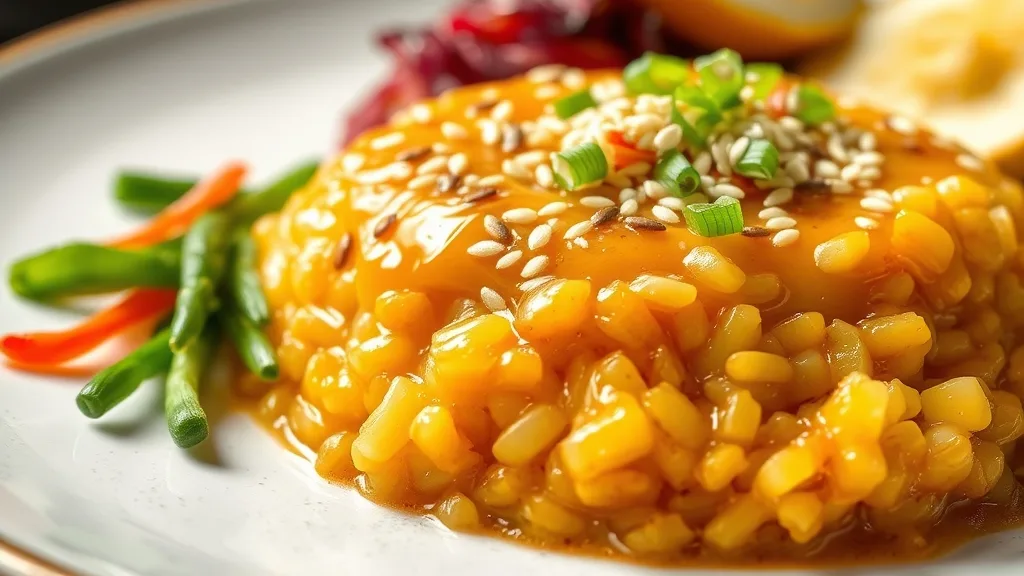
Variation 14: Coconut and Lime Seafood Risotto. Replace 300ml of the stock with full-fat coconut milk. Add the zest and juice of two limes with the butter finish. Replace parsley with fresh cilantro. This variation bridges Italian risotto technique with Southeast Asian flavor and it works because the creamy starch of the rice accepts coconut milk’s fat content in exactly the same way it accepts butter.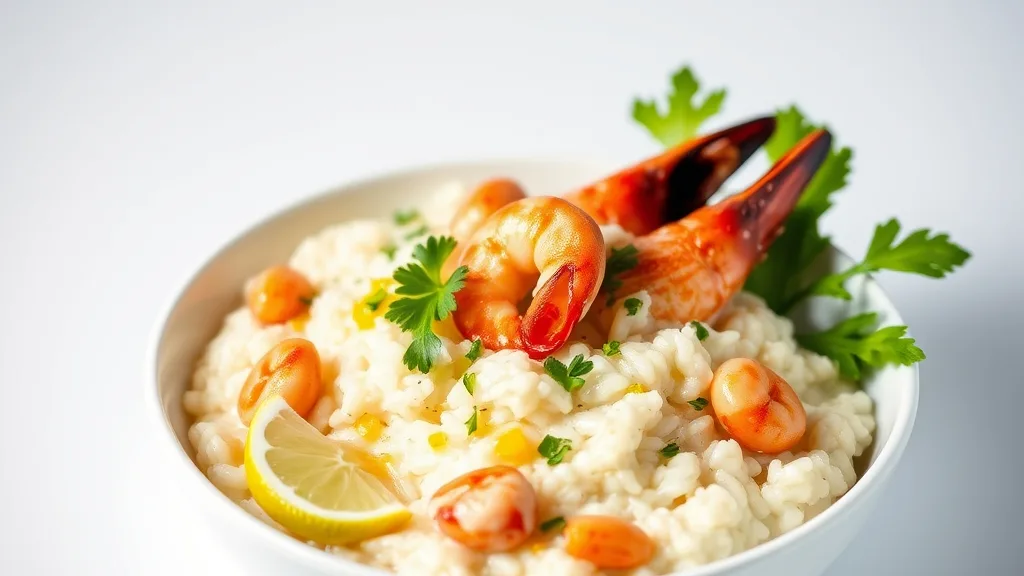
Variation 15: Chili and Garlic Seafood Risotto. Add one finely chopped red chili with the garlic at the beginning of cooking. Add an extra two cloves of garlic. Finish with a drizzle of chili oil alongside the olive oil. This version has genuine heat that contrasts with the sweetness of the shrimp and the richness of the salmon.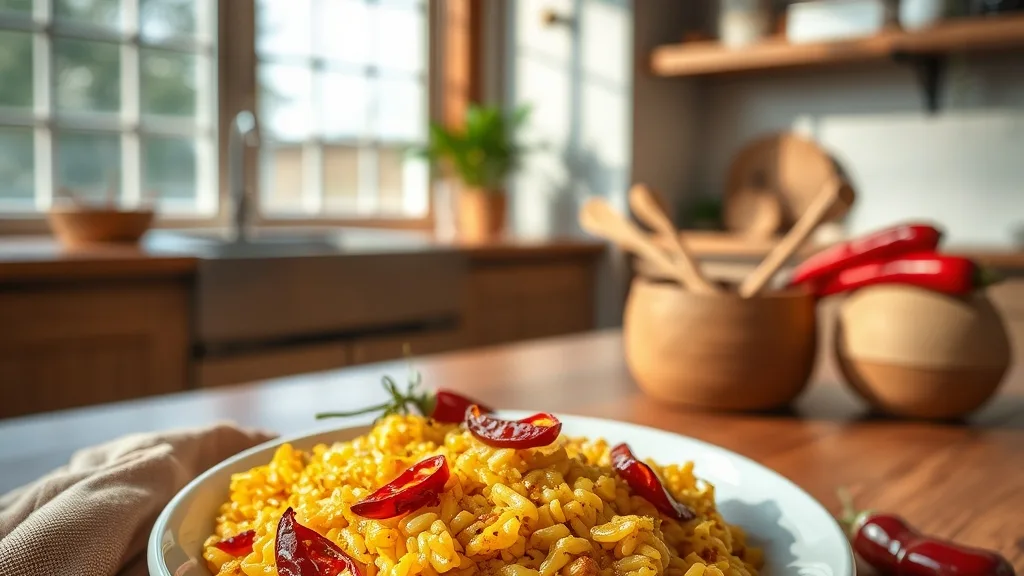
Variation 16: Smoked Paprika and Roasted Red Pepper. Stir one teaspoon of smoked paprika into the onion during cooking. Add two roasted red peppers (jarred is fine, Piquillo peppers are best) finely diced, during the last five minutes. The smoky, sweet character of this variation is closer to a Spanish arroz than a traditional Italian risotto but it is extraordinary with seafood.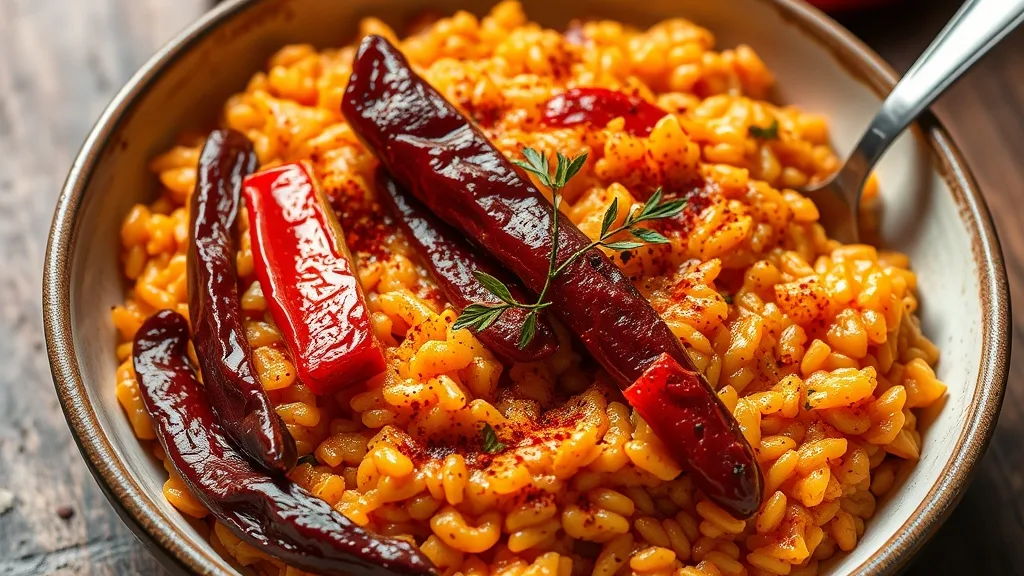
Variation 17: Tarragon and Vermouth Risotto. Replace the dry white wine with dry vermouth such as Noilly Prat. Add one tablespoon of fresh tarragon leaves in the final minute of cooking. Vermouth has a herbal, slightly bitter complexity that white wine does not and it pairs remarkably well with delicate seafood. This is a French-influenced variation that I return to repeatedly.
Indulgent and Special Occasion Variations (18 to 20)
Variation 18: Lobster Stock Seafood Risotto. Replace the standard seafood stock with homemade or store-bought lobster bisque diluted 50/50 with water or light chicken stock. The lobster base gives the risotto an extraordinary depth and sweetness. Bar Harbor lobster bisque (available at most grocery stores, approximately five dollars per can) works well as a base. This is the version I make when the occasion genuinely warrants it.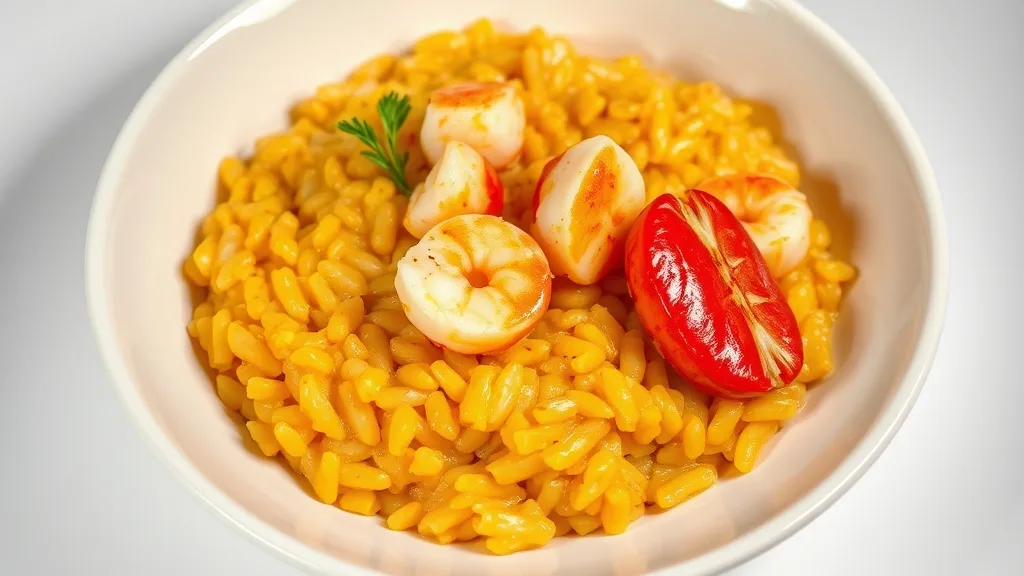
Variation 19: Champagne and Caviar Risotto. Replace the white wine with Champagne or high-quality sparkling wine. After plating, top each serving with a small amount of trout roe or salmon roe instead of standard garnish. The briny pop of the roe against the creamy risotto is a textural and flavor experience that costs significantly less than it tastes like. This is the variation for anniversaries and celebrations.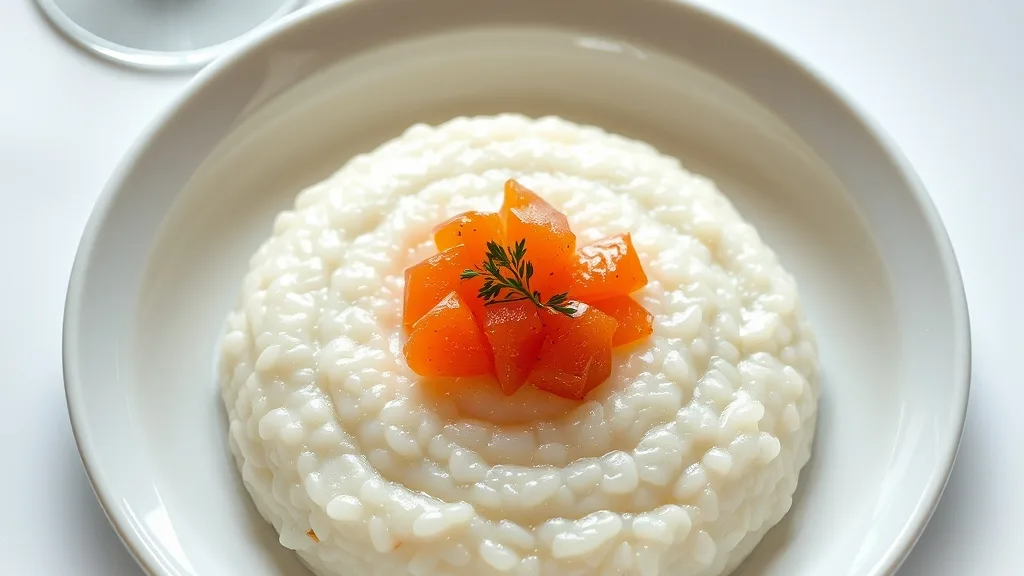
Variation 20: Black Squid Ink Risotto with Salmon and Shrimp. Add one sachet of squid ink (approximately four grams, available at specialty grocery stores or online) to the warm stock before cooking. The risotto turns a dramatic, glossy black. The squid ink adds a deep oceanic, briny flavor. Serve in white bowls for maximum visual impact. Warn guests before serving. This is genuinely impressive and genuinely delicious.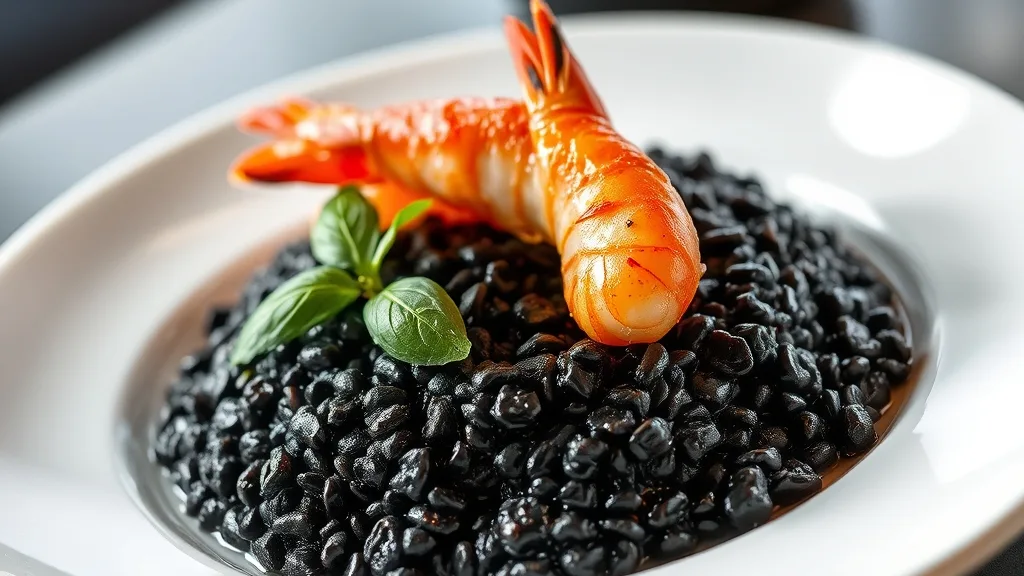
All 20 Variations at a Glance
| # | Variation Name | Key Addition | Occasion | Difficulty |
| 1 | Classic Venetian | Master recipe as written | Any night | Beginner |
| 2 | Saffron Seafood | Saffron-steeped stock | Dinner party | Beginner |
| 3 | Tomato and Basil | San Marzano passata, basil | Summer dinner | Beginner |
| 4 | Lemon and Caper | Capers, double lemon zest | Light weeknight | Beginner |
| 5 | White Truffle Oil | Truffle oil finish only | Special occasion | Beginner |
| 6 | Prosecco Risotto | Prosecco instead of wine | Spring meal | Beginner |
| 7 | Asparagus Seafood | Fresh asparagus pieces | Spring dinner | Beginner |
| 8 | Pea and Mint | Fresh peas, fresh mint | Family dinner | Beginner |
| 9 | Spinach and Lemon | Baby spinach, nutmeg | Weeknight | Beginner |
| 10 | Roasted Tomato | Oven-roasted cherry tomatoes | Weekend dinner | Intermediate |
| 11 | Fennel and Dill | Fennel base, fresh dill | Elegant dinner | Intermediate |
| 12 | Arugula Walnut Pesto | Homemade arugula pesto | Weekend cook | Intermediate |
| 13 | Miso Butter | Miso-butter blend finish | Fusion dinner | Intermediate |
| 14 | Coconut and Lime | Coconut milk, cilantro | Summer party | Intermediate |
| 15 | Chili Garlic | Fresh chili, chili oil | Bold flavor lovers | Beginner |
| 16 | Smoked Paprika | Smoked paprika, Piquillo peppers | Weekend dinner | Intermediate |
| 17 | Tarragon Vermouth | Dry vermouth, fresh tarragon | French-inspired dinner | Intermediate |
| 18 | Lobster Stock | Lobster bisque as stock base | Special occasion | Intermediate |
| 19 | Champagne and Roe | Champagne, salmon roe garnish | Celebration | Advanced |
| 20 | Black Squid Ink | Squid ink sachets in stock | Showstopper dinner | Advanced |
Every Mistake I Made So You Do Not Repeat Them
Cold Stock Into Hot Rice
My first three batches of risotto had an uneven, slightly gluey texture that I could not explain until I read a serious Italian cooking text that specified the stock must be warm throughout. Cold stock added to hot rice creates temperature shock. The starch releases unevenly. The rice cooks inconsistently. Keep a separate small saucepan with your stock on the lowest heat setting throughout the entire cooking process. This single change improved my risotto more than anything else.
Adding Seafood Too Early
I added the shrimp and salmon to the risotto at the ten-minute mark on my second attempt, thinking they needed the full cooking time to develop flavor. They were rubbery and chalky by the time the rice was done. Seafood does not need time to develop flavor in a risotto. It needs to arrive already cooked and be folded in at the very end. The heat of the finished rice gently warms the seafood through during the thirty seconds between mantecatura and plating.
Not Toasting the Rice
Skipping the toasting step produces mushier, more homogeneous risotto. The two minutes of toasting in oil before the wine goes in seals the outer starch layer and helps the grain maintain its structure through the long, liquid-heavy cooking process. It also develops a mild nutty flavor that adds to the finished dish’s complexity. Two minutes. Do not skip it.
Using Cheap or Wrong Wine
I used a sweet Riesling once because it was open. The sweetness clashed catastrophically with the savory base and I had to adjust with extra salt and lemon to mask it. Use a dry white wine. Pinot Grigio, Sauvignon Blanc, unoaked Chardonnay, or Vermentino all work. The wine should be something you would drink, not something you bought specifically for cooking. Cooking wine that contains salt is completely unsuitable for risotto.
Skipping the Mantecatura
Early in my risotto education I would just stir in softened butter at the end. The difference between softened butter stirred in and cold butter beaten in vigorously off the heat is the difference between a good risotto and an exceptional one. Cold butter creates a physical emulsification with the rice starch and stock. It produces the glossy, creamy, wave-like texture that defines restaurant risotto. Use cold butter. Beat it in with energy for a full ninety seconds. Remove the pan from heat first.
Cost Comparison: Homemade vs Restaurant Seafood Risotto
| Source | Price Per Serving | Portion Size | Quality Control | Customizable |
| Homemade (budget ingredients) | $4 to $6 | Full generous serving | Complete | Yes |
| Homemade (premium ingredients) | $8 to $12 | Full generous serving | Complete | Yes |
| Casual Italian restaurant | $18 to $26 | Small to medium | Variable | Limited |
| Mid-range restaurant | $28 to $38 | Medium | Generally good | No |
| Fine dining restaurant | $45 to $65 | Small, refined | Excellent | No |
| Grocery store ready meal | $7 to $10 | Medium | Poor to fair | No |
Cost estimates based on average US grocery and restaurant pricing as of early 2025. Homemade budget version uses frozen seafood and Arborio rice. Premium version uses fresh seafood and Carnaroli rice.
The Equipment That Actually Makes a Difference
The Pan
A wide, heavy-bottomed pan is the most important piece of equipment for risotto. Wide because surface area allows moisture to evaporate evenly. Heavy-bottomed because it distributes heat without hot spots that burn the rice at the bottom. The All-Clad D3 Stainless 3-Quart Saute Pan is the professional standard and costs around 180 dollars. The Lodge Enameled Cast Iron Braiser at around 60 dollars performs nearly as well for this specific application. A wide non-stick pan works as a fallback but makes it harder to develop the flavorful fond.
The Ladle
A standard kitchen ladle holding approximately 120ml is the right size for adding stock incrementally. Adding too much stock at once rushes the cooking and produces uneven rice. The OXO Good Grips Ladle with a pour spout is the most practical option I have used, at around twelve dollars.
The Stock
Homemade seafood stock produces the best risotto. Simmer shrimp shells with white wine, onion, celery, and bay leaf for twenty minutes and you have a stock that beats anything in a carton. For weeknight cooking, Swanson Seafood Stock and Kitchen Basics Seafood Stock are both acceptable commercial options. Bar Harbor lobster bisque diluted with water is the best pantry upgrade available, adding significant depth for about two dollars more per batch.
Frequently Asked Questions
Can I make risotto ahead of time?
Partially, yes. You can cook the risotto base to the 75% point, where the rice is still slightly too al dente to serve, then spread it on a baking sheet to cool quickly. Refrigerate for up to 24 hours. When ready to serve, reheat with additional warm stock, completing the cooking and performing the mantecatura fresh. Do not add the seafood until the final moment. This is the method used in most restaurants. A fully finished risotto does not hold well, but a par-cooked base holds beautifully.
What is the best white wine for seafood risotto?
Pinot Grigio is the most reliable choice due to its dry, neutral profile with light acidity. Sauvignon Blanc works well for a slightly more aromatic result. Unoaked Chardonnay adds body without the buttery oak that would compete with the butter in the mantecatura. Avoid sweet wines, heavily oaked wines, and any wine you would not enjoy drinking. The wine’s flavor concentrates in the risotto and a flawed wine produces a flawed dish.
Can I use frozen salmon and shrimp?
Yes, and the quality difference from fresh is smaller than most people expect when using properly thawed frozen seafood. Thaw overnight in the refrigerator, never at room temperature or in a microwave. Pat completely dry before searing. Moisture on the surface of seafood prevents the pan from getting hot enough for a proper sear and produces steamed rather than seared fish. Frozen wild salmon and frozen Gulf shrimp are both excellent frozen seafood products available at most grocery stores.
Why does my risotto get dry and clumpy after five minutes?
Risotto tightens as it cools because the starch continues to absorb moisture and the butter emulsification cools and solidifies. It must be eaten within five minutes of plating, which is why restaurants serve it immediately and why home cooks should have warmed plates ready before completing the mantecatura. If you need to hold it briefly, stir in an additional ladle of warm stock just before serving to restore the wave-like texture.
Do I need to use Parmigiano-Reggiano or can I use a different cheese?
For seafood risotto specifically, Parmigiano-Reggiano is optional rather than essential. Many traditional Italian seafood risotto recipes omit cheese entirely because the fish and shellfish provide sufficient umami depth. If you prefer cheese in the dish, use genuine Parmigiano-Reggiano rather than generic Parmesan. The flavor difference is significant. Pecorino Romano is too assertive for seafood. Grana Padano works as a budget-friendly alternative to Parmigiano.
How do I scale this recipe for a dinner party of eight?
Double every ingredient proportionally. Use a larger pan with more surface area. The critical adjustment is stock: have more than you think you need, at least two liters for a double batch. The cooking time remains roughly the same but you will go through stock faster. Do not attempt to make risotto for eight in a single small pan. Use the largest pan you own or split into two simultaneous batches.
What do I do with leftover risotto?
Leftover risotto makes exceptional arancini, the Sicilian fried rice balls. Form cold leftover risotto into balls around a small piece of cheese, coat in breadcrumbs, and shallow fry until golden. They are one of the best things you can make with a leftover. Cold risotto can also be pressed into a pan and fried as a risotto cake, crispy on both sides and served as a side dish. It does not reheat well as risotto, so transformation is the approach.
Is seafood risotto safe during pregnancy?
This is a medical question that warrants medical advice rather than a recipe blog answer. Generally, fully cooked shrimp and fully cooked salmon are considered safe during pregnancy. Raw or undercooked seafood is not recommended. Consult your healthcare provider for guidance specific to your situation. The recipes in this guide call for fully cooked seafood throughout.
Tuesday Night Risotto Is Not a Compromise. It Is a Skill.
Here is what I have come to believe after three years and more batches than I have counted: the gap between restaurant seafood risotto and home seafood risotto is almost entirely a knowledge gap, not a skill gap. Once you understand why each step exists, what the toasting does, why the stock must be warm, why the seafood goes in last, why cold butter matters, the cooking becomes intuitive.
Forty minutes. One pan for the risotto, one small pan for the stock, one separate pan for the seafood. Twelve to eighteen dollars of ingredients depending on your market. A result that genuinely rivals the thirty-four-dollar restaurant version I ate three years ago.
Start with the classic. Make it on a Tuesday when you have forty uninterrupted minutes. Eat it immediately on warmed plates. Then, when you want to push further, pick the variation that matches your mood and the ingredients you have. The saffron version for something special. The miso butter version when you want something unexpected. The squid ink version when you want to genuinely impress someone.
Risotto rewards attention. Not expertise, not expensive equipment, not rare ingredients. Just your presence at the stove and the patience to add one ladle at a time.
Which of these twenty variations speaks to you first, and is there a flavor combination or regional influence you would want to see added to this list?
Note: Seafood prices, ingredient costs, and product availability vary by region and season. All cost estimates reflect approximate US market pricing as of early 2025. Individuals with seafood allergies or dietary restrictions should verify all ingredients before preparation.