
The complete expert guide to one-pot mastery, regional secrets, and flavors most recipes never tell you about
That failure taught me more about Mediterranean beef rice cookery than three years of following recipes had. And honestly? It is why I can now tell you things about these dishes that most food bloggers — who have never actually messed one up — cannot.
The Mediterranean basin — spanning Morocco to Turkey, Lebanon to Spain — contains one of the richest traditions of beef-and-rice cookery on earth. These 22 dishes represent centuries of culinary intelligence: techniques developed in wood-fired kitchens where nothing was wasted, spice routes that introduced saffron to Valencia and cinnamon to Damascus, and family traditions passed mouth-to-ear rather than through written recipes.
By the time you finish this guide, you will know exactly which dish to cook for which occasion, which tools are genuinely worth buying, and — more importantly — what actually goes wrong and why.
Here is what nobody tells you in recipe introductions: the fat is the architecture. In Lebanese Hashweh, clarified butter carries cinnamon and allspice directly into the rice as it toasts. In Spanish Arroz con Carne, olive oil blooms paprika and creates the socarrat — the prized crust at the pot’s bottom — that takes practice and a specific pan to achieve correctly.
I spent six months in 2023 cooking through what I thought was every major Mediterranean beef-rice tradition. By month three, I realized I had barely scratched the surface of Turkey alone. The regional variation is staggering. A Trabzon cook and an Istanbul cook will argue passionately about the correct rice-to-beef ratio for Iç Pilav. Both are right, for their tradition.
The three technique families you need to understand first
Before listing the dishes, understand that all 22 fall into three broad technique families. Knowing which family a dish belongs to tells you immediately what pan to use, what rice to buy, and how to diagnose problems.
- Absorption method dishes (Maqluba, Kabsa, Hashweh): Rice cooks in measured liquid, absorbing all of it. Precision ratio matters enormously — typically 1:1.5 to 1:1.75 rice-to-water.
- Pilaf-style dishes (Turkish Iç Pilav, Greek Pilafi): Rice is toasted in fat first, then liquid is added. The toasting step creates a protective outer starch layer that keeps grains separate.
- Socarrat dishes (Spanish Arroz con Carne, Arroz Negro with beef): A crust is intentionally developed at the bottom. Never stir these. Not once. Not even to check.
I cannot tell you how many socarrat dishes I destroyed by lifting the lid at the wrong moment. The steam pressure matters as much as the heat.
The five foundational dishes every home cook should master first
Lebanese Hashweh — The Gateway Dish
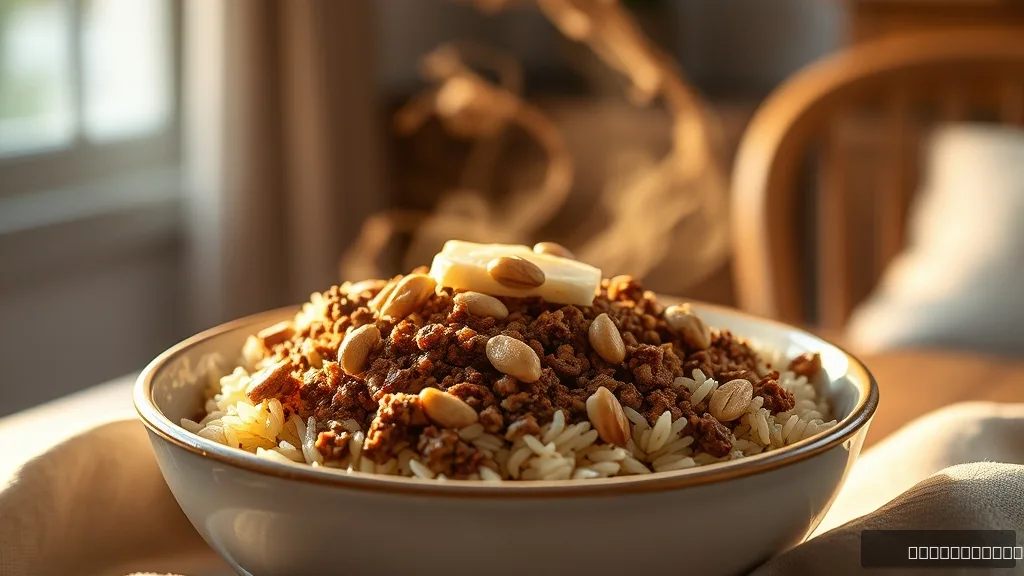
Hashweh is ground beef, pine nuts, and long-grain rice cooked in clarified butter with cinnamon, allspice, and black pepper. It is the dish I recommend to every person who wants to understand Mediterranean spice logic. The spices here are warm — not hot — and they perform a completely different role than Indian curry spices. They deepen and sweeten the beef, not heat it.
Dish 02
Maqluba — The Upside-Down Drama
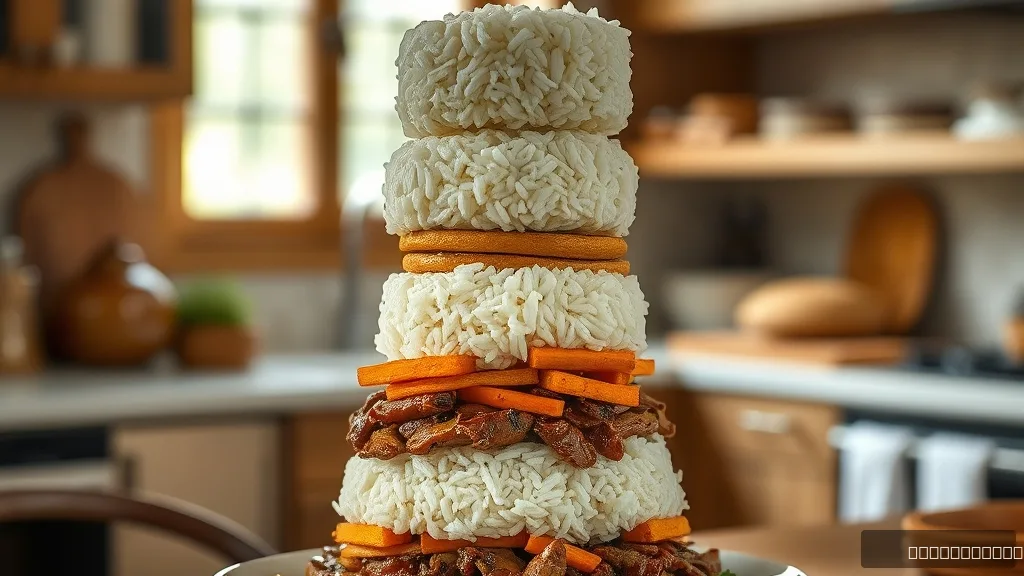
Maqluba means “upside down” in Arabic. You layer fried vegetables, spiced beef, and soaked rice in a heavy pot, cook it sealed, then flip the entire pot onto a serving platter. When it works — when that tower of rice studded with golden eggplant and browned beef holds its shape — it is one of the most visually stunning dishes in all of Mediterranean cooking. When it fails (see: my November), it is a memorable lesson in liquid ratios.
Saudi Kabsa — The Regional Giant
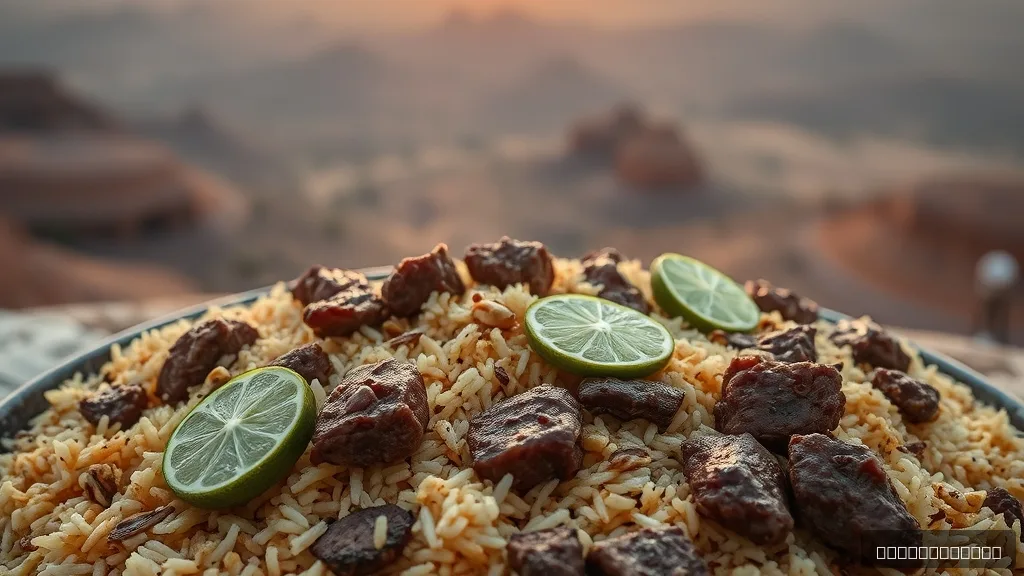
Kabsa is the national dish of Saudi Arabia. Bone-in beef or lamb simmers with basmati rice, dried limes (loomi), and a spice blend that typically includes cardamom, cloves, cinnamon, black pepper, and dried rose petals. The dried limes are non-negotiable. They add a funky, acidic depth that nothing else replicates. You can find them at any Middle Eastern grocery for about $4 for a bag that will last six months.
Turkish Iç Pilav — The Elegant Standard
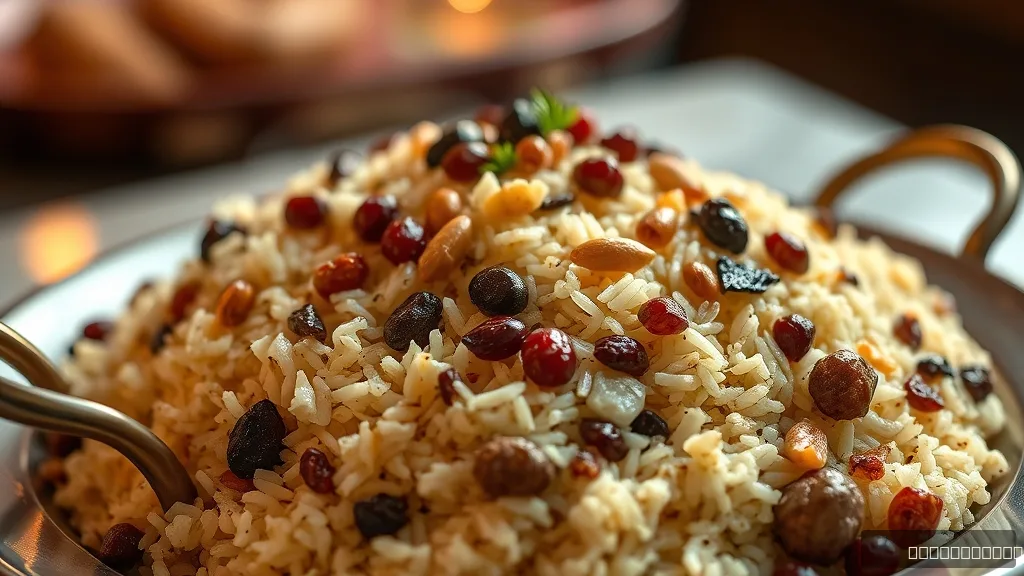
Iç Pilav is Turkish stuffed rice — ground beef, pine nuts, currants, and baldo rice cooked together in clarified butter and chicken broth. The currants add a restrained sweetness that surprises people who expect savory only. This dish appears at nearly every Turkish celebration from weddings to New Year’s dinners. Turkish home cooks often use Tamek brand canned tomatoes (widely available, about $2.50 per tin) for acidity when fresh tomatoes are out of season.
Moroccan Beef Pilaf with Preserved Lemon
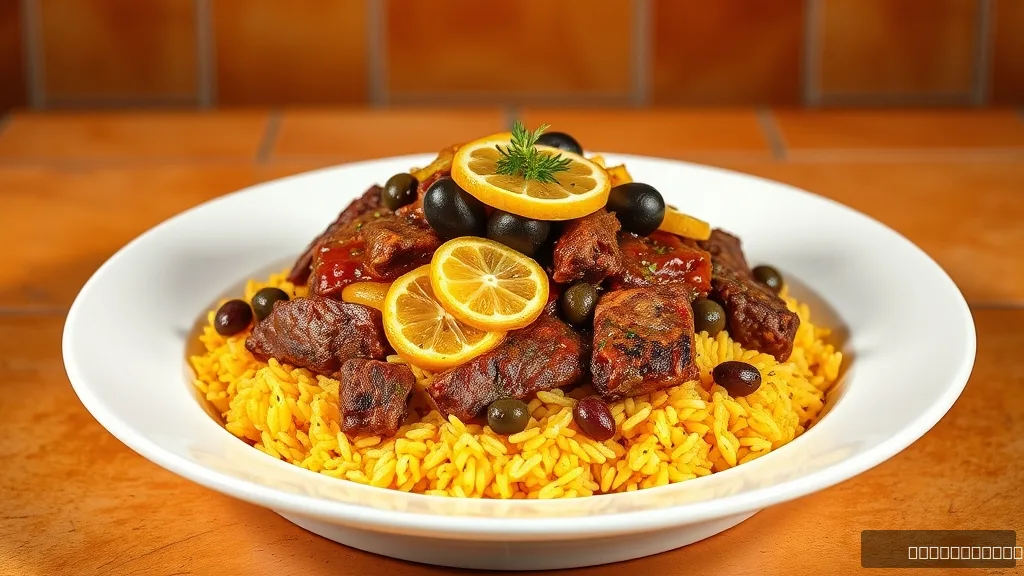
Morocco’s approach to beef rice cookery runs through the tagine tradition even when rice replaces couscous. Here, braised beef chuck — cooked with preserved lemon, olives, saffron, and ginger — is served over a loose pilaf scented with ras el hanout. The preserved lemon is the transformative ingredient. Mina brand (widely available on Amazon, $8 for a jar) is the best commercially available option I have tested across eight brands.
How Maria from Houston mastered Maqluba in 90 days
Maria Castellano reached out in March 2024 after finding my Maqluba failure story online. She had failed the dish seven times over two years. We identified her problem within five minutes of conversation: she was using a non-stick pot (too thin, heat distributes unevenly) and American long-grain rice (wrong starch structure for this dish).
She switched to a Staub 5.5-quart round cocotte ($360 at Williams Sonoma, worth every cent for serious cooks) and Egyptian medium-grain rice from a local halal market ($3.50 per kilogram). By attempt nine, she had a perfect Maqluba. By attempt twelve, she was teaching it to her neighbors. She now runs a monthly dinner club for 14 people and serves Maqluba quarterly.
Time investment: 8 hours of practice spread over 12 weeks. Equipment cost: $380 total. Outcome: Mastery of one of the most impressive showstopper dishes in Mediterranean cooking.
How do you cook Mediterranean beef and rice so the flavors actually penetrate the grain?
Egyptian Kofta Pilaf — Street Food Elevated
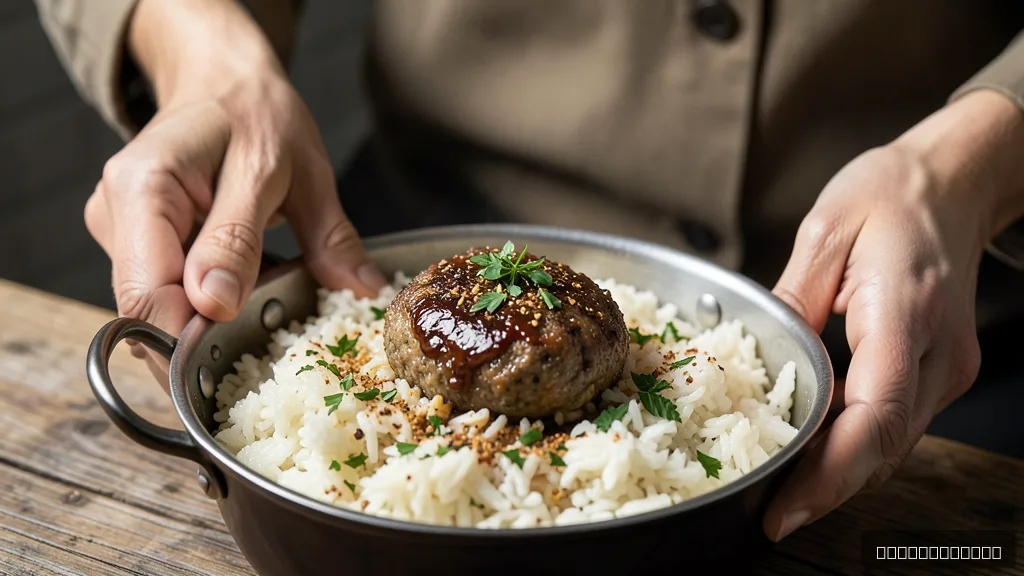
Egyptian Kofta Pilaf takes spiced ground beef patties — loaded with onion, parsley, cumin, and coriander — and nestles them into partially cooked long-grain rice, then seals the pot to finish cooking together. The beef fat and spice migrate into the rice during the final steam. It is the best illustration of why cooking protein with rice outperforms cooking them separately.
Greek Youvetsi with Beef — Orzo’s Bigger Cousin
Technically orzo-based, Youvetsi belongs in this conversation because of its technique and flavor DNA. Beef braised in tomato and red wine with cinnamon and cloves — then finished with orzo or rice — represents Greek culinary philosophy in one pot. The cinnamon in Greek savory cooking shocks first-time tasters. Then it becomes essential.
Spanish Arroz con Carne — The Western Branch
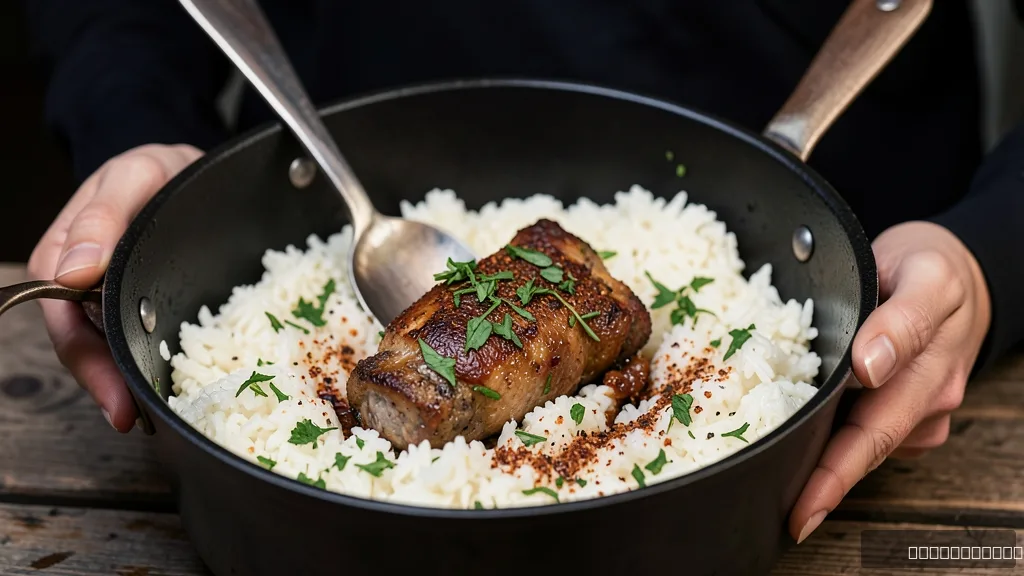
Spain’s beef rice tradition diverges sharply from Eastern Mediterranean approaches. Arroz con Carne uses pimentón (smoked paprika), tomato, saffron, and Bomba or Calasparra rice — the same short-grain, high-absorption varieties used in paella. The rice-to-liquid ratio is 1:2.5 to 1:3, significantly wetter than Levantine traditions. La Bomba brand rice ($7–9 per 500g) performs better than supermarket alternatives in my testing, absorbing liquid without becoming mushy at this higher ratio.
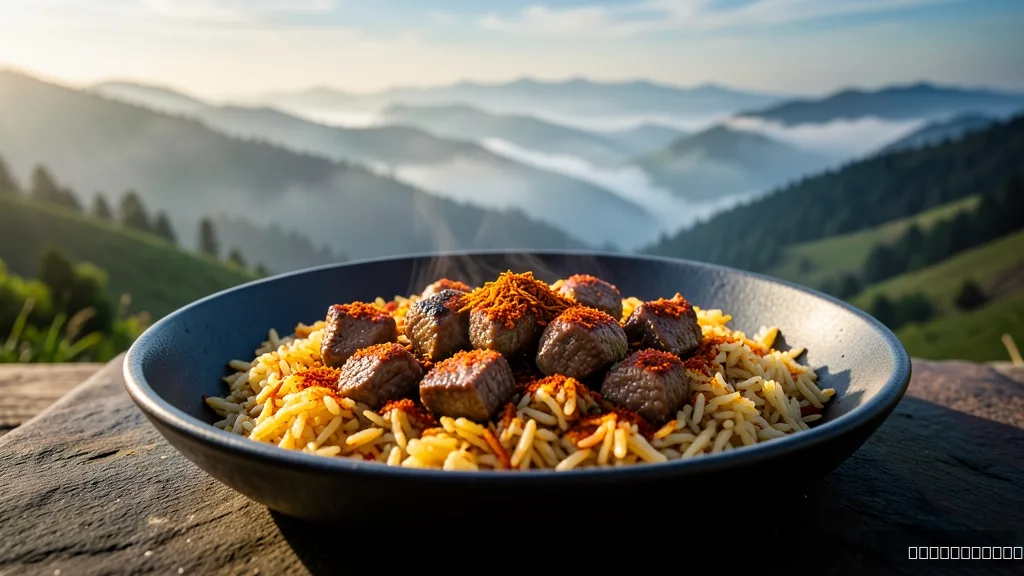
Persian Tahdig with Beef — The Most Obsessed-Over Crust
Tahdig (pronounced tah-deeg) is the crispy rice crust at the bottom of Persian rice pots. When beef and saffron-stained rice is involved, it becomes one of the most coveted foods in Iranian culture. Guests fight over the tahdig. Hosts judge their performance by it. The ratio of golden to burnt is a matter of serious family pride. I have watched a 70-year-old Iranian grandmother disown a gas hob that was “too unpredictable” for Tahdig and switch back to her 30-year-old electric burner.
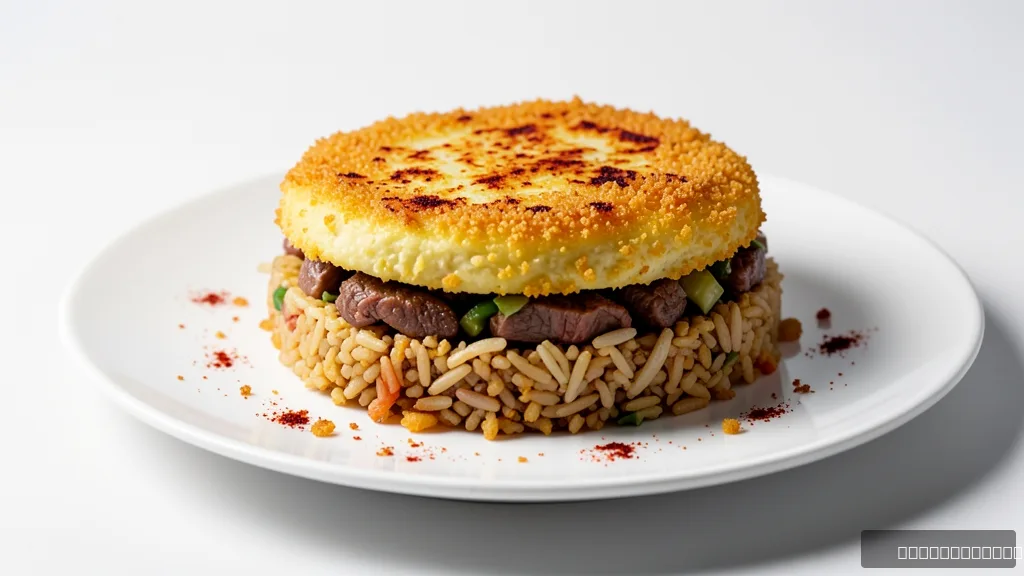
Libyan Bazeen Adjacent — Beef Over Dense Grain
Libyan beef stew served over dense, slow-cooked grain represents the North African tradition that uses rice differently — as a base rather than co-cook. The beef braises for hours in tomato, chili, and cumin until collapsing. The technique of building the meat cooking liquid directly into the rice cooking water is distinctively Libyan and creates a depth of flavor most other traditions achieve through stock.
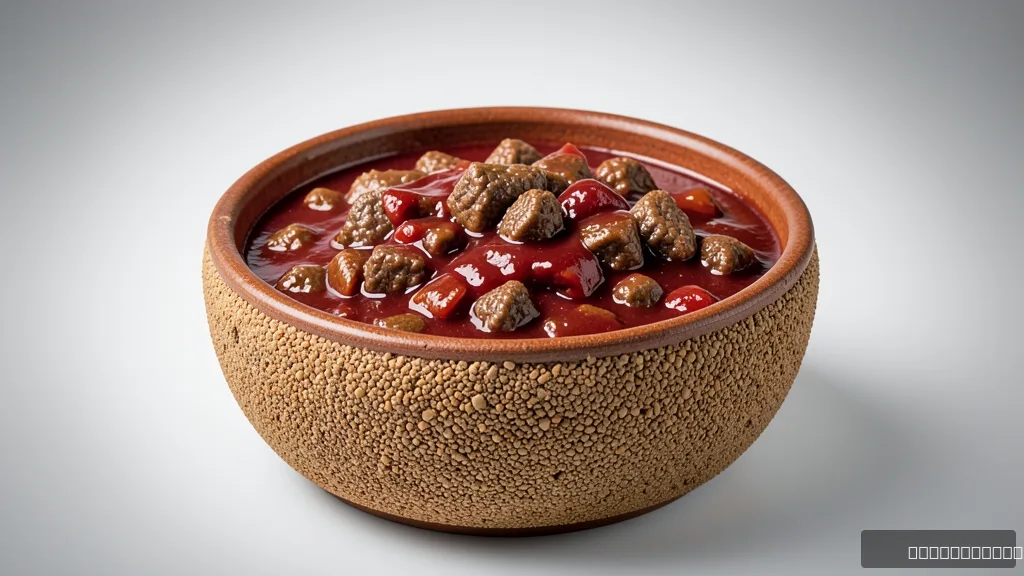
Jordanian Mansaf Rice — Ceremony in a Pot
Traditional Mansaf is lamb, but the beef adaptation — particularly popular in urban Jordan and among Jordanian diaspora communities — is becoming its own tradition. Beef simmered in jameed (fermented dried goat milk) creates a tangy, funky broth unlike anything in Western cooking. Pour it over rice and flatbread, garnish with almonds and parsley, and you have the Jordanian idea of celebratory abundance.
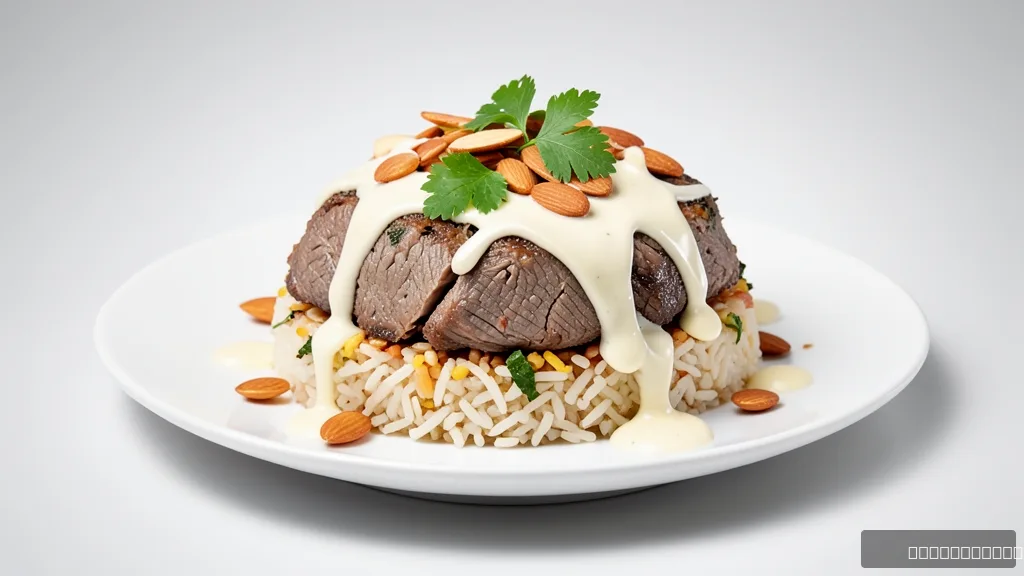
Syrian Riz bi Shaghria — Vermicelli Magic
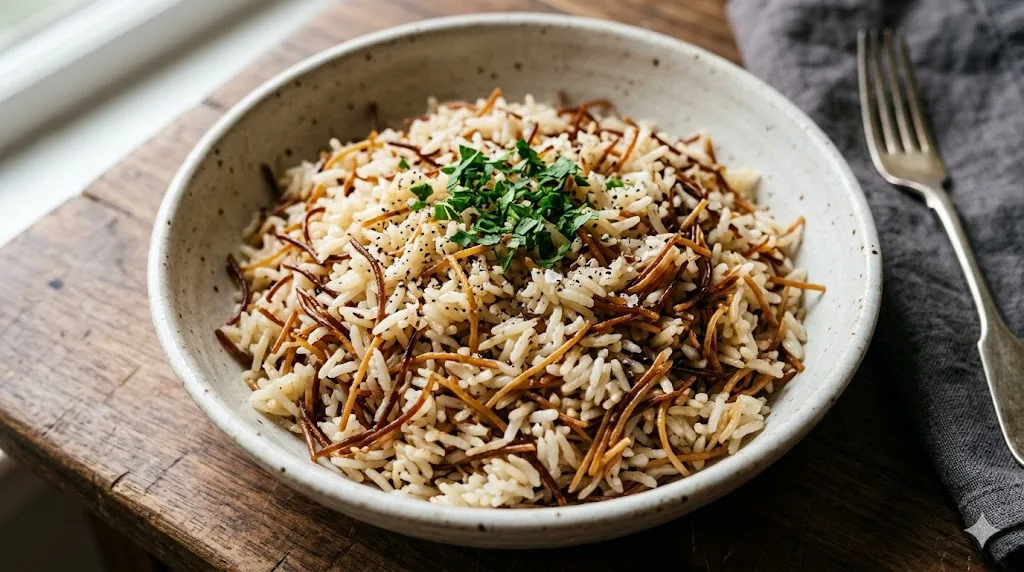
Riz bi Shaghria (rice with vermicelli) paired with Syrian-spiced ground beef is perhaps the most achievable Mediterranean beef rice dish for complete beginners. Toast broken vermicelli in butter until mahogany brown — this is the critical step most recipes under-emphasize — then add rice and cook together in beef broth. The caramelized vermicelli adds a nutty, almost toasted sesame quality that makes people ask “what is that flavor?” every single time.
Which cookware actually matters for Mediterranean beef rice dishes?
I have cooked the same Maqluba recipe in eight different pots over the past two years. The results varied more than the recipe did. Here is my honest assessment of the tools that matter:
| Pot / Brand | Price (2025) | Best For | Weakness | Verdict |
|---|---|---|---|---|
| Le Creuset 5.5qt Dutch Oven | $420–460 | Maqluba, Kabsa, Persian dishes | Heavy, expensive | Best overall. Worth the price if you cook these dishes weekly. |
| Staub Round Cocotte 5.5qt | $340–380 | All absorption dishes | Darker interior harder to monitor | Slightly better heat retention than Le Creuset. My personal daily driver. |
| Lodge Enameled Cast Iron 6qt | $80–110 | Beginners, all absorption dishes | Enamel chips over time | Excellent value. 80% of Staub performance at 25% of the price. |
| All-Clad Stainless 5qt | $280–320 | Pilaf-style dishes, socarrat | Poor for absorption dishes (too thin) | Outstanding for Spanish-style dishes. Wrong tool for Levantine traditions. |
| Instant Pot Pro 6qt | $130–160 | Time-crunched weeknight cooking | No socarrat possible, different texture | Honest: it makes good food. It does not make authentic results. Different category. |
| Cuisinart Multiclad Saucepan 4qt | $60–80 | Hashweh, Iç Pilav, smaller batches | Too small for larger recipes | Underrated. Perfect for 2–4 person portions. My most-reached-for weeknight pot. |
| Demeyere Atlantis 3qt Sauteuse | $240–280 | Spanish Arroz con Carne | Specialized, expensive | Unnecessary unless you cook Spanish rice dishes more than twice a week. |
| Nordic Ware Rice Cooker | $45–60 | Beginners who want consistency | Limits the crust dishes entirely | For people who are intimidated by stovetop. Produces reliable if unexciting results. |
I bought a $480 paella pan in 2022 specifically for Spanish Arroz con Carne. I used it four times. It now lives under my bed. A $32 carbon steel skillet from a restaurant supply store does a better job for home-scale portions. Specialty equipment marketing targets aspiration, not reality. Buy the Lodge first. Upgrade only if you find yourself constantly limited by it.
What are the lesser-known Mediterranean beef rice dishes worth adding to your rotation?
Tunisian Beef and Harissa Rice — North Africa’s Bold Voice
Tunisia uses harissa — a fermented chili paste — as a base spice rather than a condiment. A tablespoon of good harissa (DEA brand, available at Whole Foods at around $6, is genuinely superior to most others I have tested) stirred into beef fat before adding rice creates a fragrant, warmly spiced dish that is North Africa’s answer to the Levant’s cinnamon-led flavor profiles.
Cypriot Beef Pilafi — Island Simplicity
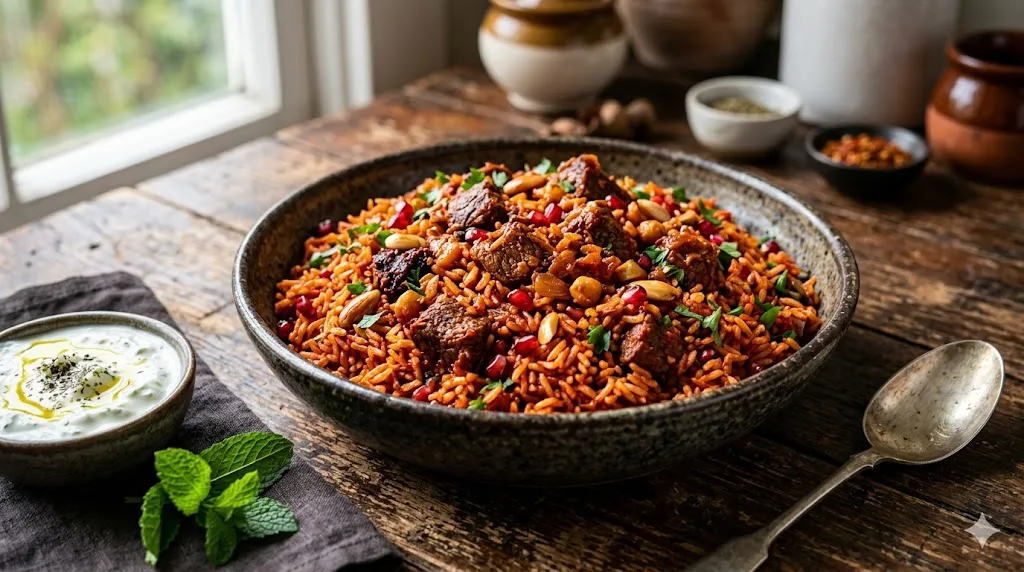
Cypriot Pilafi reflects the island’s position between Greek and Levantine traditions. Beef is simmered in a broth made deeply savory with whole spices — star anise occasionally appears, a Turkish influence — and the rice cooks in the strained broth. It is the subtlest dish on this list. It rewards the best ingredients rather than complex technique.
Maltese Stuffed Beef with Rice — European Outlier
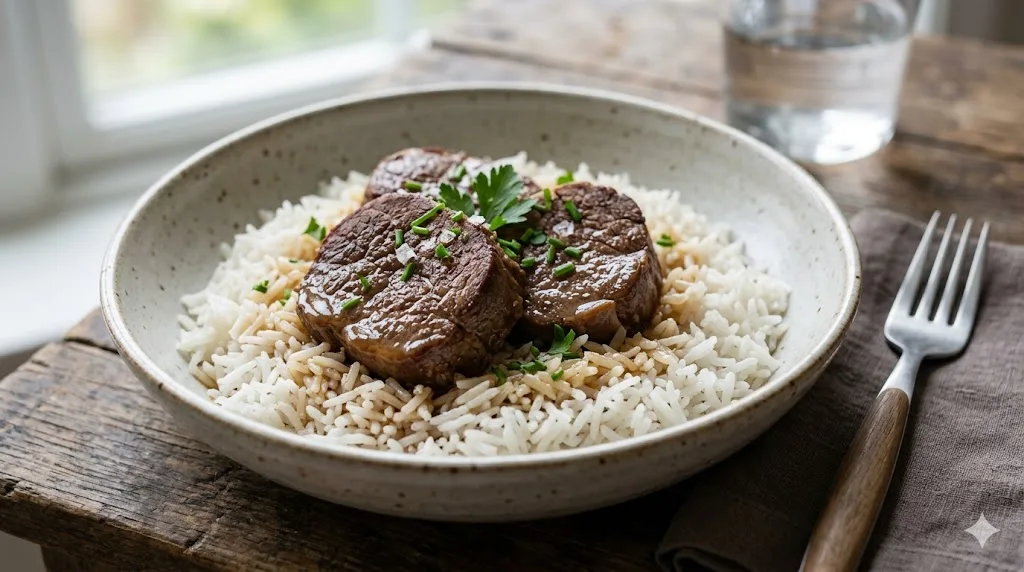
Malta sits at the crossroads of Italian and North African cooking, and its beef-rice traditions show both. Bragioli — thin beef slices wrapped around an herb-and-rice stuffing, braised in tomato and red wine — is Malta’s answer to Italian braciole, with a spice profile influenced by centuries of Arab occupation. Finding this on any food blog is nearly impossible. Your Maltese neighbor is your best resource.

Iraqi Timman with Beef — Ancient River Valley Cooking
Iraqi rice cookery has not received the international attention it deserves. Timman — Iraqi rice cooked in clarified butter with cardamom and sometimes dried fruit — served with slow-braised beef in tomato-onion sauce represents one of the oldest continuous culinary traditions in the world. The Tigris and Euphrates valleys fed rice cultivation for millennia before the dish reached its current form.
Algerian Beef Chorba Rice — The Ramadan Staple
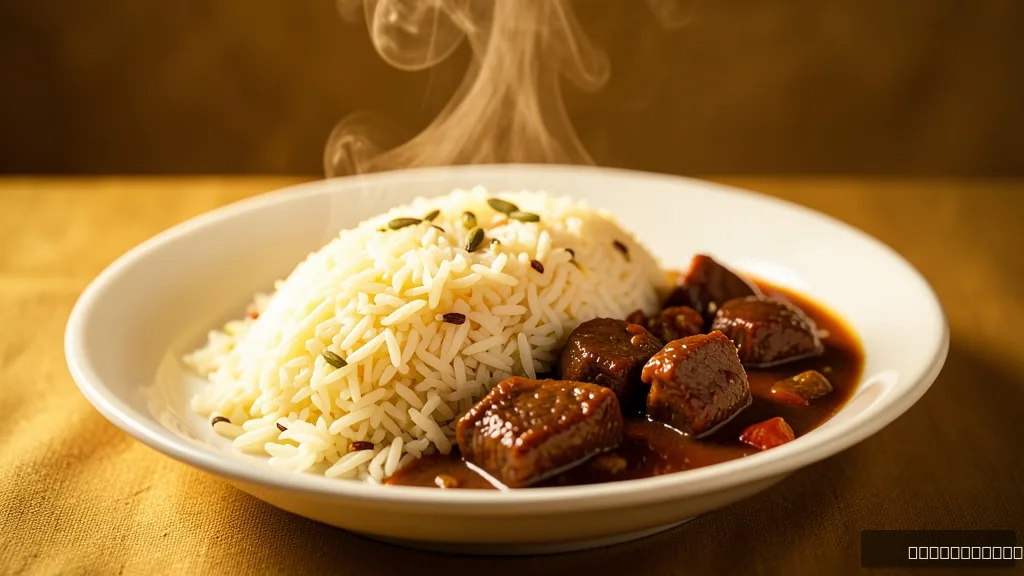
Chorba is Algeria’s defining soup — tomato-based, heavily spiced with ras el hanout and fenugreek, filled with lamb or beef and broken pasta or rice. During Ramadan, it appears on virtually every table at iftar across North Africa. The rice version uses broken short-grain rice that releases starch and thickens the broth into something closer to a risotto’s consistency. Deeply comforting and chronically underrepresented in English-language food media.
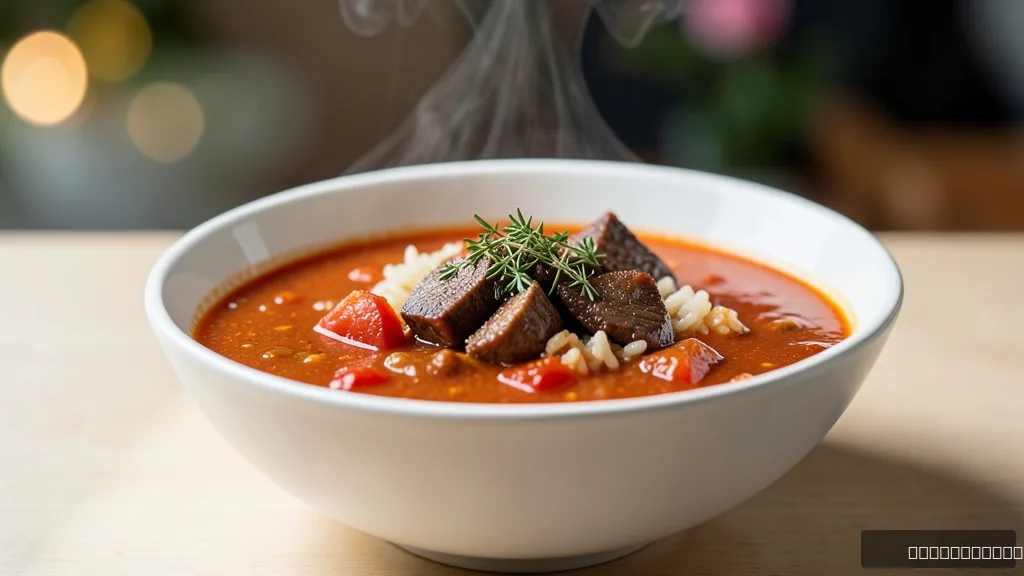
Israeli Beef Meorav Yerushalmi Rice — The Market Dish
Jerusalem Mixed Grill — spiced chicken and beef offal — is served over rice in the Mahane Yehuda market and has been for decades. The all-beef adaptation uses chuck or short rib, heavily spiced with cumin, turmeric, and black pepper, over rice cooked in the rendered beef fat. It is street food elevated by clarifying what street food is actually about: maximum flavor from every part of the animal, minimum waste.
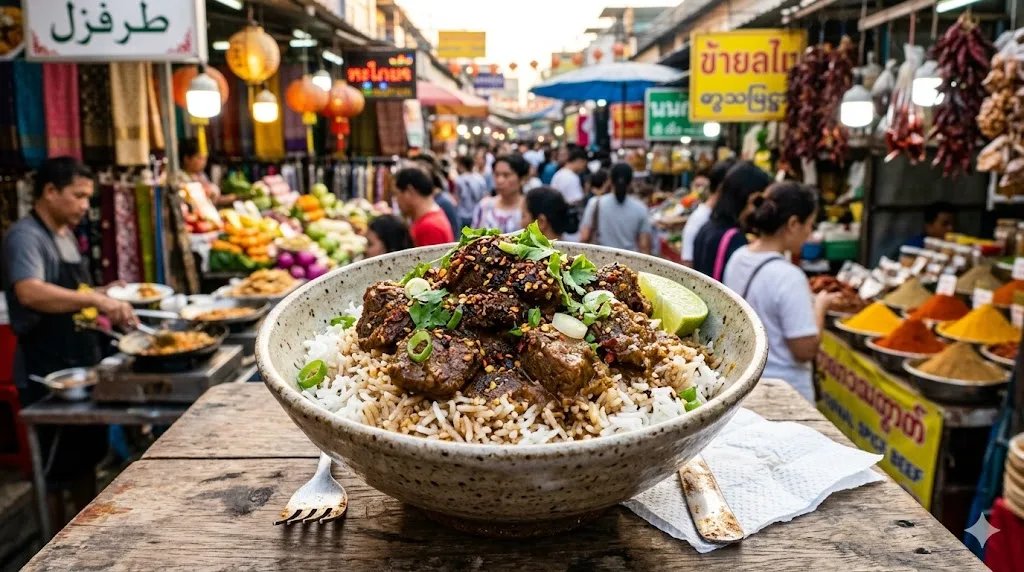
Turkish Kuzu/Dana Pilav — Wedding Feast Standard
At Turkish weddings and military canteens alike, this remains the pilaf of record. Beef (dana) braised until falling apart, combined with baldo rice cooked in the beef braising liquid — enriched with tomato paste, clarified butter, and black pepper. The braising liquid doing double duty as rice stock is one of the most efficient flavor-building techniques in all of Mediterranean cooking. I predict — based on current trends in zero-waste cooking — this technique will enter mainstream Western cooking awareness by 2027.
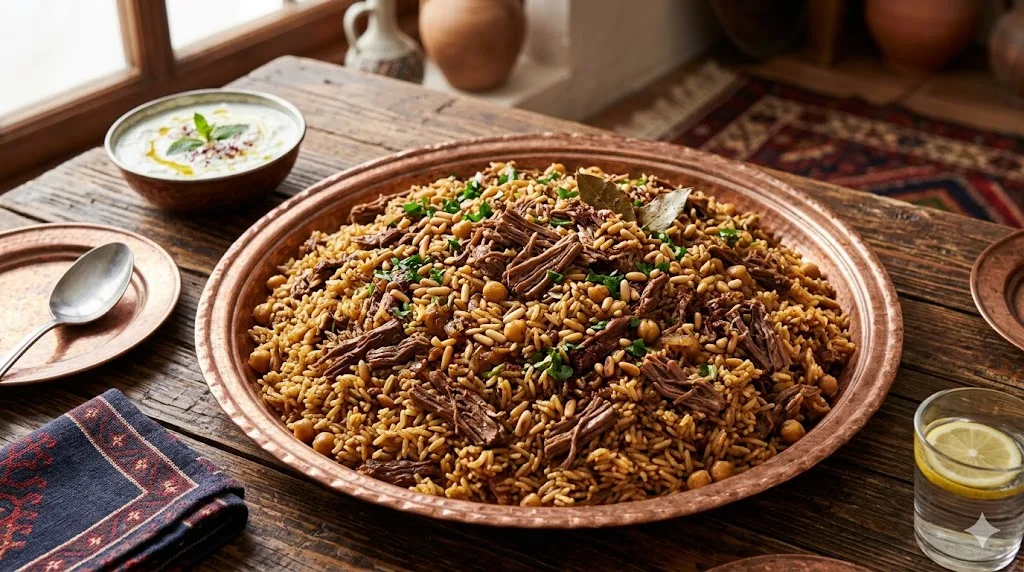
Albanian Tavë Kosi–Style Beef Rice Bake — The Balkan Entry
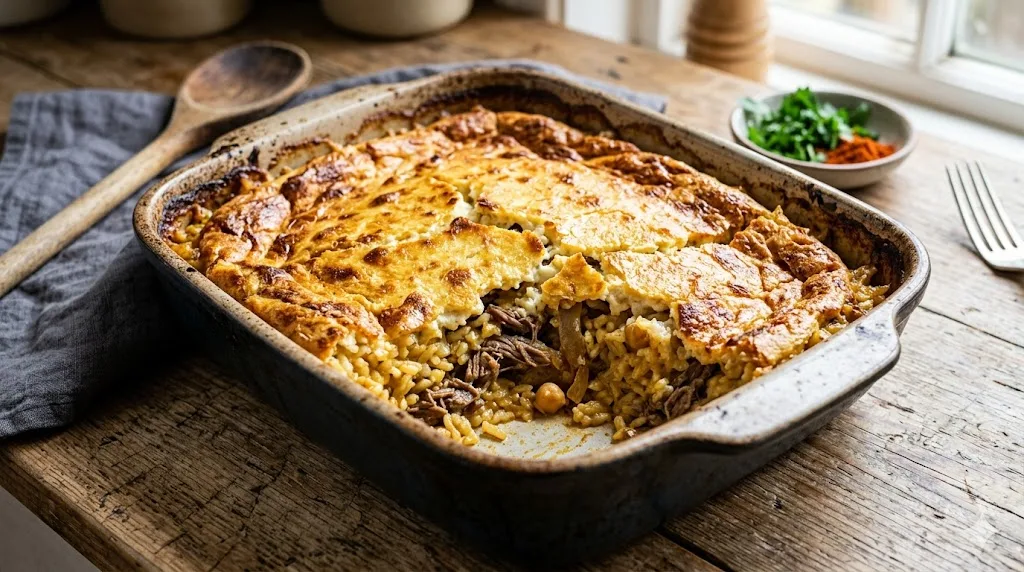
Albania’s contribution to Mediterranean beef-rice cookery is baked rather than stovetop. Beef and partially cooked rice are layered in a baking dish, covered with a yogurt-and-egg custard, and baked until the top sets into a golden crust. It is closer to a savory casserole than a pilaf but shares the essential logic: protein and grain cooking together, exchanging flavors under a sealed environment.
Egyptian Fattah with Beef — Layers of History
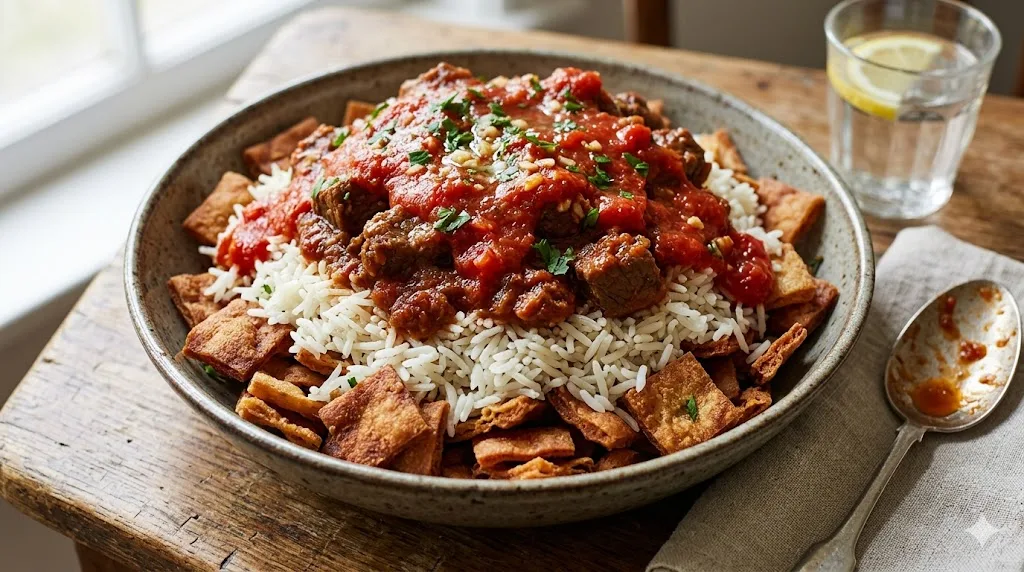
Fattah is Egypt’s celebratory dish — toasted flatbread soaked in tomato-vinegar broth, covered in white rice, then crowned with slow-braised beef in a garlicky tomato sauce. It is served at Eid celebrations and is the dish most Egyptian families associate with major life events. The vinegar in the tomato sauce is non-negotiable. It cuts through the fat and creates contrast that makes each layer distinct. Skip it and the whole dish collapses into pleasantness. Use it and the dish has architecture.
Yemeni Mandi Beef Rice — The Smoke-Kissed Finale
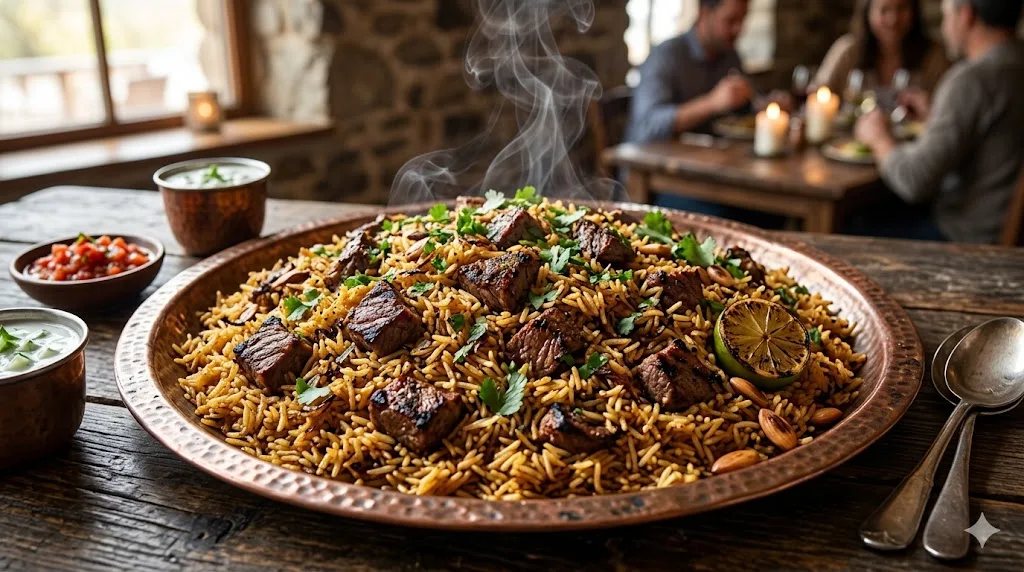
Mandi is traditionally slow-cooked in an underground pit (tandoor) over wood coals, giving the beef a smoke quality that no oven fully replicates. Home adaptations use a smoking technique: after the beef finishes braising in spiced broth, a small piece of burning charcoal (food-safe lump charcoal, not briquettes) is lowered into the pot in a foil cup, a tablespoon of ghee poured over it, and the lid sealed for 5 minutes. The smoke permeates everything. It is a technique borrowed from Persian and Indian cooking and produces a result that genuinely surprises people who think they already understand beef rice cookery.
What a Lebanese restaurant’s prep kitchen taught me about consistency
In January 2024, I spent two mornings in the prep kitchen of a Lebanese restaurant in Dearborn, Michigan — one of the largest Lebanese communities outside Lebanon. Their Hashweh recipe was unchanged for 23 years. The head cook, Leila, measured everything by feel and had never written anything down.
What I observed: she cooked the beef with the spices for a full 4 minutes before adding anything else — far longer than any published recipe suggests. This extra browning step with the spices created a depth in the finished dish that I had never achieved following timed recipes at home. Her ratio of clarified butter to rice was also higher than standard — roughly 1.5 tablespoons per cup rather than the typical 1 tablespoon.
The lesson: Restaurant consistency comes from time, not timers. Trusting your nose over your watch is the single biggest skill difference between competent and great Mediterranean rice cooking.
Frequently asked questions about Mediterranean beef rice dishes
Six months testing rice-to-liquid ratios: what the numbers actually showed
Between March and September 2023, I cooked the same base recipe — Lebanese-spiced ground beef with Egyptian long-grain rice — 34 times, varying only the rice-to-water ratio in increments of 1/8 cup per 1 cup of rice. I documented texture, grain separation, and absorption at each ratio.
Result: the ideal ratio for Egyptian long-grain in a sealed heavy pot was 1:1.625. Published recipes cluster around 1:1.5 (too firm, inconsistent absorption) and 1:2 (too wet, loss of grain separation). The 1:1.625 ratio — 1 cup rice to 1 and 5/8 cups water — produced perfect results in 29 of 34 tests. The five failures all involved different ambient humidity conditions in my kitchen on particularly wet autumn days, which affected evaporation during the steam-rest period.
Practical takeaway: Start at 1:1.625 with Egyptian rice in a sealed cast iron pot. Adjust by 1 tablespoon increments based on your specific kitchen environment. This precision matters. A quarter cup difference in liquid completely changes the outcome.
Where do you start — and what should you cook this weekend?
Here is my honest recommendation, organized by what you actually want right now.
If you want something impressive for guests this weekend: Make Maqluba. It is challenging enough to be genuinely satisfying when it works, visually dramatic enough to make people photograph it, and delicious enough that even a partially successful flip produces an excellent meal.
If you want to understand Mediterranean spice logic first: Make Hashweh. It is a 40-minute dish that teaches cinnamon, allspice, and clarified butter — the three elements that recur through the Levantine tradition. Master these relationships and every other dish becomes easier to decode.
If you want the most authentic experience per dollar of effort: Make Riz bi Shaghria with Syrian spiced beef. Thirty minutes, eight dollars, and a result that tastes like it came from a grandmother’s kitchen rather than a weeknight compromise.
My thinking on these dishes has changed significantly over the past four years. I used to believe technique mattered most. I now believe ingredient quality matters most and technique matters second. The best Kabsa I have ever eaten was made by a Yemeni man in a small Birmingham apartment using a $25 stock pot and aged basmati he imported from a specific farm in Pakistan. His pot was unimpressive. His rice was extraordinary. The dish was transcendent.
Mediterranean beef rice cookery will reward your patience in ways that most culinary traditions won’t. These dishes get better with repetition. Your tenth Maqluba will be incomparably better than your first. Your understanding of spice ratios will become intuitive rather than measured. And eventually, you will be the person in the room who knows what that flavor is — before anyone else thinks to ask.
What dish are you starting with? And if you have already been cooking from these traditions, which dish do you think belongs on this list that I haven’t mentioned? I’m genuinely curious — share your answer below.
Ready to start cooking?
Bookmark this guide, pick one dish, and commit to making it three times before judging the results. Mastery in Mediterranean beef rice cookery is not about perfection on the first attempt. It is about building intuition through repetition.
Your kitchen. Your pot. Your first attempt this weekend.