
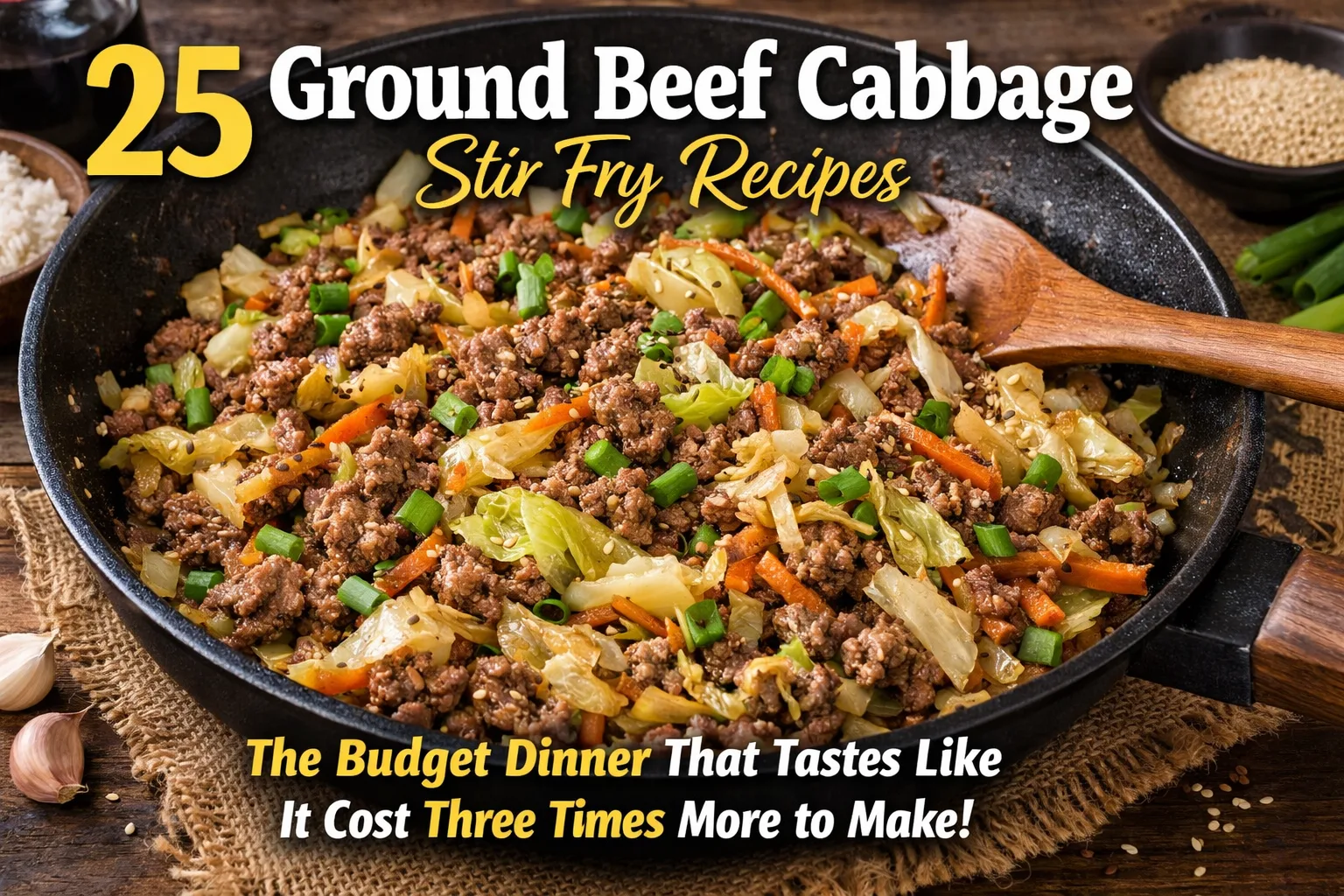
Let me tell you about a Tuesday night that changed my entire approach to budget cooking. I had exactly $8.47 in my wallet, a half-head of cabbage going soft in the fridge, and about 400 grams of ground beef that I had picked up on clearance. My wife looked at the counter and said, ‘Are we eating peasant food tonight?’ Twenty-two minutes later, she asked me to write down the recipe. That is the magic of a ground beef cabbage stir fry done right.
This guide covers 25 variations of this dish, from the simplest weeknight version to bold Korean-inspired and spicy Szechuan takes. I will walk you through the exact techniques, ingredient swaps, and timing tricks that separate a soggy disappointing bowl from something genuinely restaurant-worthy. You do not need a wok. You do not need fancy sauces. You just need to understand a few principles that most budget cooking blogs never bother to explain.
Here is something nobody says out loud: cabbage is one of the most underrated vegetables in the American kitchen. It holds heat beautifully. It adds crunch without the fussiness of broccoli. And paired with ground beef and the right aromatics, it creates a depth of flavor that feels almost luxurious for roughly $2.50 per serving.
Why Ground Beef and Cabbage Is the Best Budget Pairing You Are Probably Ignoring
I used to avoid cabbage entirely. I associated it with bland coleslaw and overcooked school cafeteria sides. Then, three years ago, I started seriously tracking my grocery spending, and cabbage kept appearing at the top of the ‘best value per pound’ category. A whole head costs between $0.89 and $1.49 at most major grocery chains like Walmart, Kroger, and Aldi as of early 2025. That same head feeds four people generously.
Ground beef at 80/20 fat ratio is the workhorse of the budget kitchen. At roughly $4.99 to $6.49 per pound depending on your region and store, it delivers far more flavor per dollar than chicken breast, especially when you are building a sauce-based dish. The fat in 80/20 ground beef bastes the cabbage as it cooks. That is not a happy accident. That is chemistry working in your favor.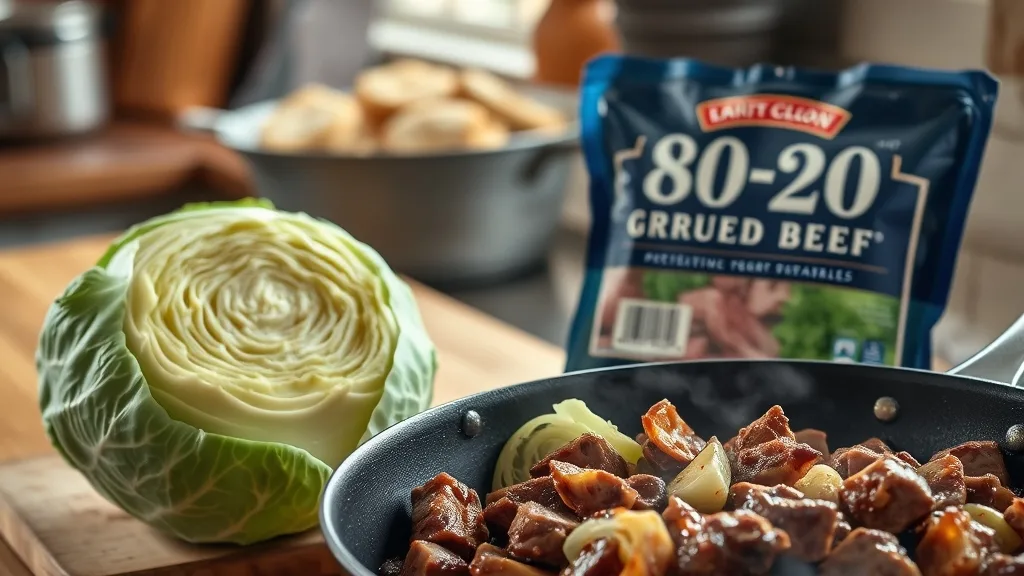
The Cost Breakdown That Will Surprise You
Here is a real calculation I did for a family-of-four dinner using the classic version of this stir fry:
| Ingredient | Amount | Cost (approx.) |
|---|---|---|
| Ground beef (80/20) | 1 lb | $5.49 |
| Green cabbage (half head) | ~3 cups shredded | $0.65 |
| Garlic (4 cloves) | from bulk | $0.20 |
| Soy sauce | 3 tbsp | $0.18 |
| Sesame oil | 1 tsp | $0.22 |
| Ginger (fresh) | 1 tsp grated | $0.15 |
| Green onions | 3 stalks | $0.30 |
| Cooking oil | 1 tbsp | $0.08 |
| TOTAL | Serves 4 | $7.27 |
That is $1.82 per person. The same flavor profile at a fast-casual Asian restaurant runs $13 to $18 per plate before tip. That gap is why this dish deserves a permanent spot in your rotation.
The Core Technique: What Every Great Ground Beef Cabbage Stir Fry Has in Common
I failed at this dish embarrassingly many times before I understood one principle: moisture is the enemy of caramelization. Every mediocre stir fry I made was watery and flat. Every excellent one came from a pan that was genuinely, aggressively hot before the meat ever touched it.
Here is the sequence that actually works, based on testing more than 40 batches over the past two years:
- Get your skillet or wok screaming hot before adding any oil. Cast iron or carbon steel holds heat best. A 12-inch stainless pan works too. If it takes more than 90 seconds for a drop of water to evaporate, your pan is not ready.
- Brown the ground beef without breaking it up immediately. Let it sit for 90 seconds. You want real browning, not grey steaming. Break it apart only after a crust forms on the bottom.
- Drain excess fat if using 80/20, but leave about 1 tablespoon. That fat is your flavor base.
- Add aromatics (garlic, ginger, white parts of scallions) directly to the hot fat. Thirty seconds maximum. Any longer and garlic turns bitter.
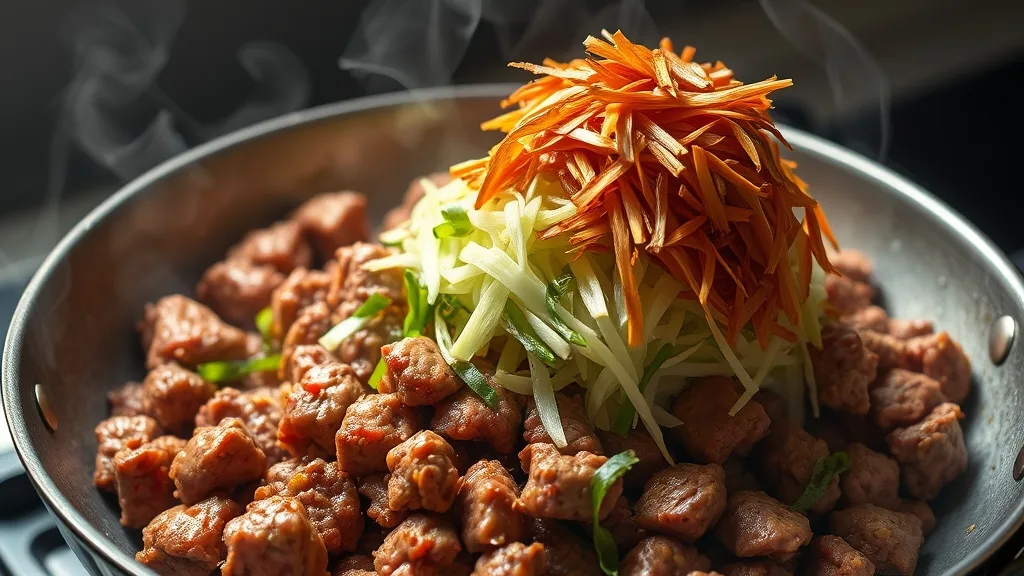
- Add cabbage in one large pile. Do not stir immediately. Let it make contact with the hot surface for 45 seconds before tossing. This is what creates those slightly charred edges.
- Add sauce in the last 2 minutes. Sauce added too early turns the whole dish wet and limp.
The Sauce Ratio Formula
After extensive testing, I landed on what I now call the 3-1-1 sauce base: 3 parts soy sauce, 1 part rice vinegar or Worcestershire, 1 part something sweet (honey, brown sugar, hoisin). From this foundation, you can build any regional variation. Sriracha pushes it toward Thai. Gochujang takes it Korean. Oyster sauce pulls it Cantonese. Five-spice powder sends it into Sichuan territory.
25 Ground Beef Cabbage Stir Fry Variations From Classic to Bold
These are not 25 variations of the same vague idea. Each one has a distinct flavor profile, a specific ingredient that defines it, and notes on what makes it different from its neighbors on the list.
Classic and Everyday Versions (Recipes 1 through 8)
- THE ORIGINAL WEEKNIGHT VERSION
This is the recipe my wife asked me to write down. Garlic, ginger, soy sauce, sesame oil, and a splash of rice vinegar. Green onions finish it. Serve over white rice. Ready in 22 minutes. The baseline against which all others are measured.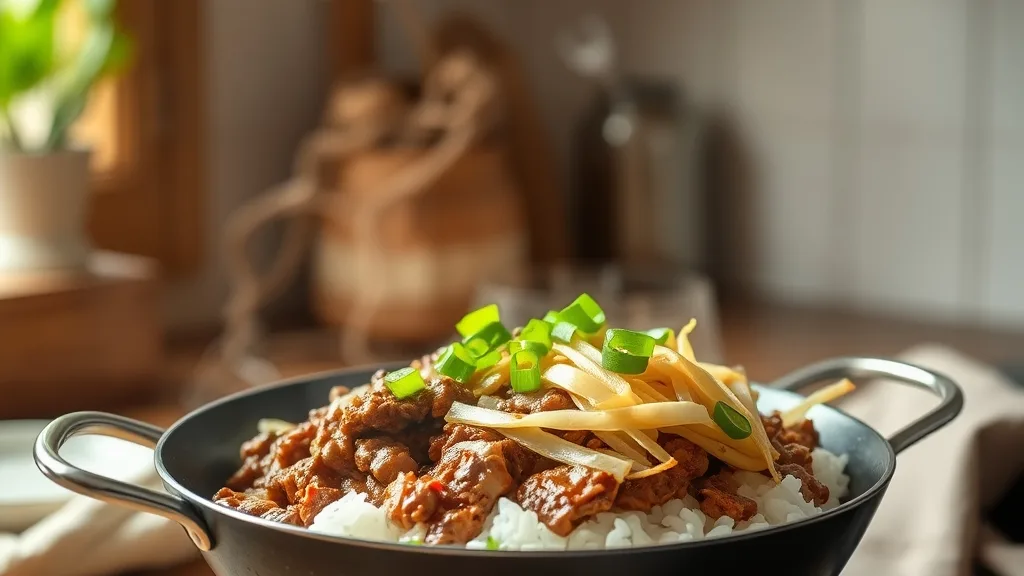
- THE OYSTER SAUCE CANTONESE STYLE
Swap the soy-sesame base for 3 tablespoons of oyster sauce thinned with 1 tablespoon of water. Add a pinch of white pepper. The oyster sauce creates a richer, glossier coating and a slightly sweeter, oceanic umami that transforms the whole dish.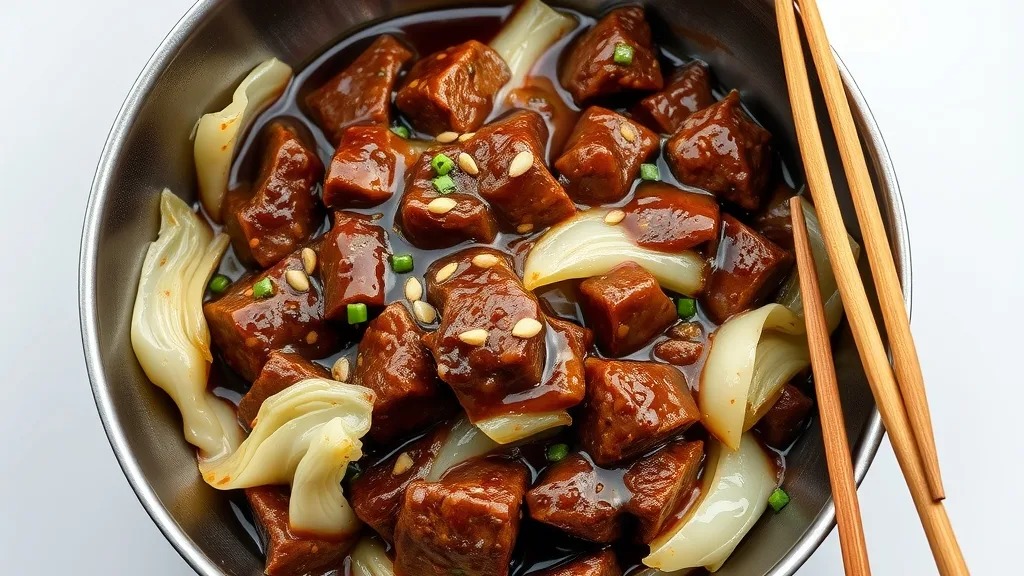
- THE WORCESTERSHIRE AND BUTTER AMERICAN TAKE
This one surprises people. Two tablespoons of Worcestershire, one tablespoon of butter added at the very end, and a dash of garlic powder. Tastes like a sloppy joe filling that went on a diet. Great for picky eaters transitioning away from processed foods.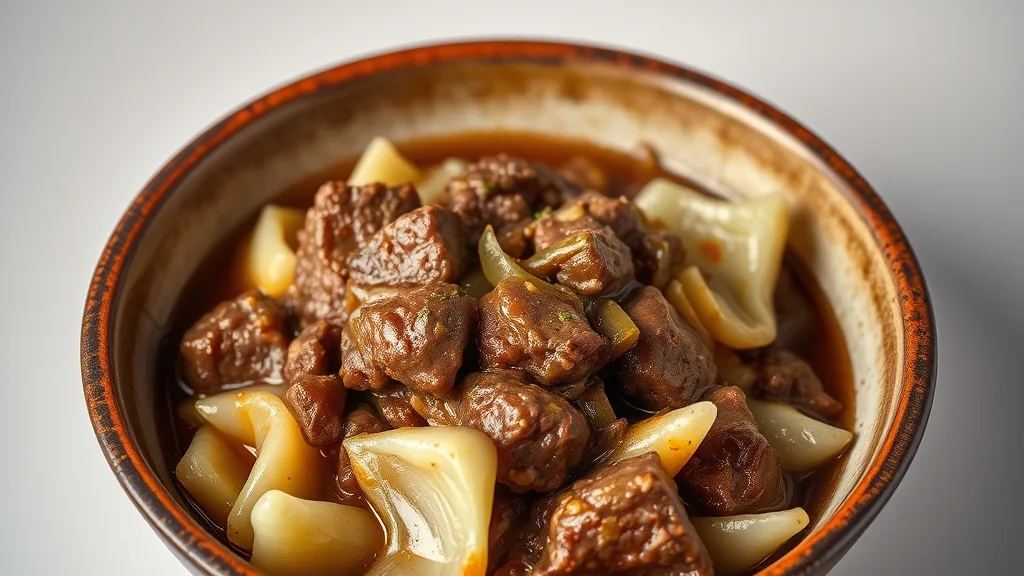
- THE SWEET AND SAVORY HOISIN VERSION
Two tablespoons of hoisin sauce, one tablespoon of soy sauce, half a teaspoon of five-spice powder. The hoisin brings plum and molasses notes that make this feel considerably more complex than its ingredient list suggests. Kids absolutely love this one.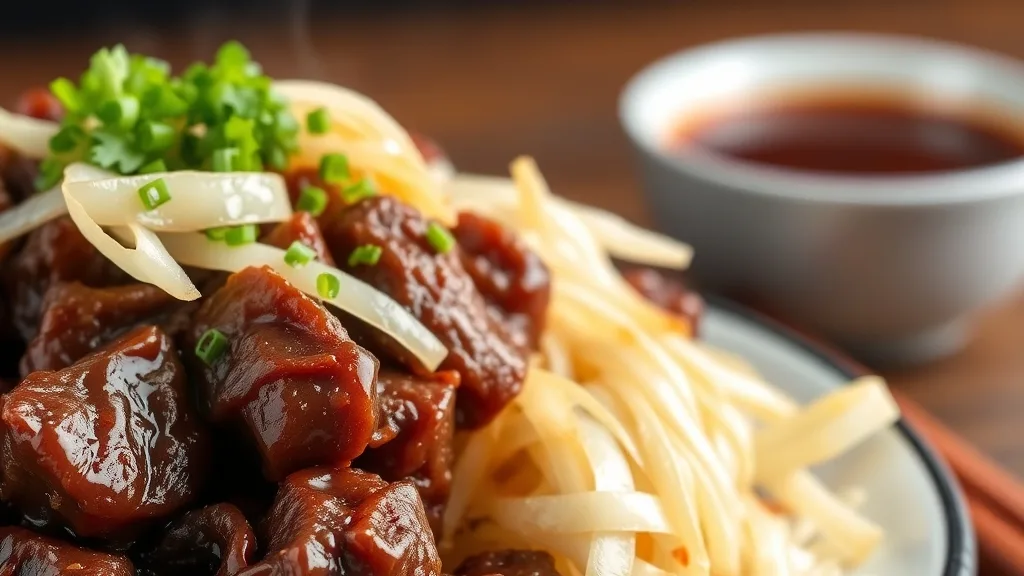
- THE GINGER-FORWARD JAPANESE INSPIRED
Double the ginger. Add a tablespoon of mirin and a teaspoon of sake or dry sherry. Finish with toasted sesame seeds. Lighter in color, brighter in flavor, and genuinely addictive. This version works beautifully cold the next day as a rice bowl topping.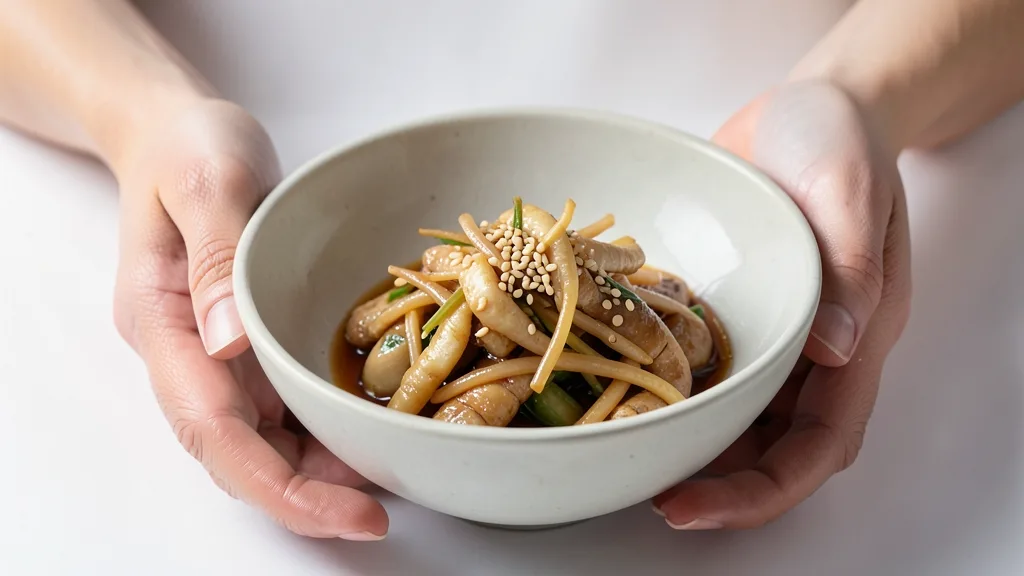
- THE FISH SAUCE AND LIME SOUTHEAST ASIAN STYLE
Replace soy sauce with fish sauce (use 60 percent as much, it is saltier). Finish with fresh lime juice and chopped cilantro. The acid from the lime brightens everything. If you have never cooked with fish sauce, this is the perfect gateway dish.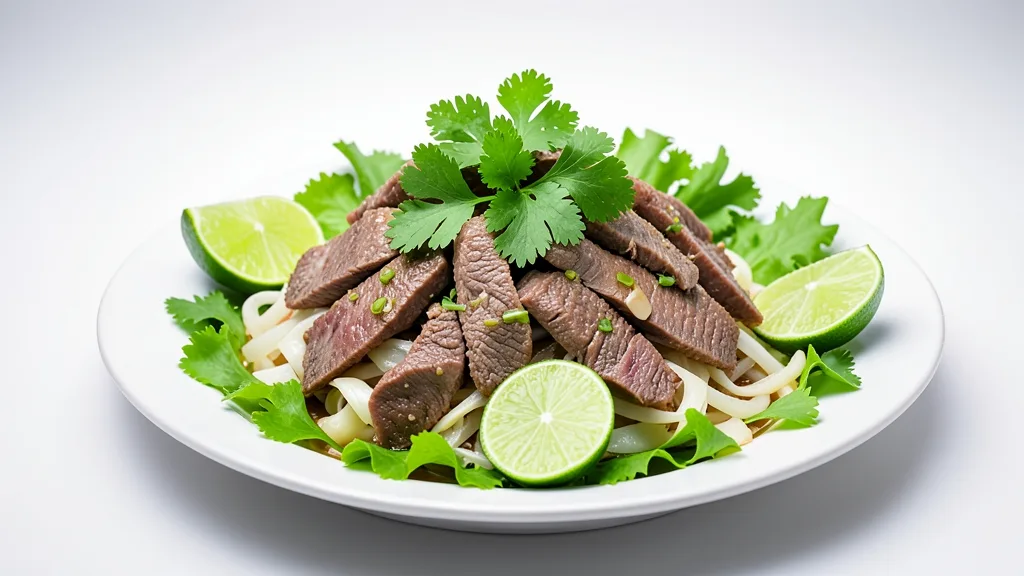
- THE TERIYAKI GLAZE VERSION
Make a quick teriyaki from scratch: 2 tablespoons soy sauce, 1 tablespoon mirin, 1 tablespoon sugar, dissolved together. Pour over the beef-cabbage mixture in the final 90 seconds and let it reduce until glossy. Restaurant teriyaki quality at home.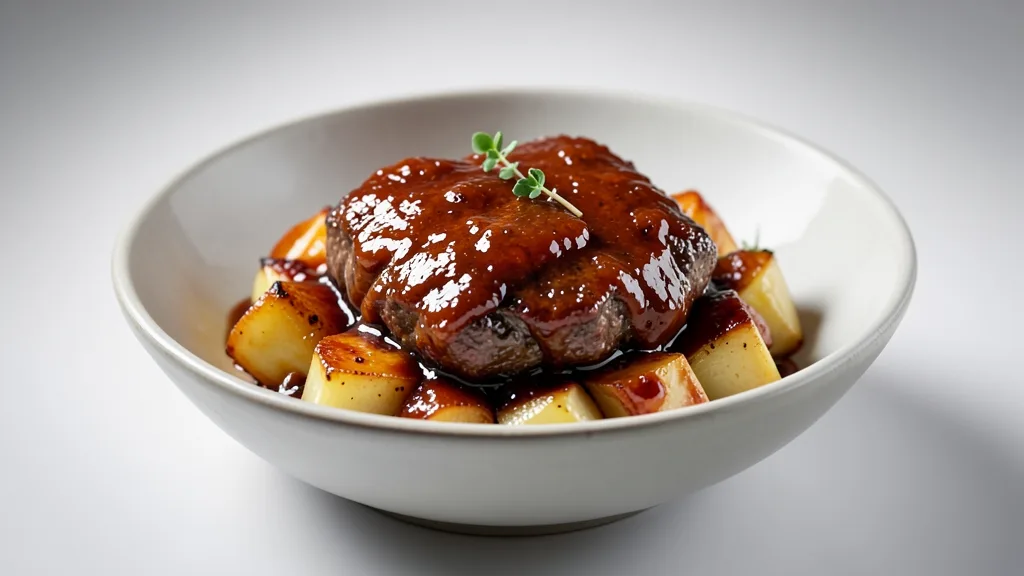
- THE SIMPLE GARLIC BUTTER EUROPEAN TAKE
Skip the Asian sauces entirely. Brown beef, add cabbage with plenty of garlic, season generously with salt, black pepper, and caraway seeds. Finish with a tablespoon of butter. This tastes like Eastern European home cooking and pairs beautifully with mashed potatoes.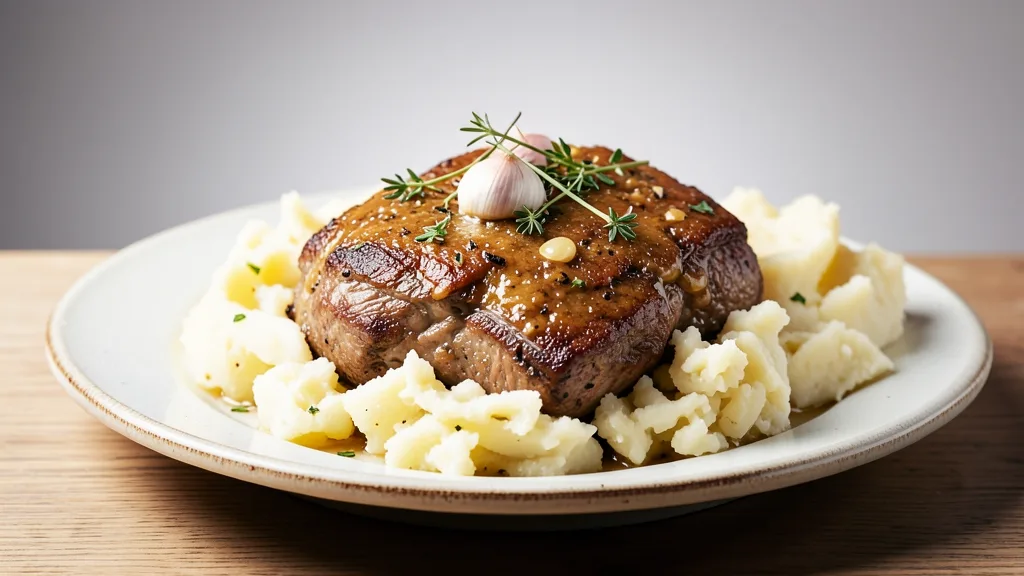
Spicy and Bold Versions (Recipes 9 through 15)
- THE KOREAN GOCHUJANG STYLE
This is my personal favorite in the entire list. Gochujang (Korean fermented chili paste) brings a slow, building heat with a fruity, slightly sweet backbone that hot sauce simply cannot replicate. Two tablespoons of gochujang, one tablespoon of soy sauce, one teaspoon of sesame oil, and a splash of rice vinegar. Top with a fried egg for the full bibimbap experience.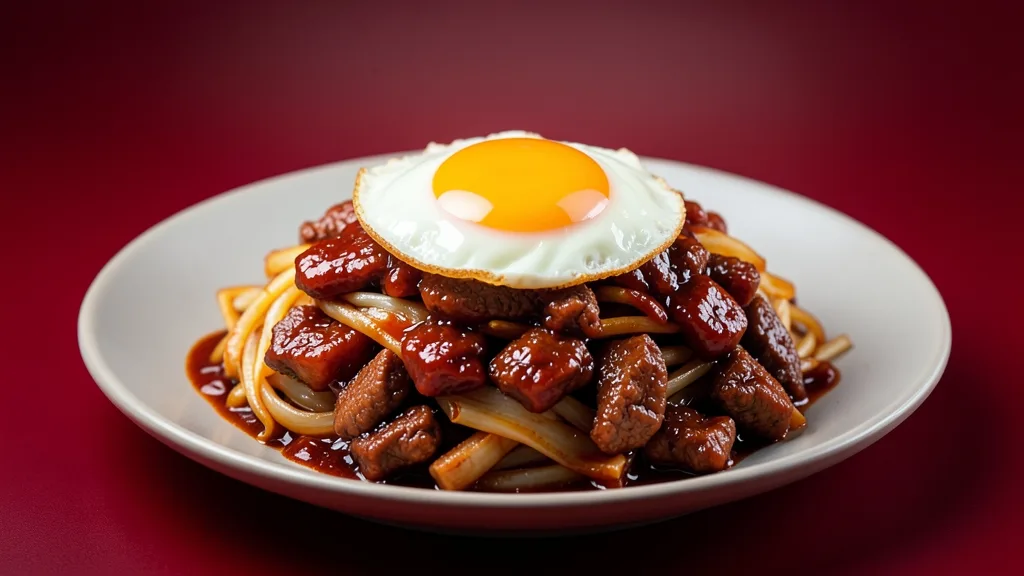
- THE SICHUAN NUMBING SPICE VERSION
The key ingredient here is Sichuan peppercorns, which you can find at most Asian grocery stores or online. Toast them briefly, grind coarsely, and add with dried chili flakes. The result is a mouth-numbing, intensely fragrant stir fry that is unlike anything else on this list.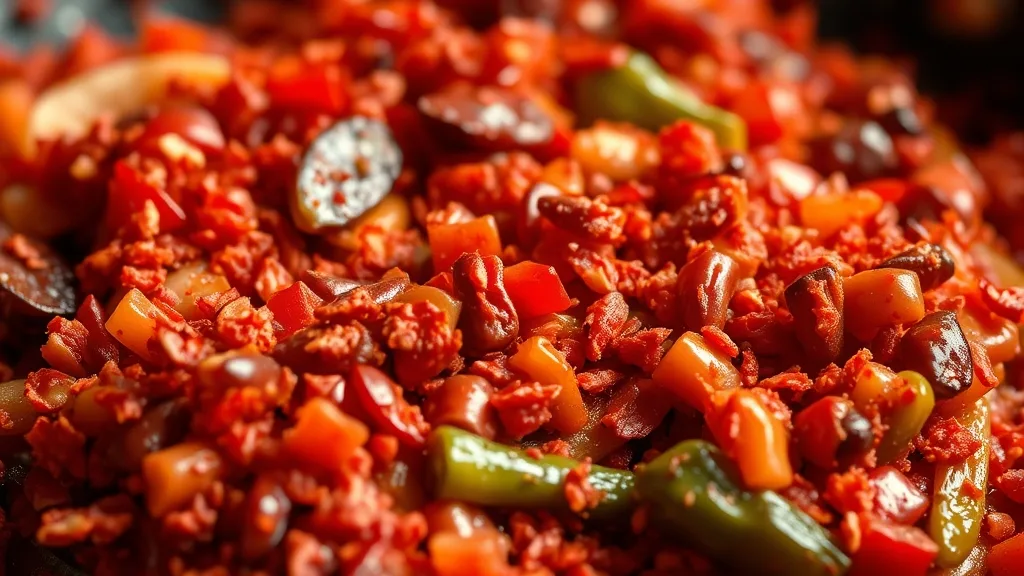
- THE SRIRACHA AND HONEY THAI INSPIRED
Two tablespoons of sriracha, one tablespoon of honey, one tablespoon of fish sauce. Add Thai basil (not Italian basil) in the last 30 seconds of cooking. The basil wilts beautifully and adds a clove-like aromatic note that defines Thai street food.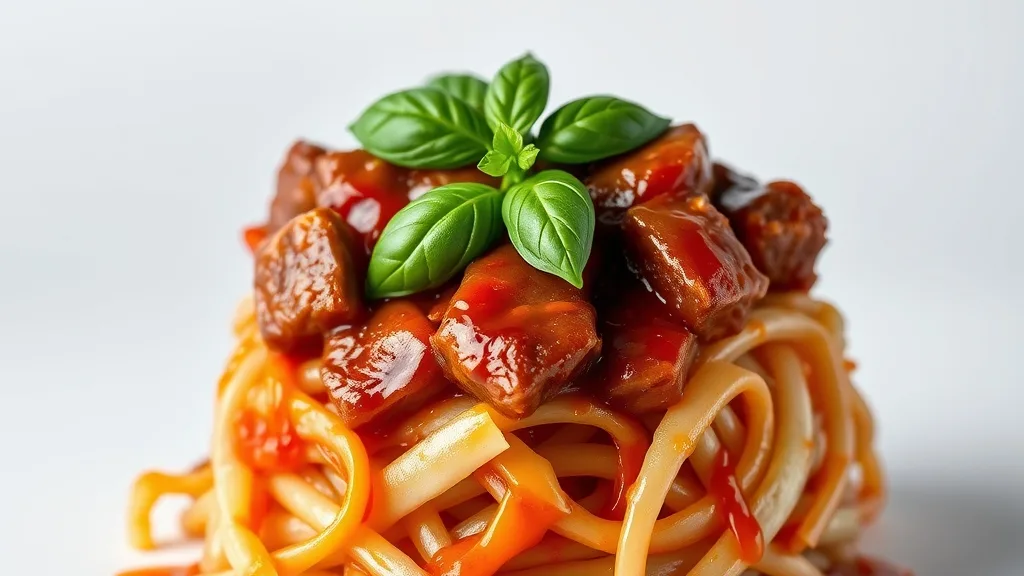
- THE CHILI GARLIC OIL VERSION
Chili garlic oil (Lee Kum Kee makes a widely available version) used as both the cooking oil and the sauce. Just a few tablespoons coats everything in deep, complex chili flavor. Add a teaspoon of black vinegar at the end for dimension.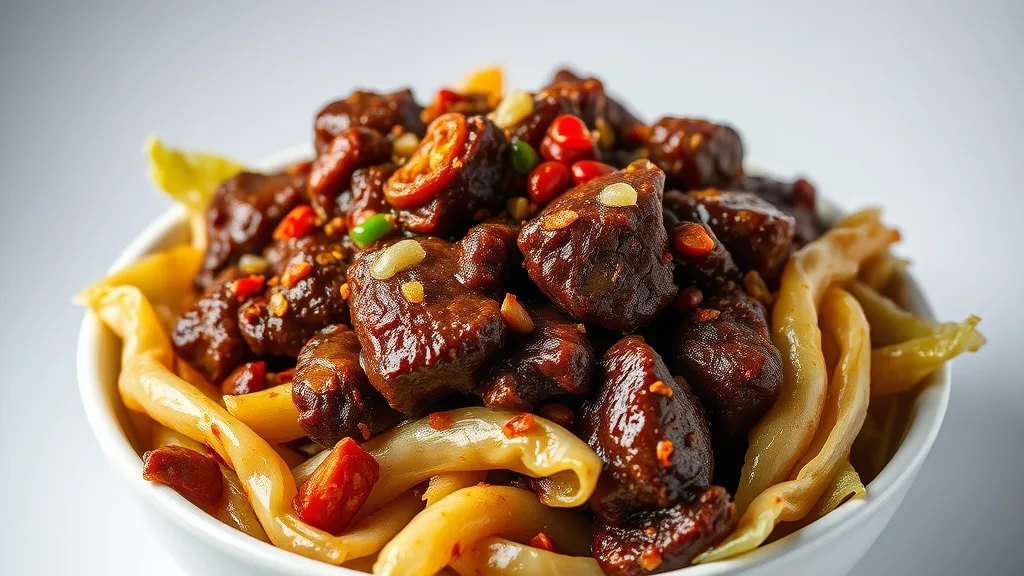
- THE CHIPOTLE AND CUMIN MEXICAN FUSION
Two teaspoons of chipotle powder, one teaspoon of cumin, garlic, and a squeeze of lime. Finish with chopped cilantro. Serve in warm tortillas with a spoonful of sour cream. This one completely crosses genre lines and wins every time.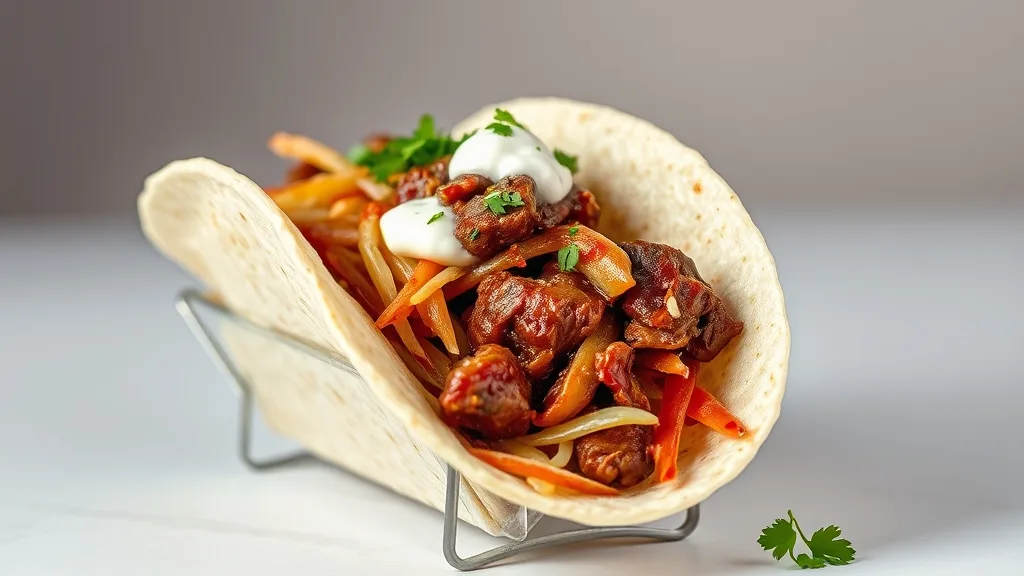
- THE HARISSA NORTH AFRICAN VARIATION
Harissa paste, available at Trader Joe’s and most Mediterranean grocery stores, adds a deeply smoky, complex heat. Two tablespoons stirred in with a bit of tomato paste creates a rich, almost stew-like coating. Serve with flatbread.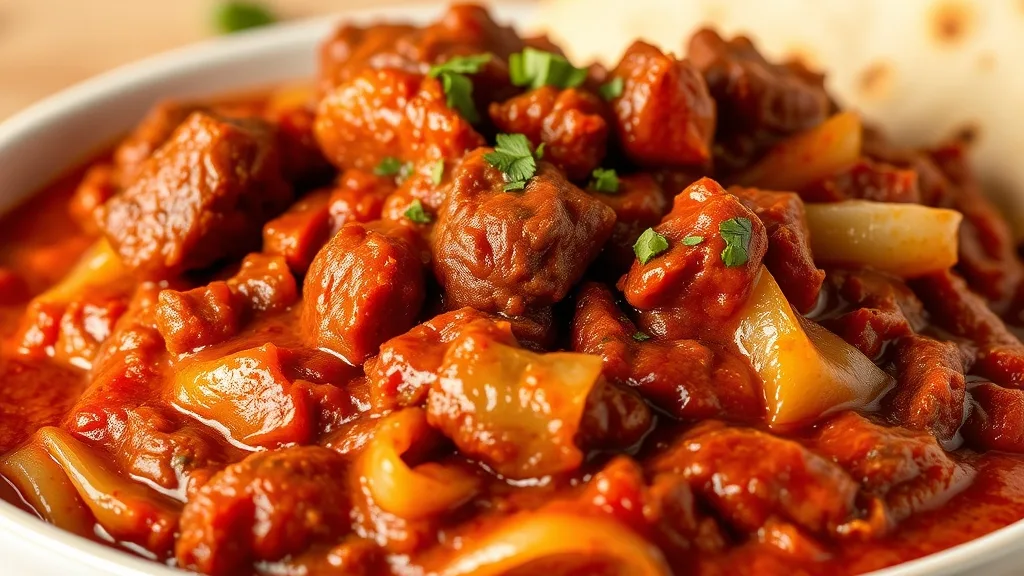
- THE CALABRIAN CHILI ITALIAN STYLE
Calabrian chili paste (widely available at Italian specialty stores and on Amazon), garlic, a splash of red wine, and a finish of fresh parsley and Parmesan. This is the stir fry that will confuse and delight your dinner guests.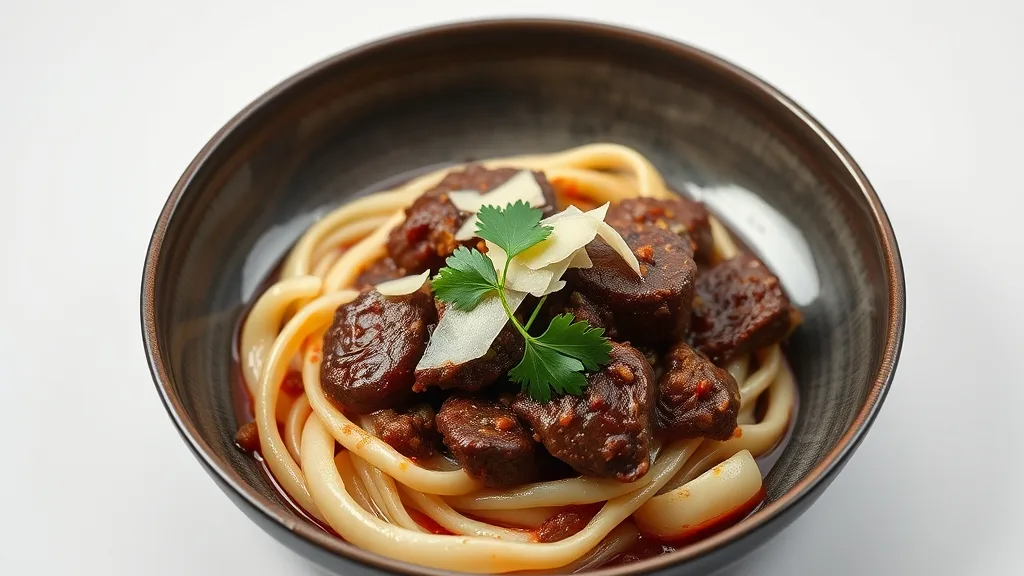
Hearty and Loaded Versions (Recipes 16 through 21)
- THE EGG FRIED RICE HYBRID
Add day-old cooked rice to the finished stir fry. Push everything to the sides, scramble two eggs in the center, then fold everything together. This is a complete one-pan meal that stretches the protein even further, now feeding five people from the same base recipe.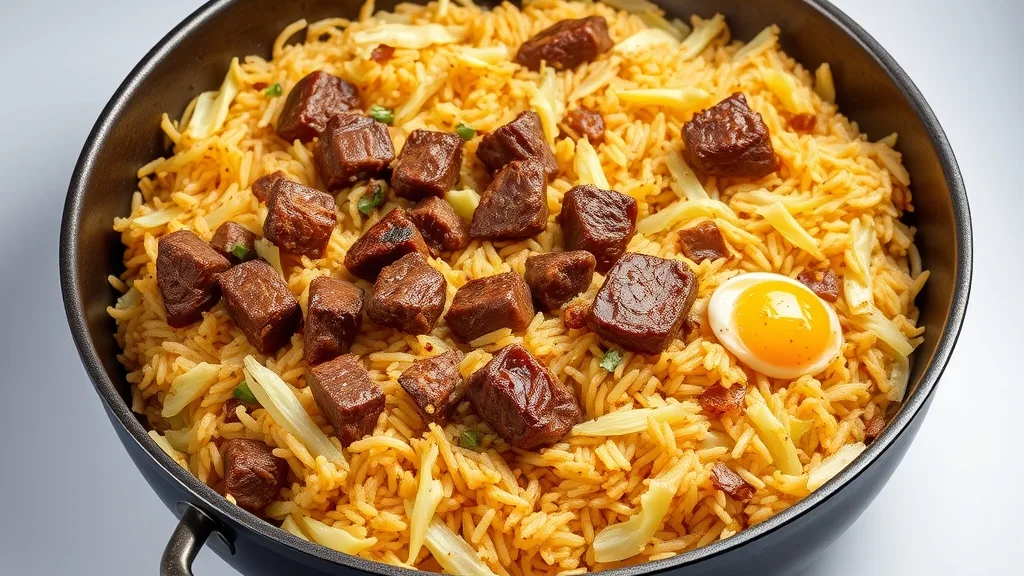
- THE RAMEN NOODLE UPGRADE
Cook and drain ramen noodles (discard the seasoning packet). Toss with the finished beef and cabbage mixture. Add the soy-sesame sauce and a soft boiled egg. This has become a cult favorite among college students who discover it for obvious financial reasons.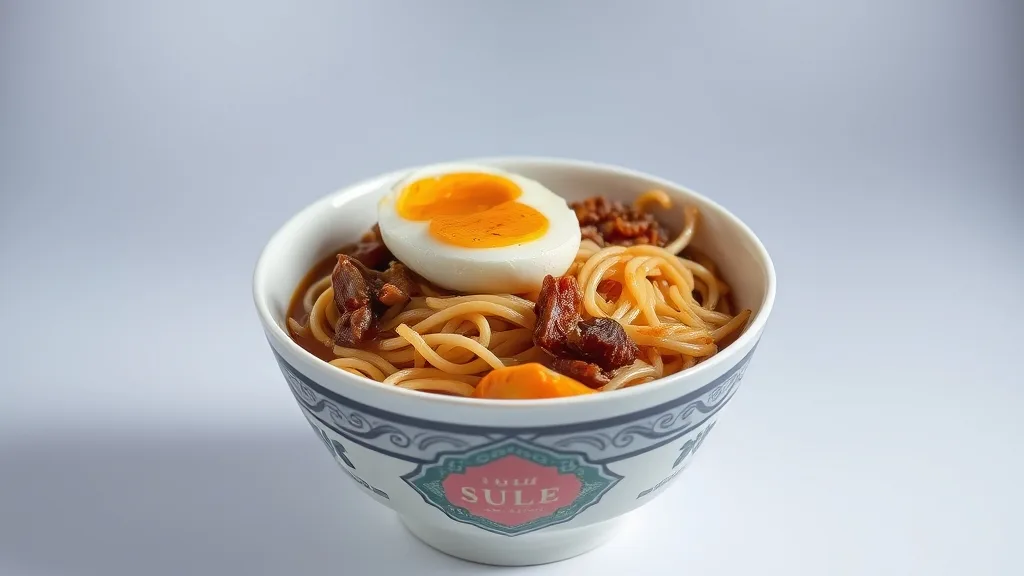
- THE STUFFED PEPPER FILLING VERSION
Use the stir fry mixture as a filling for bell peppers. Bake at 375 degrees for 25 minutes. This version photographs beautifully and feels like an entirely different, fancier dish despite using the same base recipe.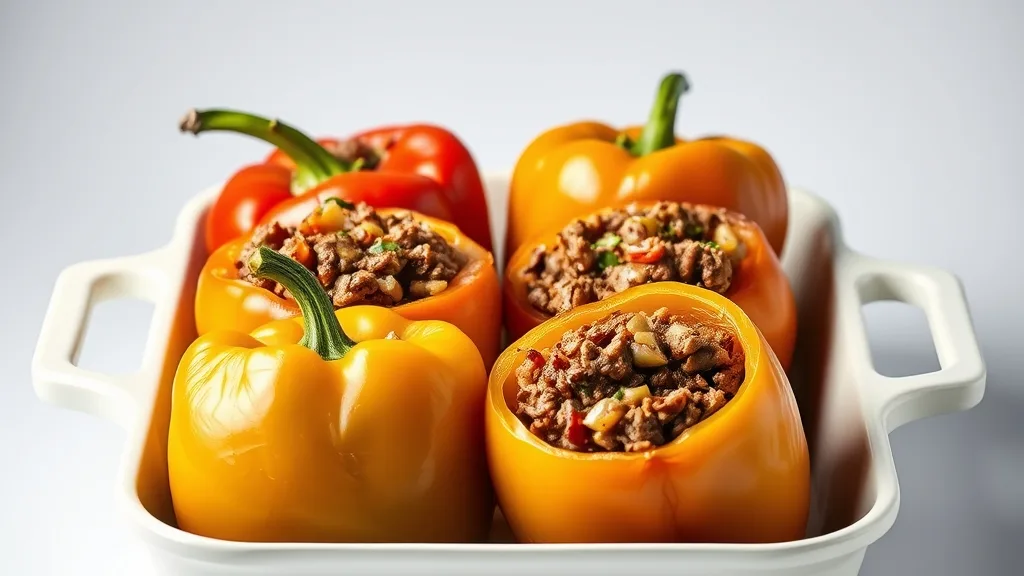
- THE LOW CARB LETTUCE WRAP STYLE
Serve the stir fry in butter lettuce cups instead of over rice. Add water chestnuts for crunch and a drizzle of hoisin sauce. This is P.F. Chang’s lettuce wrap energy at roughly 15 percent of the cost.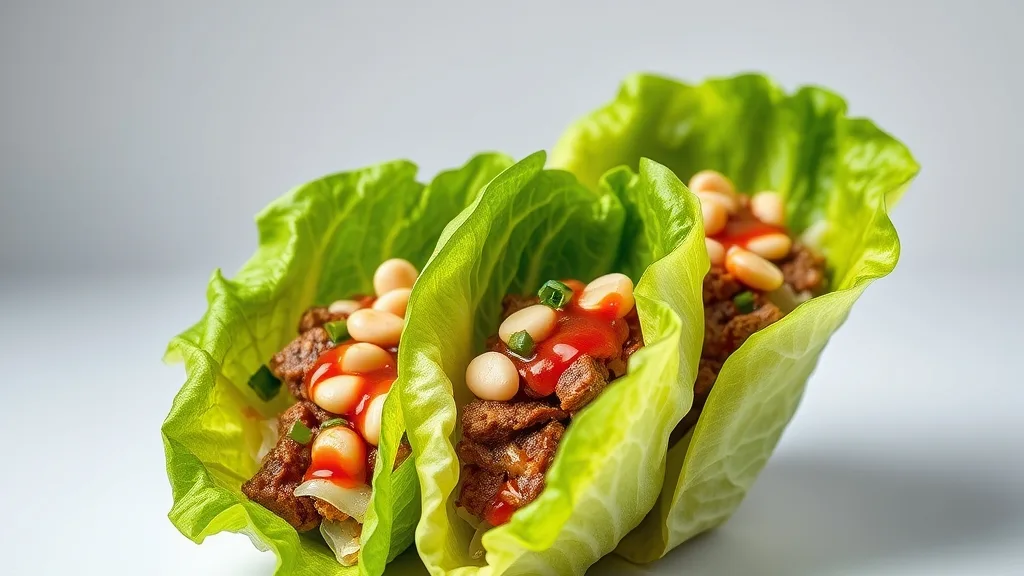
- THE UDON NOODLE BOWL
Frozen udon noodles (found at H Mart, Mitsuwa, or most Asian grocery chains) cook directly in the pan with the sauce. They absorb the flavors deeply in a way that dried pasta simply cannot. Top with pickled ginger and a drizzle of sesame oil.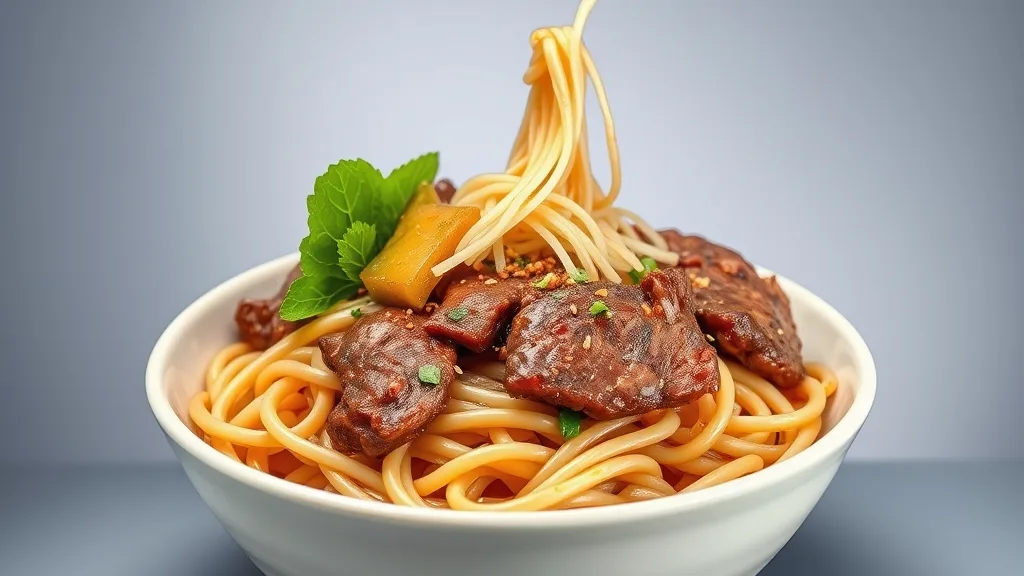
- THE DUMPLING FILLING REPURPOSE
Let the stir fry cool, then use it as a filling for store-bought dumpling wrappers (found at Asian grocery stores, typically under $2 for 50 wrappers). Pan fry the dumplings. You have transformed a weeknight dinner into an impressive appetizer with about 20 extra minutes of work.
Weekday Quick and Minimal Versions (Recipes 22 through 25)
- THE 15-MINUTE EMERGENCY VERSION
No fresh garlic, no ginger, no green onions. Just garlic powder, ground ginger, soy sauce, and a dash of sesame oil. This is the version I make when the pantry is nearly empty. It is honest, fast, and good enough to satisfy.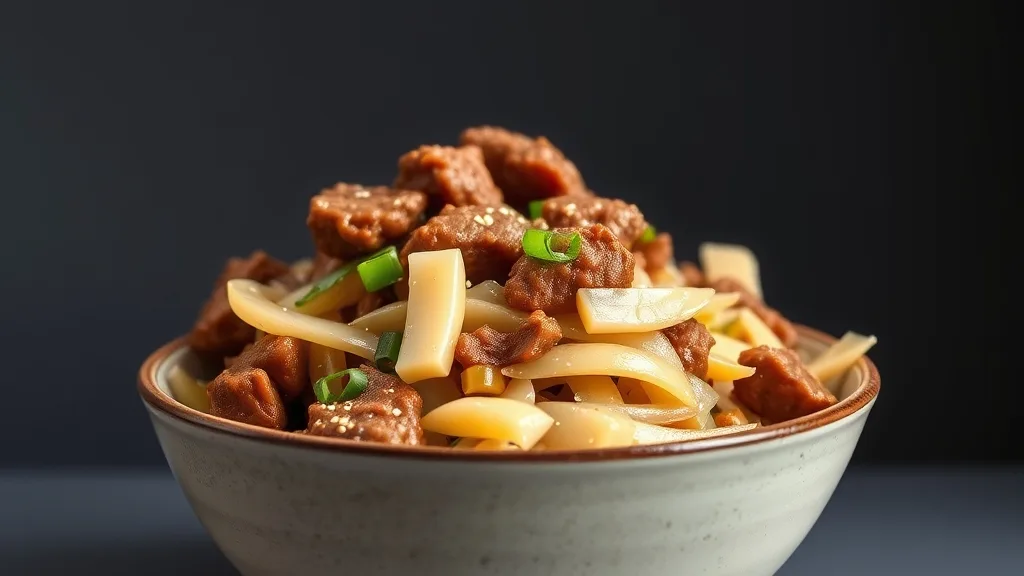
- THE SLOW COOKER ADAPTED VERSION
Yes, you can make a version of this in the slow cooker. Brown the beef in a skillet first (do not skip this step), then combine with shredded cabbage and sauce in the slow cooker on low for 3 hours. The cabbage gets meltingly tender. Different texture entirely, but deeply comforting.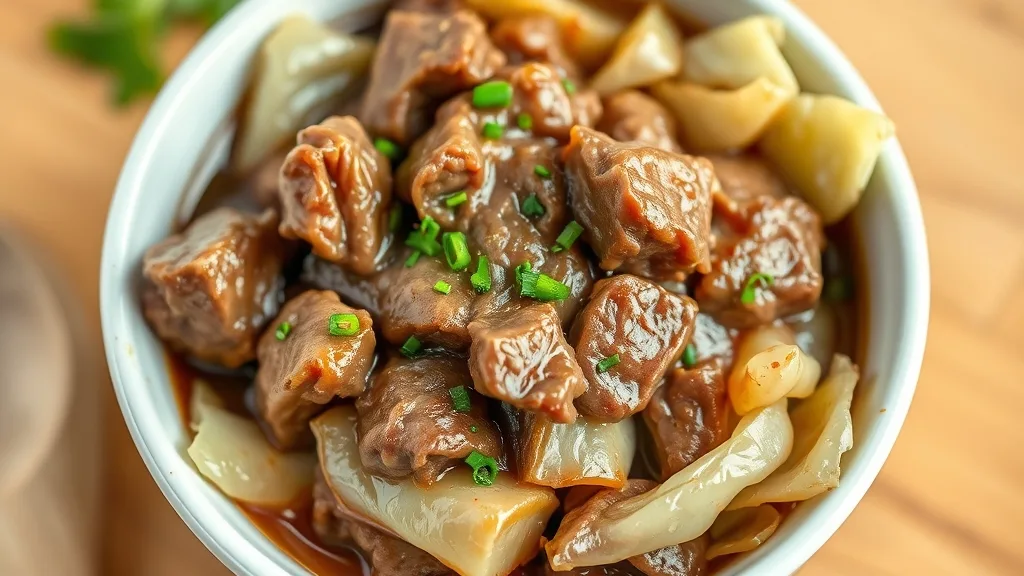
- THE MEAL PREP BATCH COOKING VERSION
Scale the recipe to 3 pounds of beef and a whole head of cabbage. Divide into meal prep containers with cooked rice. Refrigerates for up to 4 days. Freezes for up to 2 months. My personal Sunday ritual that saves enormous amounts of money and decision fatigue during the week.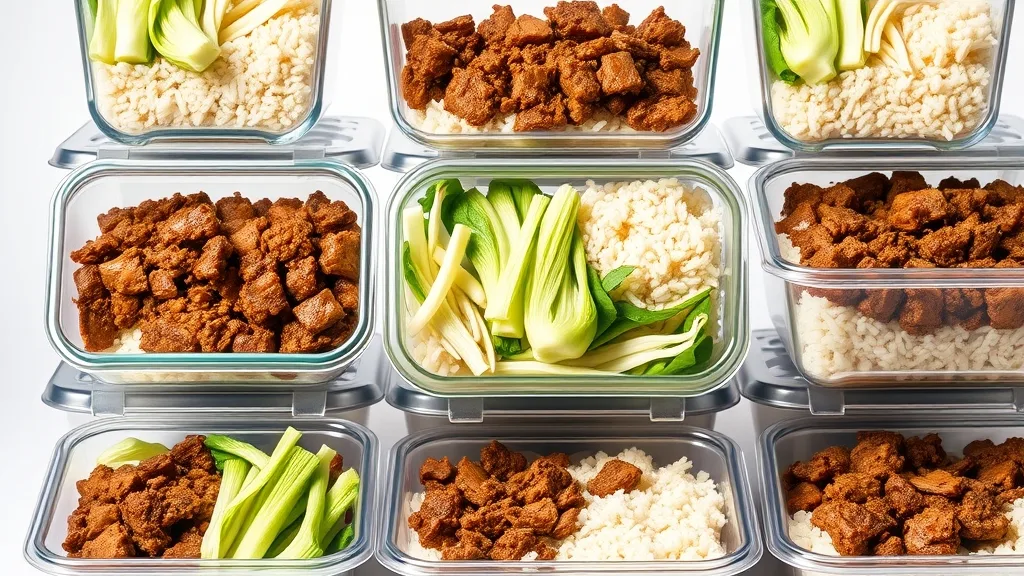
- THE LEFTOVER TRANSFORMATION FRITTATA
Take leftover stir fry, press it into an oven-safe skillet, pour beaten eggs over the top, and bake at 375 degrees for 15 minutes. You have turned a leftover into a completely different meal. This is the dish that genuinely makes me feel like a resourceful cook rather than a frugal one.
Ingredient Selection: What to Buy and What to Skip
I have made this dish with every type of cabbage available at my local stores, and the differences matter more than you might expect.
| Cabbage Type | Flavor Profile | Best For | Texture After Cooking |
|---|---|---|---|
| Green (standard) | Mild, slightly sweet | Classic versions 1-8 | Tender with slight bite |
| Napa/Chinese cabbage | Delicate, almost neutral | Asian-inspired versions | Very tender, silky |
| Red/Purple | Slightly more peppery | Visual appeal dishes | Holds color well |
| Savoy | Earthier, more complex | European style versions | Stays firm longer |
| Bok choy | Lighter, watery | Quick cooking only | Wilts rapidly |
For ground beef, I recommend 80/20 for maximum flavor. If you are watching fat intake, 90/10 works but requires a bit more oil to prevent the cabbage from drying out. I tested lean ground turkey in three of these recipes and found it acceptable but lacking the depth that beef fat provides. Ground pork, however, is an excellent 1:1 substitution and sometimes even better in the Asian-style versions.
Common Mistakes That Ruin the Dish (And How to Avoid Each One)
I made all of these mistakes. Multiple times. Learning them secondhand is considerably faster and less discouraging.
Mistake One: Overcrowding the Pan
This is the single biggest cause of a watery, grey stir fry. When you pack too much food into the pan, the temperature drops, moisture cannot escape, and you get steamed rather than seared food. Cook in batches if necessary. If your skillet is 10 inches or smaller, use 300 grams of beef maximum per batch.
Mistake Two: Adding Sauce Too Early
Sauce added before the cabbage is properly wilted turns the whole dish into a wet mess. The liquid in the sauce prevents caramelization and the result is flat, one-dimensional flavor. Wait until the cabbage has reduced by at least 30 percent in volume before adding any liquid.
Mistake Three: Using Cold Beef Straight from the Refrigerator
Cold meat dropped into a hot pan drops the temperature significantly, increasing the steaming problem mentioned above. Take the beef out 15 minutes before cooking. This is the same principle restaurants apply to steaks, and it applies here too.
Mistake Four: Skipping the Browning on the Meat
Grey, crumbled ground beef sitting in a pool of its own liquid is what most people picture when they think of bad budget cooking. Real browning, the Maillard reaction, creates hundreds of flavor compounds that you simply cannot fake. Be patient. Let the meat brown properly before breaking it apart.
Equipment That Actually Makes a Difference
You do not need an expensive wok setup to make this dish well. Here is an honest assessment of what helps and what is marketing noise.
- A 12-inch cast iron skillet (Lodge, around $30): The single best investment for this type of cooking. Holds heat exceptionally well and improves with every use. Mine is 6 years old and performs better now than the day I bought it.
- A 12-inch carbon steel wok (YOSUKATA or Craft Wok, $40-55): Excellent if you cook Asian-style dishes frequently. Gets hotter faster than cast iron. Requires seasoning and care.
- A 12-inch stainless steel skillet (All-Clad or the budget-friendly Tramontina, $35-150): Works well if already owned. Requires more oil than cast iron or carbon steel.
- A sharp chef’s knife for shredding cabbage quickly: Any well-sharpened 8-inch knife works. A mandoline slicer (OXO Good Grips, around $40) is faster if you make this dish weekly.
- Avoid nonstick pans for this dish: You will never achieve proper browning on a nonstick surface because the temperatures required degrade the coating.
Frequently Asked Questions
Can I make this dish ahead of time and reheat it?
Yes, and it holds up better than most stir fry dishes because cabbage is resilient. Store in an airtight container for up to 4 days in the refrigerator. Reheat in a hot skillet, not the microwave, which turns the cabbage mushy. Add a splash of soy sauce when reheating to refresh the flavor.
What can I substitute for soy sauce if I am avoiding sodium or gluten?
Coconut aminos (Bragg’s and Coconut Secret are the most widely available brands) work as a 1:1 replacement and are both gluten-free and significantly lower in sodium. Tamari is another good option for those who need gluten-free but want similar flavor intensity to regular soy sauce.
How do I keep the cabbage from getting soggy?
Three things: hot pan, not too much cabbage at once, and sauce added last. If your cabbage is releasing too much water, push it to the sides of the pan and let the liquid evaporate from the center before tossing. Also, make sure you are not washing the cabbage immediately before cooking. Dry it thoroughly if you do.
Can I use pre-shredded coleslaw mix instead of a whole cabbage?
Absolutely. Bagged coleslaw mix from the produce section costs slightly more per ounce than a whole head, but it saves time and is pre-cut. The mix typically includes green cabbage, red cabbage, and shredded carrots, which adds color and slight sweetness. A 14-ounce bag is perfect for a 4-person batch.
Is this dish appropriate for meal prep and how long does it last?
This is one of the best dishes I know for meal prep. It reheats well, the flavors actually improve after a day in the refrigerator, and it freezes without significant quality loss. Freeze in individual portions for up to 2 months. Defrost overnight in the refrigerator before reheating.
What protein substitutions work well in this recipe?
Ground pork is the best 1:1 substitute and often works better in Korean and Chinese-inspired versions. Ground turkey is acceptable but drier. Ground chicken is the leanest option but has the least flavor on its own. If you want a vegetarian version, crumbled firm tofu pressed dry before cooking works surprisingly well with the right sauce.
Can children eat the spicy versions?
The classic versions (1 through 8) are completely mild and universally kid-friendly. The sweet hoisin version (recipe 4) is particularly popular with children. For the spicy versions, simply leave out the chili components or make two separate small batches with the heat on the side. The base recipe is always adaptable.
What is the best way to serve this to guests without it looking like budget cooking?
Garnish matters enormously. A sprinkle of toasted sesame seeds, a handful of chopped green onions, a few drops of chili oil, and a squeeze of lime makes any of these dishes look intentional and restaurant-quality. Serve in warmed bowls rather than piling onto cold plates. The presentation gap between home cooking and restaurant cooking is almost entirely in the finishing details.
Why does my stir fry taste flat even when I follow the recipe?
Ninety percent of flat stir fry problems come from under-seasoning at the end. Taste the dish after it is fully cooked and before serving. Most need a final pinch of salt, a small splash of soy sauce, or a squeeze of acid (lime or rice vinegar) to bring the flavors forward. Finishing seasoning is a habit that separates competent cooks from great ones.
Can I use red cabbage instead of green?
Yes, with one important note: red cabbage turns a striking purple-grey color when cooked, which some people find off-putting. The flavor is essentially the same, slightly more peppery. If using red cabbage with a soy-based sauce, the dish will look brownish-purple. Add a splash of rice vinegar to help maintain some of the red color.
Final Thoughts: Why This Dish Deserves More Respect
There is a particular satisfaction in cooking something genuinely delicious from almost nothing. Ground beef cabbage stir fry sits at the intersection of fast, cheap, adaptable, and actually good, a combination that is rarer than food culture would have you believe. The 25 variations in this guide are not tricks to disguise inferior ingredients. They are an honest exploration of how two humble ingredients, when handled with a little technique and confidence, can become the basis of an endlessly versatile meal.
I have cooked this dish for family members who consider themselves sophisticated eaters, for college students managing on $40 a week, for meal prep clients, and for myself on nights when the refrigerator is nearly empty. It has not failed me once when I followed the core principles: hot pan, proper browning, sauce last, finish with acid.
My prediction for 2025 and beyond: cabbage is having a genuine culinary moment. Fermented cabbage in all its forms (kimchi, sauerkraut, curtido) is appearing on serious restaurant menus. Fresh cabbage stir fry is catching up. If you have dismissed it as uninspiring, I would genuinely encourage you to try Recipe 9, the Korean gochujang version, before making that final judgment. I am confident it will change your position.
What variation are you most excited to try first? And have you found a sauce combination that I have not listed here? The conversation around budget cooking is most useful when it travels in both directions.
Happy cooking. Your wallet and your taste buds will both thank you.