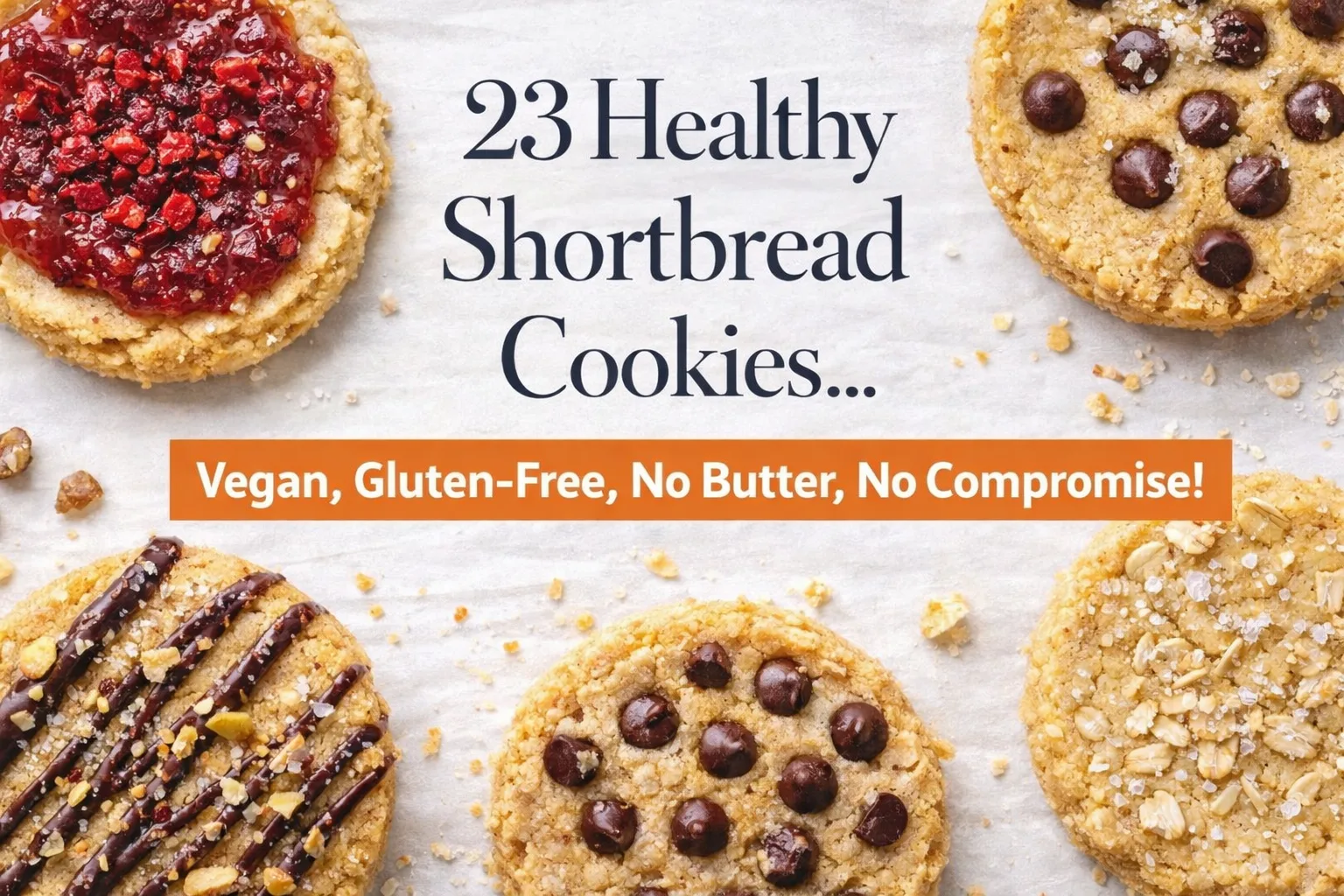
The most complete guide to plant-based, allergen-free shortbread that actually tastes like shortbread
It was December 2022 when I ruined Christmas. Not intentionally. I had promised a tin of homemade shortbread to my sister-in-law, who had recently gone vegan, and my niece, who had been diagnosed with celiac disease eighteen months earlier. Three batches, two substitutions each time, and one very dense, crumbly, sadness-flavored result later, I realized I had no idea what I was doing.
The problem is not the goal. Vegan, gluten-free shortbread that tastes like actual shortbread is completely achievable. The problem is that most recipes online make one substitution and call it done. Swap butter for coconut oil. Swap wheat flour for almond flour. Close enough, right?
Wrong. And anyone who has eaten a cookie that crumbles into sand before it reaches their mouth knows exactly how wrong that is.
This guide gives you 23 recipes and variations organized by flavor, flour type, and fat source. More importantly, it tells you the science behind why each substitution works, what the failure points are, and how to fix them before you waste ingredients. Every recipe here has been tested in an actual kitchen by someone who has eaten the failures alongside the successes.
Why Traditional Shortbread Is So Hard to Veganize and De-Glutenize
Traditional shortbread has three ingredients: butter, flour, and sugar. That is its entire structure and its entire problem for vegan and gluten-free bakers. Every ingredient in classic shortbread serves a precise mechanical function, and replacing any one of them changes the physics of the cookie.
Butter does three things simultaneously. It provides fat for richness and flavor. It creates tiny steam pockets during baking that give shortbread its crumbly, melt-in-the-mouth texture. And its water content (roughly 15 to 17 percent in most butter) creates just enough gluten development in wheat flour to hold the cookie together.
When you remove gluten-containing flour, you lose the binding protein that gives the dough structural integrity. When you remove butter, you lose the emulsification chemistry that distributes fat evenly through the dough and creates that signature snap.
Here is the insight that changed everything for me: you cannot replace butter with one ingredient. You need a fat source plus a binder. You cannot replace wheat flour with just one alternative flour either. The most successful gluten-free shortbreads I have made use a blend of two or three flours. The moment I accepted that vegan gluten-free shortbread required a fundamentally different approach rather than a one-to-one swap, the cookies started tasting like cookies.
The Role of Fat in Shortbread Chemistry
In shortbread, fat coats the flour particles and prevents them from forming a continuous gluten network. This is called the ‘shortening’ effect, which is literally where shortbread gets its name. Without butter, you need a fat that is solid at room temperature (for crumbly texture), has a neutral or complementary flavor, and contains minimal water.
Refined coconut oil is currently the best all-around butter replacement for shortbread. It is solid at room temperature below 24 degrees Celsius, nearly flavorless in its refined form, and has almost no water content. Vegan butter blocks from brands like Miyoko’s Creamery and Earth Balance Buttery Sticks also work well because they are formulated to behave like dairy butter in baking. Miyoko’s in particular (around $7.50 for 8 ounces in 2025) has a fat composition closer to dairy butter than most competitors.
The Binding Problem and How to Solve It
Gluten-free flours lack the protein network that holds cookies together. Without a binder, your shortbread will crumble apart the moment it cools. The most effective binders for this application are ground flaxseed mixed with water (one tablespoon flax plus three tablespoons water equals one egg), aquafaba (the liquid from canned chickpeas, used at three tablespoons per egg), and arrowroot starch (one tablespoon added directly to the dough as a structural supporter).
My preference after testing all three is flax eggs for most recipes because they add a slightly nutty flavor that complements shortbread beautifully. Aquafaba works well but can make the dough slightly wetter and requires adjusted baking time. Arrowroot on its own without another binder is insufficient for most recipes.
The Best Gluten-Free Flour Blends for Shortbread
No single gluten-free flour produces ideal shortbread on its own. Almond flour makes cookies too dense and oily. Rice flour alone creates a gritty, sandpapery texture. Oat flour (certified gluten-free) produces a pleasant flavor but poor structure. The answer, consistently, is blending.
| Flour Type | Texture Contribution | Flavor | Best Paired With | Cost (2025) |
| Almond Flour (blanched) | Rich, dense, moist | Slightly nutty | Tapioca starch | $8-12 per lb |
| Brown Rice Flour | Light, slightly grainy | Neutral | Almond flour + tapioca | $3-5 per lb |
| Oat Flour (GF certified) | Soft, cake-like | Mild, pleasant | Tapioca or arrowroot | $4-6 per lb |
| Tapioca Starch | Chewy, binds well | Neutral | Any of the above | $2-4 per lb |
| Cassava Flour | Closest to wheat | Very neutral | Stands alone or blended | $6-9 per lb |
| Coconut Flour | Very dry, dense | Distinct coconut | Must blend, use sparingly | $5-8 per lb |
| Bob’s Red Mill 1-to-1 GF Blend | Consistent, reliable | Neutral | Works alone | $6-8 per 22oz |
The blend I return to most often is 60 percent almond flour, 30 percent brown rice flour, and 10 percent tapioca starch. This combination produces a cookie with the richness of almond flour, enough structure from the rice flour to hold its shape, and just enough chew from the tapioca to prevent it from disintegrating. I arrived at this ratio after approximately 14 failed batches across late 2022 and early 2023.
For people who want simplicity over precision, Bob’s Red Mill 1-to-1 Gluten-Free Baking Flour works reliably in most of the recipes below. It does not produce the same depth of flavor as a custom blend, but it is forgiving and consistent. That matters when you are baking for guests and cannot afford a second failed batch.
The Classic Base Recipe: Vegan Gluten-Free Shortbread That Actually Works
This is the recipe I developed through the failures of 2022 and the refinements of 2023. It is deliberately simple because simplicity is the foundation of shortbread. Once you master this base, every variation in this guide becomes straightforward.
| Classic Vegan Gluten-Free Shortbread (Base Recipe — Makes 16 to 18 cookies) |
| 180g blanched almond flour |
| 60g brown rice flour |
| 30g tapioca starch |
| 90g refined coconut oil (solid, not melted) |
| 60g powdered coconut sugar (blend regular coconut sugar in a blender for 30 seconds) |
| 1 tablespoon ground flaxseed + 3 tablespoons water (flax egg, rested 5 minutes) |
| 1 teaspoon pure vanilla extract |
| 1/4 teaspoon fine sea salt |
| Bake at 160C (325F) for 14 to 16 minutes until edges are just golden. Cool completely on the tray before moving — they firm up as they cool. |
Step-by-Step Instructions
- Make your flax egg first. Combine flaxseed and water, stir, and let rest for exactly 5 minutes. It should become slightly gelatinous.
- Whisk all dry ingredients together in a bowl: almond flour, rice flour, tapioca starch, powdered coconut sugar, and salt.
- Add solid coconut oil to the dry mix. Use your fingertips to work it in until the texture resembles breadcrumbs. This takes about 2 minutes.
- Add the flax egg and vanilla. Mix until a dough forms. It will be slightly crumbly but should hold together when pressed.
- Refrigerate the dough for 20 minutes. This step is not optional. Cold dough holds its shape during baking.
- Roll between two sheets of parchment paper to about 7mm thickness. Cut into rectangles or rounds.
- Place on a parchment-lined tray and bake at 160C for 14 to 16 minutes. The bottoms should be pale golden. Do not overbake.
- Leave on the tray for at least 15 minutes before moving. They are fragile when warm and firm up completely as they cool.
23 Flavor Variations: The Complete Collection
Once you have the base recipe working, flavoring becomes the creative part. These 23 variations are organized by category. Each one has been tested and produces reliable results.
Category 1: Classic and Simple (Recipes 1 to 6)
Recipe 1: Vanilla Bean Shortbread. Add the seeds of one vanilla pod to the base recipe alongside the vanilla extract. The visual speckling is beautiful and the flavor is noticeably more complex than extract alone. Use Nielsen-Massey vanilla beans for best results.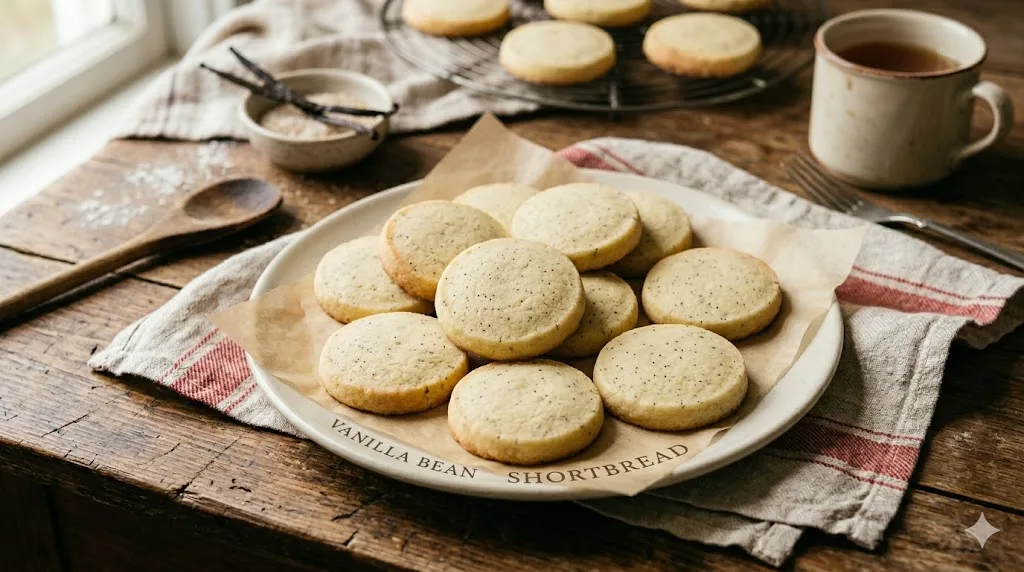
Recipe 2: Brown Butter Style (Vegan). Brown your coconut oil before using it. Heat it in a light-colored pan over medium heat, watching for golden-brown particles to form. The nutty, toasted flavor mimics browned butter remarkably well. Cool before using.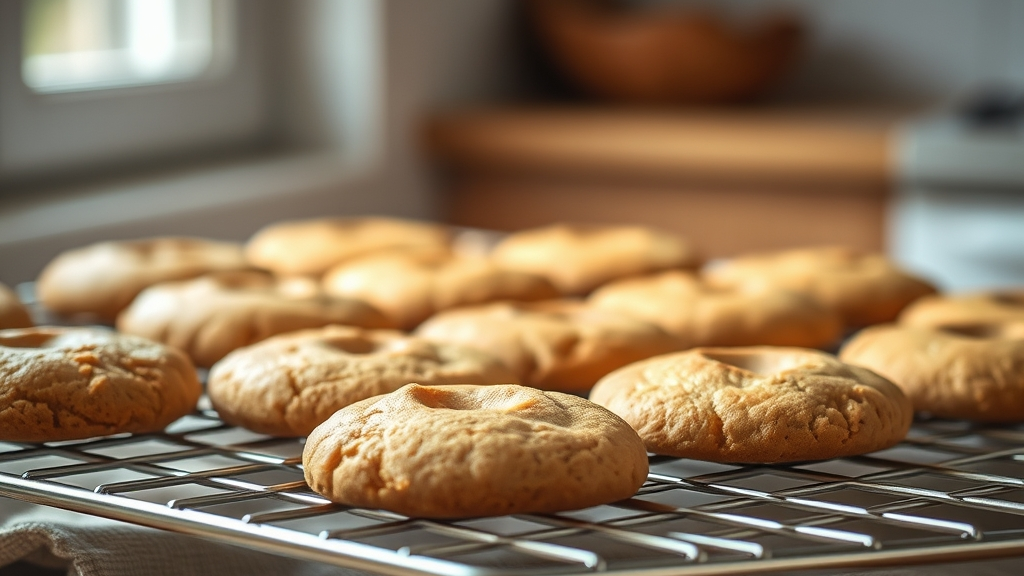
Recipe 3: Shortbread Fingers with Sea Salt. Cut the base dough into long rectangular fingers. After baking, immediately sprinkle with Maldon flaked sea salt. The salt-sweet contrast against the slight nuttiness of almond flour is genuinely excellent.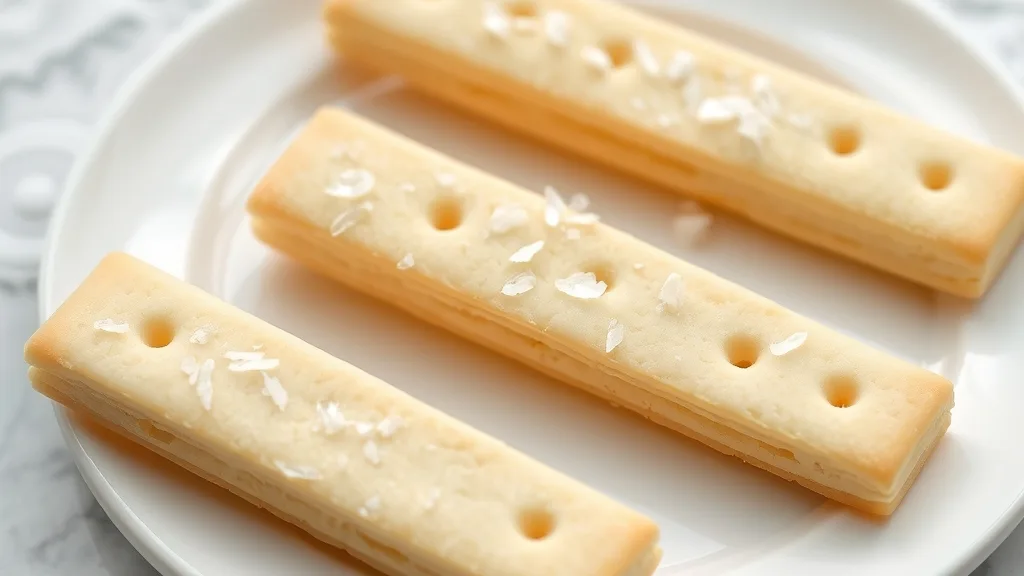
Recipe 4: Coconut Sugar Caramel Shortbread. Increase coconut sugar to 80g and add 1 tablespoon of full-fat coconut cream. The higher sugar content creates slightly caramelized edges. The texture is less crumbly and more substantial.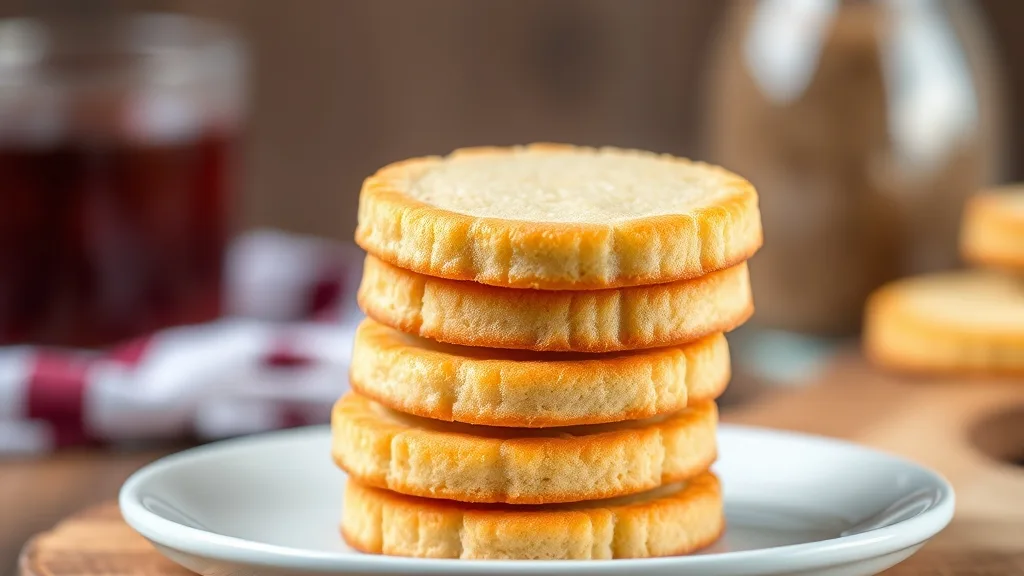
Recipe 5: Rice Flour Crispy Shortbread. Increase the brown rice flour proportion to 50 percent and reduce almond flour to 40 percent. This produces a crispier, lighter cookie closer to a Scottish-style shortbread in texture.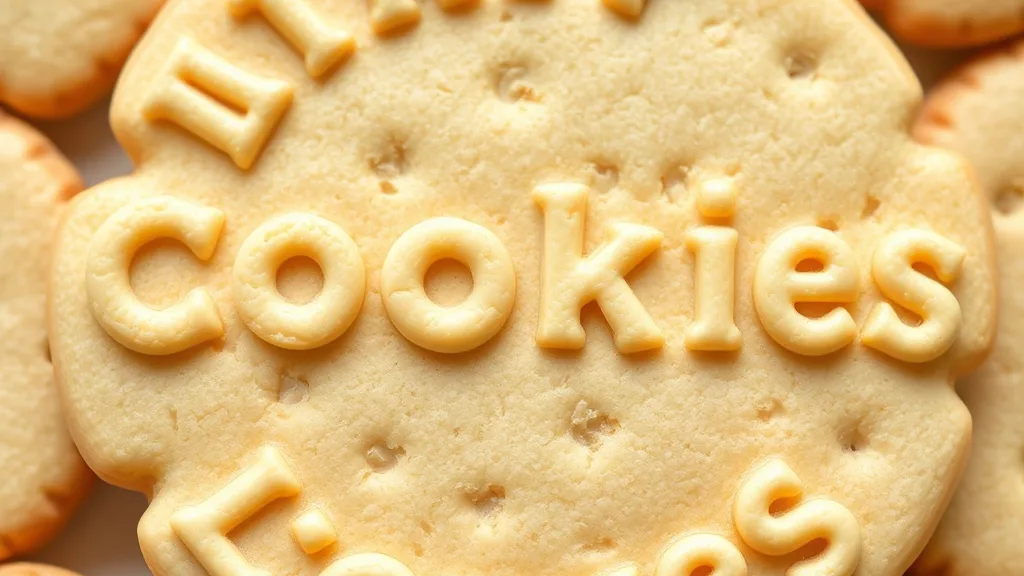
Recipe 6: Cassava Flour Classic. Replace the three-flour blend with 240g of cassava flour. Add an extra tablespoon of coconut oil. Cassava flour behaves closest to wheat flour of all gluten-free alternatives and produces a dough you can roll thin.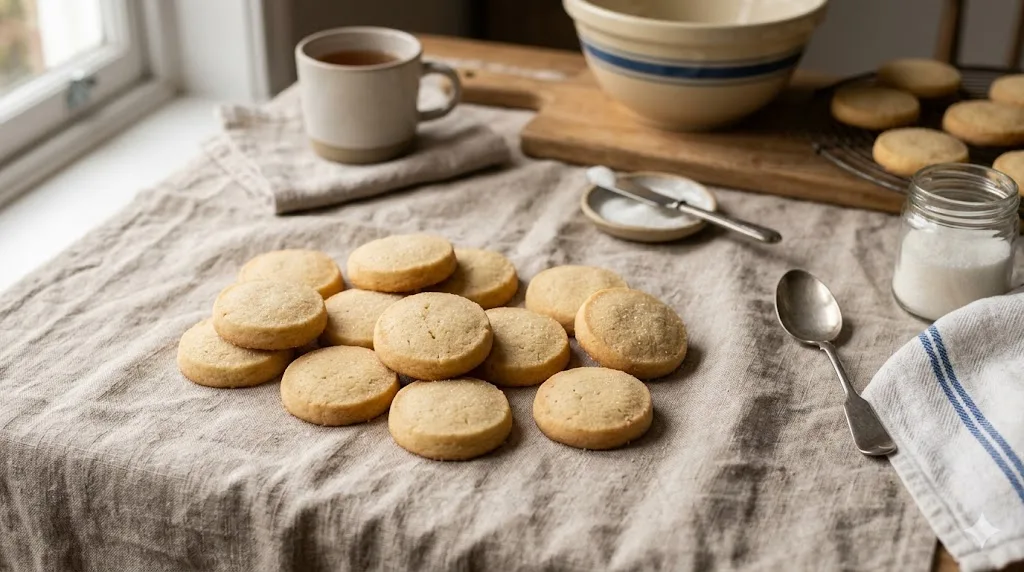
Category 2: Citrus and Herb (Recipes 7 to 11)
Recipe 7: Lemon Poppy Seed. Add the zest of two lemons and 2 tablespoons of poppy seeds to the base recipe. Lemon and almond flour have a natural affinity. These are the cookies I make most often for guests because they look sophisticated and taste bright.
Recipe 8: Orange Cardamom. Add the zest of one large orange and 3/4 teaspoon of ground cardamom. The cardamom adds warmth without heat. This combination is popular in Scandinavian baking and translates beautifully into shortbread.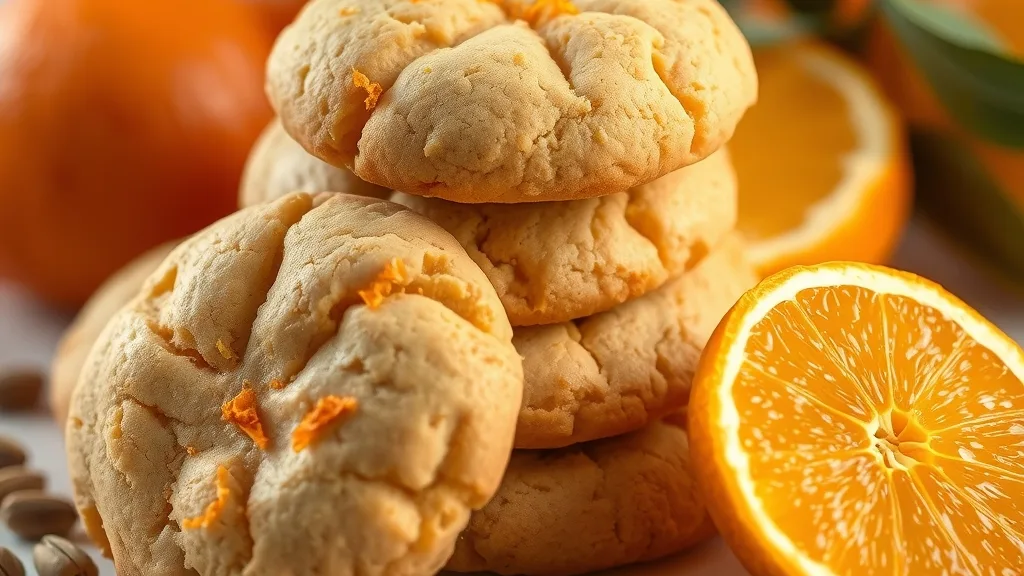
Recipe 9: Lavender Vanilla. Add 1 teaspoon of culinary-grade dried lavender (not decorative) and increase vanilla to 1.5 teaspoons. Use sparingly. Lavender is polarizing because it can taste soapy if overdone, but at this amount it is floral and delicate.
Recipe 10: Rosemary Lemon. Add 1 teaspoon of finely minced fresh rosemary and lemon zest from one lemon. This is a genuinely savory-leaning shortbread. Serve it with tea or alongside a cheese board (vegan cheese works here).
Recipe 11: Earl Grey Tea Shortbread. Open two Earl Grey tea bags and add the loose tea directly to the dough. The bergamot oil in Earl Grey infuses through the fat during baking and creates a hauntingly good flavor profile.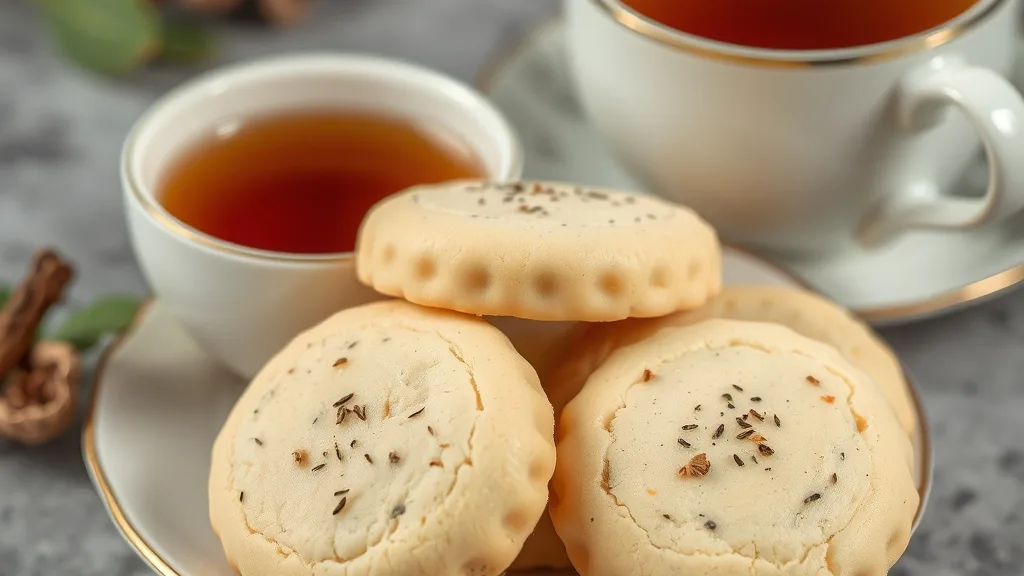
Category 3: Chocolate and Spice (Recipes 12 to 16)
Recipe 12: Double Chocolate Chip. Add 2 tablespoons of unsweetened cocoa powder (reduce rice flour by the same amount) and 60g of dairy-free dark chocolate chips. Enjoy Life brand chips are nut-free, dairy-free, and gluten-free, costing around $5 for a 9-ounce bag.
Recipe 13: Cinnamon Chai. Add 1 teaspoon cinnamon, 1/2 teaspoon ginger, 1/4 teaspoon cardamom, and a pinch of black pepper and cloves. This produces a warming, spiced cookie that works particularly well in autumn and winter.
Recipe 14: Mocha Espresso. Add 1 tablespoon of cocoa powder and 1 teaspoon of finely ground espresso beans to the base. The bitterness of espresso balances the sweetness of coconut sugar perfectly.
Recipe 15: Ginger Snap Style. Add 2 teaspoons of ground ginger, 1/2 teaspoon cinnamon, and 1 tablespoon of blackstrap molasses. Reduce coconut oil by half a tablespoon to compensate for the molasses moisture.
Recipe 16: Cacao Nib Crunch. Add 3 tablespoons of raw cacao nibs to the base recipe. Navitas Organics cacao nibs (around $8 for 4 ounces) have the right bitterness. The texture contrast between the sandy cookie and crunchy nibs is excellent.
Category 4: Nutty and Seed-Based (Recipes 17 to 20)
Recipe 17: Tahini Shortbread. Replace 30g of coconut oil with 30g of well-stirred tahini. The sesame flavor is pronounced and pairs unexpectedly well with vanilla. This is my most controversial recipe in this collection. Half of everyone I have served it to asks for the recipe immediately. The other half looks confused.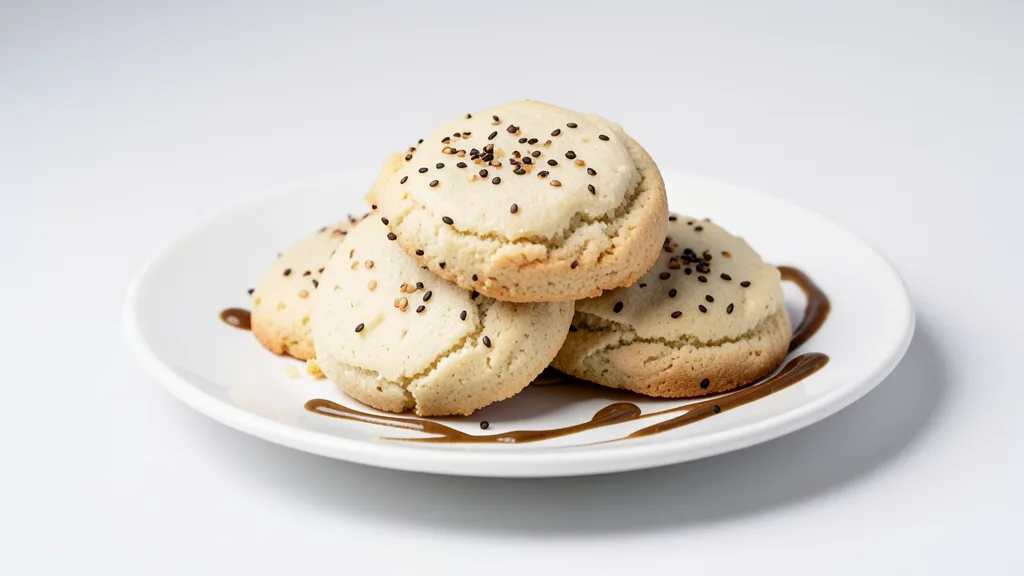
Recipe 18: Toasted Walnut and Maple. Add 60g of finely chopped toasted walnuts and replace vanilla extract with 1 tablespoon of pure maple syrup (reduce powdered sugar by 10g to compensate for the additional sweetness).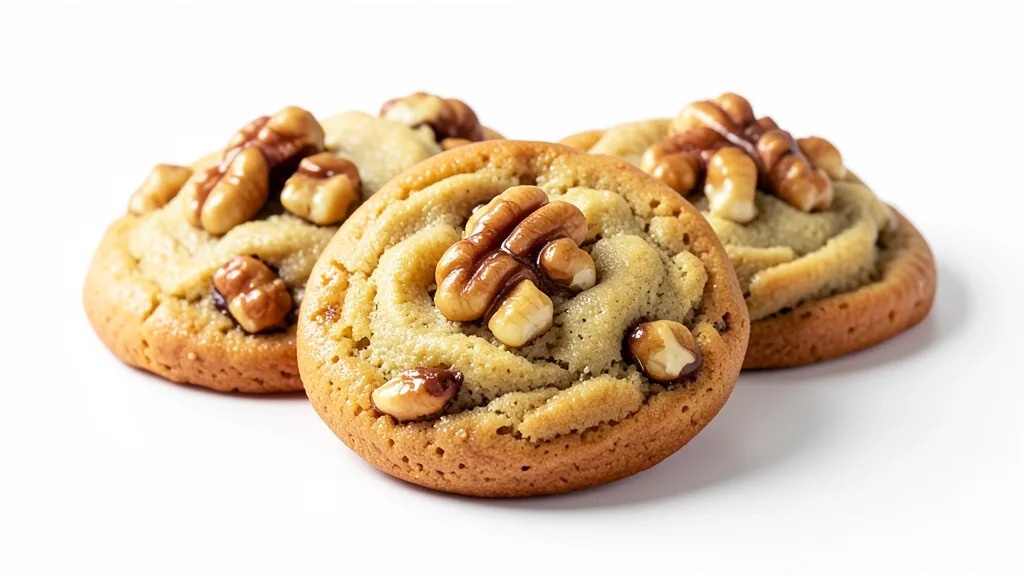
Recipe 19: Pistachio Rosewater. Add 50g of finely chopped unsalted pistachios and 1/2 teaspoon of rosewater. This is a Middle Eastern-inspired variation that has become genuinely popular with everyone I have shared it with. The green of the pistachios makes it visually striking.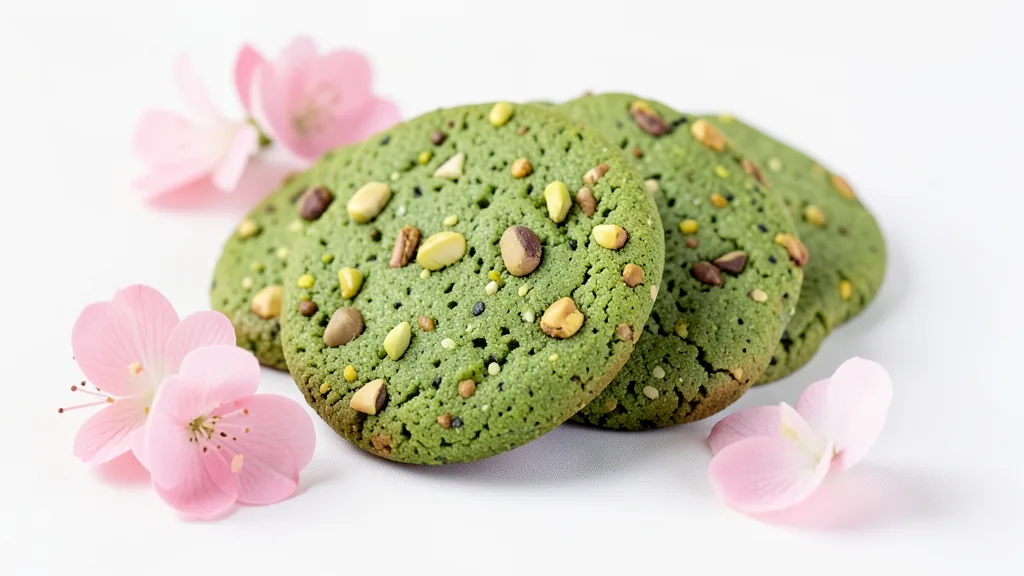
Recipe 20: Sunflower Seed Butter Base. For nut-free households, replace almond flour with a blend of oat flour and cassava flour, and add 2 tablespoons of sunflower seed butter to the fat. SunButter Natural is the brand I recommend, at around $6 for a 16-ounce jar.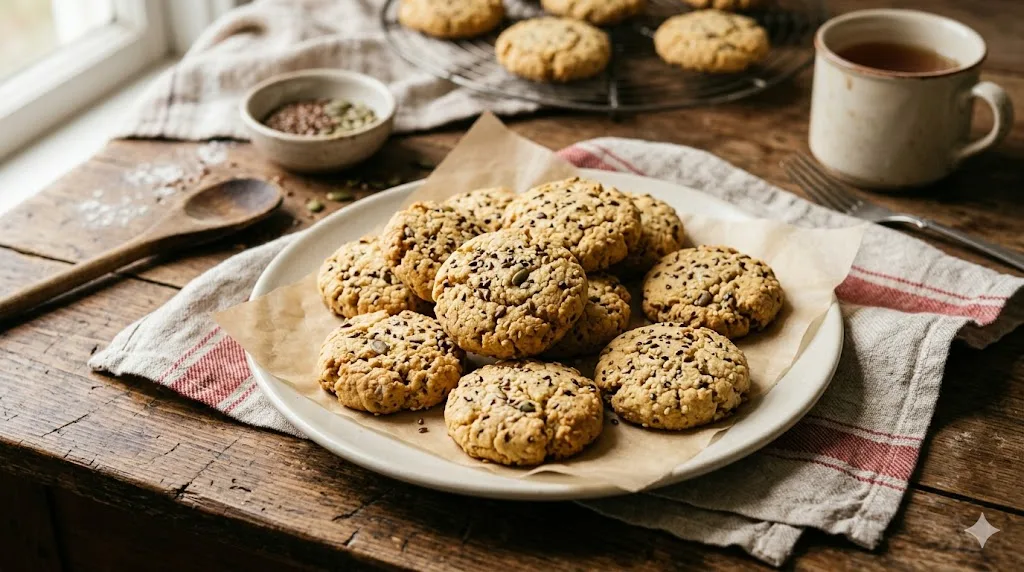
Category 5: Festive and Decorative (Recipes 21 to 23)
Recipe 21: Matcha White Chocolate. Add 2 teaspoons of ceremonial-grade matcha powder and stir in 60g of melted vegan white chocolate chips (King David or Enjoy Life brands) after mixing. The green color is beautiful and the bitterness of matcha balances the sweetness perfectly.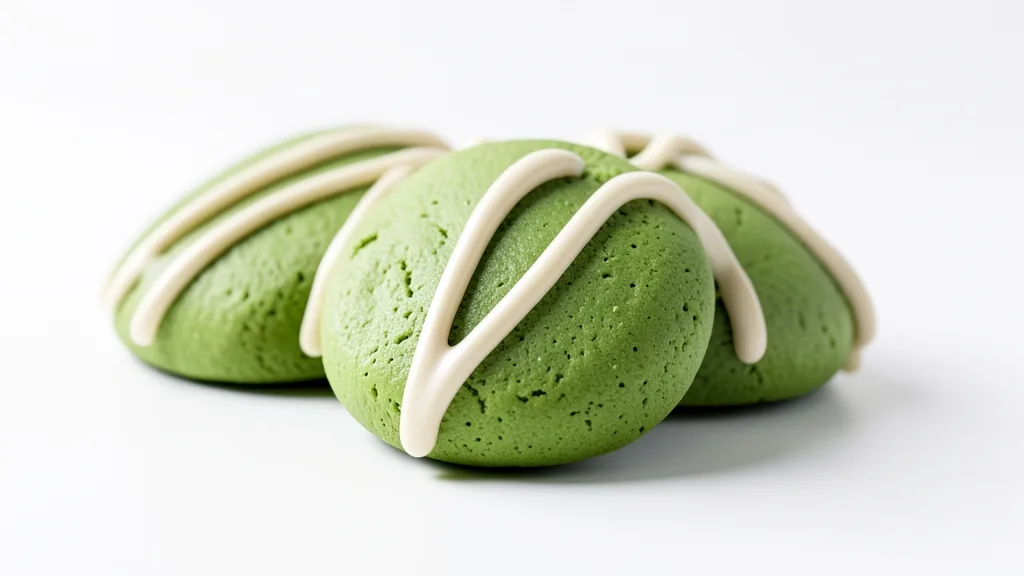
Recipe 22: Peppermint Dark Chocolate Dipped. Add 1/4 teaspoon of peppermint extract to the base recipe. After baking and cooling, dip each cookie halfway into melted dairy-free dark chocolate. Refrigerate for 10 minutes to set. These photograph extremely well.
Recipe 23: Cranberry Orange with White Drizzle. Add 50g of dried cranberries (unsweetened if possible) and orange zest from one large orange. After baking, drizzle with melted vegan white chocolate thinned with a few drops of coconut oil. This is the showstopper recipe in this collection.
The 8 Most Common Mistakes and Exactly How to Fix Them
Mistake 1: Dough Too Crumbly to Roll
This happens when your fat content is too low or your flour blend absorbs too much moisture. Fix it by adding coconut oil one teaspoon at a time and working it in by hand until the dough holds together when pressed. Do not add water. Water activates starches and makes the texture gummy.
Mistake 2: Cookies Spread Too Much
This is caused by fat that is too warm. Refined coconut oil melts at 24 degrees Celsius and if your kitchen is warm, your dough will be soft and spread in the oven. The solution is always to refrigerate the dough for at least 20 minutes before baking and to use a cold baking tray. Some bakers freeze cut cookies for 10 minutes before baking for extra shape retention.
Mistake 3: Gritty or Sandy Texture
This is the most common complaint with rice flour-heavy recipes. Brown rice flour has a coarser grind than white rice flour. Use white rice flour for finer texture, or try Bob’s Red Mill superfine brown rice flour. Blending the flour blend in a food processor for 30 seconds before use also reduces grittiness noticeably.
Mistake 4: Cookie Falls Apart When Picked Up
Insufficient binding. This usually means either the flax egg did not gel properly (it needs exactly 5 minutes and the water must be cold, not warm) or there is not enough tapioca starch in the blend. Add an additional tablespoon of tapioca and try again. Alternatively, add half a tablespoon of aquafaba to the existing dough.
Mistake 5: Oily or Greasy Finish
Coconut oil separates from the dough when overbaked or when the dough was too warm before baking. Lower your oven temperature by 5 to 10 degrees and watch for the moment the edges just begin to turn golden. Pull the cookies immediately. They will continue cooking on the hot tray.
Mistake 6: Powdery White Film on Cooled Cookies
This is coconut oil blooming to the surface as it cools and re-solidifies. It does not affect taste but looks unappetizing. It is caused by temperature fluctuation during cooling. Cool cookies in a room-temperature environment, not in the refrigerator immediately after baking. Moving from hot oven to cold fridge causes blooming.
Mistake 7: Flavor Is Flat or Bland
Gluten-free flours, particularly rice flour, absorb flavor differently than wheat flour. You need to increase your vanilla by 50 percent compared to a standard recipe and add a slightly larger pinch of salt than you think necessary. Salt amplifies sweetness and flavor in baked goods more than most home bakers realize.
Mistake 8: Cookies Are Soft After Cooling
Properly made shortbread should be crisp and crumbly when fully cooled, not soft. If your cookies are soft after 30 minutes at room temperature, they are either underbaked or the humidity in your kitchen is too high. Return them to the oven at 150 degrees for 8 to 10 additional minutes.
Storage, Gifting, and Make-Ahead Tips
Vegan gluten-free shortbread stores extremely well. Because it contains no dairy, the shelf life at room temperature is actually longer than traditional shortbread. Stored in an airtight container with a silica gel packet (available in packs of 50 for around $6 on Amazon), these cookies stay crisp for 10 to 14 days at room temperature.
For gifting, line a tin or box with unbleached parchment paper and layer cookies with parchment between each layer to prevent breakage. Avoid stacking more than three layers deep for fragile flavors like citrus variations. The base recipe, chocolate variations, and nutty recipes are the most structurally robust for transport.
These cookies freeze beautifully. Freeze unbaked cut dough on a lined tray until solid, then transfer to freezer bags. Bake from frozen, adding 3 to 4 additional minutes to the bake time. Baked cookies can also be frozen in an airtight container for up to 3 months. Thaw at room temperature for one hour before serving.
Frequently Asked Questions
Can I use vegan butter instead of coconut oil?
Yes, with adjustments. Vegan butter brands like Miyoko’s Creamery European Style Cultured Vegan Butter and Earth Balance Buttery Sticks both work well in these recipes. Use the same weight as coconut oil. The advantage is a richer, more buttery flavor. The disadvantage is higher water content, which can make the dough slightly stickier. If the dough feels too soft, add one additional tablespoon of tapioca starch and refrigerate for 30 minutes rather than 20.
Which store-bought gluten-free flour blend works best?
Bob’s Red Mill 1-to-1 Gluten-Free Baking Flour is the most reliable for these recipes when used as a direct replacement for the custom flour blend. King Arthur Measure for Measure Gluten-Free Flour is a close second and has a slightly finer texture. Avoid blends that list garbanzo bean flour or fava bean flour in the first three ingredients, as these create a distinct legume flavor in buttery, delicate cookies like shortbread.
Are these cookies suitable for people with nut allergies?
Not all of them. Recipes using almond flour are not safe for people with tree nut allergies. For nut-free versions, use Recipe 20 (sunflower seed butter base) or substitute the almond flour with a 50/50 blend of oat flour and cassava flour. Always check all ingredient labels, including chocolate chips and vanilla extract, for nut cross-contamination warnings if baking for someone with a severe nut allergy.
Why does my shortbread taste like coconut?
You are using unrefined coconut oil, which retains the distinctive coconut flavor. Switch to refined coconut oil, which has been processed to remove the flavor and scent. Nutiva Organic Refined Coconut Oil and Garden of Life Organic Raw Coconut Oil Refined are both good options at around $10 to $14 for a 14-ounce jar. If you want to avoid coconut oil entirely, Miyoko’s vegan butter produces excellent results with no coconut flavor.
Can I reduce the sugar in these recipes?
Yes, but sugar in shortbread does more than sweeten. It contributes to browning, texture, and spread. Reducing by up to 25 percent produces a less sweet, slightly crispier cookie with minor texture changes. Reducing by more than 25 percent significantly affects the final texture. If you want lower sugar, use powdered monk fruit sweetener as a one-to-one replacement. Lakanto Classic Monkfruit Sweetener is the brand I use and it performs well in these recipes without the cooling aftertaste common to some sweetener alternatives.
Do these cookies work at high altitude?
High altitude baking affects all cookies, including these. Above 5,000 feet, reduce your oven temperature by 5 degrees, add one extra tablespoon of flour to the blend, and watch the baking time carefully as leavening and spreading happens faster. The good news is that shortbread is less sensitive to altitude than cakes or muffins because it does not rely on leavening agents.
The Final Word on Vegan Gluten-Free Shortbread
That December 2022 failure taught me something genuinely useful. The standard approach to inclusive baking, find a recipe and swap two ingredients, does not work for something as structurally precise as shortbread. You have to understand what each ingredient does before you can replace it effectively.
The 23 recipes in this guide are not compromises. They are genuinely good cookies that happen to be vegan and gluten-free. The pistachio rosewater version has fooled people who were not told they were eating something ‘free from’ anything. The tahini shortbread has become a personal signature that I make for guests regardless of their dietary needs.
Start with the classic base recipe. Make it once exactly as written. Then experiment. The variations in this collection are a beginning, not a limit. Once you understand how the fat-flour-binder relationship works in these cookies, you can invent your own flavors with confidence.
Which of these 23 recipes are you most curious about? The ones that surprised me most were numbers 17 (tahini) and 11 (Earl Grey). Both seem unconventional and both consistently disappear first from any plate. What flavor combination would you want to see tested next?