It was 6:47am on a Tuesday last February. I had a gym session at 5:30am behind me, 38 grams of protein still to hit before my 9am meeting, and exactly zero interest in eating another dry chicken breast before sunrise. That morning, out of desperation more than inspiration, I threw together a crustless tuna quiche in a muffin tin, using ingredients already in my fridge. Twelve minutes later, I had pulled out something that genuinely smelled incredible, tasted even better, and delivered 34 grams of protein in a single serving.
That accidental experiment changed my entire breakfast routine. Over the following six months, I developed, tested, failed at, and eventually perfected 20 distinct variations of the crustless tuna breakfast quiche. Some were disasters. One early version with too much brine was basically inedible. But the ones that worked? They became staples.
This guide covers all 20 recipes in detail, explains the nutritional science behind why this breakfast format is superior to most alternatives, and gives you every troubleshooting tip I learned the hard way. If you want 30 grams of protein before 9am without suffering through a boring meal, you are in exactly the right place.
Quick Nutrition Fact: A single large egg provides 6g of protein. One 5oz can of tuna in water contains 25 to 27g of protein with roughly 130 calories. Combined in a crustless quiche, you can hit 30g+ protein in one compact serving that takes under 15 minutes to prepare.
Why Crustless Tuna Quiche Is the Ultimate High-Protein Breakfast
Most people chasing a high-protein breakfast land on the same tired options: scrambled eggs, Greek yogurt, protein shakes. Those are fine. But crustless tuna quiche does something none of those do individually. It layers two complete protein sources together, creates a genuinely satisfying texture and flavour combination, and is portion-controlled by nature.
Removing the crust is not a compromise. It is an upgrade. Traditional quiche crust adds 150 to 200 calories of refined flour with minimal nutritional payoff. Crustless versions are lower in calories, higher in protein density, and frankly easier to make. You do not need to pre-bake anything. There is no blind-bake step, no pastry to roll, no mess.
The protein math is compelling. Two large eggs provide 12 grams. One drained 5oz can of tuna adds 26 grams. Half a cup of cottage cheese brings another 12 grams. A single-serve crustless tuna quiche using these three ingredients alone delivers close to 50 grams of protein. Scaled to a more reasonable serving, you are comfortably hitting 30 grams before your first cup of coffee.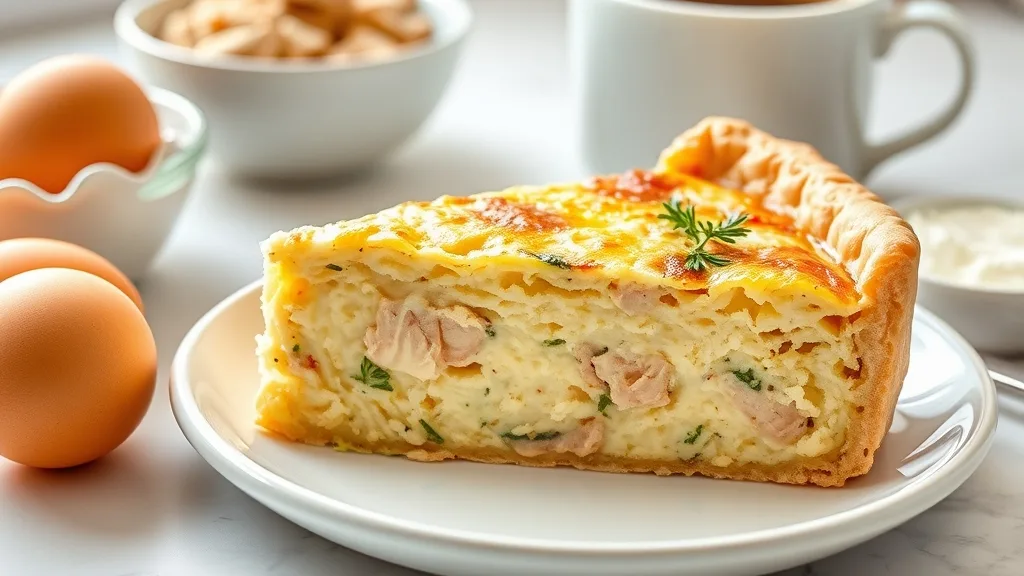
The Science of Morning Protein: Why Before 9AM Matters
Research published in the American Journal of Clinical Nutrition found that a high-protein breakfast significantly reduces appetite and calorie intake throughout the day compared to a high-carbohydrate breakfast of equal calories. The mechanism is twofold: protein stimulates greater release of satiety hormones like peptide YY and GLP-1, and it suppresses ghrelin, the primary hunger signal, more effectively than carbohydrates or fat.
Eating 25 to 40 grams of protein within the first two hours of waking also maximises muscle protein synthesis during what researchers call the anabolic window after overnight fasting. For anyone building or preserving muscle, this timing matters. A crustless tuna quiche delivers the right protein load at the right time with almost no effort.
Why Tuna Specifically?
Tuna is not just convenient. It is genuinely nutritionally superior for breakfast protein compared to most alternatives. Canned tuna in water provides approximately 25 grams of protein per 100 grams with under 1 gram of fat and roughly 110 calories. It is a complete protein containing all essential amino acids, including leucine, the amino acid most critical for triggering muscle protein synthesis.
Brands worth knowing: Wild Planet wild-caught albacore tuna (available at most major supermarkets, around $3.50 to $4.50 per can as of early 2026) is my personal daily driver. It has a cleaner flavour than most store brands and lower mercury due to younger fish. Safe Catch Elite tuna is another excellent option, specifically tested to contain mercury below 0.1 parts per million, which makes it genuinely safe for daily consumption.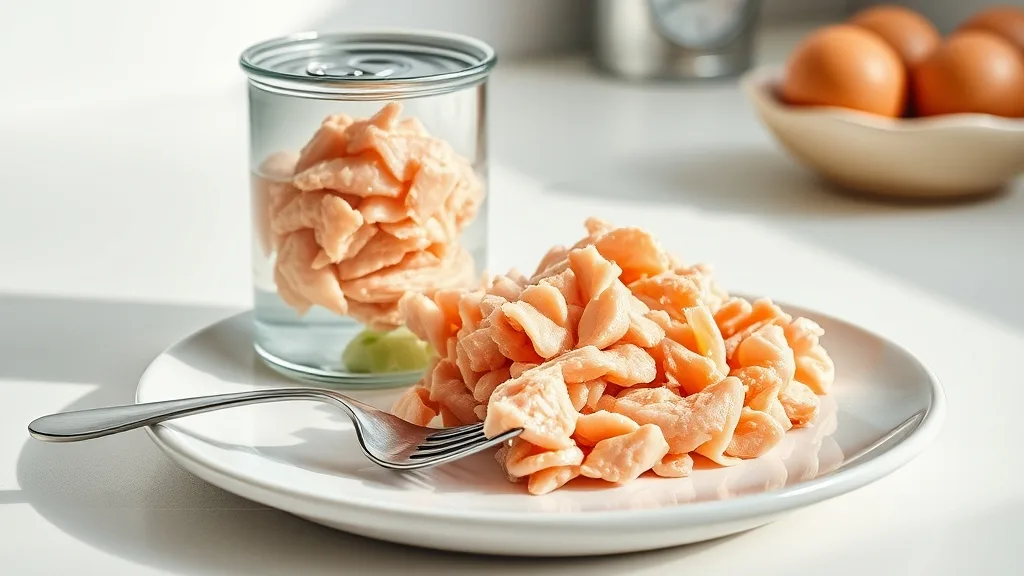
The Master Base Recipe: Your Starting Point for All 20 Variations
Every variation in this guide starts with the same core base. Master this, and every other recipe is just a matter of swapping mix-ins.
Base Crustless Tuna Quiche (Single Serving)
Prep time: 5 minutes. Cook time: 12 to 15 minutes. Protein: 32 to 36 grams.
Ingredients:
- 1 can (5oz) tuna in water, well drained
- 3 large eggs
- 3 tablespoons whole milk or unsweetened almond milk
- 2 tablespoons cottage cheese (optional but recommended for creaminess)
- Salt, black pepper, garlic powder to taste
- Cooking spray or olive oil for the dish
Method:
- Preheat oven to 375 degrees Fahrenheit (190 Celsius).
- Drain tuna thoroughly. Press with paper towel to remove excess moisture.
- Whisk eggs, milk, and cottage cheese in a bowl until smooth.
- Fold in tuna, breaking up any large chunks.
- Season generously. Under-seasoning is the number one mistake with this recipe.
- Pour into a greased ramekin (4 to 6 inch), muffin tin, or small baking dish.
- Bake 12 to 15 minutes until set in the centre and lightly golden on top.
- Rest 2 minutes before eating.
Pro Tip: The biggest mistake I made in early testing was under-draining the tuna. Excess moisture creates a watery, unset centre even after full cooking time. Drain it, then press it. Takes 20 extra seconds and makes a significant difference.
All 20 Crustless Tuna Breakfast Quiche Variations
Variations 1 to 5: Classic and Mediterranean Profiles
| # | Recipe Name | Key Add-Ins | Approx. Protein | Flavour Profile |
| 1 | Classic Herb & Tuna | Chives, parsley, garlic powder | 32g | Clean, fresh, crowd-pleasing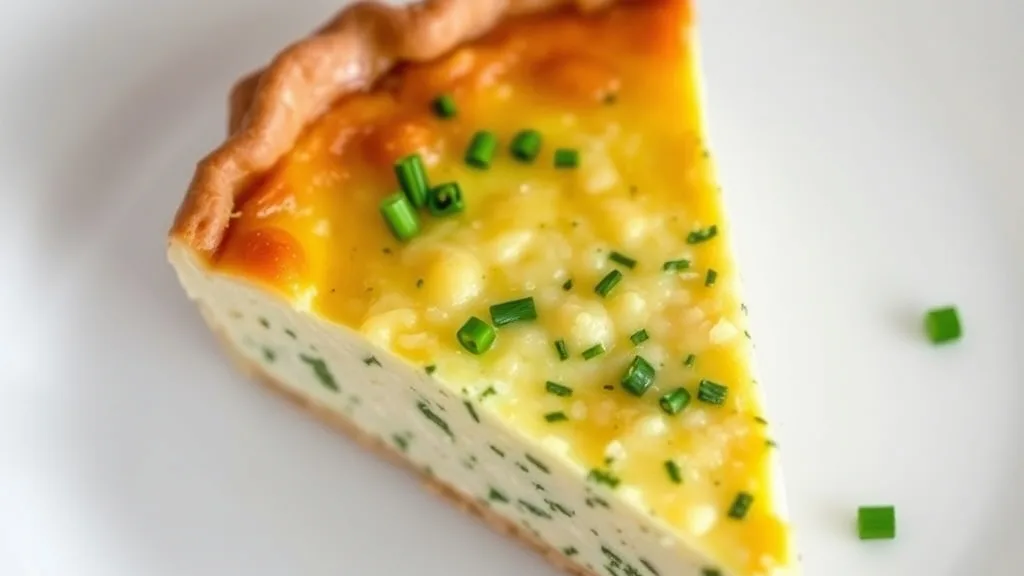 |
| 2 | Mediterranean Sun-Dried Tomato | Sun-dried tomatoes, feta, olives | 34g | Savoury, rich, bold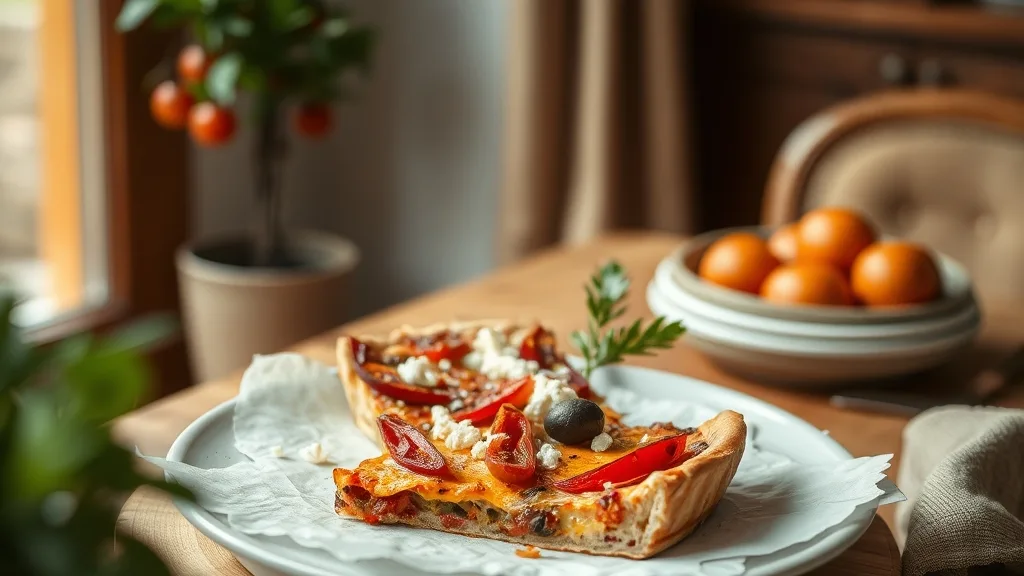 |
| 3 | Spinach and Feta Tuna | Baby spinach, crumbled feta, dill | 35g | Greek-inspired, bright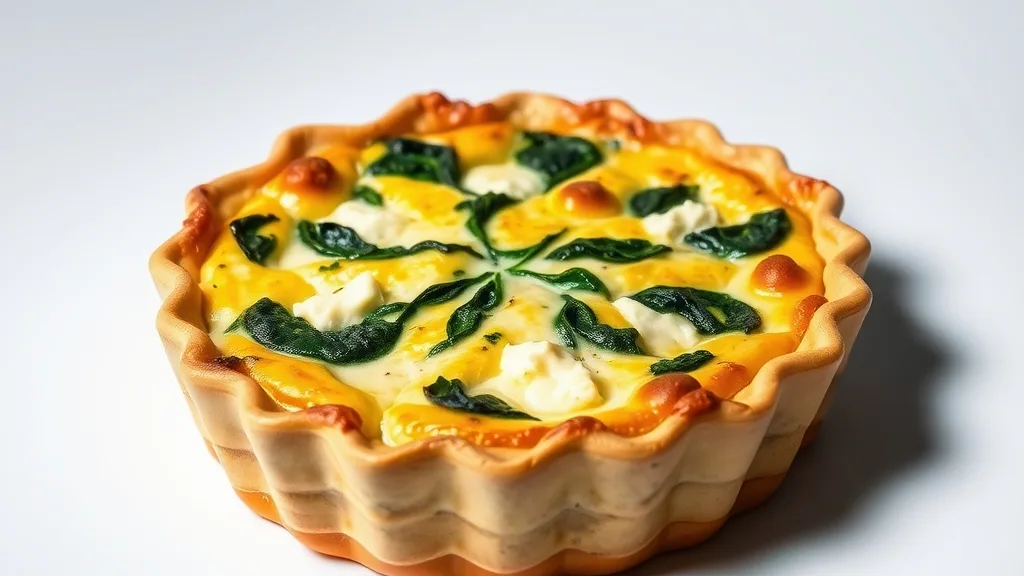 |
| 4 | Roasted Red Pepper Tuna | Jarred roasted peppers, smoked paprika | 33g | Smoky, slightly sweet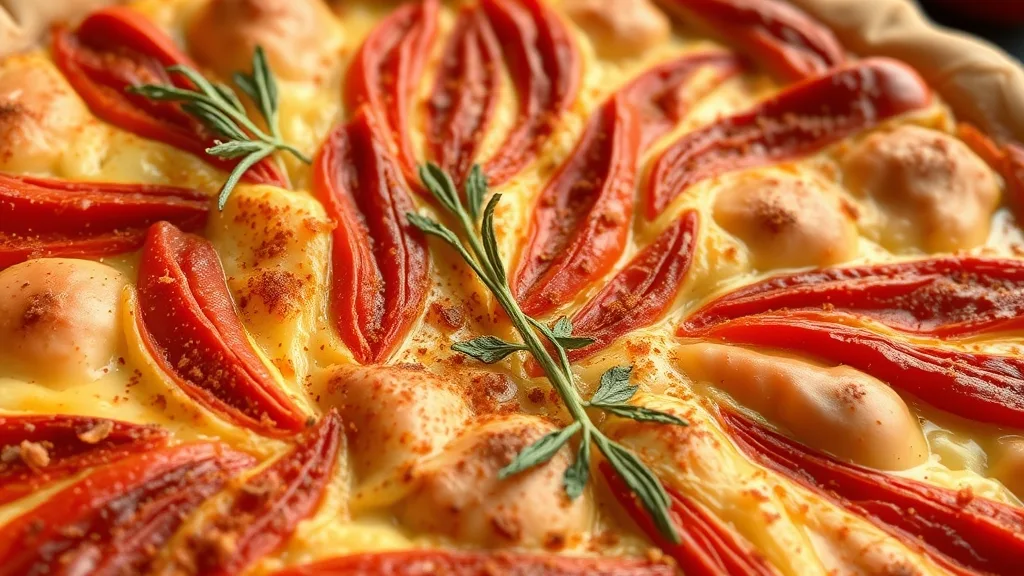 |
| 5 | Caramelised Onion Tuna | Caramelised onion, thyme, gruyere | 33g | Deep, savoury, complex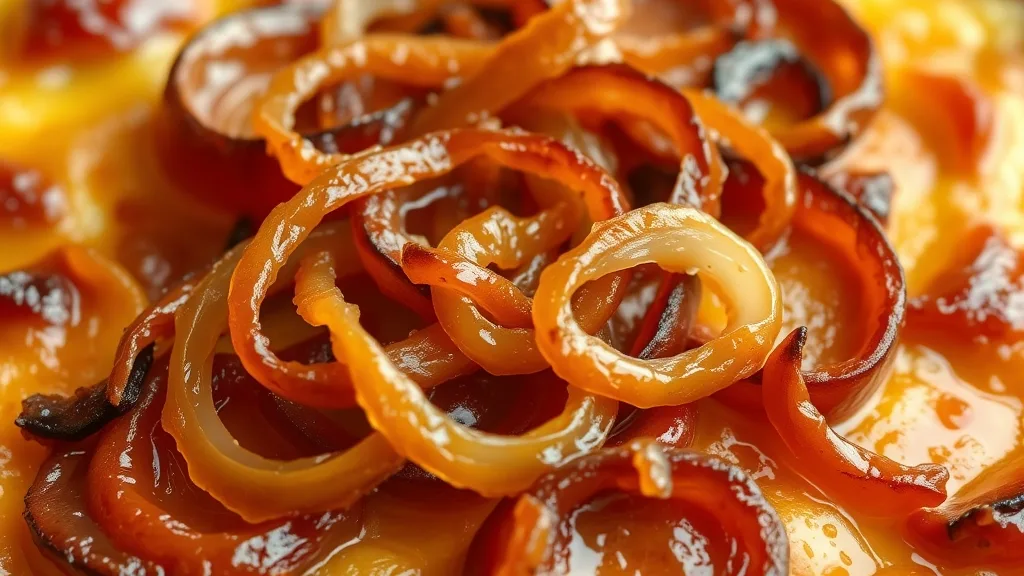 |
Variations 6 to 10: Spicy and Bold Flavour Profiles
| # | Recipe Name | Key Add-Ins | Approx. Protein | Heat Level |
| 6 | Sriracha Lime Tuna | Sriracha, lime zest, coriander | 32g | Medium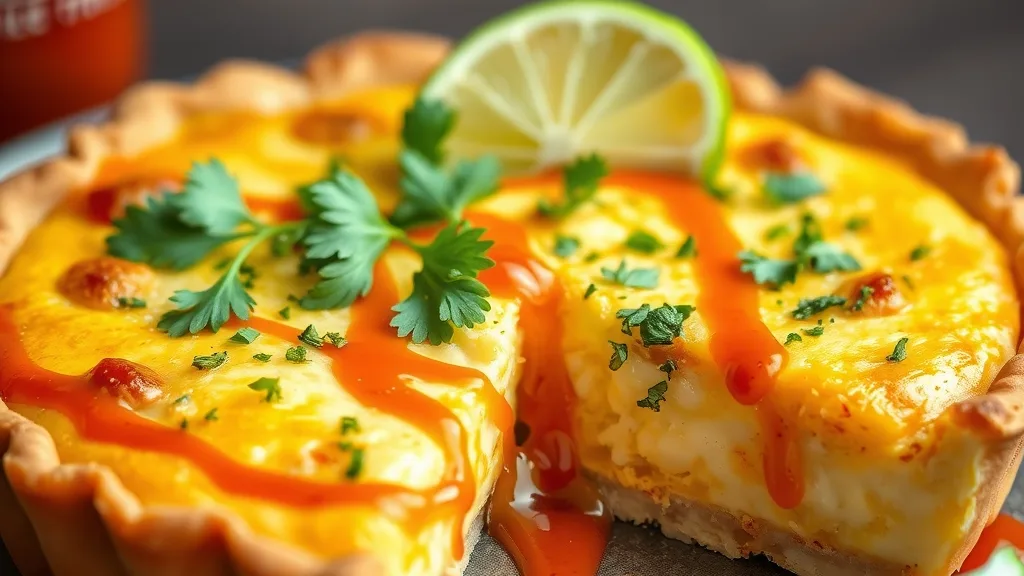 |
| 7 | Jalapeno Cheddar Tuna | Pickled jalapenos, sharp cheddar | 36g | Medium-Hot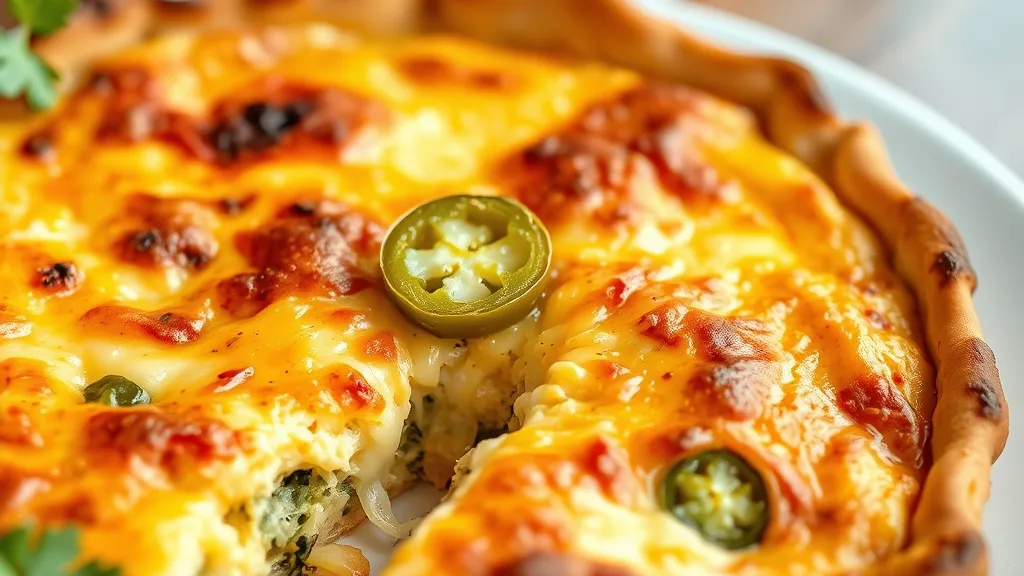 |
| 8 | Harissa Tuna Quiche | Harissa paste, cumin, parsley | 33g | Medium-Hot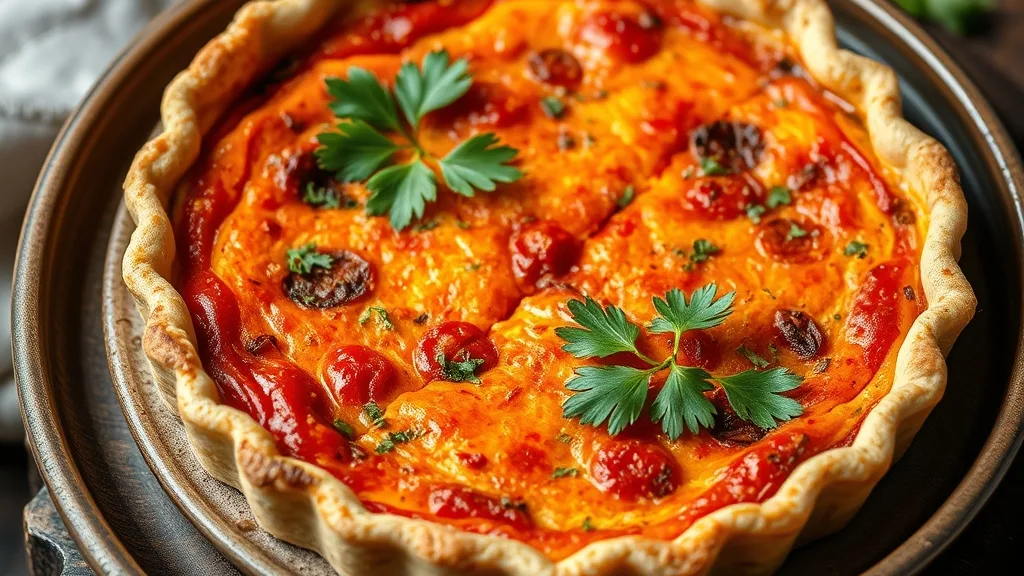 |
| 9 | Chipotle Sweet Corn Tuna | Chipotle flakes, sweet corn kernels | 34g | Mild-Medium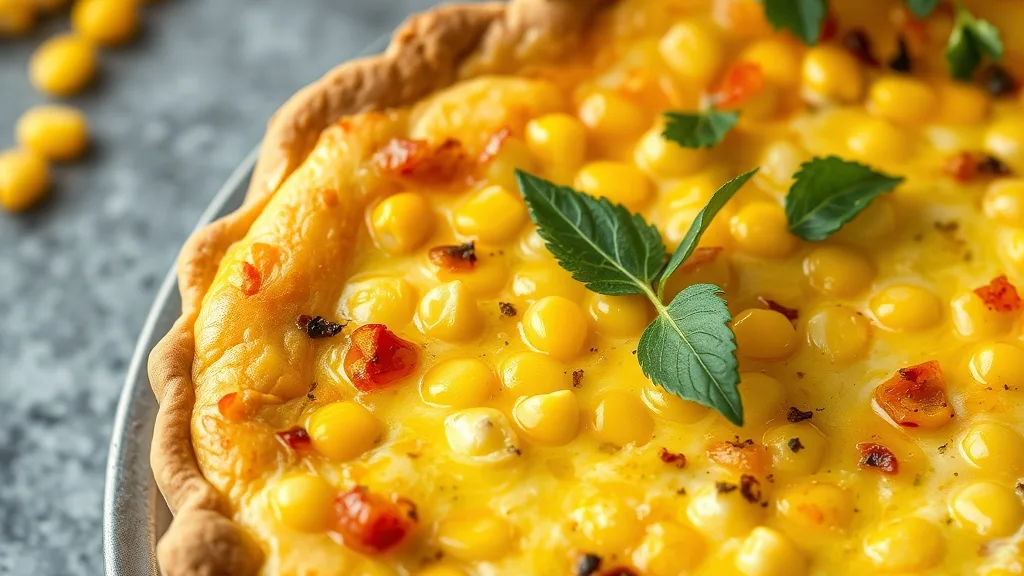 |
| 10 | Wasabi Ginger Tuna | Wasabi paste, fresh ginger, sesame seeds | 32g | Hot (earthy)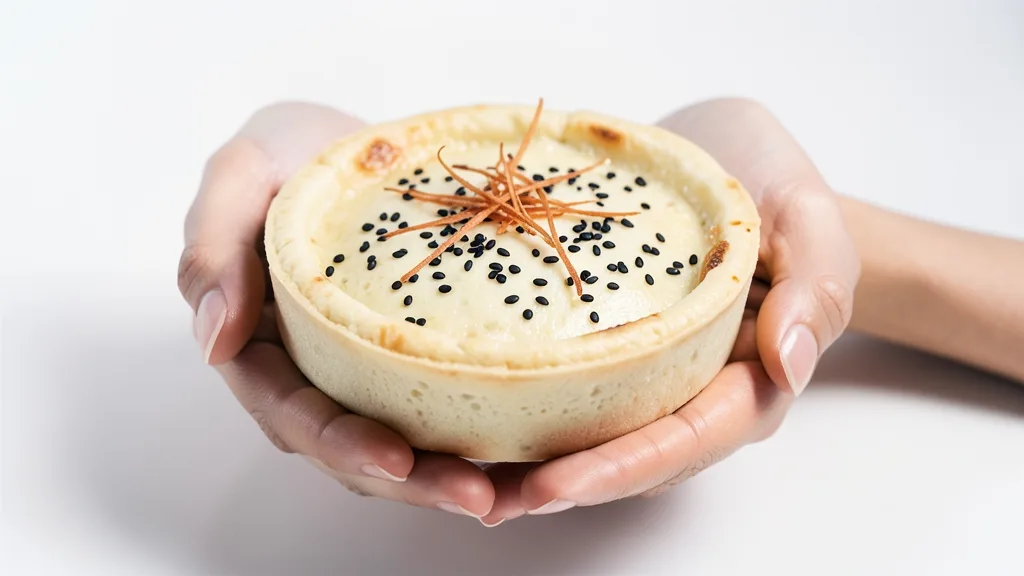 |
hese five recipes replace all dairy with plant-based alternatives without sacrificing protein or texture.
| # | Recipe Name | Dairy Replacement | Approx. Protein | Notes |
| 11 | Coconut Milk Tuna Quiche | Full-fat coconut milk | 31g | Slightly sweet, works well with curry spice |
| 12 | Silken Tofu & Tuna | Silken tofu (blended) | 38g | Extra protein, very creamy texture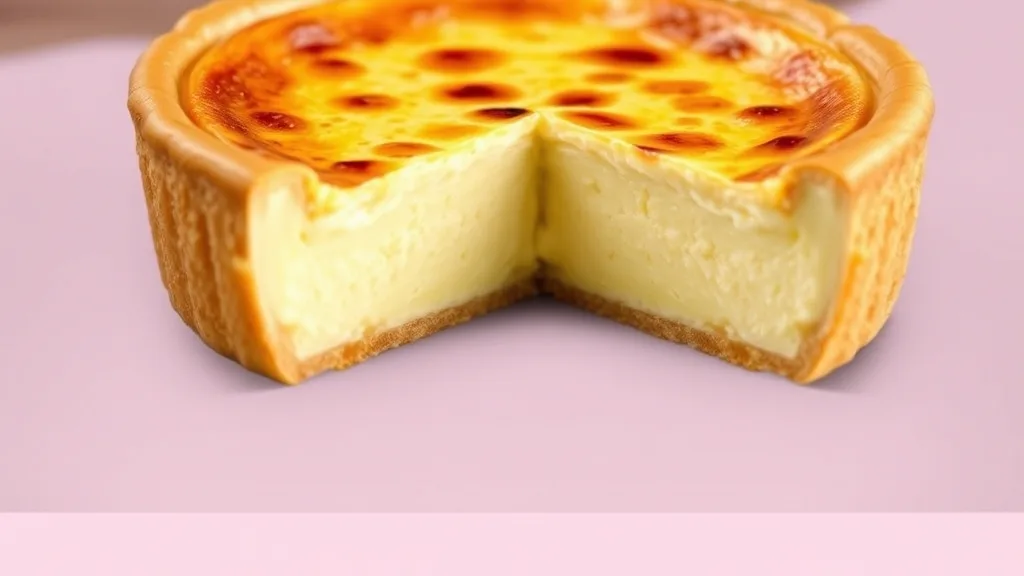 |
| 13 | Oat Milk Herb Tuna | Unsweetened oat milk | 32g | Mild, works with any flavour profile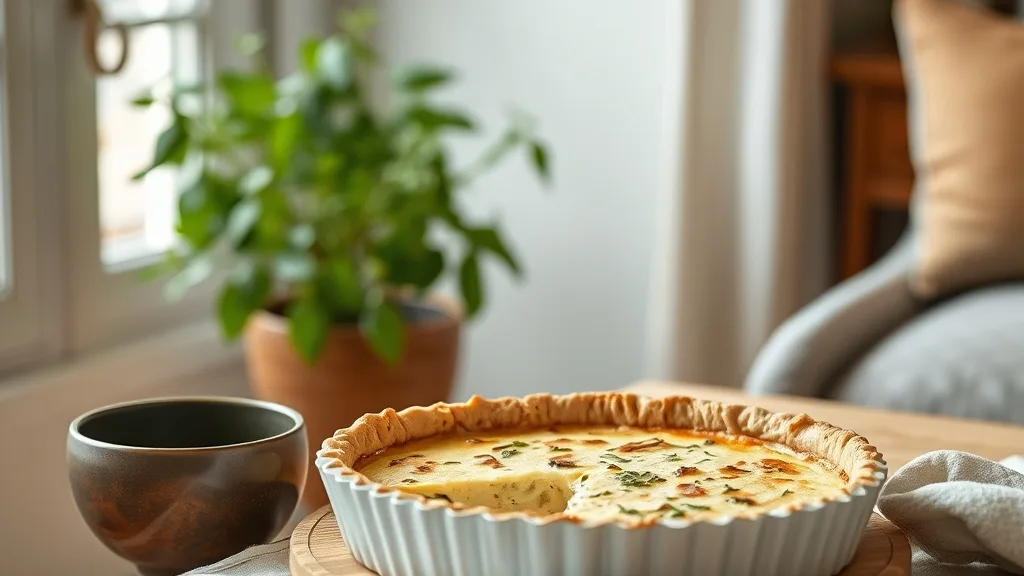 |
| 14 | Avocado Tuna Quiche | Mashed avocado (1/4) | 33g | Rich, slightly dense, very filling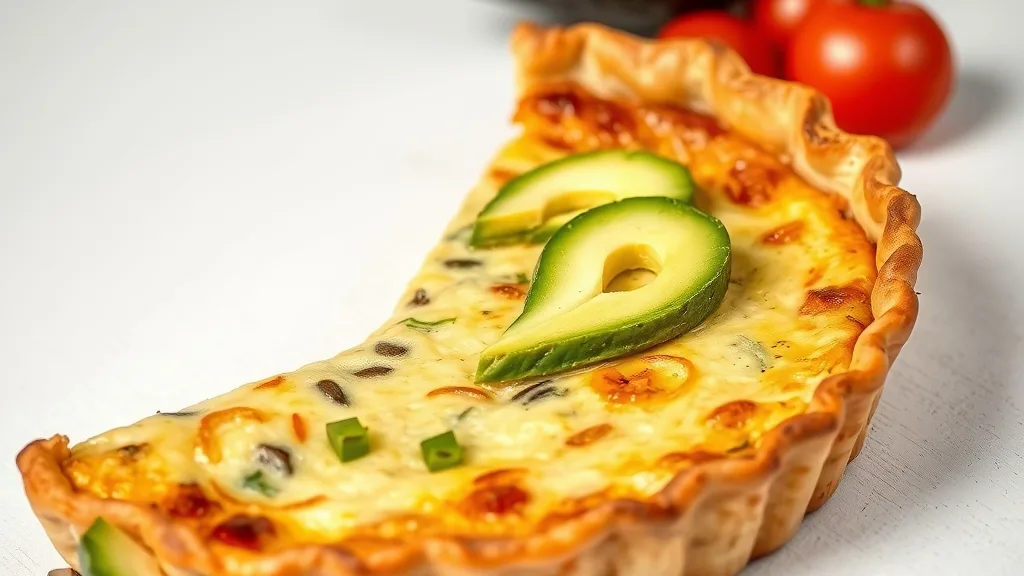 |
| 15 | Cashew Cream Tuna | Blended soaked cashews | 34g | Decadent texture, nutty undertone |
Variations 16 to 20: Meal-Prep Batch and High-Volume Versions
These final five variations are designed for Sunday meal prep. They scale easily, store well for 4 days in the fridge, and can be reheated in 90 seconds in a microwave. This is how I personally batch breakfast for the whole week.
| # | Recipe Name | Batch Size | Storage | Best Reheating Method |
| 16 | Classic Muffin Tin Batch | 12 mini quiches | 4 days fridge / 2 months frozen | Microwave 90 seconds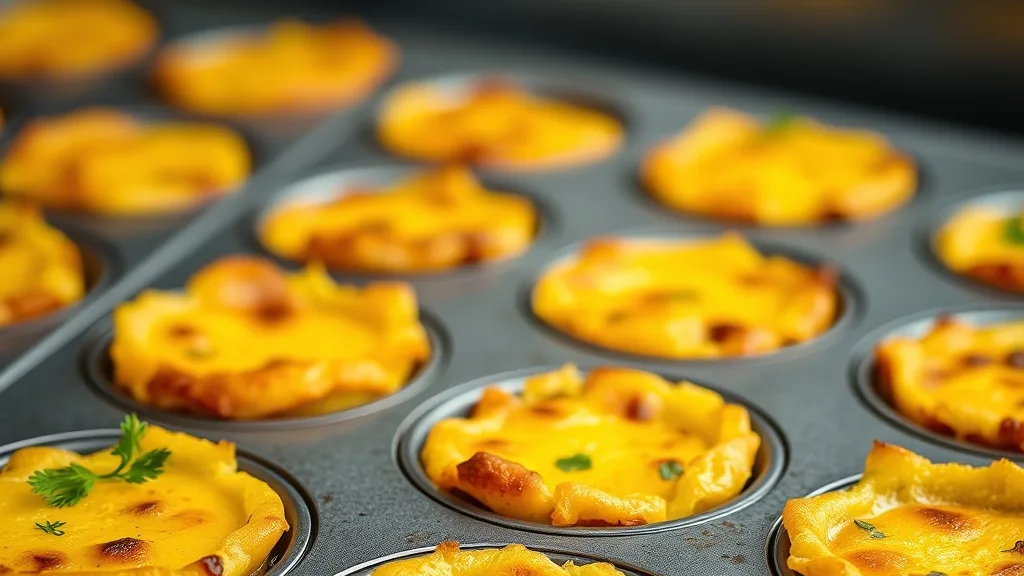 |
| 17 | Sheet Pan Tuna Quiche | 8 to 10 portions | 4 days fridge | Oven 8 min at 350F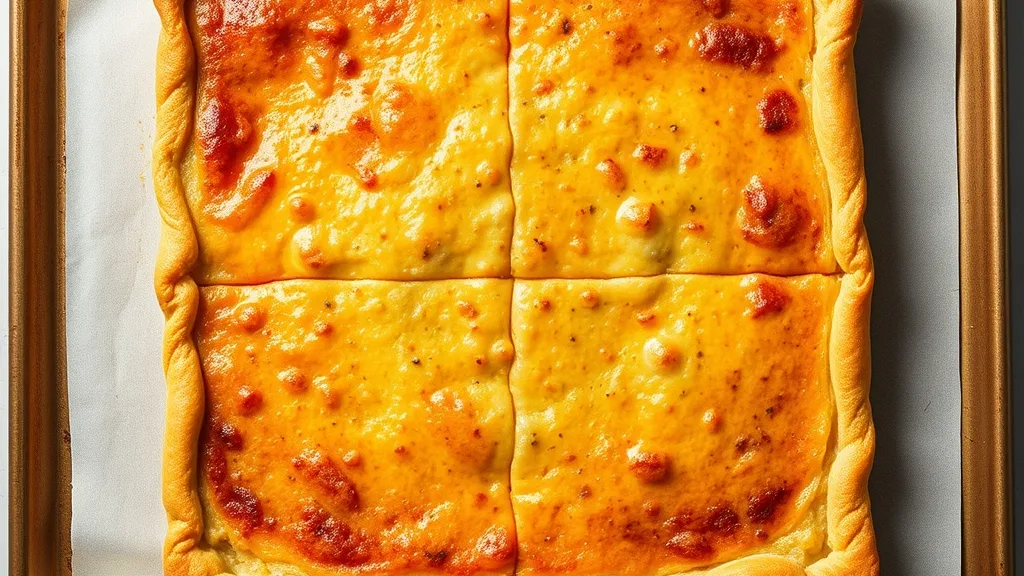 |
| 18 | Mason Jar Crustless Quiche | 4 jars | 3 days fridge | Microwave with lid off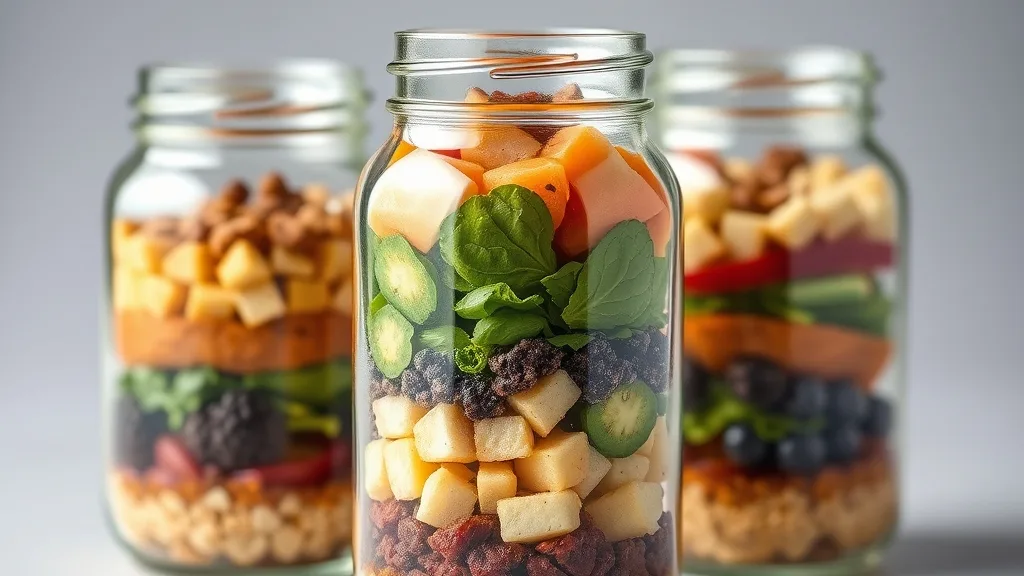 |
| 19 | Broccoli Cheddar Bulk Quiche | 9×13 baking dish, 8 portions | 5 days fridge | Oven 10 min or microwave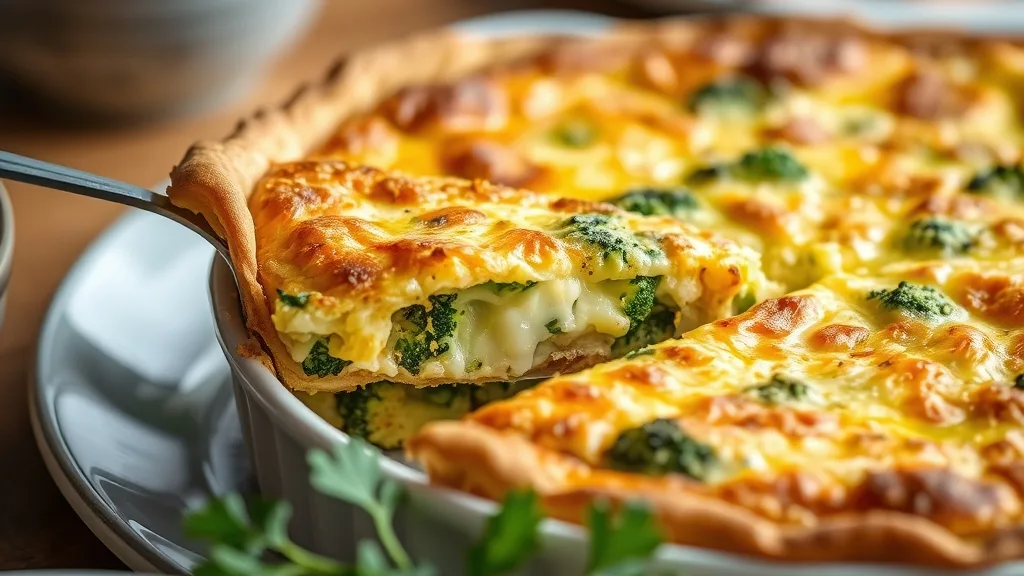 |
| 20 | High-Protein Triple Tuna Quiche | 4 deep ramekins | 4 days fridge | Microwave 2 minutes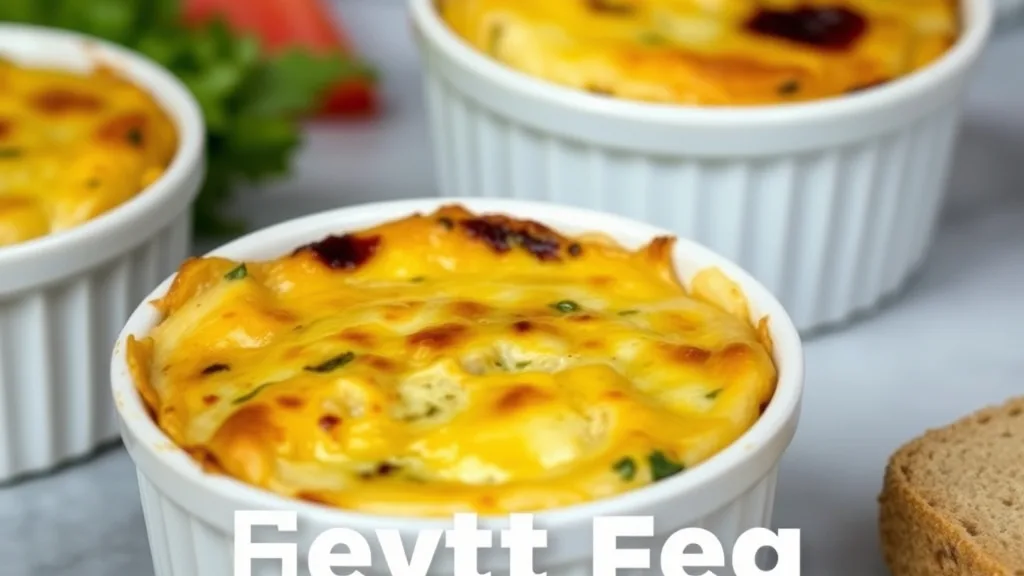 |
Complete Nutritional Breakdown: What You Are Actually Eating
Here is the honest nutritional comparison for the base recipe versus common breakfast alternatives, all standardised to similar calorie counts:
| Breakfast Option | Calories | Protein | Carbs | Fat | Satiety Score (1-10) |
| Crustless Tuna Quiche (base) | 290 kcal | 34g | 4g | 13g | 9/10 |
| 2 scrambled eggs on toast | 320 kcal | 16g | 30g | 12g | 6/10 |
| Protein shake (2 scoops) | 280 kcal | 50g | 8g | 5g | 4/10 |
| Greek yogurt + granola | 310 kcal | 18g | 38g | 8g | 6/10 |
| Overnight oats with protein | 340 kcal | 22g | 48g | 9g | 7/10 |
| Smoked salmon bagel | 430 kcal | 26g | 52g | 11g | 7/10 |
The crustless tuna quiche wins on satiety per calorie by a significant margin. The reason is the combination of protein volume, fat content from eggs, and the physical bulk of the tuna. You are not just hitting a number. You are genuinely full.
Micronutrients Worth Knowing About
Beyond the protein, canned tuna is one of the best dietary sources of selenium, providing close to 100% of the recommended daily intake per serving. Selenium is critical for thyroid function and is chronically underconsumed in Western diets. Eggs contribute significant amounts of choline, B12, and vitamin D. The combination of tuna and eggs at breakfast is genuinely one of the most nutritionally complete starts to a day that requires minimal cooking skill.
Common Problems and How to Fix Them
Problem: Watery, Unset Centre
This is almost always a moisture issue. Tuna holds surprising amounts of brine even after standard draining. Solution: after draining, press the tuna firmly between two layers of paper towel for 30 seconds. Also check that you are not adding wet vegetables like fresh tomatoes without patting them dry first. If the problem persists, increase bake time by 3 to 4 minutes and reduce milk by one tablespoon.
Problem: Rubbery, Overcooked Texture
Overcooked eggs become tight and rubbery. The quiche should be just set in the centre when you pull it out. It will continue cooking for 2 minutes after removal. Look for edges that are set and a centre that has a very slight jiggle. If yours is consistently overcooked, reduce temperature by 10 degrees and check 2 minutes earlier than the recipe suggests. Oven temperatures vary significantly. An oven thermometer (OXO Good Grips model, around $15 as of 2026) is a worthwhile investment if you bake regularly.
Problem: Fishy Smell That Puts You Off Eating It
This is a valid concern and one reason many people avoid canned fish at breakfast. The fix is threefold. First, use quality tuna packed in water, not oil. Oil-packed varieties have a stronger smell after baking. Second, add an acid element: a squeeze of fresh lemon juice directly on the drained tuna before mixing neutralises the fishier compounds. Third, include a fresh herb like dill, parsley, or chives. These aromatic compounds genuinely mask the fishiness without covering the flavour.
Problem: Sticking to the Pan
Always grease your ramekin or muffin tin generously. Cooking spray is faster. Butter leaves a better flavour. For silicone muffin trays, a light spray is usually sufficient. If sticking is a recurring issue, line the bottom with a small circle of parchment paper before greasing.
The Complete Sunday Meal Prep System for a Full Week of High-Protein Breakfasts
Here is the exact system I use every Sunday to have breakfast ready for five days with under 40 minutes of active prep time.
- Gather supplies: 6 cans of tuna, 18 eggs, 1 cup cottage cheese, selected mix-ins for the week.
- Drain and press all 6 cans of tuna simultaneously. This saves 5 minutes versus doing them individually.
- Whisk eggs in a large bowl. For 12 muffin-tin portions, use 12 eggs plus half a cup of cottage cheese.
- Divide egg mixture into two bowls for two different flavour variations.
- Fold tuna into each bowl and add respective mix-ins.
- Grease two muffin tins (12 cups each). Fill each cup three-quarters full.
- Bake both trays simultaneously at 375F for 14 minutes.
- Cool completely before storing. Warm quiches create condensation in storage containers and accelerate spoilage.
- Store in glass containers in the fridge for up to 4 days. Freeze the remaining portions in a zip-lock bag.
- Reheat each Monday through Friday: 90 seconds on high in the microwave.
Case Study: My colleague James, a 41-year-old software developer, adopted this Sunday prep system in January 2025. By the end of February, he had lost 6 pounds without changing any other dietary habits. His only change was replacing his previous breakfast of a croissant and latte (roughly 12g protein, 480 calories) with a batch-prepped crustless tuna quiche (34g protein, 290 calories). The calorie deficit and protein increase did the rest.
Best Equipment for Making Crustless Tuna Quiche
You do not need special equipment. But the right tools make a measurable difference in consistency and convenience.
| Equipment | Best Option | Price (Approx.) | Why It Matters |
| Ramekin (single serve) | Le Creuset 6oz stoneware | $20-25 each | Even heat distribution, no sticking |
| Muffin tin (batch) | USA Pan nonstick 12-cup | $30-35 | Superior non-stick, durable |
| Silicone muffin pan | Wilton 12-cup silicone | $12-15 | Easy release, dishwasher safe |
| Mixing bowl | OXO Good Grips 3-piece set | $25-30 | Non-slip base, useful size range |
| Whisk | OXO 11-inch balloon whisk | $10-12 | Incorporates air well, easy to clean |
| Food scale | Escali Primo digital | $25-30 | For precise protein tracking |
| Glass storage containers | Pyrex 3-cup round (6 pack) | $35-40 | Safe for microwave reheating |
Frequently Asked Questions
Can I make crustless tuna quiche in an air fryer?
Yes, and it works exceptionally well. Use oven-safe ramekins or silicone cups. Air fry at 330 degrees Fahrenheit for 10 to 12 minutes. The circulating heat creates a slightly firmer, more evenly cooked result than a conventional oven in many cases. Reduce cooking time by 2 minutes compared to oven baking as a starting point, then adjust to your specific air fryer model.
Is it safe to eat canned tuna every single morning?
For most healthy adults, yes. The FDA recommends limiting light tuna to 2 to 3 servings per week and albacore to 1 serving per week due to mercury levels. However, brands like Safe Catch Elite and Wild Planet test individual cans and select fish with lower mercury concentrations, making more frequent consumption safer. If you plan to eat tuna daily, choose these tested brands and vary the type between light and albacore.
Can I make this the night before and reheat in the morning?
Absolutely. Crustless tuna quiche reheats very well. Store covered in the fridge overnight. Reheat in a microwave at 70 percent power for 90 seconds to prevent the eggs from becoming rubbery. The 70 percent power setting is the key. Full power overheats the proteins too quickly and creates a tough texture.
What if I hate the taste of tuna? Any substitutions?
Canned salmon works beautifully as a direct swap and has a milder flavour. It also provides omega-3 fatty acids in higher concentrations than most tuna varieties. Protein content is similar at around 22 to 24 grams per 5oz can. Canned chicken breast is another option, though it has a distinctly different texture and less nutritional profile than fish.
How do I hit 30 grams of protein if I only eat one egg?
If you reduce eggs for any reason (cholesterol concerns, personal preference), compensate with more cottage cheese or add a tablespoon of unflavoured whey protein powder directly to the egg mixture. It blends in completely, adds 10 to 12 grams of protein, and does not affect the final texture or flavour when used in small amounts.
What are the best mix-ins for someone who does not like vegetables at breakfast?
Cheese is your primary flavour partner in that case. Sharp cheddar, parmesan, gouda, or feta all work brilliantly and add additional protein. Sun-dried tomatoes give an intense savoury hit without tasting vegetable-forward. Smoked paprika and garlic powder create a deep, bacon-like flavour profile. Fresh herbs like chives add brightness without being overtly plant-forward.
Can I freeze individual portions and how long do they last?
Crustless tuna quiche freezes well for up to 2 months. Wrap each individual portion tightly in cling film, then place in a zip-lock freezer bag. Thaw overnight in the fridge, then reheat as normal. Texture is approximately 90 percent as good as fresh. The main quality loss is a slight increase in moisture, which can be managed by patting with a paper towel after reheating.
What is the lowest calorie version that still hits 30 grams of protein?
Use 2 whole eggs plus 2 egg whites instead of 3 whole eggs. This reduces fat from eggs by roughly 5 grams and saves about 45 calories. Use water or unsweetened almond milk instead of whole milk. Skip the cheese. With these adjustments, you get approximately 32 grams of protein at around 220 to 230 calories. That is an extraordinary protein-to-calorie ratio by any standard.
Start Tomorrow Morning
Here is the reality of high-protein breakfasts in 2026: most people know they should eat more protein in the morning. The gap between knowing and doing comes down to convenience, taste, and habit. The crustless tuna breakfast quiche solves all three.
It takes 5 minutes to assemble. It tastes genuinely good, especially once you find your preferred variation from the 20 recipes above. And because it can be batch-prepped on Sunday, it requires zero willpower on Monday morning. You just open the fridge and reheat.
I will make a prediction based on where breakfast nutrition is heading. By 2027 to 2028, high-protein savory breakfast options will dominate the mainstream in the same way overnight oats dominated 2019 to 2023. The cultural shift toward protein-centric eating is accelerating, and meal-prep friendly, high-density options like crustless tuna quiche are going to move from niche fitness food to everyday staple.
Start with Recipe 1, the Classic Herb and Tuna. Make it twice this week. By the third time, it will take you under 5 minutes from fridge to oven. By the second week, you will wonder what you were eating before.
Your challenge: Make one crustless tuna quiche tomorrow morning. Just one. Track how you feel at 11am compared to your usual breakfast. I will bet everything that the difference surprises you.
Which of the 20 variations are you going to try first? Drop it in the comments below. And if you have a flavour combination that belongs on this list, share it. Some of my best recipe ideas have come from readers who tried something unexpected and nailed it.