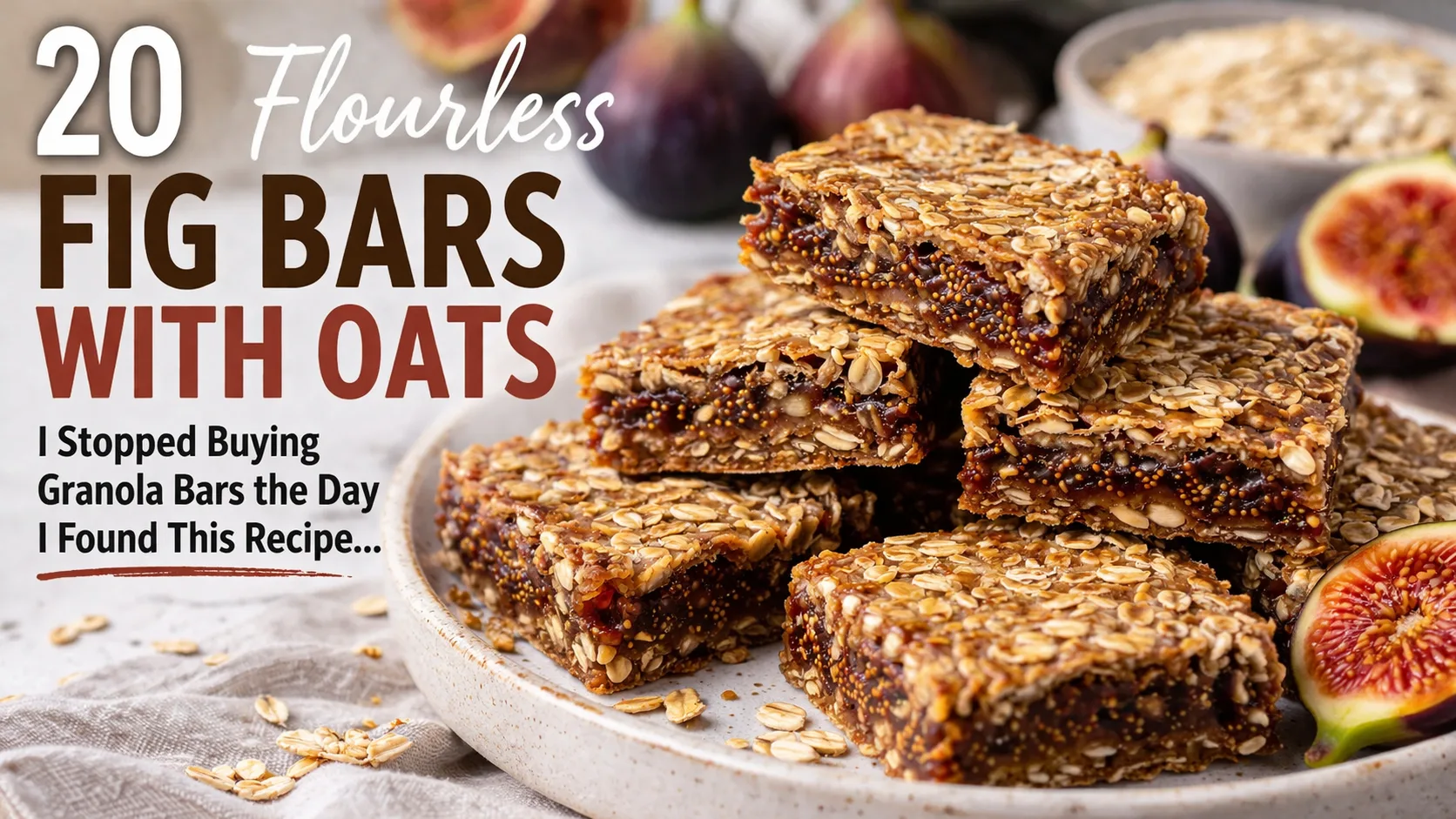
The Complete Guide to Making Wholesome, Naturally Sweet, No-Flour Fig Bars at Home
Three years ago, I spent eleven dollars on a box of eight granola bars at a Whole Foods in Chicago. I ate two in the car on the way home, checked the ingredient label, and found hydrogenated palm kernel oil listed fourth. Eleven dollars. For a product with partially hydrogenated fat sitting behind oats, honey, and chicory root extract on the label. I put the box on my kitchen counter and stared at it for a full minute.
That evening I made my first batch of flourless fig bars with oats. I used dried Turkish figs, rolled oats, almond butter, a pinch of sea salt, and nothing else. They came out dense, chewy, naturally sweet, and tasted like something a person actually made with their hands. They cost me roughly one dollar and forty cents for the same eight-bar quantity. That box of granola bars went into a work bag and I never replaced it.
What I did not expect was how much room there is to play once you understand the base formula. Over the past three years, I have developed and tested more than twenty distinct variations of flourless fig bars with oats. Some use tahini. Some use espresso. Some are built for athletes and some are built for kids who need something that tastes like dessert but functions like breakfast. This guide covers all twenty, along with the science of why they work, every mistake I made so you do not have to, and the answers to every question I have received from people who have made these after reading my earlier notes on the subject.
Why Flourless Fig Bars Beat Every Granola Bar on the Market
I want to make a direct argument here because most food blogs are too polite to say it plainly. The commercial granola bar industry has spent forty years optimizing for shelf stability, cost efficiency, and addictive sweetness, not for nutrition or honest ingredients. The result is a category of products that are largely glorified candy bars with an oat coating.
A 2023 analysis by the Environmental Working Group found that the majority of popular granola bars marketed to children contained added sugar levels equivalent to or exceeding a standard cookie. Brands including Nature Valley, KIND, Quaker Chewy, and Clif Bar all appeared in that analysis. Some bars I respect for specific reasons, KIND Dark Chocolate Nuts and Sea Salt being a genuine exception with a clean ingredient list, but they cost over two dollars per bar and still contain canola oil.
Flourless fig bars with oats made at home contain exactly what you put in them. Dried figs provide natural fructose and glucose with no added sugar required. Rolled oats provide beta-glucan fiber, the same compound that has been shown in peer-reviewed research to reduce LDL cholesterol. Nut butter provides protein and heart-healthy monounsaturated fat. That is the entire structural formula. Everything else is flavor and variation.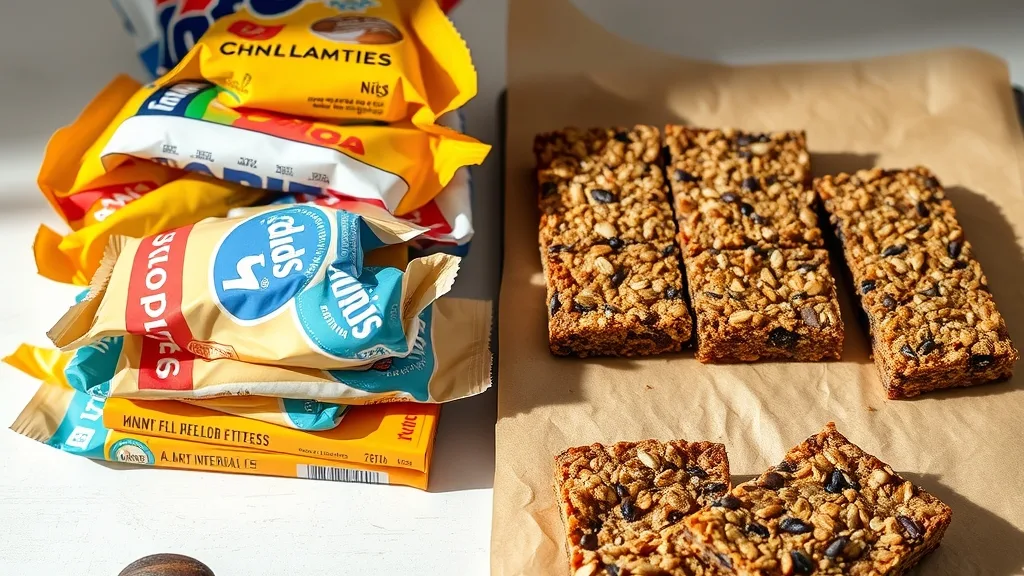
The Cost Argument Is Decisive
A 400-gram batch of flourless fig bars with oats using quality ingredients, specifically Bob’s Red Mill Old-Fashioned Rolled Oats at approximately six dollars per pound, Trader Joe’s dried mission figs at four dollars for eight ounces, and Kirkland almond butter at twelve dollars for 27 ounces, produces twelve to fourteen bars at a per-bar cost of roughly 40 to 55 cents. The equivalent premium granola bar at a natural foods store costs between one dollar fifty and two dollars fifty. Over a year of eating two bars per week, that difference compounds to between 150 and 200 dollars.
That is not a minor difference. That is a real number that accumulates quietly in a grocery budget while offering a nutritionally inferior product. Making these at home is not a wellness project. It is a financially rational decision that happens to also produce better food.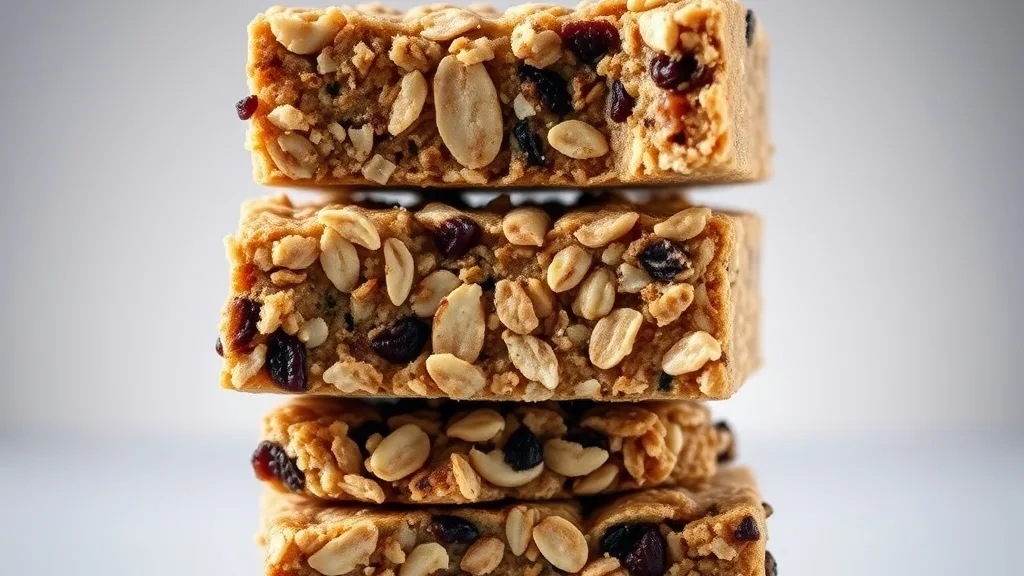
The Base Formula: What Makes a Flourless Fig Bar Actually Work
Before we get to the twenty variations, understanding the base formula matters. Every flourless fig bar with oats is built on three structural components: a binding agent, a dry base, and a sweetener-moisture source. Get these proportions right and almost any flavor combination works. Get them wrong and you end up with bars that crumble, bars that stick to your teeth like cement, or bars that never set.
The Binding Agent
The binding agent holds everything together in the absence of flour, eggs, or other traditional binders. In most of these twenty recipes, the binding agent is nut butter, specifically almond butter, peanut butter, sunflower seed butter, or tahini. Natural nut butters with no added oil work best. Skippy Natural Peanut Butter Spread, which contains palm oil, binds more aggressively but leaves a waxy aftertaste. I prefer Adams 100% Natural Peanut Butter or the Trader Joe’s unsalted almond butter for predictable results.
The binding agent typically comprises 25 to 30 percent of the total recipe by weight. Too little and the bars do not hold together after cutting. Too much and the bars become dense, oily, and calorie-heavy in a way that feels unpleasant rather than satisfying.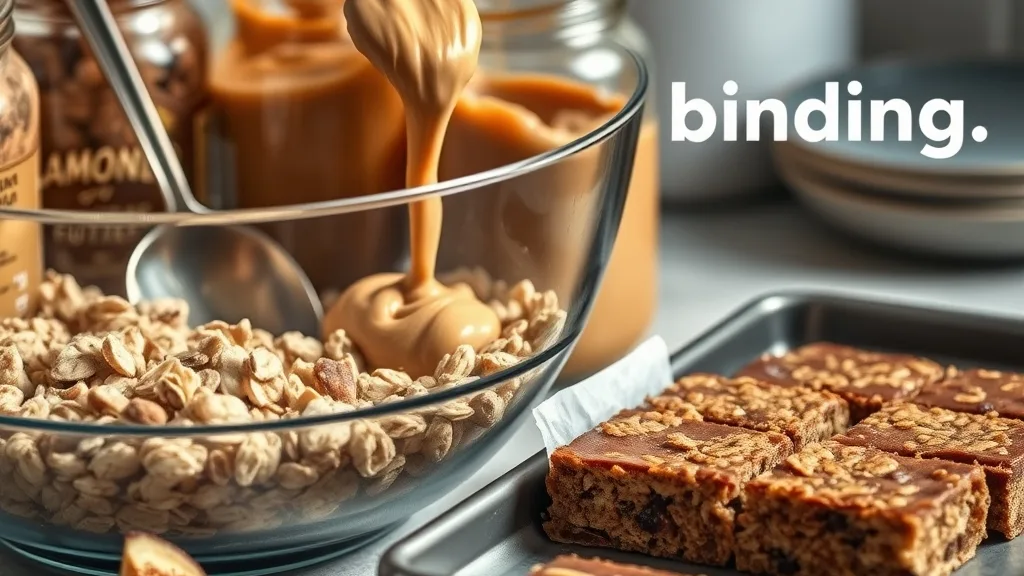
The Dry Base
Rolled oats are the primary dry base, and the choice of oat type matters more than most recipes acknowledge. Old-fashioned rolled oats produce a chewier, more textured bar. Quick oats produce a denser, more uniform bar that is easier to cut cleanly. Steel-cut oats do not work in this application because they remain too hard without cooking. Instant oats work in a pinch but produce a slightly gummy texture.
My consistent recommendation is Bob’s Red Mill Organic Old-Fashioned Rolled Oats for texture, or if you need a cheaper option, 365 by Whole Foods Market Old-Fashioned Oats, which performs nearly identically at lower cost. For those with celiac disease or non-celiac gluten sensitivity, Bob’s Red Mill also makes certified gluten-free rolled oats, and the recipe works identically with those. 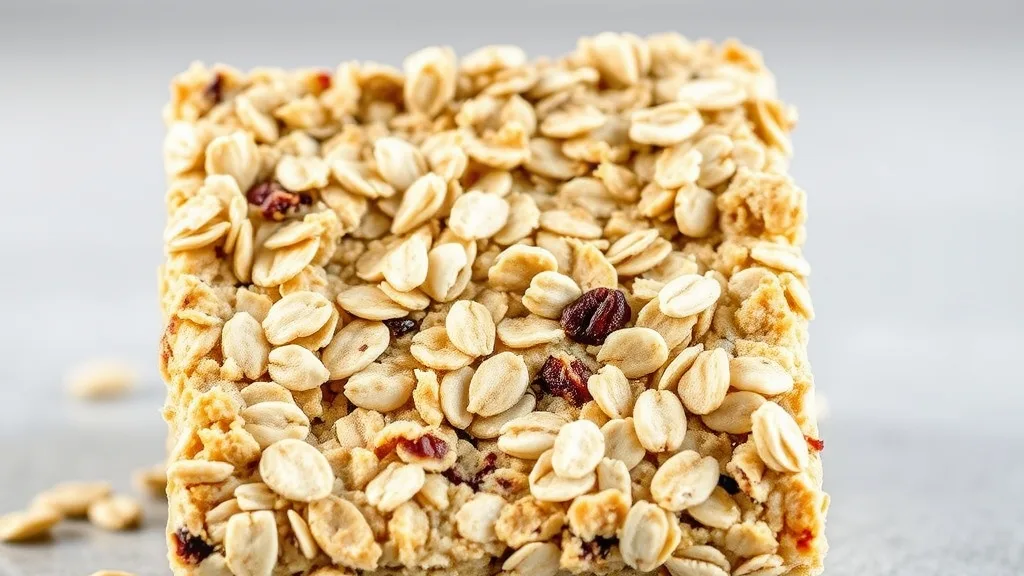
The Sweetener and Moisture Source
Dried figs perform double duty in these bars. They provide natural sweetness through concentrated fruit sugars and they provide the moisture that activates the binding. Figs need to be processed into a paste before incorporating. A food processor does this in under two minutes. A high-speed blender like a Vitamix 5200 or Blendtec Total Classic works even faster and produces a smoother paste, which some people prefer.
Medjool dates can substitute for figs entirely with excellent results and a slightly caramel-like flavor. Dried apricots work in the Mediterranean-inspired variations. Prunes work surprisingly well and produce a richer, deeper flavor that pairs beautifully with dark chocolate or espresso. Do not use dried cranberries as the primary sweetener. Their tartness fights the binding chemistry and the bars tend to crumble.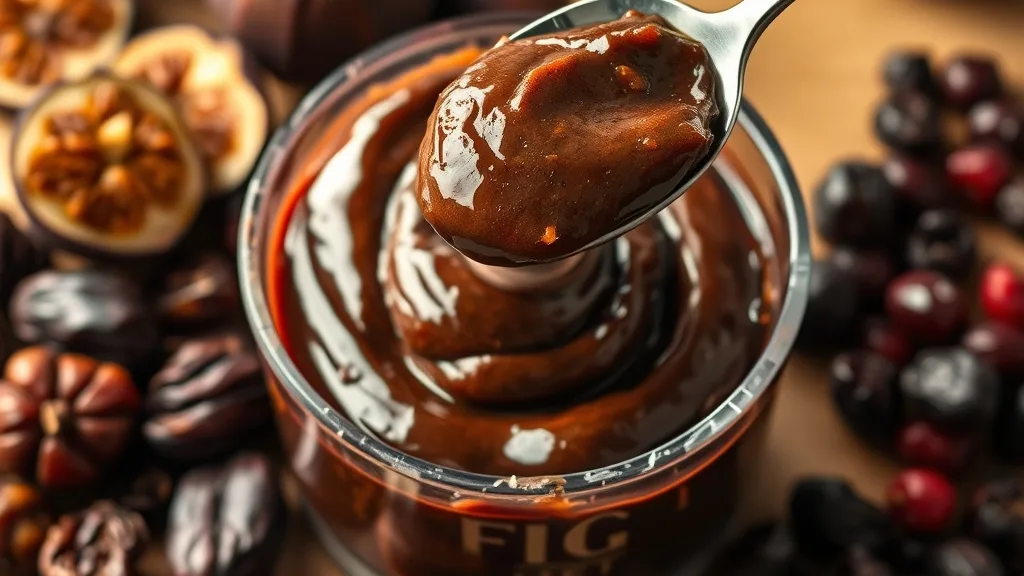
The Master Recipe You Will Use for Everything
Every one of the twenty variations below starts with this master recipe and modifies it. Learn this one first. Make it twice. After that, the variations become intuitive.
Ingredients (Makes 12 to 14 bars)
- 200 grams dried figs, stems removed (Turkish or mission figs both work)
- 180 grams old-fashioned rolled oats
- 120 grams natural almond butter or peanut butter at room temperature
- 2 tablespoons honey or pure maple syrup
- 1 teaspoon pure vanilla extract
- Quarter teaspoon fine sea salt
- 2 to 3 tablespoons water as needed for consistency
Step-by-Step Method
- Soak the dried figs in warm water for 10 minutes if they are hard or very dry. Drain and pat them dry before proceeding.
- Process the figs in a food processor for 60 to 90 seconds until a smooth, sticky paste forms. Scrape down the sides twice during processing.
- Add the nut butter, honey or maple syrup, vanilla extract, and sea salt to the food processor. Pulse 8 to 10 times until combined.
- Transfer the mixture to a large mixing bowl. Add the rolled oats and mix with a sturdy spatula or your hands until everything is fully incorporated. The mixture should hold together when pressed between your fingers but not be wet or sticky to the touch.
- If the mixture is too dry, add water one tablespoon at a time. If it is too wet, add oats one tablespoon at a time.
- Line an 8×8 inch baking pan with parchment paper, leaving overhang on two sides for easy removal.
- Press the mixture firmly and evenly into the pan. Use the bottom of a flat measuring cup to achieve an even, compact surface.
- Refrigerate for a minimum of two hours, or freeze for 30 minutes for faster setting.
- Lift out using the parchment overhang and cut into bars on a cutting board with a sharp knife. A rocking motion rather than a pressing cut produces cleaner edges.
Total active time: approximately 15 minutes. Total time including chilling: approximately 2 hours 15 minutes. These bars keep in an airtight container in the refrigerator for up to two weeks, or in the freezer for up to three months.
20 Flourless Fig Bar Variations Worth Making
Everyday and Classic Variations (1 to 6)
Variation 1: The Original. The master recipe exactly as written above. This is the benchmark. Dried Turkish figs, rolled oats, almond butter, honey, vanilla, salt. Everything else is a riff on this. Do not skip making this version before trying any other.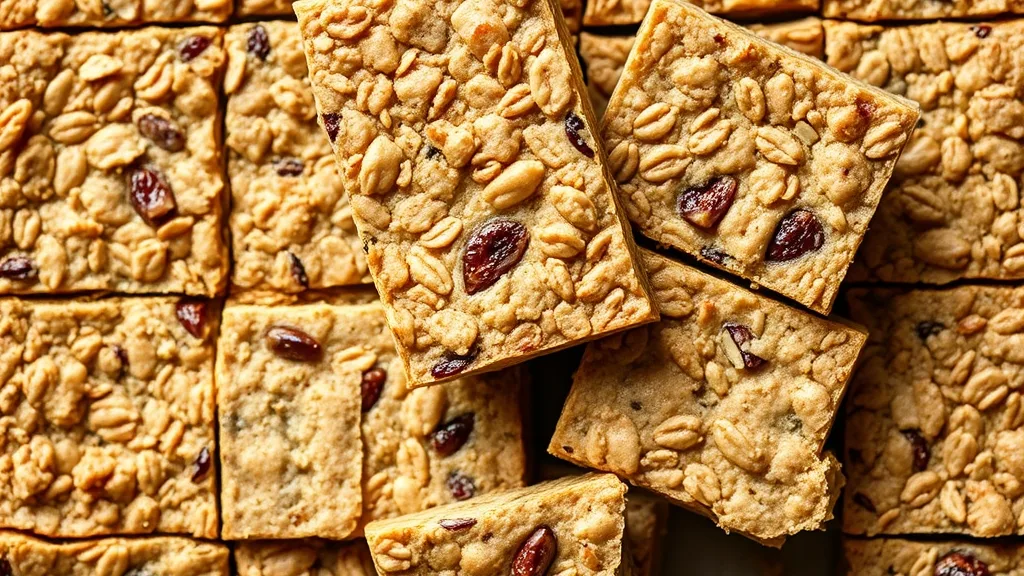
Variation 2: Dark Chocolate Almond. Add 60 grams of roughly chopped 70% dark chocolate (Lindt or Endangered Species both work well) to the oat mixture before pressing. The chocolate hardens in the refrigerator and creates pockets of bitterness that balance the fig sweetness beautifully. This is consistently the most popular variation among people I have shared these with.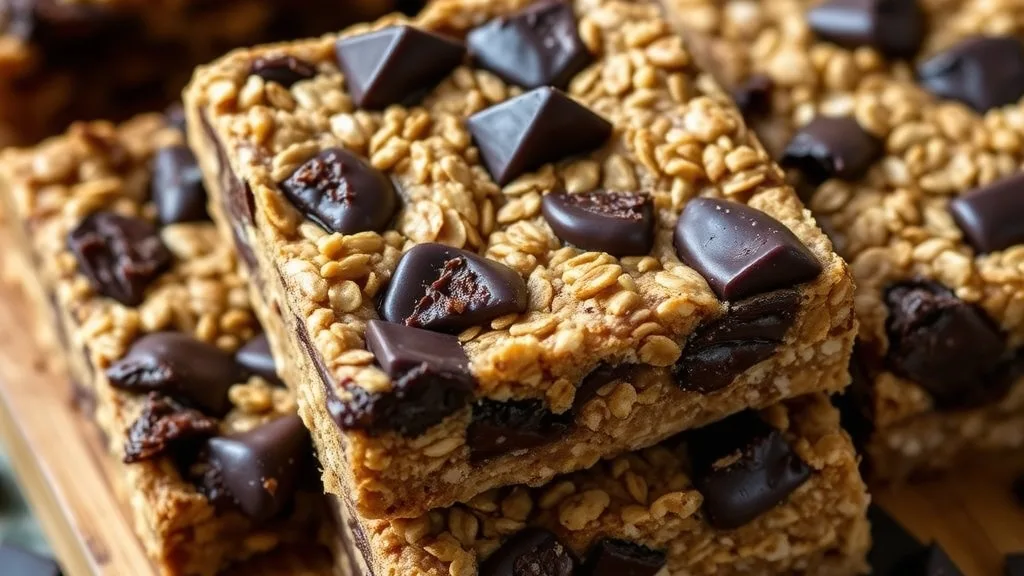
Variation 3: Peanut Butter Banana Fig. Replace the almond butter with natural peanut butter and add one medium overripe banana, mashed, to the food processor with the figs. The banana adds moisture and a familiar flavor combination that makes these particularly popular with children. Reduce water addition since the banana adds significant moisture.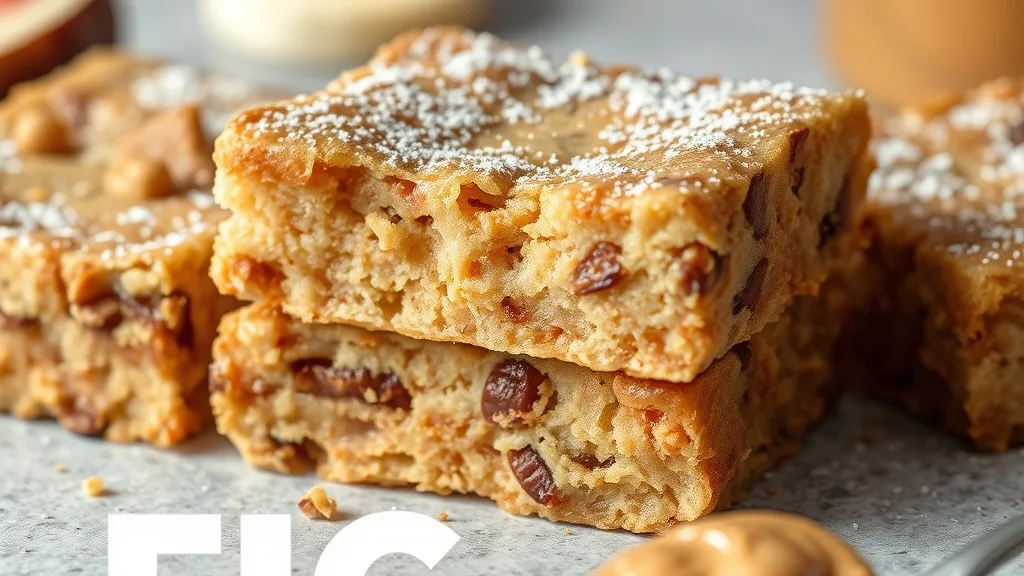
Variation 4: Coconut Fig Bar. Add 40 grams of unsweetened desiccated coconut to the oat mixture and replace the vanilla with half a teaspoon of coconut extract. Press the mixture into the pan and top with an additional light layer of coconut before chilling. This variation has a lighter, more tropical character.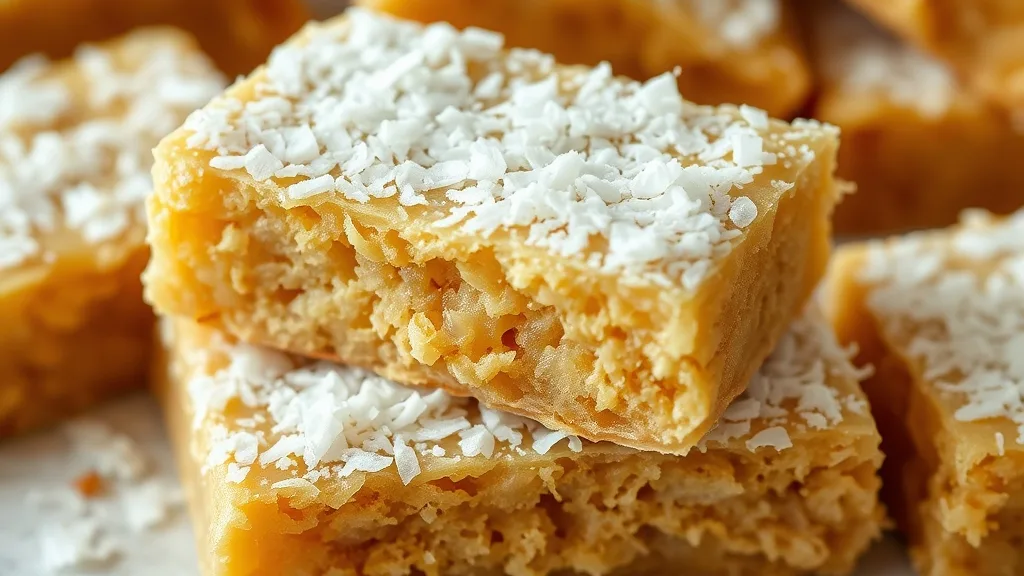
Variation 5: Cinnamon Spice. Add one teaspoon of ground cinnamon, a quarter teaspoon of ground cardamom, and a pinch of ground cloves to the food processor with the fig paste. The warming spices complement dried figs in a way that feels seasonal in autumn and winter but genuinely good year-round.
Variation 6: Lemon Poppy Seed. Add the zest of one large lemon and two tablespoons of poppy seeds to the oat mixture. Replace half the vanilla with fresh lemon juice. The citrus cuts the sweetness of the figs and produces a bar that tastes considerably lighter than the classic. This is my preferred variation for summer.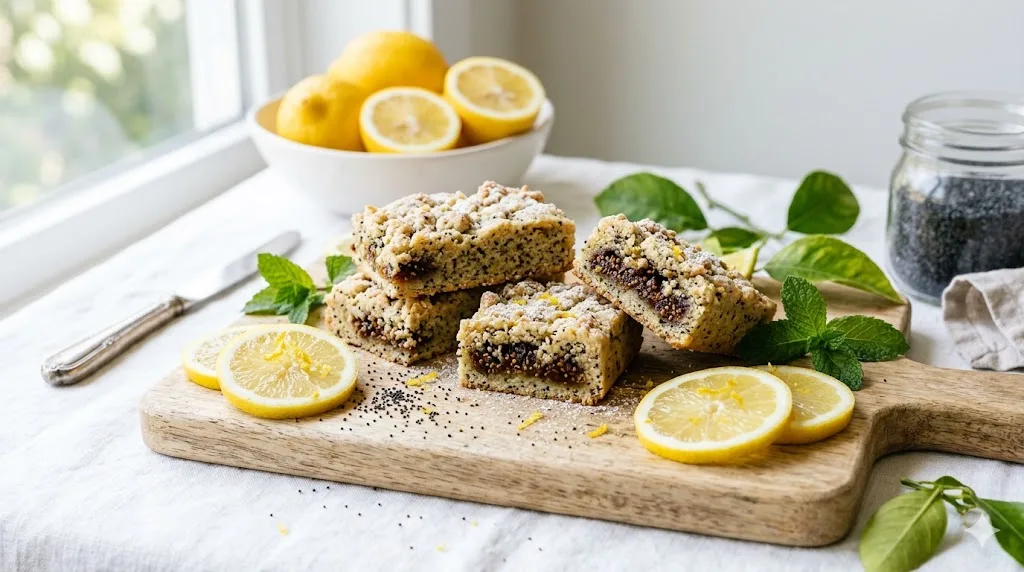
High-Protein and Athletic Performance Variations (7 to 11)
Variation 7: Protein-Boosted Fig Bar. Add two tablespoons of unflavored or vanilla plant-based protein powder to the oat mixture. Orgain Organic Protein Powder and Vega Sport Premium Protein both blend smoothly without grittiness. This brings each bar’s protein content from approximately 4 grams to 7 to 8 grams. Add an extra tablespoon of water to compensate for the protein powder’s moisture absorption.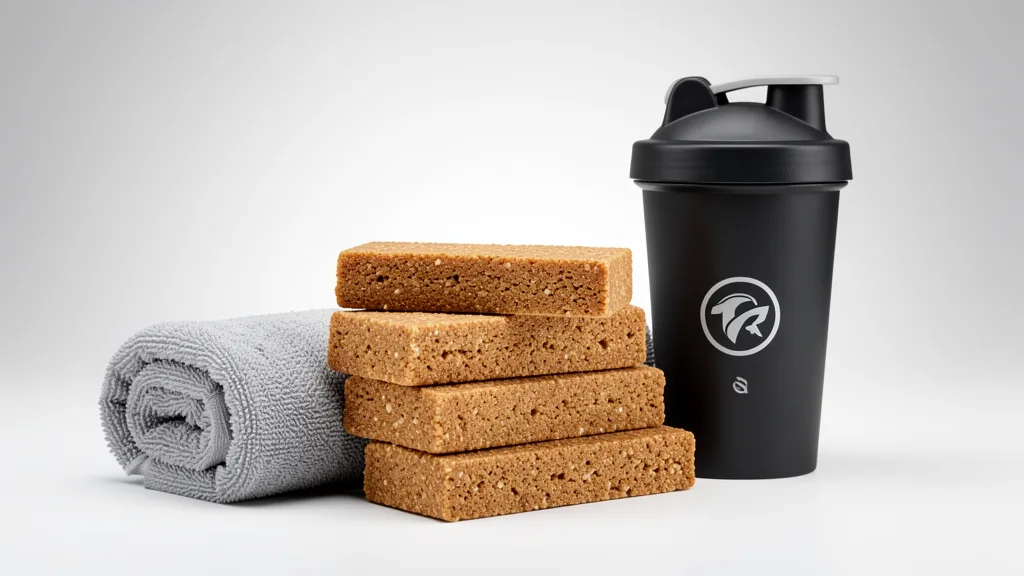
Variation 8: Hemp Seed Energy Bar. Add three tablespoons of hemp seeds (Manitoba Harvest Hemp Hearts are reliable) to the oat mixture. Hemp seeds add complete protein, omega-3 fatty acids, and a mild nutty flavor. This variation has become my standard pre-workout bar because it provides sustained energy without a sugar spike followed by a crash.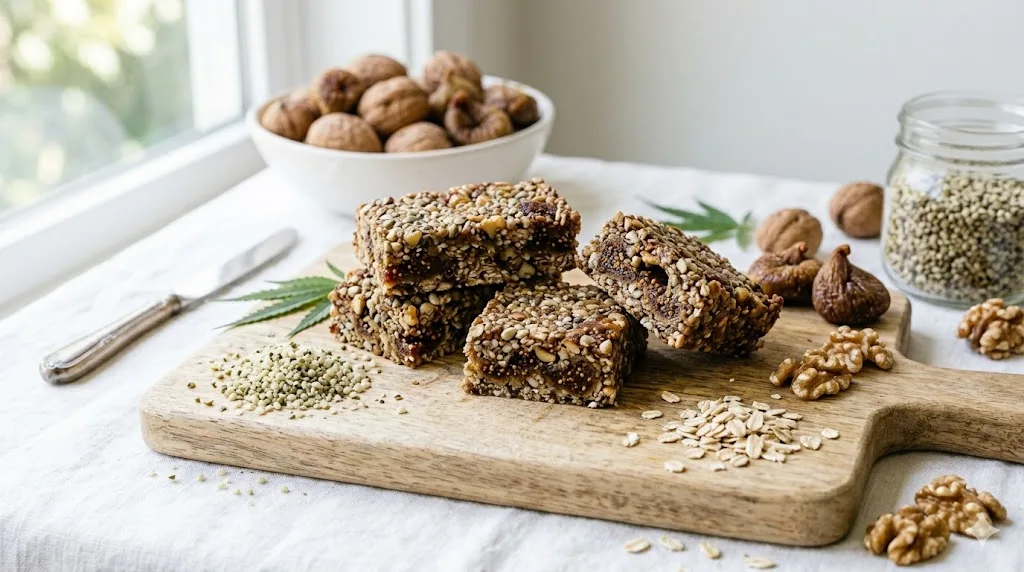
Variation 9: Espresso Almond. Add one tablespoon of finely ground espresso or one teaspoon of instant espresso powder to the fig paste in the food processor. The coffee flavor intensifies during refrigeration. This variation is not subtle. It is bold, slightly bitter, and genuinely energizing. Best for adults and not recommended for children.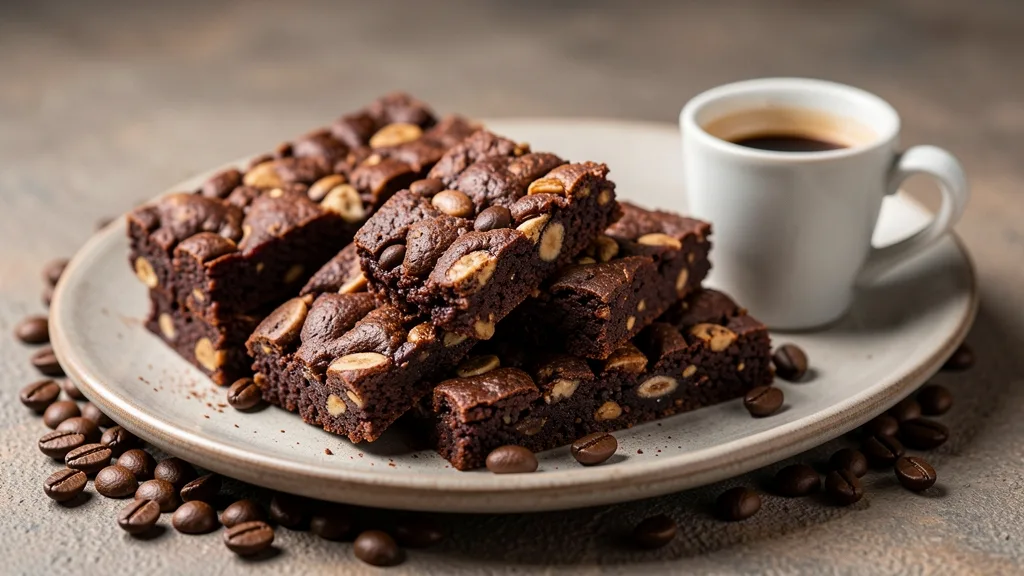
Variation 10: Tahini Date Fig. Replace half the dried figs with Medjool dates and replace the almond butter with tahini (Roland Tahini is excellent value; Soom Foods tahini is superior in flavor but roughly twice the price). The tahini brings a sesame depth that pairs with both figs and dates in a way that almond butter cannot replicate. Add a pinch of cinnamon.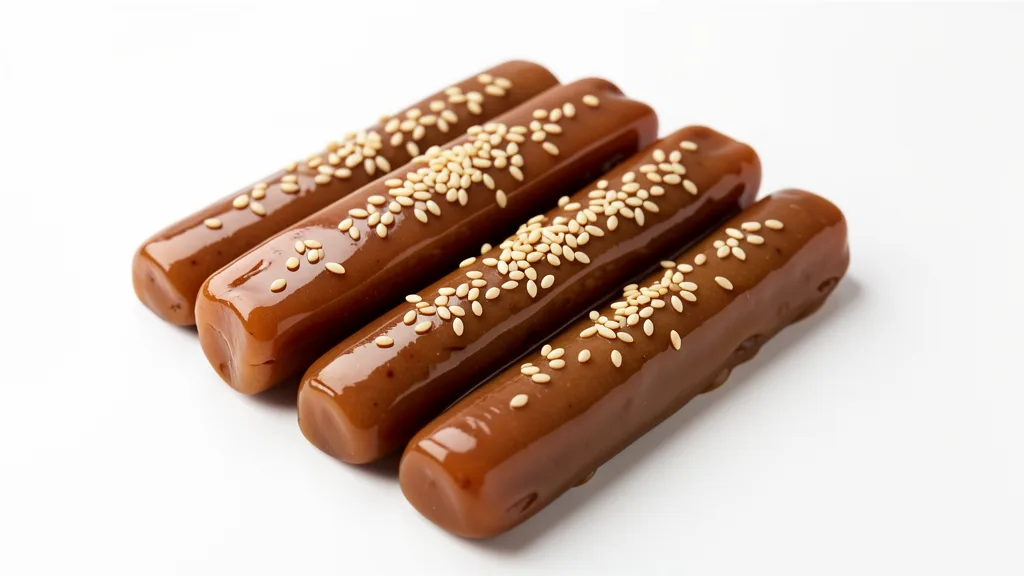
Variation 11: Cashew Butter Ginger. Replace the almond butter with raw cashew butter and add one tablespoon of finely grated fresh ginger plus half a teaspoon of ground ginger to the food processor. Cashew butter produces a creamier, slightly sweeter bar than almond butter. The ginger provides a clean heat that lingers pleasantly.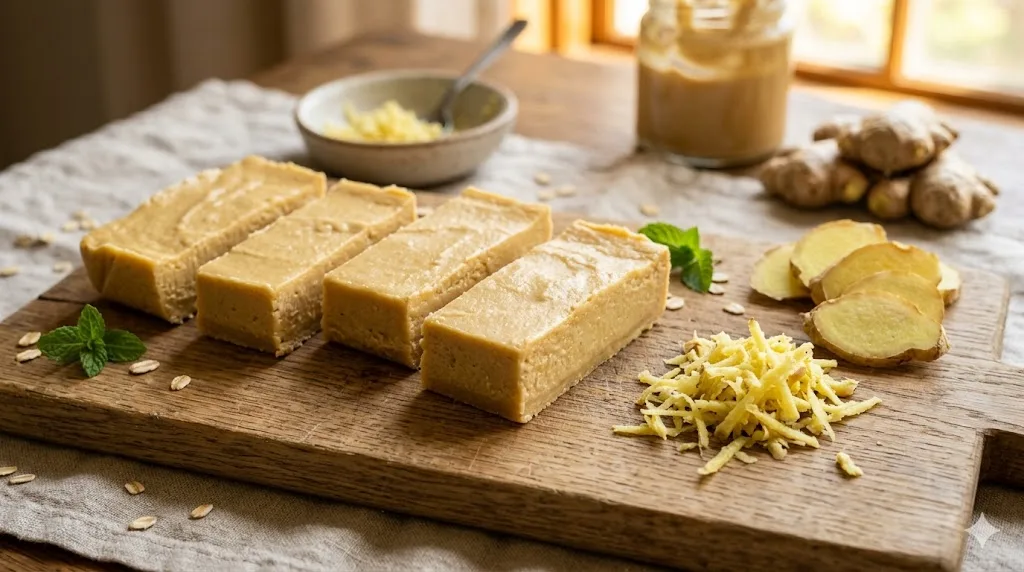
Nut-Free and Allergy-Friendly Variations (12 to 15)
Variation 12: Sunflower Seed Butter Fig Bar. Replace all nut butter with sunflower seed butter (SunButter Natural Sunflower Butter is the most consistent product I have tested). This is the go-to variation for school lunches and environments where nut allergies are a concern. The flavor is slightly earthier than almond butter but the structural performance is identical.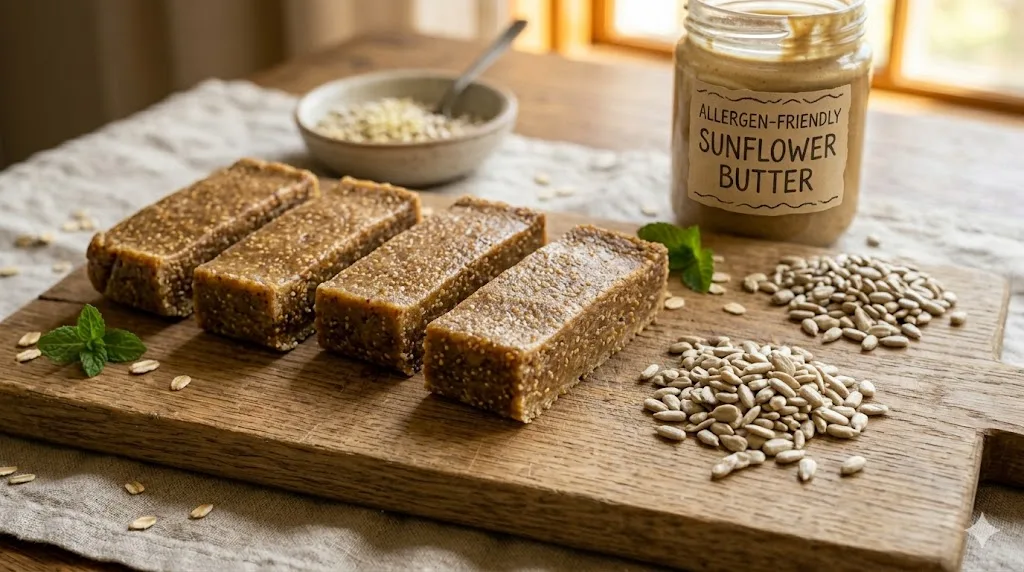
Variation 13: Pumpkin Seed and Fig. Use pumpkin seed butter or add 60 grams of raw pumpkin seeds to the oat mixture alongside sunflower seed butter. Pumpkin seeds add magnesium, zinc, and a distinctive flavor that complements figs differently than any nut butter. This variation is genuinely nutritious in a way that goes beyond the base recipe.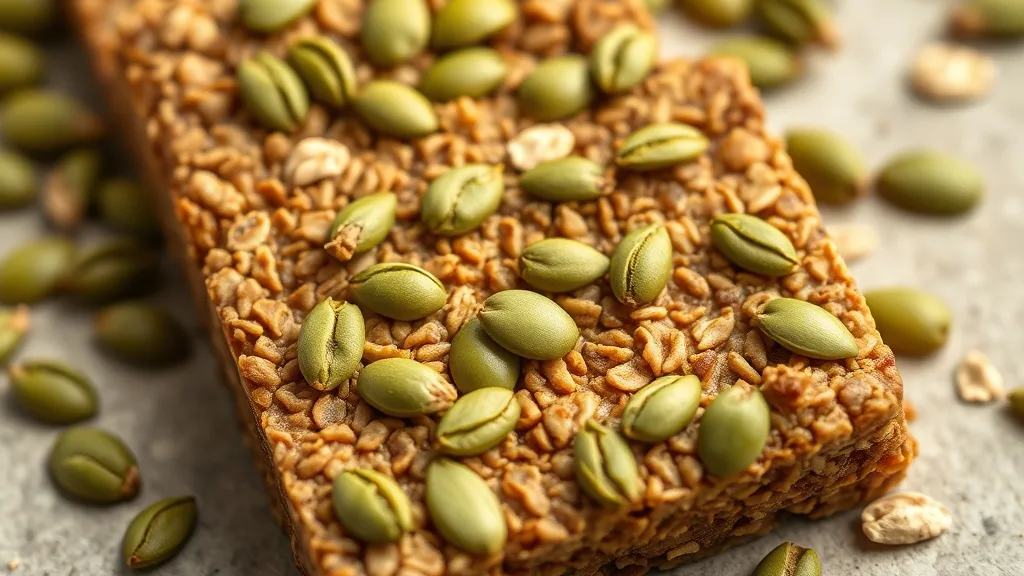
Variation 14: Oat-Only Minimalist Bar. For a truly simple, allergen-friendly bar, process the figs with only one tablespoon of coconut oil (refined, not virgin) instead of nut butter. Add the oats and a generous pinch of salt. This produces a denser, slightly more crumbly bar but one that avoids all common allergens including tree nuts, peanuts, and seeds. Press extra firmly and chill for a full three hours before cutting.
Variation 15: Seed and Grain Mix. Combine the sunflower seed butter base with a mixed grain addition: replace 60 grams of the rolled oats with a combination of 30 grams puffed quinoa and 30 grams puffed amaranth (both widely available at natural food stores). This variation has a lighter, crispier texture that many people prefer as a breakfast bar rather than a snack.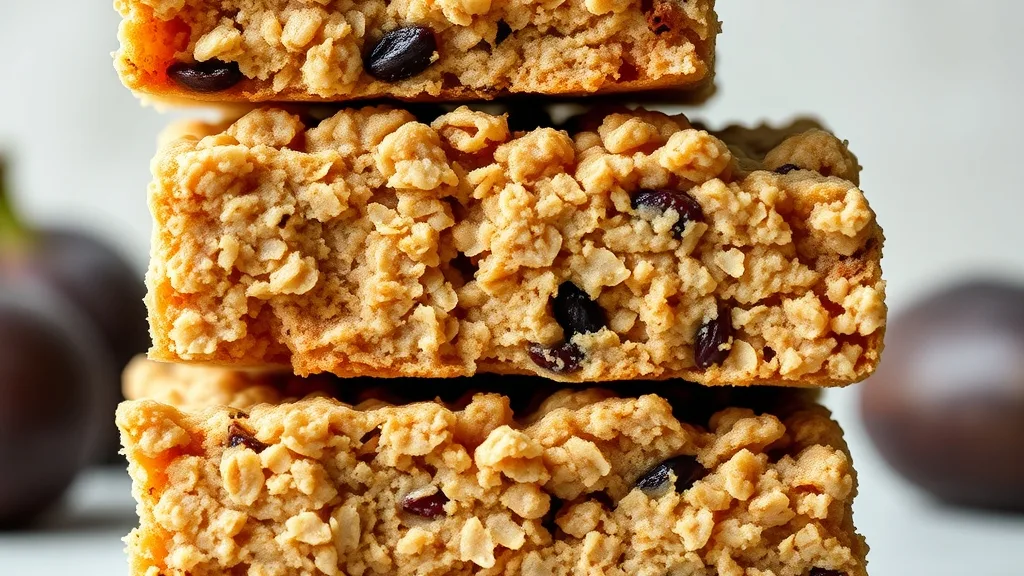
Indulgent and Dessert-Style Variations (16 to 20)
Variation 16: Fig and Orange Chocolate Chip. Add the zest of one orange to the fig paste and use miniature dark chocolate chips (Enjoy Life makes allergen-free mini chips that distribute evenly) throughout the oat mixture. This is the variation I make for dinner parties presented as a dessert. It needs no apology for what it is.
Variation 17: Pecan Maple Fig Bar. Replace the almond butter with pecan butter (or process 150 grams of raw pecans in a food processor until butter forms, which takes about four minutes) and replace the honey with pure Grade A dark maple syrup. Add a pinch of smoked sea salt on top before chilling. This is a genuinely luxurious bar.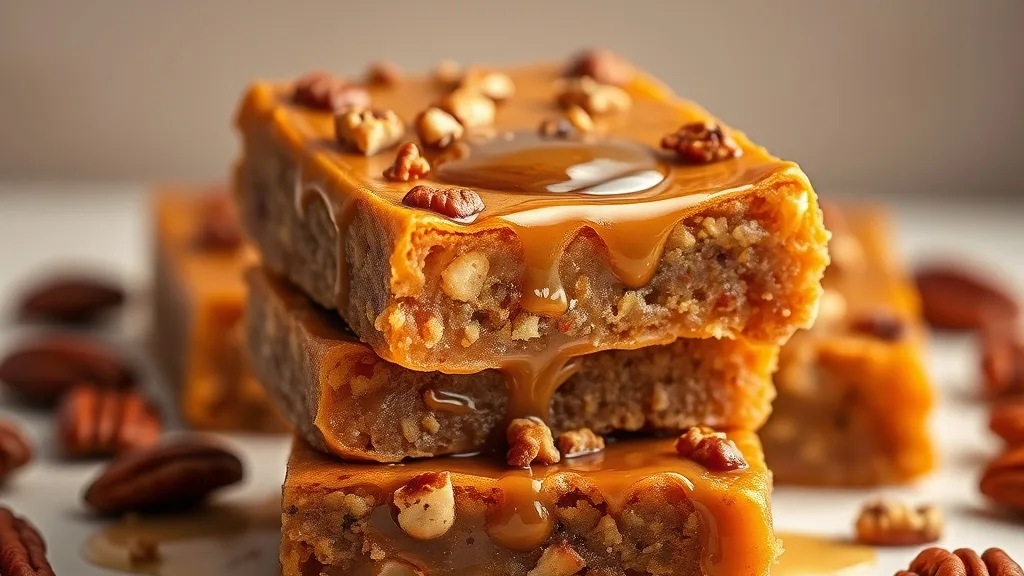
Variation 18: Salted Caramel Fig. Use a combination of five soaked Medjool dates and 100 grams of dried figs for the sweetener base. Add one tablespoon of coconut cream to the food processor along with the nut butter. Top the pressed bars with a light drizzle of date caramel sauce, made by blending two soaked dates with two tablespoons of warm water and a pinch of salt, before refrigerating. The top layer sets into a caramel-like coating.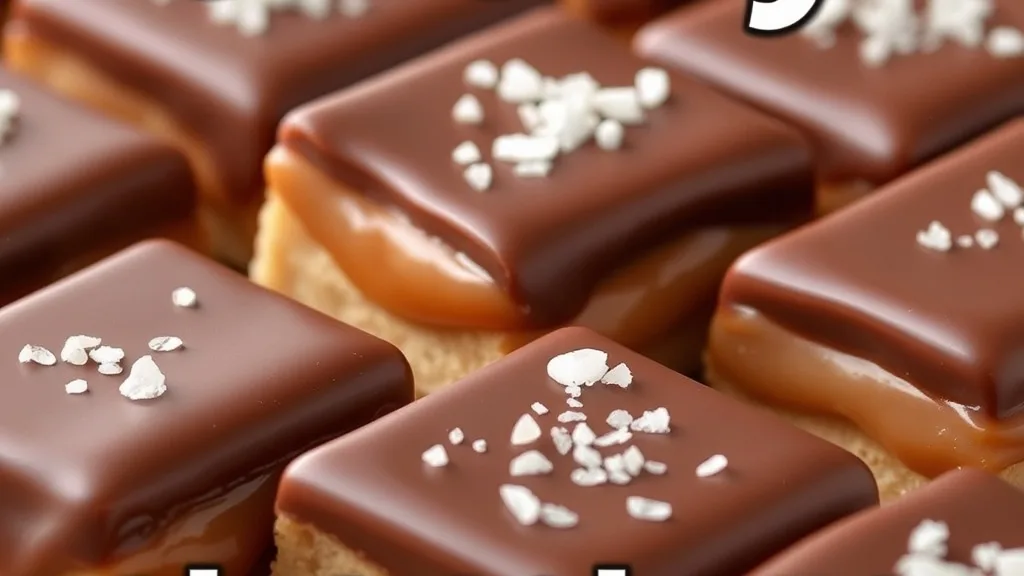
Variation 19: Matcha White Chocolate. Add two teaspoons of ceremonial-grade matcha powder to the fig paste. Use white chocolate chips (Guittard makes a clean white chip) in the oat mixture. The earthy bitterness of matcha against the sweetness of white chocolate and fig is a sophisticated combination. This is the variation that most consistently surprises people who claim not to like fig-based anything.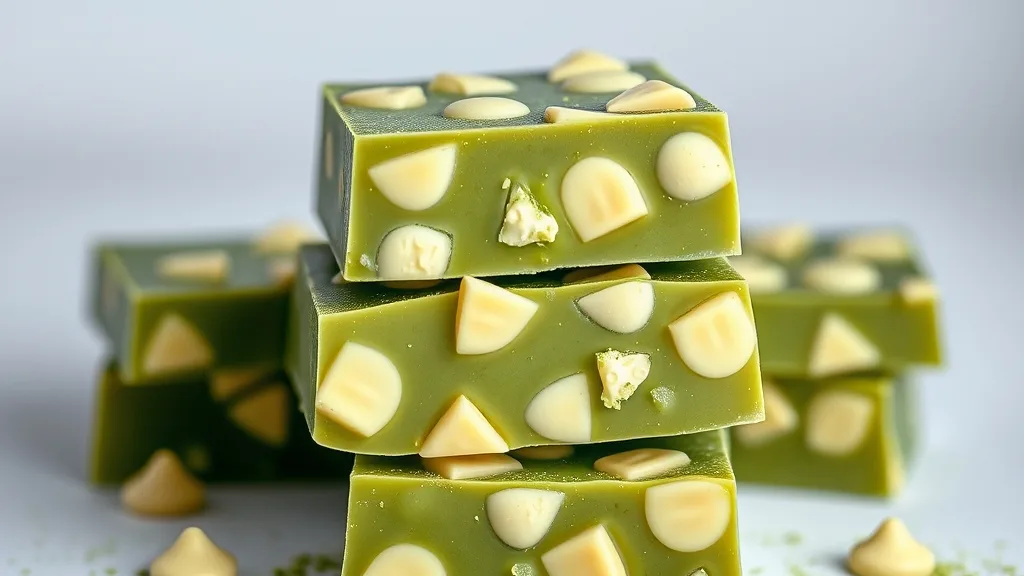
Variation 20: Triple Berry Fig. Replace 60 grams of the dried figs with a mixture of dried blueberries, dried tart cherries, and dried cranberries. The cranberry tartness that fails as a primary sweetener works well here as a supporting note alongside the fig base. Add a quarter teaspoon of almond extract to enhance the cherry component. This variation has the highest antioxidant content of all twenty.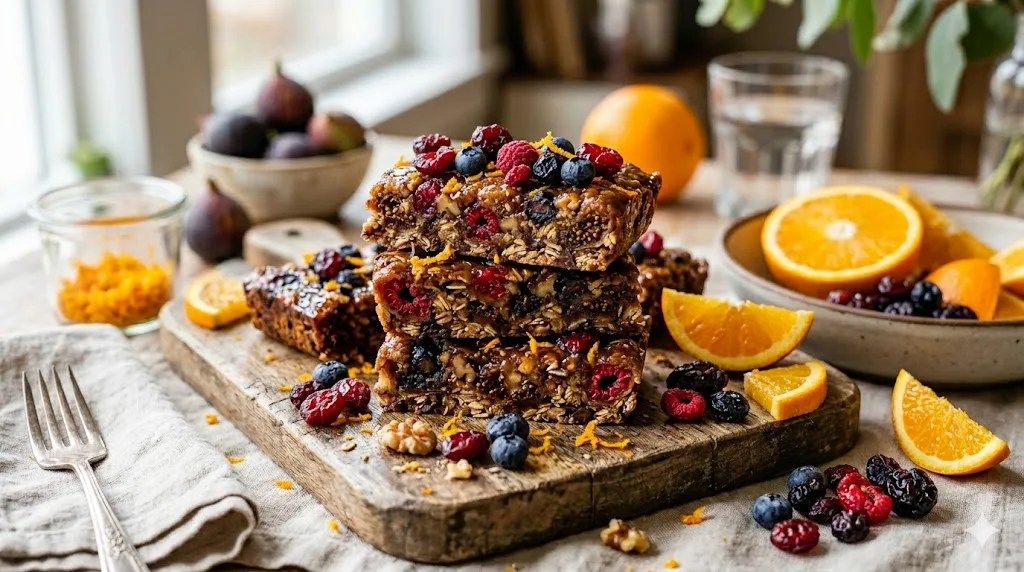
At a Glance: All 20 Variations
| Variation | Key Additions | Best For | Difficulty |
| 1. Original | Figs, oats, almond butter | Everyone, first batch | Beginner |
| 2. Dark Chocolate Almond | + 70% dark chocolate chunks | Snacking, gifting | Beginner |
| 3. PB Banana Fig | + Peanut butter, banana | Kids, meal prep | Beginner |
| 4. Coconut Fig | + Coconut, coconut extract | Tropical flavor lovers | Beginner |
| 5. Cinnamon Spice | + Cinnamon, cardamom, cloves | Autumn, cold weather | Beginner |
| 6. Lemon Poppy Seed | + Lemon zest, poppy seeds | Summer, lighter profile | Beginner |
| 7. Protein-Boosted | + Plant protein powder | Post-workout, athletes | Intermediate |
| 8. Hemp Seed Energy | + Hemp hearts | Pre-workout, sustained energy | Beginner |
| 9. Espresso Almond | + Espresso powder | Adults, morning energy | Beginner |
| 10. Tahini Date | + Tahini, Medjool dates | Rich, complex flavor | Intermediate |
| 11. Cashew Ginger | + Cashew butter, fresh ginger | Anti-inflammatory focus | Intermediate |
| 12. Sunflower Butter | Replace nut butter with SunButter | Nut-free, school-safe | Beginner |
| 13. Pumpkin Seed | + Pumpkin seeds, pumpkin butter | Mineral-rich, allergen-free | Intermediate |
| 14. Oat-Only Minimalist | Coconut oil replaces nut butter | All allergens excluded | Intermediate |
| 15. Seed and Grain Mix | + Puffed quinoa, puffed amaranth | Light texture, breakfast | Intermediate |
| 16. Orange Choc Chip | + Orange zest, mini choc chips | Dinner party, gifting | Beginner |
| 17. Pecan Maple | + Pecan butter, dark maple, smoked salt | Indulgent treat | Intermediate |
| 18. Salted Caramel | + Dates, coconut cream, date drizzle | Dessert-style bar | Advanced |
| 19. Matcha White Choc | + Matcha, white chocolate chips | Sophisticated palate | Intermediate |
| 20. Triple Berry Fig | + Dried blueberry, cherry, cranberry | Antioxidant-rich | Beginner |
Every Mistake I Made So You Do Not Have to Make Them
The Crumbling Bar Problem
My first twelve batches crumbled when I cut them. Every single time. I was under-pressing and under-chilling. The solution has two parts. First, press with genuine force. Use a flat-bottomed glass or measuring cup and lean your bodyweight into it. The mixture needs to be compressed, not just smoothed. Second, two hours in the refrigerator is a minimum, not a suggestion. Bars cut after one hour crumble. Bars cut after two and a half hours cut cleanly.
A third cause of crumbling that took me months to identify: dry figs. If your dried figs have been sitting in a pantry for more than three months, they lose significant moisture. Always soak dry or hard figs in warm water for ten minutes and pat dry before processing. The difference in moisture content is dramatic and directly affects binding.
The Too-Wet Bar Problem
Over-soaking the figs or adding too much water to a recipe that did not need it. The mixture should hold together when you squeeze a tablespoon of it in your hand but not feel wet. If it sticks to your palm when you open it, it is too wet. Add rolled oats one tablespoon at a time until the texture corrects. Do not add flour of any kind as it changes the character of the bar entirely.
The Stuck-to-Pan Problem
Always use parchment paper with overhang. Always. Even a silicone pan or a non-stick pan will give you grief without parchment. The fig paste in the base recipe acts as a natural adhesive and will bond to almost any surface given two hours of cold contact. Parchment with overhang on at least two sides allows you to lift the entire slab cleanly onto a cutting board.
The Wrong Oat Type Problem
Steel-cut oats in this recipe produce bars that are unpleasantly hard after chilling. They do not soften sufficiently without cooking. Instant oats produce a gummy, homogeneous texture that lacks the pleasing chew of a proper bar. Old-fashioned rolled oats are the right choice. If someone tells you quick oats and old-fashioned oats are interchangeable here, they have not actually tested both.
Nutritional Profile Compared to Commercial Alternatives
| Product | Calories | Added Sugar | Fiber | Protein | Cost Per Bar |
| Homemade Fig Bar (Original) | 145 kcal | 0 grams | 3.5g | 4g | ~$0.45 |
| Homemade Fig Bar (Protein) | 165 kcal | 0 grams | 3.5g | 7.5g | ~$0.65 |
| Nature Valley Crunchy Bar | 190 kcal | 11 grams | 2g | 4g | ~$0.75 |
| Clif Bar (Chocolate Chip) | 250 kcal | 22 grams | 4g | 11g | ~$1.90 |
| KIND Dark Choc Nuts & Salt | 200 kcal | 5 grams | 3g | 6g | ~$2.10 |
| RxBar Chocolate Sea Salt | 210 kcal | 13 grams | 5g | 12g | ~$2.50 |
| Larabar Apple Pie | 190 kcal | 17 grams | 4g | 3g | ~$1.50 |
Cost figures are approximate as of early 2025 based on grocery pricing at Whole Foods, Target, and Amazon. Homemade nutritional values are estimated averages for a standard 45-gram bar.
Storage, Meal Prep, and Gifting Strategies
Refrigerator Storage
Stack bars between layers of parchment paper in an airtight container. They keep well for up to 14 days. The texture actually improves between days two and five as the oats hydrate fully and the flavors meld. Do not store at room temperature for more than four hours in warm climates, as the nut butter can become oily and the bars lose structural integrity.
Freezer Storage
Wrap each bar individually in plastic wrap, then place in a zip-lock freezer bag or airtight container. They freeze perfectly for up to three months. Thaw at room temperature for 20 minutes or in the refrigerator overnight. I keep a rotating stock of two or three variations in the freezer and pull bars out the night before as needed. This is the meal prep approach that makes consistent healthy snacking genuinely effortless.
Gifting and Presentation
Flourless fig bars make exceptional gifts. Cut them slightly larger than snack size, wrap individually in parchment and tie with kitchen twine, and arrange in a simple kraft paper box. Add a handwritten card listing the ingredients. The presentation is charming and the recipient knows exactly what they are eating. At holiday season in 2023, I gave batches of variations 5, 16, and 17 as gifts and received more genuine enthusiasm than from any purchased food gift I have ever given.
Frequently Asked Questions
Do flourless fig bars with oats need to be baked?
No. The master recipe and most of the twenty variations are entirely no-bake. The bars set through refrigeration, not heat. Some people prefer to bake their bars at 325 degrees Fahrenheit for 12 to 15 minutes for a firmer, slightly crispier texture. Baking works but is not necessary and changes the character of the bar from chewy and dense to firmer and drier. Both are valid depending on your texture preference.
Are these bars suitable for people with celiac disease?
Yes, with one important caveat. Standard rolled oats are frequently processed in facilities that also handle wheat, creating cross-contamination risk for people with celiac disease. Use certified gluten-free rolled oats, specifically Bob’s Red Mill Gluten-Free Rolled Oats or GF Harvest Certified Gluten-Free Oats, and verify that your other ingredients are labeled gluten-free. The recipe itself contains no gluten ingredients when made correctly.
Can I use fresh figs instead of dried figs?
Fresh figs contain significantly more water than dried figs and will produce a mixture that is too wet to bind properly. You would need to either cook down fresh figs into a jam-like consistency first, which adds roughly 30 minutes to the process, or dry them yourself. For convenience and consistency, dried figs are strongly recommended. Mission figs and Turkish figs are both excellent. Calimyrna figs work but have a milder flavor that produces a less complex bar.
How do I make these bars vegan?
Replace the honey with pure maple syrup or agave nectar in a one-to-one substitution. Every other ingredient in the master recipe is already plant-based. Most of the twenty variations are inherently vegan as written. Check the ingredient labels on any chocolate chips or protein powder additions, as these occasionally contain milk derivatives.
Why are my bars not sweet enough?
Fig sweetness varies considerably by variety and age. Turkish figs tend to be sweeter than mission figs. Older dried figs have less residual moisture and a more concentrated but sometimes less vibrant sweetness. If your bars taste flat, increase the honey or maple syrup by one additional tablespoon, add a pinch more salt (which enhances perceived sweetness), or blend in two or three soaked Medjool dates alongside the figs for a more intense sweetness without adding refined sugar.
Can children eat these regularly?
Yes. Flourless fig bars with oats are an excellent snack for children. They contain no refined sugar in the base recipe, no artificial preservatives, and no ingredients that require concern. Variations 3, 4, and 12 are specifically well-suited for children. For children under three, cut bars into small pieces to avoid choking risk. For school environments with nut-free policies, variations 12 through 15 use seed butters rather than nut butters.
What is the shelf life at room temperature?
At cool room temperature below 68 degrees Fahrenheit, these bars keep for approximately three to four days. In warmer environments, the nut butter content can cause bars to become oily and soft within 24 hours. For food safety and quality, refrigeration is recommended for storage beyond same-day consumption. I bring them to room temperature for ten minutes before eating for best texture.
Can I add protein powder without changing the texture?
Yes, within limits. One to two tablespoons of plant-based protein powder per batch integrates smoothly. Beyond two tablespoons, most protein powders absorb enough moisture to make the mixture noticeably drier and crumbly. Compensate by adding water one teaspoon at a time until the texture returns to the press-and-hold consistency. Unflavored or vanilla-flavored powders work best. Chocolate protein powder pairs well with variation 2.
The Bar That Changed How I Think About Convenience Food
Here is what I have come to believe after three years of making these instead of buying granola bars: the real cost of convenience food is not the money, though that adds up significantly. It is the assumption embedded in the purchase that making something yourself is harder or more complicated than it actually is.
Fifteen minutes of active work. Two hours of passive chilling. Twelve bars that cost you less than six dollars total and taste better than anything you will find in a store in that price range. That is not a radical achievement. It is just cooking, and it is the kind of cooking that pays you back every single week.
Start with the original. Make it once. Notice that it is simpler than you expected and that the result is genuinely delicious. Then pick one variation that appeals to you from the list of twenty and make that next batch with it. By your third batch, this will feel automatic.
The granola bar industry wants you to believe that a clean ingredient list at a reasonable price is something they have to charge a premium to provide. It is not. It is fifteen minutes of your Tuesday evening and a food processor.
Which of the twenty variations are you most likely to try first, and is there a flavor combination you want to attempt that is not on this list? I am genuinely interested in what people experiment with when they start riffing on the base formula.
Note: Nutritional estimates are approximate and vary by specific ingredient brands, portion sizes, and preparation methods. Individuals with food allergies should verify all ingredient labels before preparing any variation. Consult a registered dietitian for personalized nutritional guidance.