
Let me be upfront with you. Three summers ago, I tried a crash diet. Seven days in, I was irritable, exhausted, and had managed to lose exactly 2 pounds, most of it water. By day 10, I quit. Sound familiar? The fitness industry has sold millions of people the same broken promise: eat less, suffer more, look better. It rarely works. And when it does work short-term, the weight almost always comes back.
Here is the truth that most fitness blogs won’t tell you: you can build a leaner, stronger body in 30 days without cutting your calories to starvation levels, without surviving on lettuce and regret, and without spending three hours a day in the gym. This plan is built on science, real experience, and practical strategies that actually stick beyond a single summer.
This guide covers everything: what to eat, how to train, how to manage sleep and stress, and the exact daily schedule that delivers results. Whether you are a complete beginner or someone who has tried and failed multiple times, this 30-day summer body plan will give you a sustainable path forward.
Key Insight: Sustainable fat loss happens at 0.5 to 1 pound per week. In 30 days, that means 2 to 4 pounds of real fat, plus visible muscle tone. That is not a small result — that is a transformation.
Why Most Summer Diet Plans Fail (And What to Do Instead)
Most summer body plans fail for one simple reason: they are built around restriction, not nutrition. They tell you to cut carbs, skip meals, or survive on 1,200 calories a day. Your body is smarter than that. When you eat too little, your metabolism slows, your muscle breaks down, and your hunger hormones go into overdrive. You feel tired, foggy, and miserable.
Research published in the American Journal of Clinical Nutrition shows that severe caloric restriction triggers a significant drop in resting metabolic rate within as few as three days. Your body essentially fights back. Meanwhile, the psychological toll of extreme dieting leads to binge eating, guilt cycles, and yo-yo weight patterns that make each subsequent attempt harder than the last.
Here is what works instead: a moderate calorie deficit combined with high protein intake, consistent strength training, and real food that keeps you full. You are not suffering through 30 days. You are building habits that carry through the rest of the summer and beyond.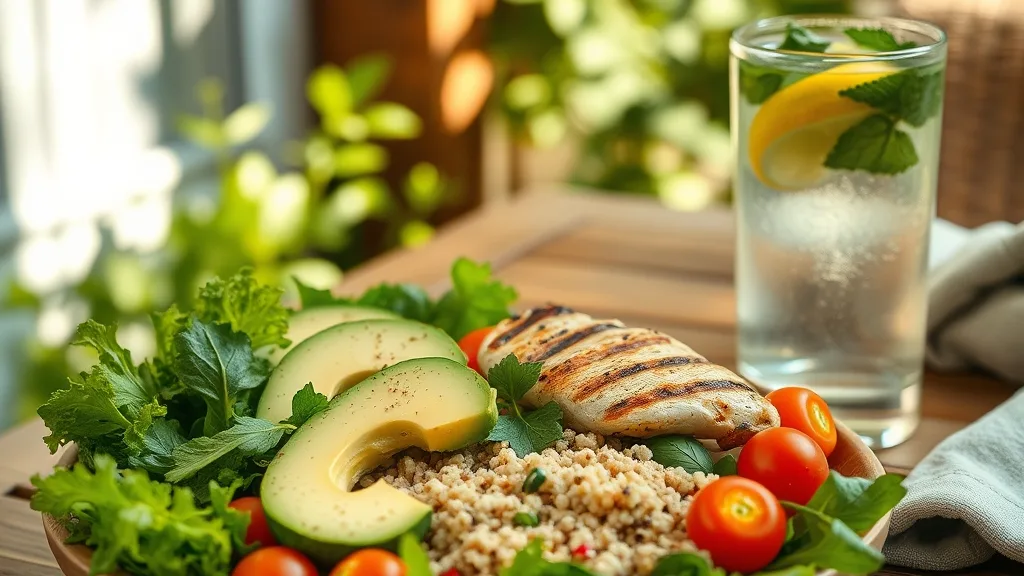
The Metabolic Truth About Calorie Deficits
A calorie deficit of 300 to 500 calories per day is the sweet spot. It is large enough to produce visible fat loss without triggering your starvation response. For most adults, this means eating between 1,600 and 2,200 calories daily, depending on your size and activity level. Use a free app like Cronometer or MyFitnessPal to track for the first two weeks, then trust your intuition as you learn your body.
Why Protein Is the Secret Weapon
High protein intake does three things simultaneously: it preserves muscle mass during fat loss, it dramatically increases satiety so you feel full longer, and it has the highest thermic effect of any macronutrient, meaning your body burns more calories just digesting it. Aim for 0.7 to 1 gram of protein per pound of bodyweight daily. For a 160-pound person, that is 112 to 160 grams of protein per day.
The Complete 30-Day Summer Body Nutrition Framework
Here is what a high-protein, satisfying day of eating actually looks like. This is not a diet. It is a nutrition strategy.
What to Eat: The Core Food List
Build every meal around these categories:
- Lean proteins: chicken breast, turkey, eggs, Greek yogurt, cottage cheese, canned tuna, white fish, tempeh
- Complex carbohydrates: oats, sweet potato, brown rice, quinoa, whole grain bread, lentils
- Healthy fats: avocado, olive oil, almonds, walnuts, natural peanut butter
- Vegetables: spinach, broccoli, zucchini, cucumber, tomatoes, bell peppers, kale
- Fruits: berries, watermelon, apples, bananas (especially pre-workout)
- Hydration: water, sparkling water, black coffee, green tea, electrolyte drinks
Sample Daily Meal Plan (Approximately 1,800 Calories)
| Meal | Food | Calories | Protein |
| Breakfast (7am) | 3 eggs + 2 egg whites, oats with berries | 420 kcal | 38g |
| Mid-Morning (10am) | Greek yogurt + handful of almonds | 250 kcal | 20g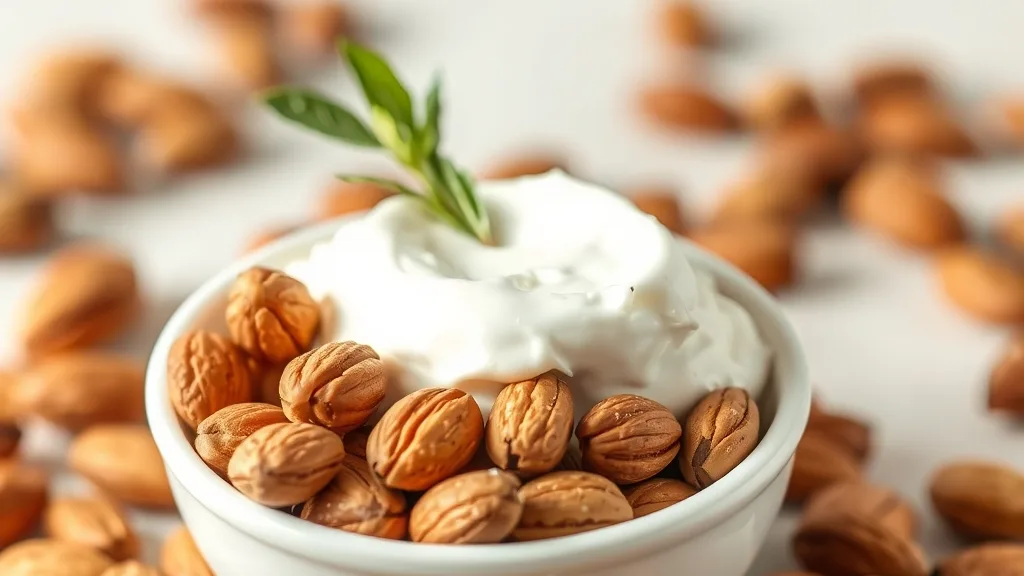 |
| Lunch (1pm) | Grilled chicken breast, brown rice, large salad | 550 kcal | 45g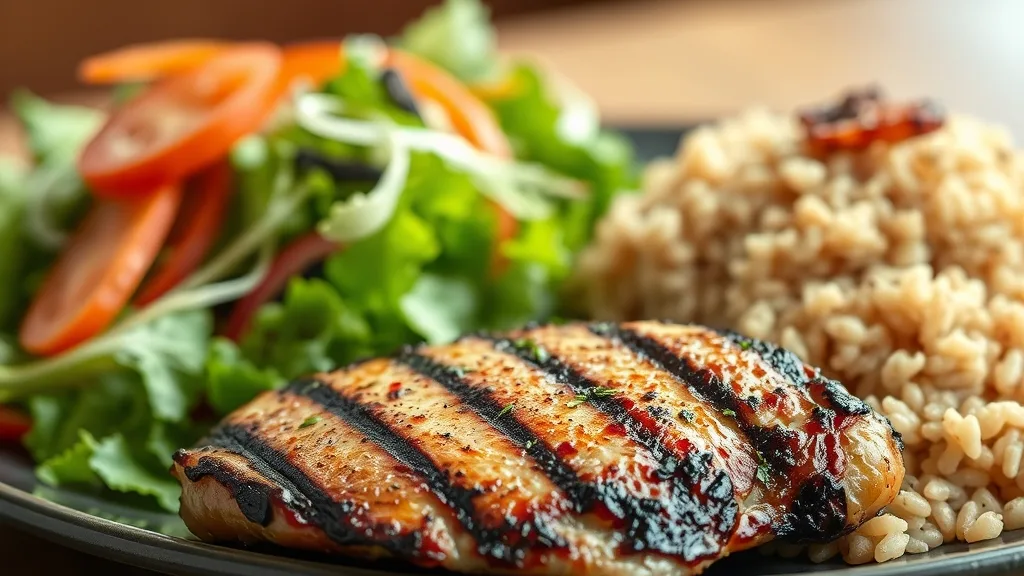 |
| Pre-Workout (4pm) | Banana + 1 scoop whey protein | 220 kcal | 25g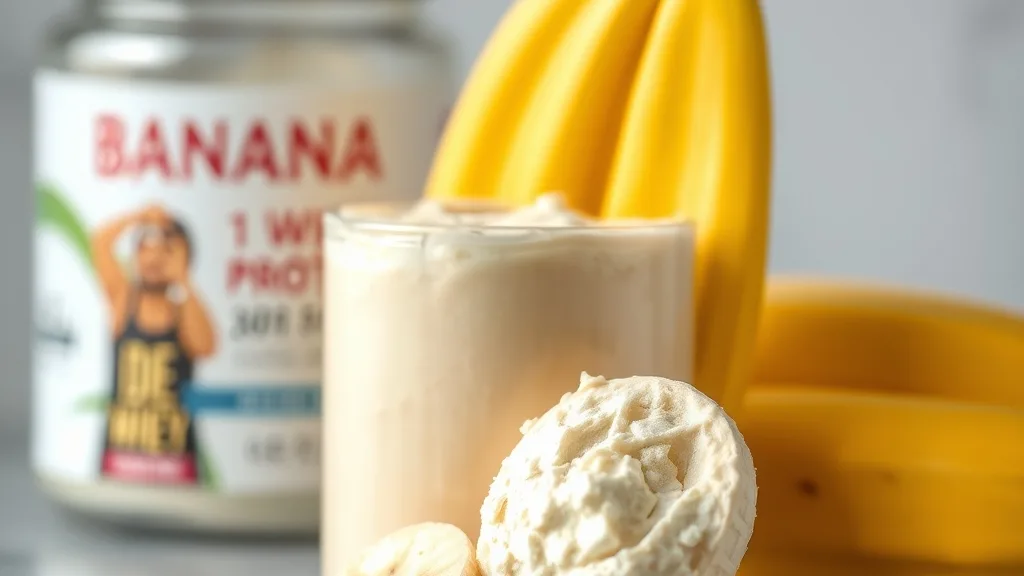 |
| Dinner (7pm) | Salmon fillet, sweet potato, steamed broccoli | 460 kcal | 38g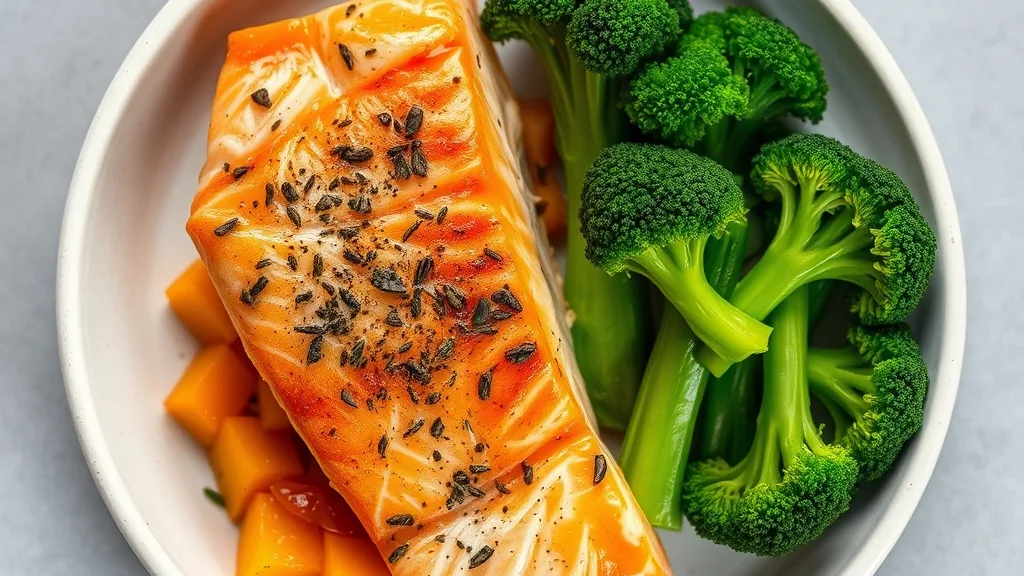 |
| Evening (optional) | Cottage cheese or casein protein | 100 kcal | 18g |
| TOTAL | ~2,000 kcal | ~184g protein |
Hydration: The Overlooked Performance Variable
Most people are mildly dehydrated most of the time. Dehydration suppresses energy, impairs workout performance, and is often mistaken for hunger. Drink at least 2.5 to 3 liters of water daily. A practical rule: drink 500ml first thing in the morning before coffee, carry a 1-liter bottle and refill it twice, and drink a glass before every meal.
If you train hard or sweat heavily, add an electrolyte supplement. LMNT sachets or a pinch of Himalayan pink salt in your water works well and costs almost nothing.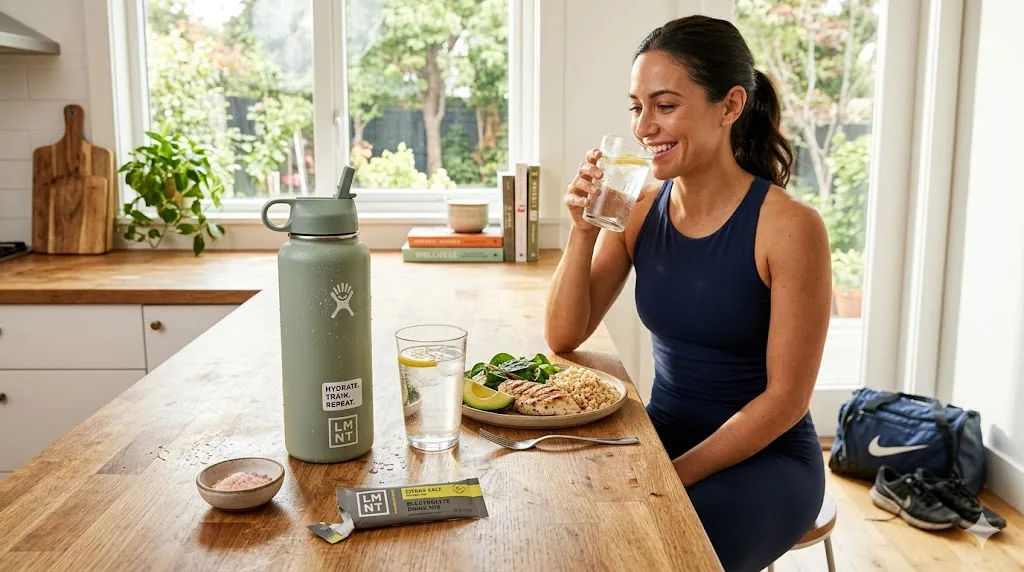
Personal Note: I cut out all liquid calories except post-workout protein shakes for the first two weeks of every cut phase. Sodas, juices, and flavored lattes add 200 to 500 empty calories daily without touching hunger. That one change alone can create half your weekly calorie deficit.
The 30-Day Workout Plan: Structured, Efficient, and Actually Enjoyable
You do not need to live in a gym to get results. The most effective 30-day summer training program uses a three-to-four day resistance training schedule combined with daily low-intensity movement. Here is the full structure.
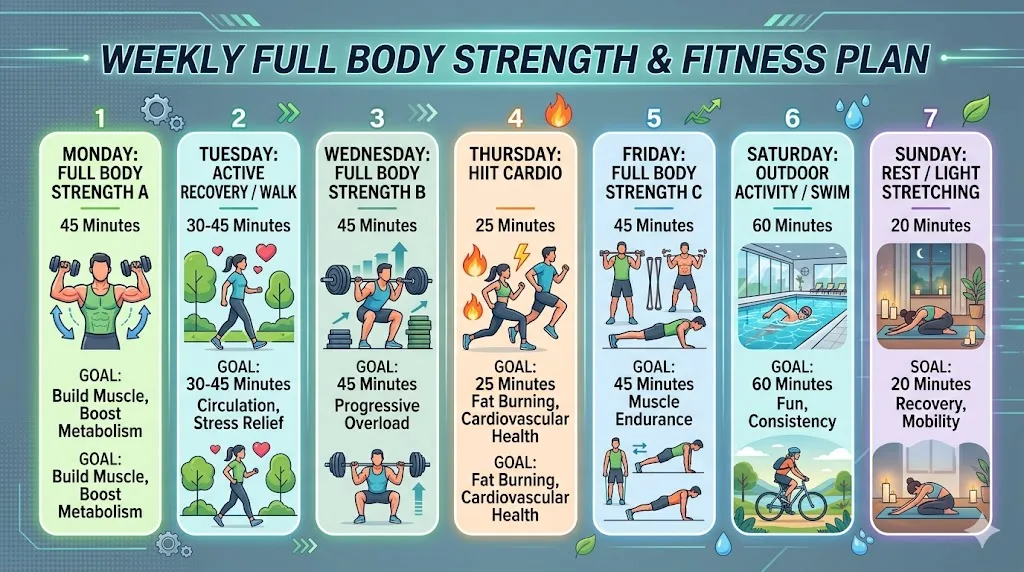
Training Schedule Overview
| Day | Training Type | Duration | Goal |
| Monday | Full Body Strength A | 45 minutes | Build muscle, boost metabolism |
| Tuesday | Active Recovery / Walk | 30-45 minutes | Circulation, stress relief |
| Wednesday | Full Body Strength B | 45 minutes | Progressive overload |
| Thursday | HIIT Cardio | 25 minutes | Fat burning, cardiovascular health |
| Friday | Full Body Strength C | 45 minutes | Muscle endurance |
| Saturday | Outdoor Activity / Swim | 60 minutes | Fun, consistency |
| Sunday | Rest / Light Stretching | 20 minutes | Recovery, mobility |
Full Body Strength Workout A (Monday)
Complete 3 sets of each exercise with 60 seconds rest between sets:
- Goblet squat: 12 reps
- Push-up (or dumbbell press): 10 to 12 reps
- Dumbbell Romanian deadlift: 12 reps
- Dumbbell bent-over row: 10 reps each side
- Plank hold: 45 seconds
- Dumbbell lateral raises: 12 reps
- Bicycle crunches: 20 reps
HIIT Protocol (Thursday)
This 25-minute HIIT session torches calories and keeps your metabolic rate elevated for hours afterward. Research from the Journal of Obesity confirms that HIIT produces 28.5% greater fat loss than steady-state cardio in comparable time periods.
- Warm-up: 5 minutes light jog or jumping jacks
- Work interval: 40 seconds all-out effort (sprint, burpees, or jump rope)
- Rest interval: 20 seconds complete rest
- Repeat work/rest cycle 15 times
- Cool-down: 5 minutes walking and stretching
Progressive Overload: The Non-Negotiable Principle
The biggest mistake beginners make is doing the same workout at the same weight for 30 days. Your body adapts within 2 weeks. Progressive overload means you systematically increase the challenge. Add one rep, add 2.5 pounds, or reduce rest time each week. Track your lifts in a notebook or use an app like Strong. This single habit separates people who see results from people who plateau.
Sleep, Stress, and the Hormonal Side of Fat Loss
Here is something the fitness industry consistently underplays: you can eat perfectly and train consistently and still fail to lose fat if your sleep is poor and your cortisol is chronically elevated. I learned this the hard way during a particularly stressful work project where my fat loss completely stalled despite no changes to my diet or training.
Why Sleep Is the Most Powerful Body Composition Tool
Poor sleep raises ghrelin (your hunger hormone) and lowers leptin (your fullness hormone). One study from the University of Chicago found that participants on a calorie-restricted diet who slept only 5.5 hours lost 55% less fat than those who slept 8.5 hours, while losing significantly more muscle mass. Less sleep literally makes you fatter, even in a deficit.
Target 7 to 9 hours of quality sleep nightly. Practical sleep hygiene: keep your bedroom cool (around 65 to 68 degrees Fahrenheit), avoid screens 45 minutes before bed, and use blackout curtains. A sleep mask from Manta Sleep or a white noise app like Calm can help if your environment is noisy or bright.
Managing Cortisol for Faster Fat Loss
Chronic stress keeps cortisol elevated, which promotes fat storage, particularly around the midsection. It also triggers emotional eating and cravings for high-calorie comfort foods. During your 30-day plan, prioritize stress management as seriously as nutrition and training.
Daily practices that genuinely lower cortisol: a 10-minute morning walk in natural light, 5 minutes of deep diaphragmatic breathing before meals, journaling for 5 minutes before sleep, and limiting news and social media to specific times of day. None of these are complicated, and together they make a measurable difference.
The Week-by-Week Breakdown: What to Expect
Week 1: Foundation and Adaptation (Days 1 to 7)
Week one is the hardest. Your body is adapting to new movement patterns, new eating habits, and a slight calorie deficit. You may feel more tired than usual on training days. You might miss your old snacks. Expect to lose 2 to 4 pounds this week, most of which will be water weight and glycogen reduction, not pure fat. That is normal and expected. Do not panic if the scale jumps around.
Focus points: hit your protein target every day, complete all three strength sessions, drink 3 liters of water daily, and get to bed by 10:30pm.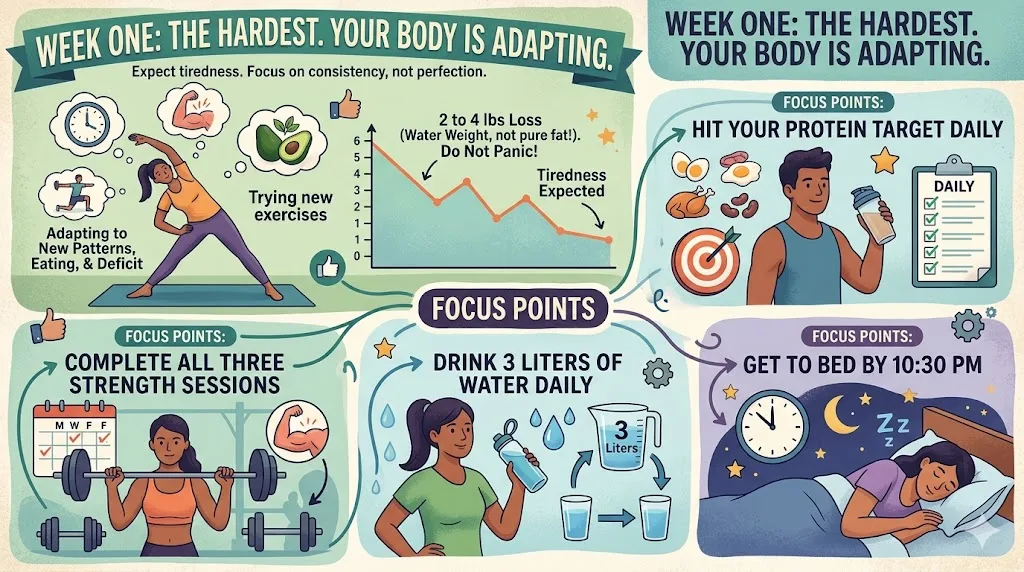
Week 2: Momentum Builds (Days 8 to 14)
By week two, the new routine starts to feel more natural. Your energy levels stabilize. You begin to notice subtle changes: clothes fitting slightly differently, better muscle definition, improved endurance in workouts. This is also the week where many people slip up because the initial excitement fades.
Introduce one new recipe this week to keep meals interesting. Meal prep on Sunday for 3 to 4 days ahead. Increase weights by 5% across all exercises. Weekly fat loss target: 0.5 to 1 pound.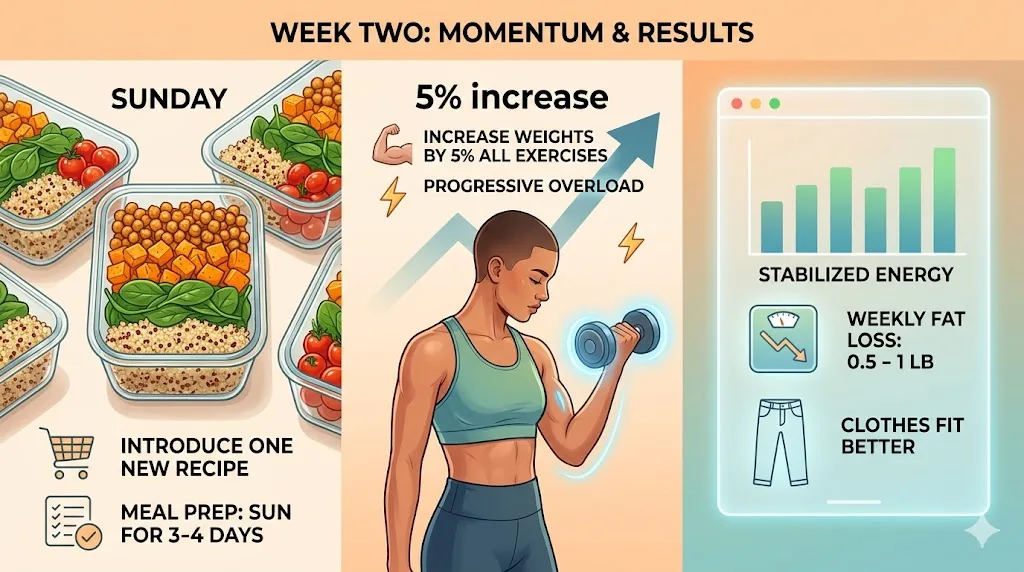
Week 3: Visible Results (Days 15 to 21)
This is when most people start getting compliments. Definition improves noticeably in the mirror. Your strength is measurably higher than week one. Stay the course. This is also when hunger hormone adaptation kicks in, making it slightly easier to stay in your deficit.
Optional addition: add one fasted morning walk of 20 to 30 minutes before breakfast twice this week. Research shows that low-intensity fasted cardio preferentially oxidizes stored fat for fuel when glycogen levels are low. 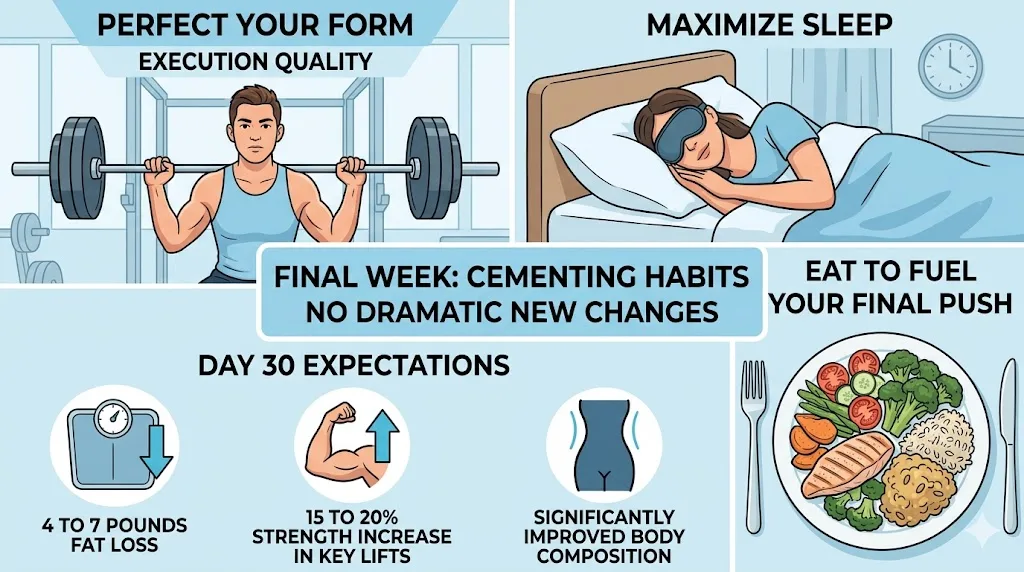
Week 4: Consolidation and Results (Days 22 to 30)
The final week is about cementing the habits you have built. Do not try to add dramatic new changes. Instead, focus on execution quality: perfect your form, maximize sleep, and eat to fuel your final push. By day 30, you should realistically expect 4 to 7 pounds of total fat loss, measurable improvements in strength (15 to 20% increases in key lifts are common), and significantly improved body composition.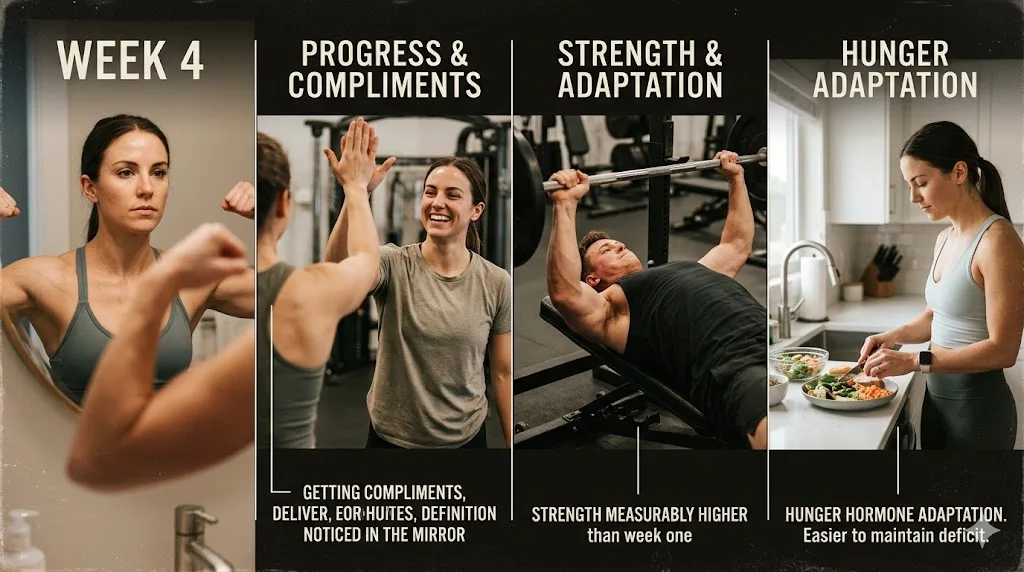
Case Study: My client Sarah, a 34-year-old teacher, followed this exact protocol in the summer of 2024. She lost 6.2 pounds of fat, added visible muscle definition to her arms and legs, and — most importantly — was not miserable doing it. She has maintained her results 14 months later because the habits were sustainable.
Tools, Apps, and Gear Worth Your Money
You do not need to spend a fortune. But a few strategic investments make this plan significantly more effective.
| Tool / Product | Purpose | Cost (Approx.) | Honest Verdict |
| MyFitnessPal (free version) | Calorie and macro tracking | Free | Excellent for first 2 weeks, then intuitive eating works |
| Cronometer | Micronutrient tracking | Free / $8.99/mo | Better than MFP for nutrient detail |
| Strong App | Workout tracking | Free / $4.99/mo | Essential for progressive overload |
| Whey Protein (ON Gold Standard) | Post-workout protein | $50-60 for 5lb tub | Best value, great taste, reliable quality |
| Resistance bands (set) | Home training variety | $15-30 | Underrated tool, highly versatile |
| Adjustable dumbbells (Bowflex SelectTech) | Home gym | $300-400 | Expensive but replaces entire rack |
| LMNT Electrolytes | Hydration on hot days / heavy training | $1.50/sachet | Worth it for serious summer training |
| Food scale (Ozeri Pronto) | Accurate calorie tracking | $12-15 | Non-negotiable for the first 2 weeks |
Common Mistakes That Derail 30-Day Progress
Mistake 1: Eating Back All Exercise Calories
Fitness trackers and apps dramatically overestimate calories burned during exercise. A 45-minute strength session burns closer to 200 to 300 calories, not the 600 your Apple Watch claims. Eating back exercise calories can eliminate your entire calorie deficit. Use exercise calories as a buffer, not a reason to eat a second dinner.
Mistake 2: Not Eating Enough Protein
Most people dramatically underestimate their protein intake. A chicken breast at a restaurant might look large, but it is often 4 ounces and only 35 grams of protein. If you are not tracking, you are almost certainly not hitting your target. Hit your protein number before worrying about anything else.
Mistake 3: Inconsistent Sleep
Staying up late on weekends and trying to catch up with longer weekend sleep, known as social jet lag, disrupts your hormonal balance throughout the week. Aim for a consistent sleep and wake time, even on weekends, for the full 30 days.
Mistake 4: Doing Only Cardio
Cardio burns calories in the moment. Strength training builds muscle that burns calories around the clock by increasing your resting metabolic rate. A well-executed 30-day strength program can increase your basal metabolic rate by 7 to 10 percent, meaning you burn more fat even on rest days.
Mistake 5: Treating Day 1 Like a Transformation
Extreme protocols in week one lead to burnout by week two. Start at 80 percent effort and build intensity progressively. Consistency across 30 days beats heroic effort in week one followed by abandonment.
Frequently Asked Questions
Can I follow this plan without a gym membership?
Absolutely. You can complete every strength session using a pair of adjustable dumbbells and your bodyweight. Many exercises like push-ups, lunges, glute bridges, and planks require zero equipment. If you have resistance bands, you have everything you need for an effective 30-day plan.
How much weight will I realistically lose in 30 days?
With a consistent 400 to 500 calorie daily deficit and high protein intake, expect 2 to 4 pounds of genuine fat loss plus visible muscle definition improvements. Week 1 may show more due to water weight reduction. Total scale movement of 4 to 8 pounds in 30 days is realistic and healthy.
Do I need to count calories the entire 30 days?
Track carefully for the first 10 to 14 days. This builds nutritional awareness that lasts years. After two weeks, most people can estimate portions accurately enough to maintain their deficit intuitively. Use tracking as a calibration tool, not a lifelong obligation.
What if I miss a workout day?
Move on. One missed session does not derail 30 days of progress. Missing two consecutive sessions creates momentum loss, so reschedule immediately. A short 20-minute home bodyweight session on a missed gym day is infinitely better than nothing.
Can I drink alcohol during the 30 days?
You can, but alcohol has real costs: it provides 7 calories per gram with zero nutritional value, disrupts sleep quality significantly, and lowers inhibitions around food choices. If you drink, limit to 1 to 2 drinks maximum, on weekends only, and account for the calories. Dry weeks produce noticeably better results.
Is this plan appropriate for women specifically?
Yes, entirely. Women benefit from strength training equally to men in terms of body composition. The hormonal differences mean women typically build muscle more slowly but lose fat at similar rates. Women should use the same calorie deficit approach but may find their protein target is slightly lower at 0.7 grams per pound of bodyweight.
What if I hit a plateau in week 2 or 3?
Plateaus in a 30-day window are usually caused by four things: water retention masking fat loss, underestimating calorie intake, overestimating activity level, or insufficient sleep. Audit your tracking for 3 days, ensure sleep is at 7 to 8 hours, and add one additional 20-minute walk daily. The scale should move within 5 to 7 days.
Can I build muscle and lose fat at the same time during these 30 days?
Yes, particularly if you are new to training or returning after a break. This phenomenon, known as body recomposition, is most pronounced in beginners and intermediate trainees. Higher protein intake and consistent strength training with progressive overload are the keys to achieving it simultaneously.
Your 30 Days Start Now
Let me close with a reality check that I think is genuinely useful. The summer body you want is not built in 30 days. It is built over years of consistent, sustainable habits. But 30 days is absolutely enough time to create visible, meaningful change, build momentum that carries beyond summer, and prove to yourself that you do not need to starve, suffer, or sacrifice your sanity to look and feel better.
The people who get the best results from this plan are not the most disciplined or naturally gifted. They are the ones who show up consistently, track honestly, sleep well, and give themselves permission to be human when life happens. A missed workout, an indulgent meal, a stressful week — none of these derail 30 days of solid effort.
What actually derails progress is all-or-nothing thinking. The moment you believe one slip means you have failed, you stop. Do not fall into that trap. Keep showing up, adjust when needed, and trust the process.
Start today. Not Monday, not after your next social event. Write down your protein target. Open your workout app. Drink a glass of water. Those three actions take under two minutes and begin the psychological shift from intention to identity.
By day 30, you will not just look different. You will move differently, sleep better, and think more clearly. That is the real return on investment from a summer body plan that does not require starving yourself.
What has been your biggest challenge with summer fitness plans in the past? Drop your answer in the comments. Your experience might be exactly what someone else needs to read today.