The Complete Guide to Making Naturally Sweet, Cafe-Quality Iced Lattes at Home for a Fraction of the Cost
I spent four dollars and seventy-five cents on an iced vanilla latte at a well-known coffee chain in downtown Chicago in the summer of 2021. I watched the barista pour what I later calculated to be about four teaspoons of vanilla syrup into my cup. I checked the nutrition information on my phone while waiting. Forty-two grams of added sugar. In a coffee drink I was having at 8am as a supposedly functional start to my day.
That evening I started experimenting with sugar-free iced latte recipes. Not because I became militant about health. Because forty-two grams of sugar before nine in the morning felt like being tricked by something I was paying five dollars for. Within two weeks I had developed a rotation of five no-sugar iced latte recipes I genuinely preferred to the cafe version. Within six months, that rotation had grown to over twenty.
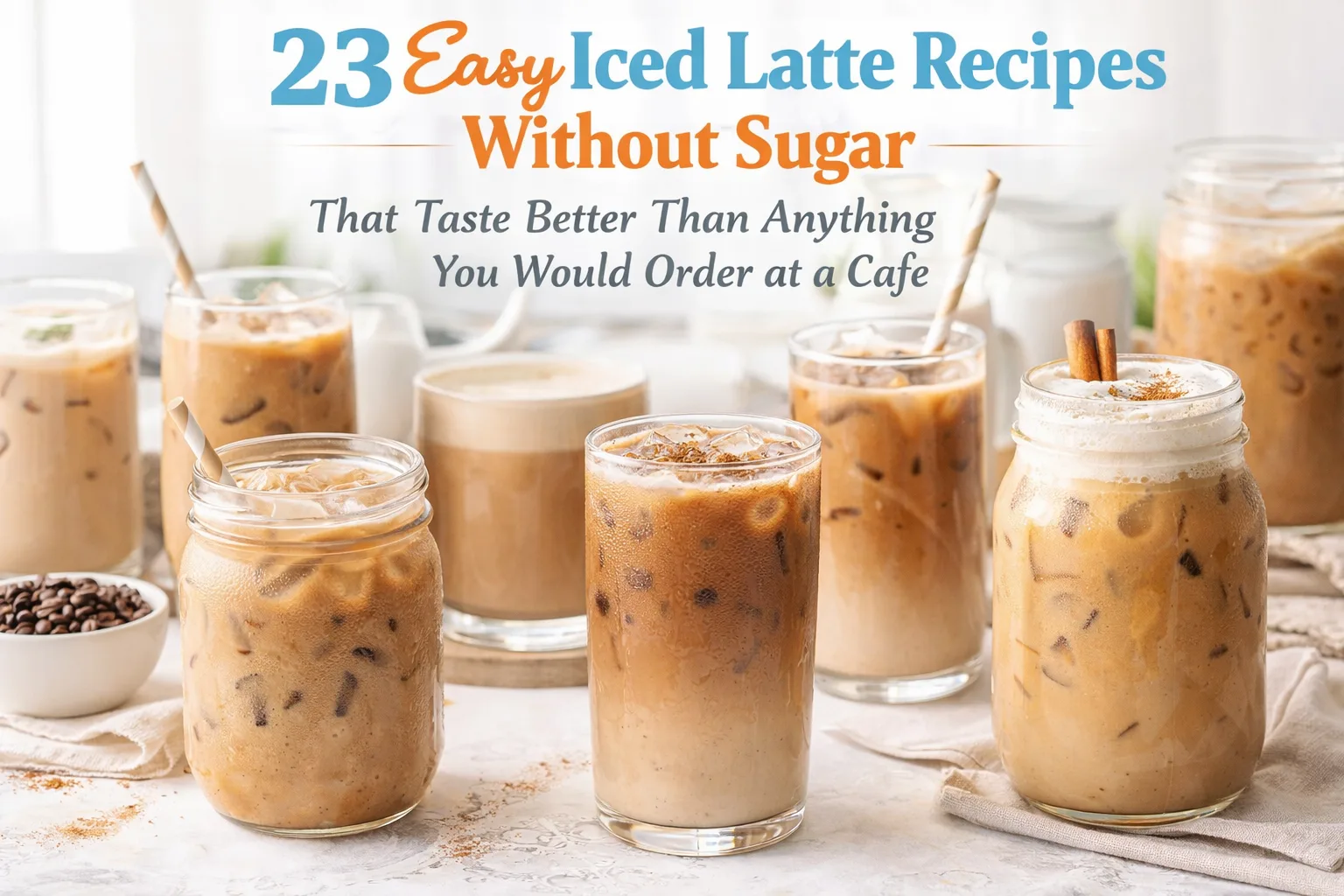
The twenty-three recipes in this guide are the result of three years of testing, failing, and refining. Some are one-ingredient variations on a simple base. Some are more complex flavor combinations that take ten minutes but produce something that tastes genuinely special. All of them contain zero added sugar and all of them have made me stop ordering iced lattes at cafes for anything other than social reasons.
This guide covers the foundational technique for making a great iced latte without sugar at home, all twenty-three specific recipes organized by flavor profile, the natural sweetener options that actually work, the equipment that makes a real difference, every mistake I made during development, and answers to every question I have received about sugar-free iced lattes since I started sharing these recipes online.
Why Cafe Iced Lattes Are So Sweet (And Why That Is Not Accidental)
Here is the part of this story that most coffee content skips: cafe sugar levels are not the result of recipes developed for flavor. They are the result of research into the sugar thresholds that drive repeat purchase behavior. The coffee industry calls this the bliss point, a term coined by food scientist Howard Moskowitz in his work for major food and beverage companies in the 1970s and 1980s. It describes the precise sweetness level that maximizes palatability and craving.
A 2022 report from the Center for Science in the Public Interest analyzed fifty popular coffee shop beverages and found that the average medium iced latte from major chains contained between 35 and 55 grams of added sugar. That is equivalent to eight to fourteen teaspoons of white granulated sugar. In a drink most people order as part of a health-conscious morning routine.
The counterintuitive truth is that removing sugar from an iced latte does not remove sweetness when you approach the recipe correctly. Coffee itself contains hundreds of flavor compounds including natural fruity, nutty, and chocolatey notes that are masked by sugar. Milk and plant-based milks contain natural lactose or other sugars that contribute sweetness without any addition. Natural flavor enhancers like vanilla extract, cinnamon, and cardamom create the perception of sweetness without containing it. A well-made iced latte without sugar is often sweeter-tasting than people expect.
The Natural Sweetness Sources Already in Your Glass
Full-fat oat milk contains 7 grams of naturally occurring sugar per cup. Whole dairy milk contains 12 grams of lactose per cup. Coconut milk has a mild natural sweetness from its fat content. Cashew milk has a subtle sweet creaminess without added sugars when unsweetened. Understanding which milk contributes natural sweetness to your base before you add anything else changes how you approach flavor building in a sugar-free iced latte.
The Foundation: How to Build a Perfect Iced Latte Without Sugar
Every one of the twenty-three recipes below is built on the same structural foundation. Understanding that foundation means you can improvise, adapt, and create your own variations beyond this list.
The Coffee Base
The coffee you use matters more than anything else in an iced latte. Espresso is the traditional base and produces the richest, most complex flavor. A double shot of espresso, approximately 60ml, is the right ratio for a twelve-ounce iced latte. If you do not have an espresso machine, strongly brewed coffee works. Use a two-to-one coffee-to-water ratio in a French press or a Moka pot. The Bialetti Moka Express is the best value stovetop option for producing espresso-strength coffee at around thirty dollars.
Cold brew concentrate is the second excellent option and the most hands-off. Combine one cup of coarsely ground coffee with four cups of cold water, steep in the refrigerator for twelve to eighteen hours, then strain. The resulting concentrate keeps for two weeks refrigerated and dilutes to a delicious iced coffee base at a one-to-two ratio with milk. This is the approach I use most often because I can make a week of iced lattes from a single Sunday prep session.
The quality of your coffee beans determines the ceiling of your drink’s flavor. For sugar-free iced lattes, I recommend beans with natural sweetness profiles: Ethiopian Yirgacheffe for its blueberry and jasmine notes, Colombian Huila for its caramel and red apple character, or Brazilian Sul de Minas for its chocolate and nut tones. Stumptown Coffee Roasters, Blue Bottle Coffee, and Intelligentsia all produce excellent single-origin options in this range.
The Milk Choice
Full-fat oat milk is my personal preference for iced lattes because it froths well even cold and has a natural sweetness and creaminess that closely mimics dairy without overpowering the coffee. Oatly Full Fat Oat Milk and Califia Farms Oat Barista Blend are both excellent. For dairy, whole milk produces the best texture and natural sweetness. Two percent milk is a reasonable compromise. Skim milk is too watery and contributes almost nothing to the drink.
Unsweetened almond milk is the most common choice for people reducing calories and sugar, but it is also the most neutral and watery. It works for lighter flavor profiles but struggles with richer combinations. Unsweetened coconut milk from a carton (not canned) has a mild tropical sweetness and good body. Cashew milk is underused in home iced lattes and worth exploring for its silky, slightly sweet character.
The Natural Flavor Enhancers
These are the ingredients that replace sugar without replacing sweetness. Vanilla extract (use pure, not imitation) adds perceived sweetness and rounds harsh coffee notes. Half a teaspoon per twelve-ounce drink is the right amount. Cinnamon adds warmth and creates a perception of sweetness through its aroma compounds. A quarter teaspoon stirred into the coffee before pouring over ice integrates better than sprinkling on top. Cardamom adds floral warmth in very small amounts. One eighth of a teaspoon is enough. More than that overwhelms the coffee.
Classic and Everyday Sugar-Free Iced Latte Recipes (1 to 8)
1. The Pure Vanilla Iced Latte
Double shot espresso or two ounces of cold brew concentrate, eight ounces of full-fat oat milk, half a teaspoon of pure vanilla extract, and plenty of ice. Stir the vanilla into the espresso before adding milk. The vanilla extract transforms the espresso’s sharp edges into something smooth and rounded. This is the recipe I make when I want something that tastes like it has been sweetened without any sweetener at all. Total cost per drink: approximately eighty cents.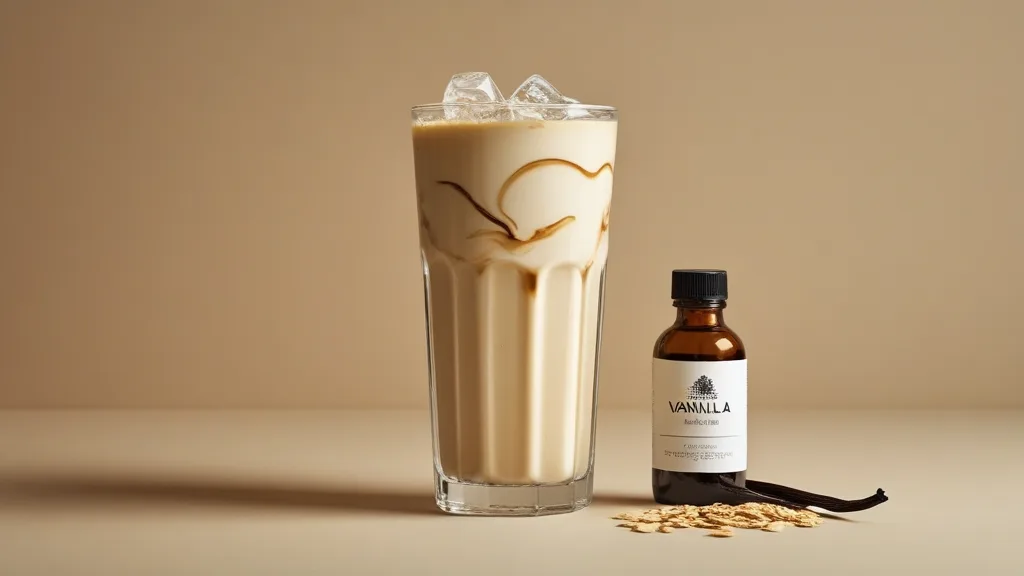
2. Cinnamon Oat Milk Latte
Double shot espresso, eight ounces of Oatly Full Fat Oat Milk, quarter teaspoon of ground Ceylon cinnamon stirred into the hot espresso, poured over ice. Ceylon cinnamon rather than Cassia cinnamon makes a meaningful difference here. Ceylon has a softer, more complex flavor. Cassia is sharper and can taste medicinal in large amounts. This combination tastes like a cinnamon roll in coffee form without any sugar whatsoever.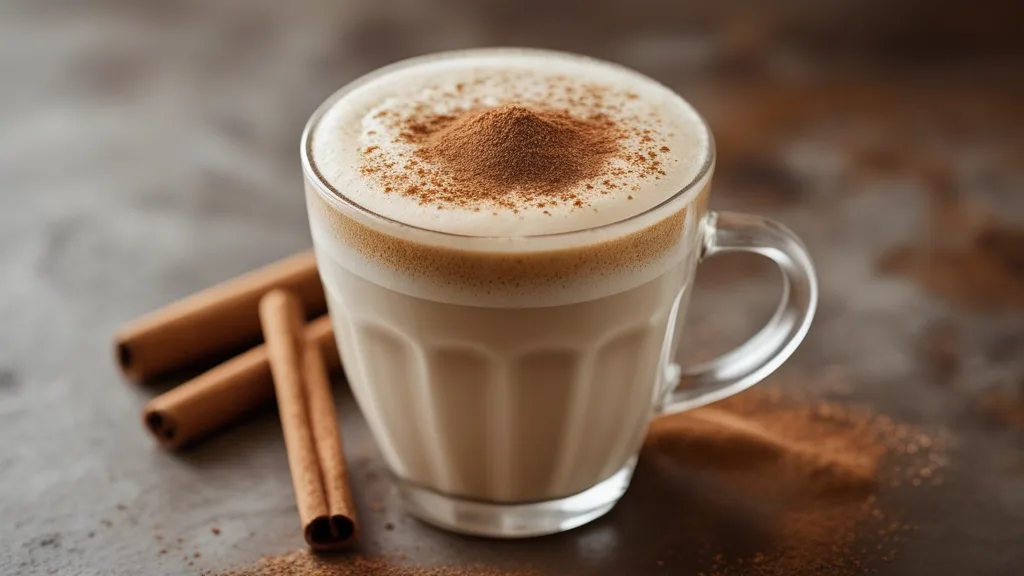
3. Cardamom Rose Iced Latte
Double shot espresso, eight ounces of whole milk or oat milk, one eighth teaspoon of ground cardamom, and two drops of food-grade rose water. Rose water is inexpensive and available at most Middle Eastern grocery stores and many standard supermarkets. This is the most elegant recipe in this list. It tastes like something you would pay eight dollars for at a specialty cafe.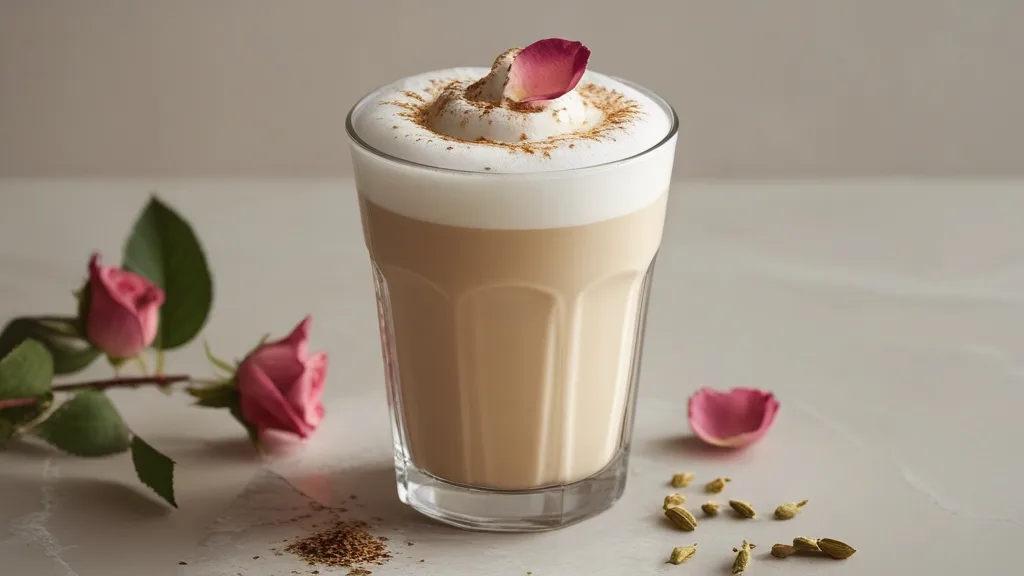
4. Cold Brew Vanilla Almond Milk Latte
Two ounces of cold brew concentrate, ten ounces of unsweetened Califia Farms Almond Milk, half a teaspoon of pure vanilla extract, ice. The cold brew’s smooth, low-acidity character pairs naturally with almond milk’s mildness. This is the lightest-calorie option in the classic section at approximately sixty calories per drink. It is the recipe I recommend to people who are new to sugar-free iced lattes and are worried they will miss the sweetness.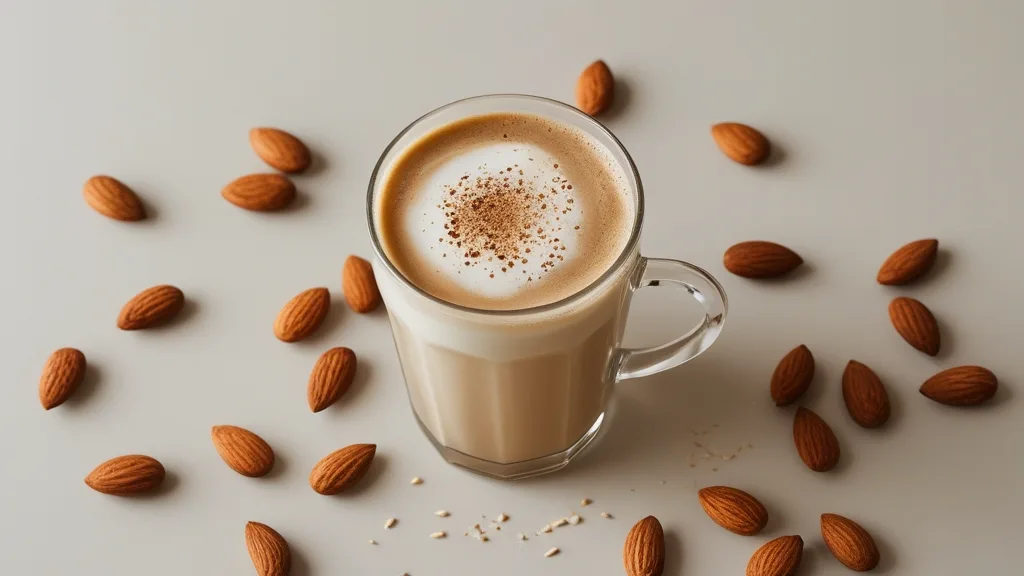
5. Coconut Milk Espresso
Double shot espresso, eight ounces of unsweetened coconut milk from a carton, ice, and an optional pinch of sea salt stirred into the espresso. The sea salt is not optional in spirit, only in name. It rounds the bitterness of the espresso and makes the coconut’s natural sweetness more prominent. This is the recipe that surprised me most during testing. The salt-and-coconut combination creates a flavor that reads as sweet even though nothing sweet has been added.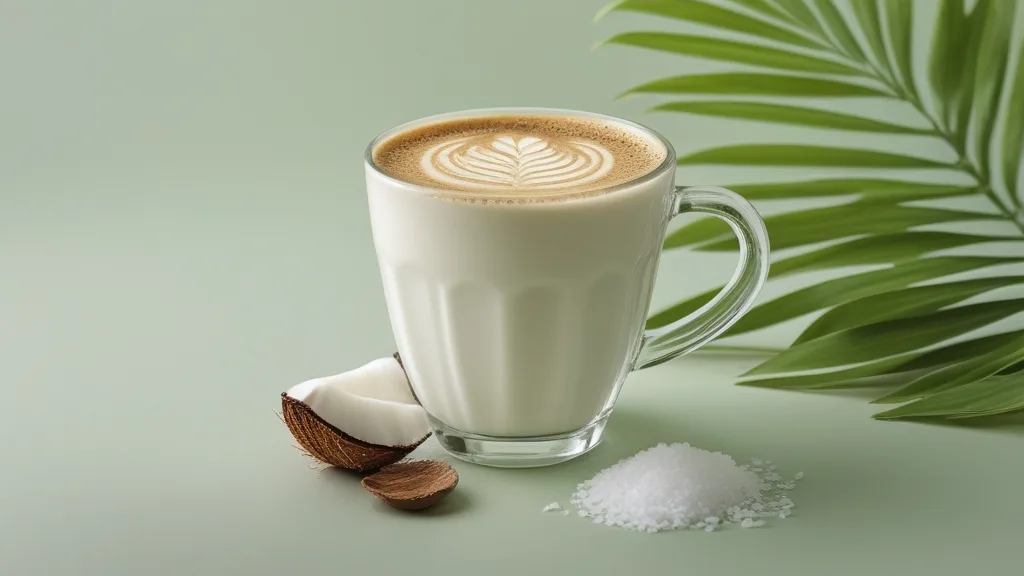
6. The Classic Iced Americano Latte
Two shots of espresso diluted with two ounces of cold water, then poured over ice with four ounces of full-fat milk. Technically more of an iced Americano with milk, but the dilution softens the espresso’s intensity and creates a drink that is approachable for people who find straight espresso too strong. Total preparation time: under three minutes. Total cost: approximately sixty cents.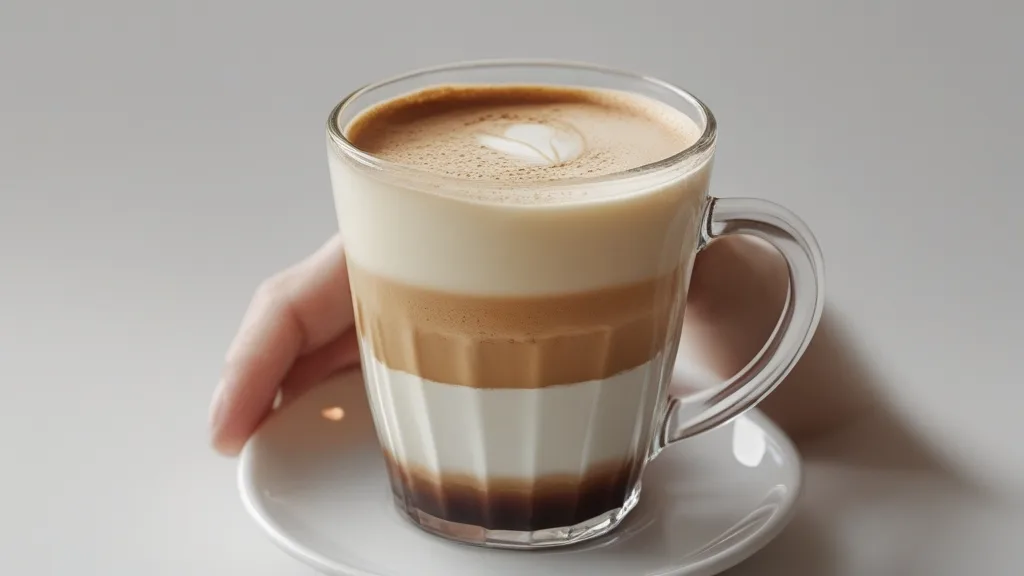
7. Hazelnut Extract Iced Latte
Double shot espresso, eight ounces of oat milk, quarter teaspoon of pure hazelnut extract, and ice. Pure hazelnut extract is available from Nielsen-Massey, which makes the most reliable and authentic-tasting extract in this category at around twelve dollars for a small bottle. A quarter teaspoon transforms an ordinary iced latte into something that tastes like a dessert without containing anything that functions like one nutritionally.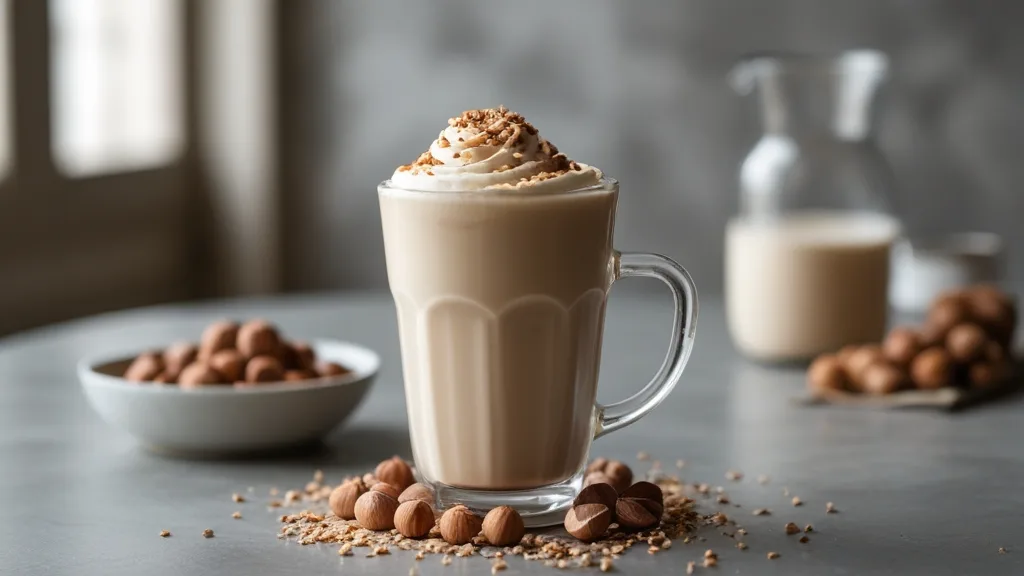
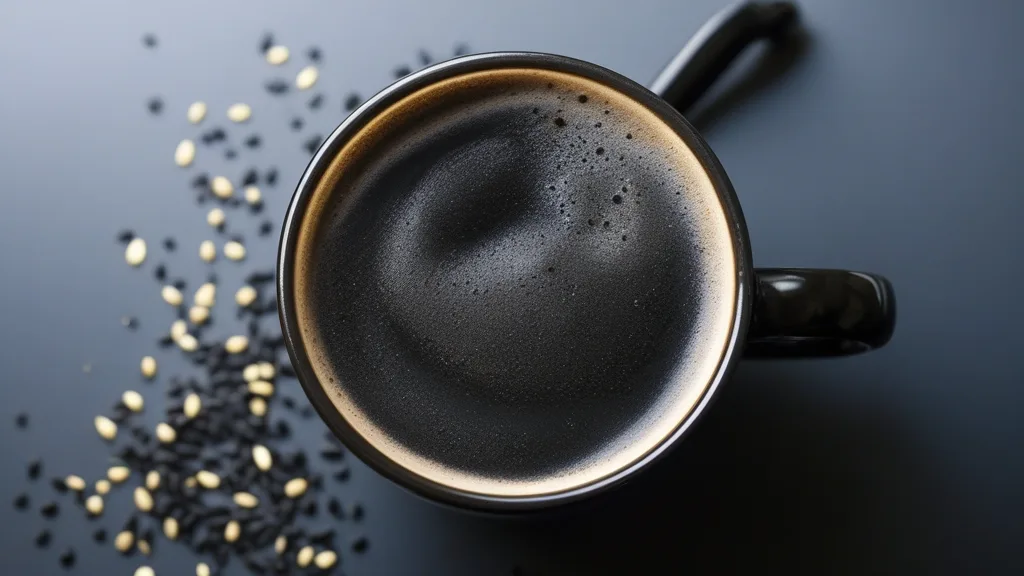
8. Iced Black Sesame Latte
Two tablespoons of black sesame paste (kurogoma paste, widely available at Asian grocery stores and on Amazon) whisked into the hot espresso until smooth, eight ounces of oat milk, ice. This is the most unexpected recipe in the classic section and the one that most consistently surprises people who try it. Black sesame has a deep, slightly bitter, nutty flavor that creates a beautiful savory-sweet complexity with coffee. It is also visually stunning, turning the drink a dramatic grey-black.
Flavor-Forward and Seasonal Sugar-Free Iced Latte Recipes (9 to 16)
9. Pumpkin Spice Iced Latte Without Sugar
Double shot espresso, two tablespoons of pure pumpkin puree (Libby’s 100% Pure Pumpkin), eighth teaspoon each of cinnamon, nutmeg, and ginger whisked into the hot espresso, eight ounces of oat milk, ice. The pumpkin puree adds body, natural sweetness from the gourd’s sugars, and a genuine pumpkin flavor that no syrup truly replicates. This is the recipe I make every September when the major chains bring back their version loaded with sugar. My version costs approximately ninety cents and tastes more authentically like pumpkin.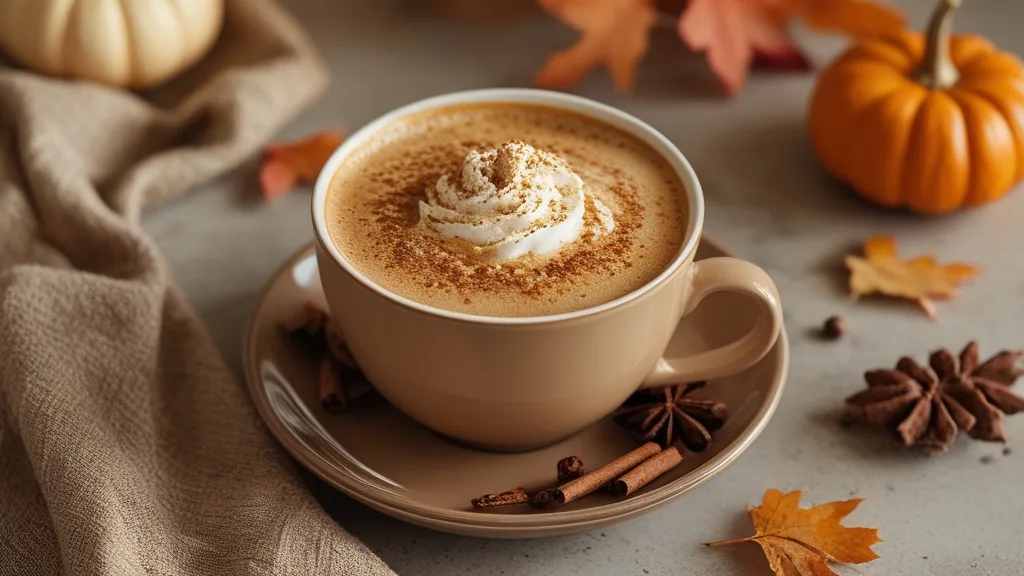
10. Lavender Honey-Free Iced Latte
Steep two teaspoons of culinary lavender (available from Frontier Co-op at around eight dollars for a substantial bag) in the hot espresso for three minutes, then strain. Combine with oat milk over ice. The lavender infuses directly into the coffee and creates a floral, slightly herbal sweetness that reads as delicate and complex. This is the summer version of the cardamom rose latte and equally impressive to serve to guests.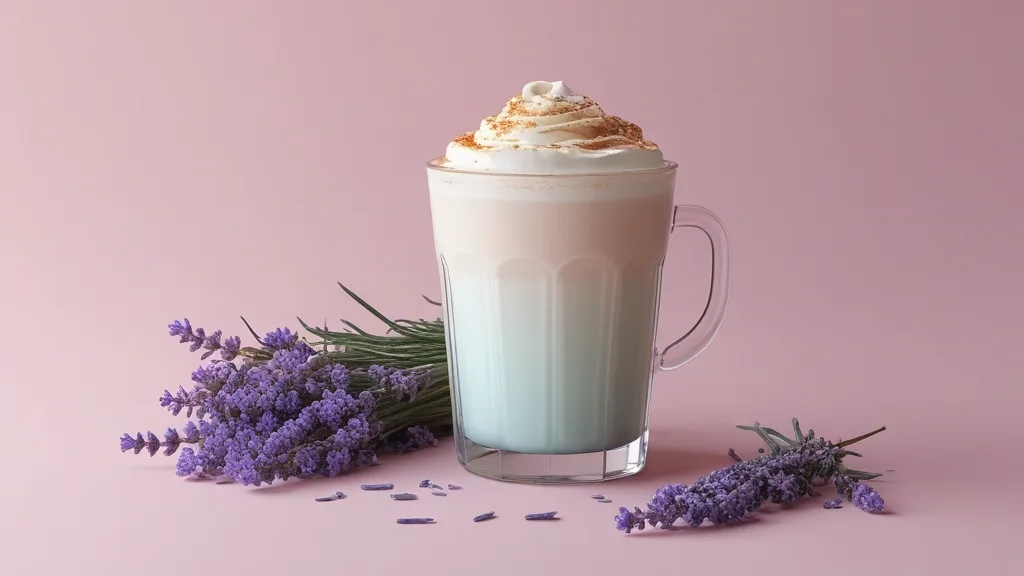
11. Iced Matcha Espresso Fusion
One teaspoon of ceremonial-grade matcha powder whisked with two ounces of hot water until smooth, combined with one shot of espresso, eight ounces of oat milk, and ice. The combination of matcha and espresso sounds unusual but produces a drink with layered complexity: grassy, slightly bitter matcha and dark roasted espresso create a yin-yang flavor balance that is genuinely interesting. Ippodo Tea and Encha both produce excellent ceremonial matcha at accessible prices.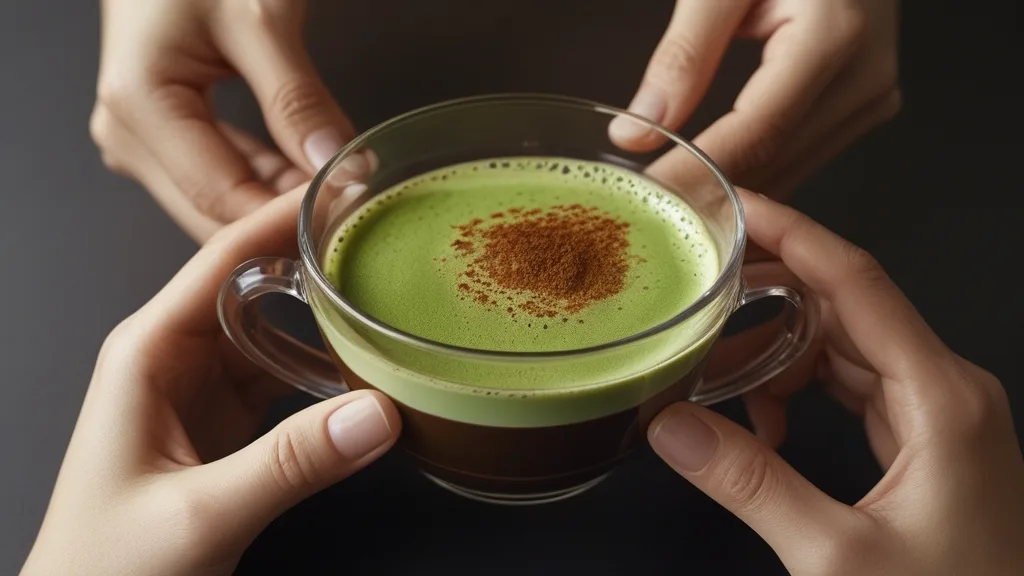
12. Iced Turmeric Golden Latte
Quarter teaspoon of ground turmeric, eighth teaspoon of ground black pepper, quarter teaspoon of cinnamon, and half a teaspoon of vanilla extract whisked into the hot espresso. Add eight ounces of full-fat coconut milk from a carton over ice. The black pepper activates curcumin absorption, the anti-inflammatory compound in turmeric, and also adds a subtle warmth. This is technically a golden latte with espresso and it is one of the most nutritionally interesting drinks in this entire collection.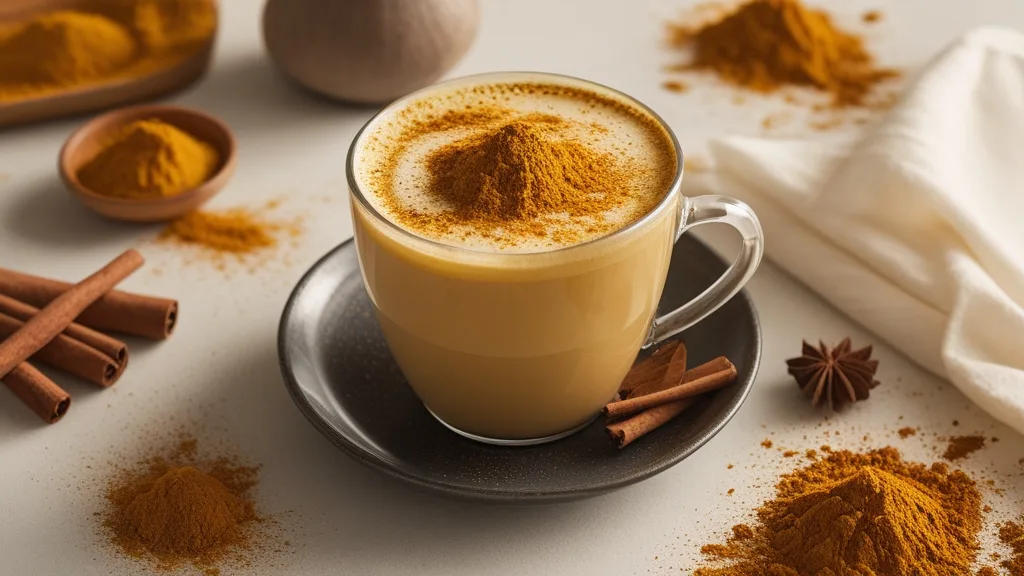
13. Cold Brew Chocolate Mint Latte
Two ounces of cold brew concentrate, one tablespoon of unsweetened cocoa powder (Valrhona cocoa is exceptional, Ghirardelli 100% unsweetened is excellent at a lower price point) whisked into the cold brew, two drops of pure peppermint extract, eight ounces of oat milk, ice. The chocolate and mint combination with coffee creates a mocha-peppermint patty flavor that feels indulgent despite containing no sugar and under 100 calories per drink.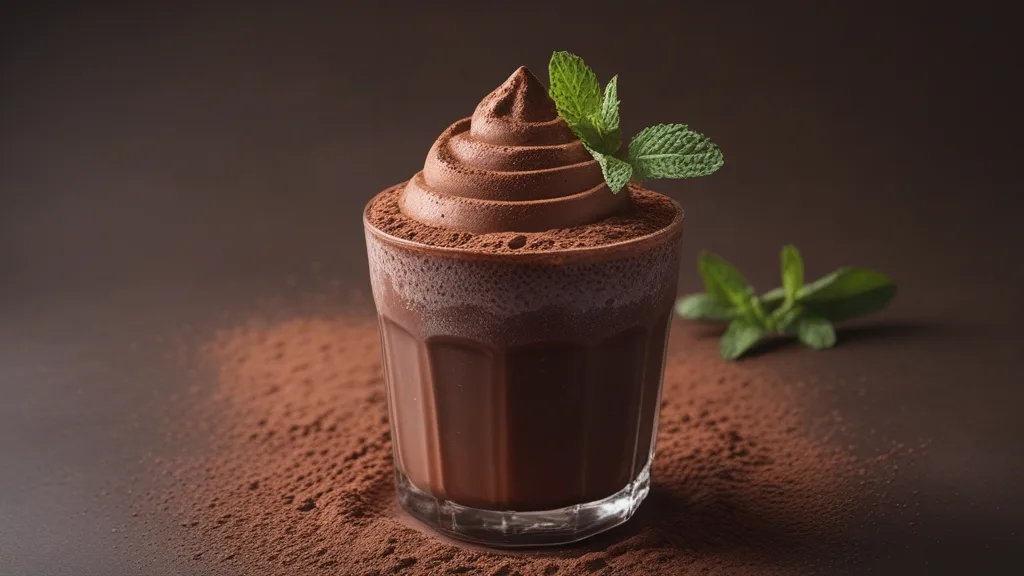
14. Iced Brown Butter Pecan Latte
Brown two tablespoons of unsalted butter in a small pan until golden and nutty-smelling, about four minutes. Let cool, then whisk one teaspoon of the browned butter into the hot espresso. Add eight ounces of oat milk and ice. The browned butter creates a rich, nutty, caramel-adjacent flavor that makes this drink taste like it contains significantly more sugar and fat than it actually does. This is the recipe that most reliably converts skeptics about sugar-free lattes.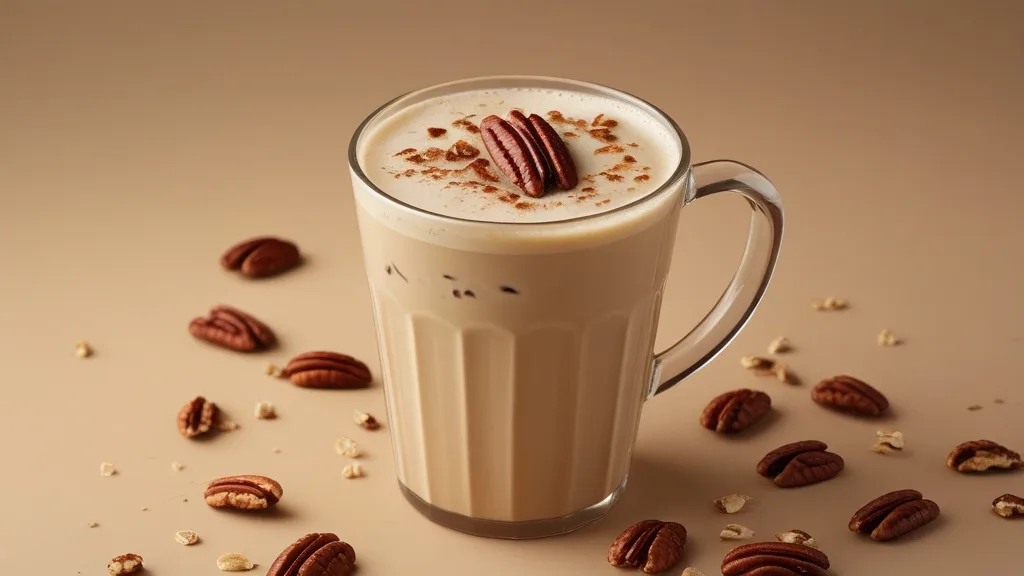
15. Iced Chai Espresso Latte
Brew a strong chai using one chai tea bag steeped for five minutes in two ounces of hot water. Combine the chai concentrate with one shot of espresso, eight ounces of oat milk, and ice. The warming spices in the chai, including ginger, cloves, cardamom, and cinnamon, create so much flavor complexity that the absence of sugar is genuinely not noticeable. This recipe made me question why chai lattes at cafes need any sweetener at all.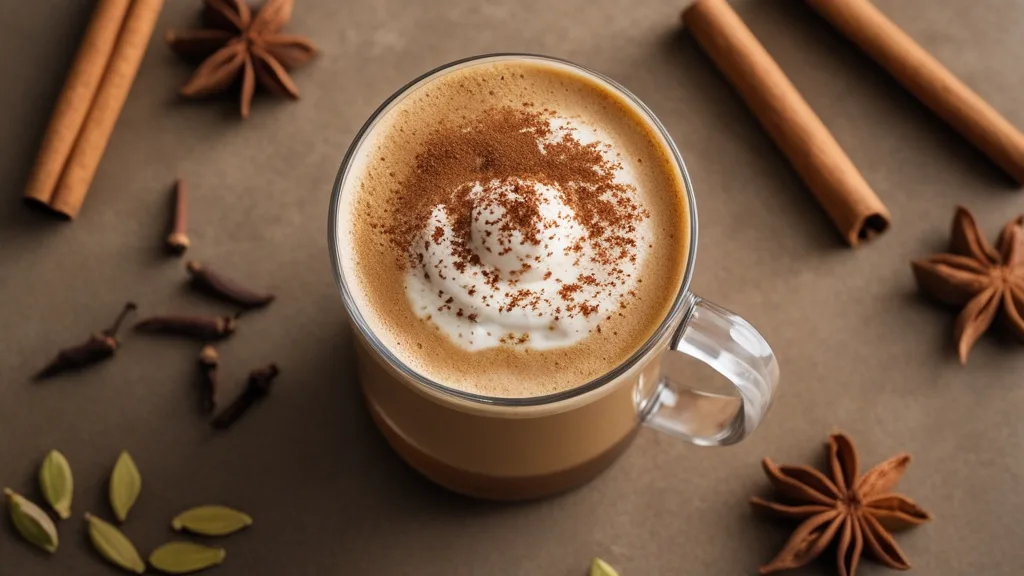
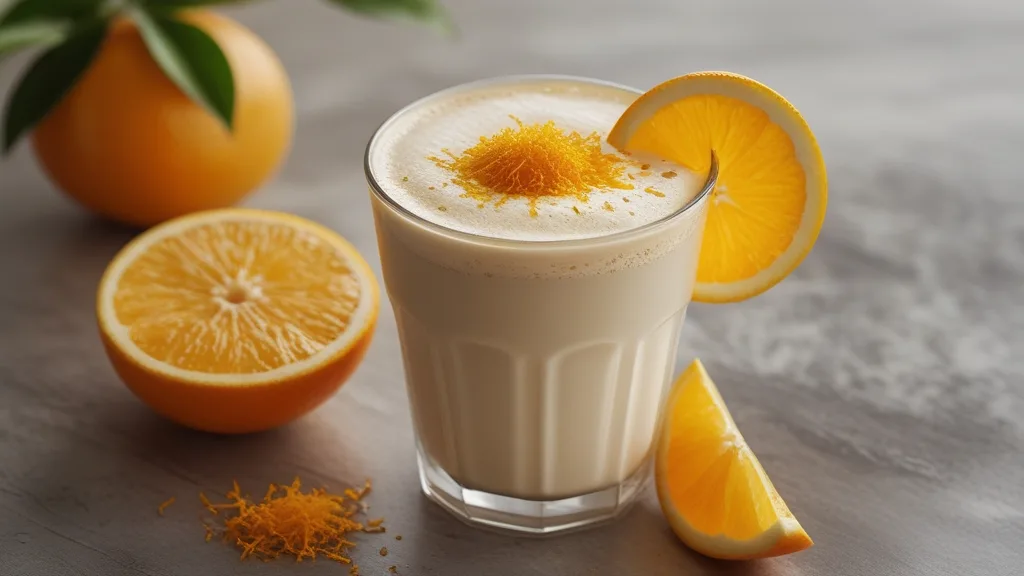
16. Iced Orange Zest Espresso
Zest half an orange directly into the hot espresso and let steep for two minutes before straining. Add eight ounces of whole milk or oat milk over ice. The orange oil from the zest infuses into the espresso and adds a bright citrus note that amplifies coffee’s natural fruity qualities. This is a Sicilian-influenced combination used in traditional Italian coffee culture and it is extraordinary. Use a Microplane grater for the finest zest and the best oil release.
Advanced and Specialty Sugar-Free Iced Latte Recipes (17 to 23)
17. Iced Tahini Date-Free Latte
One tablespoon of natural tahini (Soom Foods is the best widely available brand) whisked into the hot espresso until smooth and emulsified, eight ounces of oat milk, ice, and a pinch of sea salt. Tahini brings a sesame richness and a mild bitterness that interacts with coffee’s own bitterness to create a layered, complex flavor with no sweetness needed. This is the savory-leaning coffee drink for people who prefer their lattes less sweet.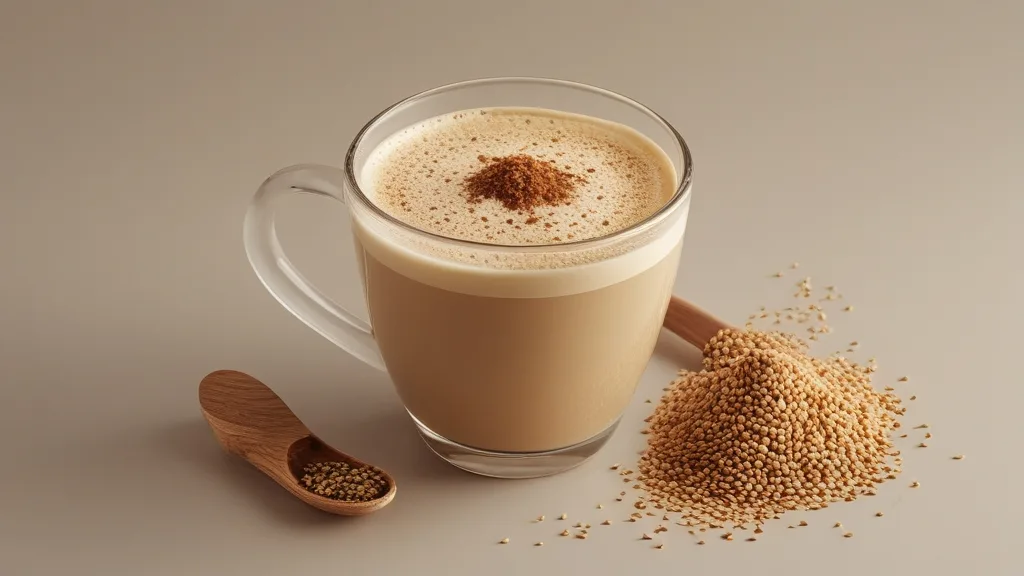
18. Iced Vanilla Cinnamon Cold Foam Latte
Cold foam is frothed cold milk, achievable without a steam wand. Combine four ounces of full-fat oat milk with half a teaspoon of vanilla extract and quarter teaspoon of cinnamon in a jar and shake vigorously for sixty seconds, or use an electric milk frother on cold milk for thirty seconds. Pour cold brew concentrate over ice, then spoon the cold foam over the top. The Zulay Milk Boss frother at around ten dollars is excellent for this and produces genuinely cafe-quality cold foam.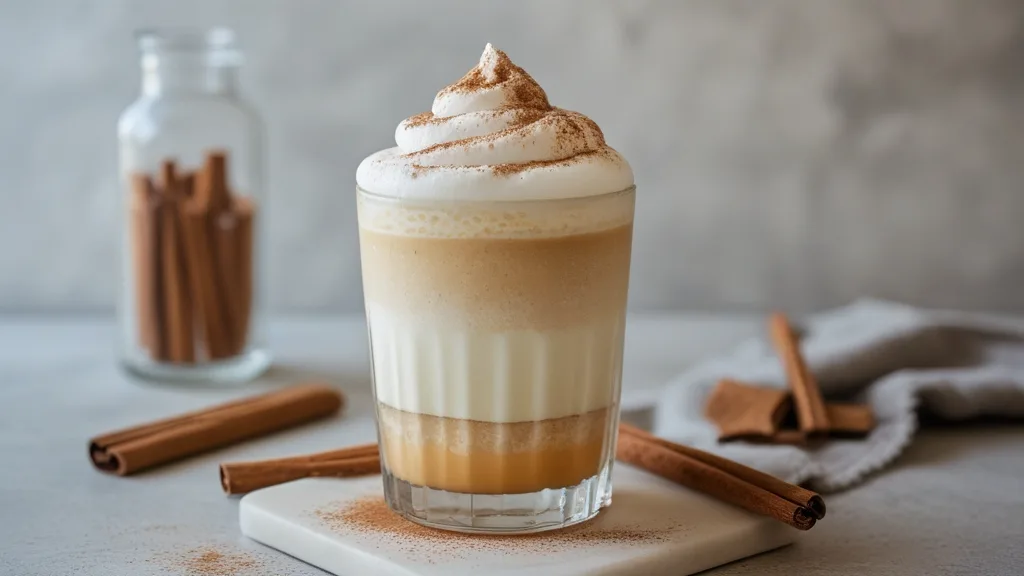
19. Iced Pistachio Milk Latte
Make pistachio milk by blending half a cup of raw shelled pistachios with two cups of cold water for sixty seconds in a high-speed blender, then strain through a nut milk bag or fine mesh sieve. This produces approximately one and a half cups of naturally sweet, green-tinted pistachio milk. Use eight ounces over double espresso and ice. The pistachio milk has a subtle natural sweetness and a distinctive flavor that you cannot approximate with any store-bought product. This is the recipe people ask about most when I serve it.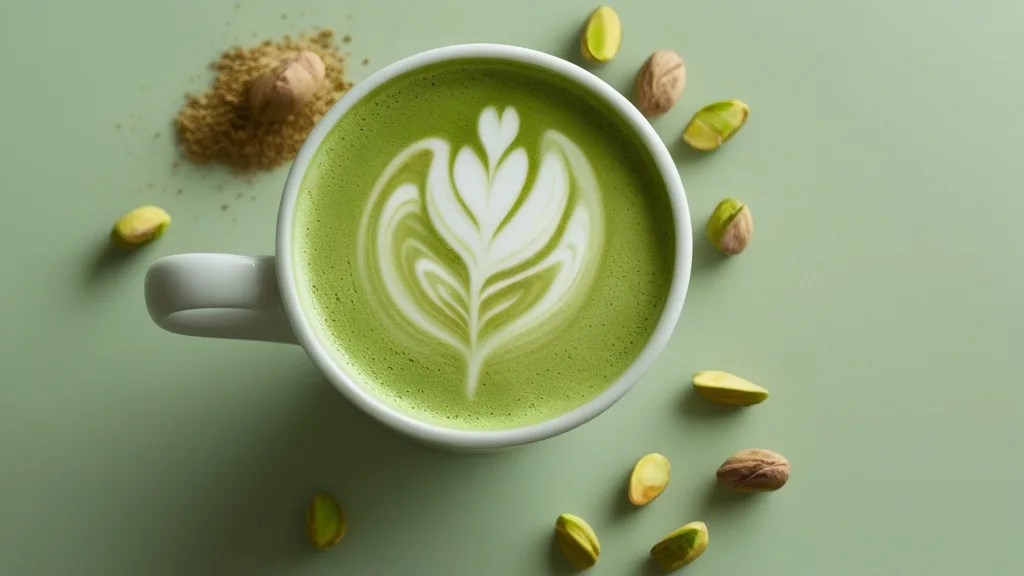
20. Iced Miso Coffee Latte
Half a teaspoon of white miso paste whisked into the hot espresso, eight ounces of oat milk, ice. White miso is the mildest variety and contributes umami depth rather than saltiness when used in this quantity. The miso transforms the espresso’s sharp bitterness into a rounder, almost caramel-like flavor without any sweetener. This sounds more unusual than it tastes. It is genuinely one of the most sophisticated drinks in this collection.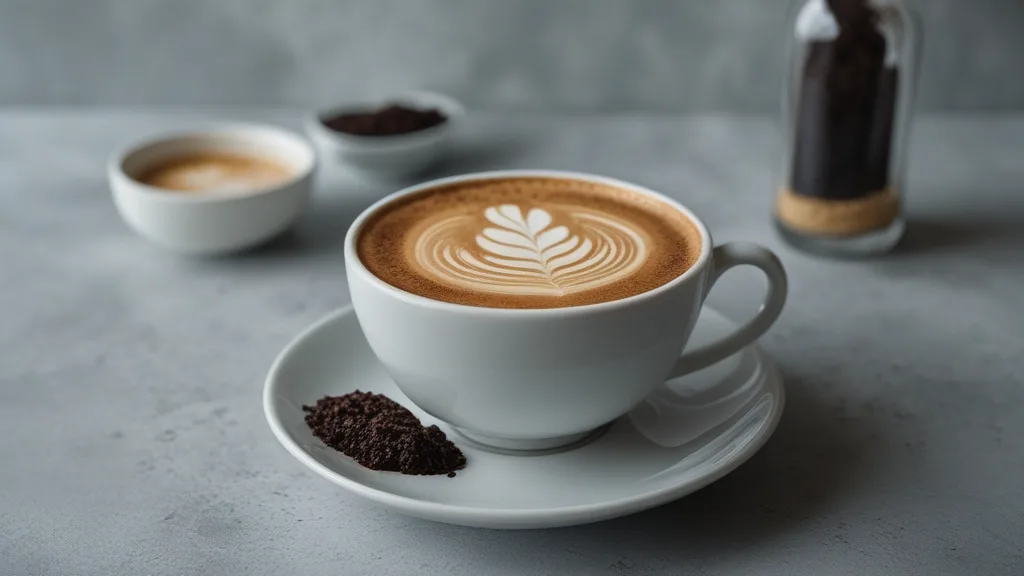
21. Iced Saffron Cardamom Latte
Steep a generous pinch of saffron threads in the hot espresso for five minutes. Add quarter teaspoon of ground cardamom and eight ounces of full-fat milk or oat milk over ice. Saffron is expensive per gram but a pinch, perhaps ten to fifteen threads, costs pennies per drink from a purchased jar. Rumi Spice and La Mancha Saffron are both quality sources. The resulting drink is extraordinary: floral, golden-hued, and intensely aromatic in a way that requires no sweetness to feel complete.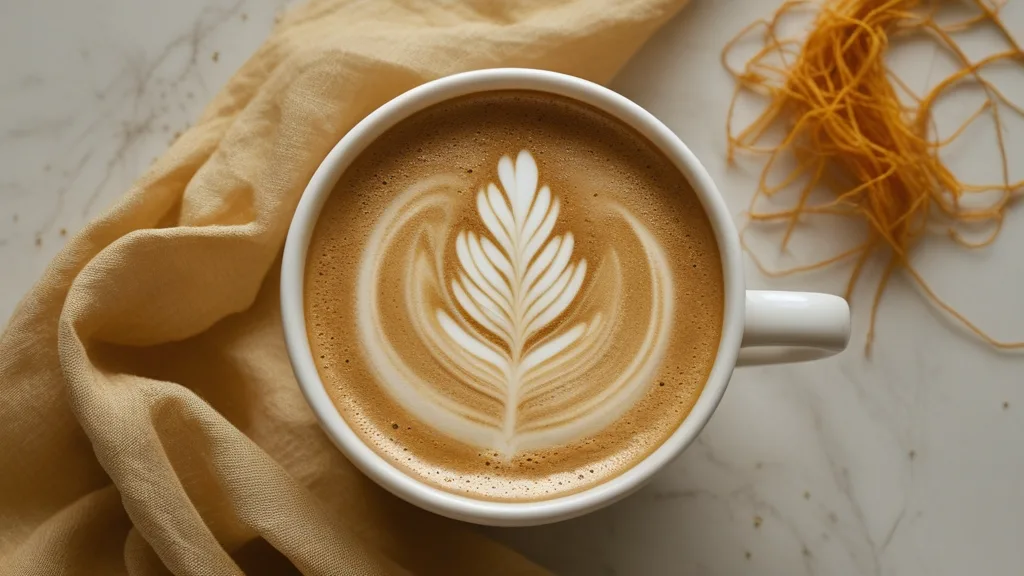
22. Iced Cacao Nib Espresso
Steep one tablespoon of raw cacao nibs in the hot espresso for five minutes, then strain. Add eight ounces of full-fat oat milk over ice. Raw cacao nibs contain theobromine, which has a mild stimulant effect similar to caffeine, and they contribute a deep, earthy chocolate bitterness to the espresso that rounds the flavor beautifully. This is the most naturally energizing drink in this list beyond the caffeine in the espresso itself.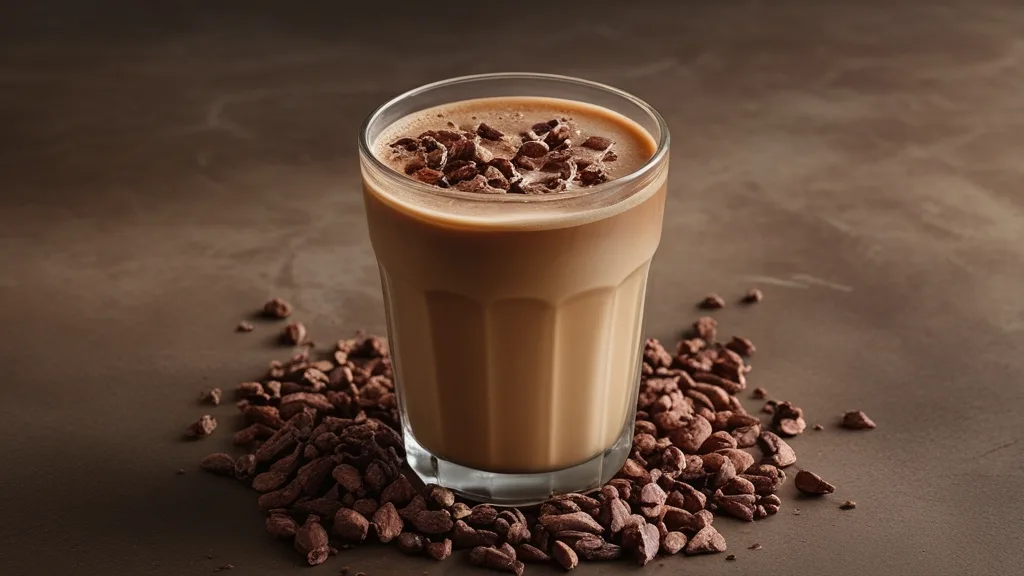
23. The Master Iced Latte Without Sugar
This is the recipe I reach for when I want something that tastes like a cafe created it specifically for someone who knows coffee. Double shot of high-quality Ethiopian Yirgacheffe espresso, eight ounces of Oatly Full Fat Oat Milk, quarter teaspoon of Ceylon cinnamon, eighth teaspoon of cardamom, two drops of rose water, and half a teaspoon of pure vanilla extract, all stirred together over ice. Every element amplifies the natural flavor compounds already present in the coffee. The result tastes sweet, complex, and layered without containing a gram of added sugar.
All 23 Recipes at a Glance
| # | Recipe Name | Key Flavor Agent | Milk Choice | Calories | Difficulty |
| 1 | Pure Vanilla Iced Latte | Vanilla extract | Oat milk | ~90 | Beginner |
| 2 | Cinnamon Oat Milk Latte | Ceylon cinnamon | Oat milk | ~95 | Beginner |
| 3 | Cardamom Rose Latte | Cardamom, rose water | Oat or whole milk | ~90 | Beginner |
| 4 | Cold Brew Vanilla Almond | Vanilla extract | Almond milk | ~60 | Beginner |
| 5 | Coconut Espresso | Coconut milk, sea salt | Coconut milk | ~85 | Beginner |
| 6 | Classic Americano Latte | Diluted espresso | Whole milk | ~70 | Beginner |
| 7 | Hazelnut Extract Latte | Hazelnut extract | Oat milk | ~95 | Beginner |
| 8 | Black Sesame Latte | Black sesame paste | Oat milk | ~130 | Intermediate |
| 9 | Pumpkin Spice Latte | Pumpkin puree, spices | Oat milk | ~100 | Intermediate |
| 10 | Lavender Iced Latte | Culinary lavender | Oat milk | ~90 | Intermediate |
| 11 | Matcha Espresso Fusion | Ceremonial matcha | Oat milk | ~100 | Intermediate |
| 12 | Turmeric Golden Latte | Turmeric, black pepper | Coconut milk | ~120 | Intermediate |
| 13 | Chocolate Mint Latte | Cocoa, peppermint | Oat milk | ~100 | Beginner |
| 14 | Brown Butter Pecan | Browned butter | Oat milk | ~130 | Intermediate |
| 15 | Chai Espresso Latte | Chai tea, warm spices | Oat milk | ~95 | Beginner |
| 16 | Orange Zest Espresso | Fresh orange zest | Whole or oat milk | ~90 | Beginner |
| 17 | Tahini Latte | Tahini, sea salt | Oat milk | ~140 | Intermediate |
| 18 | Vanilla Cinnamon Cold Foam | Cold foam, vanilla | Oat milk | ~100 | Intermediate |
| 19 | Pistachio Milk Latte | Homemade pistachio milk | Pistachio milk | ~150 | Advanced |
| 20 | Miso Coffee Latte | White miso paste | Oat milk | ~95 | Intermediate |
| 21 | Saffron Cardamom Latte | Saffron, cardamom | Whole or oat milk | ~95 | Advanced |
| 22 | Cacao Nib Espresso | Raw cacao nibs | Oat milk | ~100 | Intermediate |
| 23 | The Master Iced Latte | Multi-spice blend | Oat milk | ~100 | Intermediate |
The Cost Reality: Homemade vs Cafe Iced Lattes
| Option | Cost Per Drink | Added Sugar | Calories | Quality Control |
| Homemade (basic recipe) | $0.60 to $0.90 | 0 grams | 60 to 100 | Complete |
| Homemade (specialty recipe) | $1.00 to $1.50 | 0 grams | 90 to 150 | Complete |
| Starbucks Iced Latte (Grande) | $5.25 to $5.75 | 0 grams (plain) | 130 | Variable |
| Starbucks Vanilla Sweet Cream | $5.75 to $6.25 | 28 grams | 250 | Variable |
| Dunkin Iced Caramel Latte (M) | $4.50 to $5.00 | 38 grams | 280 | Variable |
| Independent cafe iced latte | $5.00 to $7.00 | Varies 0 to 45g | 100 to 300 | Variable |
| Bottled ready-to-drink latte | $3.00 to $4.50 | 15 to 30 grams | 150 to 250 | Consistent |
Cost figures for homemade drinks are based on US grocery pricing as of early 2025, using quality ingredients. Cafe prices reflect approximate US averages. A daily homemade iced latte saves between four and five dollars per day compared to a cafe equivalent, amounting to roughly 1,500 dollars per year for a daily coffee drinker.
Equipment That Genuinely Improves Your Iced Latte
Espresso Machine
For the best results, an espresso machine produces coffee with the intensity and crema that no other brewing method replicates. The Breville Barista Express BES870XL at around seven hundred dollars is the best all-in-one machine with a built-in grinder. The De’Longhi EC685 Dedica at around two hundred fifty dollars is the best value compact option. For those unwilling to invest in a machine, the Bialetti Moka Express produces espresso-strength coffee at around thirty dollars.
Electric Milk Frother
The Zulay Milk Boss at around ten dollars produces excellent cold and hot foam for home use. The Breville Milk Cafe BMF600XL at around one hundred dollars produces barista-level microfoam. For cold foam specifically, a handheld battery frother is sufficient and costs under fifteen dollars. Any frother is better than no frother for the recipes that call for textured milk.
Coffee Grinder
Pre-ground coffee loses its aromatic compounds within hours of grinding. A burr grinder produces consistent particle sizes that extract evenly. The Baratza Encore at around one hundred seventy dollars is the most recommended entry-level burr grinder in specialty coffee circles. The OXO Brew Conical Burr Grinder at around one hundred dollars is an excellent alternative. Even the Hario Mini Mill hand grinder at around thirty dollars produces far better results than pre-ground coffee.
The Mistakes I Made Developing These Recipes
Using Imitation Vanilla Extract
Imitation vanilla extract is made from vanillin derived from wood pulp or coal tar rather than actual vanilla beans. It has a sharp, artificial quality that becomes pronounced in cold applications. In a hot drink, it is less noticeable. In an iced latte at full cold temperature, imitation vanilla tastes distinctly synthetic. Pure vanilla extract costs more but the difference in flavor is significant and immediately noticeable. Nielsen-Massey Pure Vanilla Extract is the gold standard. Trader Joe’s Pure Vanilla Extract is excellent value.
Adding Too Much of Any Single Flavoring
The recipes above specify small quantities of flavor enhancers for a reason. A quarter teaspoon of cardamom tastes floral and interesting. Half a teaspoon tastes medicinal. Two drops of rose water tastes elegant. A quarter teaspoon tastes like soap. The power of these natural flavor compounds is much higher than sugar-based syrups, which need large quantities to make an impact. Start with the recommended amounts and adjust very gradually upward.
Using Low-Quality Coffee
This mistake is more consequential in sugar-free lattes than in sweetened ones because you cannot hide poor coffee behind four teaspoons of syrup. Stale, pre-ground grocery store coffee exposes every flaw when it is not masked by sweetness. The investment in freshly roasted whole bean coffee and a basic grinder pays off more noticeably in a sugar-free latte than in any other coffee preparation. Your coffee is the hero of the drink and it needs to be capable of that role.
Skipping the Ice Dilution Calculation
Standard ice cubes melt and dilute your drink significantly over five to ten minutes. If you make an iced latte and drink it over twenty minutes, the final third of the drink tastes watered down. Use large ice cubes, which melt more slowly due to lower surface-area-to-volume ratios. Tovolo King Cube Ice Trays produce cubes approximately 1.75 inches on each side and make a noticeable difference in how long your iced latte stays properly concentrated. They cost around twelve dollars.
Frequently Asked Questions
What can I use instead of sugar to sweeten an iced latte?
The most effective sugar alternatives for iced lattes are pure vanilla extract for warmth and perceived sweetness, cinnamon for aromatic sweetness, liquid stevia for direct sweetness without calories, monk fruit sweetener which dissolves well in cold liquids, and date syrup for a natural caramel sweetness. Monk fruit sweetener is my personal preference when actual sweetness is desired because it behaves like sugar in cold drinks without a bitter aftertaste. Lakanto and Now Foods both make quality monk fruit products.
Does an iced latte without sugar taste bitter?
No, when made correctly. The bitterness perception in coffee comes primarily from over-extraction during brewing, which happens when coffee is brewed at too high a temperature for too long. Properly extracted espresso or cold brew has natural sweetness and complexity. The flavor enhancers in these recipes, vanilla, cinnamon, spices, and quality milk, create perceived sweetness through aroma and natural compounds. Most people who try a well-made sugar-free iced latte comment that it tastes sweeter than they expected.
Which milk makes the best sugar-free iced latte?
Full-fat oat milk is the best overall choice for sugar-free iced lattes due to its natural sweetness, creamy texture, and ability to froth cold. Oatly Full Fat and Califia Farms Oat Barista Blend are both excellent. For the lowest calorie option, unsweetened almond milk works well with light flavor profiles. For the richest texture and most natural sweetness without dairy, full-fat coconut milk from a carton is outstanding.
How do I make cold brew at home for iced lattes?
Combine one cup of coarsely ground coffee (the texture of raw sugar) with four cups of cold filtered water in a large jar or pitcher. Stir gently to saturate all the grounds. Cover and refrigerate for twelve to eighteen hours. Strain through a fine mesh sieve lined with a paper coffee filter or a dedicated cold brew pitcher. The resulting concentrate keeps for two weeks. Use two ounces of concentrate per drink diluted with milk and ice. The Takeya Cold Brew Coffee Maker at around thirty dollars makes this process consistently excellent.
Can I make these iced lattes with instant coffee?
Yes, with limitations. Good-quality instant espresso powder, specifically Medaglia d’Oro or Cafe Bustelo Espresso Instant Coffee, produces an acceptable base for most of these recipes. Standard instant coffee is too mild and lacks the intensity needed for a proper iced latte. Dissolve two teaspoons of instant espresso powder in two tablespoons of hot water to create an espresso substitute. The flavor complexity of real espresso or cold brew is noticeably superior, but instant espresso is a reasonable weekday shortcut.
What is the difference between an iced latte and iced coffee without sugar?
An iced latte uses espresso or espresso-strength coffee combined with milk, typically in a two-to-three ratio of espresso to milk. Iced coffee uses regular drip-strength coffee and may or may not include milk. The key difference is concentration and texture. An iced latte has a richer, creamier character because the milk constitutes a larger proportion of the drink. Iced coffee is lighter and more refreshing. Both can be made without sugar using the techniques in this guide.
How long does homemade cold brew last in the refrigerator?
Cold brew concentrate keeps safely in the refrigerator for up to two weeks in an airtight container. After two weeks, the flavor begins to deteriorate and takes on a slightly sour or flat character. Full-strength cold brew (not concentrated) keeps for one week. Always store in a sealed glass container rather than plastic, which absorbs coffee compounds and imparts off-flavors over time. A dedicated cold brew pitcher with a built-in strainer makes storage and pouring cleaner.
Are these recipes suitable for people with diabetes?
The recipes in this guide contain no added sugar and are made with unsweetened milks where specified, making them appropriate for most blood sugar management approaches. However, some milk choices like oat milk contain naturally occurring sugars and carbohydrates that affect blood sugar. Unsweetened almond milk or coconut milk are the lowest-carbohydrate options for people monitoring glucose closely. Consult your healthcare provider or registered dietitian for guidance specific to your situation.
The Five-Dollar Daily Habit You Can Replace in Twenty Minutes
Three years ago I paid four dollars and seventy-five cents for a drink that contained forty-two grams of sugar and tasted primarily of sweetness rather than coffee. Today I make an iced latte that costs under a dollar, tastes more complex and interesting than anything I have ordered at a chain, and takes under five minutes from refrigerator to glass.
That is not a small change. Assuming one iced latte per day, the cost difference between a daily five-dollar cafe drink and a daily homemade one amounts to approximately fifteen hundred dollars per year. The nutritional difference, at forty-plus grams of sugar daily versus zero, adds up to something that registered dietitians would describe as clinically significant over months and years.
But the argument I find most compelling is not financial or nutritional. It is sensory. A well-made sugar-free iced latte lets you taste the coffee. The Ethiopian Yirgacheffe’s blueberry notes, the Colombian’s caramel character, the spice and warmth of cinnamon and cardamom doing something interesting alongside the roast. Sugar masks all of that. Removing it reveals a beverage that has been beautiful and complex all along.
Start with recipe one or two. Make them three times each. Then explore the flavor agents that interest you most. The cardamom rose latte if you want elegance. The brown butter pecan if you want indulgence. The miso coffee if you want to genuinely surprise yourself.
Which of these twenty-three recipes sounds most appealing to you, and is there a flavor combination you want to explore that I have not covered in this list?
Note: Calorie estimates are approximate and vary by specific ingredient brands, portion sizes, and preparation methods. Individuals with diabetes or specific dietary conditions should consult a healthcare provider before making significant changes to beverage habits. Coffee pricing and product availability vary by region.