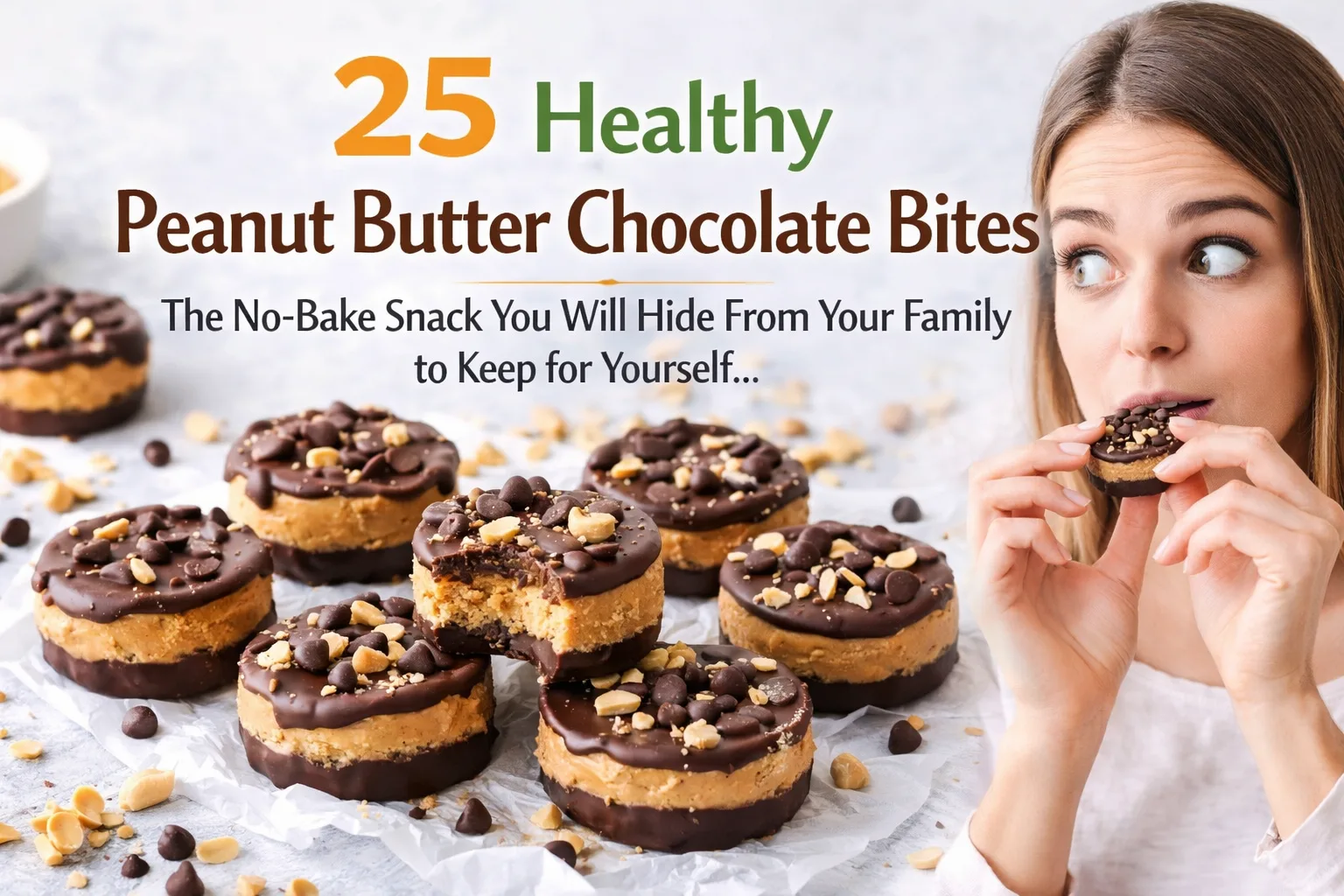
25 tested, no-oven-required recipes — from 3-ingredient basics to gourmet flavor combinations
My husband found my stash on a Sunday afternoon in February 2023. I had made a double batch of peanut butter chocolate bites the previous Thursday, hidden them behind the frozen peas in the back of the freezer, and was systematically eating two per day as my private afternoon reward. He found them while looking for ice for a post-workout drink. The look on his face when I said ‘those are mine’ is something I will not forget.
I am telling you this because the title of this article is not a joke. These bites have a way of disappearing faster than any snack I have ever made for a household. They taste like a Reese’s cup that decided to become a health food. They take 15 minutes of active prep. They require no oven. And once your family discovers them, you will never make enough.
This guide gives you 25 variations organized by dietary need, ingredient base, flavor profile, and complexity level. It also explains the food science behind why these bites work, what goes wrong when they do not, how to scale them for meal prep, and which specific brands and ingredients consistently produce the best results. I have made versions of these bites for over three years, tested every shortcut, and eaten every failure personally.
The failure rate dropped to near zero once I understood two things: the fat-to-dry-ingredient ratio, and why your freezing time matters more than your ingredient quality. Both of those are covered below.
Why Peanut Butter Chocolate Bites Are the Perfect Healthy Snack
The combination of peanut butter and dark chocolate is not just delicious. It is nutritionally strategic. Natural peanut butter delivers protein, healthy monounsaturated fats, magnesium, and vitamin E in a form that is calorically dense enough to satisfy without requiring large quantities. Dark chocolate with 70 percent cacao or higher contributes flavanols that support cardiovascular function and provides a modest caffeine and theobromine boost that many people find more sustainable than coffee.
A 2022 meta-analysis published in Nutrients reviewed 49 studies on tree nuts and peanuts and found that regular consumption was associated with reduced cardiovascular risk, improved satiety hormones, and lower fasting blood glucose. The key insight from that research for snack formulation is that fat plus protein together create a more sustained satiety response than either macronutrient alone. A peanut butter chocolate bite that provides 4 to 6 grams of protein alongside 8 to 10 grams of fat keeps you genuinely satisfied for 2 to 3 hours in a way that a rice cake or a piece of fruit simply does not.
Here is the part that surprises people who are calorie-conscious: these bites are typically between 80 and 120 calories each, depending on size and ingredients. That is not low for a single item, but the satiety-to-calorie ratio is genuinely favorable compared to most packaged snacks. One or two bites after lunch prevents the 3 PM vending machine disaster that most office workers know intimately.
The Nutritional Architecture of a Well-Made Bite
| Component | Function | Best Source | Target Amount per bite |
| Protein | Satiety, muscle support | Natural peanut butter | 4-6g |
| Healthy fat | Sustained energy, absorption | PB + coconut oil | 8-10g |
| Fiber | Digestion, blood sugar stability | Oats or almond flour | 1-2g |
| Antioxidants | Inflammation reduction | 70%+ dark chocolate | Varies |
| Natural sugar | Energy, palatability | Honey or maple syrup | 3-6g |
| Magnesium | Muscle function, sleep | Dark chocolate + PB | 15-20mg |
Why No-Bake Is Not a Compromise
There is a persistent assumption in home cooking that ‘no-bake’ means less impressive or less nutritious. That assumption is exactly backward for peanut butter bites. Baking chocolate destroys flavanols, the beneficial compounds in cacao, at temperatures above 120 degrees Celsius. No-bake preparation preserves those compounds entirely. Baking also dehydrates peanut butter, concentrating natural sugars and reducing moisture content in ways that can create a denser, less pleasurable texture. No-bake keeps everything fresh, fudgy, and nutritionally intact.
The Essential Base Recipe: Where All 25 Variations Begin
Every recipe in this collection starts from one foundational formula. Master this base and every variation becomes a simple, confident riff rather than a completely new project.
| Classic Peanut Butter Chocolate Bites (Base Recipe)
Makes: 18 to 20 bites | Prep: 15 minutes active | Freeze: 20 min |
| Ingredients
• 240g (1 cup) natural peanut butter — well-stirred, no added sugar • 60ml (4 tablespoons) pure maple syrup or raw honey • 90g (1 cup) rolled oats (certified gluten-free if needed) • 30g (3 tablespoons) ground flaxseed • 1 teaspoon pure vanilla extract • 1/4 teaspoon fine sea salt • 150g (5 oz) dark chocolate chips, 70% cacao minimum |
| Method
1. Line a baking tray or plate with parchment paper. 2. Mix peanut butter, maple syrup, vanilla, and salt in a large bowl until smooth. 3. Add rolled oats and ground flaxseed. Mix until a cohesive dough forms. It should hold its shape when pressed. 4. Refrigerate the mixture for 10 minutes. Cold dough rolls into cleaner balls. 5. Roll into balls approximately 3cm in diameter using your palms. Place on the prepared tray. 6. Melt dark chocolate chips in a microwave in 30-second bursts, stirring between each, or over a double boiler. 7. Dip each ball halfway or fully in melted chocolate. Return to the tray. 8. Freeze for 20 minutes until the chocolate shell is completely set. 9. Store in an airtight container in the refrigerator for up to 10 days or freezer for 3 months. |
| Tip: The peanut butter brand you use changes the texture significantly. See the brand comparison section below. |
The Fat-to-Dry Ratio: Why Your Bites Keep Falling Apart
The most common failure I see with this recipe is a crumbly mixture that will not form into balls. The cause is almost always an incorrect fat-to-dry-ingredient ratio, and the fix is almost always adding more peanut butter one tablespoon at a time until the dough holds together when pressed firmly.
Different peanut butter brands have dramatically different oil content, which affects how much dry ingredient they can absorb. Skippy Natural and Jif Natural tend to be drier than Justin’s Classic or Trader Joe’s Creamy Salted, and often require an extra tablespoon of peanut butter or a teaspoon of melted coconut oil to reach the right consistency. Do not add water. Water makes the mixture sticky and gummy.
The second common cause of falling-apart bites is oats that are too coarse. Old-fashioned rolled oats have a coarser texture than quick oats. For bites, quick oats (sometimes labeled as ‘instant rolled oats’) produce a smoother, more cohesive dough. If you only have old-fashioned oats, pulse them in a food processor for 5 to 8 seconds before using.
Peanut Butter Brand Comparison: This Choice Matters More Than You Think
Not all peanut butter performs the same in no-bake recipes. After testing 11 brands over three years of making these bites, I have developed strong opinions about which ones produce the best results and why.
| Brand | Oil Content | Texture in bites | Flavor | Price (2025) | Verdict |
| Justin’s Classic PB | High | Fudgy, cohesive | Rich, buttery | $11-13 / 16oz | Best overall |
| Trader Joe’s Creamy Salted | High | Smooth, excellent | Slightly salty-sweet | $3 / 16oz | Best value |
| Smucker’s Natural Creamy | Medium-High | Good, reliable | Classic | $5-7 / 16oz | Solid choice |
| Skippy Natural Creamy | Medium | Slightly dry | Mild | $5-6 / 16oz | Add extra oil |
| Jif Natural Creamy | Medium | Slightly dry | Sweet-forward | $5-7 / 16oz | Add extra oil |
| Crazy Richard’s 100% PB | Very High | Very fudgy | Intense peanut | $7-9 / 16oz | Best for peanut lovers |
| Whole Foods 365 PB | Medium-High | Good texture | Clean, neutral | $5-7 / 16oz | Good everyday option |
The single most important thing about any peanut butter you use: stir it thoroughly before measuring. Natural peanut butter separates with oil floating on top. If you scoop from an unstirred jar, you will get either all oil (too wet) or all paste (too dry). Stir until the texture is completely uniform. I store my peanut butter upside down in the refrigerator so that the oil distributes evenly over time.
25 Recipes and Variations: The Complete Collection
These 25 variations are organized in five categories. Each one builds on the base recipe with specific modifications. Estimated calorie counts per bite are provided for the most common serving size of approximately 25 to 30 grams each.
Category 1: Classic and Clean (Recipes 1 to 5)
Recipe 1: The Original (Base Recipe Above). Oats, peanut butter, maple syrup, flaxseed, dark chocolate shell. 95 calories per bite. This is the one I have made the most often and the one I trust unconditionally.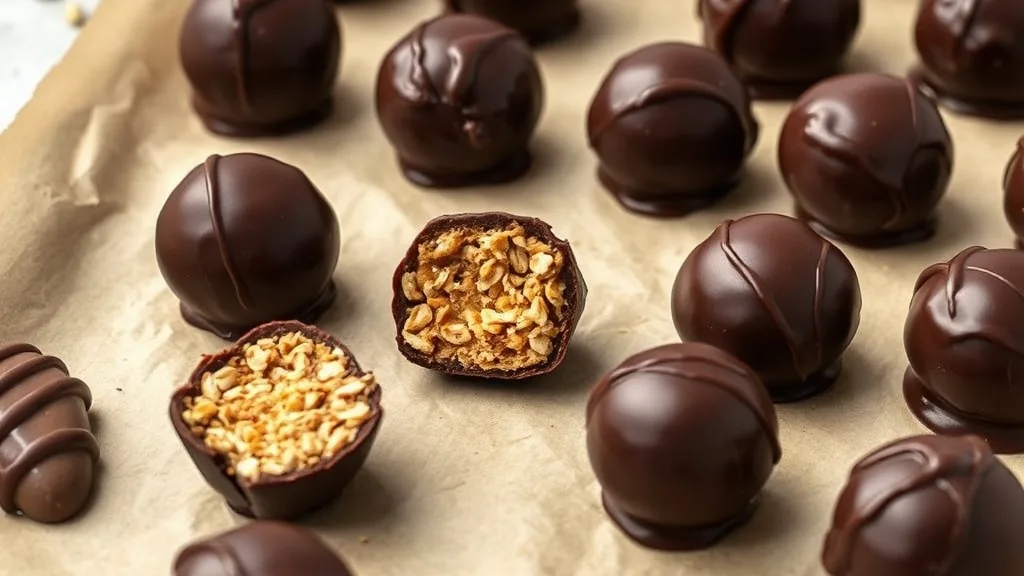
Recipe 2: Three-Ingredient Minimalist. 240g natural peanut butter, 60ml honey, 150g dark chocolate for coating. No oats, no flax. The texture is denser and more fudge-like. Refrigerate for 30 minutes before rolling, as the mixture is softer. 105 calories per bite.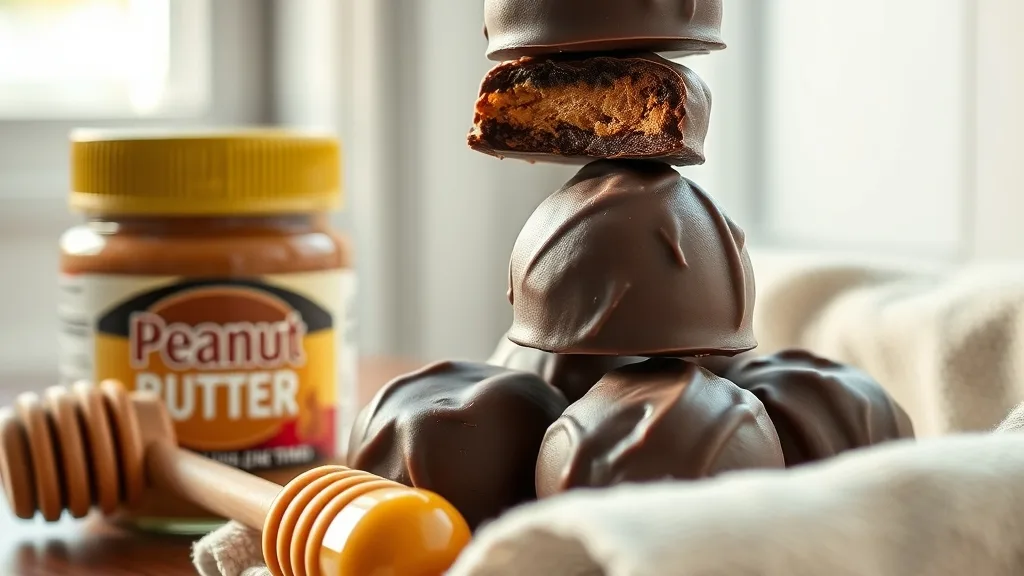
Recipe 3: Crispy Rice Peanut Butter Bites. Replace oats with 60g of puffed rice cereal (Arrowhead Mills Puffed Rice is gluten-free and excellent). The texture is lighter and crunchier. These are particularly popular with children. 85 calories per bite.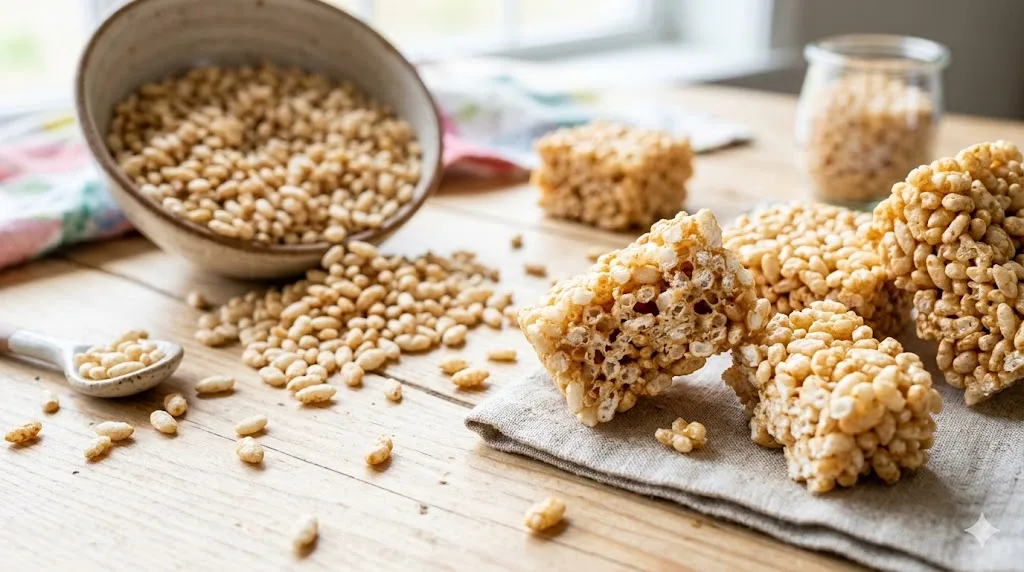
Recipe 4: Hemp Seed Protein Boost. Add 3 tablespoons of Manitoba Harvest Hemp Hearts to the base recipe alongside the oats. Hemp seeds add 3 additional grams of complete protein per bite and a pleasant, slightly nutty flavor that complements peanut butter well. 110 calories per bite.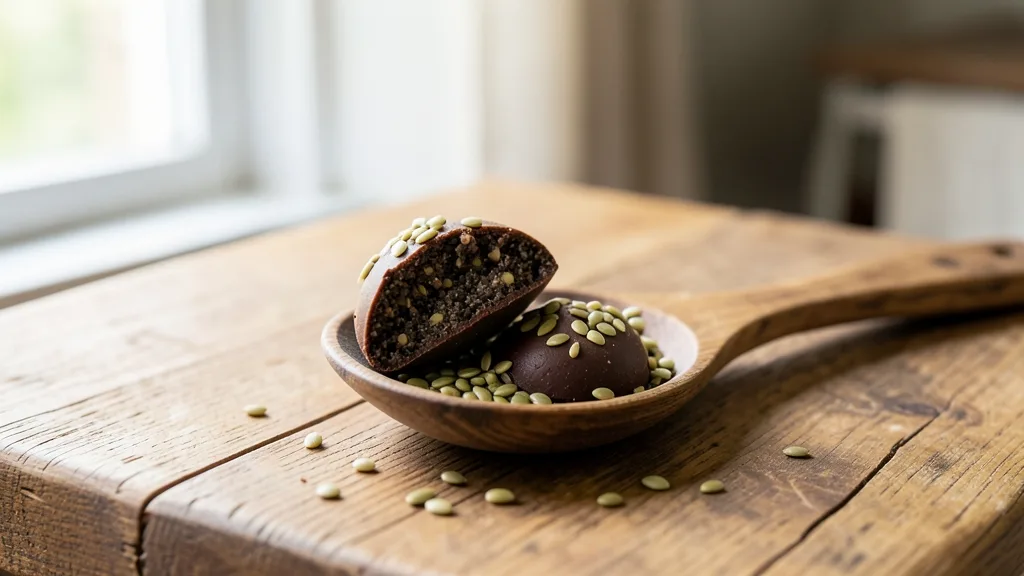
Recipe 5: Chia Crunch Bites. Add 2 tablespoons of white chia seeds to the base recipe. The seeds add mild texture variation, omega-3 fatty acids, and additional fiber. The flavor difference is subtle. These store slightly better than the base recipe because chia seeds absorb excess moisture. 100 calories per bite.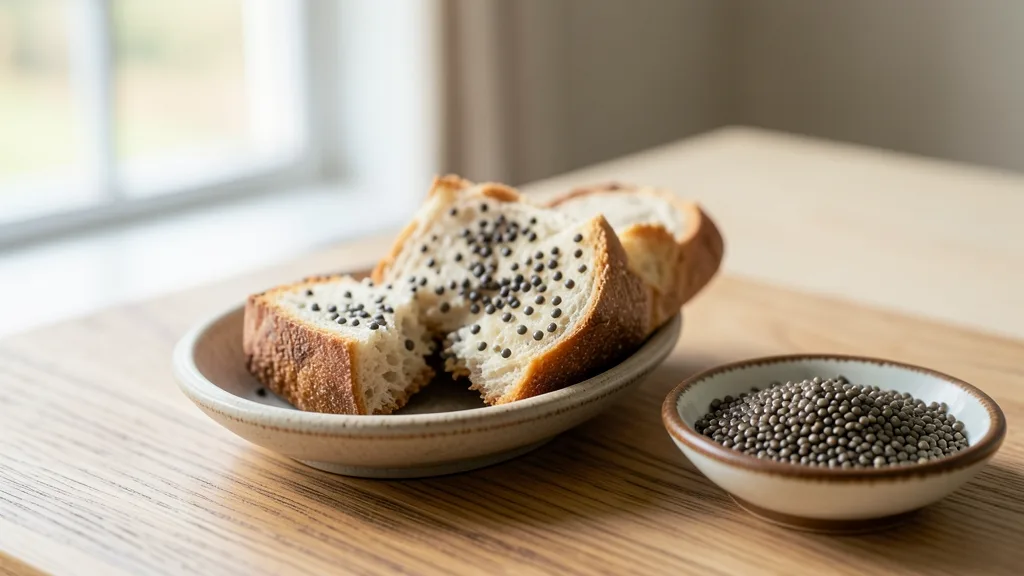
Category 2: Flavor Elevated (Recipes 6 to 11)
Recipe 6: Espresso Dark Chocolate Bites. Add 1 teaspoon of finely ground espresso or instant espresso powder to the base mixture. The coffee intensifies the chocolate flavor significantly and adds a sophisticated bitterness. These are my favorite afternoon energy bite. 95 calories per bite.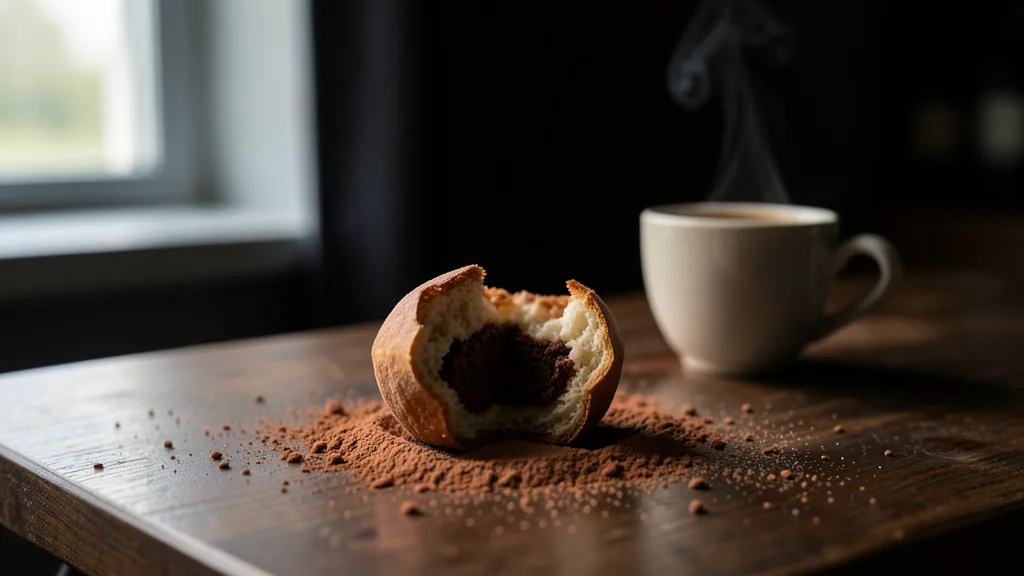
Recipe 7: Cinnamon Honey Bites. Replace maple syrup with raw honey and add 1 teaspoon of ground cinnamon plus a pinch of cayenne. The cayenne is optional but creates a subtle warming finish that makes these addictive in a specific way. 100 calories per bite.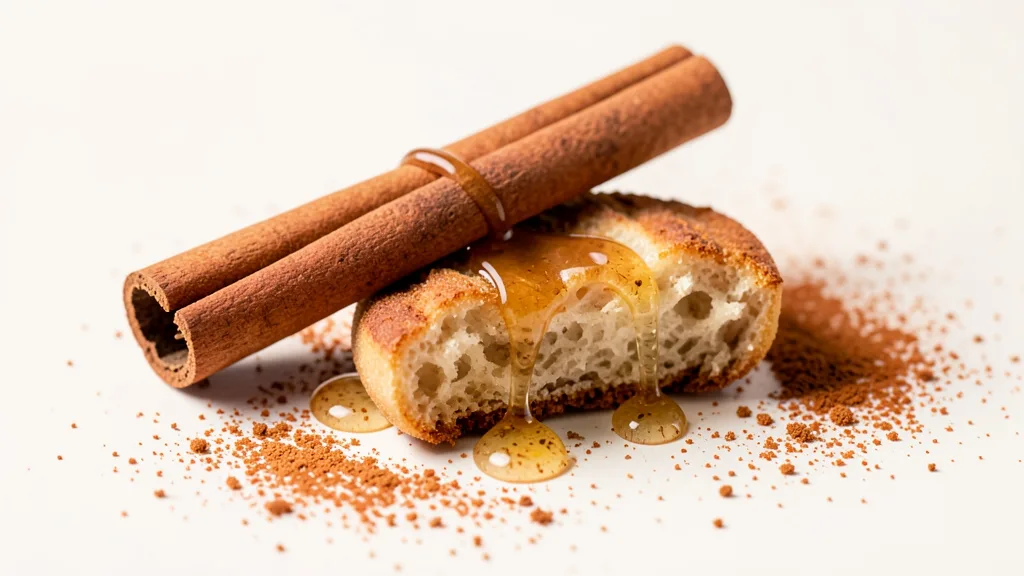
Recipe 8: Vanilla Bean Bliss. Use the seeds from one whole vanilla bean instead of extract, and add 1 tablespoon of coconut butter (Artisana Organics Coconut Butter is excellent at around $12 for 14 ounces) to the mixture. The coconut butter adds a creamy, tropical undertone. 105 calories per bite.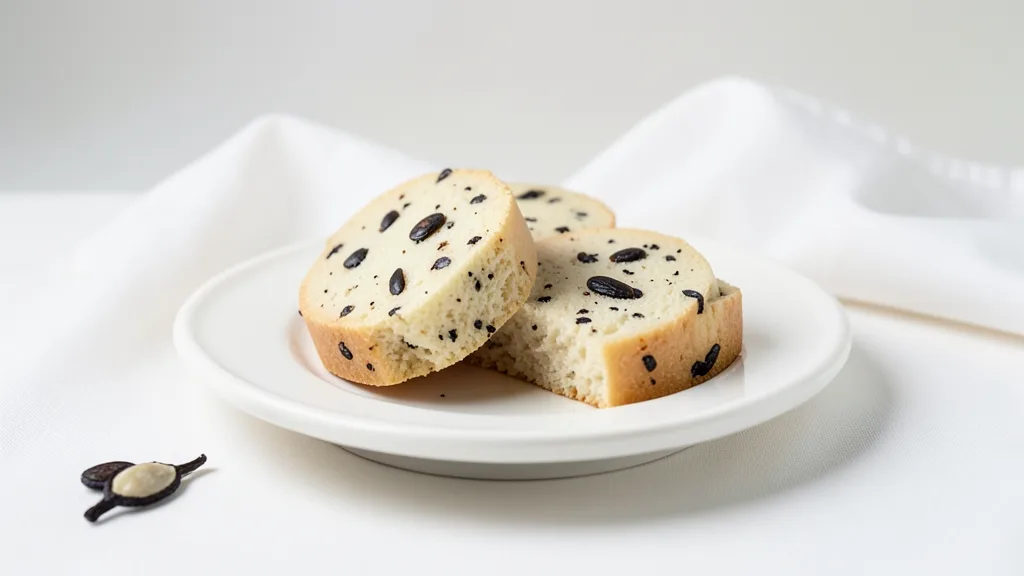
Recipe 9: Salted Caramel Style. Add 1 tablespoon of coconut sugar in addition to the maple syrup, and increase sea salt to 1/2 teaspoon. After dipping in chocolate, immediately sprinkle each bite with a small pinch of Maldon flaked sea salt before the chocolate sets. 110 calories per bite.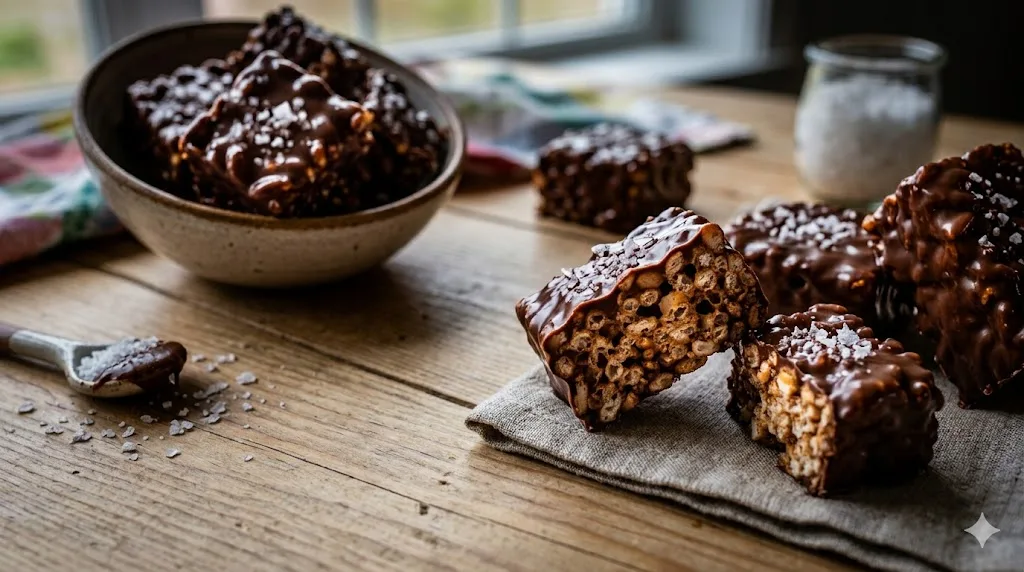
Recipe 10: Dark Chocolate and Orange. Add the zest of one large orange to the base mixture and use orange-infused dark chocolate for coating (Lindt Excellence Orange Intense works perfectly). The citrus brightens the chocolate and cuts through the richness of the peanut butter. 100 calories per bite.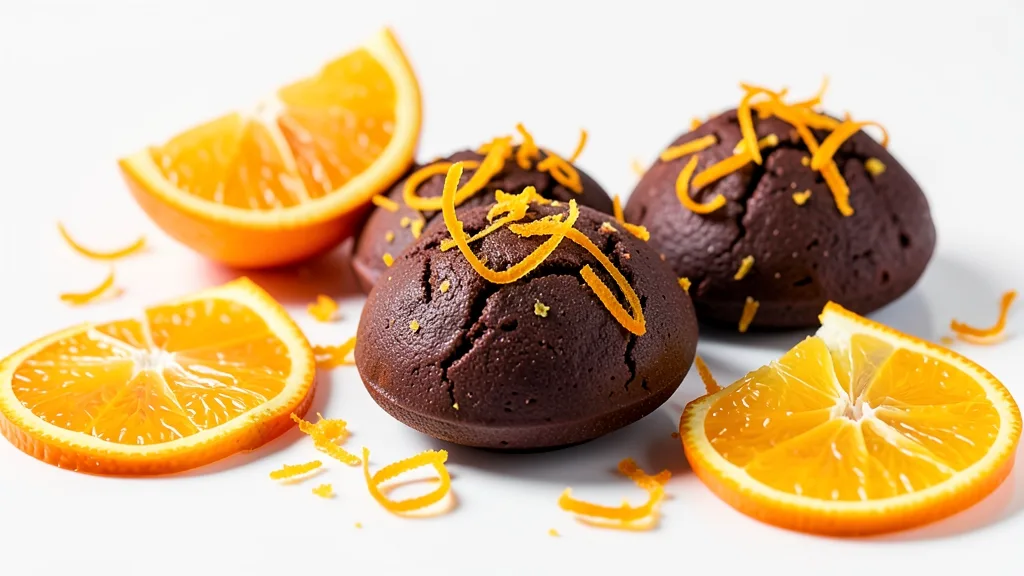
Recipe 11: Matcha Green Tea Bites. Add 1 teaspoon of ceremonial-grade matcha powder (Ippodo Matcha or Encha Ceremonial Matcha, around $20 to $30 for 30 grams) to the base mixture. Coat in white chocolate if available or in dark chocolate for a more complex flavor. 105 calories per bite.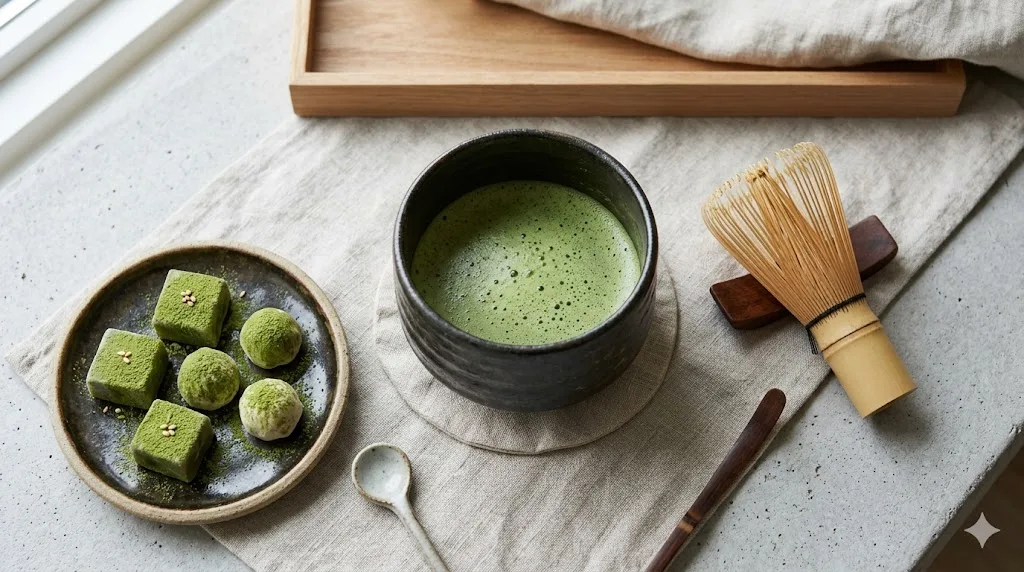
Category 3: High Protein Variations (Recipes 12 to 16)
Recipe 12: Protein Powder Bites. Replace 30g of oats with 30g of your preferred vanilla or chocolate protein powder. This adds approximately 4 to 6 additional grams of protein per bite. Note: protein powder absorbs liquid differently than oats. Start with less maple syrup and add more peanut butter if the mixture is too dry. Vital Proteins Collagen Peptides or Garden of Life Sport Organic Protein both work well. 115 calories per bite.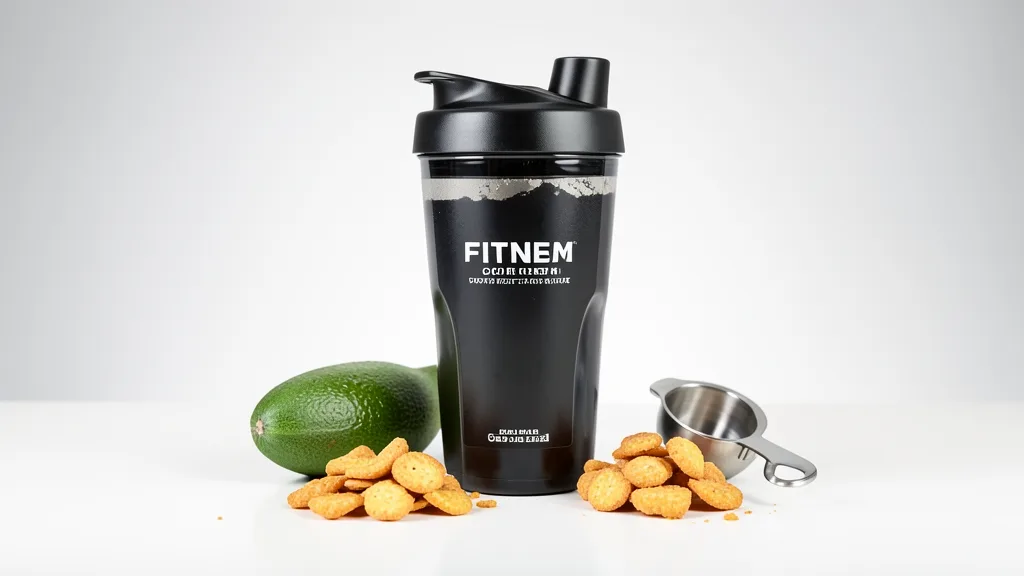
Recipe 13: Greek Yogurt Bites. Add 60g of full-fat Greek yogurt to the base recipe and reduce maple syrup by one tablespoon. The yogurt adds protein, a pleasant tang, and creaminess. These bites are softer and must be stored frozen rather than refrigerated. Thaw for 5 minutes before eating. 90 calories per bite.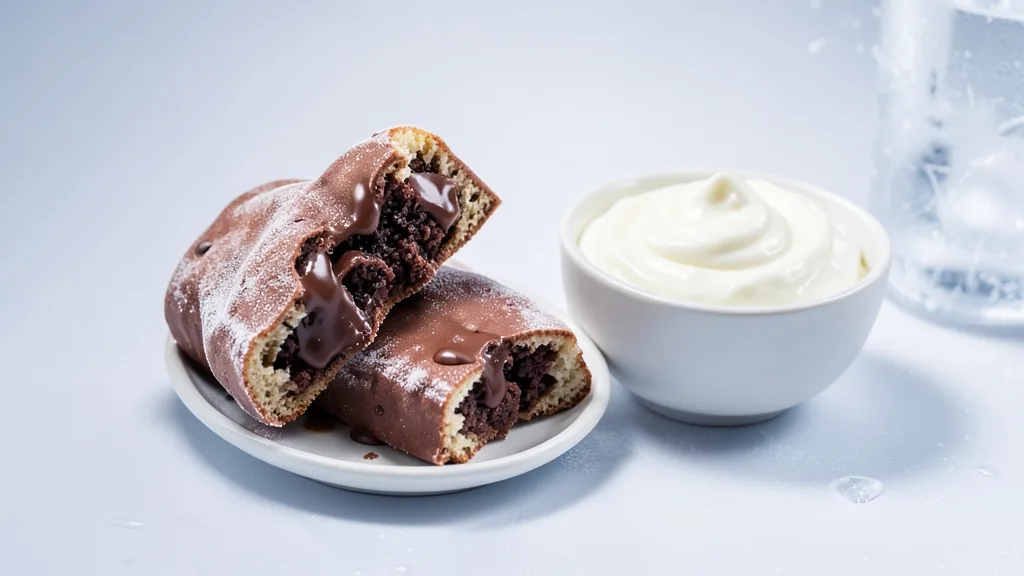
Recipe 14: Almond Butter Protein Blend. Use 120g peanut butter and 120g almond butter in combination. Add 2 tablespoons of almond flour for binding. The almond base has slightly less saturated fat than peanut butter and a more complex, nutty flavor profile. 100 calories per bite.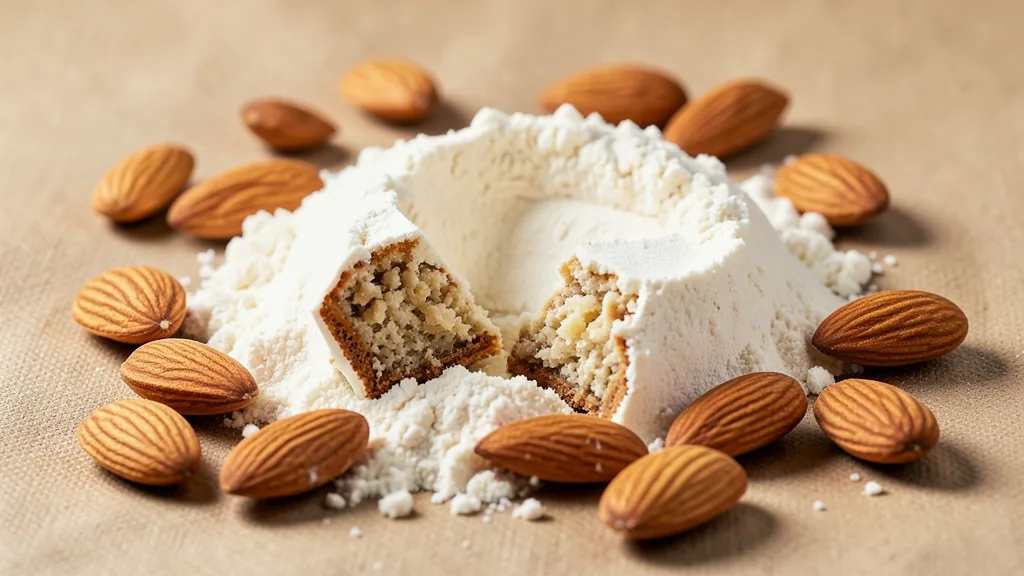
Recipe 15: Collagen Boost Bites. Add 1 tablespoon of unflavored collagen peptides to the base recipe. This addition is essentially flavorless and adds approximately 4 grams of protein per batch. Vital Proteins Collagen Peptides dissolve completely and do not affect texture. 98 calories per bite.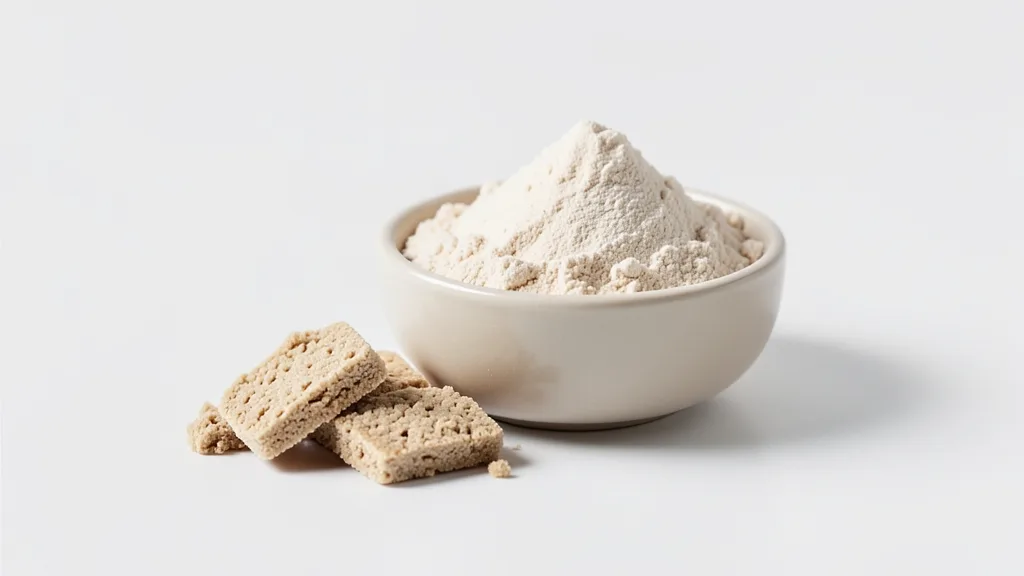
Recipe 16: Edamame Protein Bites. Replace 60g of oats with 60g of edamame flour (available at most Asian grocery stores and on Amazon for around $8 per pound). Edamame flour is mild in flavor, very high in protein, and binds well. These bites have a slightly greenish interior that looks unusual but tastes excellent. 105 calories per bite.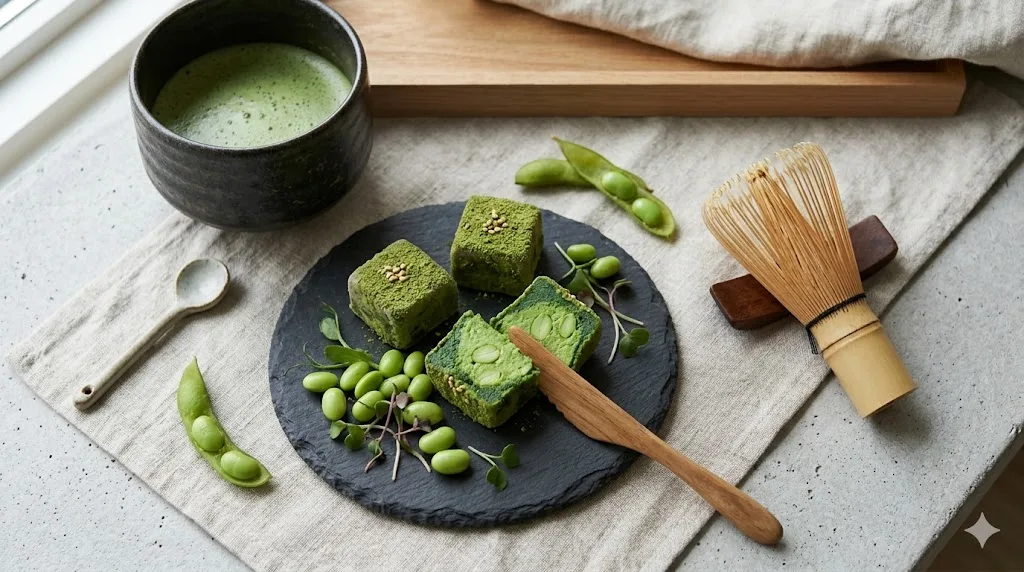
Category 4: Allergen-Friendly Variations (Recipes 17 to 21)
Recipe 17: Sunflower Seed Butter Bites (Nut-Free). Replace peanut butter entirely with SunButter Natural Sunflower Butter. Note: sunflower butter contains chlorogenic acid, which reacts with baking soda and can turn baked goods green. In no-bake recipes this is not an issue. The flavor is slightly earthier than peanut butter. 90 calories per bite.
Recipe 18: Tahini Dark Chocolate Bites (Nut-Free). Use 240g of well-stirred tahini in place of peanut butter. The sesame flavor is more pronounced than sunflower butter and creates a genuinely sophisticated, slightly bitter bite that pairs exceptionally well with dark chocolate. Soom Premium Tahini is the best quality available and worth the $11 to $13 for a 16-ounce jar. 100 calories per bite.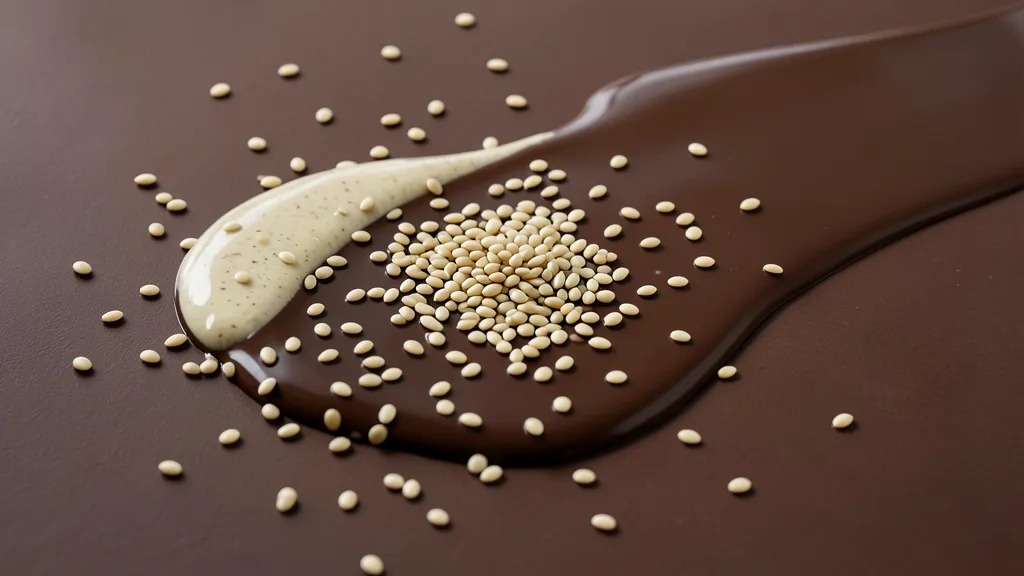
Recipe 19: Gluten-Free Certified Version. Use Bob’s Red Mill Gluten-Free Rolled Oats and confirm all other ingredients are certified gluten-free. Most natural peanut butters are naturally gluten-free, but always check for cross-contamination warnings if baking for someone with celiac disease. Everything else in the base recipe is inherently gluten-free. 95 calories per bite.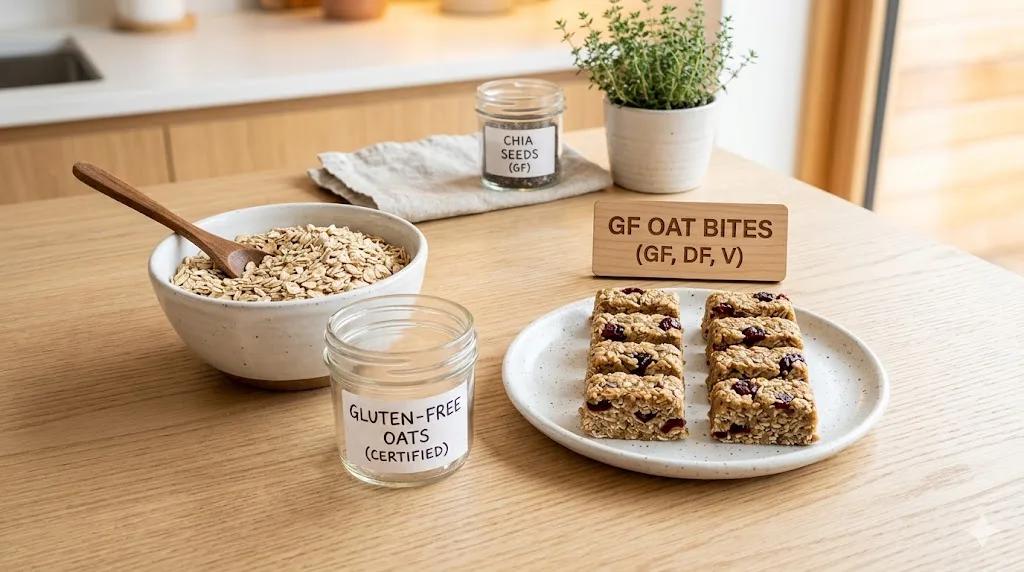
Recipe 20: Vegan Strict Version. Use maple syrup instead of honey (maple syrup is vegan, honey is not universally accepted as vegan). Confirm your dark chocolate contains no milk solids. Enjoy Life Dark Chocolate Chips are certified vegan, gluten-free, and nut-free, costing around $7 to $8 for a 9-ounce bag. 95 calories per bite.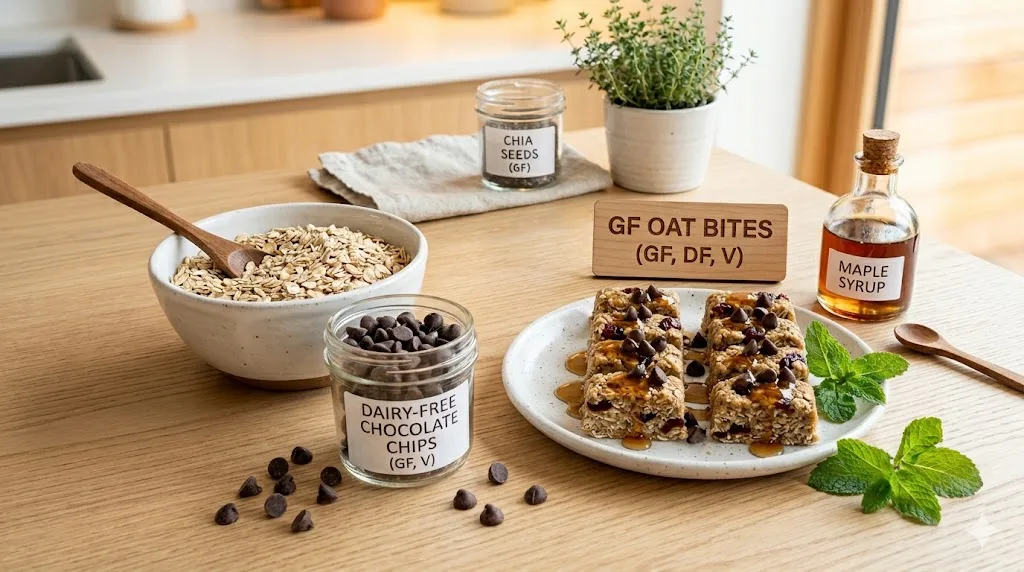
Recipe 21: Low-Sugar Option. Replace maple syrup with 2 tablespoons of monk fruit syrup (Lakanto Maple-Flavored Monk Fruit Syrup is the closest in flavor profile) and use 85% or higher cacao dark chocolate for coating. Total sugar drops from approximately 8 grams per bite to under 2 grams. Excellent for people managing blood sugar. 80 calories per bite.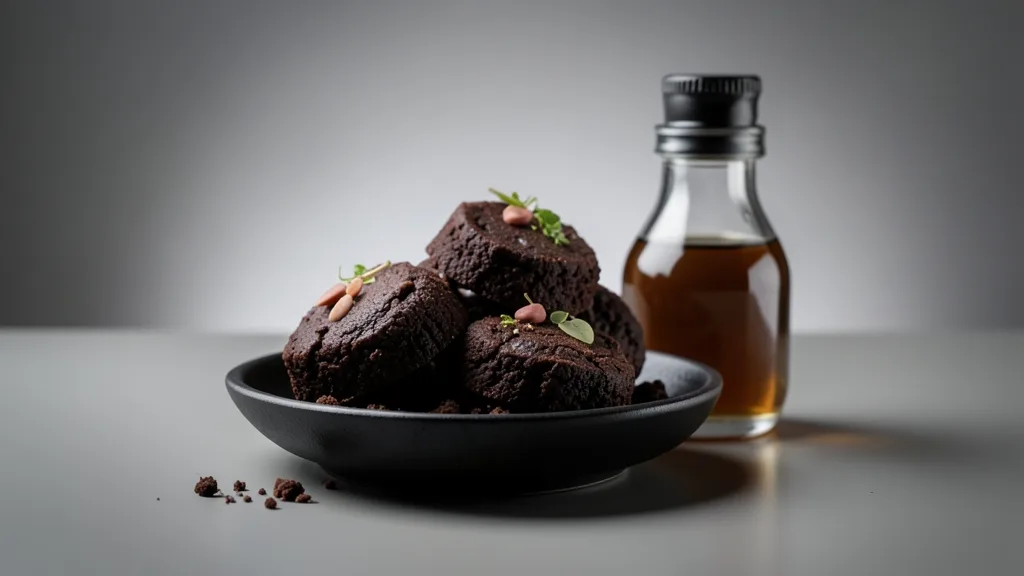
Category 5: Showstopper Versions (Recipes 22 to 25)
Recipe 22: Layered Truffle Bites. Make the base recipe mixture and flatten each ball into a disc. Place a single dark chocolate chip in the center and fold the disc closed around it, rolling back into a ball. When you bite through the chocolate shell and the peanut butter layer, you find a second chocolate center. The effect is genuinely impressive for minimal extra effort.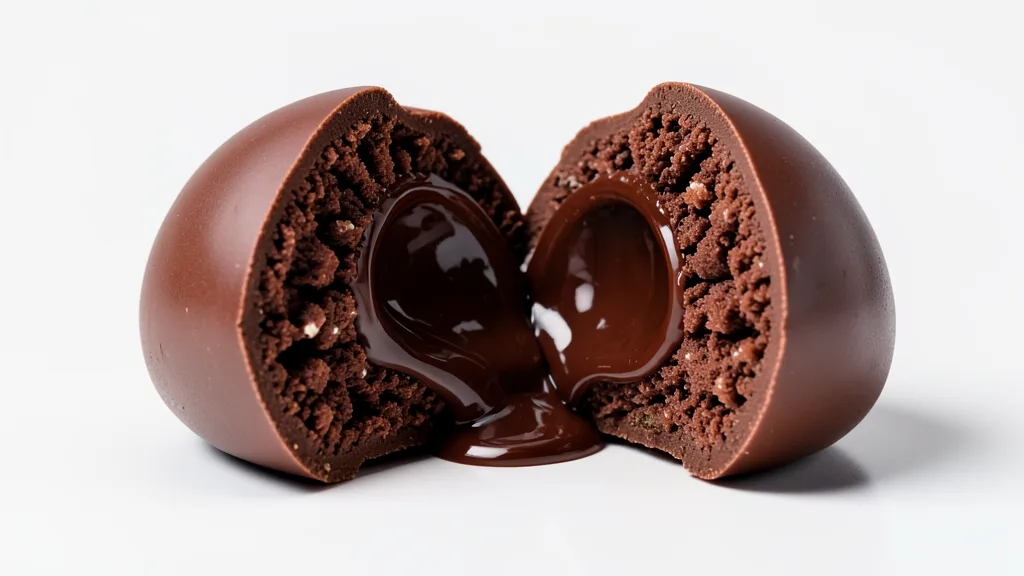
Recipe 23: Pretzel Crunch Bites. Add 40g of crushed gluten-free pretzels to the base mixture. The salty-sweet-crunchy combination is exceptional. Snyder’s of Hanover Gluten-Free Pretzels or Quinn Snacks Gluten-Free Pretzels both work well. These are the bites most likely to get the most enthusiastic response from guests. 115 calories per bite.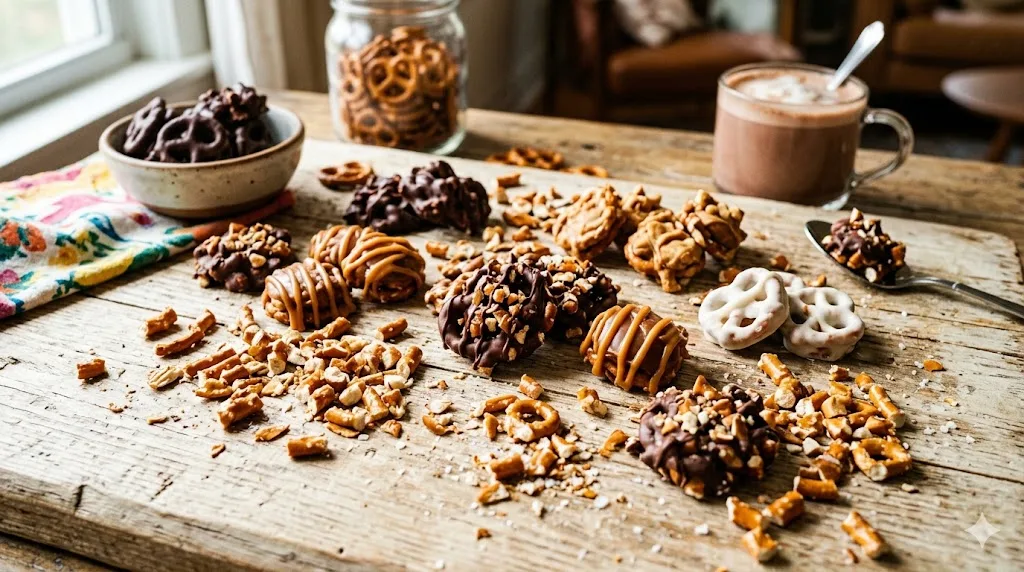
Recipe 24: Cookie Dough Style Bites. Add 2 tablespoons of almond flour and 2 tablespoons of dairy-free mini chocolate chips directly into the mixture (in addition to the chocolate coating). The mini chips inside create a cookie-dough eating experience. Enjoy Life Mini Chocolate Chips are ideal here. 120 calories per bite.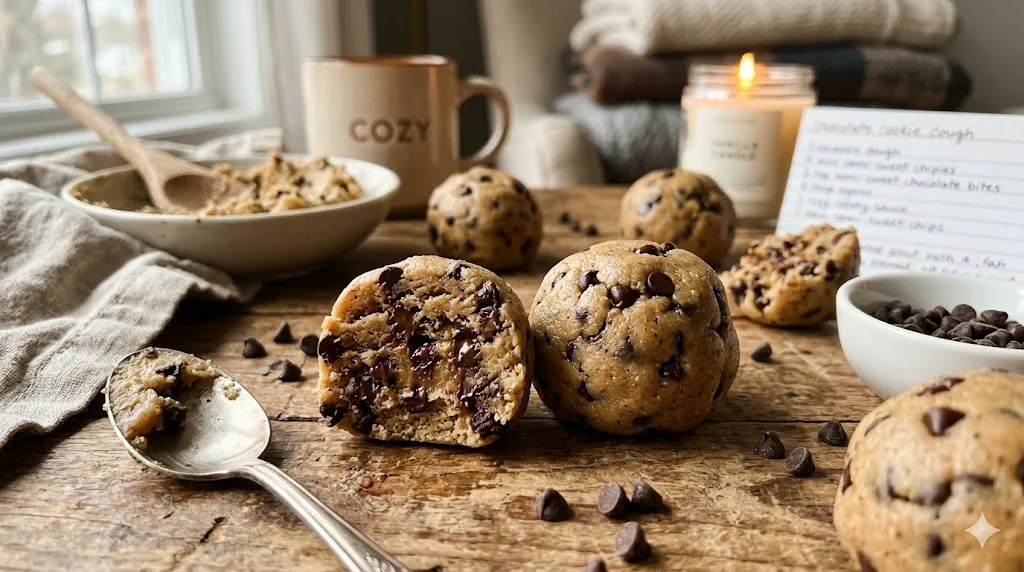
Recipe 25: Toasted Coconut and Dark Chocolate. Add 3 tablespoons of unsweetened shredded coconut to the base mixture. After dipping in chocolate, immediately roll each bite in additional toasted coconut before the chocolate sets. Toast coconut in a dry pan for 2 minutes over medium heat, watching closely, until golden. The result is a complex, tropical-leaning bite that photographs beautifully and tastes exceptional. 110 calories per bite.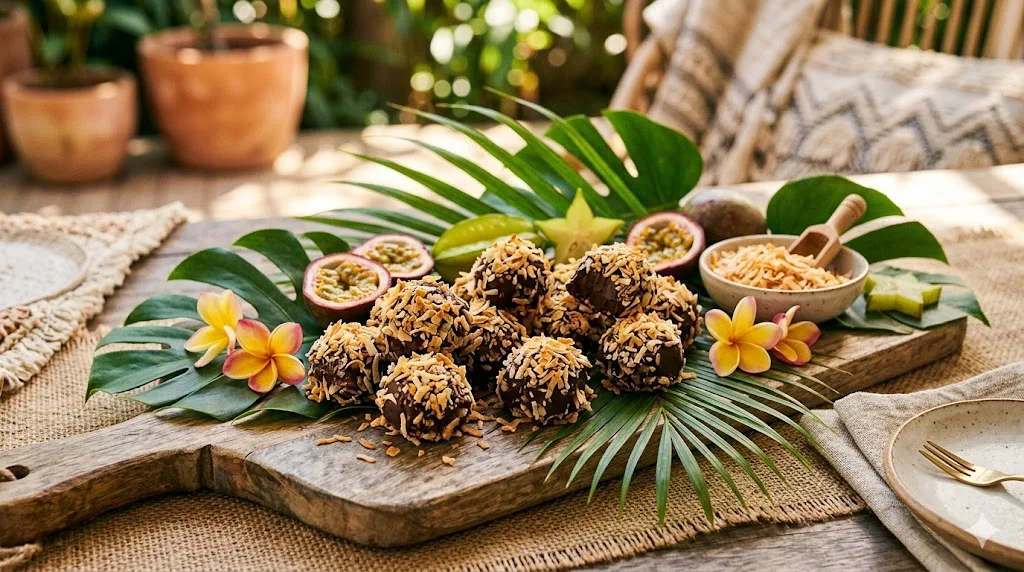
Meal Prep and Storage: Making These Work for Your Week
A double batch of 36 to 40 bites takes approximately 25 minutes of active prep. That investment produces 2 to 3 weeks of daily snacks for one person, or roughly one week for a household of two to three people who have discovered your stash.
Refrigerator storage keeps these fresh and firm for 10 to 12 days in an airtight container. A layer of parchment between stacked bites prevents them from sticking together. Freezer storage extends shelf life to 3 months with no quality degradation. Unlike many frozen snacks, these bites are actually excellent eaten straight from the freezer, as the frozen chocolate shell has a satisfying snap that the refrigerated version does not quite match.
For portioning, I use a small cookie scoop (OXO Good Grips Small Cookie Scoop, about 1.5 tablespoon volume, costs around $12) which produces consistent 25 to 28 gram bites every time. Consistent size means consistent calorie counts, which matters if you are tracking macros.
How to Scale for Groups and Gifting
A triple batch fits comfortably in a standard stand mixer bowl if you have one. Hand mixing a triple batch is possible but tiring. These bites package beautifully in small cellophane bags tied with ribbon or in small craft boxes lined with parchment. They make genuinely impressive, personal gifts that people reliably describe as better than most commercial chocolate products. I have brought them to three dinner parties and been asked for the recipe at all three.
The 5 Most Common Mistakes and How to Avoid Them
Mistake 1: Using Peanut Butter with Added Sugar
Sweetened peanut butter like regular Jif or Skippy contains added sugar, stabilizers (often hydrogenated oil), and a different fat composition than natural peanut butter. It produces bites that are too sweet, slightly greasy, and less firm after freezing. Always use natural peanut butter with nothing added except possibly salt.
Mistake 2: Not Refrigerating Before Rolling
Warm peanut butter mixture is too soft to roll into clean balls. It sticks to your hands, loses its shape, and produces irregular bites. The 10-minute refrigeration step is not optional. If you are working in a warm kitchen, refrigerate the rolled balls again for 5 minutes before dipping in chocolate.
Mistake 3: Overheating the Chocolate
Chocolate that is overheated or scorched becomes grainy, thick, and difficult to work with. It also loses its temper, meaning the cocoa butter separates and the chocolate does not set shiny. Melt chocolate in 30-second microwave bursts, stirring between each, and stop when most chips have melted. Residual heat melts the rest. Never microwave on full power. Alternatively, a double boiler over barely simmering water gives the most control.
Mistake 4: Skimping on Freeze Time
Twenty minutes in the freezer is the minimum for the chocolate shell to set fully. Pulling them out at 10 minutes because you want to try one is understandable, but the chocolate will be soft and will smear on your hands. Full setting takes the full time. For a shiny chocolate finish, place them in the refrigerator for an additional 10 minutes after the initial freeze.
Mistake 5: Adding Too Many Mix-Ins
Every add-in beyond the base recipe displaces some of the structural mixture. Adding protein powder, seeds, coconut, and chia all at once in a single recipe creates a mixture that does not hold together. Choose one or two modifications per batch. If a recipe fails to hold together, you have exceeded the binding capacity of your fat and moisture.
Frequently Asked Questions
How many calories are in a peanut butter chocolate bite?
A standard 25 to 30 gram bite made from the base recipe in this guide contains approximately 90 to 100 calories. The main variables are the size of the bite, the amount of chocolate coating used, and the specific peanut butter brand. Smaller bites using just a half-dip of chocolate come in around 75 to 80 calories. Fully coated larger bites made with a higher-oil peanut butter can reach 120 to 130 calories. For precise tracking, weigh your bites before freezing and divide total mixture calories by the number of bites.
Can I make these without oats?
Yes. The three-ingredient version (Recipe 2 in this guide) contains no oats and produces a denser, fudge-like bite. You can also replace oats with almond flour for a grain-free version (use 60g of almond flour in place of 90g of rolled oats, as almond flour absorbs moisture differently and you need less). Puffed rice, crushed gluten-free pretzels, or hemp seeds all serve as oat alternatives with different textural results.
Why did my chocolate turn white after setting?
White streaking or blooming on set chocolate is caused by cocoa butter separating from the chocolate mass during temperature fluctuation. This happens when you move the bites from a warm environment to a very cold freezer too quickly, or when the chocolate was overheated during melting. The bloomed chocolate is completely safe to eat and the flavor is unaffected. To prevent it, cool your bites in the refrigerator first for 15 minutes before moving to the freezer, and never overheat your chocolate.
Are these suitable for diabetics?
The base recipe contains natural sugars from maple syrup and peanut butter, plus any sugars in the chocolate coating. The protein and fat content slows glucose absorption significantly compared to most snacks, which is metabolically favorable. Recipe 21 in this guide (the low-sugar version using monk fruit syrup and 85% cacao chocolate) reduces total sugar to under 2 grams per bite, making it suitable for most people managing blood sugar. Always consult your healthcare provider before making significant dietary changes.
Can I use almond butter instead of peanut butter?
Yes, with minor adjustments. Almond butter is typically drier and less oily than natural peanut butter, so you may need to add an extra tablespoon of melted coconut oil or reduce the oats slightly to maintain the right consistency. The flavor is milder and more subtle than peanut butter. A combination of half peanut butter and half almond butter (Recipe 14) produces a complex, layered flavor that I personally prefer to either single-nut version.
Make Your First Batch Tonight
The hidden stash in my freezer is not a character flaw. It is a reasonable response to making something genuinely excellent that takes 15 minutes and costs approximately 35 to 45 cents per bite to produce, depending on your ingredient brands.
Start with the base recipe. Make it exactly as written. Then try one modification from this guide that appeals to you. The espresso version if you want something sophisticated. The pretzel crunch version if you are making these for other people. The three-ingredient version if you want the fastest possible path to something that tastes like a luxury truffle.
What I know after three years of making these regularly is that they are one of the genuinely rare things in home food preparation: quick enough for weeknights, impressive enough for guests, nutritious enough to feel good about eating, and delicious enough that you will hide them from people who would otherwise eat them all.
The frozen peas section of your freezer is waiting. Hide them well.
Which of these 25 variations are you making first? The recipe that surprised me most is the tahini version. I served it to someone who claimed to strongly dislike tahini and she ate four of them before asking what was in them. What unexpected flavor combinations would you want to see in a future guide?