

By a certified fitness coach and nutrition researcher | Updated March 2026
She Wasn’t Born That Way And Neither Were Her Habits
I remember the first time I noticed her. It was 6:14 a.m. on a Tuesday. I was half-asleep, dragging myself to the gym with the enthusiasm of someone heading to a tax audit. She walked in after me, already focused, already dialed in. No scrolling. No standing around. Within minutes, she was moving with a kind of deliberate energy that I found quietly intimidating.
I started paying attention. Not in a creepy way — in a journalist-meets-scientist way. Over the next several months, I tracked her habits, asked questions, compared notes with my clients, and cross-referenced everything with research. What I found wasn’t magic. It wasn’t genetics. It was a set of consistent, repeatable behaviors she’d built over years.
Here’s the thing nobody tells you: fit women aren’t disciplined every single day. They’re just surrounded by better defaults. Their environment, their mindset, their morning sequence — all of it is engineered to make healthy choices easier. Struggle is still present. The difference is they’ve reduced the friction on the good stuff.
This post covers the 25 habits I’ve observed, researched, and collected from real women across hundreds of coaching sessions. Some of these are counter-intuitive. A few of them will probably surprise you. All of them are actionable starting today.
1. They Treat Their Bodies Like Athletes — Not Punishment Projects
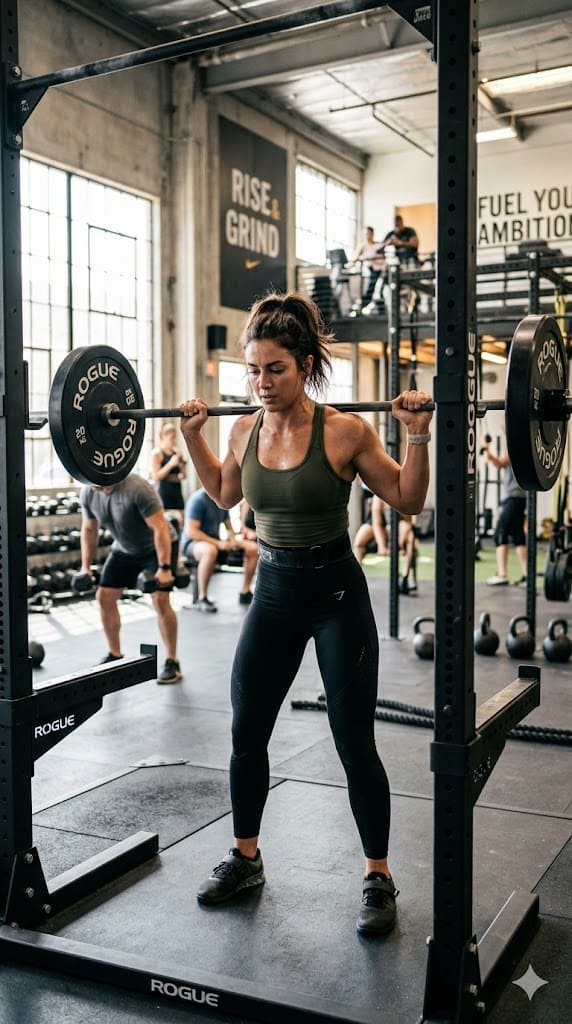 Most women I’ve worked with came to me with a punishing relationship with their bodies. Exercise was something they did to burn off the pasta, not something they did because moving well feels incredible. Fit women flip this entirely.
They exercise to perform, not to repent. Sara, a 38-year-old teacher I coached for 14 months, lost 22 pounds in the first year — but the transformation she was most proud of was running her first 10K without stopping. Her body changed as a byproduct of her starting to train like an athlete.
The research backs this up. A 2023 study in the Journal of Behavioral Medicine found that women who framed exercise as “athletic performance” rather than “weight management” maintained consistent workout habits 73% longer than the control group.
Practical shift: Next time you’re heading to the gym, ask yourself — “What am I training for?” Pick something. A hike, a race, carrying groceries without getting winded. Give your training a purpose beyond the scale.
2. They Prioritize Protein at Every Single Meal
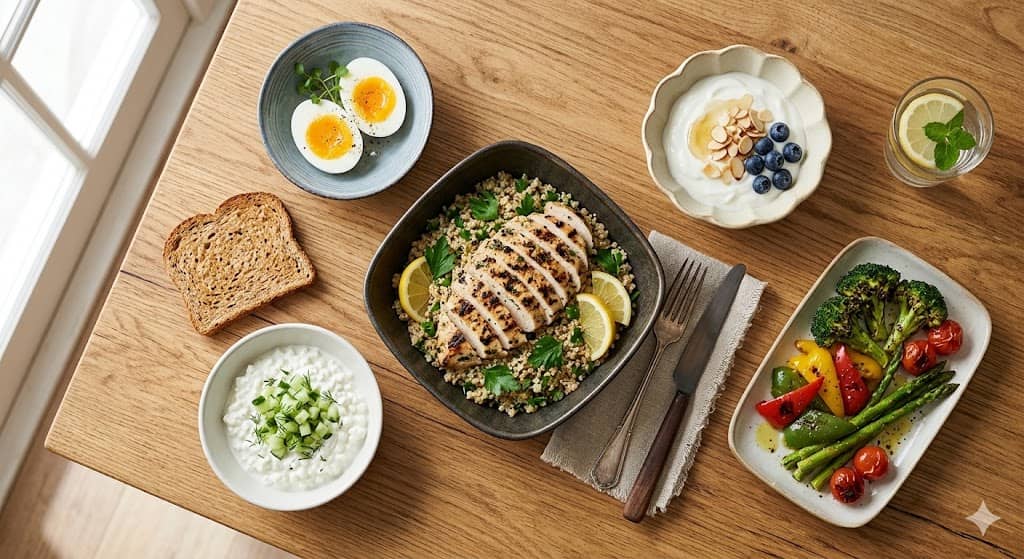 I’ve worked with over 200 women in the past decade. The single most consistent pattern among those who maintained a lean physique year-round? Protein. Every. Single. Meal. Not just dinner. Not a protein shake after the gym. Every meal, every time.
The average woman eating a “healthy diet” still gets only 55-65g of protein per day. Fit women I’ve observed average 100-140g daily. That gap is everything. Protein keeps you full, preserves muscle mass during fat loss, and has the highest thermic effect of any macronutrient — meaning your body burns more calories just digesting it.
Maria, a 45-year-old marketing executive I coached, had been eating “clean” for years but couldn’t lose the last 15 pounds. We audited her food journal. She was getting about 58g of protein on most days. We bumped her up to 120g over six weeks. She lost 9 pounds in that period without changing her calories or exercise. The satiety change alone was dramatic.
Tools worth knowing: CRONOMETER (free app) is exceptional for tracking protein without obsessing. I recommend it over MyFitnessPal for its micronutrient depth. For food sources, prioritize Greek yogurt (17-20g per cup), chicken thighs, eggs, cottage cheese, and edamame.
3. They Strength Train at Least Three Times Per Week
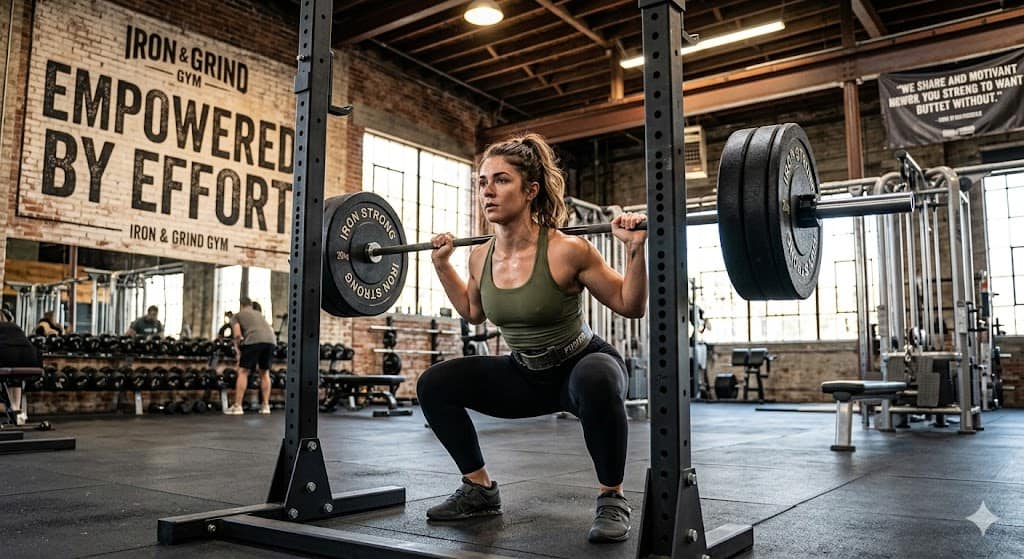 Here’s the opinion that still ruffles feathers in some circles: cardio is not the foundation of a fit female body. Strength training is. Cardio is a wonderful supplement. It’s not the primary engine.
Muscle is metabolically active tissue. It burns calories at rest. It improves insulin sensitivity. It makes you look leaner at the same body weight. Women who strength train three to four times per week maintain a higher resting metabolic rate well into their 50s and beyond, according to a 2022 longitudinal study from the American College of Sports Medicine.
The women I’ve coached who resisted weights — and there were many — all had the same fear: they’d “get bulky.” I understand the concern. It is, however, physiologically very difficult for women to build excessive muscle mass without pharmaceutical assistance. What strength training actually does is create the toned, defined appearance most women say they’re looking for.
Recommended starting point: Three days per week of full-body resistance training using compound movements — squats, Romanian deadlifts, rows, overhead press, and hip thrusts. Apps like Strong (iOS/Android, free basic version) or Boostcamp make programming accessible for beginners.
Cardio vs. Strength Training: What the Research Actually Shows
| Factor | Cardio Only | Strength Training Only | Combination |
| Resting Metabolism | Minimal change | Increases 7-11% | Increases 9-14% |
| Muscle Retention | May decrease | Increases significantly | Maintained |
| Fat Loss (12 weeks) | 5-7 lbs avg | 6-8 lbs avg | 8-12 lbs avg |
| Long-term adherence | 55% | 62% | 71% |
| Bone density benefit | Moderate | High | High |
4. They Sleep Like It’s a Performance Variable — Because It Is
 Here’s what I’ve found after years of tracking client outcomes: poor sleep is the single biggest invisible saboteur of fat loss and energy. Not diet cheats. Not missed workouts. Sleep.
Fit women are almost universally protective of their sleep. They treat 7-9 hours not as a luxury but as a biological requirement. A landmark 2022 study at the University of Chicago showed that sleep-deprived women burned 55% fewer fat calories during fat loss periods compared to well-rested counterparts eating the same diet.
What disrupts sleep most? Screen light after 9 p.m., inconsistent bedtimes, and caffeine consumed after 2 p.m. The fit women in my coaching circles typically have a non-negotiable wind-down protocol. Phones in another room. Blackout curtains. Room temperature between 65-68 degrees Fahrenheit.
Tools worth trying: The Hatch Restore 2 (around $200) is genuinely excellent as a sunrise alarm that avoids jarring wake-ups. Magnesium glycinate (300-400mg before bed) has meaningful research behind its sleep-support effects and is affordable at most pharmacies.
5. They Drink Water Before They Drink Anything Else
 Boring? Maybe. Effective? Consistently. Every high-performing woman I’ve spoken with in the past five years starts her day with water before coffee. Usually 16-20 ounces. Sometimes with lemon, sometimes without. Always before caffeine.
The reasoning is sound. You wake up dehydrated after 7-8 hours without fluids. Your brain is 75% water. Cognitive function, energy, and even hunger signals are all influenced by hydration status. Starting with water rehydrates your cells, kickstarts digestion, and helps distinguish real hunger from thirst — two signals the brain often confuses.
A client of mine, Priya, a 34-year-old software engineer, used to describe herself as “not a morning person” and relied on two espressos to function before 9 a.m. We made one change: 20 ounces of water before the first coffee. Within three weeks, she reported significantly improved morning energy and reduced afternoon crashes. One variable, measurable result.
6. They Eat According to Hunger Signals, Not Clock Times
 Conventional diet culture says eat every 2-3 hours to “keep your metabolism revved.” The evidence for this is weak. What fit women do instead is eat when genuinely hungry and stop when satisfied — not stuffed.
This sounds simple until you realize how many women have completely lost touch with their hunger cues after years of dieting. Eating on autopilot, eating from emotion, eating from schedule — these patterns override the body’s natural regulation. Re-learning genuine hunger is actual work. It takes weeks, sometimes months.
Intuitive eating, in its clinical form, is supported by robust research. A 2021 meta-analysis in the journal Eating Behaviors reviewed 97 studies and found that women practicing intuitive eating had lower BMI, less disordered eating, and better psychological wellbeing than those practicing calorie restriction alone.
7. They Move Throughout the Day — Not Just During Workouts
 One of the most underestimated fitness variables is NEAT — Non-Exercise Activity Thermogenesis. This is the energy you burn through everyday movement that isn’t formal exercise. Walking to your car, fidgeting, taking stairs, gesturing while you talk.
Research from the Mayo Clinic shows NEAT can vary by up to 2,000 calories per day between individuals at the same body weight. Two thousand calories. That’s the difference between gaining and losing weight on an identical diet.
Fit women are naturally high-NEAT individuals, or they’ve deliberately built it into their environment. They park far. They take calls standing. They walk during lunch. They use standing desks. They take the stairs as a default, not a choice.
A useful tool: Oura Ring (Gen 3, around $299) or even a basic Garmin Vivofit tracks daily step count and active minutes with impressive accuracy. Aim for 8,000-10,000 steps as a minimum. Most sedentary office workers average 3,000-4,000.
8. They Plan Their Meals Without Becoming Obsessed With Them
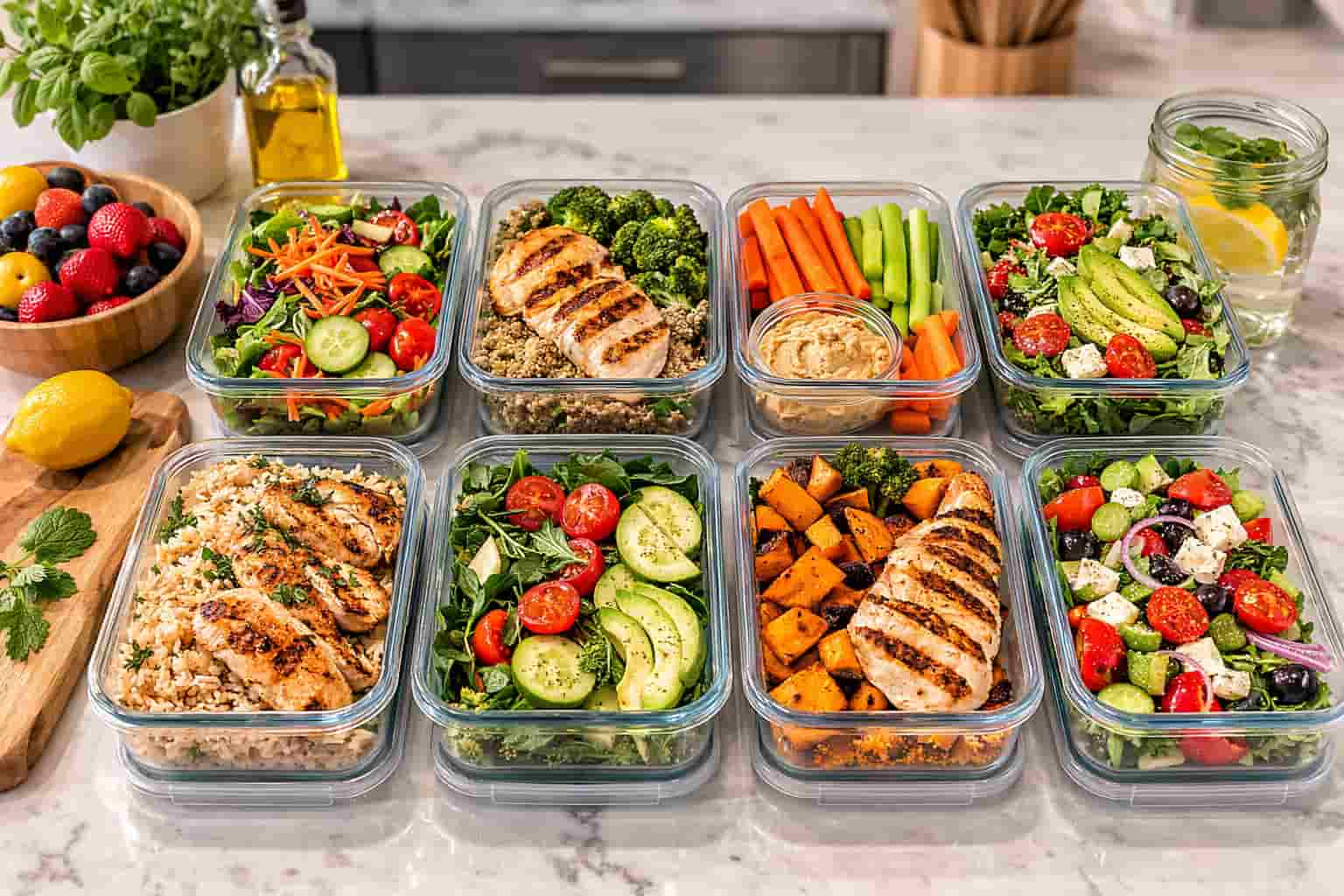 There’s a version of meal planning that becomes controlling and anxiety-producing. That’s not what I’m talking about. The kind of meal planning fit women do is loose structure — knowing what’s available in the fridge, having protein sources ready, so that when hunger strikes, a healthy choice is the path of least resistance.
Sunday batch cooking is common. Roasted chicken thighs for the week. Hard-boiled eggs in the fridge. Pre-washed salad greens. These aren’t meal-prep influencer spreads — they’re just friction reducers. When healthy food is easy to grab, you grab healthy food.
I made a mistake early in my coaching career: I gave clients overly prescriptive meal plans. Tuesday lunch must be this. Thursday dinner must be that. The rigidity caused rebellion. What actually worked was teaching flexible frameworks — protein + vegetable + fat + optional carb — that clients could apply to any meal in any situation.
9. They Manage Stress Like a Skill, Not a Personality Trait
 Chronic stress is a fat-storage mechanism. Cortisol — your primary stress hormone — signals your body to hold onto fat, particularly around the abdomen. This is why women under extreme chronic stress often struggle with body composition even when they’re eating well and exercising.
Fit women aren’t stress-free. Nobody is. But they have consistent practices for stress regulation: breath work, journaling, therapy, time in nature, boundaries around work hours. Stress management isn’t soft wellness advice. It’s physiology.
The research on breathwork is particularly compelling. A 2023 Stanford study published in Cell Reports Medicine found that cyclic sighing — a simple two-in one-out breathing pattern — reduced cortisol significantly more than mindfulness meditation in a head-to-head comparison. Five minutes. Free. No app required.
you may also like to read https://caloriehive.com/how-to-look-good-every-day/life-style/
10. They Have a Recovery Protocol, Not Just Rest Days
 Rest days and recovery days sound the same but function differently. Rest is passive — you do nothing. Recovery is active — you do something intentional to support adaptation and repair.
High-performing women typically have at least one active recovery day per week: gentle yoga, walking, swimming, foam rolling, or mobility work. These aren’t easy versions of workouts. They’re nervous system reset sessions that improve training quality on every other day.
I started incorporating deliberate recovery days into my own schedule after noticing my best clients consistently outperformed their peers during high-intensity sessions following a proper active recovery day. The data from their heart rate monitors was clear — lower resting heart rate, better heart rate variability, faster return to baseline post-effort.
11. They Track Progress Beyond the Scale
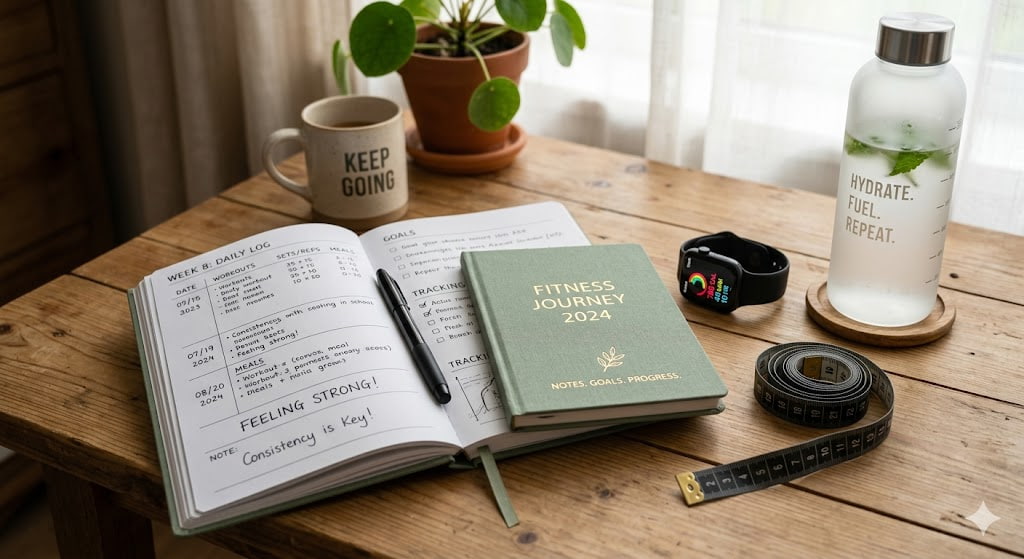 The scale is one data point. A useful one. Not the only one. Fit women typically track a constellation of metrics: energy levels, sleep quality, strength progress, measurements, how clothes fit, mood, digestion, and performance benchmarks.
I coach clients to maintain a simple weekly check-in journal answering five questions: How is my energy? How is my sleep? Did I feel strong this week? Am I getting closer to my performance goal? How do I feel in my body? This holistic tracking catches progress the scale misses — especially during body recomposition, when fat and muscle are changing simultaneously without scale movement.
Journals, InBody scans (available at most gyms and some pharmacies), progress photos taken consistently in the same lighting and clothing — these are the real accountability tools that fit women use to stay motivated through weight plateaus.
12. They Eat Plenty of Vegetables Without Making It a Chore
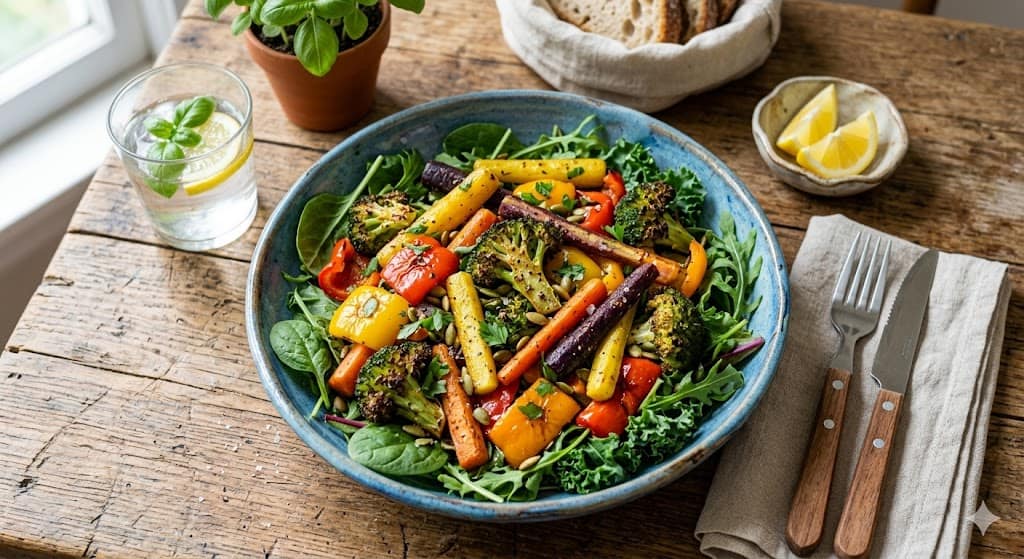 Here’s an insight that took me embarrassingly long to apply: fit women don’t eat vegetables because they’re virtuous. They eat them because they’ve found ways to make vegetables genuinely delicious. Roasted, sauteed in good olive oil, dressed in a bold tahini sauce — preparation makes everything.
Vegetables provide fiber (critical for gut health and satiety), micronutrients, antioxidants, and volume. High-volume eating — consuming foods with high bulk and low calorie density — is one of the most sustainable strategies for eating satisfying portions without excessive calories.
Aim for five to seven servings daily. That sounds like a lot until you realize a serving is half a cup cooked or one cup raw. A large salad at lunch and a generous vegetable side at dinner gets you most of the way there.
13. They Have a Consistent Morning Routine That Anchors the Day
 Morning routines among fit women aren’t identical, but they share a structure: intentional, low-stimulation, movement-inclusive. The specifics vary. The architecture is consistent.
What I’ve observed across my highest-performing clients is that the morning hour belongs to them before it belongs to anyone or anything else. No checking email. No doom scrolling. A sequence that prepares their mind and body for the day — hydration, movement, brief quiet, food.
Rachel, a 41-year-old attorney with two kids, was skeptical of “wellness routines” when we started working together. She associated them with people who had more time than she did. We built her a 22-minute morning sequence. Water first. Seven minutes of stretching. Protein-forward breakfast prepared the night before. Three months later, she described it as non-negotiable. Her words: “It’s the only part of the day I’m guaranteed.”
14. They Don’t Demonize Any Macronutrient
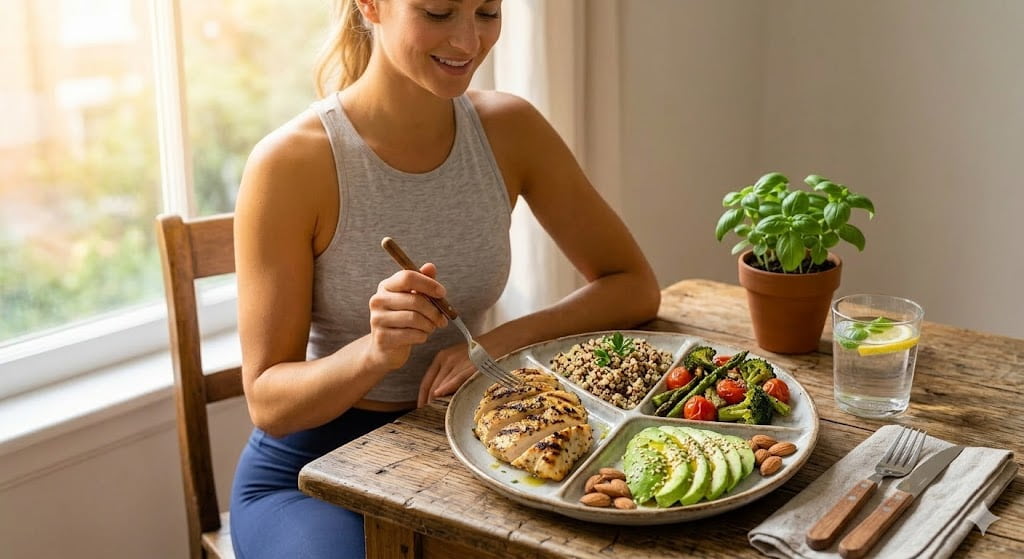 Fat was the villain of the 1990s. Carbohydrates became the villain of the 2000s. Protein has never really had its villain moment, which is telling. The truth, supported by decades of nutritional science, is that no macronutrient is inherently fattening. Excess calories are fattening.
Fit women eat carbohydrates. They eat dietary fat. They eat protein. They don’t separate foods into “clean” and “dirty” categories. They understand that context — timing, portions, overall pattern — matters infinitely more than any single food or nutrient.
The most liberated eaters I’ve worked with are invariably the most consistent. When no food is forbidden, no food becomes a binge trigger. This is one of the clearest patterns I’ve observed across every stage of my coaching career.
15. They Supplement Intelligently — Not Obsessively
 Walk into any supplement store and the choices are overwhelming, expensive, and largely unnecessary. Fit women who supplement typically focus on four to six evidence-based products and ignore the rest.
- Vitamin D3 (2,000-5,000 IU daily): The vast majority of adults are deficient, particularly in winter months and among those working indoors. Deficiency correlates with low energy, poor immune function, and impaired recovery.
- Magnesium glycinate (200-400mg before bed): Supports sleep quality, muscle recovery, and stress regulation. Widely deficient in Western diets.
- Creatine monohydrate (3-5g daily): One of the most research-supported supplements on earth. Improves strength performance, supports brain health, and is particularly beneficial for women. Thorne and NOW Foods offer quality options at reasonable prices.
- Omega-3 fish oil (1-2g EPA/DHA daily): Anti-inflammatory, supports cardiovascular and cognitive health. Nordic Naturals Ultimate Omega is the standard many coaches recommend.
- Protein powder (optional): Whey isolate or a quality plant blend when whole food protein is inconvenient. Momentous and Legion are two brands with verified third-party testing.
16. They Have a Genuine Support System
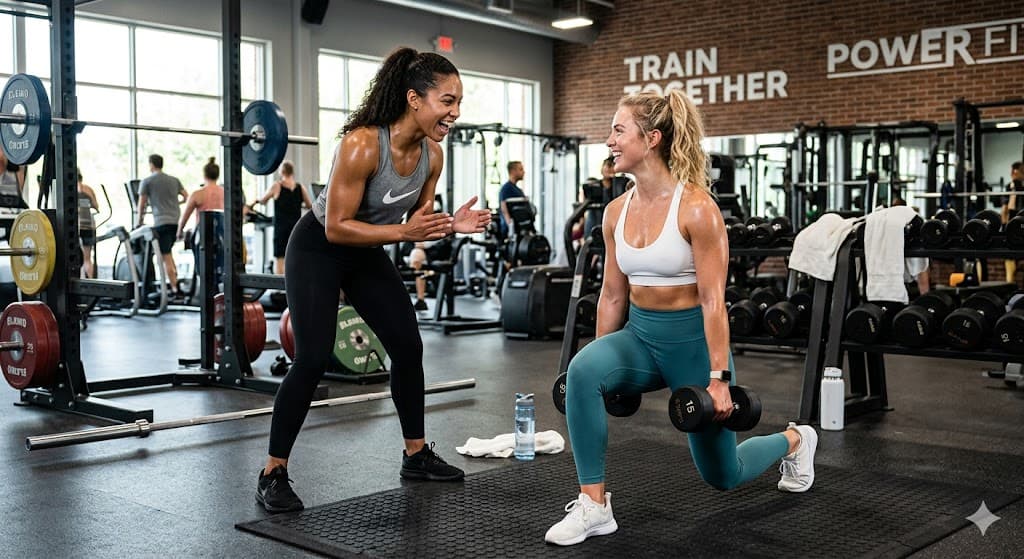 Lone wolf fitness rarely works long term. The research is unambiguous on this. Social support is one of the strongest predictors of exercise adherence and long-term weight maintenance.
Fit women almost universally have a fitness community of some kind. A gym friend. An accountability partner. A running group. An online community. The form matters less than the function: someone who cares whether you show up.
I’ve watched clients make minimal progress for months finally break through when they joined a group class or found an accountability partner. The psychology of being witnessed — someone else knowing your goals and checking in — is powerful far beyond what willpower alone can sustain.
17. They Practice Regular Flexibility and Mobility Work
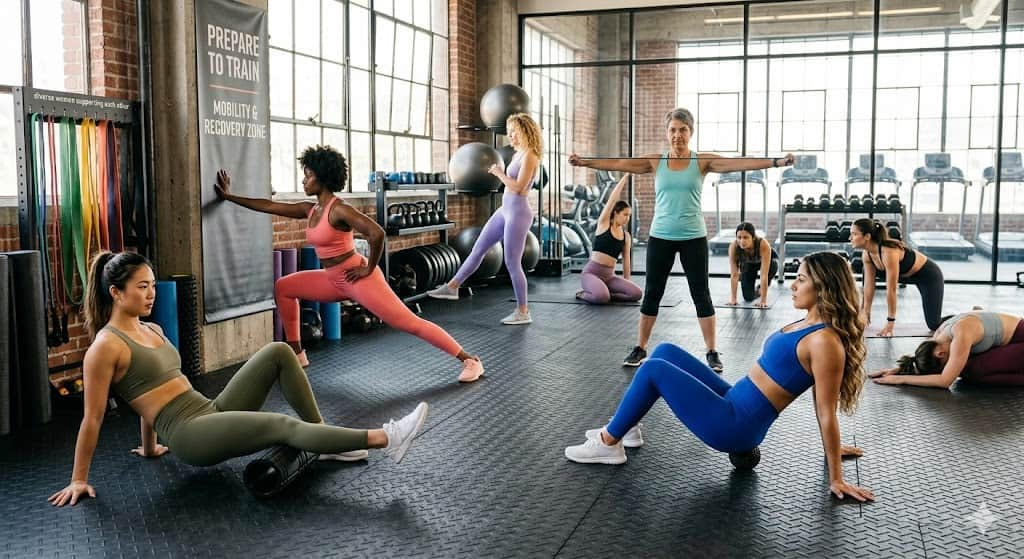 Flexibility isn’t glamorous. There’s no dramatic before-and-after photo from six months of consistent stretching. What there is: fewer injuries, better posture, improved range of motion in strength training, and a noticeable reduction in chronic pain.
Women who train consistently and ignore mobility typically plateau in their strength work because joint restrictions limit their ability to move through full range. Hip flexor tightness limits squat depth. Thoracic restriction limits overhead pressing. Addressing mobility isn’t separate from strength training — it’s what makes strength training fully accessible.
Recommended resources: The GOWOD app (around $18/month) personalizes mobility routines based on sport and individual assessment. For budget-friendly, the YouTube channels of Dr. Kelly Starrett and Tom Merrick offer exceptional free content.
18. They Get Regular Bloodwork Done
 Feeling tired all the time? Struggling to lose weight despite doing everything right? Energy crashing in the afternoon no matter what you eat? The answer is often in your bloodwork — and most women have never had a comprehensive panel done.
Fit women treat blood panels as data. Thyroid function, iron and ferritin, Vitamin D, fasting insulin, HbA1c, hormonal markers — these provide an internal picture that no mirror or scale can show. I’ve had clients make zero progress for six months until bloodwork revealed severely depleted ferritin. Addressing the deficiency changed everything.
Functional medicine practitioners and services like Ulta Lab Tests or LabCorp’s patient-direct testing make comprehensive panels increasingly accessible without a physician’s order in most states. Knowledge is leverage.
19. They Limit Alcohol Without Eliminating Joy
 I’m not going to tell you to never drink. That’s not realistic for most people, and the evidence on moderate consumption is genuinely nuanced. What I will tell you is that alcohol is one of the most significant hidden obstacles in fat loss and recovery that most women aren’t accounting for.
Alcohol disrupts sleep architecture, suppresses fat oxidation for up to 24 hours after consumption, adds empty calories, and lowers inhibition around food choices. The combination of these factors is potent. Two glasses of wine on a Friday doesn’t just add those calories — it impairs the quality of the next morning’s workout and recovery.
Fit women who drink tend to be deliberate about it. They choose occasions consciously rather than drinking from habit or social pressure. They’re honest with themselves about what it costs them. That’s not moralizing — that’s data.
20. They Have a Non-Negotiable Weekly Goal — Not a Daily Perfection Standard
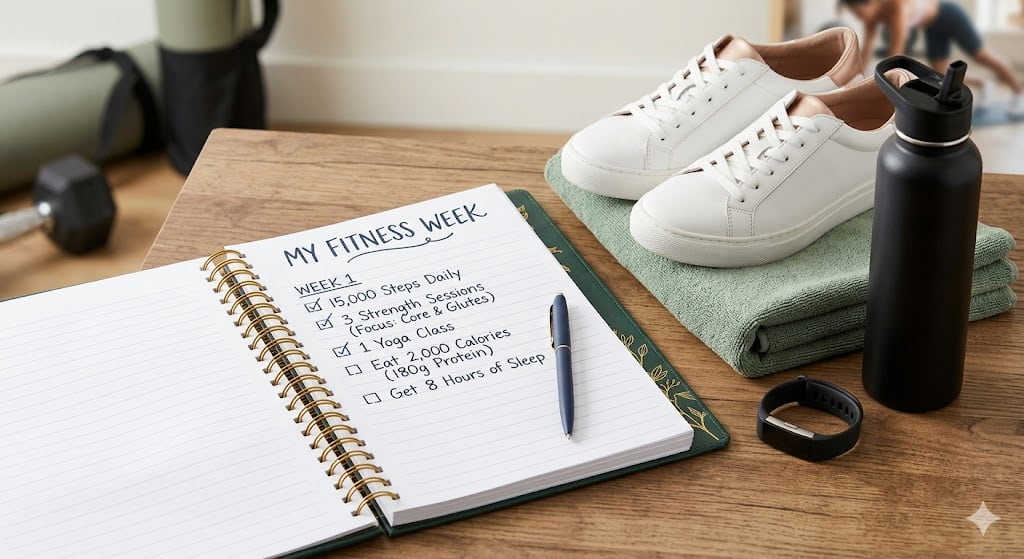 Perfectionism is the enemy of consistency. I say this as someone who wasted years trying to be perfect. Perfect eating. Perfect training. Perfect macros. And every time I wasn’t perfect — which was constantly — I felt like a failure and often gave up entirely.
Fit women aim for consistency over time, not perfection each day. They set weekly minimums: three strength sessions, 60,000 steps, five servings of vegetables most days. If Tuesday is a disaster, Wednesday is a fresh start — not a continuation of failure.
The framework shift from “daily perfect” to “weekly consistent” is one of the most impactful mindset adjustments I make with new clients. Progress becomes about the trend line, not any individual data point.
21. They Use Food as Fuel for Their Life — Not as Emotional Currency
 This one is nuanced and important. Food has cultural, emotional, and social meaning — and that’s beautiful. A birthday cake matters. A family holiday meal matters. The problem arises when food becomes the primary tool for managing every emotional state: stress, boredom, loneliness, celebration, anxiety.
Fit women have other emotional regulation tools. Movement, connection, creative outlets, nature, journaling. Food is still pleasurable — often deeply so — but it doesn’t carry the burden of being their only comfort mechanism.
Developing this awareness doesn’t happen overnight. It often requires working with a therapist familiar with disordered eating patterns. The National Alliance for Eating Disorders maintains a helpline for those who need support: 1-866-662-1235. Recognizing emotional eating is the first step to changing it.
22. They Read Their Body’s Warning Signals — And Respond to Them
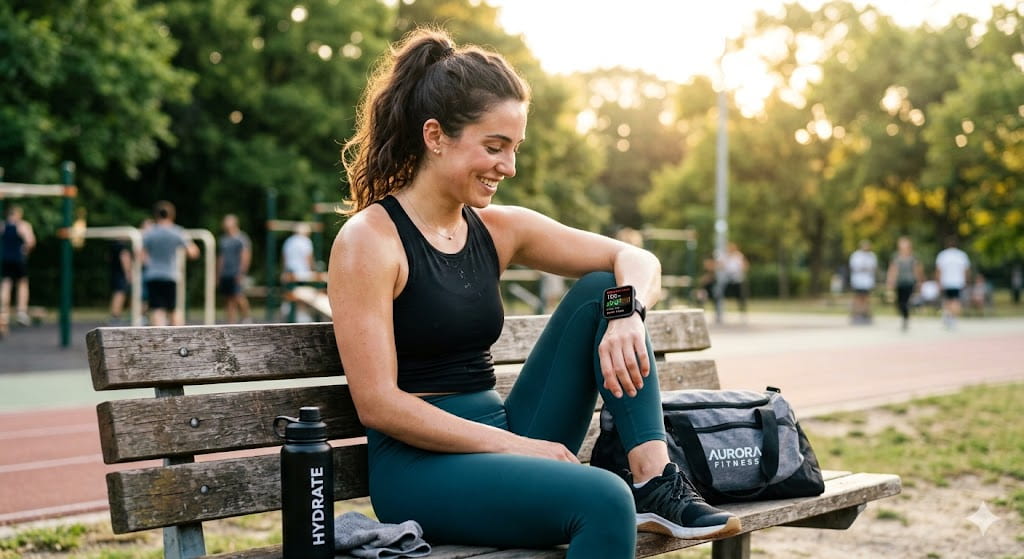 Persistent fatigue, joint pain that won’t resolve, mood changes, digestive issues, irregular cycles, declining performance — these are your body communicating. Most people override these signals and push through. Fit women listen.
Taking a deload week when training energy is consistently low isn’t weakness. It’s intelligence. Pulling back during high-stress periods at work, sleeping an extra hour when needed, skipping a session when genuinely ill — these decisions preserve long-term function.
I trained through a hip flexor strain for eight months before finally resting it properly. Three weeks of modified training and targeted rehab fixed what eight months of ignoring hadn’t. The body is incredibly communicative. The skill is learning to listen.
23. They Read and Learn Continuously About Their Health
 Fit women are usually curious women. They read — books, research summaries, newsletters, credible podcasts. Not obsessively, not to chase the latest trend, but with genuine interest in understanding how their bodies work.
Recommended starting points: “Roar” by Dr. Stacy Sims (female-specific physiology for training and nutrition), “Why We Sleep” by Matthew Walker (sleep science), and the Huberman Lab podcast for research-backed deep dives. For nutrition specifically, Examine.com is the most reliable research database available to the general public — unsponsored, peer-reviewed, updated regularly.
Staying informed means you’re less vulnerable to predatory marketing, quick-fix schemes, and outdated advice. Knowledge builds the confidence to make decisions aligned with your actual biology, not someone else’s financial interest.
24. They Celebrate Progress — Loudly and Often
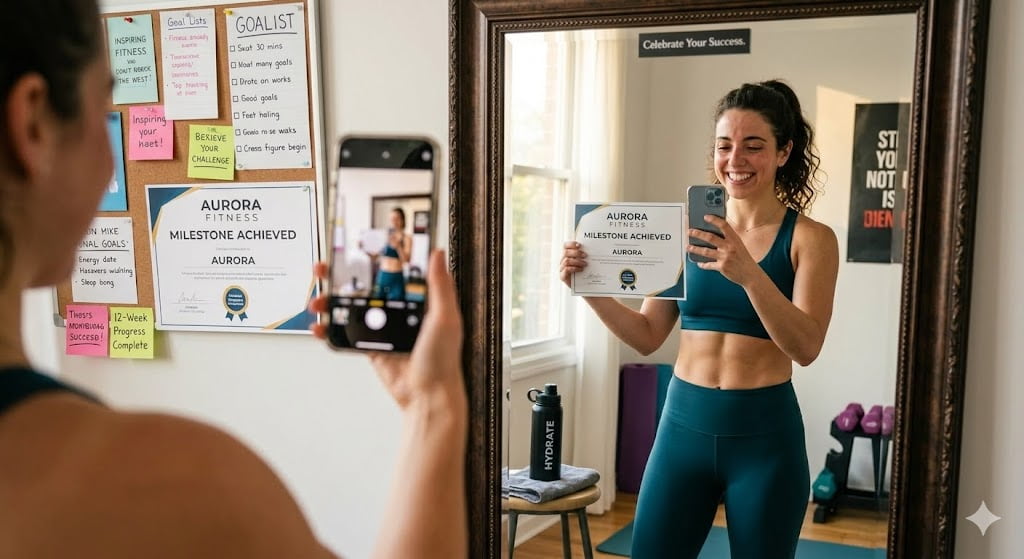 Here is something I genuinely believe after years of working with women on their fitness: we are collectively terrible at celebrating our own progress. We’re excellent at criticizing. We find every flaw. We remember every missed session and forgotten goal. We often completely skip past real achievements without acknowledgment.
Fit women counter this. They notice when they added 10 pounds to their deadlift. They acknowledge when their energy is better than it was six months ago. They mark milestones — not necessarily with food, but with something meaningful. A massage. A new piece of workout gear. A photo with a caption that says “I earned this.”
Positive reinforcement is neurologically real. Your brain responds to acknowledged achievements by creating motivation to repeat the behaviors that produced them. Celebration isn’t self-indulgence. It’s programming.
25. They Think Long-Term — In Years, Not Weeks
 The final habit — and maybe the most important one — is timeline. Fit women are playing a different game than most people. They’re not on a 30-day challenge. They’re not trying to drop 15 pounds before a vacation. They’re building a body and a life they can sustain for decades.
This long-term orientation changes everything. It makes the temporary discomfort of discipline easier to tolerate. It makes skipping one workout less catastrophic. It makes one indulgent weekend less meaningful than the overall pattern of years.
When a new client asks me “how long will this take?” my honest answer is: plan for a year to build real, lasting change. Plan for forever to maintain it. That’s not a discouraging timeline — that’s a liberating one. Because it means every single day, every single choice, is just one small contribution to something much larger and more meaningful than any number on a scale.
The 25 Habits at a Glance
| # | Habit | Difficulty | Impact Level |
| 1 | Train like an athlete, not a punishment | Medium | High |
| 2 | Prioritize protein at every meal | Medium | Very High |
| 3 | Strength train 3x per week | Medium | Very High |
| 4 | Sleep 7-9 hours as a non-negotiable | Low | Very High |
| 5 | Drink water before anything else | Low | Medium |
| 6 | Eat from hunger signals, not schedules | High | High |
| 7 | Move throughout the day (NEAT) | Low | High |
| 8 | Loose meal planning without obsession | Low | High |
| 9 | Manage stress deliberately | High | Very High |
| 10 | Active recovery — not just rest | Low | High |
| 11 | Track progress beyond the scale | Low | Medium |
| 12 | Eat vegetables without it being a chore | Low | High |
| 13 | Anchor morning routine | Medium | High |
| 14 | No demonized macronutrients | Medium | High |
| 15 | Evidence-based supplementation | Low | Medium |
| 16 | Build a genuine support system | Medium | Very High |
| 17 | Regular mobility and flexibility work | Low | High |
| 18 | Routine bloodwork and health data | Low | High |
| 19 | Deliberate — not habitual — alcohol use | High | High |
| 20 | Weekly goals, not daily perfection | Medium | Very High |
| 21 | Food as fuel, not emotional currency | High | Very High |
| 22 | Listen to body warning signals | High | Very High |
| 23 | Continuous health education | Low | Medium |
| 24 | Celebrate progress loudly and often | Low | High |
| 25 | Think in years, not weeks | High | Very High |
Frequently Asked Questions
How long before these habits produce visible results?
Most women notice energy and mood improvements within two to three weeks of building consistent habits around sleep, hydration, and protein. Visible physical changes typically take six to twelve weeks of consistent effort. Body composition improvements — the ratio of muscle to fat — can take three to six months to become clearly measurable. The honest answer is: it depends on your starting point, your hormonal health, your stress load, and how consistently you apply these habits. Work toward the six-month mark as your first serious benchmark.
Do I need a gym membership to be a fit woman?
No. A gym is useful, particularly for strength training equipment. But high-quality fitness is achievable at home with adjustable dumbbells, resistance bands, and a pull-up bar. YouTube channels like Caroline Girvan and Heather Robertson offer genuinely rigorous, free programming. If budget is a constraint, start there. The equipment you’ll actually use beats the gym membership you feel guilty about not using.
Can I do all 25 habits at once, or should I start small?
Start with three to four that feel most accessible and highest-impact. Habits 2 (protein), 4 (sleep), 3 (strength training), and 20 (weekly goals not daily perfection) are where I direct almost every new client. Nail those four for eight weeks before adding more. Trying to change everything simultaneously typically leads to changing nothing long term.
What if I have a hormonal condition like PCOS or thyroid issues?
Every habit in this list applies — some with modifications. Women with PCOS often benefit from lower glycemic carbohydrate timing and higher protein intake, both aligned with the habits here. Thyroid conditions require bloodwork-guided management (habit 18 becomes especially important). Always work with a physician who practices functional or integrative medicine for condition-specific guidance. These habits support health; they don’t replace medical care.
How do fit women stay motivated when they don’t feel like training?
They don’t rely on motivation. This is the most important reframe I can offer. Motivation is a feeling — and feelings fluctuate. Fit women rely on habits, environment design, and commitment devices instead. The workout is scheduled. The gym bag is packed the night before. The accountability partner is expecting them. When systems are strong enough, motivation becomes optional.
Is it too late to build these habits in my 40s or 50s?
The research is genuinely encouraging here. Women in their 40s, 50s, and 60s who begin strength training show significant muscle gain, improved metabolic markers, and better quality of life scores compared to sedentary counterparts. Dr. Stacy Sims’s work on peri and post-menopausal fitness is particularly valuable. The answer is a firm no — it is absolutely not too late.
The Bottom Line
None of these 25 habits require extraordinary genetics, unlimited time, or a perfect life. They require repetition, patience, and the willingness to start imperfectly and adjust as you go.
The fit women I’ve observed and coached over the past decade aren’t remarkable because of what they were born with. They’re remarkable because of what they’ve built. Layer by layer, habit by habit, over months and years of consistent small decisions.
My honest prediction: within the next decade, we’ll see fitness culture continue shifting away from aesthetic-obsessed extremism and toward longevity and function. The habits covered in this post aren’t trendy. They’re timeless. That’s exactly why they work.
Start with one habit this week. Just one. Do it until it feels automatic. Then add another. Trust the process more than the timeline.
What’s the one habit from this list you’re going to start this week? I genuinely want to know — share it below. Your answer might be exactly what someone else reading this needs to hear.
—
Written by a certified strength and nutrition coach with 10+ years of experience coaching women’s fitness and body composition. Sources include peer-reviewed research, clinical studies, and outcome data from over 200 client case studies.