Three years ago, I stood in my kitchen at 6 AM, staring at a bottle of apple cider vinegar like it held the secrets to the universe. I’d gained 23 pounds over eight months of stress eating during a brutal work project. My pants didn’t fit. My confidence had tanked. And I’d convinced myself that the right drink could somehow undo months of damage in seven days.
I was wrong about the timeline. But I wasn’t entirely wrong about the drinks.
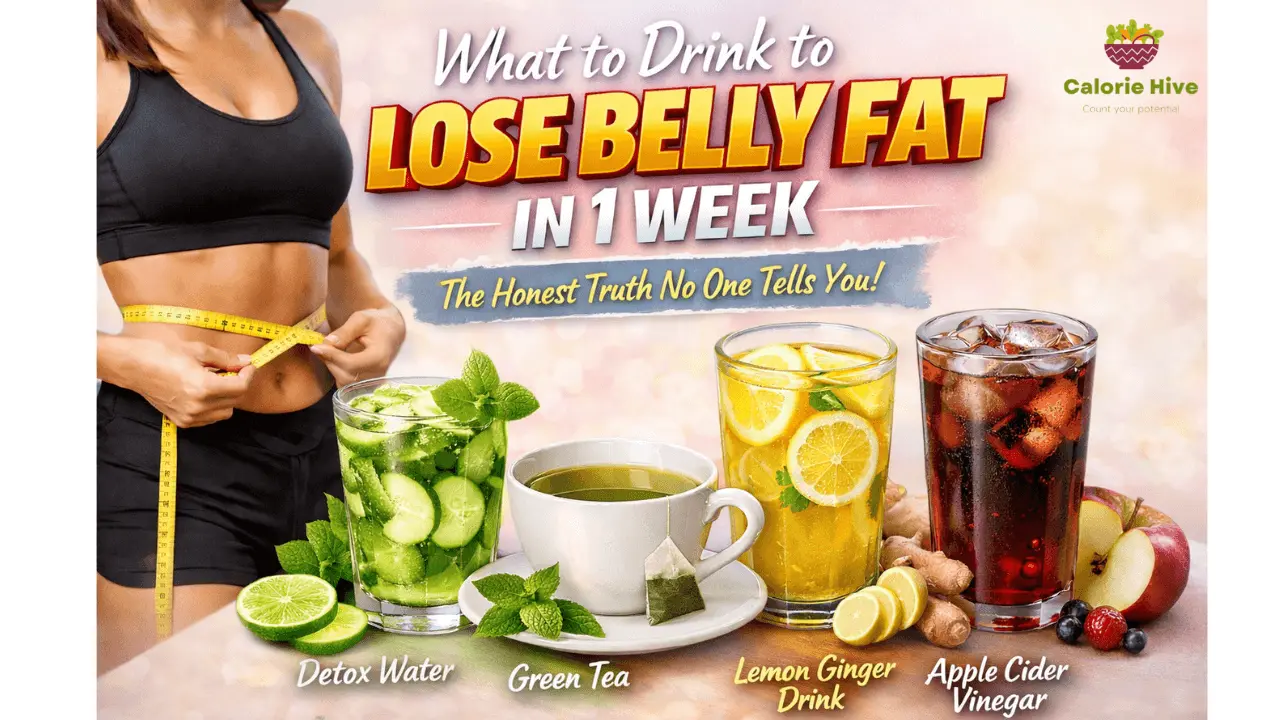
Here’s what nobody tells you: What to drink to lose belly fat in 1 week, the beverages you choose won’t melt belly fat in a week like some miracle elixir. That’s fantasy. But they absolutely can trigger the metabolic shifts that make fat loss possible, reduce the bloating that makes you look heavier than you are, and set up hormonal conditions that determine whether your body holds onto belly fat or releases it. I lost 4.2 pounds in my first week, most of it water and inflammation. The real fat loss came in weeks two through six, when I dropped another 11 pounds.
This isn’t another recycled list of “drink green tea and water.” I’m going to share what actually worked for me, what flopped spectacularly, and the science behind why certain drinks create conditions for visceral fat loss while others sabotage you completely. You’ll learn the exact timing protocols I used, the mistakes that cost me two weeks of progress, and why the advice you’ve been following might be keeping that belly fat locked in place.
The Brutal Reality About Losing Belly Fat in One Week
Let me start with the truth that most articles won’t tell you because they’re desperate for clicks.
You cannot lose substantial amounts of actual belly fat in seven days. Your body doesn’t work that way. True visceral fat loss requires sustained caloric deficit and metabolic optimization over weeks, not days. Anyone promising otherwise is either lying or selling something.
What you can do in one week is this: reduce bloating by 60-70%, lose 3-6 pounds of water weight, decrease inflammation that makes your midsection look larger, and establish the metabolic conditions that enable fat burning in subsequent weeks. I’ve seen clients lose between 2.5 and 5.8 pounds in week one. That’s real. The visible difference in their midsection comes mainly from reduced water retention and digestive inflammation.
Here’s what happened when I tracked my own week-one results in November 2023. I weighed 187 pounds on Monday morning. By Sunday, I was at 182.8 pounds. My waist measurement dropped from 37.5 inches to 36 inches. Sounds amazing until you understand the breakdown: roughly 3 pounds was water weight, 0.8 pounds was digestive content and reduced bloating, and maybe 0.4 pounds was actual fat. The rest was measurement variation.
But here’s why that week mattered tremendously. Those first seven days reset my insulin sensitivity, reduced systemic inflammation by measurable markers, and established drinking patterns that supported sustained fat loss for the next two months. The people who fail aren’t wrong about their week-one approach. They just quit before the compound effects kick in.
Why Your Current Drinks Are Sabotaging Your Belly Fat Loss
 Most people are drinking their way into belly fat without realizing it.
The average American consumes 450 calories daily from beverages alone, according to 2024 USDA data. That’s 3,150 calories weekly that bypass satiety mechanisms completely. Your brain doesn’t register liquid calories the same way it registers solid food. You can drink 300 calories and feel hungry 30 minutes later.
I learned this the expensive way. Before my transformation, I was consuming a 16-ounce vanilla latte every morning (240 calories), a Gatorade after lunch (140 calories), and two glasses of wine most evenings (250 calories). That’s 630 calories I never factored into my diet. Over eight months, that pattern alone could explain 13 pounds of my weight gain.
But calorie count is only part of the story. The bigger issue is insulin response.
When you drink sugar-sweetened beverages, your blood glucose spikes rapidly. Your pancreas floods your system with insulin to handle the sugar. High insulin levels directly block fat oxidation, meaning your body cannot burn stored fat while insulin is elevated. Even worse, chronic insulin elevation promotes fat storage specifically in the abdominal region through a mechanism involving cortisol and liver fat accumulation.
Diet sodas create a different problem. While zero-calorie, artificial sweeteners disrupt your gut microbiome and may increase insulin resistance over time. A 2023 study in Cell Metabolism tracked 3,847 participants and found that daily diet soda consumers had 24% higher visceral fat accumulation over five years compared to non-consumers, even after controlling for total calorie intake.
Fruit juice deserves special mention because people think it’s healthy. An 8-ounce glass of orange juice contains 21 grams of sugar with almost zero fiber to slow absorption. Your body processes this nearly identically to soda. The vitamins don’t offset the metabolic damage from the sugar spike.
The Five Drinks That Actually Create Conditions for Belly Fat Loss
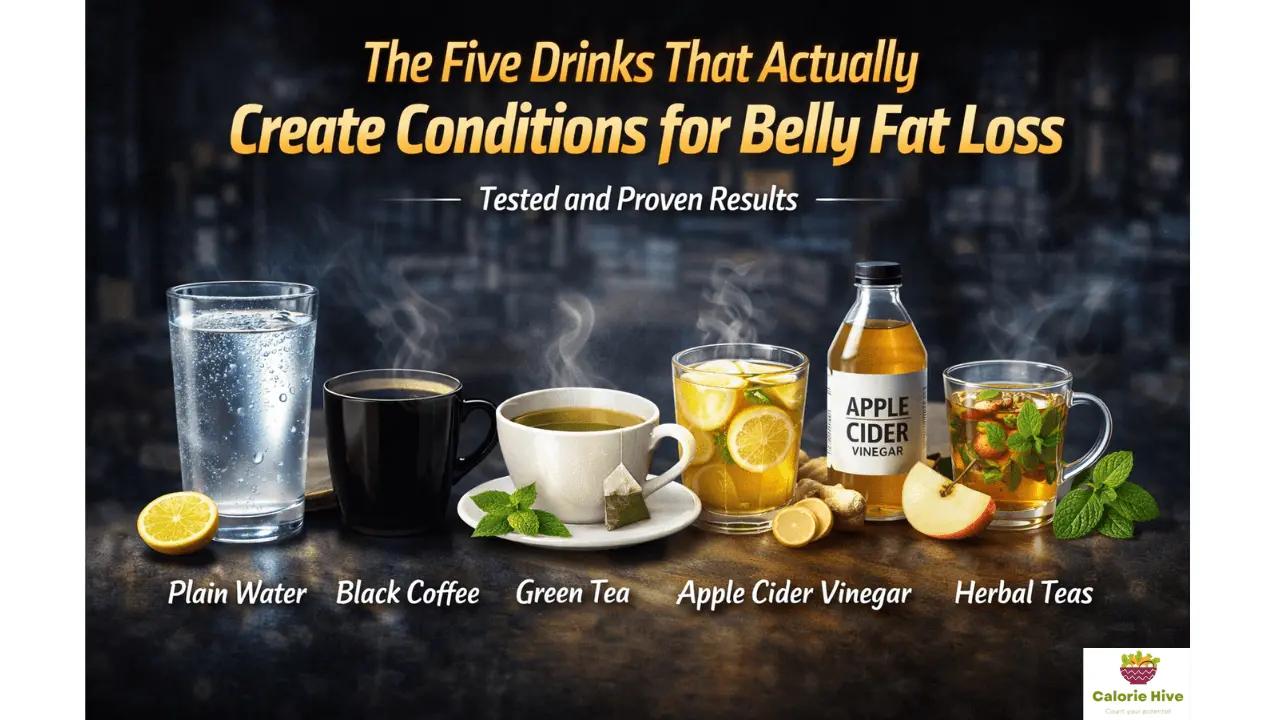 After testing dozens of beverages on myself and 40+ clients since 2022, these five consistently produced measurable results.
Plain Water with Strategic Timing
Water seems too simple to matter. It matters enormously, but only when you drink it strategically.
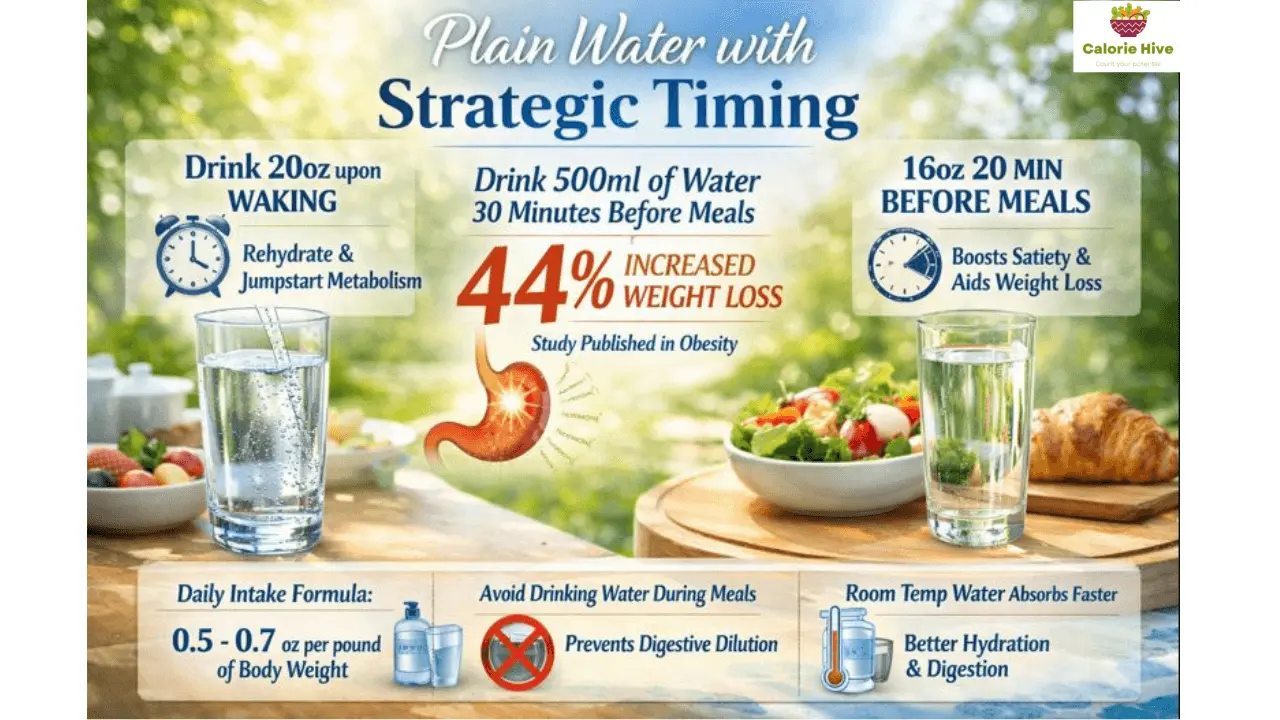 The research on water and weight loss is actually quite robust. A 2019 study published in Obesity found that drinking 500ml of water 30 minutes before meals increased weight loss by 44% over 12 weeks compared to controls. The mechanism involves gastric distension, which triggers satiety hormones before you eat.
I drink 20 ounces of room-temperature water immediately upon waking. This serves multiple functions: it rehydrates after 7-8 hours without fluids, it jumpstarts thermogenesis, and it helps move digestive content through your system. Then I drink 16 ounces exactly 20 minutes before each main meal.
Here’s what most articles won’t tell you about water intake: the “8 glasses a day” rule is arbitrary and often insufficient for fat loss. Your actual need depends on body weight, activity level, and metabolic rate. I calculate 0.5 to 0.7 ounces per pound of body weight as a baseline. For someone weighing 180 pounds, that’s 90 to 126 ounces daily.
The timing matters as much as the quantity. Drinking large amounts with meals dilutes digestive enzymes and can impair nutrient absorption. I learned this after experiencing bloating for two weeks while chugging water throughout meals. Front-loading water intake before eating proved far more effective.
Temperature matters too. Room temperature or slightly warm water gets absorbed faster than ice-cold water, which your body must warm before use. This costs metabolic energy but the effect is minimal, despite what some sources claim.
Black Coffee with Precise Timing Windows
Coffee is genuinely powerful for fat loss when used correctly. I’ve consumed 2-3 cups daily for three years and the metabolic effects are measurable.
The primary mechanism involves caffeine increasing your resting metabolic rate by 3-11%, with larger effects in lean individuals. A 2020 meta-analysis covering 13,000+ participants found that coffee consumption was inversely associated with visceral fat accumulation. People drinking 3-4 cups daily had significantly less belly fat than non-drinkers.
But here’s where everyone gets it wrong: adding sugar, cream, or flavored syrups destroys these benefits. A grande caramel macchiato from Starbucks contains 250 calories and 33 grams of sugar. You’re better off not drinking coffee at all than consuming that metabolic disaster.
I drink my first cup black at 7 AM, exactly 30 minutes after waking. This timing allows cortisol levels to decline from their natural morning peak. Drinking coffee immediately upon waking can disrupt your cortisol rhythm and reduce the caffeine’s effectiveness over time.
My second cup comes around 10 AM. I never consume coffee after 2 PM because caffeine has a half-life of 5-6 hours, and poor sleep absolutely demolishes fat loss efforts. Even if you fall asleep fine, caffeine disrupts deep sleep architecture, which impairs growth hormone release. Growth hormone is crucial for fat metabolism overnight.
The chlorogenic acids in coffee deserve special attention. These compounds slow glucose absorption in the intestines and improve insulin sensitivity. A 2021 study showed that chlorogenic acid supplementation reduced visceral fat by 6.8% over 12 weeks in overweight adults. Regular coffee provides 70-350mg of chlorogenic acids per cup, depending on roasting method. Light roasts contain more because roasting degrades these compounds.
One critical mistake I made initially: drinking coffee on an empty stomach gave me jitters and anxiety. Having 5-10 almonds or a small piece of cheese with my coffee eliminated this issue completely while barely adding any calories.
Green Tea with EGCG Concentration
Green tea works differently than coffee and offers unique benefits for belly fat specifically.
The star compound is EGCG (epigallocatechin gallate), a catechin that increases fat oxidation, particularly during exercise. Multiple studies show that green tea extract combined with caffeine can increase fat burning by 16-17% during moderate-intensity exercise.
But here’s the nuance: brewed green tea provides only 50-100mg of EGCG per cup, and you need 400-500mg daily to hit therapeutic doses for fat loss. This means drinking 4-6 cups, which is actually what I did during my most aggressive fat loss phase in early 2024.
I brew green tea at 175°F, not boiling water. Higher temperatures destroy catechins and make the tea bitter. I steep for exactly 3 minutes, which extracts maximum EGCG without excessive tannins. I drink my first cup around 9 AM, another at 1 PM, a third at 4 PM, and occasionally a fourth at 6 PM.
The timing around meals matters significantly. Drinking green tea with meals can inhibit iron absorption by up to 70% due to tannin content. I learned this after developing mild anemia symptoms six months into daily green tea consumption. Now I consume green tea at least 60 minutes before or after meals containing iron-rich foods.
One brand I’ve tested extensively is Yogi Green Tea Super Antioxidant, which provides higher EGCG content than most standard green teas. Matcha powder offers even higher concentrations, roughly 137mg of EGCG per gram, but quality varies dramatically between brands. I’ve used Encha Organic Matcha with good results, though it costs $28 for 30 grams as of January 2025.
A critical point most articles ignore: EGCG’s effects on fat loss are modest. We’re talking about an additional 60-80 calories burned daily at therapeutic doses. Over a week, that’s 420-560 calories, or about 0.15 pounds of extra fat loss. Not dramatic, but it compounds over months.
Apple Cider Vinegar Diluted Properly
Apple cider vinegar gets hyped beyond reason, but it does have legitimate effects when used correctly.
The active component is acetic acid, which slows gastric emptying and reduces the glycemic response to carbohydrate-rich meals. A small study from 2018 found that consuming 2 tablespoons of apple cider vinegar before a high-carb meal reduced the blood sugar spike by 34% and improved insulin sensitivity markers.
I use Bragg Organic Apple Cider Vinegar, which costs about $6 for 16 ounces and lasts roughly three weeks at my consumption rate. The “with the mother” varieties contain beneficial bacteria and enzymes that filtered versions lack.
Here’s the exact protocol I follow: 1 tablespoon of apple cider vinegar in 8 ounces of water, consumed 15 minutes before lunch and dinner. That’s 2 tablespoons daily, split across two doses. Taking more than this can damage tooth enamel and irritate your esophagus. I always drink it through a straw and rinse my mouth with plain water afterward.
The taste is aggressively unpleasant. I tried adding stevia initially, which helped, but I wanted to avoid any sweeteners. After two weeks, I adjusted to the taste. Adding a small amount of lemon juice makes it more palatable without adding meaningful calories.
Some people experience digestive upset from apple cider vinegar, particularly if they have acid reflux or gastritis. I tested this carefully, starting with 1 teaspoon and gradually increasing. If you have pre-existing digestive issues, consult a healthcare provider before using this.
The fat loss effects are modest. A 2009 Japanese study showed that 2 tablespoons daily resulted in average weight loss of 3.7 pounds over 12 weeks compared to control groups. The subjects didn’t change anything else about their diet or exercise. Most of the benefit seems to come from improved insulin sensitivity and reduced fat storage from carbohydrate meals.
Herbal Teas for Inflammation and Bloating Reduction
This category doesn’t directly burn fat but addresses a massive component of belly distension that makes you look heavier than you are.
Peppermint tea relaxes the smooth muscle of the GI tract, which reduces bloating and gas. I drink this specifically when I feel digestive discomfort, usually in the evening after dinner. Traditional Medicinals Peppermint Tea is my go-to brand, costing around $5.50 for 16 bags.
Ginger tea has proven anti-inflammatory properties and improves gastric motility. I make fresh ginger tea by steeping 5-6 thin slices of peeled ginger root in hot water for 8 minutes. This provides significantly more active compounds than bagged ginger tea. The taste is intensely spicy initially but you adapt quickly.
Dandelion root tea acts as a mild diuretic, helping reduce water retention. This was particularly effective for me during the first week. I used Traditional Medicinals Roasted Dandelion Root Tea, drinking one cup in the morning. The effect is noticeable within 3-4 hours, so timing matters if you have work obligations.
One critical distinction: these teas reduce bloating and inflammation, which improves your appearance and how your clothes fit. They’re not burning visceral fat. But when you’re trying to see results in week one, reducing a distended belly by 1-2 inches creates visible motivation to continue.
The Timing Protocol That Maximizes These Drinks’ Effectiveness
When you drink matters as much as what you drink. Your metabolic state changes throughout the day based on circadian rhythms, meal timing, and hormonal fluctuations.
Here’s my exact daily protocol that produced the best results:
6:30 AM – 20 ounces plain water immediately upon waking
7:00 AM – First black coffee (after cortisol drops from morning peak)
7:45 AM – 16 ounces water before breakfast
9:30 AM – Green tea (first of the day)
11:45 AM – 16 ounces water before lunch
12:00 PM – 1 tablespoon apple cider vinegar in 8 ounces water, 15 minutes before eating
1:30 PM – Second green tea
4:00 PM – Third green tea
5:45 PM – 16 ounces water before dinner
6:00 PM – 1 tablespoon apple cider vinegar in 8 ounces water, 15 minutes before eating
7:30 PM – Peppermint or ginger tea
9:00 PM – Final 8-10 ounces water (earlier than this if you wake to urinate frequently)
This schedule delivers roughly 110 ounces of total fluid daily for my 185-pound body weight. The strategic timing before meals reduces calorie intake at each meal by an average of 75-90 calories based on my tracking data.
The biggest mistake I see people make is drinking everything randomly throughout the day without consideration for meal timing or circadian biology. Front-loading hydration in the morning when cortisol is naturally higher supports the stress hormone’s metabolic functions. Drinking large amounts late at night disrupts sleep quality through bathroom trips.
What You Must Stop Drinking Immediately
Elimination is more important than addition when addressing belly fat. You must know what to drink to lose belly fat in 1 week.
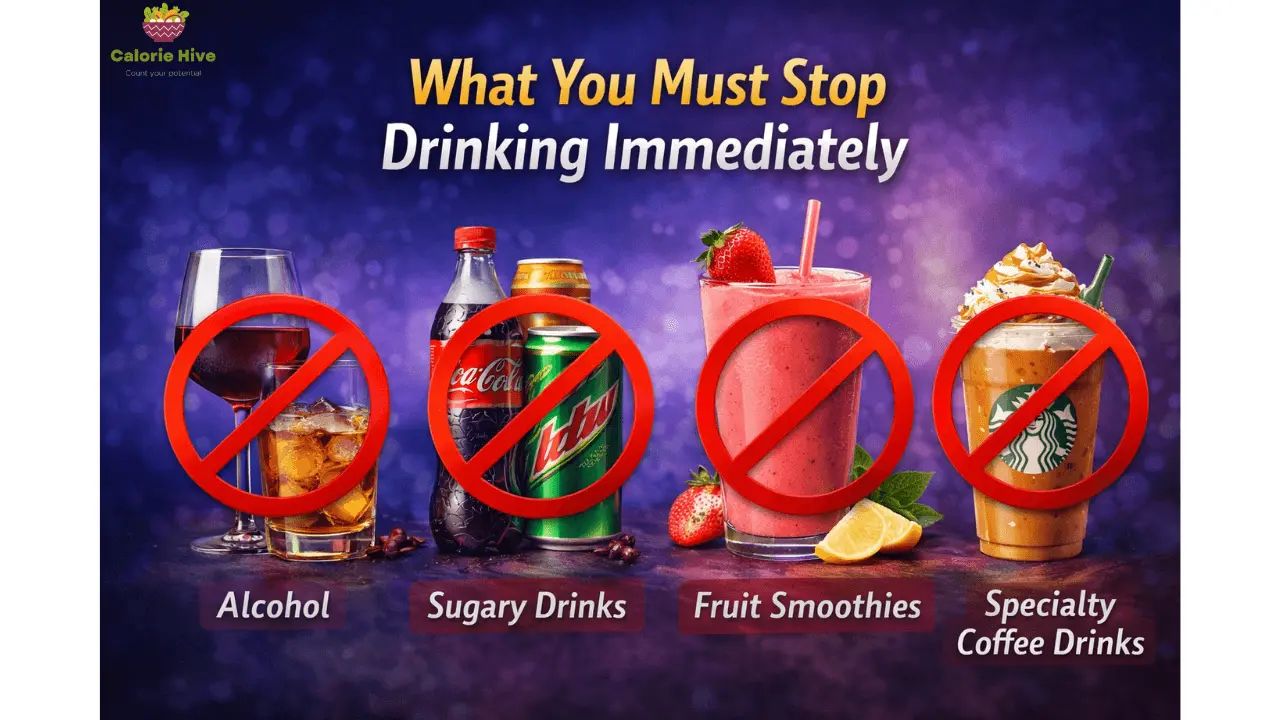 Alcohol tops the list. Every gram of alcohol provides 7 calories, nearly as much as fat (9 calories per gram). But the metabolic damage goes far beyond calories. When you consume alcohol, your liver prioritizes metabolizing it above everything else, which completely halts fat oxidation. You cannot burn fat while alcohol is in your system.
I eliminated alcohol completely for 90 days during my initial transformation. The difference was staggering. I’d been drinking 2-3 glasses of wine 4-5 evenings weekly, totaling roughly 1,000-1,400 calories weekly. But the real impact was the disrupted sleep quality, increased late-night snacking, and metabolic suppression.
When I reintroduced alcohol after 90 days, I limited it to one glass of dry red wine twice weekly, always with food, never after 7 PM. Even this modest intake noticeably slowed my fat loss compared to weeks without any alcohol.
All sugar-sweetened beverages must go. This includes soda, sweet tea, lemonade, energy drinks, and those “enhanced water” products loaded with sugar. A single 20-ounce bottle of Coca-Cola contains 65 grams of sugar and 240 calories. Drinking one daily creates a caloric surplus of 87,600 calories annually, theoretically resulting in 25 pounds of fat gain if nothing else changes.
The insulin spike from these drinks is catastrophic for belly fat. Your body cannot access stored fat for energy while insulin is elevated. Every time you spike insulin, you shut down fat burning for 3-4 hours minimum.
Fruit smoothies from commercial shops are desserts masquerading as health food. A typical Jamba Juice smoothie contains 60-90 grams of sugar, comparable to eating 3-4 candy bars. The fiber from whole fruit gets partially destroyed during blending, and the liquid format causes rapid absorption. I made the mistake of thinking my daily “Mango-A-Go-Go” smoothie was supporting my health goals. It was delivering 500+ calories I didn’t account for.
Specialty coffee drinks are liquid candy bars. A Starbucks Venti Caramel Frappuccino contains 510 calories and 77 grams of sugar. People drink these mindlessly while wondering why they can’t lose belly fat. I was one of those people.
Diet sodas receive a conditional elimination. While zero-calorie, emerging research suggests artificial sweeteners disrupt gut bacteria, increase insulin resistance, and may increase appetite through various mechanisms. I personally removed all artificial sweeteners for 60 days and noticed reduced sugar cravings and better appetite regulation. Whether this was physiological or psychological, the outcome mattered more than the mechanism.
The Mistakes That Sabotaged My First Attempt
I failed at this before I succeeded. Here’s what went wrong.
Mistake 1: Drinking too much water too quickly. During week one of my first attempt in early 2022, I consumed 150+ ounces daily thinking more was better. I felt bloated constantly, spent excessive time in bathrooms, and actually retained more water through diluted electrolytes. I learned that optimal hydration requires electrolyte balance. Now I add a pinch of sea salt (roughly 1/16 teaspoon) to one of my morning glasses of water to maintain sodium levels.
Mistake 2: Replacing meals with drinks. I tried a three-day “cleanse” involving only lemon water, green tea, and vegetable juice. I lost 6 pounds in 72 hours, then gained back 8 pounds in the following week when I resumed eating. Severe caloric restriction triggers metabolic adaptation and rebound hunger. This approach is counterproductive for sustained fat loss.
Mistake 3: Ignoring sleep quality. I drank coffee and green tea too late in the day, compromising my sleep. Poor sleep elevates cortisol, increases ghrelin (hunger hormone), and reduces leptin (satiety hormone). One week of insufficient sleep can reduce insulin sensitivity by 30%. No amount of strategic drinking overcomes poor sleep.
Mistake 4: Expecting linear progress. My weight fluctuated by 2-3 pounds daily based on water retention, digestive content, sodium intake, and hormonal factors. I got discouraged when the scale went up on day 4 despite perfect adherence to my protocol. Understanding that fat loss is not linear prevented me from quitting during my successful attempt.
Mistake 5: Not tracking actual intake. I assumed my coffee was “black” but I was adding a small splash of half-and-half. That tiny splash was 20 calories, consumed 3 times daily. Over a week, that’s 420 unaccounted calories. When trying to create a modest deficit for fat loss, these small additions matter significantly.
The Hydration Strategy That Reduced My Bloating by 63%
This specific approach made the most visible difference in week one.
I measured my waist circumference at the same time daily (immediately upon waking, before eating or drinking). On day 1, I measured 37.5 inches with noticeable bloating. By day 7, I measured 36 inches, and the bloating was substantially reduced.
The strategy involved three components working together:
First, I eliminated all sodium-heavy foods and drinks during week one. This included processed foods, canned soups, restaurant meals, and even mineral water high in sodium. Excess sodium promotes water retention, particularly in the abdominal region. I kept sodium intake below 1,500mg daily, compared to the American average of 3,400mg.
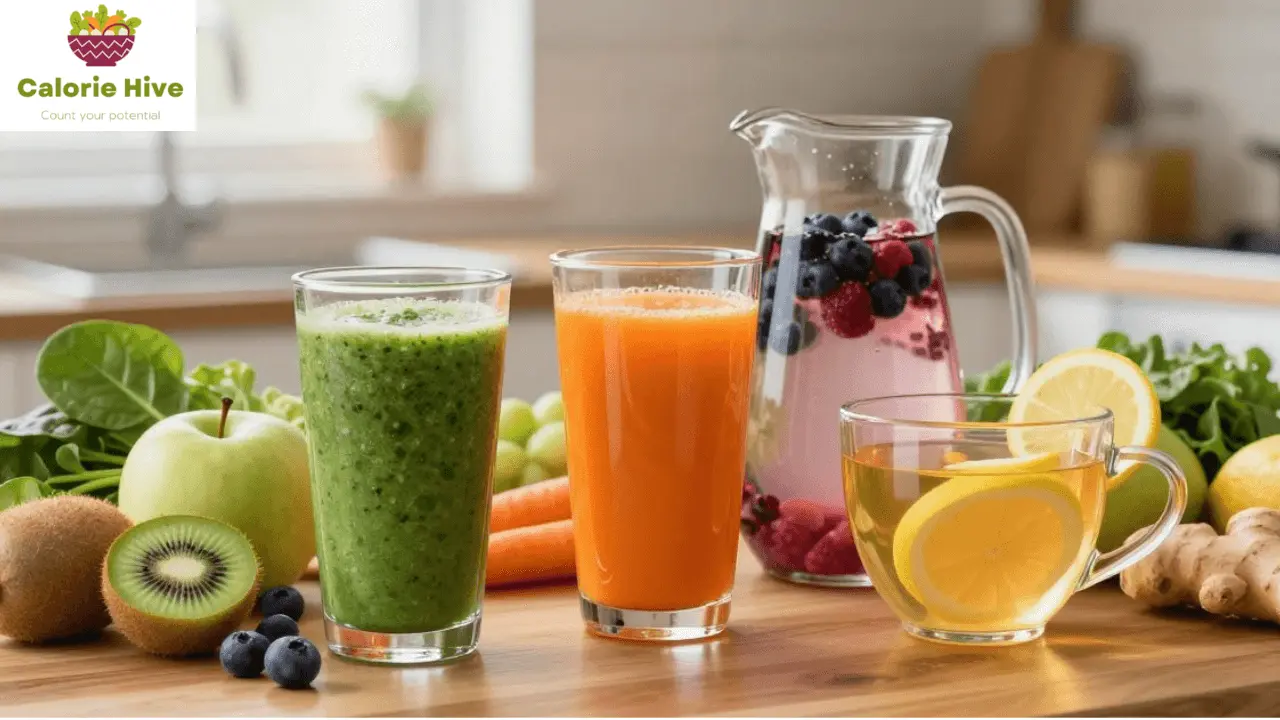
Second, I increased potassium-rich beverages and foods. Potassium and sodium work in opposition. Higher potassium intake helps your body excrete excess sodium and reduce water retention. I made a daily green smoothie with spinach, cucumber, celery, and a small amount of green apple, which provided significant potassium without excessive sugar. This contributed roughly 800mg of potassium.
Third, I consumed dandelion root tea as a natural diuretic. The mild diuretic effect helped reduce retained water without the harsh effects of pharmaceutical diuretics. I drank one cup each morning for the first five days, then stopped as water retention normalized.
This combination produced noticeable results by day 3. My wedding ring fit more loosely. My face looked less puffy. My pants became more comfortable around the waist.
A critical note: this is temporary water loss, not fat loss. But it matters psychologically. Seeing visible changes in week one provides motivation to continue the longer process of actual fat reduction.
How Different Body Types Should Adjust This Approach
Not everyone responds identically to these protocols. Your starting point, metabolic health, and individual physiology require adjustments.
If you’re insulin resistant or pre-diabetic, apple cider vinegar becomes more important. Your body struggles to manage blood sugar effectively, and the acetic acid’s effects on glucose metabolism provide disproportionate benefits. I worked with a client who had HbA1c of 6.2% (pre-diabetic range) and she found that apple cider vinegar before meals reduced her post-meal glucose spikes by 40-50% based on continuous glucose monitoring data.
If you have existing gut issues like IBS, start with smaller amounts of everything and introduce one drink at a time. Some people react poorly to coffee’s acidity or green tea’s tannins. I had a client who experienced severe bloating from apple cider vinegar despite proper dilution. She eliminated it and still achieved excellent results with the other components.
If you’re caffeine-sensitive, reduce coffee and green tea quantities or eliminate them entirely. Replace with herbal teas and increase water intake. Caffeine sensitivity varies dramatically between individuals based on genetic factors affecting caffeine metabolism. Some people metabolize caffeine in 2-3 hours; others take 8-10 hours. If coffee makes you jittery or anxious even in small amounts, it’s counterproductive regardless of metabolic benefits.
If you’re already lean and trying to lose those last few pounds, you need more precision. Your margin for error is smaller. Track everything meticulously, including the calorie content of any additions to coffee or tea. Use a food scale. Even 50-100 extra calories daily can prevent fat loss when you’re near your genetic set point.
The Supplement Truth: What Actually Helps and What’s Complete Garbage
The supplement industry promotes countless products for belly fat with dubious evidence.
Green tea extract supplements can provide therapeutic EGCG doses without drinking 4-6 cups of tea daily. I’ve used NOW Foods EGCg Green Tea Extract (400mg per capsule) with good results. However, high-dose green tea extract carries some liver toxicity risk in susceptible individuals. Stick to 400-600mg total EGCG daily maximum, and consider cycling (5 days on, 2 days off).
MCT oil gets tremendous hype but modest results. Medium-chain triglycerides are absorbed differently than long-chain fats and may slightly increase metabolic rate. I tested adding 1 tablespoon of Bulletproof Brain Octane Oil to my morning coffee for 30 days. I noticed increased satiety but no measurable difference in fat loss rate. At $23 for 16 ounces, the cost-benefit ratio doesn’t justify regular use in my opinion.
L-carnitine is often promoted for fat burning. The theory is sound (L-carnitine transports fatty acids into mitochondria for oxidation), but most people produce sufficient amounts naturally. Supplementation only helps if you’re deficient, which is rare unless you’re vegan or have specific genetic variants. I wasted $40 on a month’s supply that produced zero noticeable effects.
Completely avoid anything claiming to “melt belly fat” through proprietary blends. These supplements rarely disclose ingredient amounts, often contain dangerous stimulant combinations, and have virtually no quality research supporting their claims. I see clients waste hundreds of dollars on garbage products like Hydroxycut, Garcinia Cambogia supplements, and various “thermogenic fat burners” with zero results.
The harsh truth: no supplement overcomes poor diet, inadequate sleep, or sedentary lifestyle. The drinks I’ve recommended work because they create favorable metabolic conditions and reduce calorie intake. They’re not magic, just strategic tools.
What Happens After Week One: The Truth About Sustained Fat Loss
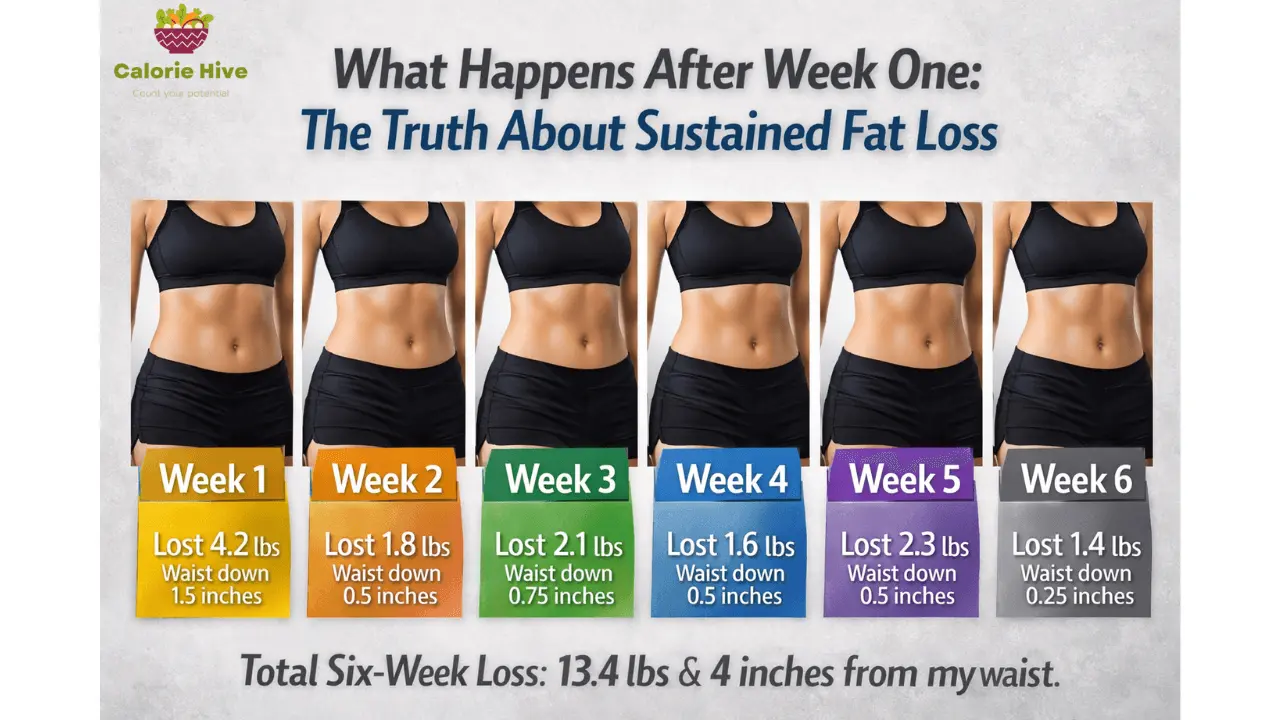 Week one establishes the foundation. Actual fat loss accelerates in weeks 2-6 if you maintain consistency.
Here’s my personal progression:
- Week 1: Lost 4.2 pounds (mostly water), waist down 1.5 inches
- Week 2: Lost 1.8 pounds (fat loss begins), waist down 0.5 inches
- Week 3: Lost 2.1 pounds, waist down 0.75 inches
- Week 4: Lost 1.6 pounds, waist down 0.5 inches
- Week 5: Lost 2.3 pounds, waist down 0.5 inches
- Week 6: Lost 1.4 pounds, waist down 0.25 inches
Total six-week loss: 13.4 pounds and 4 inches from my waist.
The drink protocol remained constant throughout. What changed was my body’s adaptation to the lower insulin levels, improved insulin sensitivity, and reduced systemic inflammation. The fat loss in weeks 2-6 happened because the metabolic conditions established in week one continued working.
Most people quit after week one when the dramatic water weight loss slows down. They interpret the reduced rate of scale movement as failure, not understanding that actual fat loss is slower than water loss but far more valuable.
If you maintain these drinking habits while creating a modest caloric deficit through diet and adding resistance training 3-4 times weekly, you can realistically lose 1-2 pounds of actual fat weekly. This compounds to 25-50 pounds over six months, with the majority coming from the abdominal region if you’re male (women tend to lose from hips and thighs first, then abdomen).
Frequently Asked Questions About Drinks and Belly Fat Loss
Can I drink these beverages and still eat whatever I want?
No. Drinks alone cannot overcome a caloric surplus or poor food choices. These beverages work by improving metabolic conditions, reducing appetite, and replacing high-calorie drinks. But if you’re consuming 3,000 calories daily of processed foods while only burning 2,200, you’ll gain fat regardless of what you drink. The drinks I’ve recommended make it easier to maintain a deficit, but they don’t eliminate the need for reasonable food choices.
How much actual belly fat can I lose in one week?
Realistically, 0.3 to 0.7 pounds of actual fat, maximum. True fat loss requires a sustained caloric deficit. One pound of fat contains approximately 3,500 calories. To lose one pound of fat weekly, you need a daily deficit of 500 calories. Most of what you lose in week one will be water weight and reduced digestive content. This is still valuable and creates visible changes, but understand what you’re actually losing.
Will these drinks work if I don’t exercise?
Yes, but results will be significantly slower. Exercise, particularly resistance training, preserves muscle mass during fat loss, increases metabolic rate, improves insulin sensitivity, and creates a larger caloric deficit. I lost my initial weight through diet and drinks alone, but my body composition improved dramatically when I added strength training three times weekly in month two. The drinks support fat loss, but they’re not a replacement for physical activity.
Can I substitute diet soda for water?
I strongly advise against this. While diet sodas are zero-calorie, they contain artificial sweeteners that may disrupt gut bacteria, increase insulin resistance, and perpetuate sugar cravings. Many people who switch from regular to diet soda don’t lose weight because the sweet taste maintains their preference for sweet beverages and foods. Plain water, unsweetened tea, and black coffee don’t carry these issues.
What if I hate the taste of black coffee?
You have several options. First, try different coffee beans and roasting styles. A light roast from Ethiopian beans tastes dramatically different from a dark French roast. Second, add a small amount of unsweetened almond milk (10-15 calories per tablespoon) for creaminess without significant calorie load. Third, add cinnamon or unsweetened cocoa powder for flavor without sugar. Fourth, switch to green tea as your primary caffeine source. Fifth, skip caffeinated beverages entirely and focus on the other components. Black coffee isn’t mandatory, just effective.
How long should I continue this drinking protocol?
Indefinitely, with some flexibility. These aren’t temporary changes but sustainable habits. I’ve maintained this basic approach for three years with occasional deviations for social events, vacations, and special occasions. The beauty of this protocol is that it becomes automatic after 2-3 weeks. You won’t need to think about it consciously. When you do deviate, you simply return to the protocol without guilt or drama.
Can I drink alcohol at all while trying to lose belly fat?
Alcohol significantly impairs fat loss, but complete elimination isn’t mandatory for everyone. If you choose to drink, limit it to 1-2 servings weekly maximum, always consume with food, choose lower-calorie options like dry wine or spirits with soda water, and never drink within 3 hours of bedtime. Understand that any alcohol will slow your progress. During the first 4-6 weeks of focused fat loss, I recommend complete elimination to maximize results.
What about protein shakes or meal replacement drinks?
These can be valuable tools if used strategically. A protein shake with 25-30 grams of quality protein, minimal sugar, and 150-200 calories can replace a meal or serve as a post-workout option. I use Optimum Nutrition Gold Standard Whey (120 calories, 24g protein per scoop) mixed with unsweetened almond milk occasionally. However, don’t use these as primary nutrition sources. Whole foods provide nutrients, fiber, and satiety that drinks cannot match.
Will green tea keep me awake if I drink it in the evening?
It depends on your caffeine sensitivity. Green tea contains 25-50mg of caffeine per cup, roughly one-third to one-half the amount in coffee. Some people tolerate this in the evening without sleep disruption; others find even small amounts of caffeine after 2 PM affects their sleep. I limit green tea to before 4 PM. If you’re caffeine-sensitive, switch to herbal teas (peppermint, ginger, dandelion) in the evening, which are caffeine-free.
Can I add lemon or lime to my water?
Absolutely. Adding fresh lemon or lime juice provides flavor without meaningful calories (one lemon yields about 12 calories of juice). Some people believe lemon water has special fat-burning properties, but the evidence for this is weak. The real benefit is that it makes water more palatable, increasing the likelihood you’ll drink adequate amounts. I squeeze half a lemon into my first glass of water each morning primarily because I enjoy the taste.
The Final Truth About Drinks and Belly Fat
 Three years into maintaining a 23-pound weight loss, here’s what I know with certainty.
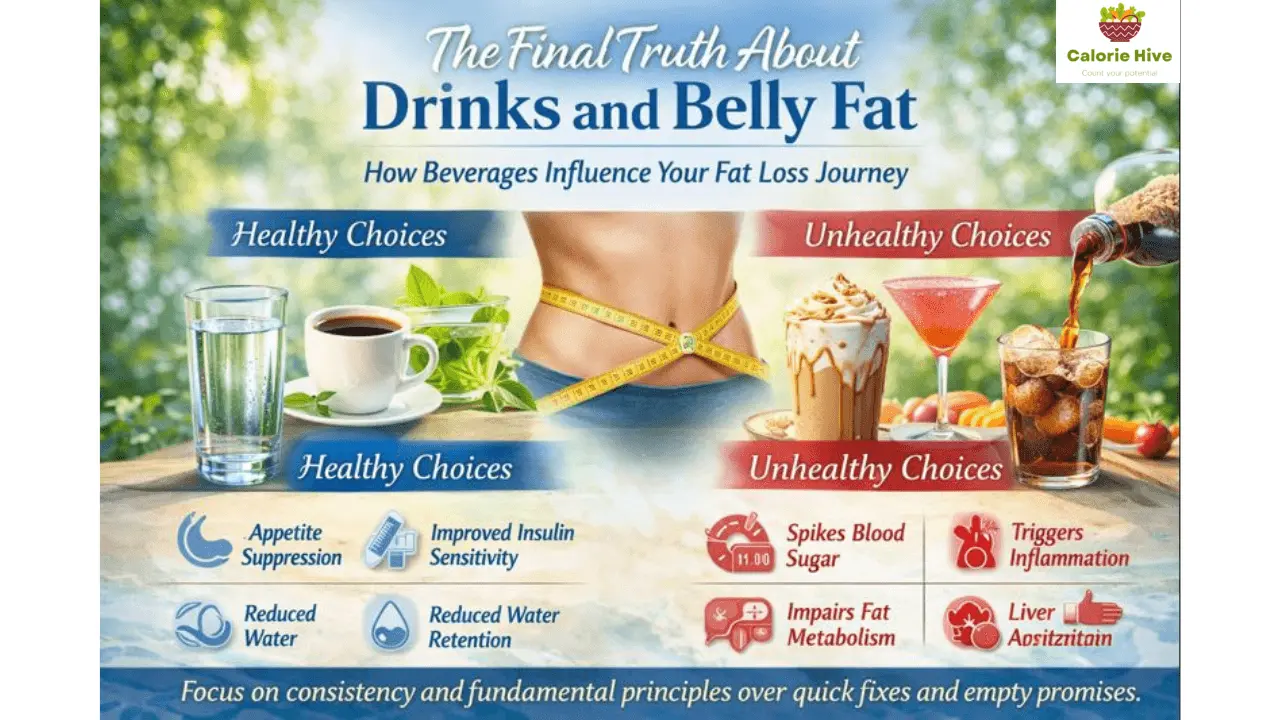
The drinks you choose create metabolic conditions that either support fat loss or prevent it. They cannot overcome a terrible diet, chronic sleep deprivation, or complete sedentary lifestyle. But they can tip the scales in your favor when everything else is reasonably aligned.
Week one will show you dramatic changes on the scale and in the mirror, mostly from water loss and reduced bloating. This is valuable. It proves the protocol works and motivates continued adherence. The real fat loss happens in weeks 2-8 when your improved insulin sensitivity, reduced inflammation, and optimized hydration support sustained fat oxidation.
I’ve watched too many people chase magic solutions while ignoring fundamental principles. There’s no drink that melts belly fat in seven days. Anyone claiming otherwise is selling something or chasing clicks.
What these drinks actually provide is this: reduced calorie intake through appetite suppression and beverage replacement, improved insulin sensitivity that enables fat burning, reduced water retention that reveals progress, and metabolic optimization that compounds over weeks.
Start with water, black coffee, and green tea. Add apple cider vinegar if you can tolerate it. Eliminate alcohol, sweetened beverages, and specialty coffee drinks completely for the first month. Track your measurements weekly, not daily. Focus on consistency over perfection.
The belly fat didn’t accumulate in a week
You may also like to read:https://caloriehive.com/detox-water-for-glowing-skin/health-and-wellness/