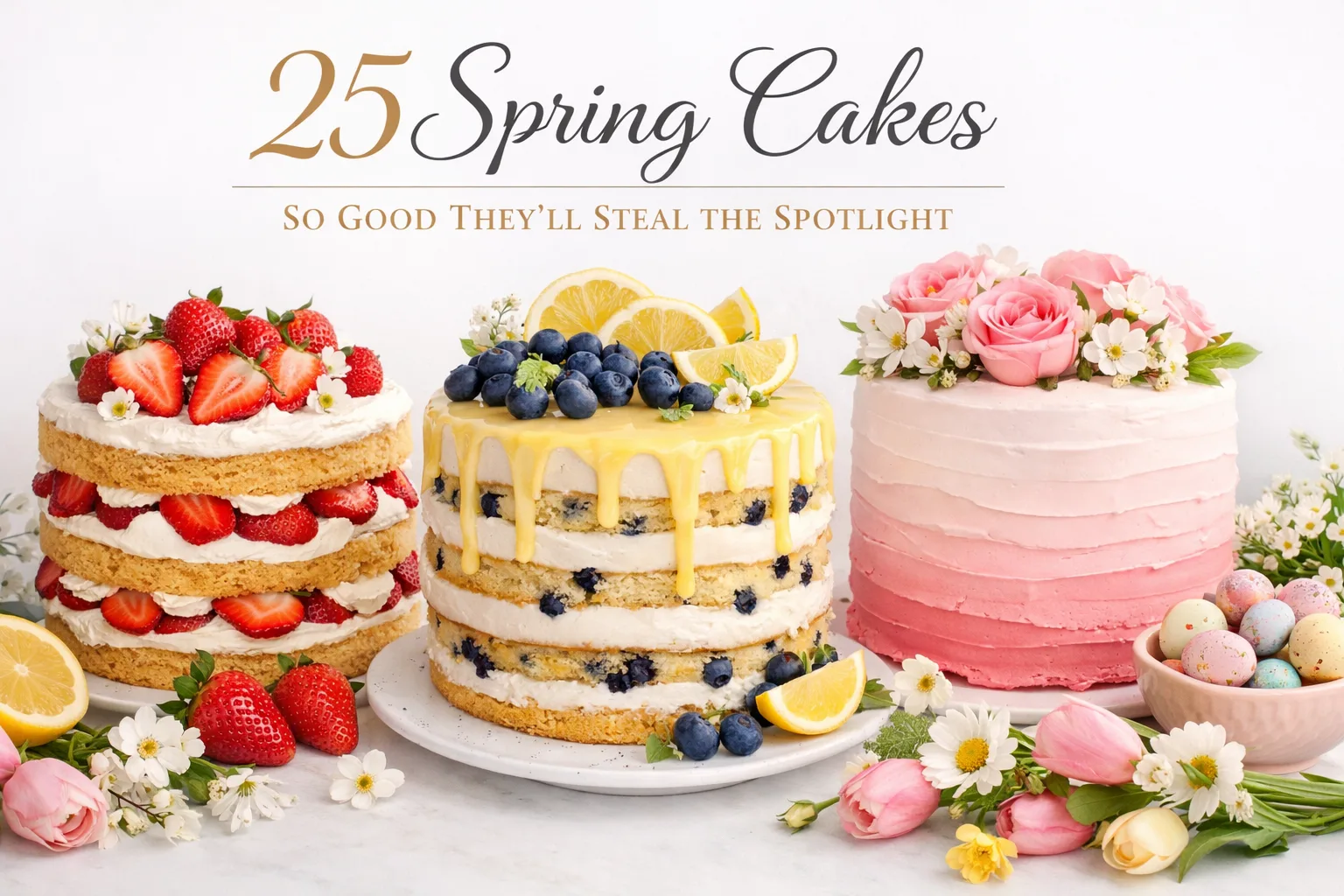
Your ultimate guide to the most show-stopping, crowd-pleasing spring cakes of the season
Here is a confession I am not proud of.
Three Easters ago, I spent two days baking what I was convinced would be the centerpiece of our family table. Lemon drizzle, hand-decorated, dusted in edible gold. I carried it in like a trophy. My aunt set her strawberry chiffon cake down next to it. Mine never got a second slice. Hers was gone in eleven minutes flat. I counted.
That moment changed how I think about spring baking. It is not about complexity. It is not about how long you stood at the counter. It is about that specific magic that makes a room go quiet the second a fork hits the plate. Spring cakes have that magic more than any other season’s bakes. The flavors are alive. The colors do the talking. And the right cake does not just get eaten. It gets remembered.
So I did what any obsessed baker would do after a humbling defeat. I researched, tested, and ate my way through dozens of recipes. I talked to pastry chefs, home bakers on Reddit, and food bloggers with combined followings in the millions. I failed at twelve cakes before cracking the ones that genuinely work. What follows is the distilled result: 25 spring cakes that earn the spotlight every single time.
Why Spring Cakes Hit Different (and What Makes Them Work)
Spring baking occupies a sweet spot that winter and summer simply cannot match. The produce arriving in April and May is extraordinary. Strawberries with actual flavor. Lemons at peak fragrance. Rhubarb so tart it makes your jaw tighten in the best possible way. Lilacs, lavender, and elderflower available fresh or as concentrated syrups. You are not fighting the season. You are riding it.
The bakers I spoke with kept circling back to one principle: spring cakes should taste like the season smells. Light, floral, slightly sharp, with enough sweetness to balance without overwhelming. The moment you get that balance right, you stop making cake and start making an event.
One more thing worth saying upfront: do not skip the decoration. I used to think finishing a cake beautifully was optional. It is not. Research from the Cornell Food and Brand Lab showed that visual presentation influences perceived taste by up to 29 percent. Spring cakes deserve edible flowers, pastel glazes, and fresh fruit arrangements. They reward the effort visually, which means they reward you emotionally too.
The Citrus Stars: Cakes Built Around Spring’s Brightest Flavors
- Classic Lemon Drizzle Cake
Do not let the simplicity fool you. A properly made lemon drizzle with a crackling sugar crust and a genuinely moist crumb is one of the hardest cakes to stop eating. The secret most recipes miss is the ratio: you need one full tablespoon of zest per 100 grams of flour, and the drizzle must go on while the cake is still warm so it soaks rather than sits. Use unwaxed lemons exclusively. The difference in aroma is not subtle.
- Blood Orange and Almond Torte
This one silences a room. Blood orange season runs through April in most regions, and the deep crimson color against ivory almond sponge is genuinely stunning. Ground almonds replace most of the flour, which gives the torte a dense, fudgy middle that feels almost luxurious. Serve it slightly warm with a dusting of icing sugar. People will ask for the recipe before they finish their slice.
- Lemon and Lavender Pound Cake
The combination sounds fussy until you taste it. Lavender amplifies the lemon without competing with it. The critical rule here is restraint: use culinary lavender only and measure in teaspoons, never tablespoons. I learned this the hard way after producing what tasted like a bar of soap. One and a half teaspoons of dried culinary lavender per standard loaf is the ceiling. The ceiling exists for a reason.
- Orange Blossom Chiffon Cake
Chiffon cakes are the underrated heroes of spring baking. They are lighter than sponge, more forgiving than angel food cake, and they carry floral notes beautifully. Orange blossom water (I use the Nielsen-Massey brand, around 8 dollars for a small bottle) adds a Middle Eastern-inspired fragrance that sets this apart from every other citrus cake on the table. Pair it with a honey whipped cream and fresh segments of clementine.
The Berry Brigade: Strawberry, Raspberry, and Beyond
- Classic Victoria Sponge with Strawberry Jam
Here is a controversial opinion: the Victoria Sponge is the most perfect spring cake ever created, and most people make it wrong. The sponge should be buttery and tight, not airy and dry. The jam should be good quality (I use Bonne Maman strawberry and I will not apologize for how much I spend on it). The cream should be whipped just past soft peaks. And the strawberries on top should be fresh, hulled, and halved. Not sliced. Not quartered. Halved.
- Strawberry Basil Olive Oil Cake
This is the cake that changed my mind about olive oil in baking. Extra virgin olive oil creates a different kind of moisture than butter. It is silkier, almost velvety. Combined with fresh strawberries and a chiffonade of basil stirred through the batter, you get something that tastes savory and sweet at once. I first tried a version of this at a small bakery in Bologna in 2019 and reverse-engineered it over six attempts when I got home.
- Raspberry and Rose Layer Cake
This is your showstopper. Three layers of vanilla sponge, raspberry compote between each, and rose-scented Swiss meringue buttercream on the outside. Decorate with dried rose petals and fresh raspberries. It looks like it belongs in a patisserie window. It tastes even better than it looks. The compote is the load-bearing element: cook it down until it is thick enough to stay put between layers, otherwise you will have a delicious but structurally unfortunate disaster on your hands.
- Blueberry Lemon Bundt Cake
Bundt cakes deserve more respect than they currently receive. The shape does real work: it creates more surface area for a crust, and the hole in the middle makes each slice taller and more dramatic. This version uses tossed-in-flour blueberries to prevent sinking and a lemon cream cheese glaze that drips down the ridges beautifully. Use a Nordic Ware bundt tin if you can. The definition of the ridges genuinely affects the final result.
- Strawberry Shortcake Stack
Technically not a traditional layered cake, but the assembled version looks more spectacular than most formal celebrations bake. Sweetened biscuit rounds, macerated strawberries, and barely sweetened whipped cream stacked three high. The key is macerating the strawberries with sugar and a small splash of balsamic vinegar for at least 30 minutes. It deepens their flavor dramatically. I know balsamic sounds wrong. It is absolutely right.
Floral and Herbal: The Cakes That Smell Like a Garden
- Elderflower and Gooseberry Celebration Cake
This is the cake the British countryside invented in spirit form. Elderflower cordial (Belvoir or Bottlegreen are both excellent, around 5 to 7 dollars for a 500ml bottle) goes into both the sponge and the buttercream. Fresh or tinned gooseberries provide the necessary tartness to stop the whole thing from tipping into perfume territory. It is delicate, it is elegant, and it photographs beautifully. Make it for someone you want to impress.
- Lavender Honey Cake with Earl Grey Glaze
Honey replaces about a third of the sugar here, which changes the texture: slightly denser, more bronzed on top, with a deeper sweetness that white sugar cannot replicate. The Earl Grey glaze is made by steeping two teabags in warm cream for ten minutes, then whisking in icing sugar. It adds a bergamot note that plays beautifully against the lavender. This cake is unambiguously adult. Children will tolerate it. Adults will lose their composure over it.
- Rose Water Pistachio Cake
The color alone makes this worth baking. Ground pistachios turn the sponge a muted sage green. Decorate with crushed pistachios, dried rose petals, and a white chocolate drip, and you have something that looks designed by a professional. The rose water must be used carefully: half a teaspoon in the batter, half a teaspoon in the frosting. More than this and you cross the line into soap territory again. That territory is unforgiving.
- Chamomile and Peach Upside-Down Cake
Upside-down cakes are dramatically underrated. You bake the fruit caramelized at the bottom, flip it, and get a glossy, jewel-toned top layer that no decoration could improve. Chamomile-infused butter goes into the sponge batter, lending a honey-apple note. Lay sliced early-season peaches in the tin before pouring over the batter. The reveal moment when you flip it is genuinely theatrical. It never gets old.
The Rhubarb Roster: Tart, Tangy, and Totally Underappreciated
I will say it clearly: rhubarb is the most underused spring ingredient in home baking. Most people encounter it in a crumble or a pie and leave it there. That is a waste of one of spring’s most dramatic flavors. Here is what rhubarb does that nothing else can: it gives you genuine sourness without any citrus. It cuts through butter and cream like a knife. It turns an extraordinary pink when cooked. Use it.
- Rhubarb and Custard Traybake
This is comfort food elevated. A vanilla custard cake base, spoonfuls of rhubarb compote swirled through before baking, and a crumble topping made with rolled oats and brown butter. It serves a crowd easily and tastes even better the next day, which makes it ideal for events. Cut it into generous squares and watch them disappear.
- Rhubarb and Ginger Loaf
Stem ginger in syrup is the ingredient that made this cake my most-requested recipe in the last two years. Roughly chopped and folded through the batter alongside fresh rhubarb, it adds heat and sweetness simultaneously. Drizzle the ginger syrup from the jar over the top once baked. It seeps in and creates pockets of sticky, warming caramel throughout the loaf. Nothing about this is subtle and everything about it is wonderful.
- Pink Rhubarb and Strawberry Mirror Glaze Cake
This is the Instagram cake of the list and I include it without apology. Mirror glaze is not technically difficult; it just requires a sugar thermometer and some patience. The rhubarb and strawberry puree tinted with a tiny drop of pink food coloring creates a glaze in a shade of pink that feels genuinely alive. Set it on a rack over a tray, pour at exactly 35 degrees Celsius, and do not touch it for 20 minutes. The payoff is extraordinary.
Celebration Cakes: When Spring Calls for Something Spectacular
- Naked Layer Cake with Seasonal Flowers
The naked cake trend peaked around 2017, but it remains genuinely practical and beautiful for spring. Thin-frosted sides show off the layers inside and eliminate the need for perfect icing skills. The decoration is all in the flowers: use edible varieties only (pansies, violas, nasturtiums, and chamomile all work beautifully) placed in natural-looking clusters. Never use florist flowers on food. This should not need saying but it regularly does.
- Hummingbird Cake with Cream Cheese Frosting
A Southern American classic that translates brilliantly to spring celebrations. Banana, pineapple, and toasted pecans in a spiced sponge, frosted with the best cream cheese icing you have ever tasted. The key to perfect cream cheese frosting is cold butter, full-fat cream cheese, and patience. Beat the butter alone first until completely smooth before adding anything else. Rushing this step is the single most common failure point I have seen.
- Lemon Meringue Celebration Cake
All the drama of a lemon meringue pie, restructured into a towering layer cake. Lemon curd between every layer, Italian meringue on the outside, and a kitchen torch finish that turns the peaks golden. It looks technically challenging. With a stand mixer and a candy thermometer, it is not. What it is, definitively, is the cake that gets photographed and posted before a single piece gets served. Which, if you care about people actually seeing your work, is exactly what you want.
- Coconut and Lime Drip Cake
Coconut milk replaces regular milk in the sponge, giving it a tropical richness that pairs perfectly with fresh lime zest and juice. Finish with a white chocolate drip tinted pale green and fresh lime slices pressed gently into the buttercream. This cake walks the line between spring and early summer and manages to look festive at any gathering between March and July. It is the cake that travels well to other seasons.
The Understated Ones: Cakes That Win Without Trying Hard
- French Yogurt Cake (Gateau au Yaourt)
French children learn to make this cake before they learn to read. It uses the yogurt pot as the measuring vessel for everything else. The result is something between a madeleine and a pound cake: tender, lightly tangy, and extraordinary with a spoonful of homemade strawberry jam. I add a tablespoon of lemon zest and a handful of fresh thyme leaves in spring. It sounds strange. It tastes like a Paris morning in April.
- Financier Cake with Browned Butter and Raspberries
Financiers are small in a professional setting, but baked in a standard round tin and topped with pressed-in raspberries, they become something genuinely special. The browned butter (beurre noisette) is the flavor backbone here: do not skip or substitute it. Melt butter over medium heat until the milk solids turn amber and smell of hazelnuts. That is your moment. Pour it immediately or it will burn. The flavor it creates is irreplaceable.
- Cardamom and Pear Cake
Early spring pears are underappreciated. Ripe but still firm, they hold their shape during baking and add pockets of juicy sweetness throughout the crumb. Ground cardamom (freshly crushed from pods gives dramatically better flavor than pre-ground) adds warmth that stops this from feeling too light for the still-cool days of early April. Dust with icing sugar and serve with cold creme fraiche. Quiet, confident, and completely satisfying.
- Matcha and White Chocolate Layer Cake
This is the most visually dramatic cake on the list for the amount of effort required. Culinary grade matcha (I use the Encha brand, roughly 18 dollars for 60 grams, which makes several cakes) turns the sponge a deep forest green. White chocolate buttercream and a sprinkling of freeze-dried raspberry powder on top makes it look like it arrived from a high-end patisserie. The bitterness of matcha against the sweetness of white chocolate is one of the great flavor pairings in modern baking.
- Carrot Cake with Brown Butter Cream Cheese Frosting
Every list of spring cakes ends here and for very good reason. Easter without carrot cake is a concept I refuse to entertain. The innovation I added after three years of baking standard versions: brown the butter before mixing it in. The nutty, caramelized note it adds transforms a good carrot cake into an exceptional one. Add crushed pineapple to the batter for moisture, toasted walnuts for texture, and freshly grated nutmeg alongside the cinnamon. Then make more frosting than you think you need. You will need it.
Quick Reference: At-a-Glance Spring Cake Guide
| Cake | Key Flavor | Skill Level | Best Occasion |
|---|---|---|---|
| Lemon Drizzle | Citrus | Beginner | Everyday |
| Blood Orange Torte | Citrus + Almond | Intermediate | Dinner Party |
| Victoria Sponge | Strawberry + Cream | Beginner | Any Celebration |
| Raspberry Rose Layer | Floral + Berry | Advanced | Special Occasion |
| Elderflower Gooseberry | Floral + Tart | Intermediate | Garden Party |
| Rhubarb Custard Traybake | Tart + Vanilla | Beginner | Crowd Feeding |
| Mirror Glaze Pink Cake | Berry + Visual Drama | Advanced | Instagram + Birthdays |
| Carrot Cake | Spiced + Cream Cheese | Intermediate | Easter |
| Matcha White Choc | Earthy + Sweet | Intermediate | Modern Celebrations |
| Lemon Meringue Layer | Citrus + Meringue | Advanced | Showstopper Events |
Frequently Asked Questions About Spring Cakes
What makes a cake a spring cake specifically?
A spring cake uses seasonal spring produce and flavors: citrus at peak ripeness, early strawberries and rhubarb, fresh herbs like basil and thyme, and floral ingredients like elderflower, lavender, and rose water. The visual palette also matters: spring cakes tend toward pastels, fresh flower decorations, and lighter textures than the dense, spiced bakes of autumn and winter.
Can I make spring cakes ahead of time?
Most spring sponges bake and freeze beautifully unfrosted. Wrap individual layers tightly in cling film and freeze for up to one month. Thaw at room temperature for two hours before assembling. Frosted cakes keep in the refrigerator for up to three days, though cakes with fresh fruit on top are always best assembled on the day of serving.
Which edible flowers are safe to put on cakes?
Safe options include pansies, violas, nasturtiums, chamomile, lavender, rose petals (unsprayed), marigolds, and borage. Always source from food-safe suppliers or grow your own without pesticides. Never use florist flowers as these are treated with chemicals not intended for consumption. When in doubt, stick to dried culinary rose petals or lavender from the baking aisle.
What is the best frosting for warm spring gatherings?
Swiss meringue buttercream and American buttercream both soften in heat. For outdoor spring events, ermine frosting (flour-based) holds its structure better in warmer temperatures. Cream cheese frosting is delicious but the least stable: keep it refrigerated until thirty minutes before serving. Whipped cream should be stabilized with a small amount of cornstarch if the cake will sit out for more than an hour.
How do I prevent fresh fruit from making my cake soggy?
Toss berries in a tablespoon of flour before folding them into batter to prevent sinking and moisture migration. For fruit used in fillings, cook it down into a compote thick enough to hold its shape. Brush sponge layers with a light sugar syrup before adding fillings to create a moisture barrier. Assemble fruit-topped cakes no more than two hours before serving for the best result.
Is it worth buying a stand mixer for spring baking?
For occasional bakers, a hand mixer is sufficient for most cakes on this list. A stand mixer pays for itself if you bake layer cakes regularly: the meringue buttercreams, Swiss meringue frostings, and chiffon cake batters that define serious spring baking genuinely benefit from the extended beating a stand mixer provides hands-free. The KitchenAid Artisan (around 350 to 450 dollars) remains the most reliable option at its price point after years of use.
Five Pro Tips That Change Everything About Spring Cake Results
- Use room temperature ingredients. Cold butter and cold eggs create a batter that does not emulsify properly. Take everything out of the refrigerator one hour before you start. This single habit improved my bake rate more than any recipe change.
- Weigh everything. Volume measurements for flour are notoriously inaccurate. A cup of flour can vary by 30 percent depending on how it was scooped. Buy a digital scale for under 15 dollars. Use it every time.
- Rotate your tins halfway through baking. Most home ovens have hot spots. Rotating at the halfway point gives you an even bake across the whole surface. Set a timer so you do not forget.
- Let layers cool completely before frosting. Completely. Not mostly. Not until they feel cool to the touch. Wait at least one hour, ideally two. Warm sponge melts butter in your frosting and creates a structural catastrophe.
- Season your sweetness. A pinch of fine sea salt in cake batter does for sweetness what it does for every other dish: it makes it taste more like itself. Do not omit it to be safe. Add it to be brilliant.
The Cake That Gets Remembered Is the One You Make With Intention
I think about my aunt’s strawberry chiffon cake every spring. Not because it was technically perfect. It was not. The layers were slightly uneven and the cream had been whipped a touch too far. But she made it with care and precision and complete disregard for trends or complexity. She made it because the strawberries were perfect that week and the season demanded it.
That is what the best spring cakes have in common. They respond to the season honestly. They use what is at its peak. They do not overcomplicate flavors that are already extraordinary on their own. They look generous and alive and celebratory, because that is what spring asks of everything.
Pick the one cake from this list that excites you most right now. Not the most impressive, not the most technically challenging. The one you would be genuinely delighted to eat. Start there. Make it with good ingredients, proper attention, and a determination to give the season what it deserves.
Then bring it somewhere. Put it in front of people. Watch what happens when a room falls quiet for the right reasons. That is the whole point. That has always been the whole point.
Which of these 25 spring cakes are you making first, and who are you making it for? Share your experience in the comments below.