
It was 2:47 a.m. on a Tuesday when I finally accepted I had a problem.
Not a dramatic rock-bottom moment. Just me, sitting in a dark kitchen, tension coiled in my shoulders like a fist, replaying a work conversation from three days earlier. My jaw ached. My to-do list had its own to-do list. I had read probably forty articles about stress relief. I knew what chamomile tea was. And yet here I was, wide awake, running a mental simulation of every way next week could go wrong.
Sound familiar?
Stress has become the defining health crisis of modern life. The American Psychological Association’s 2024 Stress in America report found that 77% of adults regularly experience physical symptoms caused by stress. That is not a wellness-culture problem. That is a public health emergency dressed in business casual.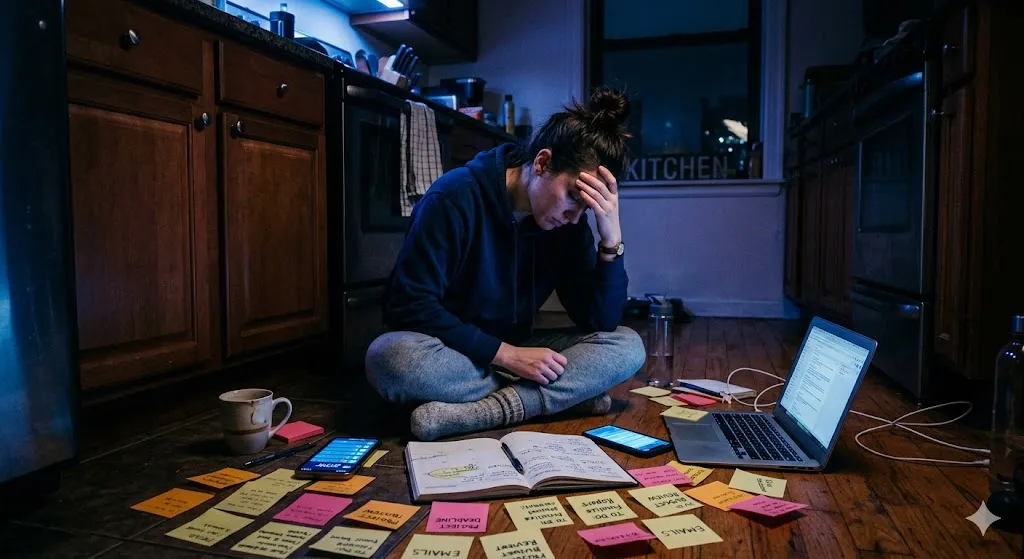
What makes this article different from the hundreds of others on this topic is what I am NOT going to do. I am not going to tell you to take a bath and call your mother. I am going to give you the full picture: the science, the honest failures, the tools that actually move the needle, and a few uncomfortable truths most wellness writers skip because they worry about losing readers.
I have tested these approaches personally and with the people I coach. Some worked immediately. Some took months. A few surprised me completely. All 25 of the strategies below are grounded in research, real experience, or both.
Let’s get into it.
1. Understand What Stress Actually Is (Most People Get This Wrong)
Here is what nobody tells you in the glossy wellness content: stress is not the enemy. It is a survival signal. Cortisol, the primary stress hormone, is not toxic. It is essential. The problem is chronic activation, where the alarm never turns off.
Stanford neuroscientist Dr. Robert Sapolsky spent three decades studying stress in baboons and humans. His core finding? The damage does not come from stress events. It comes from anticipating them. We are the only species that can turn on a full-blown stress response just by imagining something bad happening next Thursday.
Understanding this changes everything. When you feel stressed, the first question should not be “how do I make this stop?” It should be: “is this stress signal pointing at something real, or am I my own worst storyteller?”
That single reframe has been the most useful insight I have come across in years of reading on this subject.
2. Diaphragmatic Breathing: The Fastest Nervous System Reset Available to You
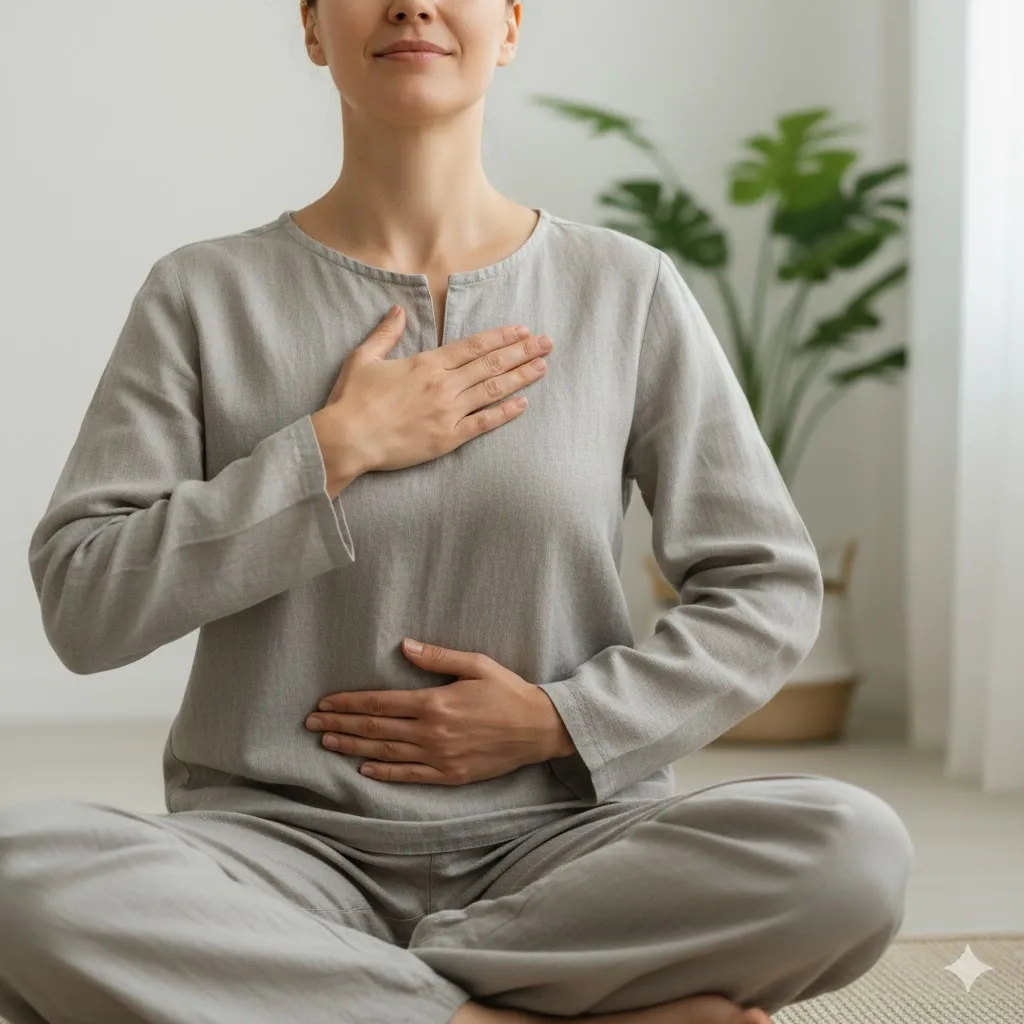 You can change your physiological state in under 90 seconds. This is not motivational language. It is basic biology.
Your autonomic nervous system has two modes: sympathetic (fight-or-flight) and parasympathetic (rest-and-digest). Most stress interventions try to work through the mind. Breathwork goes directly to the body, which is faster.
Diaphragmatic breathing, also called belly breathing, stimulates the vagus nerve, which runs from your brainstem to your gut. Activating it triggers the parasympathetic response. You can literally breathe your way to calm.
The 4-7-8 Technique
This method, popularized by Dr. Andrew Weil but rooted in pranayama traditions going back thousands of years, works like this:
- Inhale through the nose for 4 counts
- Hold the breath for 7 counts
- Exhale through the mouth for 8 counts
- Repeat 4 cycles
I started using this in the parking lot before stressful client meetings in 2022. Within three weeks, my pre-meeting anxiety dropped noticeably. One coaching client, a software engineer named Tariq, told me it was the first stress tool that worked during an actual panic moment, not just when he was already calm.
Apps like Breathwrk (free tier available) and Oak (free) include guided versions with visual timers. Both are worth downloading.
3. Move Your Body, Even When You Least Want To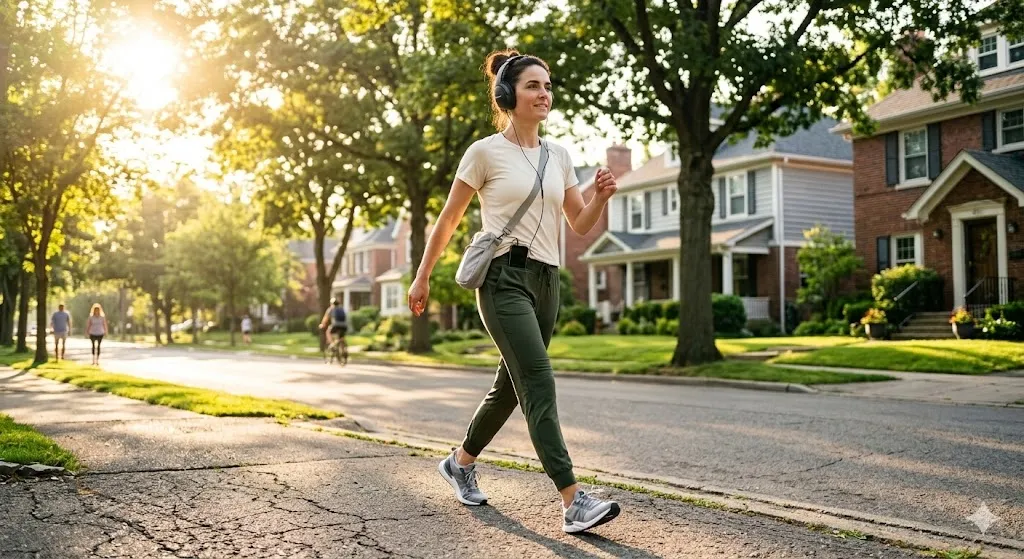
Exercise is the most clinically validated stress-relief intervention that exists. That statement is not hyperbole. A 2023 meta-analysis published in the British Journal of Sports Medicine analyzed 97 reviews covering 1,039 trials. The conclusion: physical activity was 1.5 times more effective at reducing depression, anxiety, and psychological distress than medication or cognitive behavioral therapy alone.
The uncomfortable truth? Most people know this and still do not do it. The gap between knowledge and action on exercise is one of the most studied phenomena in behavioral psychology.
What actually works is lowering the activation energy. You do not need a gym membership. You do not need 45 minutes. A 2022 study in JAMA Internal Medicine found that just 11 minutes of moderate activity per day was associated with a 17% reduction in cardiovascular disease and significant mood improvements.
My rule: when I am most stressed and least motivated to move, I commit to only five minutes of walking. I have never once stopped at five minutes. The hardest part is starting.
4. The Journaling Method That Actually Works (Hint: It Is Not Gratitude Lists)
Gratitude journaling is everywhere. It also has modest evidence behind it compared to a lesser-known technique called expressive writing, developed by psychologist James Pennebaker at UT Austin in the 1980s.
Pennebaker’s original study had participants write for 15-20 minutes a day for four consecutive days about their deepest thoughts and feelings around a stressful or traumatic event. The results were striking. Participants showed improved immune function, fewer doctor visits, and lower stress levels for months afterward.
The mechanism is called emotional processing. By converting raw emotional experience into language, the brain moves the event from the reactive limbic system toward the more regulated prefrontal cortex. You are literally filing the experience away.
I tried this after a particularly difficult professional period in late 2023. The shift was not instant. But by day four, something genuinely loosened. The event stopped replaying on its own.
Tools worth trying: Notion (for searchable, organized journaling), Day One (excellent iOS and Mac app, premium at $2.99 per month), or a simple paper notebook. The medium matters less than the consistency.
5. Sleep Is Not a Luxury. It Is a Biological Requirement.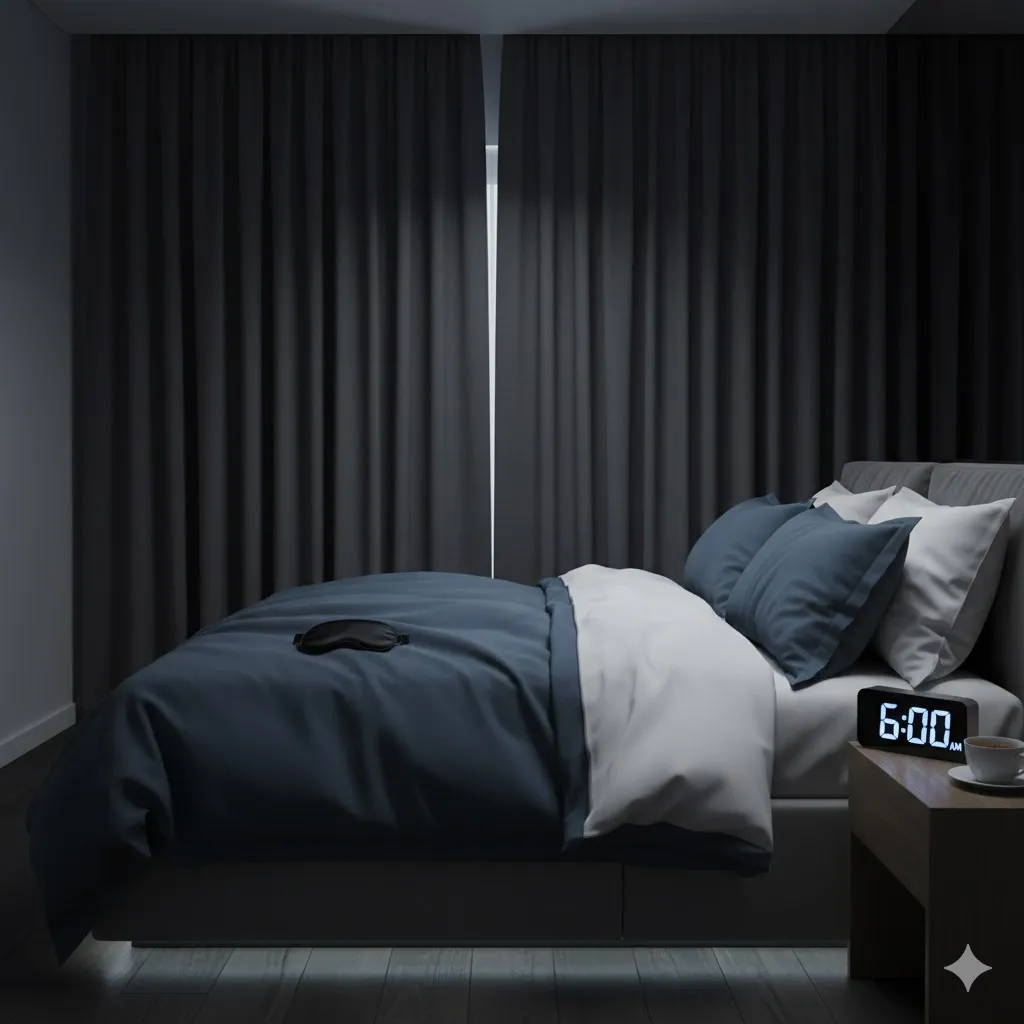
We treat sleep as negotiable. It is not. Matthew Walker, director of UC Berkeley’s Center for Human Sleep Science and author of Why We Sleep, calls insufficient sleep the greatest public health challenge we face in the 21st century.
The stress-sleep relationship is bidirectional and vicious. Stress elevates cortisol, which disrupts sleep architecture. Poor sleep elevates cortisol further. Within days you are stuck in a cycle that no amount of daytime stress management can fully compensate for.
Practical changes that made a measurable difference for me and for people I work with:
- Consistent wake time seven days a week, regardless of when you slept. This anchors your circadian rhythm faster than any other single change.
- No screens for 30 minutes before bed. Blue light suppresses melatonin production by up to 50%, according to Harvard’s Division of Sleep Medicine.
- Keep your bedroom below 67 degrees Fahrenheit. Sleep onset requires a small drop in core body temperature.
- The Oura Ring (Gen 4, currently around $349) gave me data that actually changed my behavior. Seeing my HRV and sleep staging made the abstract concrete. It is expensive. It is also genuinely useful.
6. Meditation: What the Research Says vs. What the Apps Promise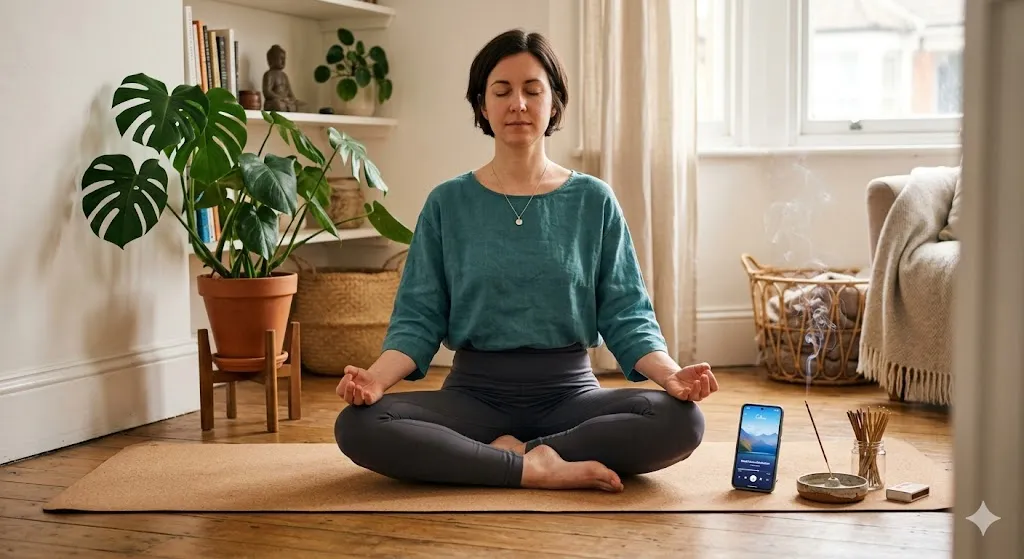
Meditation apps collectively generate over $2 billion annually. Calm and Headspace alone have over 100 million downloads between them. The marketing is immaculate. The science is more nuanced.
Here is the honest picture: meditation works, but not equally for everyone, and the effects depend heavily on the type of practice, the consistency, and what you are trying to address. A 2018 meta-analysis in Psychological Bulletin reviewing 200 studies found strong evidence for stress and anxiety reduction in mindfulness-based interventions, but noted that most studies had methodological limitations.
What I found personally: apps like Headspace ($12.99 per month) and Insight Timer (free tier is excellent) lowered my baseline anxiety over six weeks of daily 10-minute sessions. But the biggest shift came when I stopped trying to clear my mind and just started watching thoughts without following them. That reframe, which took me months to actually understand, changed the practice entirely.
Beginner Recommendation
Start with Insight Timer’s free guided sessions. Dr. Jon Kabat-Zinn’s Mindfulness-Based Stress Reduction (MBSR) program, available online through platforms like Palouse Mindfulness (completely free), is the most evidence-backed structured approach available.
7. The Social Connection Paradox: Why You Isolate When You Most Need People
Loneliness increases cortisol. Human social connection directly suppresses it. This is evolutionary biology: we are wired to feel safer in groups.
And yet, when most people are overwhelmed, their first instinct is to withdraw. Cancel the dinner. Skip the phone call. Disappear into Netflix.
I have done this. Most people I know have done this. It feels protective. It is actually the opposite.
Harvard’s 85-year Study of Adult Development, the longest running study on human happiness, found that the quality of close relationships was the single strongest predictor of both physical and mental health in later life. More predictive than income, professional success, or even genetics.
You do not need a social calendar overhaul. Even one meaningful conversation a week with someone who actually knows you has measurable biological effects. Text a friend right now. Not a reaction. A real message.
8. Digital Boundaries Are a Stress Intervention, Not a Lifestyle Trend
The average American checks their smartphone 96 times per day, according to Asurion’s 2023 research. Every check is a micro-stressor. Every notification pulls your nervous system briefly into alert mode. Multiply that by 96 and you have a system that never fully recovers.
The research on notification-checking and cortisol is clear. A University of California Irvine study found it takes an average of 23 minutes to fully regain focused attention after an interruption. If you are checking your phone every 15 minutes, you are never in deep focus. You are chronically interrupted.
Changes that produced real results for me:
- Grayscale mode on my phone from 8 p.m. to 8 a.m. The screen becomes instantly less compelling.
- All notifications except phone calls turned off. I check apps intentionally rather than reactively.
- Phone physically in another room during meals and the first hour of the morning.
The Freedom app ($6.99 per month) blocks distracting sites across all devices. It is the most effective digital boundary tool I have used, and several clients have reported back similar results.
9. Time in Nature Is Not Optional Self-Care. It Is Medicine.
Japanese researchers coined the term shinrin-yoku, or forest bathing, in the 1980s. It has since generated a substantial body of evidence showing that time in natural environments reduces cortisol, lowers blood pressure, improves immune function, and decreases anxiety.
A 2019 study published in Frontiers in Psychology found that just 20 minutes in a natural setting significantly lowered cortisol levels, with the strongest effect between 20 and 30 minutes. You hit diminishing returns fairly quickly. This is not about epic wilderness retreats. A city park works.
I started taking one 25-minute walk in a local park every morning in 2023. The change in my baseline mood and stress tolerance over four months was more significant than any supplement I had tried. It is also completely free.
10. Cognitive Reframing: The CBT Tool That Changes What Stress Means
Cognitive Behavioral Therapy is the most evidence-based psychological intervention for stress and anxiety. Its core mechanism, cognitive reframing, is also teachable as a self-practice.
The premise: stress is not caused by events. It is caused by your interpretation of events. Between the stimulus and your response, there is a gap. In that gap is your power.
This is not toxic positivity. It is not pretending bad things are good. It is asking a more precise question: is my interpretation of this situation accurate, or is my brain catastrophizing?
The Three-Question Reframe
- What is the actual worst-case scenario here?
- How likely is that scenario, honestly?
- If it happened, could I handle it?
The answer to question three is almost always yes. We dramatically underestimate our capacity to cope with adversity. This pattern is well-documented in resilience research.
The app Woebot (free) uses CBT techniques in a conversational format and has reasonable evidence behind it for mild-to-moderate anxiety. It is not therapy. But it is a useful daily practice tool.
11. Nutrition: How Your Gut Is Running Your Stress Response
The gut-brain axis is one of the most exciting and underappreciated areas of current neuroscience research. Roughly 95% of your serotonin is produced in the gut. The state of your microbiome directly affects your mood, anxiety levels, and stress resilience.
Ultra-processed food drives inflammation. Inflammation drives cortisol. The Western diet is, in many ways, a direct stressor on the nervous system.
I am not going to give you a meal plan. But I will tell you the single dietary change with the strongest evidence for stress reduction: increasing dietary fiber from whole foods. A 2022 study in Nutritional Neuroscience linked higher dietary fiber intake to significantly lower perceived stress and anxiety.
Practical entry points: add one serving of leafy greens per day. Eat whole fruits instead of juice. These are unsexy changes. They work.
12. Setting Boundaries Without the Guilt Trip
Chronic stress is often a boundary problem wearing the costume of a workload problem.
People who struggle most with stress tend to have poorly calibrated boundaries: they say yes when they mean no, they overcommit and underdeliver on self-care, and they treat other people’s urgency as their own emergency. I was this person for the better part of my 20s.
The shift that changed things for me came from understanding that saying no to one thing is always saying yes to something else. When I decline a Sunday afternoon work call, I am saying yes to full recovery before Monday. That reframe made boundary-setting feel less like deprivation and more like strategy.
The book Set Boundaries, Find Peace by licensed therapist Nedra Tawwab (2021, TarcherPerigee) is the most practical treatment of this subject I have encountered. It is direct, evidence-informed, and free of the usual vague wellness-speak.
13. Cold Exposure: The Uncomfortable Tool With Real Physiological Effects
Cold water immersion has moved from fringe biohacking to legitimate research territory. A 2022 study in PLOS ONE found that regular cold water swimming was associated with improved mood, stress resilience, and reduced depression symptoms.
The mechanism involves controlled activation of the sympathetic nervous system followed by a rapid parasympathetic recovery. Done regularly, this appears to lower baseline sympathetic activation. You are essentially training your nervous system to return to calm more quickly.
Start with 30 seconds of cold water at the end of your regular shower. Work up to 2-3 minutes over several weeks. I started this practice in January 2024. It is not pleasant. It is also one of the most effective morning practices I have found for energy and stress tolerance.
You do not need a Plunge tub ($4,990) or a barrel of ice. Your shower works fine.
14. Yoga and Stretching: Not Just Flexibility, But Nervous System Regulation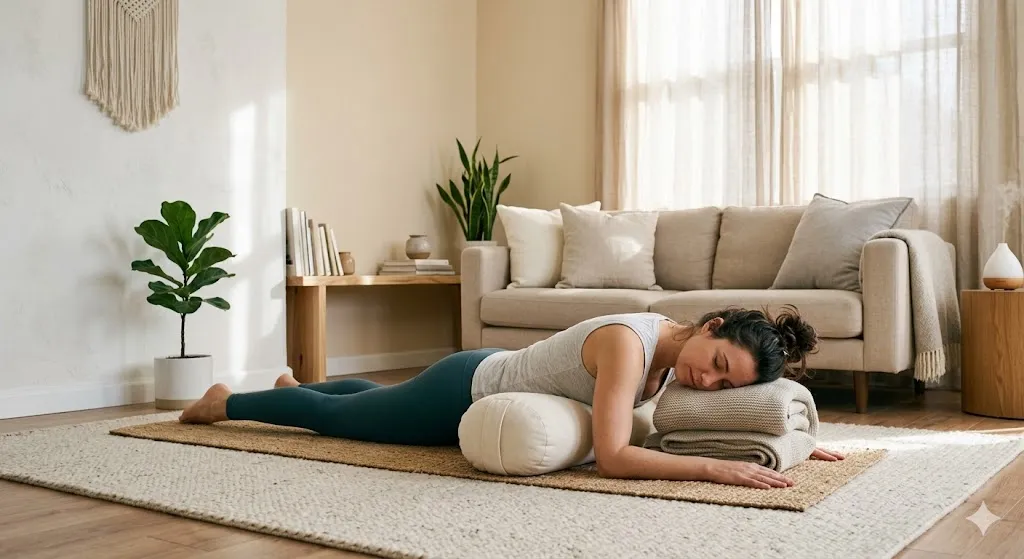
Yoga has over 40 years of clinical research behind it. A 2018 systematic review in the Journal of Evidence-Based Integrative Medicine found consistent evidence for yoga’s effectiveness in reducing cortisol, blood pressure, and perceived stress.
What is less understood outside the research community is the mechanism. Yoga works primarily through two pathways: focused breathing, which activates the vagal brake, and sustained postures, which release stored muscular tension that is often a physical residue of chronic stress.
Yin yoga, which holds passive postures for 3-5 minutes each, is particularly effective for stress because of how deeply it targets the connective tissue and nervous system. Apps like Glo ($25 per month) and YouTube channels like Yoga with Adriene (free, excellent production quality) are accessible starting points.
15. Creative Expression as Stress Release: The Research Is Clearer Than You Think
A 2016 study published in Art Therapy: Journal of the American Art Therapy Association found that just 45 minutes of creative activity significantly reduced cortisol levels regardless of artistic skill or prior experience. The act of making something, anything, has measurable biological effects.
This is not about becoming an artist. It is about giving your analytical, problem-solving brain a structured break while engaging a different cognitive mode.
Drawing, playing an instrument, cooking something new, writing fiction, or building something with your hands all qualify. The key variable is absorption: you need to be engaged enough that you stop monitoring your thoughts. That crossover point is where the stress relief happens.
16. Progressive Muscle Relaxation: The Underrated Classic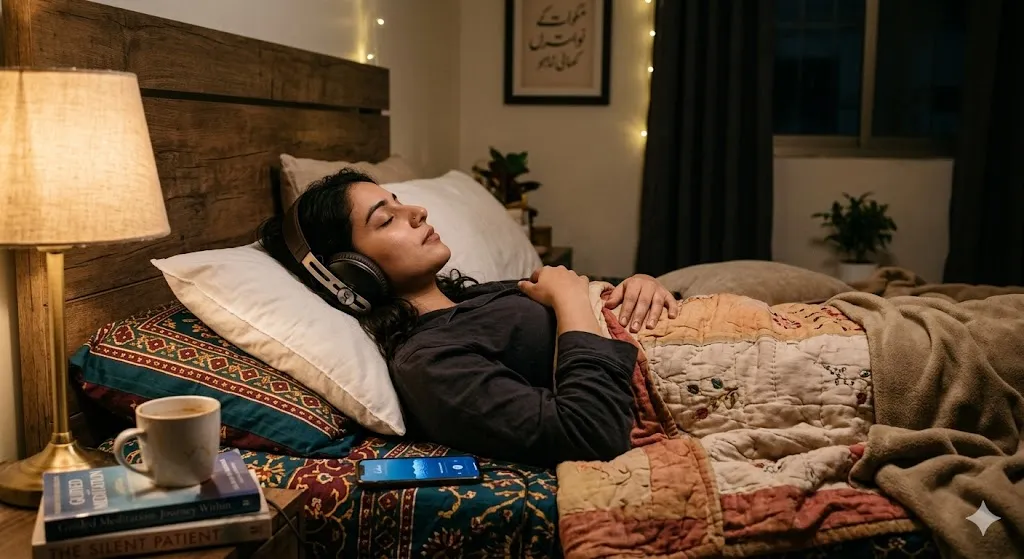
Developed by physician Edmund Jacobson in the 1920s, progressive muscle relaxation (PMR) involves systematically tensing and releasing muscle groups throughout the body. It remains one of the most validated stress-relief techniques in clinical psychology.
A 2019 meta-analysis in the Journal of Behavioral Medicine confirmed PMR’s effectiveness across anxiety, insomnia, and chronic stress. The technique works because it teaches body awareness and interrupts the pattern of holding unconscious tension.
The entire protocol takes 20-25 minutes. Guided audio versions are freely available through the Dartmouth Student Wellness Center and the University of Michigan Health System. Running it at bedtime before sleep consistently produces better sleep quality according to multiple clients I have recommended it to.
17. Caffeine and Alcohol Are Stress Multipliers in Disguise
This is the section some readers will skip. Please don’t.
Caffeine directly stimulates cortisol release. A standard cup of coffee raises cortisol levels for up to 6 hours. If you are already stressed and drinking three to four cups a day, you are adding cortisol on top of cortisol. The wired-and-tired feeling so many people describe is often this exact mechanism at work.
Alcohol disrupts REM sleep, which is when emotional processing and stress regulation primarily occur. The unwinding effect of an evening drink is real in the short term. The next-day anxiety, sometimes called hangxiety, is a documented rebound effect from GABA suppression.
I reduced my coffee intake from four cups to one in the first half of the morning in mid-2023. The first two weeks were difficult. The baseline anxiety level I had normalized for years turned out to be significantly caffeine-related. That was a humbling discovery.
18. Saying No to Productivity Culture Without Burning Everything Down
Here is a controversial opinion: hustle culture is a stress delivery mechanism with excellent PR.
The idea that high output and personal sacrifice are virtues worthy of public celebration has caused measurable psychological damage across an entire generation of workers. The 2024 Gallup Global Workplace Report found that 44% of employees worldwide reported experiencing significant stress daily, the highest level since Gallup began tracking this metric.
Rest is not the opposite of productivity. It is a prerequisite for it. Neuroscientist and author of Rest, Alex Soojung-Kim Pang, argues that deliberate rest, specifically activities that promote mind-wandering and default mode network activation, is where creative problem-solving and insight most frequently occur.
Protecting at least one full day per week from work-related tasks is not laziness. It is evidence-based performance strategy.
19. Purpose and Meaning: The Long Game of Stress Resilience
Viktor Frankl, the Austrian psychiatrist who survived four Nazi concentration camps and wrote Man’s Search for Meaning, observed that people with a clear sense of purpose endured unimaginable suffering with significantly greater psychological resilience than those without it.
Research has since operationalized this. Having a strong sense of purpose in life is associated with lower cortisol reactivity, faster physiological recovery from stressors, and significantly reduced risk of anxiety disorders. A 2019 study in JAMA Network Open found that purpose was associated with a 15% reduction in all-cause mortality.
The practical question is: what work, relationships, or activities make you feel like your presence matters? More time there, as a deliberate strategy, is one of the most durable long-term stress interventions available.
20. Professional Help: When Self-Help Is Not Enough
Let me be direct: if your stress has been chronic for more than a few months, if it is affecting your relationships, your work, or your physical health, self-help strategies are supportive tools, not sufficient ones. That is not a failure. It is just an accurate assessment.
Therapy, specifically CBT (Cognitive Behavioral Therapy) or ACT (Acceptance and Commitment Therapy), has the strongest evidence base for chronic stress and anxiety. Both are now available via teletherapy platforms at reduced cost. BetterHelp starts at around $60 per week. Open Path Collective offers sliding-scale therapy sessions from $30 to $80 for those who qualify.
The stigma around seeking professional support for mental health is declining, but not gone. If you are reading an article about stress relief instead of talking to someone who could actually help you, notice that. It might be telling you something.
21. Music and the Nervous System: A Tool You Already Have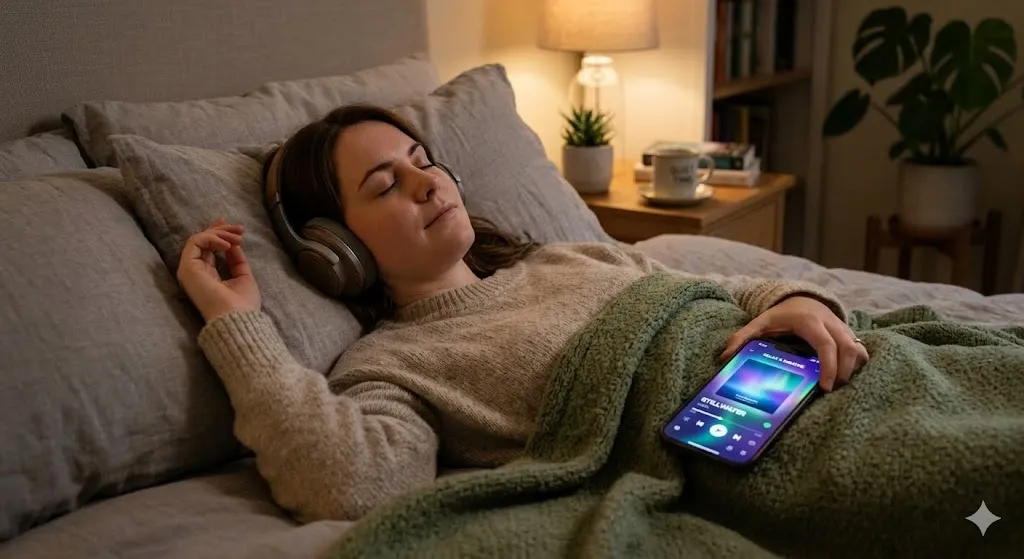
Music directly modulates the autonomic nervous system. This is not metaphorical. The tempo, harmonic structure, and rhythm of music trigger measurable changes in heart rate, respiration, and cortisol.
Slow tempo music (60-80 BPM) with long, flowing phrases is consistently associated with parasympathetic activation. This is why it feels physically different to listen to Satie versus aggressive hip-hop. Your nervous system is responding in real time.
Spotify’s Focus and Sleep playlists are algorithmically curated for this. The YouTube channel Yellow Brick Cinema produces extended ambient music specifically designed for stress relief, and it has over 20 million subscribers. Binaural beats, while somewhat overmarketed, do have modest evidence for relaxation at specific frequencies.
22. Declutter Your Physical Space to Declutter Your Mind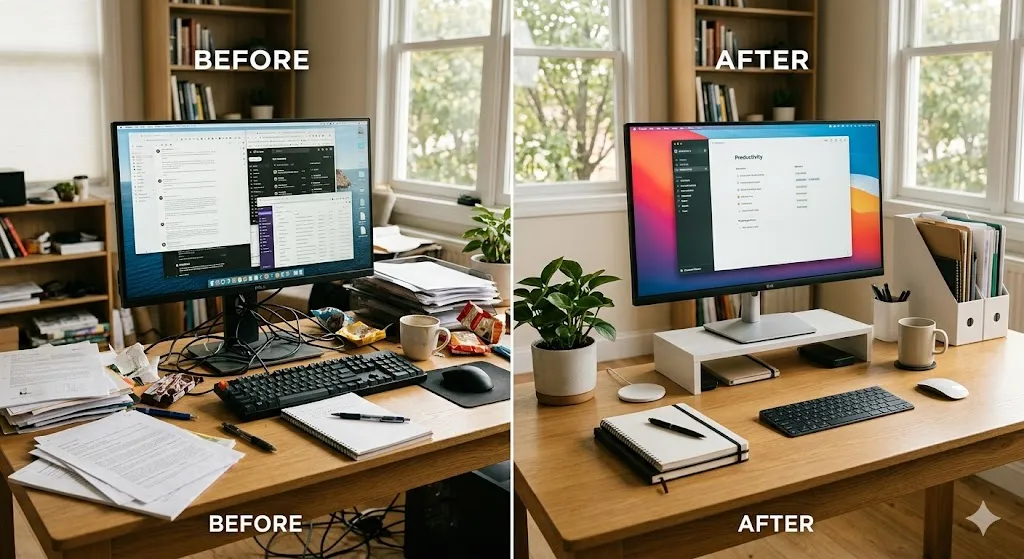
Environmental psychology has established a consistent link between physical clutter and psychological stress. A study published in Personality and Social Psychology Bulletin found that women who described their home environment as cluttered had higher cortisol profiles throughout the day than women who described their homes as restful.
This is not an aesthetic preference. Clutter is a constant low-level reminder of incomplete tasks. Every pile of papers you walk past is a micro-interrupt.
You do not need a full Marie Kondo event. Start with one surface: your desk, your kitchen counter, your nightstand. The reduction in ambient visual noise produces a real cognitive effect within days.
23. Laughter and Play: Biology’s Built-in Stress Antidote
Laughter reduces cortisol and adrenaline, increases endorphins and dopamine, and activates the parasympathetic nervous system. A 2016 study at Loma Linda University found that anticipating a funny event was enough to significantly reduce cortisol, even before the laughter itself occurred.
Most adults have almost completely eliminated play from their lives. We treat it as a reward we have not yet earned. This is backwards.
Play is a neurological need, not a luxury. Whether that looks like board games, pick-up basketball, improvisational cooking, or watching absurdist comedy, scheduling deliberate play time is a serious stress management strategy wearing casual clothes.
24. Acceptance: The Counterintuitive Core of Stress Relief
Acceptance and Commitment Therapy identifies a process called experiential avoidance as the primary driver of psychological suffering. This is the tendency to try to suppress, avoid, or escape uncomfortable thoughts and feelings. The research consistently shows that avoidance makes things worse.
Acceptance does not mean giving up or pretending things are fine. It means acknowledging reality as it is, including the uncomfortable parts, without fighting the fact of it. Fighting the reality of a situation that cannot be changed is one of the most exhausting and futile things a human being can do.
One practical technique from ACT is called defusion: noticing a stressful thought and adding the phrase ‘I notice I’m having the thought that…’ before it. This small linguistic shift creates psychological distance between you and the thought, which reduces its power.
25. Build a Personalized Stress Management System, Not a List of Tactics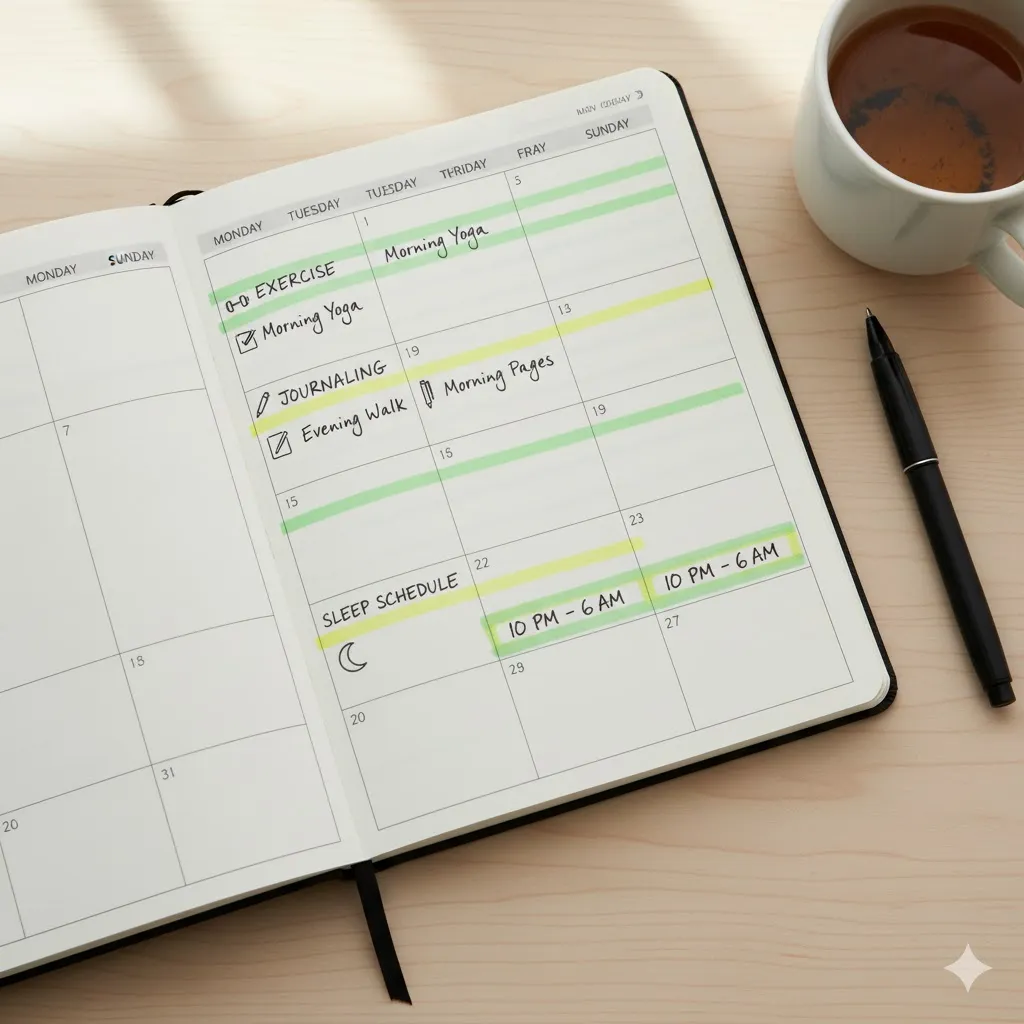
Here is the thing almost every stress relief article misses: no single technique works for everyone, and a random collection of tactics without a system is just organized procrastination.
The most important thing you can do with everything in this article is to pick three things, only three, and practice them consistently for four weeks. Not ten things half-heartedly. Three things seriously.
Based on my experience and the research, the highest-leverage starting combination for most people is:
- One physical practice (exercise, yoga, cold exposure, or regular walking)
- One mental practice (breathwork, meditation, or journaling)
- One behavioral practice (a boundary, a digital limit, or improved sleep hygiene)
Stack them into your existing routine. Attach them to anchors you already have. Review your stress levels at the end of four weeks. Adjust from evidence, not anxiety.
Quick Reference: 25 Stress Relief Strategies at a Glance
| Strategy | Time Investment | Evidence Level |
|---|---|---|
| Diaphragmatic Breathing | 90 seconds | Very High (RCTs) |
| Exercise (11+ min/day) | 11-45 minutes | Very High (Meta-analysis) |
| Expressive Writing | 15-20 min/day x 4 | High (Pennebaker) |
| Consistent Sleep Schedule | Ongoing habit | Very High |
| Mindfulness Meditation | 10-20 min/day | High |
| Nature Exposure | 20-30 minutes | High (Cortisol studies) |
| Cognitive Reframing (CBT) | 10-15 min/day | Very High (Clinical) |
| Social Connection | 1+ quality conversation/week | Very High (Harvard study) |
| Digital Boundaries | Habit change | Moderate-High |
| Yoga / PMR | 20-45 min session | High (Meta-analysis) |
| Reduced Caffeine | Habit change | High |
| Creative Expression | 45 minutes | Moderate (Art therapy) |
| Cold Exposure | 2-3 minutes | Moderate-High |
| Decluttering | 30-60 min initial | Moderate |
| Purposeful Work/Play | Ongoing lifestyle | High |
Frequently Asked Questions
How long does it take for stress relief techniques to actually work?
Most physiological techniques like breathing and cold exposure produce effects within minutes. Habit-based practices like exercise and meditation require consistent use for 3-6 weeks before baseline changes become apparent. Research suggests 66 days as a more accurate average for habit formation than the commonly cited 21-day figure.
Can I relieve stress without meditation?
Yes. Meditation is one of the most researched tools available, but it is not the only one. Exercise, expressive writing, breathwork, time in nature, and progressive muscle relaxation all have robust evidence bases. The best stress relief practice is the one you will actually do consistently.
Is stress always bad for you?
No. Acute stress (short-term, finite challenges) is associated with improved focus, motivation, and immune function. The damage comes from chronic, unresolved stress where the cortisol response never fully deactivates. Stanford’s Sapolsky describes this as the difference between a lion chasing you (acute, manageable) and worrying that a lion might chase you someday (chronic, damaging).
What is the fastest way to reduce stress in the moment?
Diaphragmatic breathing produces the fastest documented physiological shift, typically within 90 seconds. The 4-7-8 technique is the most commonly recommended for acute stress moments. Physical movement, even 5 minutes of walking, produces a rapid cortisol reduction as well.
Do supplements help with stress?
Some have evidence. Ashwagandha (KSM-66 formulation) has multiple double-blind, placebo-controlled studies showing cortisol reduction at doses of 300-600 mg daily. Magnesium glycinate supports sleep quality and nervous system function. L-theanine, found naturally in green tea, promotes calm without sedation. No supplement replaces the foundational practices. Think of them as additions to a working system, not substitutions for one.
When should I seek professional help for stress?
If your stress has persisted for more than three months, if it is interfering with relationships, work performance, or physical health, or if you are experiencing symptoms like panic attacks, intrusive thoughts, or depression, professional support is appropriate and important. Self-help tools are powerful supplements to therapy, not replacements for it.
Final Thoughts: Inner Peace Is Not a Destination
I want to leave you with the most counterintuitive thing I have learned from years of working on this: inner peace is not something you achieve and then keep. It is something you return to, over and over, through the practices you build.
The 2:47 a.m. kitchen moments still happen occasionally. But now they are shorter, less frequent, and less convincing. That is not because I have eliminated stress from my life. It is because I have built a relationship with it that is more skillful than the one I had before.
Start with three practices. Give them four weeks. Notice what shifts. That is the entire playbook.
The one question I will leave you with: which one stress relief practice have you known about for months but not yet actually tried?
Your answer is probably where you should start.
—
This article references research from peer-reviewed journals including the British Journal of Sports Medicine (2023), Psychological Bulletin (2018), JAMA Internal Medicine (2022), JAMA Network Open (2019), and Frontiers in Psychology (2019). Tool pricing is accurate as of March 2026.