
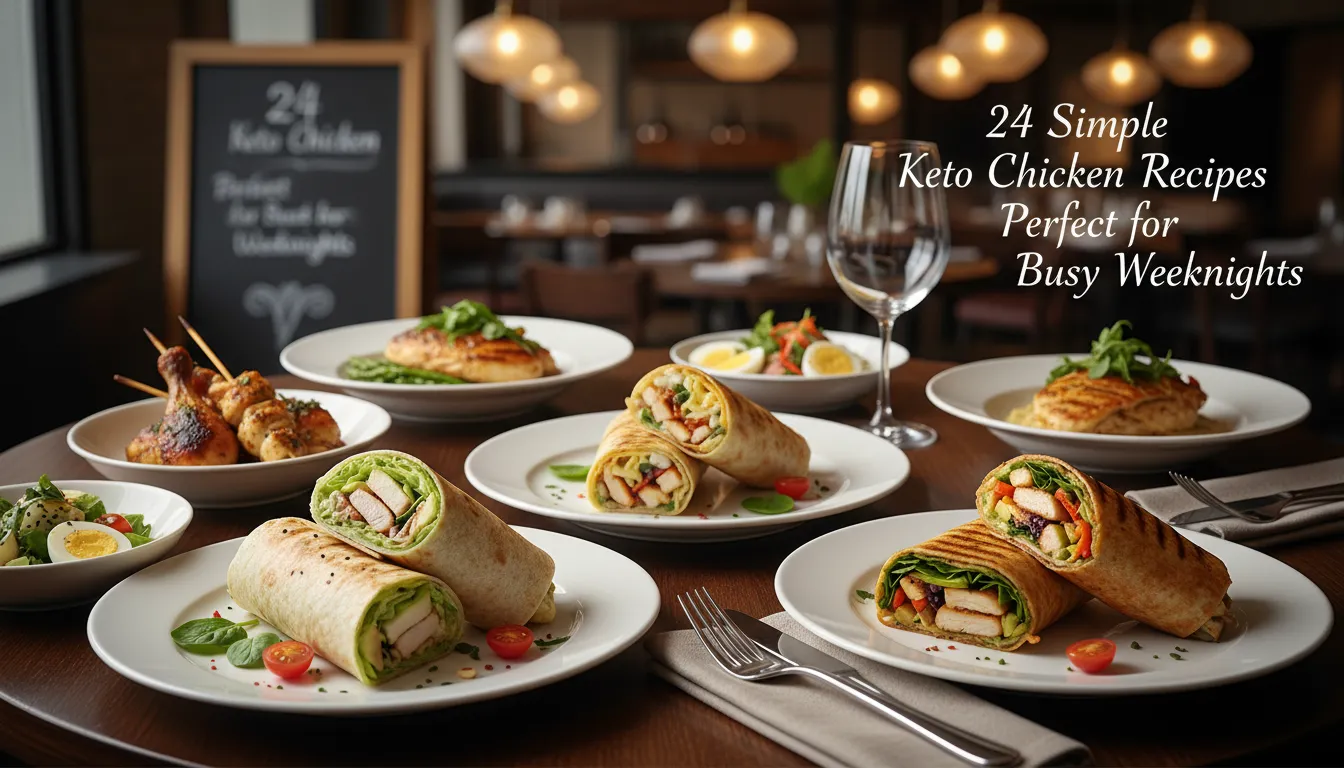
My neighbor knocked on my door last March holding an empty Tupperware container. She had eaten the Greek chicken wrap I sent over the night before, and she wanted to know what was in it.
Not the recipe. Not the marinade. She wanted to know what I put in it that made it taste so different from every Greek wrap she had ordered at restaurants for the past decade.
That question stuck with me for a long time. Because the honest answer was not one single thing. It was a sequence of small decisions, made over about three years of getting Greek chicken wraps completely wrong before finally getting them right.
The soggy pita phase. The overcooked chicken breast era. The period where I thought more toppings automatically meant better flavor (it does not). Every failure taught me something the recipe blogs never bothered to mention.
This article is everything I learned. Not just 23 wrap ideas, but the real context behind each one. What makes it work. What kills it. Which pita brands are worth buying and which ones belong in the bin. You will walk away with a genuinely complete understanding of how to build a Greek chicken wrap that makes people knock on your door asking questions.
Let us get into it.
Why Do Most Greek Chicken Wraps Taste Flat at Home?
The short answer: most home cooks under-marinate the chicken, over-stuff the wrap, and use cold pita. Fix those three things and you fix 90 percent of the problem.
Here is what nobody in the food blogging world talks about openly. Most Greek chicken wrap recipes online are written for clicks, not for results. They list ingredients. They skip the reasoning. You follow the recipe exactly and the wrap comes out tasting like a well-meaning attempt rather than something genuinely good.
The marinade is where it starts. A proper Greek marinade for chicken needs three things working together: acid (fresh lemon juice), fat (good olive oil), and aromatics (garlic, dried oregano, salt, black pepper). The acid tenderizes. The fat carries flavor into the meat. The aromatics build the base.
Here is the part most recipes skip: time. Thirty minutes does almost nothing. Two hours gives you a detectable difference. Overnight gives you chicken that tastes like it was marinated from the inside out. If you are only doing thirty minutes because the recipe said so, you are leaving flavor on the cutting board.
I switched to overnight marinating in late 2022 after a particularly disappointing batch. The difference was not subtle. It was the kind of difference that changes your default behavior permanently.
The second issue is pita temperature. Cold pita is essentially cardboard. Warm pita is soft, slightly charred at the edges, and flexible enough to fold without cracking. Thirty seconds per side on a dry cast iron pan fixes this entirely. It takes less time than reading this paragraph.
Third issue: over-stuffing. More ingredients do not equal more flavor. They equal a wrap that falls apart on the third bite and leaves you eating the filling with a fork. Learn the layering order and stick to it. Spread first, protein second, vegetables third, fresh herbs last.
The Marinade Breakdown: What Actually Works
The most reliable Greek chicken marinade uses three tablespoons of olive oil, two tablespoons of fresh lemon juice, three minced garlic cloves, one teaspoon dried oregano, half a teaspoon salt, and fresh black pepper. Scale up for batch cooking.
Boneless chicken thighs outperform chicken breasts in wraps in almost every situation. This is a hill I will die on. Thighs stay juicy under high heat, reheat without rubbering up, and absorb marinade more effectively due to their higher fat content. The only time I use chicken breasts is when someone specifically asks for them and I respect that decision while quietly disagreeing with it.
Grill temperature matters more than most people realize. High heat for 6 to 7 minutes per side on thighs gives you the char on the outside that adds depth to the flavor. Medium heat produces steamed chicken that technically works but lacks the caramelized edge that makes great wraps great.
23 Greek Chicken Wrap Ideas Ranked and Explained
1. The Classic Gyro-Style Greek Chicken Wrap
This is the benchmark everything else gets measured against. Thinly sliced grilled chicken thighs, warm pita, generous tzatziki, sliced tomato, red onion, and shredded romaine. The only thing most home cooks get wrong here is the tzatziki ratio. More than you think you need. Always.
Use Toufayan brand whole wheat pitas if you cannot find authentic Greek pita locally. They fold without cracking and have the right thickness.
2. Souvlaki Wrap With Fresh Oregano and Red Onion
Souvlaki is chicken cut into two-inch cubes, skewered, and grilled over high heat until slightly charred. Pull it off the skewers and tuck it into a warm pita with tzatziki, diced tomato, and raw white onion. Finish with dried oregano on top before folding. This is the street food version and it is the best entry point for beginners.
3. Tzatziki-Marinated Chicken Wrap
Here is the insight that took me two years to figure out. Use tzatziki as the marinade, not just the spread. The yogurt base tenderizes the chicken overnight while the garlic, cucumber, and dill infuse the meat from the inside. When you serve it with fresh tzatziki on the side, the flavor has a layered depth that stops people mid-bite. This is the upgrade most cooks overlook entirely.
4. Lemon Herb Chicken With Feta and Baby Spinach
Marinate chicken in lemon zest, fresh thyme, and olive oil. Bake at 425 degrees Fahrenheit for 22 minutes. Wrap with baby spinach, crumbled feta, sliced cucumber, and a drizzle of extra virgin olive oil. No sauce needed if the feta is generous enough. This is the lightest wrap on this list and works well as a summer lunch option.
5. Greek Chicken Wrap With Hummus Base
Hummus as the primary spread instead of tzatziki is genuinely underrated. It adds nuttiness and body that pairs well with roasted chicken. Sabra Classic is a reliable store-bought option. For homemade, blend canned chickpeas with tahini, lemon, garlic, and olive oil in a food processor for five minutes. Add sun-dried tomatoes and sliced cucumber on top.
6. Roasted Red Pepper and Kalamata Olive Wrap
Jarred roasted red peppers from Mezzetta or Divina brand cut preparation time dramatically and add concentrated sweetness. Layer into a warm pita with grilled chicken, kalamata olives, arugula, and a spoonful of tzatziki. The sweetness of the pepper against the briny olive creates a contrast that makes this wrap more interesting than it looks on paper.
7. Greek Chicken and Tabbouleh Wrap
Tabbouleh brings fresh parsley, mint, diced tomato, bulgur wheat, olive oil, and lemon into a single mixture that works brilliantly inside a pita. Make the tabbouleh at least one hour before assembling so the bulgur absorbs the dressing fully. The mint in the tabbouleh interacts with oregano-marinated chicken in a way that is distinctly Mediterranean and genuinely memorable.
8. Spicy Harissa Tzatziki Wrap
Mix one tablespoon of harissa paste directly into your tzatziki. The heat plays against the cool yogurt in a way that is difficult to describe but very easy to become addicted to. Add grilled chicken, shredded cabbage, sliced avocado, and pickled red onions. The pickled onion is not optional here. It ties the whole thing together.
9. Greek Chicken Caesar Wrap
A tahini-based Caesar dressing bridges Greek and Italian-American flavors in a way that works better than it has any right to. Mix tahini, lemon juice, garlic, Dijon mustard, and olive oil for the dressing. Toss with chopped romaine, parmesan, and sliced Greek-marinated chicken. Wrap in a large flour tortilla from Mission Foods. This is the wrap that converted three people in my household who claimed they did not like Greek food.
10. Roasted Vegetable and Chicken Wrap
Roast zucchini, red onion, bell pepper, and cherry tomatoes at 400 degrees Fahrenheit for 25 minutes with olive oil and dried oregano. These vegetables become the star of the wrap. Add sliced grilled chicken, tzatziki, and fresh flat-leaf parsley. This version came from a night when I had leftover sheet pan vegetables and no plan. It became a weekly staple within two weeks.
11. Greek Chicken Wrap With Baba Ganoush
Smoked eggplant blended with tahini and lemon makes a spread that adds complexity no other ingredient can replicate. Layer baba ganoush onto a warm pita with grilled chicken, fresh mint leaves, sliced cucumber, and a pinch of za’atar. Serve this one immediately. It does not travel well, and that is actually a good reason to sit down and eat it properly rather than rushing.
12. Mediterranean Avocado Chicken Wrap
Avocado is not traditional Greek fare. It also works brilliantly in a wrap context, especially when mashed with lemon juice, salt, and a pinch of chili flakes. The fat from the avocado replaces tzatziki here. Add feta, sliced cherry tomatoes, cucumber, and grilled chicken. Simple. Genuinely satisfying. Ready in under 10 minutes if your chicken is prepped.
13. Greek Chicken Breakfast Wrap
Scrambled eggs, grilled chicken strips, sautéed spinach with garlic and olive oil, crumbled feta, and a thin smear of tzatziki in a whole wheat tortilla. This sounds like a fusion experiment. It tastes like breakfast worth waking up for. High protein, filling, and ready in 10 minutes using leftover meal-prepped chicken from the week.
14. Chicken Shawarma Greek Fusion Wrap
Combine a shawarma spice blend (cumin, coriander, paprika, turmeric, cinnamon) with the classic Greek lemon-garlic marinade base. The warm spices deepen the chicken flavor without erasing the Mediterranean freshness underneath. Serve in a pita with tahini sauce, pickled turnips if available at a Middle Eastern grocer near you, and shredded romaine.
15. Greek Chicken Wrap With Caramelized Onions
Caramelizing onions properly takes 35 to 40 minutes and cannot be rushed regardless of what shortcuts the internet suggests. They are worth every minute. The sweetness transforms the flavor of this wrap completely. Layer with grilled chicken thighs, crumbled feta, kalamata olives, and fresh thyme. Use a Joseph’s brand lavash flatbread for a crispier result.
16. Greek Chicken Quinoa Power Wrap
Cooked quinoa inside a Greek chicken wrap sounds like a gym-lunch cliche. It is also legitimately good. The quinoa adds texture and absorbs the olive oil and lemon drizzle in a way that makes each bite more substantial. Wrap in a large whole wheat tortilla for structural integrity. This is the version I make when I need something filling enough to carry through a long afternoon without snacking.
17. Cold Greek Chicken Wrap for Meal Prep
This version is built specifically to survive refrigeration. Slice chicken thin and cool it completely before assembling. Use romaine instead of spinach because it holds its crunch for 24 hours. Add cucumber, halved cherry tomatoes, kalamata olives, and feta. Wrap tightly in plastic film. Keep the tzatziki in a separate small container. Assemble up to 24 hours in advance. This method saved my lunch routine for an entire year.
18. Greek Chicken Wrap With Artichoke Hearts
Canned artichoke hearts, drained and patted dry, sautéed briefly in olive oil with garlic and then added to a pita with grilled chicken, sun-dried tomatoes, arugula, and lemon. This combination is unusual and genuinely excellent. Artichokes add an earthy, slightly nutty quality that most other wrap ingredients cannot provide.
19. Low-Carb Greek Chicken Lettuce Wrap
Large iceberg or butter lettuce leaves replace pita entirely. Fill with diced grilled chicken, cucumber, cherry tomatoes, feta, kalamata olives, and a drizzle of red wine vinegar and olive oil. Eat it folded like a taco. The freshness level is higher than any pita-based version and the total prep time is under five minutes with pre-cooked chicken.
20. Greek Chicken Street Food Rice Wrap
Street food vendors in Athens routinely stuff pitas with rice alongside the meat, and it works better than most Western food bloggers give it credit for. Use long-grain white rice cooked in chicken broth. Add gyro-style chicken, fresh tomato, white onion, and tzatziki. The rice makes this genuinely filling for about 90 cents worth of ingredients per serving.
21. Lemon Dill Chicken Wrap With Light Yogurt Sauce
A yogurt sauce made from Fage 2% Greek yogurt, fresh dill, lemon zest, and minced garlic makes a lighter alternative to full tzatziki. Pair with chicken marinated in lemon and dill. Add sliced radishes for crunch alongside cucumber and spinach. This is the most approachable wrap on this list for anyone who finds tzatziki too garlicky or too heavy.
22. Deconstructed Greek Salad Chicken Wrap
Every element of a classic Greek salad goes directly into a warm pita with sliced grilled chicken and a light red wine vinegar and olive oil dressing. Romaine, cucumber, Kalamata olives, red onion, cherry tomatoes, green bell pepper, and feta. This is the wrap version of eating a full Greek salad with protein added. It is both lighter and more satisfying than it sounds.
23. Smoked Paprika Greek Chicken Wrap With Whipped Feta
The newest version I developed, finished in January 2025. Add smoked paprika and a pinch of cayenne to the classic Greek marinade. Grill the chicken until the edges caramelize. For the whipped feta, blend feta cheese, Greek yogurt, lemon juice, and olive oil in a food processor until smooth and spreadable. This spread changes the texture experience entirely. Layer with roasted red peppers, arugula, and fresh basil. This is the wrap I would serve at a dinner party without apology.
What Bread Works Best for Greek Chicken Wraps?
The best bread for a Greek chicken wrap is authentic thick Greek pita, which folds rather than pockets. If unavailable, Toufayan whole wheat pita is the most reliable substitute at most US grocery stores.
Flour tortillas from Mission Foods or La Tortilla Factory work for bulkier versions. Joseph’s lavash flatbread holds up well when crispness matters. For low-carb options, large butter lettuce or iceberg leaves work better than most alternatives. Avoid standard Lebanese-style pocket pita — it splits and tears rather than wrapping, which kills the eating experience.
How to Meal Prep Greek Chicken Wraps for a Full Week
The most efficient meal prep system for Greek chicken wraps starts on Sunday evening. Marinate two pounds of boneless chicken thighs overnight in the classic lemon-oregano mixture. Grill or bake all of it Monday morning. Slice and refrigerate in an airtight glass container for up to four days.
Keep the tzatziki made separately in a smaller container. Store chopped vegetables in individual containers. Each wrap takes about three minutes to assemble from this point. Over a full work week, that investment of about 45 minutes on one morning replaces five separate cooking sessions and removes every decision about what to eat for lunch.
| Component | Storage Method | Shelf Life |
|---|---|---|
| Grilled chicken thighs (sliced) | Airtight glass container, refrigerated | 4 days |
| Tzatziki | Glass jar, refrigerated | 5 days |
| Chopped romaine | Paper towel-lined container, refrigerated | 3 days |
| Sliced cucumber, tomato | Separate airtight containers, refrigerated | 3 days |
| Crumbled feta | Sealed container, refrigerated | 7 days |
The Biggest Mistakes People Make With Greek Chicken Wraps
Here is the confession booth moment this article promised. I made every one of these mistakes before understanding why they were mistakes.
Using chicken breast by default. Chicken thighs stay juicier, absorb marinade better, and reheat without becoming dry. Unless someone has a specific dietary reason to use breasts, thighs are better in every measurable way.
Skipping the pita warming step. Cold pita is stiff, flavorless, and cracks when you fold it. Thirty seconds per side on a hot dry cast iron pan costs nothing and changes everything.
Assembling the wrap too far in advance with the sauce inside. Tzatziki breaks down pita and tortilla within 30 to 40 minutes of contact. Always store sauce separately if you are prepping ahead.
Using dried herbs instead of fresh where it matters. Dried oregano in the marinade is correct and traditional. Fresh oregano as a finishing herb is a different experience entirely. Both have their place but they are not interchangeable.
Frequently Asked Questions About Greek Chicken Wraps
What is the best cut of chicken for a Greek wrap? Boneless chicken thighs are consistently the best choice. They stay juicy under high heat, absorb marinade more effectively than breasts due to their fat content, and reheat without drying out. This makes them ideal for both fresh wraps and meal prep situations where the chicken will be refrigerated and reheated multiple times.
How long should I marinate chicken for a Greek wrap? A minimum of two hours gives you a noticeable result. Overnight marinating (eight to twelve hours in the refrigerator) produces significantly deeper flavor. The thirty-minute marinade most recipes recommend is technically functional but leaves most of the flavor potential untouched.
Can I prepare Greek chicken wraps in advance without them getting soggy? Yes, with one firm rule: keep any wet sauce completely separate until the moment of eating. Assemble the dry components (chicken, vegetables, cheese) up to 24 hours in advance. Wrap tightly in plastic film. Store tzatziki or hummus in a separate small container. Add the sauce just before eating.
What is the difference between a gyro-style and a souvlaki-style Greek wrap? Gyro uses meat cooked on a vertical rotisserie and shaved thin — difficult to replicate at home without special equipment. Souvlaki uses cubed meat grilled on skewers over direct high heat, which is easy to do on any grill or grill pan. For home cooking, souvlaki is the more practical and honestly more satisfying approach.
Is tzatziki or hummus better in a Greek chicken wrap? Both work. Tzatziki is lighter, cooler, and more distinctly Greek in flavor. Hummus is richer, earthier, and adds more body to the wrap. The choice depends on what you are pairing it with. Roasted vegetable wraps benefit from hummus. Classic gyro-style wraps need tzatziki. When in doubt, use tzatziki.
What is the best pita brand for Greek chicken wraps available in the US? Toufayan brand whole wheat pita is the most consistently available and reliable option at mainstream US grocery stores (as of early 2025, typically priced at $3.50 to $4.00 per pack of six). For a crispier alternative, Joseph’s lavash flatbread holds up well for assembled wraps. Avoid pocket pita for wraps — it splits rather than folds.
Final Thoughts: The Wrap That Changed Everything
My neighbor knocked on my door because of wrap number three on this list. The tzatziki-marinated chicken version. The one where you use the sauce as the marinade overnight, then serve fresh tzatziki on the side.
That wrap works because it is built on one simple idea: every element should serve a purpose. The marinade tenderizes and flavors the meat. The warm pita creates the right texture for folding. The tzatziki provides the creamy binding layer. The fresh vegetables provide contrast and brightness. Nothing is there for decoration.
That principle, more than any specific ingredient combination, is what separates a genuinely great Greek chicken wrap from a forgettable one.
Start with the classic gyro-style version to build your baseline. Then try the tzatziki-marinated chicken and notice what overnight marinating actually does to the flavor. Work outward from there at whatever pace suits you.
Twenty-three ideas is a starting point. The real list is whatever you make of them once you understand the logic behind each one.
Which of these wraps are you most curious to try first? And if you have a variation that belongs on this list, I genuinely want to hear about it in the comments below.
Meta Title: 23 Greek Chicken Wrap Ideas That Actually Taste Amazing (60 chars)
Meta Description: Discover 23 Greek chicken wrap ideas with expert tips on marinades, pita choices, and meal prep — built from years of testing what actually works. (155 chars)