
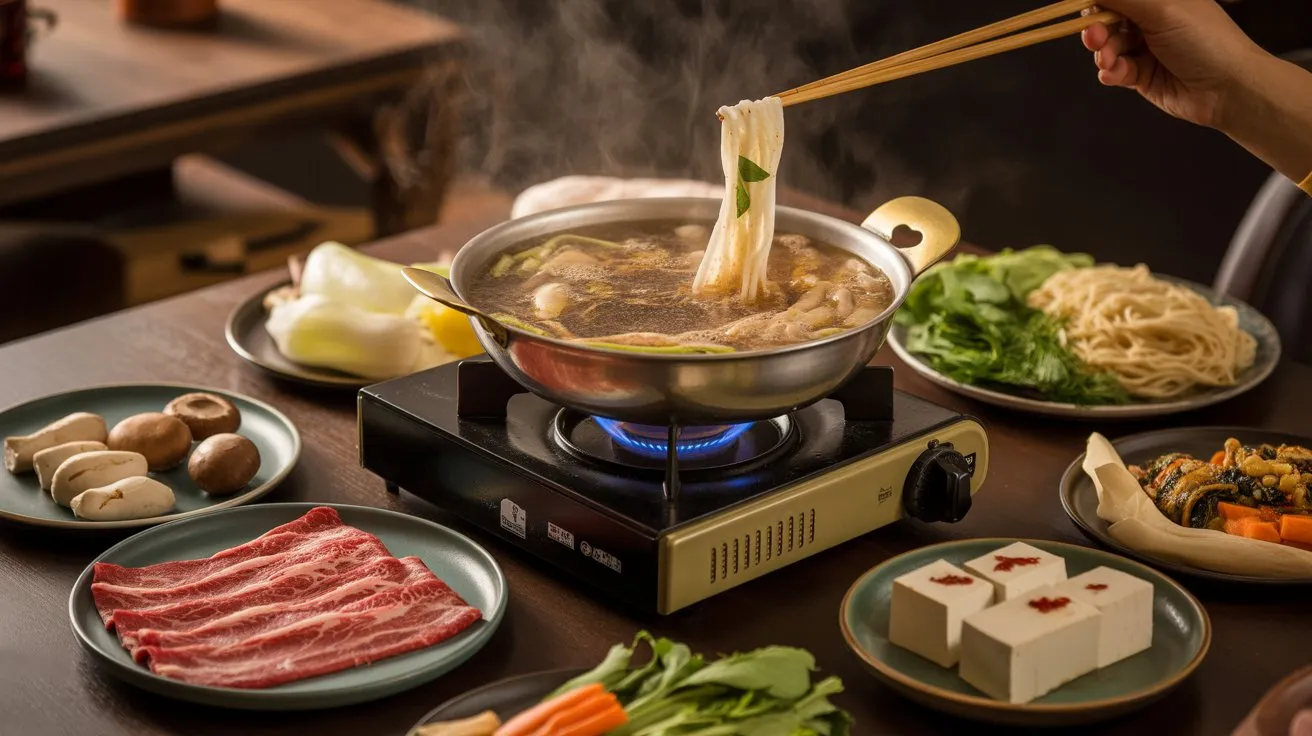
Six people. One pot. Zero plan. That was the situation on a January Friday night in 2022 when my college friends arrived unexpectedly and my refrigerator held a bag of napa cabbage, half a block of tofu, some frozen shrimp, and a carton of beef broth I had forgotten I bought.
What came out of that accidental evening was the best dinner we had shared in years. Everyone sat around the table for three hours. The conversation did not stop. The pot kept bubbling. Nobody touched their phones. That is what hotpot does. It is not just a meal. It is a format for connection that happens to involve excellent food.
Here is what I wish someone had told me earlier: hotpot is one of the most forgiving, most customizable, and most genuinely social cooking experiences you can create at home. You do not need a specialized electric pot. You do not need to source exotic ingredients. You need a good broth, a selection of proteins and vegetables, and about 20 minutes of prep.
The 25 ideas in this post cover every style of hotpot from Chinese Sichuan mala to Japanese shabu-shabu to Korean army stew to a Tex-Mex version I invented on a whim that my family now requests every other week. Every entry includes the broth base, the key ingredients, and the essential dipping sauce. Start anywhere on this list and you will have a great dinner.
What Equipment Do You Actually Need for Hotpot at Home?
The honest answer: less than you think. I spent two years making excellent hotpot on a standard electric induction cooktop using a Le Creuset Dutch oven before I ever bought a dedicated hotpot unit. The broth stayed hot, the experience was identical, and the cleanup was exactly the same.
That said, there are dedicated hotpot units worth knowing about. The Aroma Housewares AES-306 electric hotpot runs about 45 dollars and handles groups of up to four people well. The Dezin Electric Shabu Shabu Pot with its dual-flavor divider is excellent for households where half the group wants mild broth and the other half wants Sichuan spice. It runs about 55 dollars. For serious hotpot enthusiasts, the Cuisinart Electric Fondue and Multi-Cooker at around 80 dollars doubles as an air fryer and slow cooker.
What you genuinely cannot skip: a portable induction burner if you want to cook at the table. DUXTOP and Nuwave both make reliable single-burner induction units in the 35 to 60 dollar range that maintain consistent temperature throughout a long hotpot session. This matters because inconsistent heat is the number one reason hotpot becomes a frustrating experience instead of a relaxing one.
The Non-Negotiable Hotpot Tools
- Spider strainer or mesh ladle for retrieving small ingredients from the broth
- Individual dipping bowls for each person (small ramen bowls work perfectly)
- Separate small bowls for dipping sauce components
- Long chopsticks or hotpot tongs for adding raw ingredients safely
- A slotted spoon for skimming foam from the broth during cooking
The Most Important Element: Your Hotpot Broth
Every serious hotpot conversation starts and ends with broth. This is not an exaggeration. A mediocre broth with excellent ingredients produces a mediocre hotpot. An exceptional broth with simple ingredients produces a meal people talk about for months.
I have tested every shortcut available. Lee Kum Kee Sichuan Mala Hotpot Soup Base is the best packaged option I have found for spicy Chinese hotpot. Haitian brand chicken broth concentrate for clear broths. Haidilao brand soup base packets for authentic numbing Sichuan flavor. These products do not replace homemade broth but they deliver 80 percent of the result in 10 percent of the time on a Wednesday evening.
For homemade broth, the most transformative thing I learned was the kombu cold-start method for dashi. Place a 6-inch piece of dried kombu in 6 cups of cold water and heat it slowly to just below boiling over 30 minutes. Remove the kombu and add a large handful of katsuobushi bonito flakes. Steep for 3 minutes and strain. That is your dashi base, and it produces a crystal-clear, deeply savory broth that makes everything cooked in it taste significantly better.
25 Hotpot Ideas That Will Transform Your Dinner Routine
Idea 1: Classic Sichuan Mala Hotpot
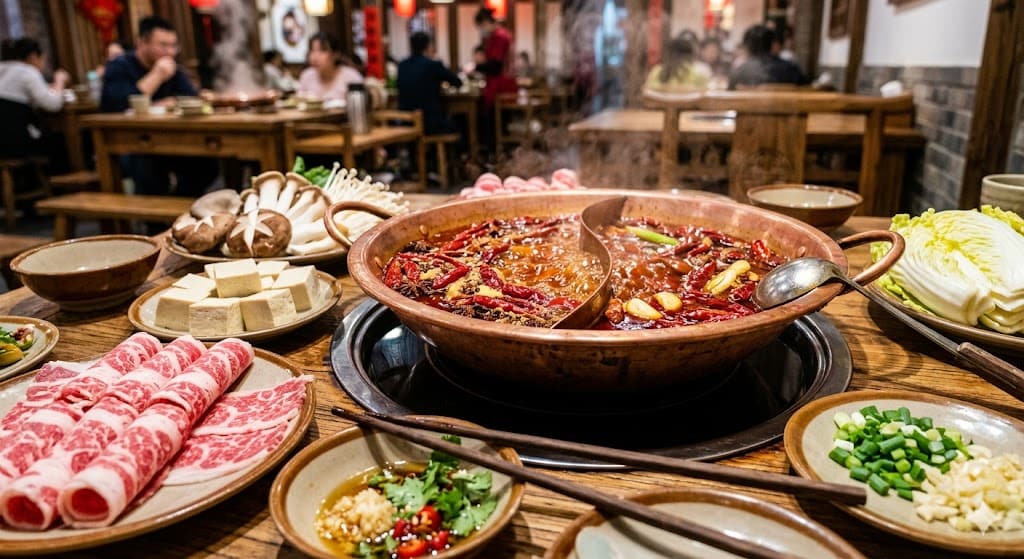 The original. The standard against which all other hotpots are measured. Mala means numbing and spicy in Mandarin, referring to the combination of Sichuan peppercorns and dried chilies that create a distinctive tingling heat unlike anything else in cooking.
Broth:
2 tablespoons doubanjiang (Pixian brand is best), 1 tablespoon Sichuan peppercorns, 6 dried chilies, 4 cups chicken broth, 2 cups water, 3 garlic cloves, 1 inch ginger, 2 tablespoons sesame oil. Fry doubanjiang, peppercorns, and chilies in oil for 2 minutes. Add remaining ingredients and simmer 15 minutes.
Key Ingredients:
- Thinly sliced beef ribeye or lamb shoulder (freeze 30 minutes for easier slicing)
- Enoki mushrooms and wood ear mushrooms
- Tofu puffs and firm tofu
- Napa cabbage and baby bok choy
- Glass noodles
Dipping Sauce:
Sesame paste thinned with warm water, minced garlic, soy sauce, and fresh cilantro. This is non-negotiable for mala hotpot. The creamy sesame cuts the chili heat perfectly.
Idea 2: Japanese Shabu-Shabu
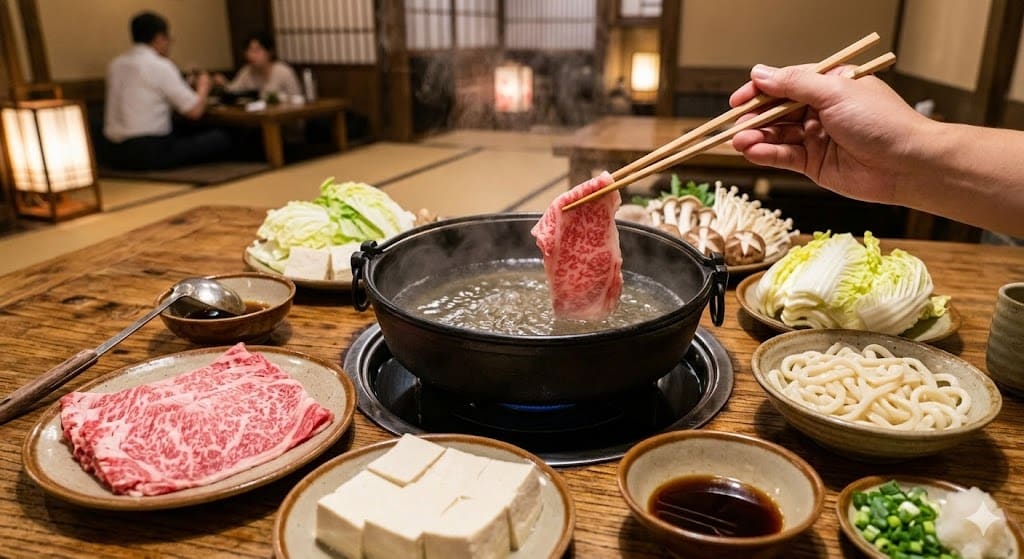 Shabu-shabu is the quiet, elegant cousin of Sichuan hotpot. The broth is intentionally mild, which allows the quality of the meat and the dipping sauces to do all the work. The name comes from the sound the meat makes when you swish it through the broth.
Broth:
6 cups homemade dashi (see kombu method above) or Ajinomoto brand dashi powder dissolved in hot water. Season lightly with salt only. That is the entire broth.
Key Ingredients:
- Premium beef wagyu or well-marbled ribeye, sliced paper thin
- Tofu, napa cabbage, chrysanthemum greens (shungiku)
- Shiitake, enoki, and oyster mushrooms
- Udon noodles to finish the pot
Dipping Sauces:
Ponzu (citrus soy) and goma dare (creamy sesame). Both are essential. Marukan brand ponzu is widely available and excellent. Always provide both sauces.
Idea 3: Korean Army Stew (Budae Jjigae)
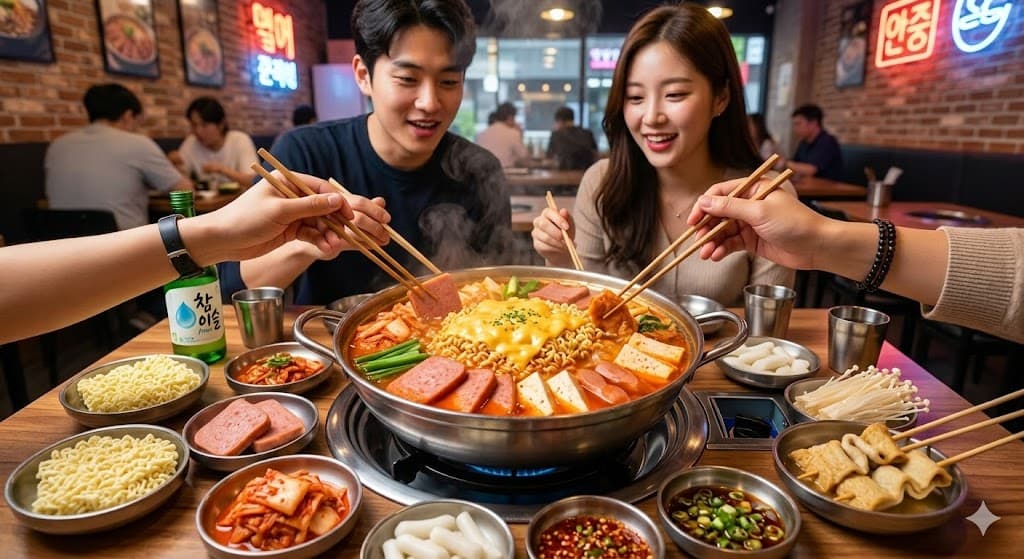 Army stew was born from post-Korean War scarcity when canned goods from US military bases were repurposed into a deeply satisfying communal stew. It is chaotic, unapologetically filling, and one of the most beloved comfort foods in Korean cuisine.
Broth:
4 cups anchovy stock (dried anchovies simmered 20 minutes), 2 tablespoons gochujang, 1 tablespoon gochugaru, 1 tablespoon soy sauce, 1 teaspoon sugar, 2 garlic cloves minced.
Key Ingredients:
- Spam, sliced into rectangles (this is mandatory, not optional)
- Korean instant noodles (Shin Ramyun brand works perfectly)
- Kimchi, baked beans, hot dogs
- American cheese slices (one or two melt into the broth at the end)
- Tofu and mushrooms for balance
Dipping Sauce:
Not traditional with budae jjigae. The stew is the sauce. Serve with steamed white rice on the side.
Idea 4: Thai Tom Yum Hotpot
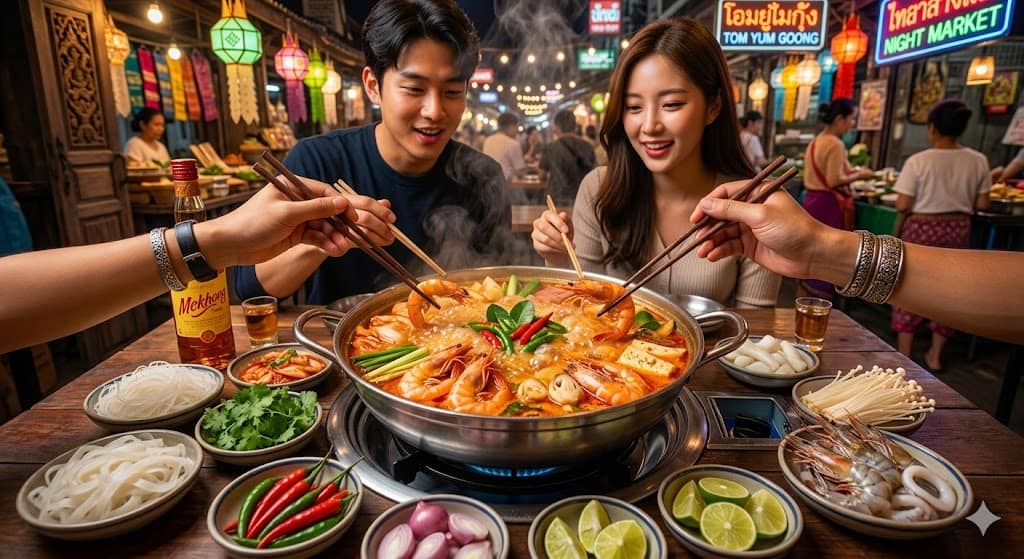 Tom yum broth as a hotpot base is one of those ideas that feels obvious in retrospect but took me years to try. The lemongrass, galangal, and kaffir lime leaves create an aromatic broth that transforms everything cooked in it.
Broth:
4 cups chicken stock, 2 stalks lemongrass bruised, 3 slices galangal, 4 kaffir lime leaves torn, 3 Thai chilies, 3 tablespoons fish sauce, 2 tablespoons lime juice, 1 teaspoon sugar. Simmer aromatics 15 minutes then season.
Key Ingredients:
- Large shrimp, fish balls, and squid
- Straw mushrooms and oyster mushrooms
- Baby corn and snap peas
- Rice vermicelli noodles
Dipping Sauce:
Nahm prik pao (roasted chili paste) thinned with lime juice and fish sauce. A small bowl of fresh Thai chilies in fish sauce on the side for heat seekers.
Idea 5: Vietnamese Pho Hotpot
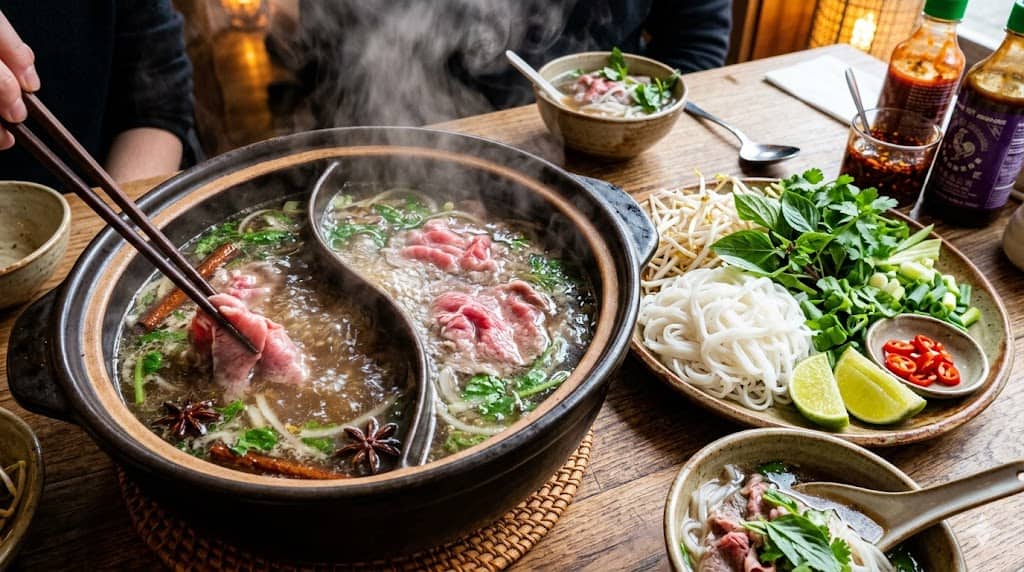 The deeply spiced pho broth, simmered long and slow, makes one of the most extraordinary hotpot bases you can create. The spice packet of star anise, cinnamon, cloves, and cardamom fills the house with a fragrance that starts the evening beautifully.
Broth:
Char 1 onion and 3-inch ginger under broiler until lightly blackened. Simmer with 6 cups beef stock, 3 star anise, 1 cinnamon stick, 4 cloves, 1 tablespoon fish sauce, salt to taste, for 30 minutes. Strain.
Key Ingredients:
- Thinly sliced beef eye of round and beef brisket
- Flat rice noodles
- Bean sprouts, Thai basil, lime wedges on the table
- Beef meatballs and tendon (optional but authentic)
Dipping Sauce:
Hoisin sauce and Sriracha on separate small plates for dipping cooked beef slices. This is the traditional accompaniment and it works perfectly.
Idea 6: Taiwanese Sesame Oil Chicken Hotpot
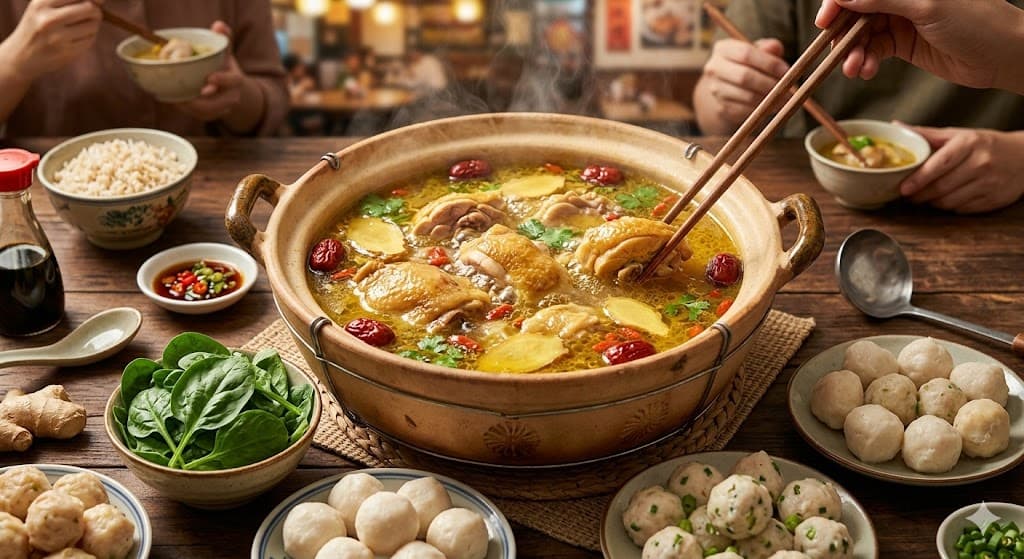 This is winter comfort food at its most medicinal and most delicious. Sesame oil and ginger fried together create a warming, nutty base that Taiwanese families traditionally serve during cold months and postpartum recovery.
Broth:
Heat 3 tablespoons toasted sesame oil. Fry 15 thin slices of ginger until golden. Add 1 cup rice wine (mijiu or Shaoxing) and 4 cups chicken stock. Simmer 10 minutes. Season with soy sauce.
Key Ingredients:
- Bone-in chicken pieces (wings and drumettes work best)
- Goji berries for sweetness and color
- Taiwanese fish balls and pork meatballs
- Spinach and sweet potato leaves
Dipping Sauce:
Soy sauce with a few drops of sesame oil and thinly sliced green onion. Simple and exactly right for this broth.
Idea 7: Mongolian Lamb Hotpot
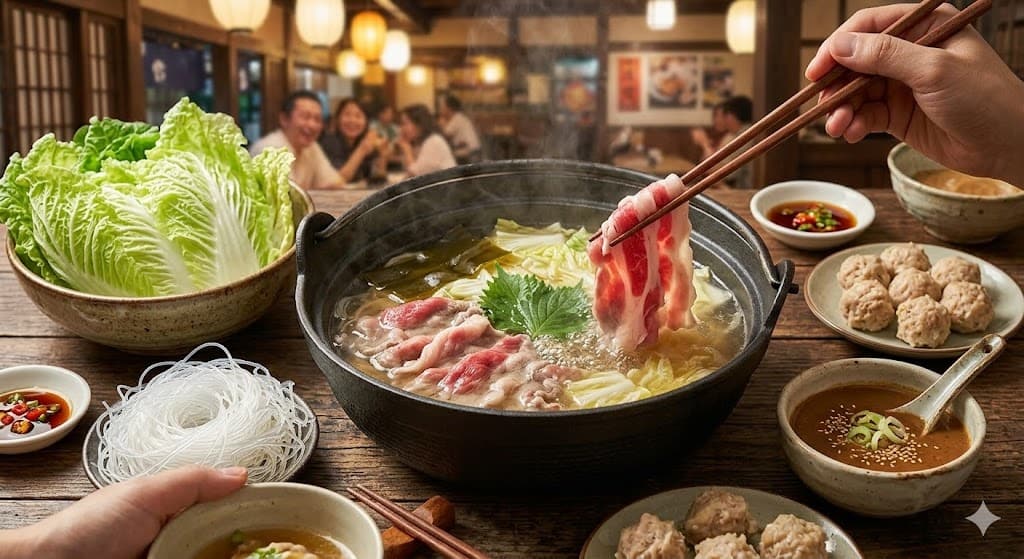 The simplest broth in this list produces one of the most deeply flavored results. This is hotpot in its purest ancestral form, just lamb, broth, and aromatics.
Broth:
6 cups lamb stock or beef stock, 4 cloves garlic, 3 slices ginger, 2 green onions, 1 tablespoon Shaoxing wine, salt. Simmer 10 minutes.
Key Ingredients:
- Thinly sliced lamb shoulder or leg
- Glass noodles and tofu
- Napa cabbage and spinach
Dipping Sauce:
Fermented tofu (nanru) blended with sesame paste, chili oil, and a little broth. This is the traditional Mongolian hotpot sauce and it is extraordinary.
Idea 8: Japanese Sukiyaki
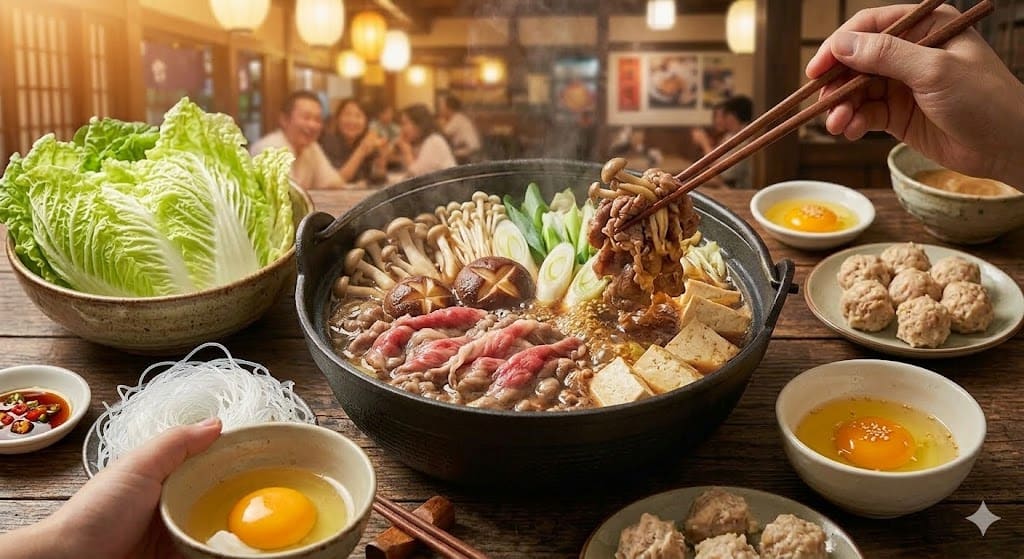 Sukiyaki occupies a unique place in Japanese food culture. It is slightly sweet, deeply savory, and involves cracking a raw egg into your bowl and using it as a coating sauce for the cooked meat. My American friends are always skeptical until they try it.
Broth/Sauce:
Combine 1/2 cup soy sauce, 1/2 cup mirin, 1/4 cup sake, and 2 tablespoons sugar. This is the warishita. Do not add water. The ingredients release enough liquid as they cook.
Key Ingredients:
- Well-marbled beef, sliced very thin
- Firm tofu, shirataki noodles (konnyaku noodles)
- Napa cabbage, chrysanthemum greens, naganegi long green onions
- One raw egg per person for dipping
Dipping Sauce:
Raw egg cracked into individual bowls. Dip hot meat into the raw egg immediately before eating. The egg cooks slightly on contact and creates a silky coating.
Idea 9: Chinese Clear Bone Broth Hotpot
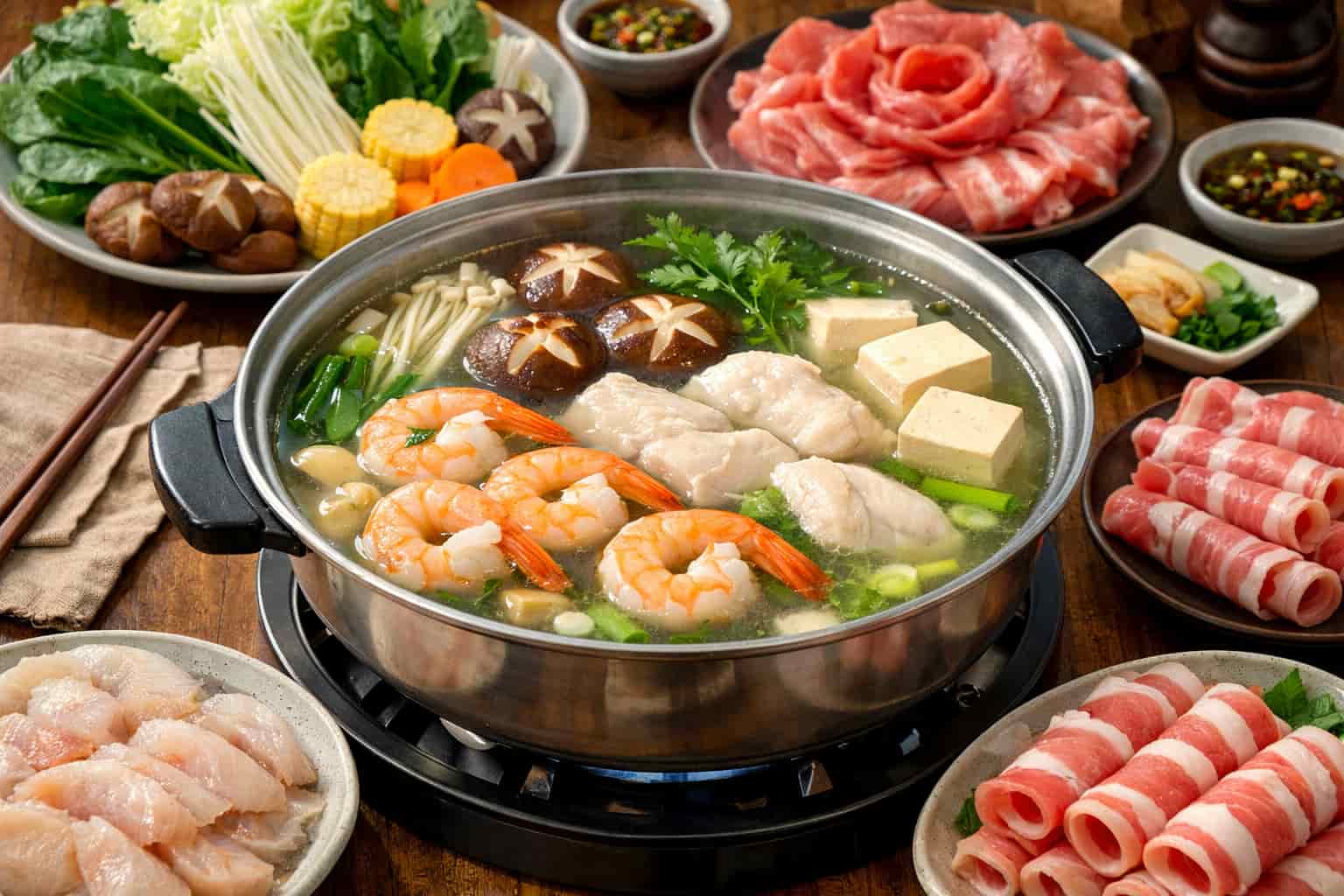 When my family wants hotpot but half the group cannot handle spice, this is the answer. The broth is gentle and deeply nourishing, and it allows the natural flavor of every ingredient to come through without competition.
Broth:
Roast 2 pounds pork bones at 400F for 20 minutes. Simmer with 8 cups water, ginger, green onion, and a splash of Shaoxing wine for 2 hours. Skim regularly. Season with salt only.
Key Ingredients:
- Any protein: shrimp, fish fillets, pork belly slices, chicken
- Lotus root, daikon, and taro
- Any mushroom variety
Dipping Sauce:
Garlic soy sauce with chili oil on the side for those who want heat.
Idea 10: Spicy Korean Kimchi Hotpot (Kimchi Jjigae Style)
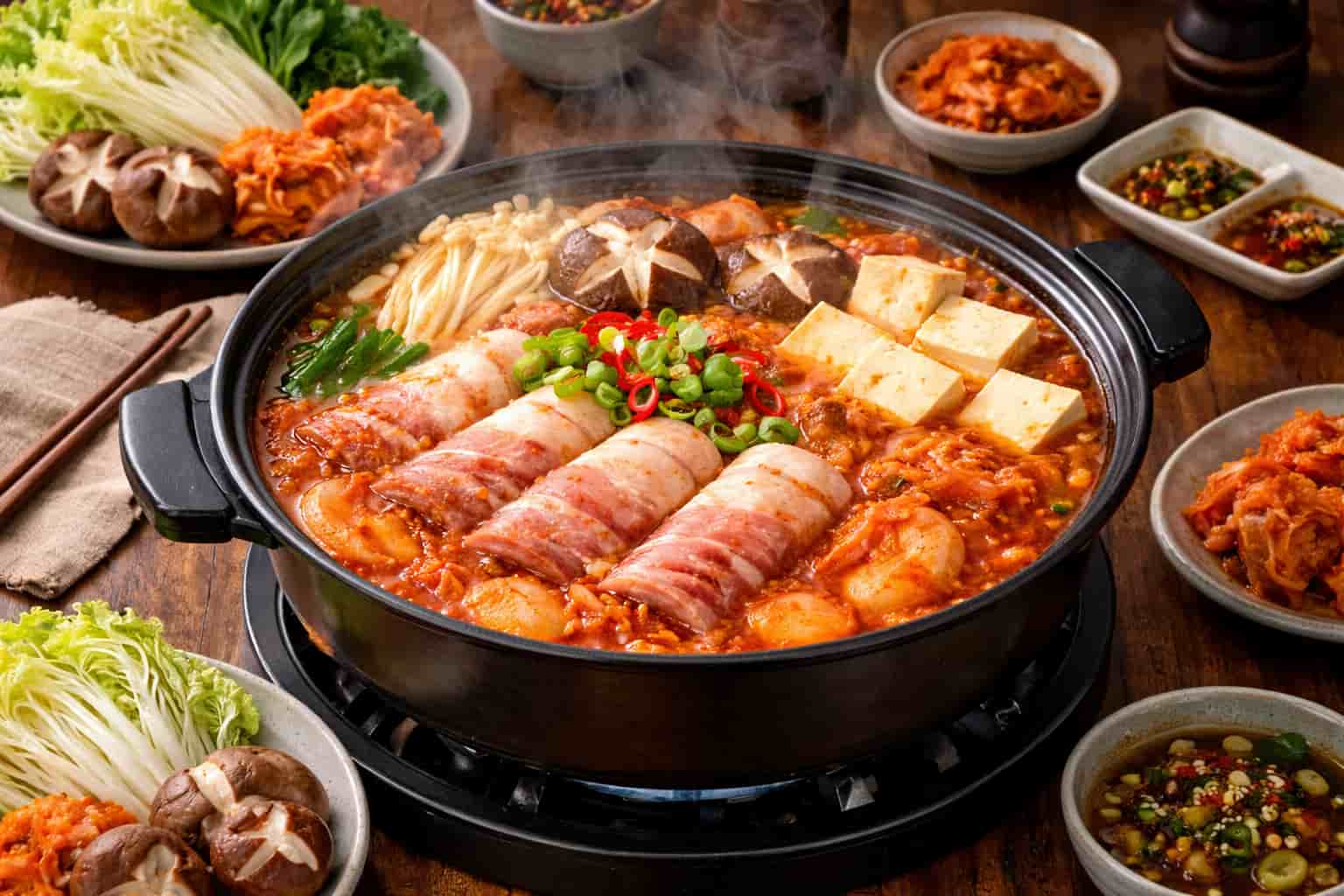 Aged kimchi, the kind that has been in the jar for three weeks and smells strongly fermented, makes the best hotpot broth base. Do not use fresh kimchi here. The fermented sourness and complexity of aged kimchi is what this hotpot is built on.
Broth:
Saute 1.5 cups aged kimchi in 1 tablespoon sesame oil. Add 4 cups anchovy broth, 1 tablespoon gochugaru, 1 tablespoon soy sauce, 1 teaspoon sugar.
Key Ingredients:
- Pork belly, firm tofu, and Spam
- Enoki mushrooms and zucchini
- Rice cakes (tteok) for heartiness
Dipping Sauce:
Not needed. Eat directly with rice and extra kimchi on the side.
Idea 11: Seafood Coconut Curry Hotpot
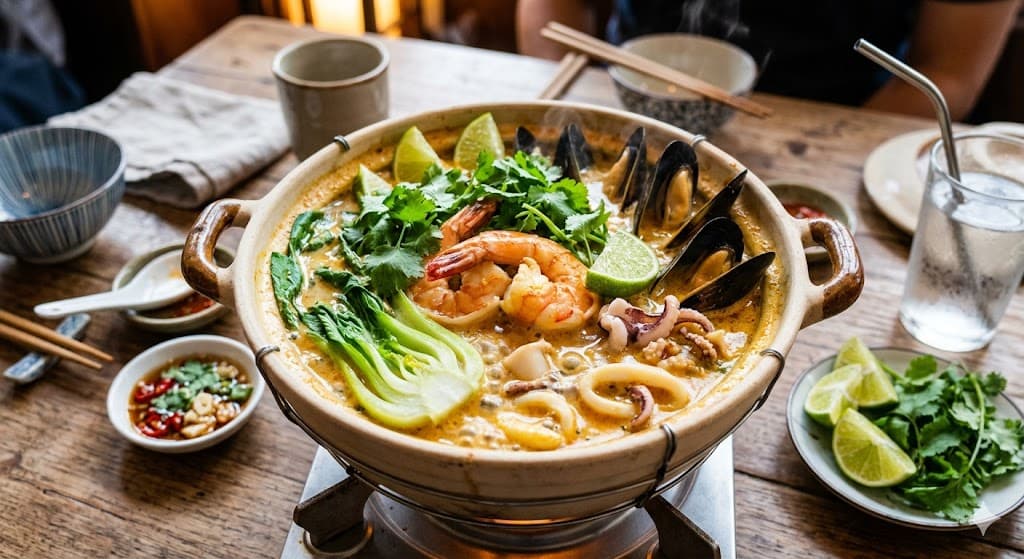 This was the accident that became a staple. After making too much Thai coconut curry sauce one evening, I used it as a hotpot broth and the result was one of the richest, most complex seafood hotpots I have ever eaten.
Broth:
Fry 2 tablespoons red curry paste in coconut cream from one can. Add 2 cans full-fat coconut milk, 2 cups seafood stock, 2 tablespoons fish sauce, 1 tablespoon sugar, juice of 1 lime.
Key Ingredients:
- Whole shrimp, scallops, mussels, and squid
- Fish balls and crab sticks
- Bok choy and snap peas
- Rice vermicelli or thick udon noodles
Dipping Sauce:
Fresh lime juice with chili and cilantro. The broth is so rich that the dipping sauce just needs to be bright and acidic.
Idea 12: Mushroom and Herb Vegetarian Hotpot
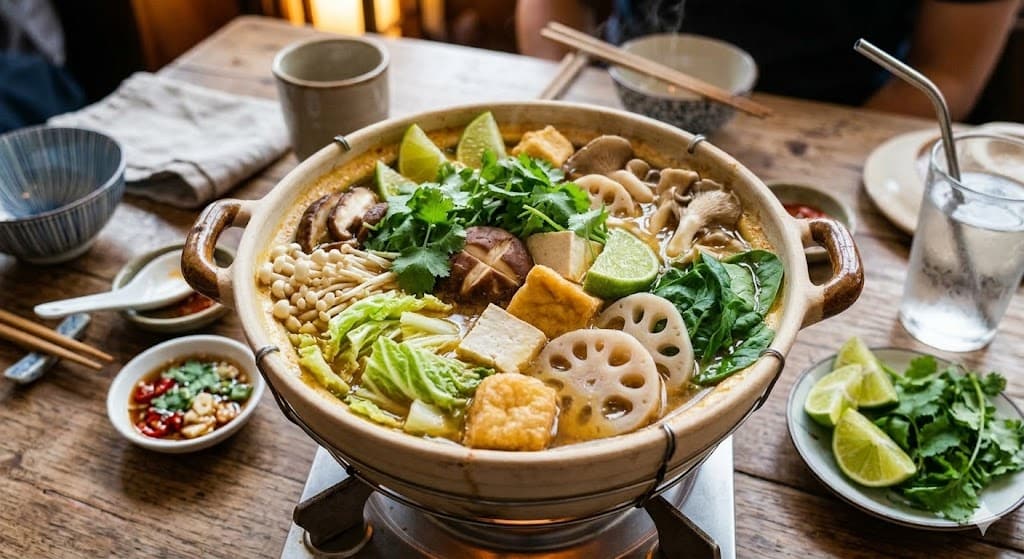 Here is a strongly held opinion: vegetarian hotpot is not a compromise. A well-built mushroom broth with umami depth can be as satisfying as any meat-based version. The key is layering umami sources without relying on a single one.
Broth:
Simmer 6 dried shiitake mushrooms, 1 piece kombu (6 inches), 1 tablespoon soy sauce, 1 tablespoon miso paste, 1 teaspoon sesame oil in 6 cups water for 20 minutes. Strain mushrooms and slice back in.
Key Ingredients:
- King oyster mushrooms, maitake, enoki, and shiitake
- Firm tofu, tofu puffs, and yuba (tofu skin)
- Napa cabbage, spinach, and watercress
- Lotus root and taro slices
Dipping Sauce:
Ginger soy sauce with a few drops of black vinegar and toasted sesame seeds.
Idea 13: Tom Kha (Thai Coconut Galangal) Hotpot
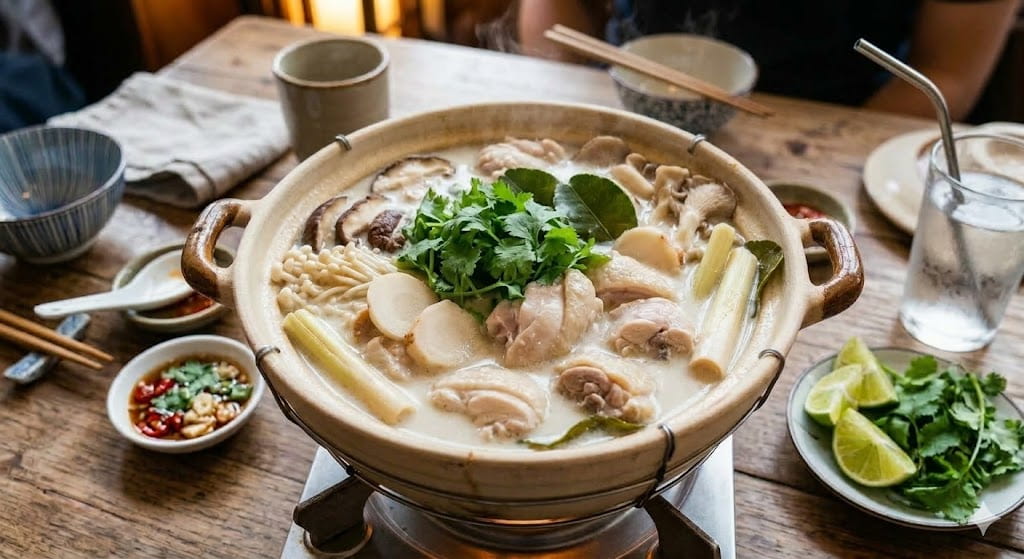 Tom kha is gentler than tom yum. The coconut milk tames the heat and the galangal adds an earthy, piney note that is completely unlike ginger even though they look similar.
Broth:
2 cans coconut milk, 2 cups chicken stock, 3 slices galangal, 2 lemongrass stalks bruised, 4 kaffir lime leaves, 2 tablespoons fish sauce, 1 tablespoon lime juice, 1 teaspoon sugar.
Key Ingredients:
- Chicken breast and thigh, sliced thin
- Straw mushrooms and baby corn
- Thai basil and fresh cilantro added to bowls at the table
Dipping Sauce:
Roasted chili paste with fresh lime. Just two ingredients and completely transforms each bite.
Idea 14: Chinese Tomato Egg Hotpot
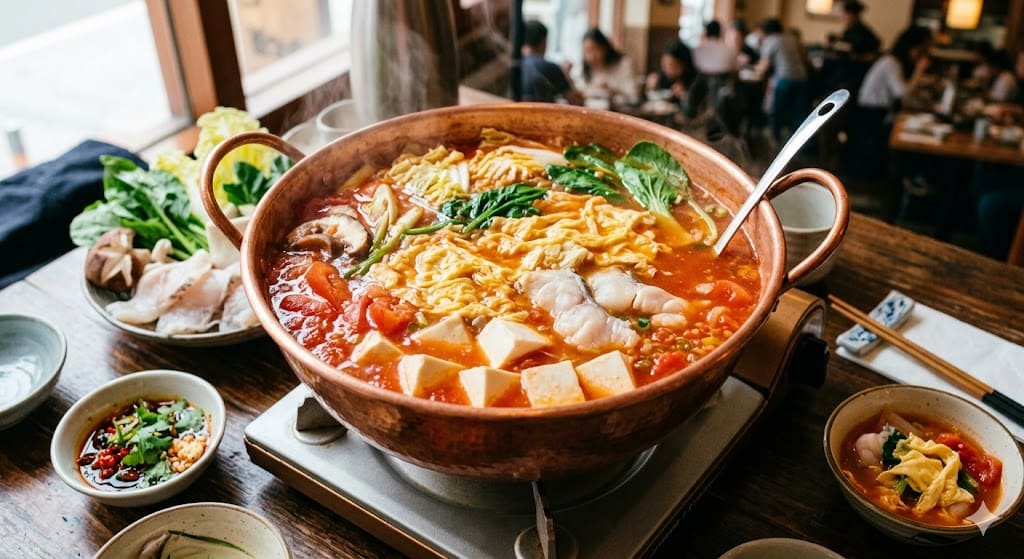 Tomato and egg is one of the most beloved flavor combinations in Chinese home cooking. Using a tomato base for hotpot gives you a bright, slightly sweet, deeply savory broth that works beautifully with delicate proteins like tofu and fish.
Broth:
Saute 2 ripe tomatoes diced with 1 tablespoon oil until broken down. Add 4 cups chicken broth, 1 tablespoon soy sauce, 1 teaspoon sugar, salt. Simmer 10 minutes. Stir in 2 beaten eggs in a slow stream at the end for silky egg ribbons.
Key Ingredients:
- Firm tofu, fish fillets, and thin pork slices
- Enoki and shiitake mushrooms
- Bok choy and spinach
Dipping Sauce:
Soy sauce with sesame oil and chili oil. This broth is mild enough that bolder dipping sauces work well.
Idea 15: Indian Spiced Hotpot
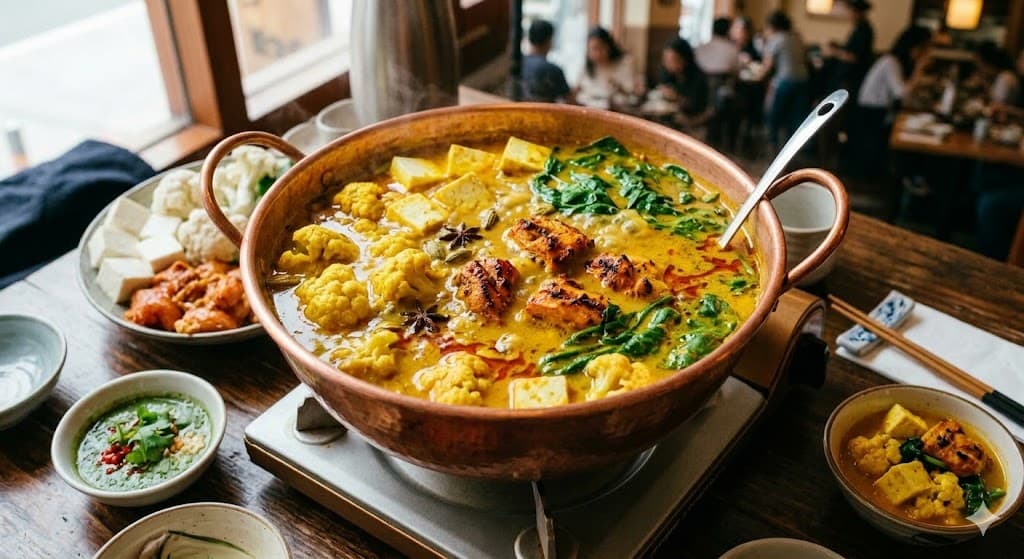 This is my most personal innovation on this list. Taking the fundamental hotpot format and building it around an Indian spice base produces something entirely new that honors both traditions without belonging to either.
Broth:
Saute 1 onion diced in 2 tablespoons ghee until golden. Add 1 teaspoon each cumin, coriander, turmeric, garam masala. Fry 1 minute. Add 1 can diced tomatoes, 4 cups chicken stock, 1 inch ginger, 4 garlic cloves. Simmer 15 minutes.
Key Ingredients:
- Chicken tikka (marinated and pre-cooked chicken pieces to dip and warm through)
- Paneer cubes
- Cauliflower florets and baby spinach
- Lentil dumplings (available frozen at Indian grocery stores)
Dipping Sauce:
Mint chutney and tamarind chutney side by side. This combination with the spiced broth creates genuinely extraordinary results.
Idea 16: French Fondue Bourguignonne Hotpot
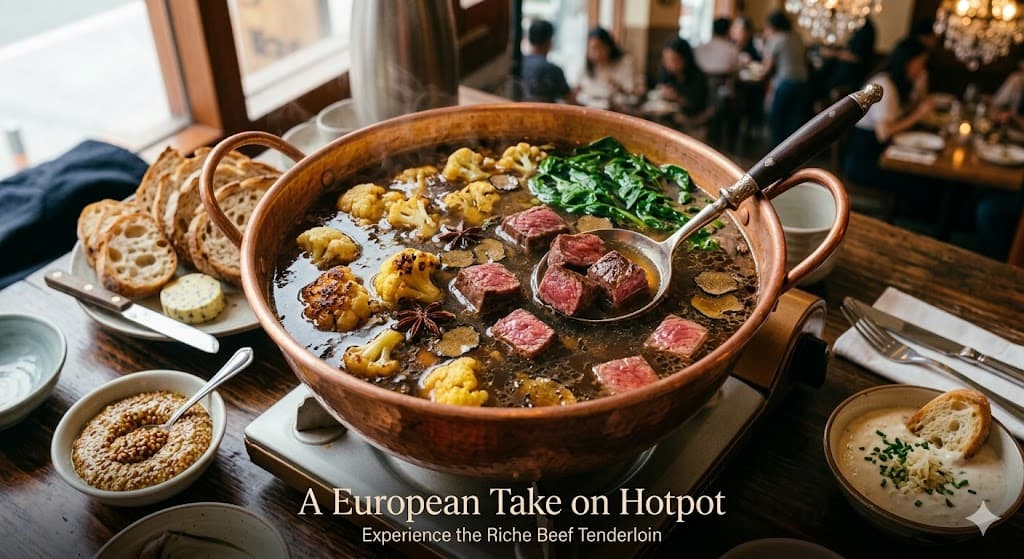 Fondue Bourguignonne is technically the French version of hotpot, where cubed beef is cooked in hot oil at the table rather than broth. However, using beef broth instead of oil creates a healthier and equally delicious version.
Broth:
4 cups high-quality beef stock, 1 cup red wine, 2 shallots, 2 sprigs fresh thyme, 1 bay leaf. Simmer 15 minutes. Keep at a rolling simmer throughout the meal.
Key Ingredients:
- Cubed beef tenderloin or sirloin, 1-inch pieces
- Cubed crusty bread for dipping
- Baby potatoes (pre-boiled and added to warm through)
Dipping Sauces:
Bearnaise sauce, Dijon mustard aioli, and horseradish cream. Three sauces are traditional and each transforms the beef in a completely different direction.
Idea 17: Mexican Pozole-Style Hotpot
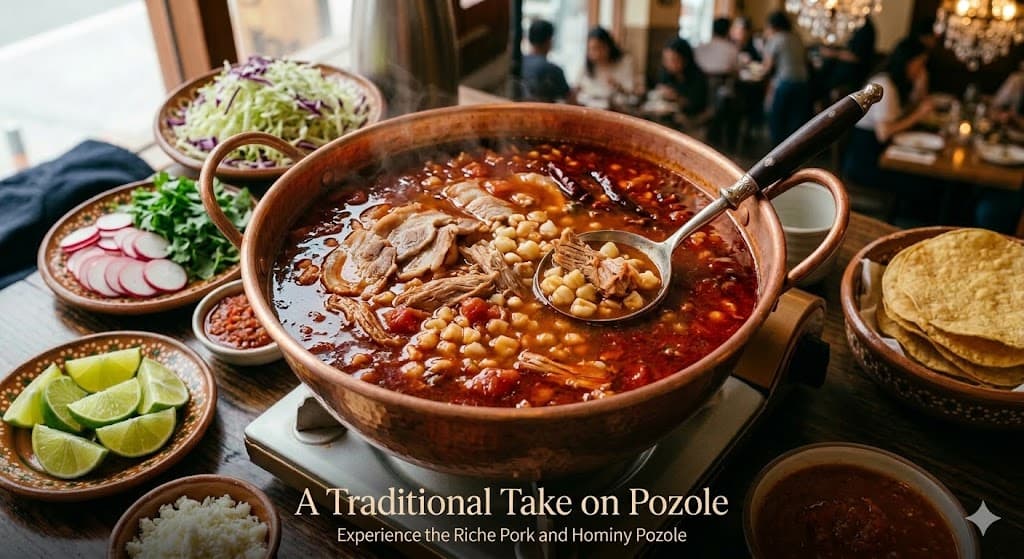 Pozole is Mexico’s ancient communal stew, made with hominy corn and traditionally pork or chicken. Converting it to a hotpot format keeps the communal spirit while giving everyone control over what they cook.
Broth:
3 dried guajillo chilies and 2 ancho chilies, toasted and soaked, blended with 4 cups chicken stock, 4 garlic cloves, 1 teaspoon cumin, 1 teaspoon oregano. Simmer with 1 can hominy corn for 15 minutes.
Key Ingredients:
- Thinly sliced pork shoulder and chicken thighs
- Additional hominy corn and Mexican mushrooms
Toppings at the table:
- Shredded cabbage, sliced radishes, dried oregano, lime wedges, tostadas
Dipping Sauce:
Salsa verde and crema. Both go on the side of individual bowls, not into the communal pot.
Idea 18: Greek Avgolemono Hotpot
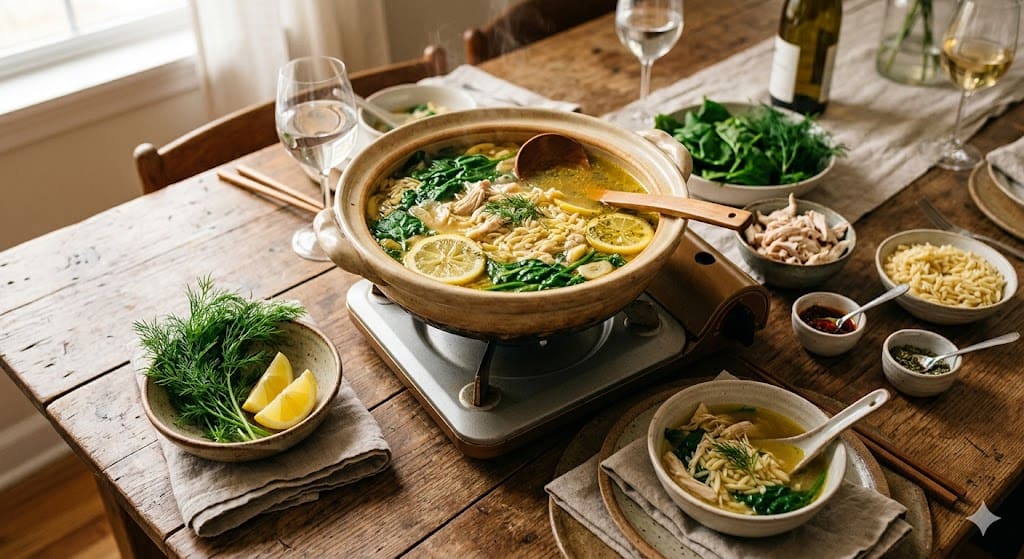 Avgolemono is Greece’s egg-lemon sauce that transforms simple chicken broth into something simultaneously silky and bright. Using it as a hotpot base is an idea I have never seen anywhere else and I have been making it for two years with consistent success.
Broth:
6 cups good chicken stock simmering. Whisk 3 eggs with juice of 2 lemons until frothy. Ladle 1 cup hot stock slowly into egg mixture, whisking constantly. Pour back into pot off heat. Return to very low heat, do not boil.
Key Ingredients:
- Shredded pre-cooked chicken added to individual bowls
- Orzo pasta cooked separately and added to bowls
- Spinach wilted directly in the pot
Dipping Sauce:
Extra lemon juice and fresh dill on the side. No additional sauce needed. The broth is already complex.
Idea 19: Taiwanese Pork and Sauerkraut Hotpot
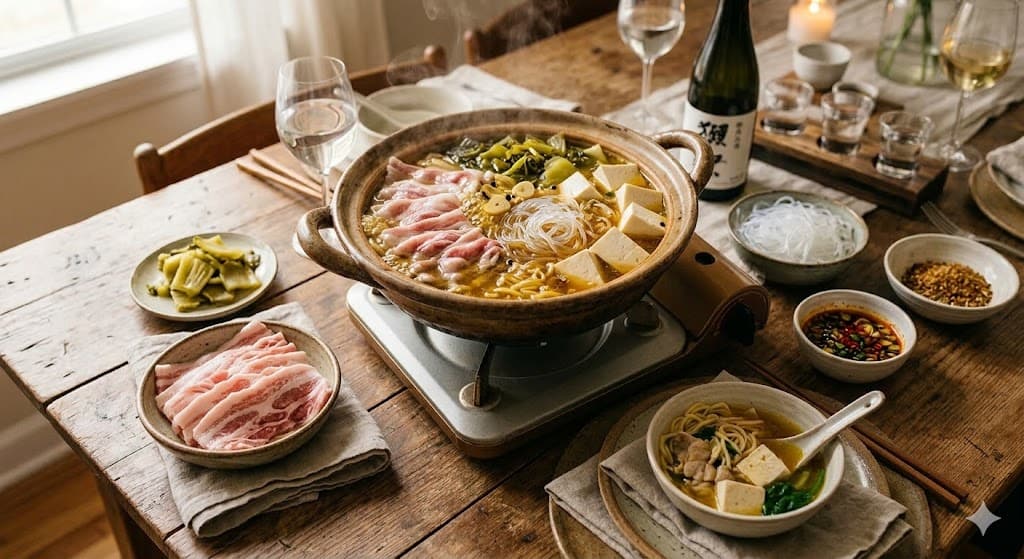 Pickled vegetables in hotpot broth add tartness and complexity that cuts through rich meats beautifully. Taiwanese suan cai (pickled mustard greens) is the traditional choice, but good German sauerkraut is a worthy substitute.
Broth:
4 cups pork stock, 1 cup suan cai or sauerkraut including brine, 2 slices ginger, 1 tablespoon Shaoxing wine, salt to taste.
Key Ingredients:
- Thinly sliced pork belly
- Blood tofu if available (firm cubes)
- Glass noodles and firm tofu
Dipping Sauce:
Garlic and soy sauce simply. The pickled broth has enough acid and complexity.
Idea 20: Taiwanese Sesame Miso Hotpot
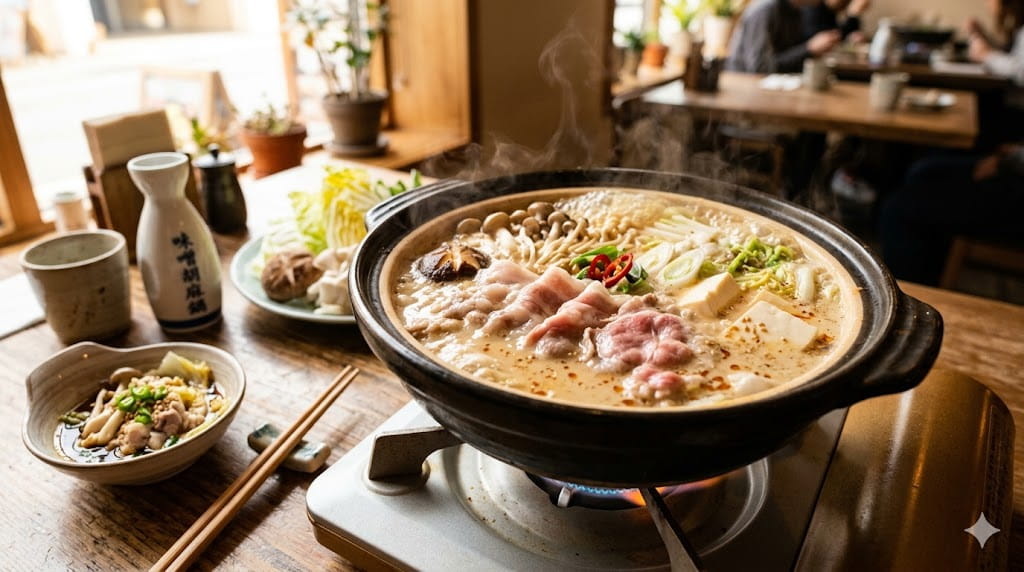 Miso and sesame together in one broth sounds like umami overload. It is. In the best possible way.
Broth:
4 cups dashi, 2 tablespoons white miso, 2 tablespoons sesame paste thinned with warm water, 1 tablespoon soy sauce, 1 teaspoon sesame oil, 1 teaspoon sugar.
Key Ingredients:
- Thinly sliced pork, firm tofu, and fish balls
- Mushroom variety platter
- Napa cabbage and bean sprouts
Dipping Sauce:
The broth itself is rich enough to serve as the sauce. A small amount of chili oil on the side is all you need.
Idea 21: Beef Pho Hotpot (Pho Lau)
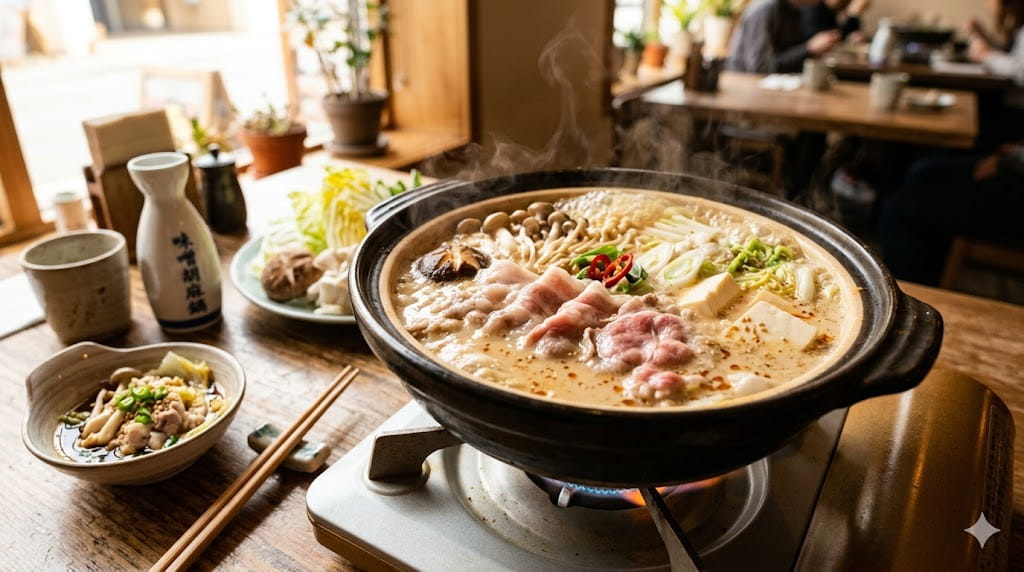 Pho lau is the Vietnamese restaurant version of interactive pho where raw ingredients are brought to the table and cooked in simmering pho broth. It is one of the best dinner party formats I have ever experienced.
Broth:
Full pho broth as described in Idea 5 above. Keep it deeply aromatic with plenty of star anise and cinnamon.
Key Ingredients:
- Thinly sliced beef (eye of round, brisket, and tendon)
- Beef and pork meatballs
- Flat rice noodles cooked separately
- Full pho herb plate: bean sprouts, basil, lime, Sriracha, hoisin
Dipping Sauce:
Individual bowls of hoisin and Sriracha at each setting. The broth absorbs the fresh herbs added by each person, which changes and deepens throughout the meal.
Idea 22: Spicy Miso Ramen Hotpot
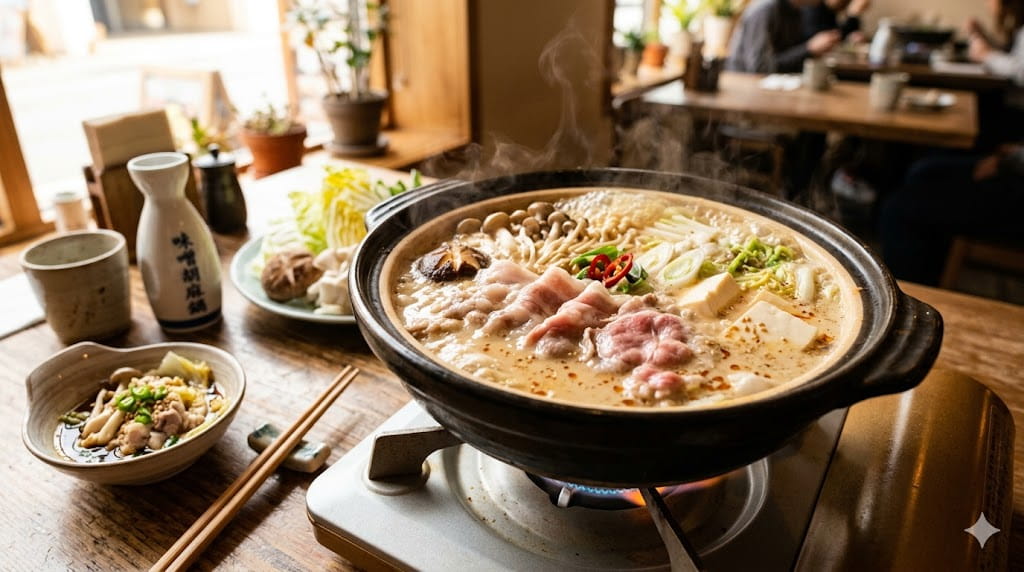 Ramen broth, specifically tonkotsu or miso-based, works extraordinarily well as a hotpot base because it is already calibrated for the exact temperature and consistency that makes ingredients taste their best when cooked in broth.
Broth:
4 cups tonkotsu or chicken paitan broth (Sun Noodle brand broth packs are outstanding and available at Japanese grocery stores), 2 tablespoons white or red miso, 1 tablespoon soy sauce, 1 teaspoon sesame oil, chili paste to taste.
Key Ingredients:
- Chashu pork belly, soft-boiled ramen eggs
- Fresh ramen noodles added at the end
- Bamboo shoots, nori, corn kernels
Dipping Sauce:
Tare on the side: a mixture of soy sauce, mirin, and sake in equal parts. Add a small spoonful to individual bowls to intensify the broth flavor.
Idea 23: Caribbean Coconut Seafood Hotpot
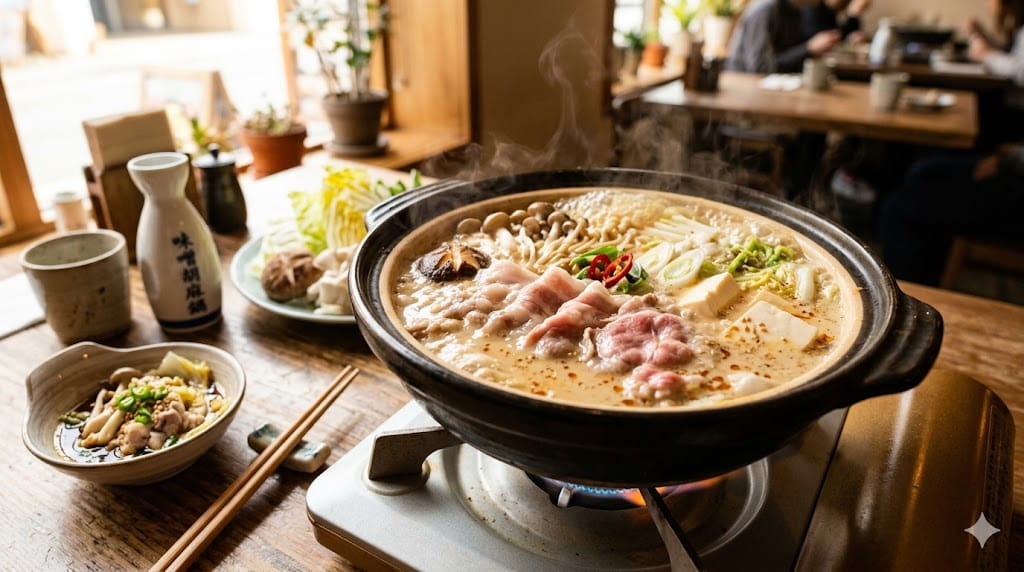 This recipe uses allspice, thyme, and Scotch bonnet pepper alongside coconut milk to produce a hotpot broth that is fragrant and warm in the Caribbean sense.
Broth:
2 cans coconut milk, 2 cups seafood stock, 1 whole Scotch bonnet (do not pierce for mild heat, pierce for serious heat), 1 teaspoon allspice, 2 sprigs fresh thyme, 2 tablespoons soy sauce, juice of 1 lime.
Key Ingredients:
- Whole shrimp, lobster tails, crab legs
- Plantain slices (pre-fried tostones)
- Callaloo or spinach
Dipping Sauce:
Scotch bonnet hot sauce for the brave. Fresh lime only for everyone else.
Idea 24: Simple Family Hotpot for Picky Eaters
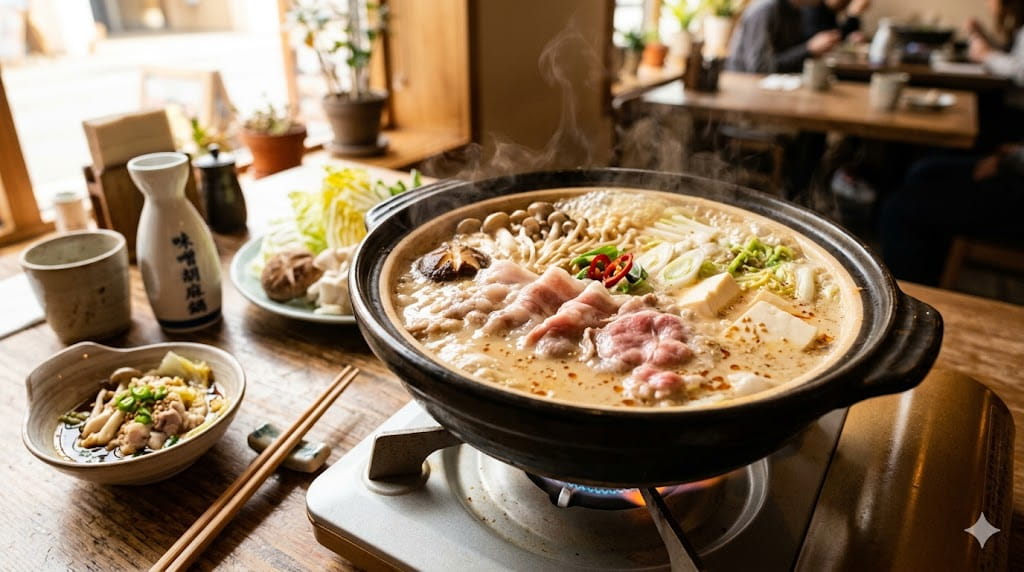 This one is personal. Every parent reading this knows the challenge of a family hotpot when two of the four family members are suspicious of anything they cannot identify instantly. This is my solution.
Broth:
4 cups good quality chicken broth, 1 teaspoon soy sauce, 1 teaspoon sesame oil, 2 slices ginger, 1 green onion. Keep it mild and familiar.
Key Ingredients:
- Thinly sliced chicken breast
- Frozen corn, broccoli florets, and snap peas
- Ramen noodles (every kid accepts ramen)
- Fish sticks cut into pieces (you are not above this)
Dipping Sauce:
Soy sauce and ketchup as separate options. Yes, ketchup. It works for children in ways that goma dare does not.
Idea 25: Tex-Mex Chipotle Hotpot
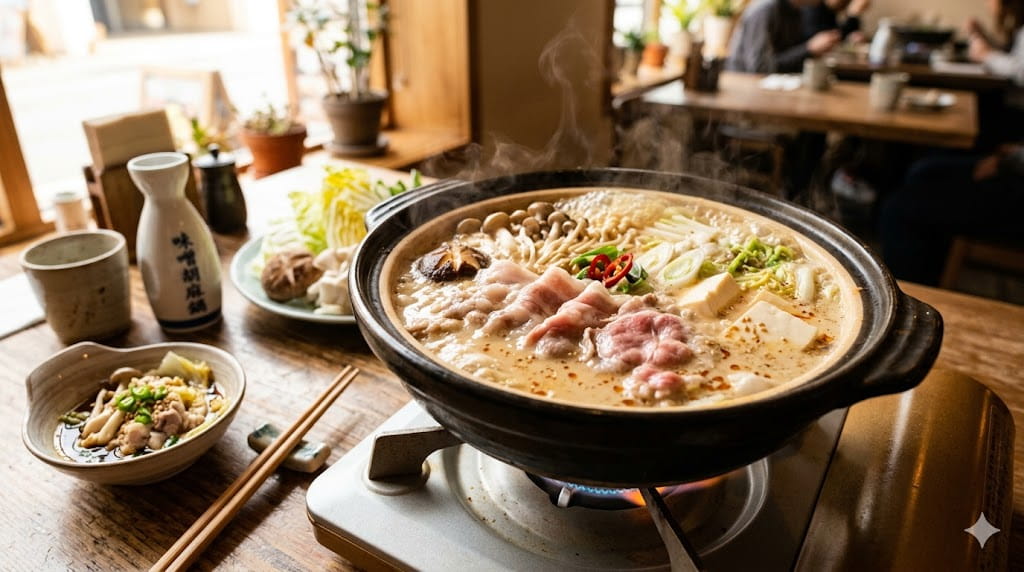 My most experimental idea and the one that gets the most raised eyebrows until people taste it. Chipotle peppers in adobo create a smoky, complex broth that works remarkably well with the hotpot format.
Broth:
Blend 2 chipotle peppers in adobo with 4 cups beef stock until smooth. Add 1 teaspoon cumin, 1 teaspoon garlic powder, 1 tablespoon lime juice, salt.
Key Ingredients:
- Thinly sliced skirt steak or flank steak
- Black beans (canned, rinsed) added directly to the pot
- Corn kernels and poblano pepper strips
- Warm tortillas on the side
Dipping Sauce:
Sour cream and fresh pico de gallo. Build a taco in the bowl using cooked steak, broth-warmed beans, and the toppings. Unconventional. Completely addictive.
Quick Hotpot Style Finder
| Style | Heat Level | Best For | Prep Time |
|---|---|---|---|
| Sichuan Mala (1) | Very Hot | Spice lovers | 20 min |
| Shabu-Shabu (2) | Mild | Premium meat nights | 10 min |
| Army Stew (3) | Medium-Hot | Casual group dinners | 15 min |
| Thai Tom Yum (4) | Medium-Hot | Seafood fans | 20 min |
| Sukiyaki (8) | Mild-Sweet | Date nights | 10 min |
| Vegetarian (12) | Mild | Plant-based households | 15 min |
| Family Style (24) | Very Mild | Kids present | 10 min |
| Tex-Mex (25) | Medium | Adventurous crowds | 15 min |
Hotpot FAQ: Questions People Actually Search For
How long does hotpot broth last?
The broth gets better as the meal progresses because every ingredient cooked in it leaves behind flavor. After the meal, strain and refrigerate the leftover broth for up to three days. Use it as a base for noodle soup or ramen the next day. The enriched broth from a full evening of hotpot is one of the most flavorful things in your refrigerator.
What order should you cook hotpot ingredients?
Start with ingredients that take longest: root vegetables like lotus root, taro, and daikon go in first. Mushrooms and tofu go in next. Leafy vegetables, noodles, and thinly sliced meats cook last because they need only 1 to 3 minutes. Never add raw meat and delicate greens to the pot at the same time or the greens will overcook while the meat is still cooking.
Can you make hotpot without a special pot?
Yes, completely. A standard heavy Dutch oven on a portable induction burner works perfectly. The Le Creuset 5.5 quart and the Lodge 6 quart enameled cast iron both maintain heat extremely well through a long hotpot meal. The only limitation is that you cannot do the split-flavor yin-yang pot without a purpose-built divided vessel.
How do you keep hotpot broth from getting too salty?
Start your broth lightly seasoned and let it concentrate as the meal goes on. By the end of an hour of communal cooking, the broth will naturally intensify in flavor. If it becomes too salty, add a cup of plain water and a piece of daikon, which absorbs excess salt. Never add soy sauce to the broth during the meal without tasting it first.
What is the best meat for hotpot at home?
Thinly sliced beef ribeye is the universal answer because the fat marbling keeps the meat tender even with brief cooking. Freeze the meat for 30 minutes before slicing to make paper-thin cuts possible without a meat slicer. Lamb shoulder is the best choice for Mongolian and Sichuan styles. Pork belly works in Korean and Taiwanese versions. Avoid chicken breast, which overcooks instantly and becomes dry.
Is hotpot healthy?
It depends entirely on what you cook in it and which broth you choose. The mushroom vegetarian hotpot (Idea 12) and the clear bone broth version (Idea 9) are genuinely nutritious by any measure. The army stew (Idea 3) with Spam and instant noodles is comfort food, not a health food. The beauty of hotpot is that you control every element in the pot.
How much food do you need per person for hotpot?
Plan on 4 to 6 ounces of protein per person, 2 to 3 cups of vegetables, and 1 to 2 cups of noodles. These amounts feel generous when laid out raw but cook down significantly. For a group of four eating for two hours, prepare slightly more than you think you need. Running out of ingredients mid-hotpot is a genuinely disappointing experience.
The Meal That Turns a Dinner into an Event
Six people, one pot, zero plan. That January night four years ago taught me something about hotpot that no recipe book had communicated: the format itself creates the experience. The cooking is communal. The pacing is natural. The conversation happens because everyone is engaged with something together rather than waiting passively for food to arrive.
Every one of these 25 hotpot ideas works on a weeknight with 20 minutes of prep. Most of them work even better on a weekend with an extra 30 minutes for a homemade broth. All of them work better than ordering delivery on a cold evening when what you actually want is to sit around a table with people you like.
Start with the classic that matches your household’s flavor preferences. The Sichuan mala if you love heat. The shabu-shabu if you want something elegant and clean. The family-friendly version if you have children who will reject anything they cannot immediately identify. Then work through the list one dinner at a time.
Which style are you trying first? And more importantly, who are you inviting?