
The Grocery Aisle Moment That Changes Everything
It was a normal weekday afternoon in Karachi when I noticed something that stayed with me longer than expected.
A woman stood in front of a grocery shelf holding spinach. She checked the price once… then again… and quietly placed it back.
No anger. No complaint. Just decision-making under pressure.
That small moment reflects a much bigger shift happening in 2026. Food is no longer just about preference. It is about consistency, availability, and cost stability.
Leafy greens now fluctuate due to transport issues, seasonal shortages, and supply chain instability.
And while most people adapt silently, very few ask a deeper question:
Why does healthy food feel uncertain now?
And even more importantly:
Why are we ignoring plants that grow freely almost everywhere?
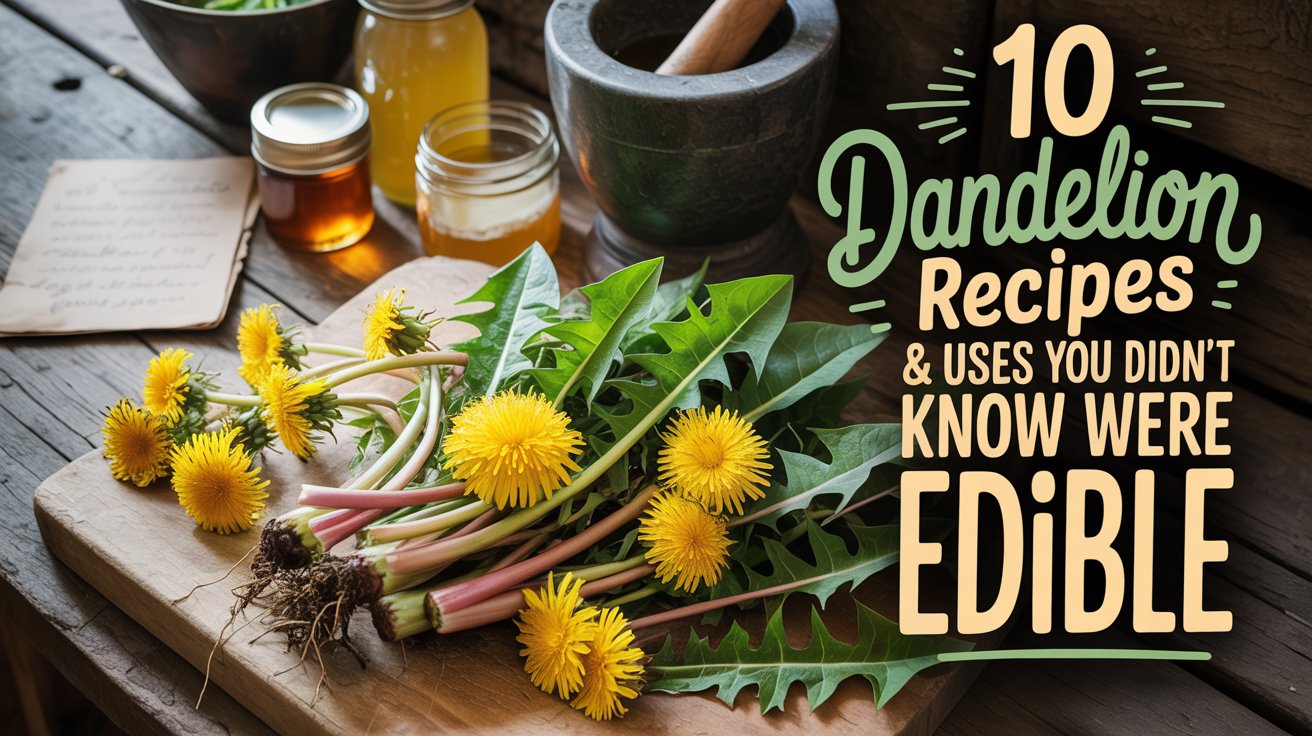
That question brings us to dandelion.
Why Dandelion Is Becoming Relevant Again in 2026
Here’s what’s interesting.
Over the past few years, eating habits have shifted from “what is healthiest” to “what is reliably available.”
That single shift changes everything.
Dandelion doesn’t depend on farming systems, irrigation schedules, or supply chains.
It grows naturally in many regions without human intervention.
That makes it less of a trend food and more of a backup food system ingredient.
But here’s the important truth:
Dandelion is not automatically better than store greens.
It is simply more adaptable.
My First Failure With Dandelion (And Why Most People Quit Too Early)
Let me be honest.
The first time I cooked dandelion, it was a failure.
I treated it like spinach. No soaking. No blanching. Just straight into the pan.
The result was intense bitterness that ruined the dish.
For a moment, I thought dandelion was useless.
Then I learned something important:
Bitterness is not a flaw. It is unmanaged preparation.
A chef I spoke with later told me:
“Dandelion doesn’t reward shortcuts. It rewards process.”
That changed everything.
20 Dandelion Recipes & Uses (Real Kitchen Applications)
1. Citrus Dandelion Salad (Bitterness Control Method)
This is one of the easiest ways to make dandelion edible for beginners, but it only works if you handle bitterness correctly.
Start with fresh, young dandelion leaves. Avoid mature leaves because they are significantly more bitter and tougher in texture.
Soak the leaves in cold salted water for 10–15 minutes. This step is important because it helps draw out some of the natural bitterness compounds. After soaking, rinse them well and gently pat dry.
Now build the salad base using citrus fruits like lemon or orange. The acidity helps balance the bitterness naturally. Add a small amount of olive oil to smooth the flavor and reduce sharpness.
Optional additions:
- cucumber slices for freshness
- cherry tomatoes for sweetness
- a pinch of salt to enhance balance
This combination turns what most people consider “too bitter to eat” into a fresh, slightly tangy salad with a wild green flavor profile.
2. Roasted Dandelion Root Coffee Alternative
This recipe is more time-consuming but produces one of the most interesting uses of dandelion.
Start by thoroughly washing and scrubbing fresh dandelion roots to remove soil. Cut them into small, even pieces for consistent roasting.
Spread them in a cast iron pan or baking tray and roast slowly at medium heat for 45–60 minutes. Stir occasionally so they roast evenly. The goal is a deep brown color, not black burning.
Once roasted, grind the roots using a strong grinder like a KitchenAid grinder or any burr grinder for consistent texture.
Brew it like herbal coffee:
- 1–2 teaspoons per cup of hot water
- steep for 5–7 minutes
- strain and serve
Important mistake to avoid: under-roasting. If the roots are not roasted enough, the drink will taste earthy, muddy, and unpleasant instead of rich and coffee-like.
You can explore more budget-friendly plant-based ideas in our guide on easy healthy green recipes for everyday cooking.
You can explore more budget-friendly plant-based recipes in our article 30 High-Calorie Vegan Foods, Athletes Needs For Strength And Stamina
3. Garlic-Sautéed Dandelion Greens
This is the most common cooking method used in home kitchens and small cafés.
First, blanch the dandelion greens in boiling water for 60–90 seconds. Immediately transfer them into ice water. This process locks color and reduces bitterness.
Drain completely and squeeze out excess water.
Heat a pan with olive oil and add chopped garlic. Once fragrant, add the blanched greens and sauté for 2–3 minutes only. Overcooking will bring back bitterness.
Season lightly with salt and optional chili flakes.
The final result is a soft, slightly earthy green dish with much less bitterness than raw preparation.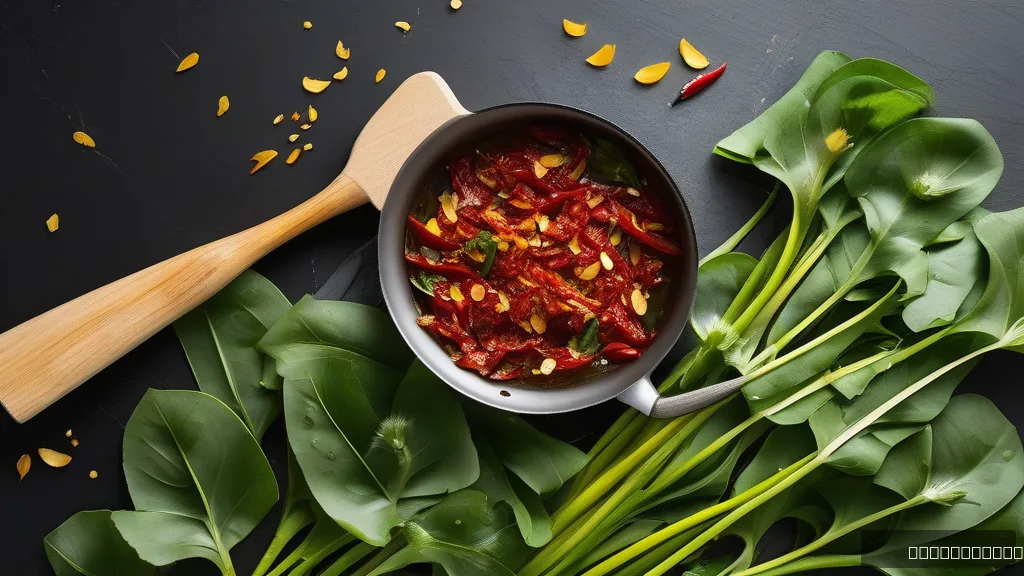
4. Dandelion Flower Syrup
This recipe transforms dandelion flowers into a sweet floral syrup used in drinks and desserts.
Collect fresh, fully opened dandelion flowers. Remove green parts as much as possible because they add bitterness.
Simmer the petals in water for 20–30 minutes, then strain the liquid. Add sugar in a 1:1 ratio and gently heat until fully dissolved.
You can optionally add lemon juice for preservation and flavor balance.
The final syrup has a mild floral taste and is commonly used in:
- pancakes
- tea sweeteners
- bakery glazing
- cold drinks

5. Dandelion Tea
Dandelion tea is one of the simplest uses but requires careful preparation.
Use either dried roots or fresh leaves. For leaves, steep in hot water for 5–7 minutes only. For roots, steep slightly longer (8–10 minutes).
Over-steeping is the most common mistake and results in overly bitter tea.
The flavor is naturally earthy and bitter, often used in traditional herbal systems for digestion support after heavy meals.
You can balance taste by adding:
- honey
- lemon
- mint leaves

If you enjoy herbal drinks, you can also explore our guide on natural herbal teas for daily wellness and digestion support.
6. Dandelion Smoothie
This is a beginner-friendly way to introduce dandelion into daily diet, but ingredient selection matters a lot.
Use only young, tender leaves. Mature leaves will overpower the smoothie with bitterness.
Blend together:
- 1 cup young dandelion leaves
- 1 banana (for sweetness and texture)
- ½ lemon juice
- 1 cup cold water or milk
Optional additions:
- apple for extra sweetness
- ginger for freshness
- honey if needed
The banana plays a key role in masking bitterness while maintaining nutritional balance.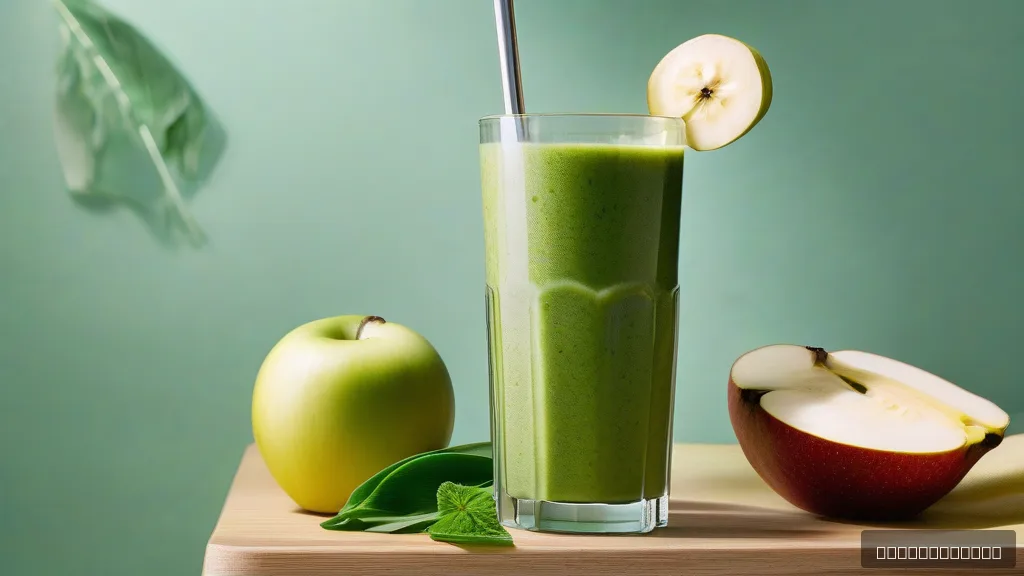
7. Dandelion Leaf Wraps
Dandelion leaves can be used as a natural wrap alternative, especially in low-carb diets.
To prepare, blanch the leaves in hot water for 30–60 seconds until flexible. Immediately cool them in ice water.
Use them as wraps for:
- rice fillings
- spiced vegetables
- minced meat
- lentil mixtures
They are slightly bitter but hold shape well and add a unique earthy flavor.
8. Dandelion Vinegar Infusion
This is a long-term preparation method used for flavoring salads and sauces.
Fill a clean glass jar with fresh dandelion leaves or flowers. Pour apple cider vinegar until fully submerged.
Let it infuse in a cool, dark place for 2–3 weeks.
After straining, you get a lightly herbal vinegar with subtle bitterness and floral notes.
Use it in:
- salad dressings
- marinades
- pickling liquids

9. Dandelion Fritters
Fritters are one of the easiest ways to make dandelion more appealing to beginners.
Prepare a simple batter using:
- flour
- egg
- water
- salt and spices
Dip cleaned dandelion leaves into the batter and deep fry until golden brown.
Frying reduces bitterness significantly and adds a crispy texture.
Serve with yogurt or dipping sauce for balance.
10. Dandelion Soup Base
Dandelion works well when combined with neutral vegetables.
Start by sautéing onions and garlic in a pot. Add diced potatoes or carrots for natural sweetness.
Then add chopped dandelion greens and cook until soft.
Blend if you prefer a creamy texture or leave it chunky for a rustic style.
The key is balance — neutral vegetables reduce bitterness while preserving the herbal depth of dandelion.
Practical Comparison of Methods
Raw salad → 10 min → Easy → High bitterness risk
Blanched sauté → 15 min → Medium → Balanced
Root coffee → 60 min → Advanced → High control
Syrup infusion → 90 min → Medium → Moderate sweetness
Common Mistakes That Make People Quit
Using mature leaves
Skipping soaking
Overcooking greens
Expecting spinach-like taste
Fixing these solves 80% of problems.
Seasonal Timing Matters
Spring → best flavor
Summer → bitter, needs cooking
Autumn → root harvesting
Winter → limited greens
Contrarian Truth
Dandelion is not automatically superior to store vegetables.
Its quality depends on soil, environment, and contamination levels.
Wild does not always mean better.
It means variable.
Why This Matters
This is not just about recipes.
It is about adaptability in food systems.
As prices rise and supply chains fluctuate, flexible ingredients become more important.
Dandelion represents that flexibility.
Not as a trend.
But as a system.