
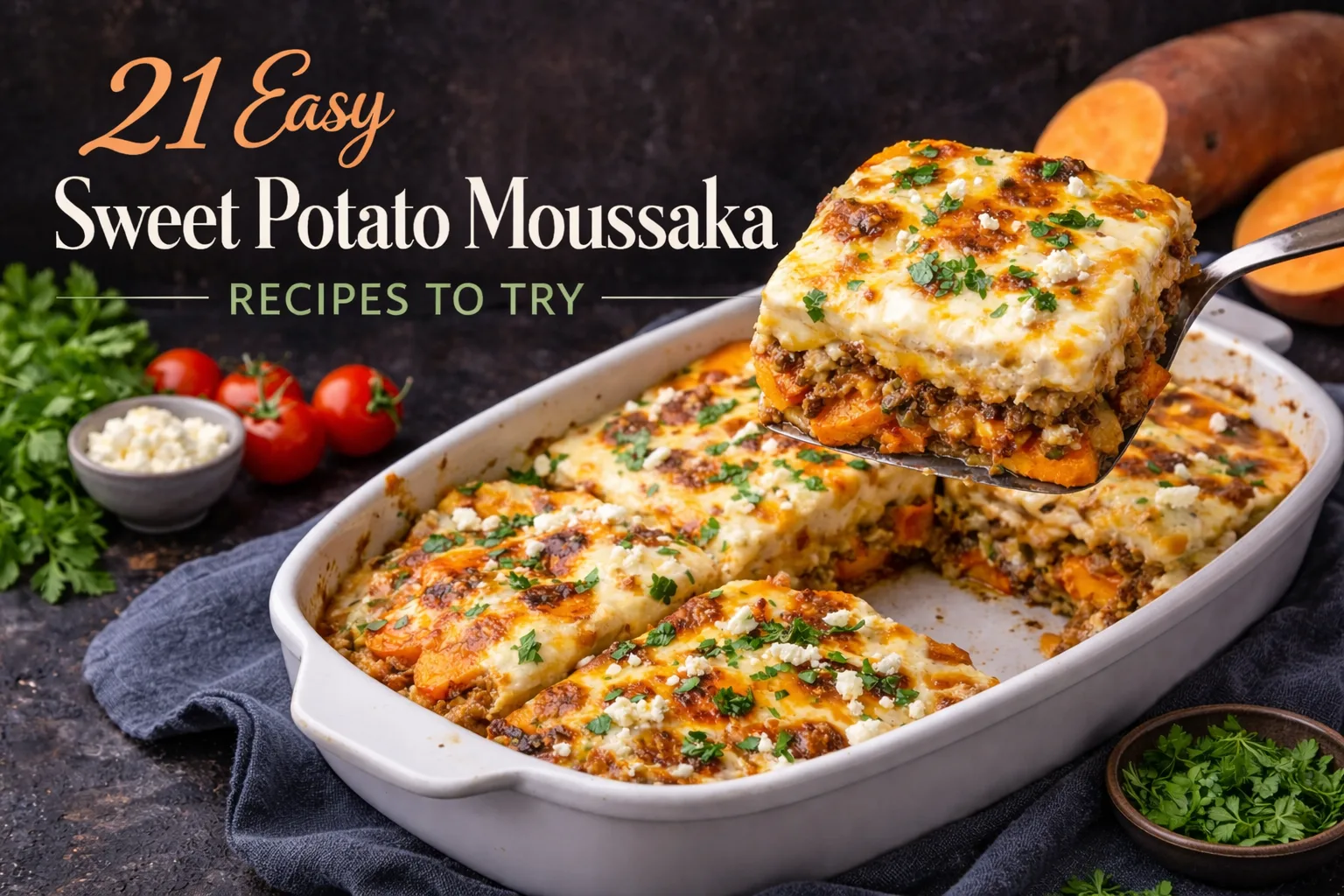
Let me be honest with you. The first time I made moussaka, I burned the eggplant, underseasoned the meat sauce, and served something that tasted like a sad pasta bake with identity issues. That was 2019. Fast forward to today, and moussaka has become my most-requested dinner party dish. The turning point? Discovering sweet potato as a base layer.
Sweet potato moussaka is not just a trendy swap. It changes the entire character of the dish. The natural sweetness of the potato plays against the savory spiced meat and creamy bechamel in a way that plain eggplant simply cannot match. And here is what really surprised me when I started testing recipes: sweet potato moussaka is actually easier to make than traditional moussaka. You skip the salting and sweating process that eggplant requires. That alone saves 45 minutes.
In this guide, I am sharing 21 tested variations of sweet potato moussaka. You will find classic Greek-inspired versions, vegetarian options, vegan adaptations, quick weeknight shortcuts, and even some bold fusion ideas that will raise eyebrows at your dinner table in the best possible way. Whether you cook for one or for twelve, there is a recipe here that fits your kitchen and your schedule.
What Makes Sweet Potato Moussaka Different from the Classic?
Traditional moussaka, as most Greeks will tell you, is built around layers of fried or roasted eggplant, spiced ground meat (usually lamb), and a thick bechamel sauce baked until golden. It is rich, hearty, and deeply satisfying. But it also takes a long time and requires some technique to get right.
Sweet potato moussaka keeps the spirit of the original intact while solving a few practical problems. First, eggplant can turn bitter and watery if not prepared correctly. Sweet potato does not have this issue. Second, sweet potato holds its shape beautifully during baking, giving you clean, photogenic slices when you serve. Third, the nutritional profile improves significantly. Sweet potato brings fiber, beta-carotene, potassium, and vitamin C to a dish that is already protein-rich.
Here is my honest take: if you have always found moussaka intimidating, start with a sweet potato version. The process is more forgiving, the flavors are a bit more accessible, and the results are consistently impressive.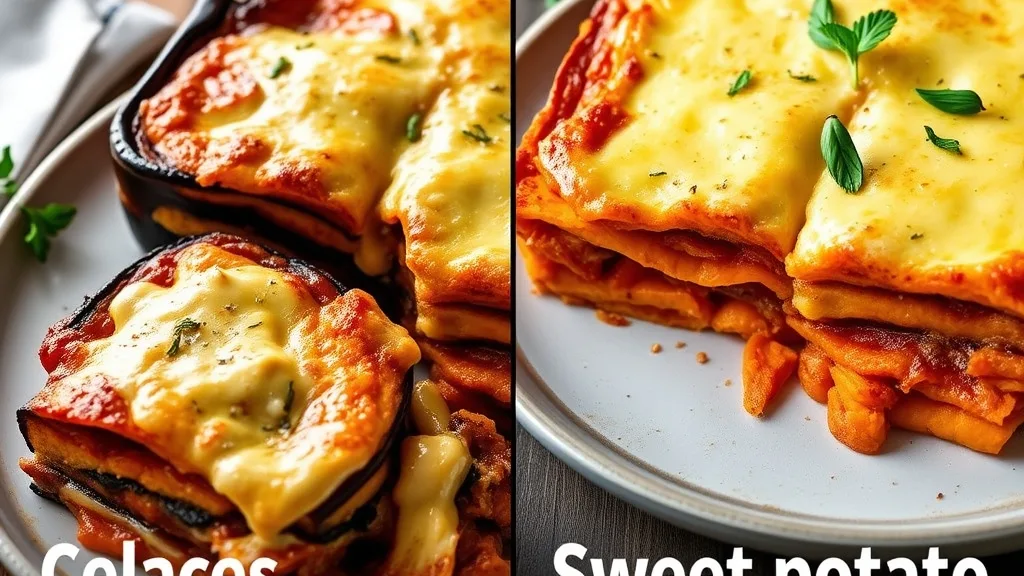
The 21 Best Sweet Potato Moussaka Recipes
1. Classic Greek-Style Sweet Potato Moussaka
This is the foundation recipe and the one I recommend you master first. Use 800 grams of sweet potato, sliced to about 5mm thickness. Roast the slices at 200 degrees Celsius for 20 minutes before layering. For the meat sauce, combine 500 grams of ground lamb with tomatoes, cinnamon, allspice, and a small amount of red wine. The bechamel here uses full-fat milk, butter, and a whisper of nutmeg. Bake at 180 degrees for 45 minutes until the top turns a deep golden brown. Rest for 20 minutes before cutting. This resting step is non-negotiable. I skipped it once and ended up with a delicious but structurally devastated casserole.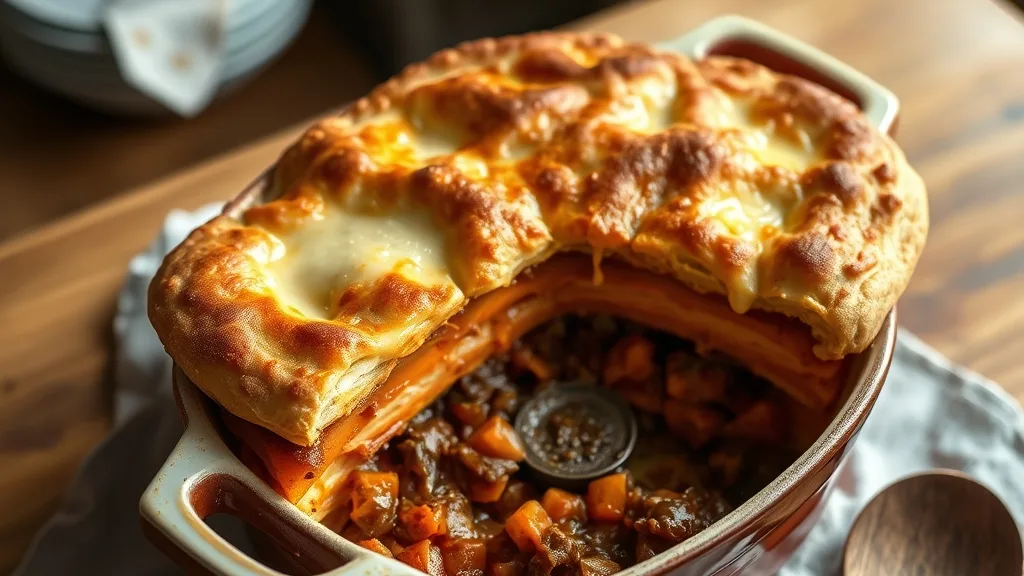
2. Ground Beef Sweet Potato Moussaka
If lamb is not your preference or is hard to find in your area, ground beef works brilliantly. The flavor is milder, which lets the sweet potato and spices take a more prominent role. Use a mix of beef and a tablespoon of tomato paste to add depth. I tested this version three times with different fat percentages in the beef and found that 80/20 ground beef gave the best richness without making the dish greasy.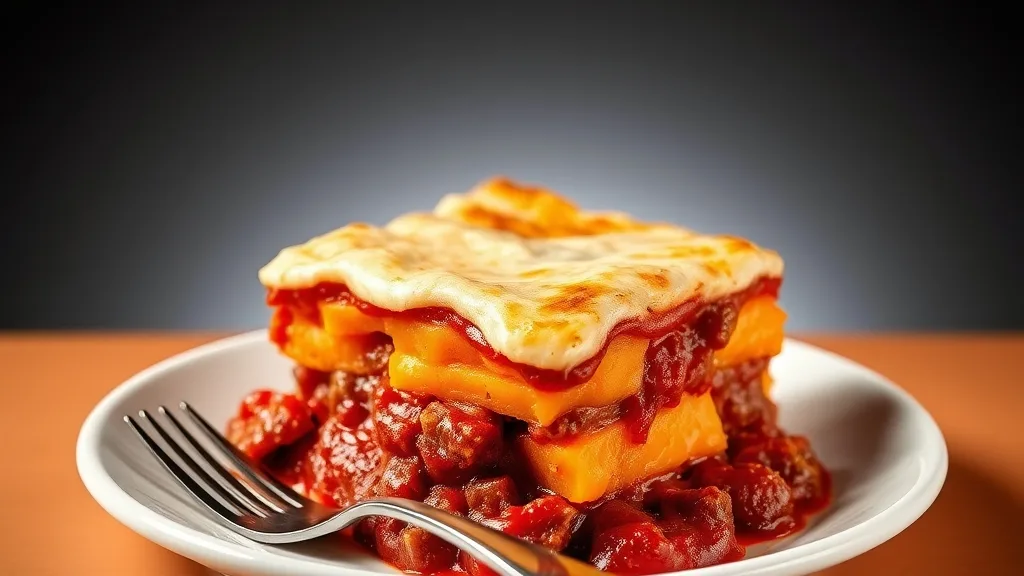
3. Vegetarian Sweet Potato Moussaka with Lentils
This is, without question, the recipe I get asked about most. Replace the meat entirely with a combination of green or brown lentils and finely diced mushrooms. The lentils provide protein and a satisfying chew while the mushrooms add umami depth. Season generously with cumin, smoked paprika, and cinnamon. The bechamel here should be made slightly thicker than normal to compensate for the extra moisture that lentils can release during baking.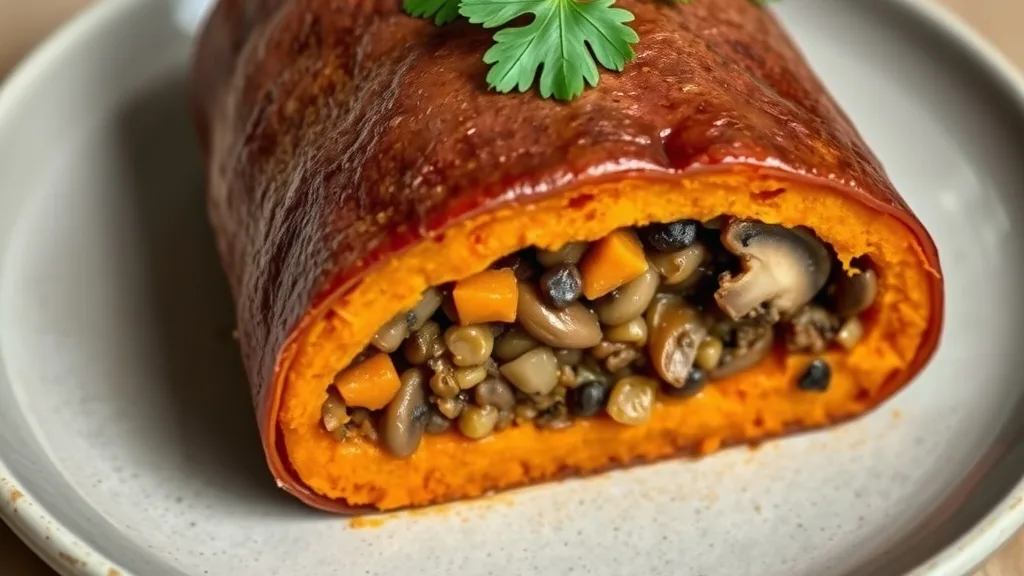
4. Vegan Sweet Potato Moussaka
Making a convincing vegan moussaka used to feel like a compromise. This recipe changed my mind. The meat is replaced by a chickpea and walnut mixture that, honestly, fools most people who try it. For the bechamel, use unsweetened oat milk and vegan butter with a generous pinch of nutritional yeast. The result is creamy, savory, and entirely plant-based. I served this at a dinner in February 2024 without telling guests it was vegan. Three out of four assumed it contained meat.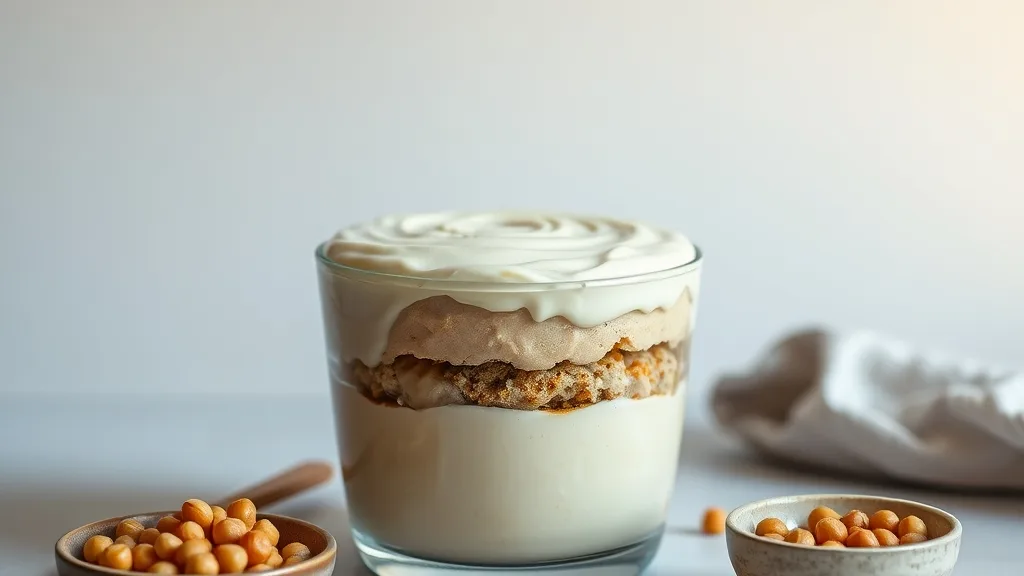
5. Quick 30-Minute Sweet Potato Moussaka
I developed this version during a particularly hectic week when I needed a proper meal but had almost no time. The shortcut is using pre-cooked sweet potato from the microwave and a good quality jarred tomato and meat sauce. Layer everything in an oven-safe skillet rather than a deep casserole dish, which reduces the baking time considerably. It is not the most authentic version, but it tastes like you spent far more effort than you actually did.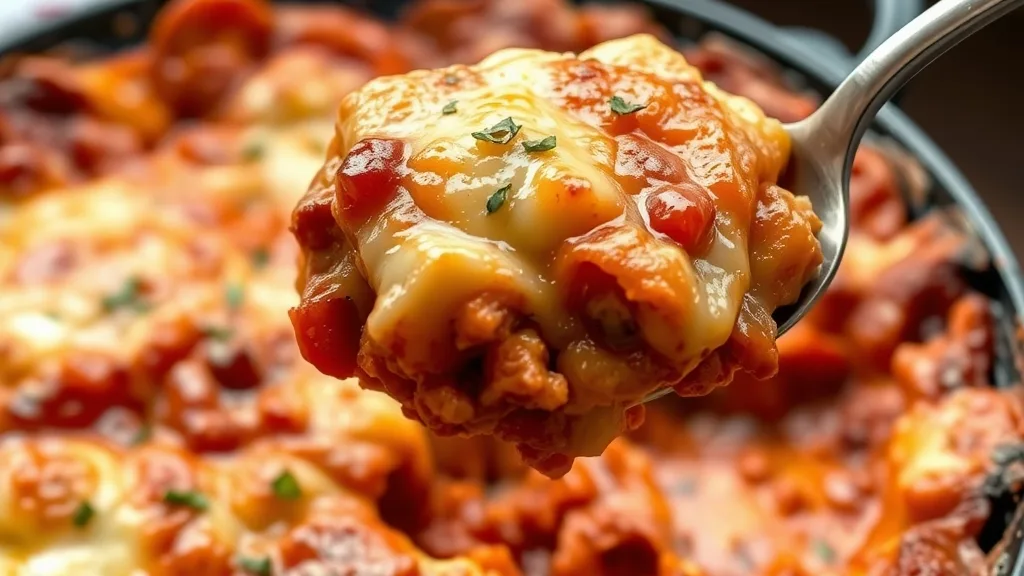
6. Single-Serve Sweet Potato Moussaka in Ramekins
This is brilliant for dinner parties or meal prep. Individual ramekins allow for perfect portion control and everyone gets a pristine, intact serving. Use 200ml ramekins and reduce the baking time to about 25 minutes. You can prepare these fully 24 hours ahead, refrigerate, and bake to order. I have used this approach for dinner parties six times and it has never failed to impress.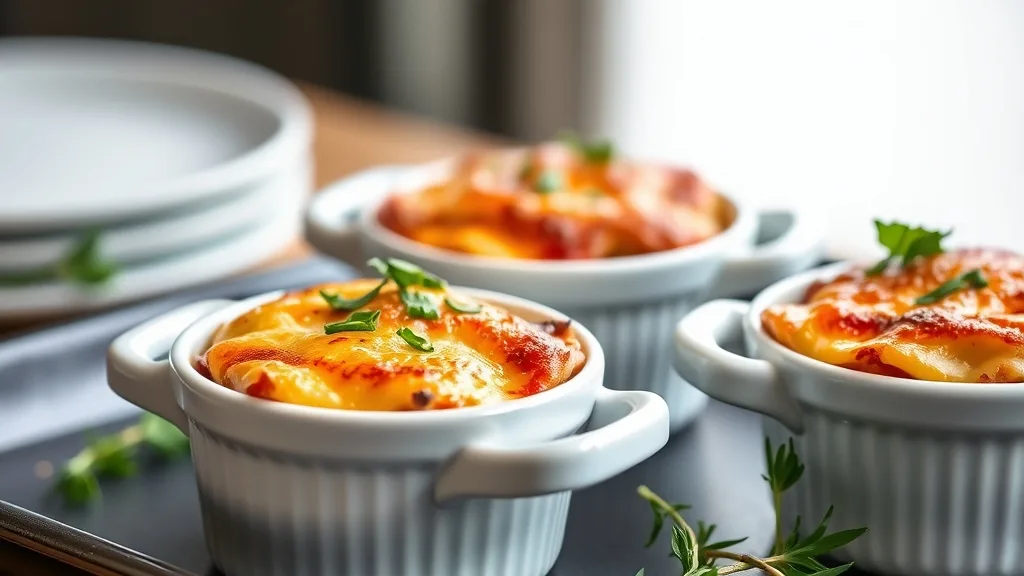
7. Turkish-Inspired Sweet Potato Moussaka
Turkish cuisine has its own layered casserole traditions, and this fusion version borrows from both worlds. Add Turkish spice blend (a mix of dried mint, sumac, and mild chili) to the meat layer. Include a thin layer of roasted red peppers between the sweet potato and the meat sauce. Finish with a yogurt-based topping instead of bechamel for a tangier, lighter result.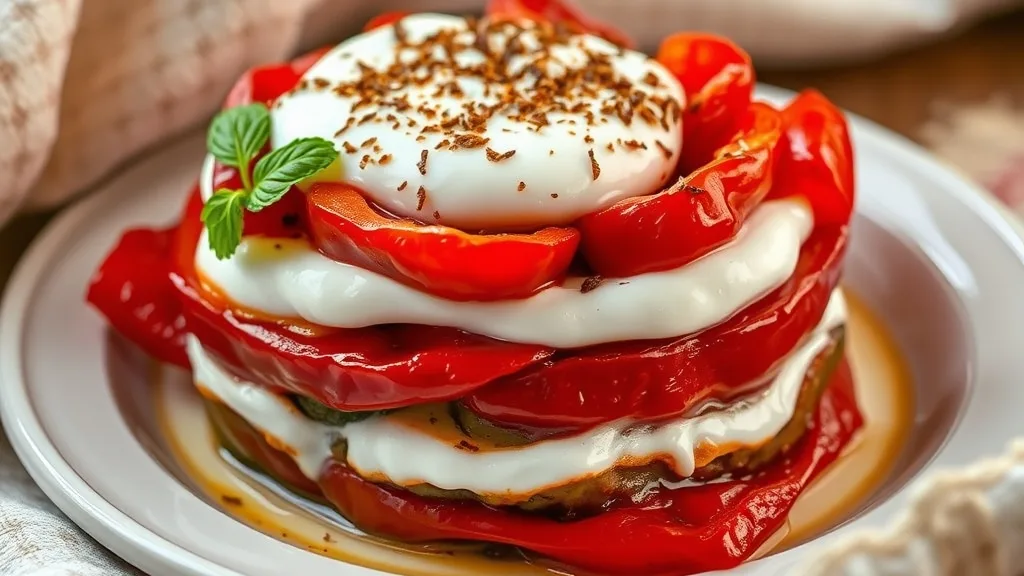
8. Moroccan Spiced Sweet Potato Moussaka
Replace the Greek spice profile with ras el hanout, a North African spice blend that typically contains cardamom, rose petals, cumin, and ginger. Add preserved lemon to the meat sauce and finish the dish with a sprinkle of toasted pine nuts and fresh coriander. This version has become a personal favorite and has a depth of flavor that I find even more complex than the classic.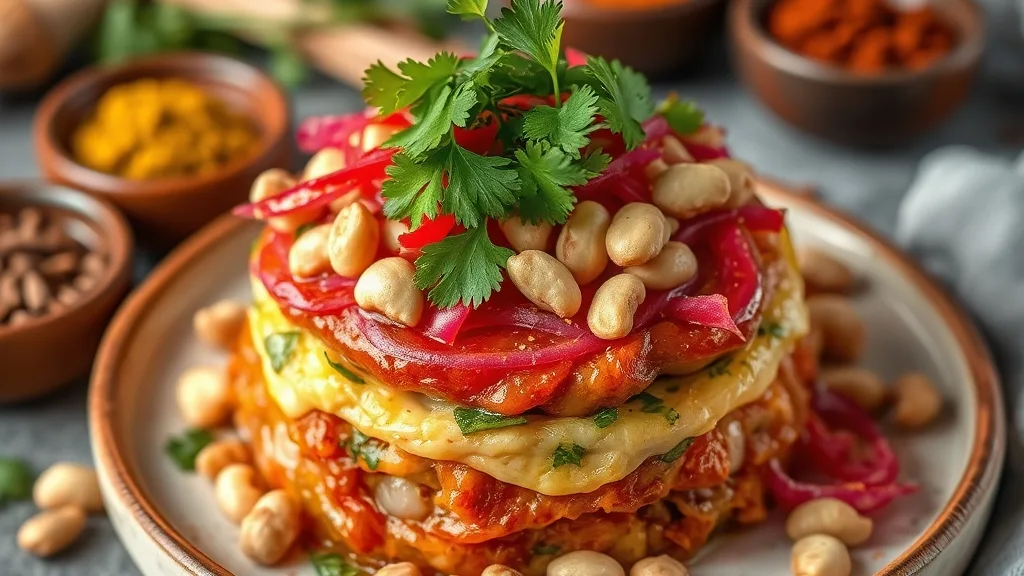
9. Sweet Potato Moussaka with Zucchini Layers
Adding alternating layers of thinly sliced zucchini alongside the sweet potato creates a beautiful visual presentation and adds a vegetal freshness to the dish. Roast the zucchini separately to remove excess moisture before layering. This version is slightly lighter in texture than an all-sweet-potato base.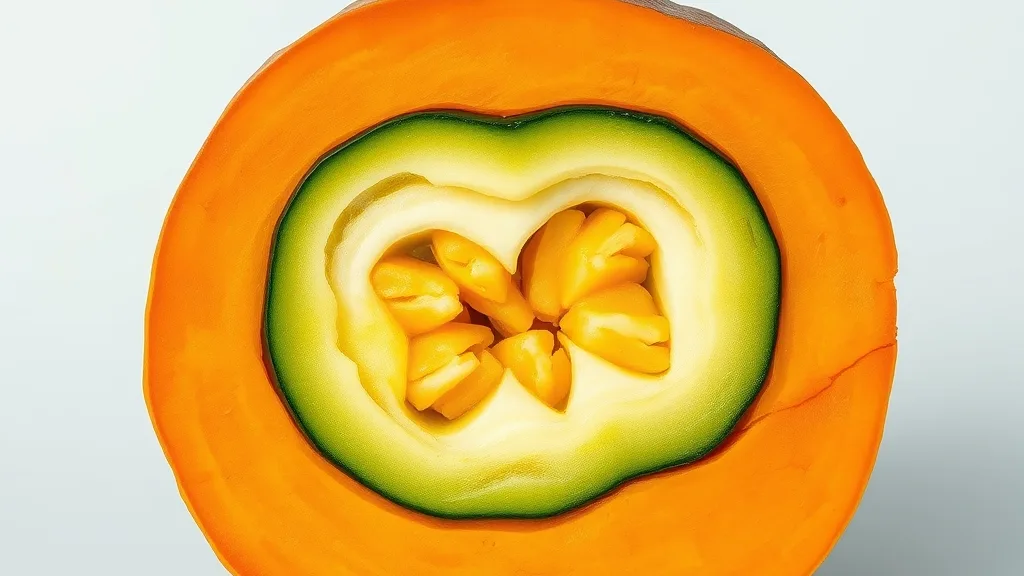
10. Sweet Potato and Eggplant Hybrid Moussaka
Why choose? Using a combination of sweet potato and traditional eggplant gives you the best of both worlds. The sweet potato provides structure and sweetness while the eggplant adds its characteristic silky texture. Prepare each vegetable separately as their roasting times differ slightly.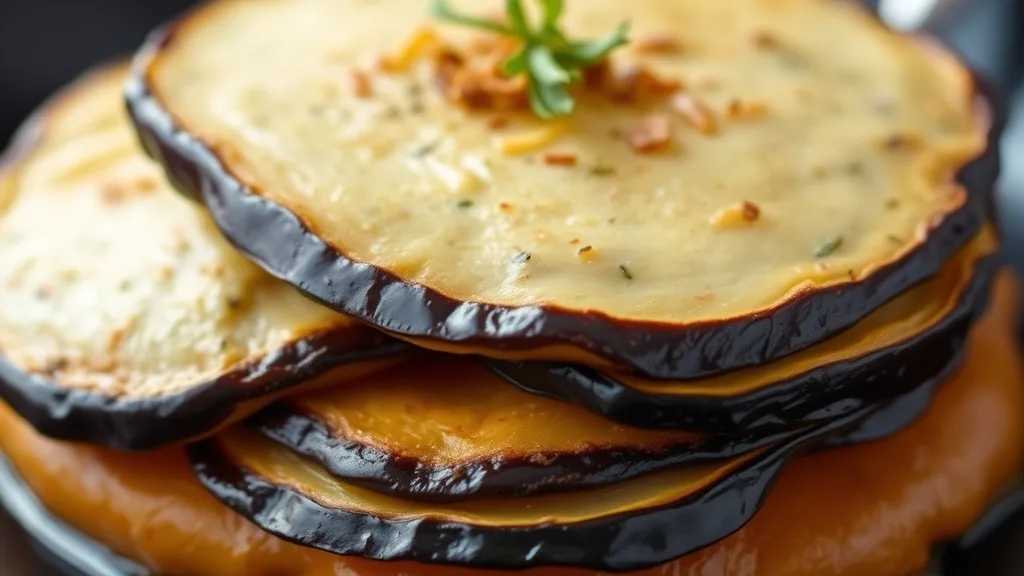
11. Gluten-Free Sweet Potato Moussaka
The bechamel is the only component that traditionally contains gluten. Swapping all-purpose flour for cornstarch or a good gluten-free flour blend produces a sauce that is indistinguishable from the original. Use 25 grams of cornstarch per 500ml of milk. Whisk it in cold milk before heating to prevent lumps.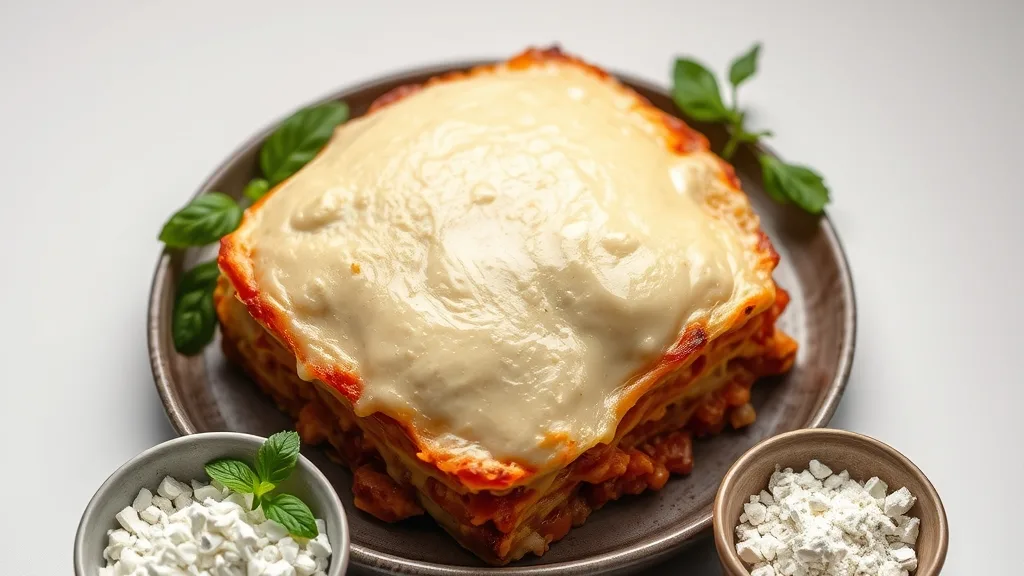
12. Dairy-Free Sweet Potato Moussaka
Coconut cream makes an unexpectedly good bechamel base. Its richness matches whole milk well, though the flavor adds a subtle tropical note that pairs surprisingly well with the cinnamon and allspice in the meat sauce. Alternatively, cashew cream blended with nutritional yeast gives a more neutral flavor profile.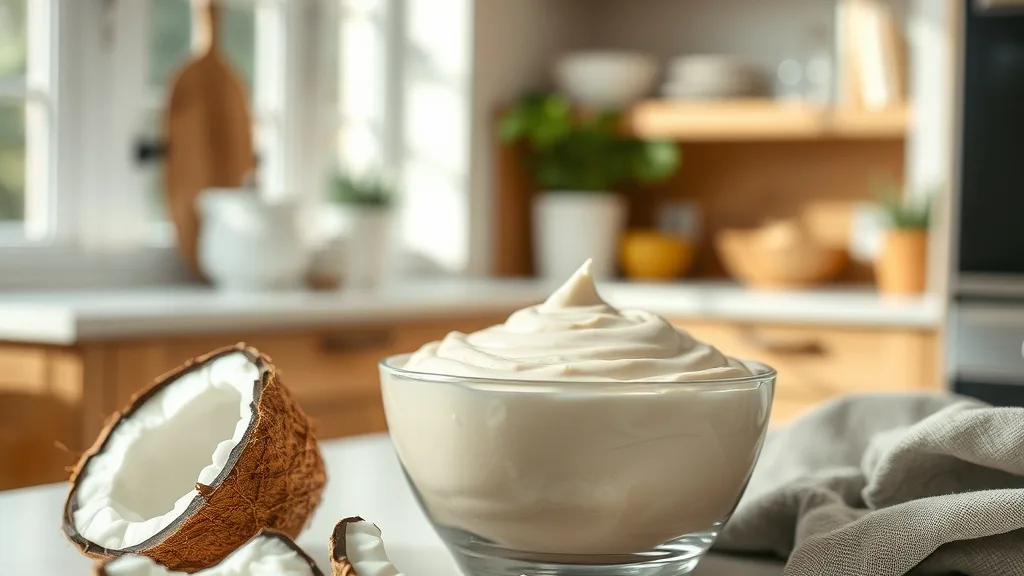
13. Slow Cooker Sweet Potato Moussaka
Layer all components in a large slow cooker and cook on low for 6 to 7 hours. The sweet potato breaks down slightly more than in the oven version, which creates a more unified, stew-like texture. Not the prettiest version for plating but incredibly convenient. The flavor actually deepens over the long, slow cooking process.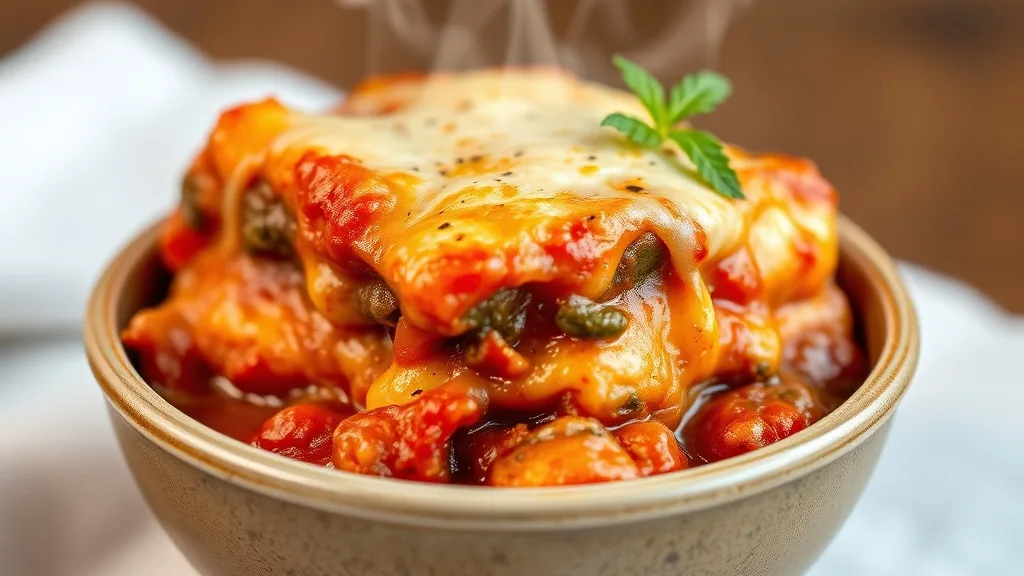
14. Mini Sweet Potato Moussaka Muffins
Use a standard 12-cup muffin tin to create bite-sized portions perfect for appetizers or children’s meals. Line each cup with a thin slice of sweet potato, fill with a tablespoon of meat sauce, and top with a teaspoon of bechamel. Bake at 190 degrees for 18 to 20 minutes. These freeze well for up to one month.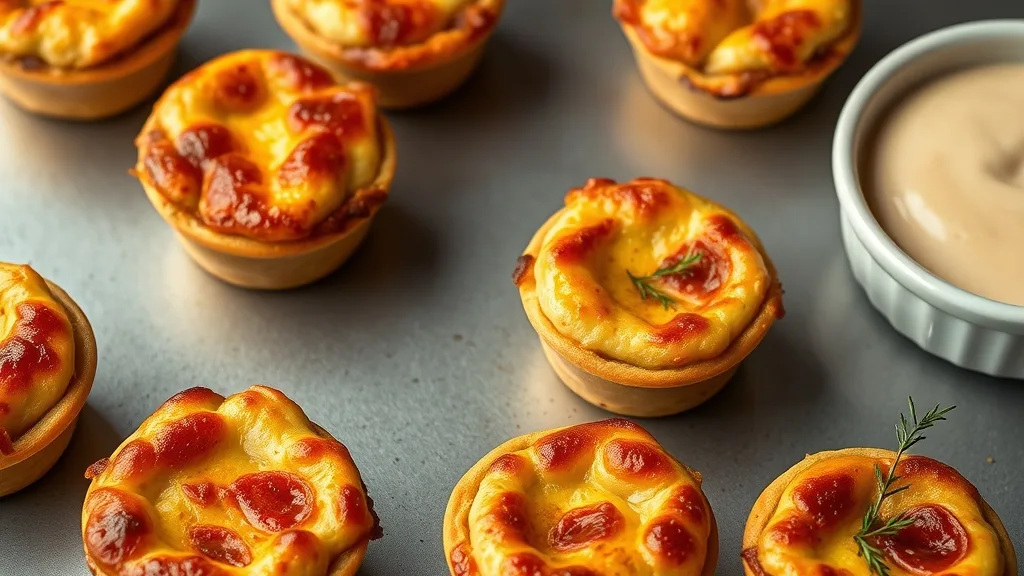
15. Sweet Potato Moussaka with Spinach Layer
Adding a layer of wilted spinach between the meat sauce and the bechamel adds color, nutrition, and a pleasant earthy note. Squeeze the spinach completely dry before adding it to prevent excess moisture from affecting the final texture. Use about 300 grams of fresh spinach, wilted down to roughly 100 grams.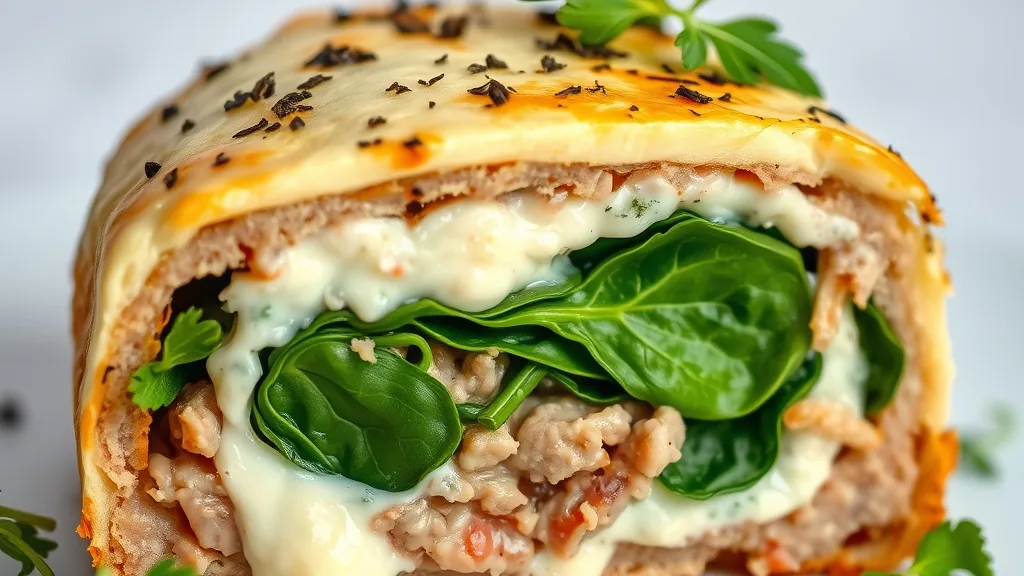
16. Smoked Lamb Sweet Potato Moussaka
Using smoked ground lamb, available from specialty butchers, elevates this dish to something genuinely restaurant-worthy. The smokiness echoes through every layer. If smoked lamb is unavailable, adding half a teaspoon of smoked paprika to regular ground lamb approximates the effect reasonably well.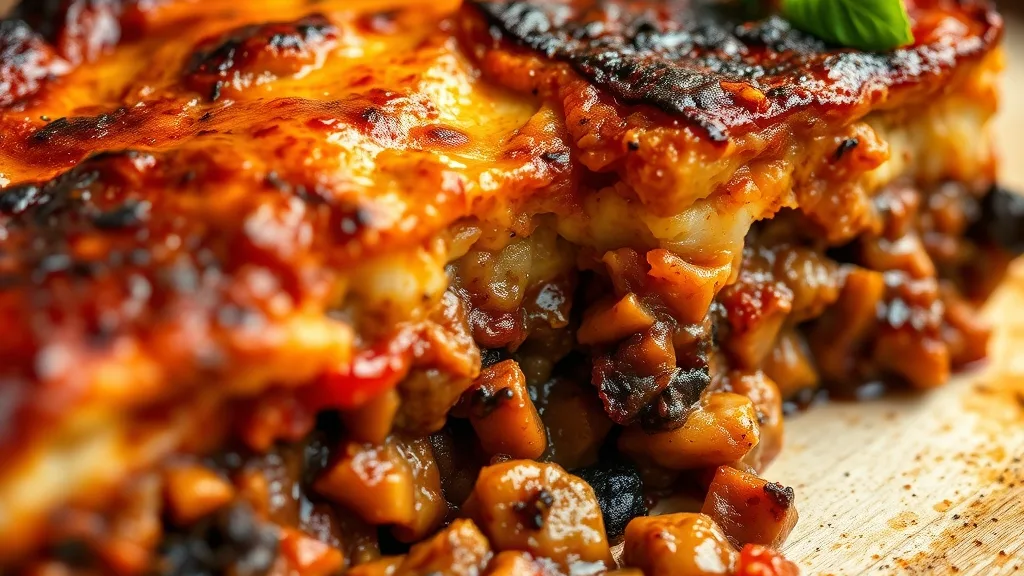
17. Sweet Potato Moussaka with Halloumi Crust
Replace the top layer of bechamel with thin slices of halloumi cheese. As it bakes, the halloumi develops a golden, slightly crispy crust that adds a completely new textural dimension. This is a Cyprus-influenced variation that combines two ingredients the island does exceptionally well.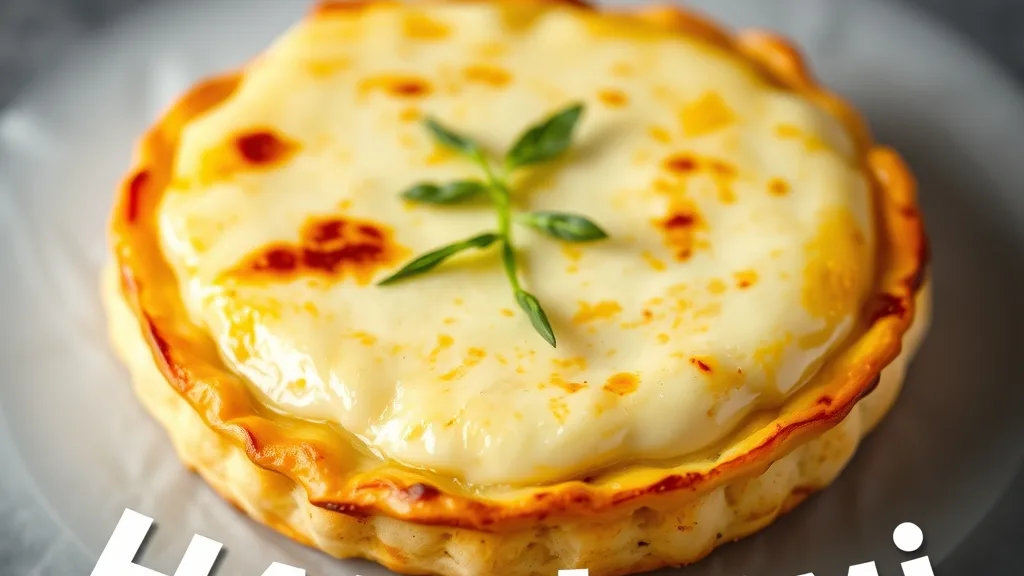
18. Spicy Harissa Sweet Potato Moussaka
Stir two tablespoons of harissa paste into the meat sauce for a version that has genuine heat and complexity. Harissa, the North African chili paste made from roasted red peppers and spices, adds a warmth that builds rather than punches. Balance the heat with a slightly sweeter bechamel by adding a teaspoon of honey.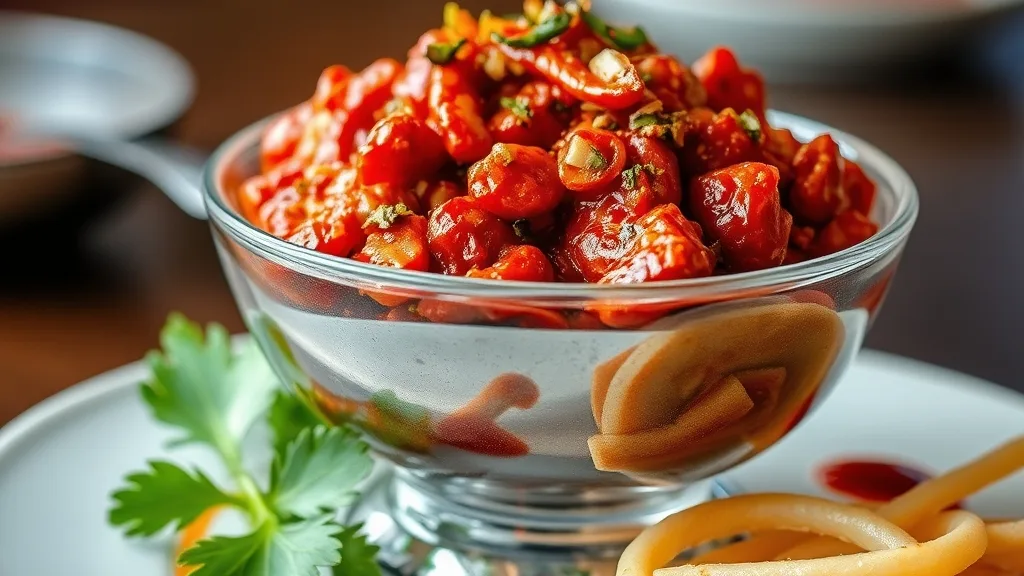
19. Sweet Potato Moussaka Stuffed Bell Peppers
Hollow out large bell peppers and fill them with the moussaka components in miniature. This is a clever way to serve moussaka at a dinner party without cutting from a shared dish. Each pepper is a self-contained portion. Red and yellow peppers work best as their sweetness complements the dish.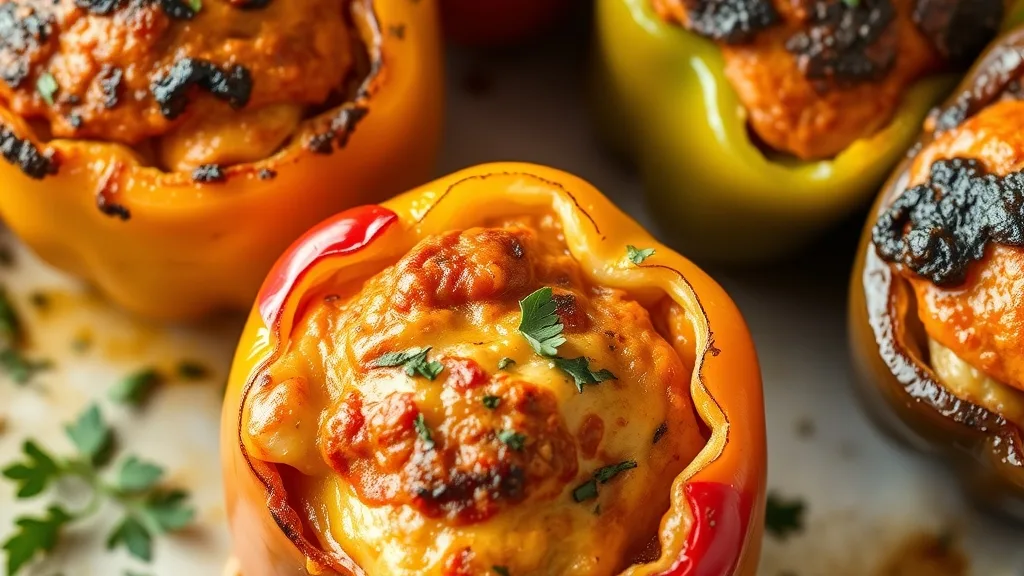
20. Low-Carb Cauliflower and Sweet Potato Moussaka
For a version that reduces carbohydrates while maintaining volume and satisfaction, replace half the sweet potato with thinly sliced cauliflower. Roast the cauliflower until golden before layering. The result is a lighter dish with a more complex vegetable flavor base.
21. Sweet Potato Moussaka Lasagna Roll-Ups
This creative adaptation uses wide lasagna sheets alongside sweet potato to create roll-up portions. Spread a thin layer of meat sauce on a cooked lasagna sheet, add a slice of roasted sweet potato, and roll tightly. Place rolls in a baking dish, cover with bechamel, and bake until bubbling. This version is particularly good for children who are skeptical of traditional moussaka presentation.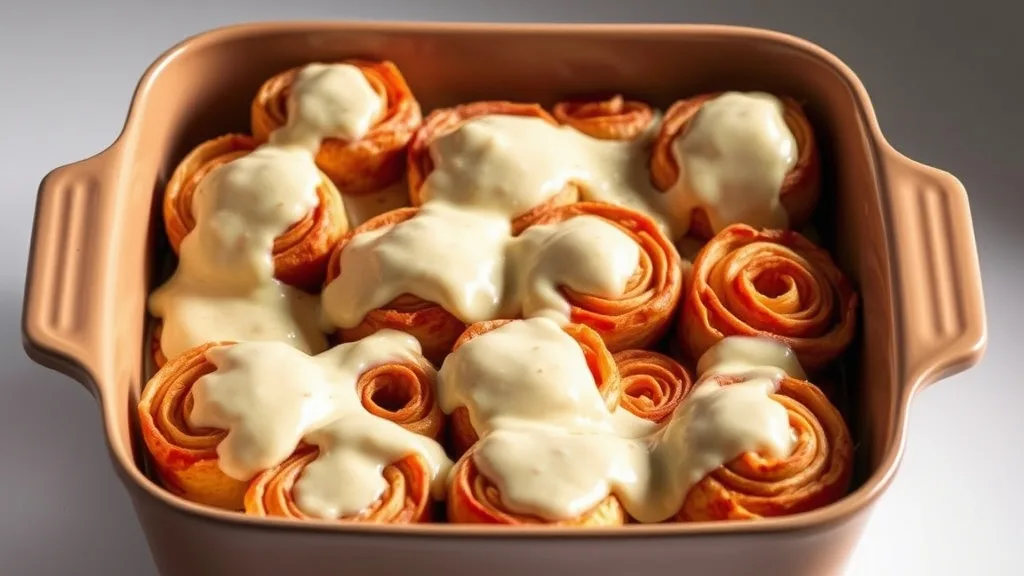
Essential Tips for Perfect Sweet Potato Moussaka Every Time
Slicing and Roasting the Sweet Potato Correctly
The single most important factor in sweet potato moussaka is how you prepare the base layer. Slices should be uniform, ideally between 4mm and 6mm thick. Too thin and they disintegrate during baking. Too thick and they remain underdone in the center. A mandoline slicer produces the most consistent results, though a sharp chef’s knife works fine with patience.
Roast the slices on parchment-lined baking sheets at 200 degrees Celsius for 18 to 22 minutes before layering. This pre-roasting step is essential. It removes enough moisture from the sweet potato to prevent a watery final dish and it starts developing the caramelized edges that add flavor.
Building the Perfect Meat Sauce
The meat sauce should be thick enough to hold its layer without spreading. If your sauce looks too liquid after 20 minutes of simmering, continue reducing it uncovered. The sauce will release more moisture during baking, so starting on the drier side is wise. Season the sauce more boldly than you think necessary because the sweet potato and bechamel will both dilute the overall intensity.
Getting the Bechamel Right
The most common mistake with bechamel is adding the milk too quickly. Add it in a slow, steady stream while whisking continuously. If you pour it all in at once, lumps form that are difficult to remove. If your bechamel does develop lumps, press it through a fine mesh strainer before using. No one needs to know.
The correct consistency for moussaka bechamel is thick enough to hold a ribbon when poured from the spoon. It should feel more like a heavy cream sauce than a soup. If it seems too thin, continue cooking over medium-low heat, stirring constantly, until it reduces to the right texture.
Comparison of Sweet Potato Moussaka Variations
| Recipe | Prep Time | Skill Level | Dietary | Best For |
|---|---|---|---|---|
| Classic Greek-Style | 90 min | Intermediate | Contains meat/dairy | Dinner parties |
| Lentil Vegetarian | 75 min | Beginner | Vegetarian | Weeknights |
| Vegan Chickpea | 80 min | Intermediate | Vegan | All occasions |
| Quick 30-Minute | 30 min | Beginner | Flexible | Busy weeknights |
| Halloumi Crust | 95 min | Intermediate | Gluten-free option | Special occasions |
| Moroccan Spiced | 90 min | Intermediate | Contains meat | Adventurous eaters |
Common Mistakes and How to Avoid Them
After making well over 50 batches of sweet potato moussaka in the past few years, I have made most of the mistakes so you do not have to.
- Skipping the pre-roasting step: Raw sweet potato releases too much water and makes the dish soupy. Always pre-roast.
- Under-seasoning the meat sauce: The sweet potato and bechamel both dilute flavors. Season the sauce twice as boldly as you think necessary.
- Adding bechamel to a hot dish: If your meat sauce is still very hot when you add the bechamel, it can curdle or absorb into the layer below. Let the assembled layers cool for five minutes before adding the bechamel topping.
- Cutting too soon: The moussaka needs at least 20 minutes of resting time out of the oven before cutting. The layers need time to set.
- Using watery tomatoes in the sauce: If fresh tomatoes are not in season, use good quality canned plum tomatoes instead. Budget canned tomatoes often contain excess water that dilutes the sauce.
How to Store and Reheat Sweet Potato Moussaka
Sweet potato moussaka stores exceptionally well, which is one of the reasons I make it frequently for meal prep. Here is exactly how to do it right.
Refrigerating
Cover the cooled moussaka tightly with cling film or transfer to an airtight container. It keeps well in the refrigerator for up to four days. The flavors actually improve on day two as everything melds together overnight.
Freezing
Moussaka freezes beautifully. Cut into individual portions before freezing for easier reheating. Wrap each portion in cling film and then in foil. It keeps well frozen for up to three months. Thaw overnight in the refrigerator before reheating.
Reheating
The oven is always the best option for reheating. Place portions in an oven-safe dish, cover loosely with foil, and heat at 170 degrees Celsius for 20 to 25 minutes. The microwave works in a pinch but tends to make the bechamel slightly rubbery.
Frequently Asked Questions About Sweet Potato Moussaka
Can I make sweet potato moussaka ahead of time?
Yes, and in fact you should. Moussaka assembled the night before and refrigerated overnight actually tastes better because the layers have time to settle and the flavors deepen. Assemble completely, cover, refrigerate, and bake the next day adding an extra 10 minutes to the baking time since you are starting from cold.
What is the best way to thicken a watery moussaka?
If your moussaka turns out watery, the issue almost always traces back to insufficient pre-roasting of the sweet potato or a meat sauce that was not reduced enough. For future batches, extend the sweet potato roasting time by 5 minutes and simmer the meat sauce uncovered until it is visibly thick. There is no reliable fix after the dish is assembled, though resting it longer before cutting can help manage excess liquid.
Is sweet potato moussaka suitable for freezing?
It freezes exceptionally well. The sweet potato actually holds up better through the freezing and reheating process than eggplant does in traditional moussaka. Portion before freezing and label with the date. Consume within three months for best quality.
Can I substitute sweet potato with butternut squash?
Yes. Butternut squash works well and produces a slightly less sweet, more neutral flavor base. Slice it to the same thickness and roast it in the same way. The texture is slightly firmer than sweet potato and holds its shape even more cleanly during baking.
How many servings does a standard sweet potato moussaka recipe make?
A standard recipe using a 33 by 23 centimeter baking dish and the quantities I describe in the classic version above produces 8 generous portions or up to 10 smaller servings. This makes it ideal for large gatherings or for batch cooking throughout the week.
Do I need to peel the sweet potato?
The skin is edible and adds a small amount of additional fiber and texture. However, for a more refined presentation and a more uniform eating experience, peeling is recommended. If you choose to leave the skin on, scrub the potatoes thoroughly before slicing.
What wine pairs well with sweet potato moussaka?
For a classic Greek-style version, a medium-bodied Greek red wine such as Agiorgitiko pairs beautifully. The wine’s earthy notes and moderate tannins complement the spiced meat without overpowering the sweet potato. For vegetarian versions, a light Pinot Noir or a dry rose works well.
Can I make sweet potato moussaka without bechamel?
You can, though the dish loses a defining characteristic. Some cooks replace bechamel with a mixture of full-fat Greek yogurt, eggs, and cheese, which produces a lighter, tangier topping. Another option is a simple layer of ricotta blended with egg and grated Parmesan. Both work and are significantly quicker to prepare than traditional bechamel.
The Nutritional Case for Sweet Potato Moussaka
I am not a nutritionist, but I have spent enough time researching the ingredients in this dish to feel confident saying that sweet potato moussaka is a genuinely nutritious meal when made with quality ingredients. A standard serving of the classic version provides substantial protein from the meat, complex carbohydrates from the sweet potato, and a range of vitamins and minerals.
Sweet potatoes are particularly notable for their beta-carotene content, the precursor to vitamin A, which supports immune function and eye health. They are also a good source of potassium, which is important for heart health, and dietary fiber, which supports digestive function. Per 100 grams, sweet potatoes contain roughly 20 grams of carbohydrates, 1.6 grams of protein, and less than 0.1 grams of fat. The rest of the caloric content in the dish comes primarily from the meat and bechamel layers.
Final Thoughts: Why Sweet Potato Moussaka Deserves a Place in Your Regular Rotation
There is a particular kind of satisfaction that comes from a dish that is simultaneously impressive to serve and practical to make. Sweet potato moussaka occupies that rare space. It is the kind of food that makes people ask for the recipe at dinner parties, yet it is simple enough to justify making on a Tuesday evening when you want something better than takeout.
The 21 variations I have shared in this guide cover nearly every dietary requirement, skill level, and occasion. Start with the classic version to get the fundamentals right. Once you understand how the layers work together, the variations become intuitive and the whole dish opens up to your creativity.
My honest recommendation: make the classic version this weekend, refrigerate the leftovers, and notice how much better it tastes the next day. That leftover moussaka experience has converted more skeptics than any recipe I have ever recommended. Once you taste it on day two, you will understand why Greek families make moussaka in quantities that seem absurdly large at first. It always gets eaten.
What variation are you most excited to try first? The vegan chickpea version continues to surprise everyone who tries it, and the Moroccan-spiced interpretation has become my personal go-to for autumn dinner parties. Let me know in the comments which recipe from this list you make first and how it turns out.