
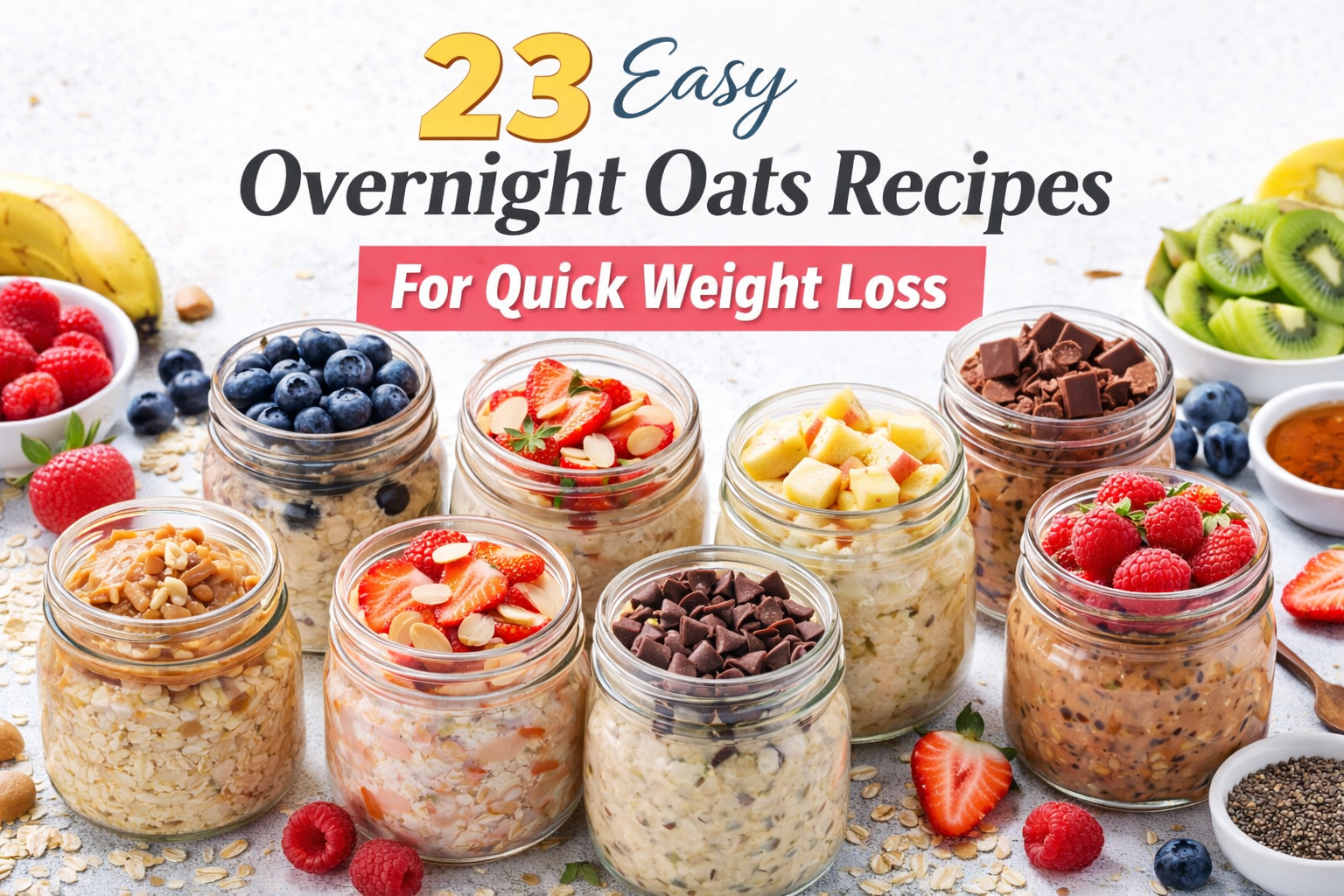
The alarm went off at 6:15 a.m. on a Tuesday in October 2022. My phone showed a calendar reminder I had set six weeks earlier: ‘weigh-in day.’ I had been eating the same sad desk salads, counting calories obsessively, and somehow still not budging past 174 pounds. I opened the fridge to find my first ever jar of overnight oats sitting right there, ready to go. I had made it the night before on a friend’s suggestion and was deeply skeptical.
Three things happened over the next eight weeks that I did not predict. My morning routine shrank from 40 minutes to 12 minutes. My 11 a.m. hunger crash disappeared entirely. And I lost 14 pounds — not from the oats alone, but because having a ready, satisfying, nutritious breakfast eliminated two of my worst habits: skipping breakfast and then overeating at lunch.
This guide is what I wish existed then. It covers the real science behind why overnight oats support weight loss, the mistakes almost everyone makes on the first week, and all 23 recipes I have developed and tested personally. Every recipe has full macros, prep notes, and the small detail that makes each one actually worth eating.
|
Why Do Overnight Oats Actually Help With Weight Loss?
Most weight loss content ignores mechanism. They tell you what to eat without explaining why it works. Here is the actual biology behind overnight oats and satiety.
Rolled oats are approximately 27% beta-glucan — a soluble fiber that absorbs water and forms a thick gel in your digestive system. That gel slows gastric emptying (the rate food leaves your stomach) and triggers satiety hormones including GLP-1 and peptide YY. A 2020 study published in the British Journal of Nutrition found that beta-glucan at doses of 3-4g — exactly what you get in half a cup of rolled oats — significantly reduced appetite for 3-4 hours post-consumption.
The overnight soaking process matters for a specific reason. Raw oats contain phytic acid, which reduces mineral absorption and can cause mild bloating. Soaking overnight partially breaks down phytic acid and begins starch hydrolysis, making the oats genuinely easier to digest. This is not a gimmick — it is basic food science.
| Mechanism | Effect | Duration |
|---|---|---|
| Beta-glucan fiber gel | Slows stomach emptying, reduces appetite hormones | 3-4 hours |
| Protein (yogurt/protein powder) | Triggers satiety hormones, preserves muscle on deficit | 3-5 hours |
| Resistant starch (cold oats) | Feeds gut bacteria, reduces blood sugar spike | All day |
| Low glycemic index (~55) | Steady energy, avoids insulin spike and crash | 2-3 hours |
| Overnight soaking | Reduces phytic acid, improves mineral absorption | Ongoing |
Here is what nobody talks about: cold overnight oats actually have a lower glycemic response than warm cooked oats. When oats cool, some of the starch retrogrades into resistant starch — a form your small intestine cannot digest. This resistant starch feeds beneficial gut bacteria and causes a measurably smaller blood sugar spike compared to eating the same oats hot. A 2021 study in Nutrients confirmed this retrograde starch effect specifically in refrigerated oat preparations.
The Base Formula: How to Build Any Overnight Oats Recipe
Before the 23 recipes, you need this foundation. Every single recipe in this guide follows the same ratio. Get this right and you can invent your own variations indefinitely.
| Component | Amount | Role | Best Options |
|---|---|---|---|
| Rolled oats | 1/2 cup (40g) | Base fiber and carbs | Bob’s Red Mill, Quaker Old Fashioned |
| Liquid | 1/2 cup (120ml) | Soaking medium | Almond milk, oat milk, low-fat dairy milk |
| Protein source | 1/4 cup | Satiety and muscle | Greek yogurt, cottage cheese, protein powder |
| Thickener (optional) | 1 tbsp | Texture and omega-3 | Chia seeds, flaxseed meal |
| Sweetener (minimal) | 1-2 tsp | Palatability | Honey, maple syrup, ripe fruit |
| Flavoring | As needed | Variety and enjoyment | Extracts, spices, zests, cocoa |
| Topping (added morning) | 2-3 tbsp | Texture and freshness | Fresh fruit, nuts, seeds |
Critical ratio to remember: 1:1 oats to liquid produces thick, creamy overnight oats. 1:1.5 (oats to liquid) produces a looser, more porridge-like texture. I personally prefer 1:1 because the thick texture feels more substantial and takes longer to eat.
Never use quick oats or instant oats for overnight preparation. Quick oats are pre-cut and pre-steamed, which means they turn to mush overnight. Rolled oats (also called old-fashioned oats) hold their structure perfectly after 6-8 hours in the fridge. Steel-cut oats require 24 hours of soaking or a brief cook, which changes the recipe entirely.
Common Mistakes That Prevent Weight Loss Results
I have helped a few dozen people start an overnight oats routine since 2022, and the same four mistakes come up every time.
Mistake 1: Treating It as a Zero-Calorie Food
A basic overnight oats jar with Greek yogurt, almond butter, banana, and honey can easily hit 550-650 calories. That is a full meal. If you are adding it on top of your normal breakfast or eating a large lunch immediately after, the caloric advantage disappears. Track the first week to calibrate portion sizes and additions.
Mistake 2: Using Flavored Yogurt
Most flavored Greek yogurts contain 15-25 grams of added sugar per serving. Chobani’s strawberry Greek yogurt, for example, contains 15g of added sugar as of early 2026. Plain Greek yogurt has zero added sugar. Use plain yogurt and control your own sweetness with a teaspoon of honey. This change alone saves 60-100 calories and 15g of sugar per jar.
Mistake 3: Skipping Protein
Overnight oats made with just oats, almond milk, and fruit deliver roughly 6-8g of protein. That is not enough to sustain satiety for most adults. Adding 1/4 cup of plain Greek yogurt or a scoop of protein powder pushes protein to 14-24g, which dramatically changes how long the breakfast keeps you full.
Mistake 4: Not Eating It Consistently
The benefits of overnight oats are cumulative. The beta-glucan fiber supports gut microbiome diversity over weeks, not days. The habit of having breakfast ready reduces decision fatigue and prevents the unplanned drive-through stop. One week of overnight oats followed by reverting to old habits produces almost no measurable outcome. Consistency across 3-4 weeks is where the results actually show up.
| The 8-Week Protocol: Weeks 1-2: Pick 3 recipes from this guide and rotate them. Weeks 3-4: Add 2 more recipes. Weeks 5-8: Personalize with your own favorite flavor combinations using the base formula above. Most people who stick to this protocol report reduced total daily caloric intake of 200-350 calories per day — not from restriction, but from genuine satiety. |
Equipment You Actually Need (and What to Skip)
The beautiful thing about overnight oats is that the equipment list is almost embarrassingly short.
- Mason jars (16oz wide-mouth, Ball brand) — around $12 for a 12-pack. Wide mouth makes stirring and eating directly from the jar practical. I own 14 of them.
- A kitchen scale (OXO Good Grips, around $50) — optional but genuinely useful if you are tracking macros seriously. Eyeballing 40g of oats is surprisingly inaccurate.
- A whisk or small immersion blender for green spinach oats or cottage cheese recipes where smooth texture matters.
- A fine grater for lemon/orange zest recipes — the Microplane Premium Classic is about $15 and lasts years.
You do not need a meal prep container set, a special overnight oats jar, or any app. A mason jar, a spoon, and a refrigerator are the entire operation.
All 23 Overnight Oats Recipes for Weight Loss
Every recipe below has been tested, macro-calculated, and eaten by me personally. The macros are estimates based on the listed brands and standard USDA values. Your exact numbers will vary slightly by brand.
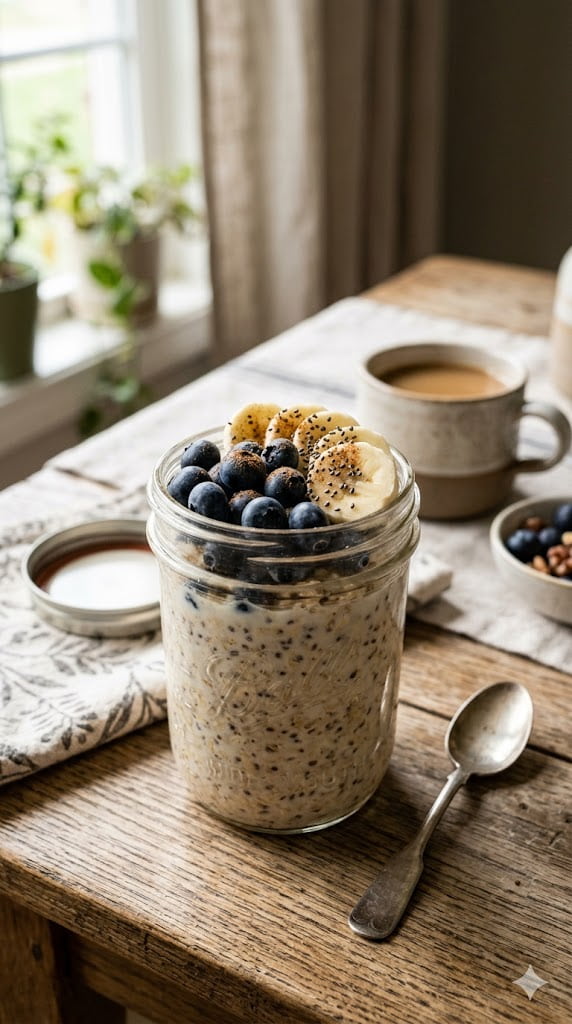
| Recipe #1: Classic Rolled Oats
Calories: ~320 kcal | Protein: 12g | Net Carbs: 44g | Fat: 7g | Prep: 5 min |
Ingredients
Instructions
|
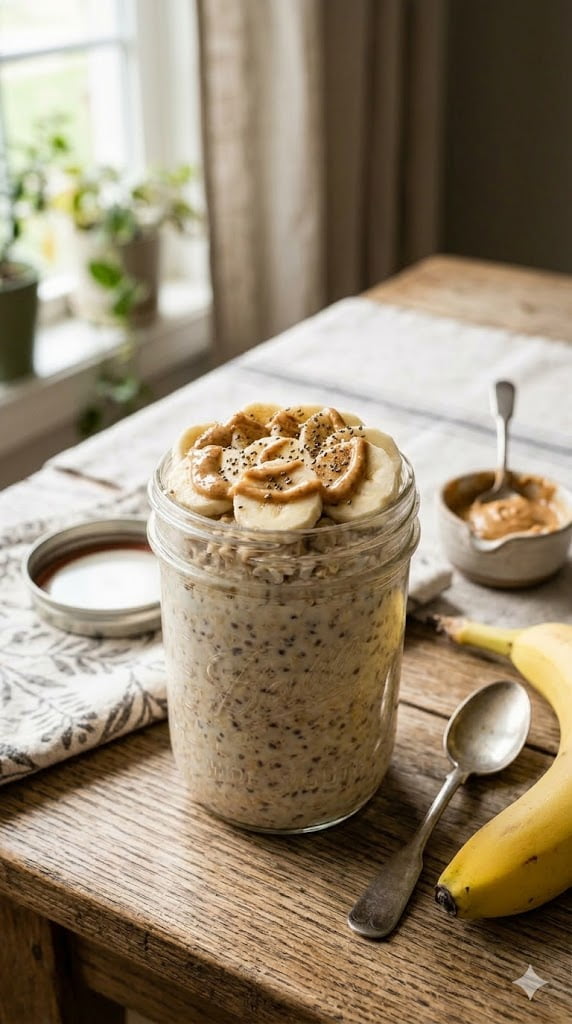
| Recipe #2: Peanut Butter Banana Protein Oats
Calories: ~420 kcal | Protein: 20g | Net Carbs: 50g | Fat: 14g | Prep: 6 min |
Ingredients
Instructions
|
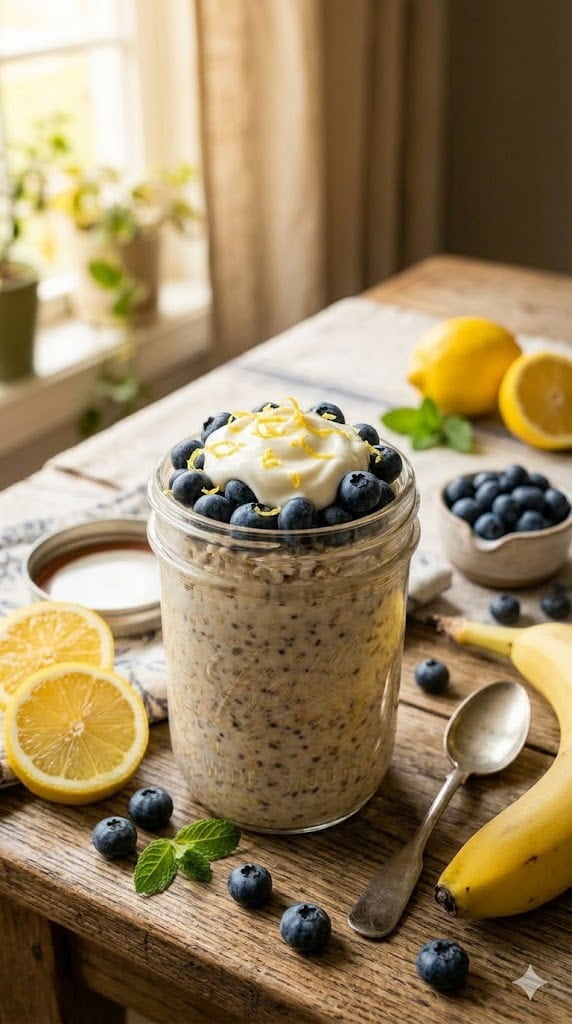
| Recipe #3: Blueberry Lemon Cheesecake Oats
Calories: ~350 kcal | Protein: 14g | Net Carbs: 48g | Fat: 8g | Prep: 5 min |
Ingredients
Instructions
|
| Recipe #4: Chocolate Peanut Butter Oats
Calories: ~400 kcal | Protein: 16g | Net Carbs: 46g | Fat: 16g | Prep: 5 min |
Ingredients
Instructions
|
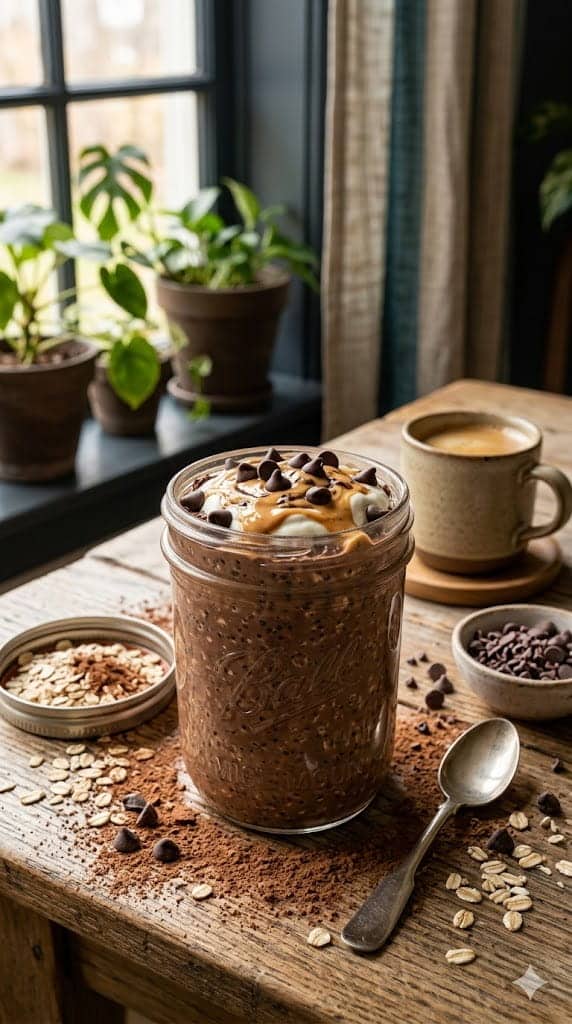
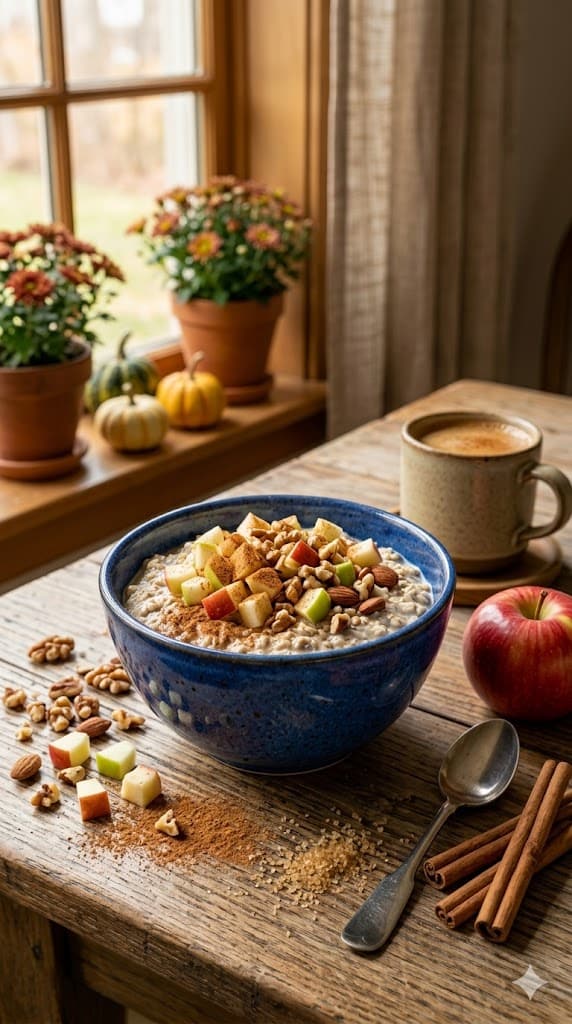
| Recipe #5: Apple Cinnamon Pie Oats
Calories: ~340 kcal | Protein: 10g | Net Carbs: 58g | Fat: 6g | Prep: 7 min |
Ingredients
Instructions
|
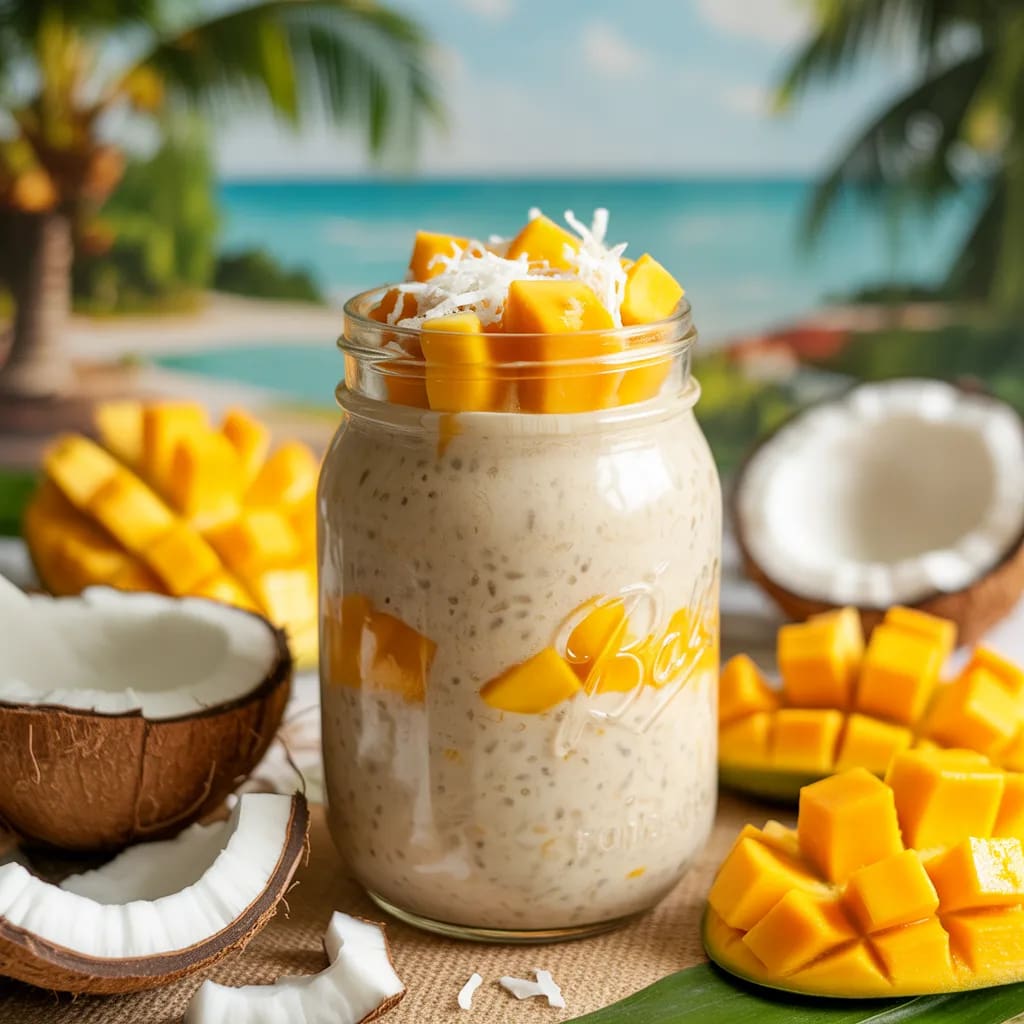
| Recipe #6: Mango Coconut Tropical Oats
Calories: ~360 kcal | Protein: 9g | Net Carbs: 55g | Fat: 10g | Prep: 5 min |
Ingredients
Instructions
|
Recipe #7: Strawberry Cheesecake Oats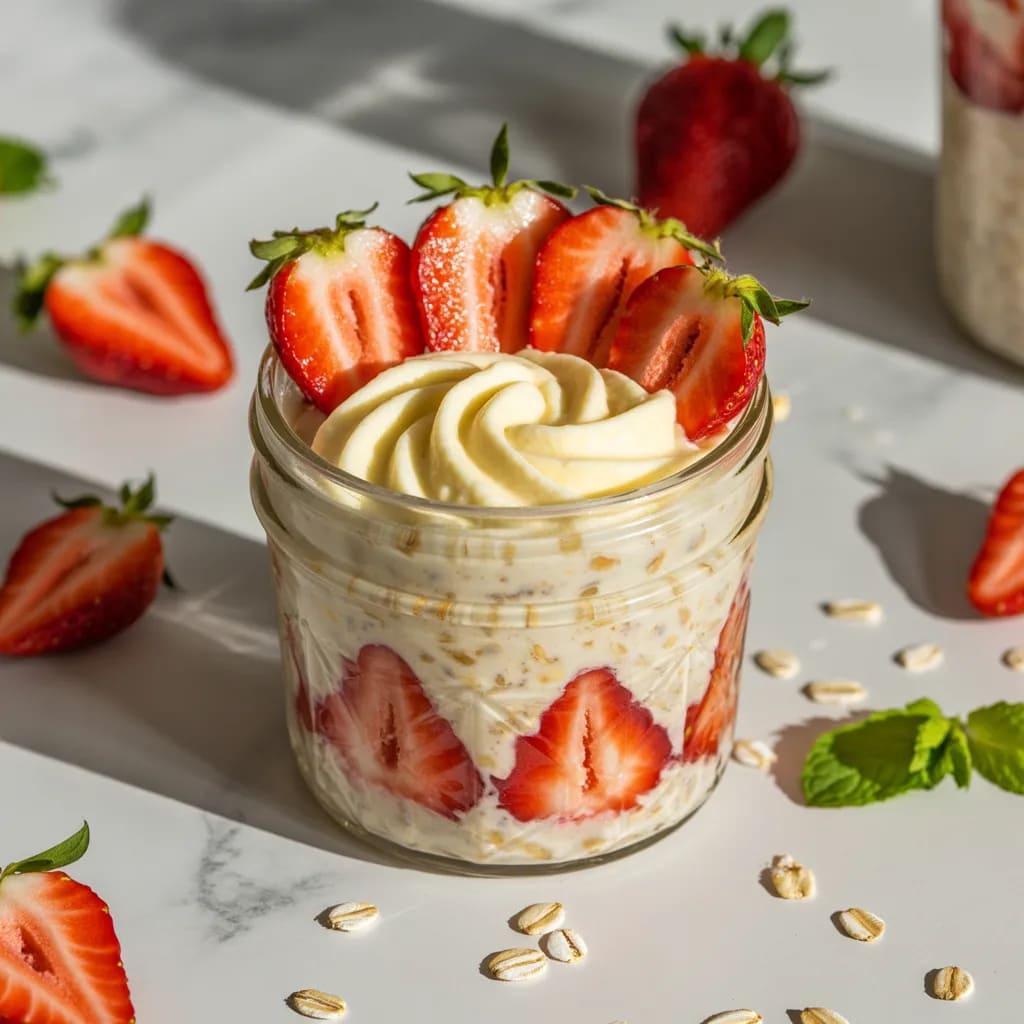
Calories: ~340 kcal | Protein: 15g | Net Carbs: 46g | Fat: 7g | Prep: 6 min |
Ingredients
Instructions
|
Recipe #8: Green Spinach Protein Oats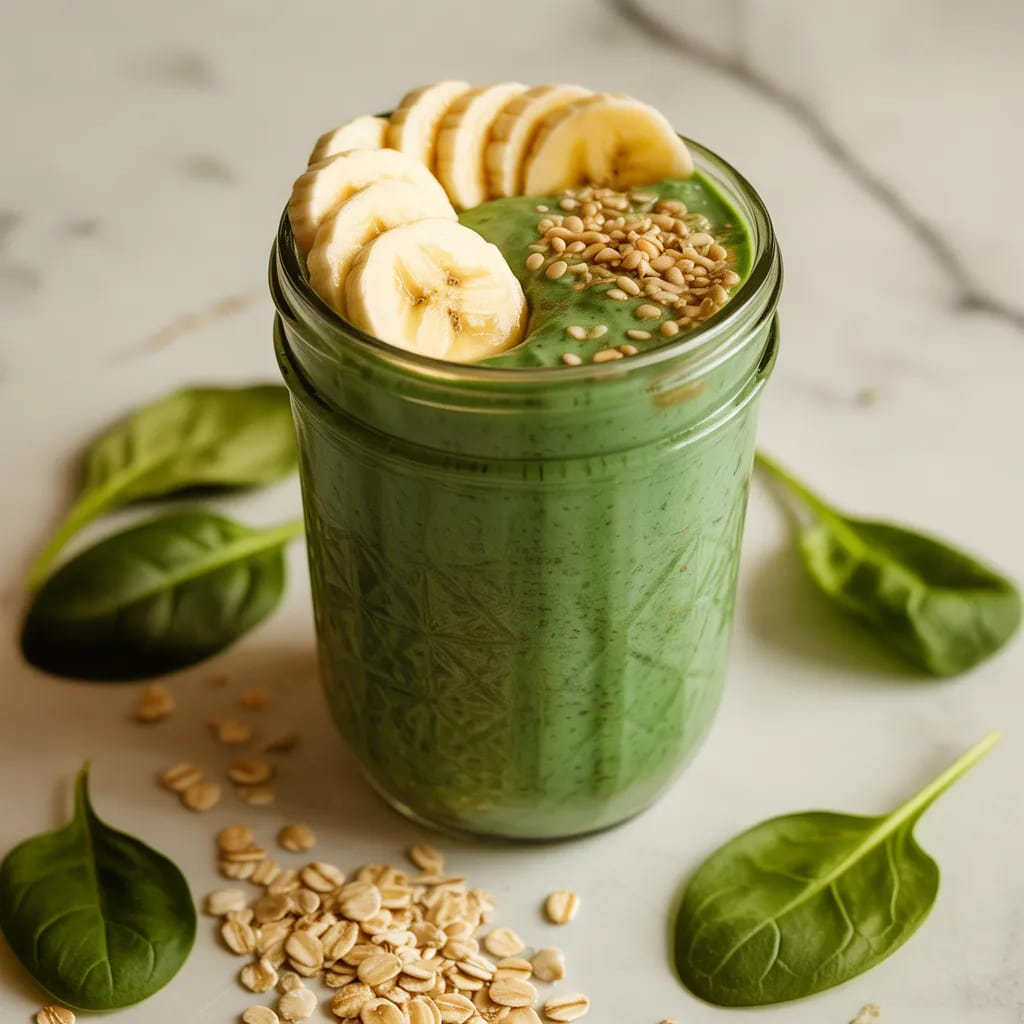
Calories: ~310 kcal | Protein: 18g | Net Carbs: 40g | Fat: 7g | Prep: 6 min |
Ingredients
Instructions
|
| Recipe #9: Carrot Cake Oats
Calories: ~370 kcal | Protein: 12g | Net Carbs: 52g | Fat: 9g | Prep: 7 min |
Ingredients
Instructions
|

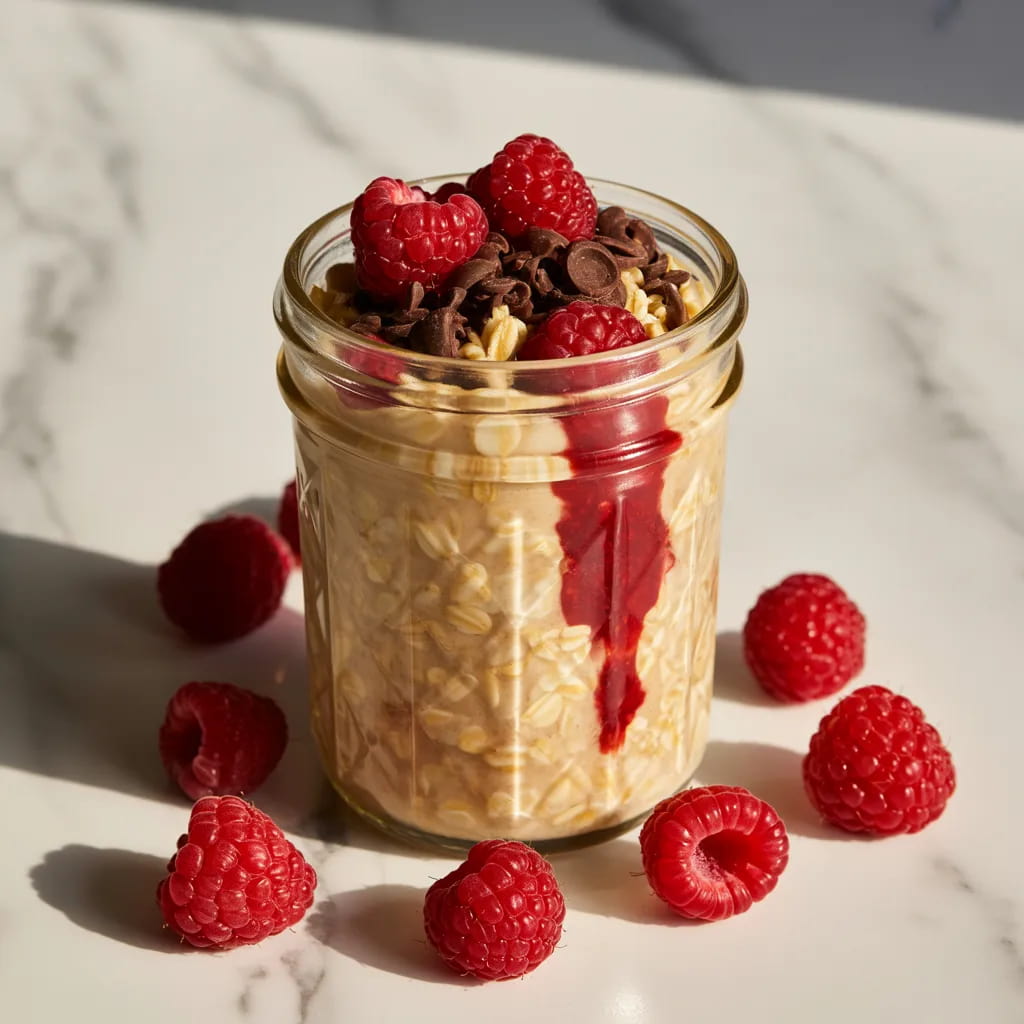
| Recipe #10: Raspberry Dark Chocolate Oats
Calories: ~360 kcal | Protein: 11g | Net Carbs: 48g | Fat: 11g | Prep: 5 min |
Ingredients
Instructions
|
| Recipe #11: Vanilla Almond Crunch Oats
Calories: ~390 kcal | Protein: 13g | Net Carbs: 46g | Fat: 14g | Prep: 5 min |
Ingredients
Instructions
|

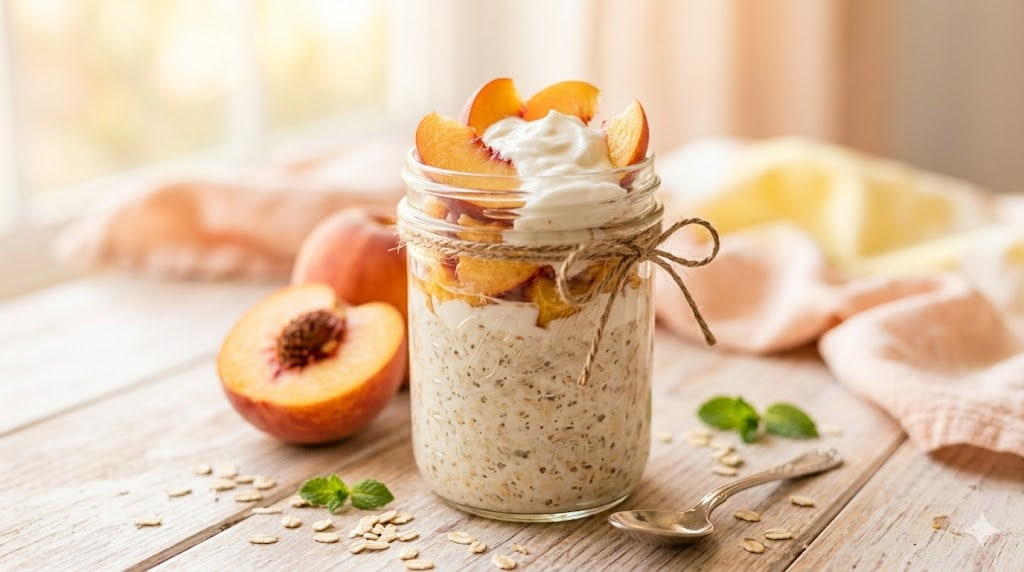
| Recipe #12: Peaches and Cream Oats
Calories: ~330 kcal | Protein: 11g | Net Carbs: 50g | Fat: 6g | Prep: 5 min |
Ingredients
Instructions
|
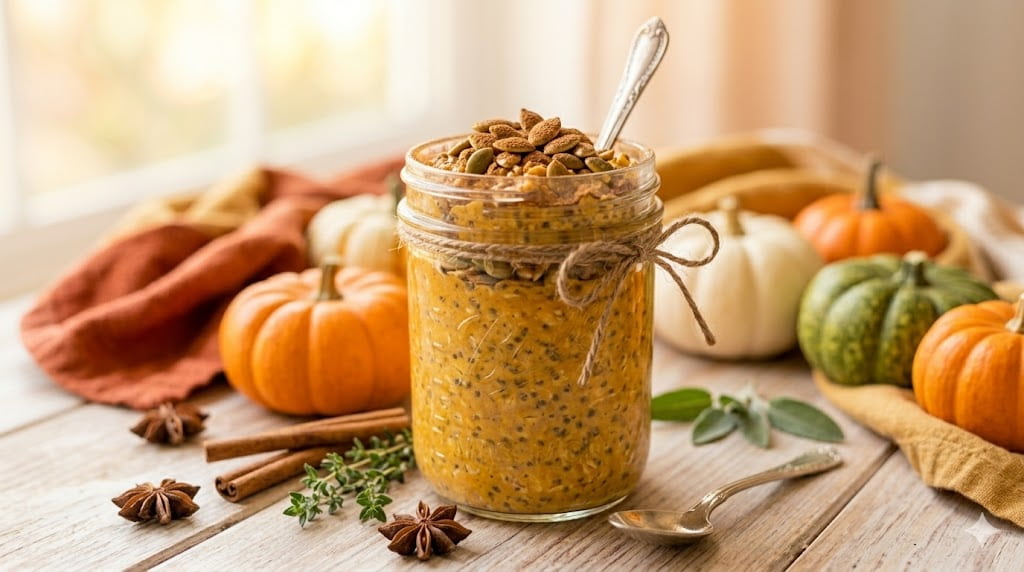
| Recipe #13: Pumpkin Spice Oats
Calories: ~340 kcal | Protein: 12g | Net Carbs: 52g | Fat: 6g | Prep: 5 min |
Ingredients
Instructions
|
| Recipe #14: Almond Butter and Jelly Oats
Calories: ~380 kcal | Protein: 13g | Net Carbs: 50g | Fat: 13g | Prep: 5 min |
Ingredients
Instructions
|

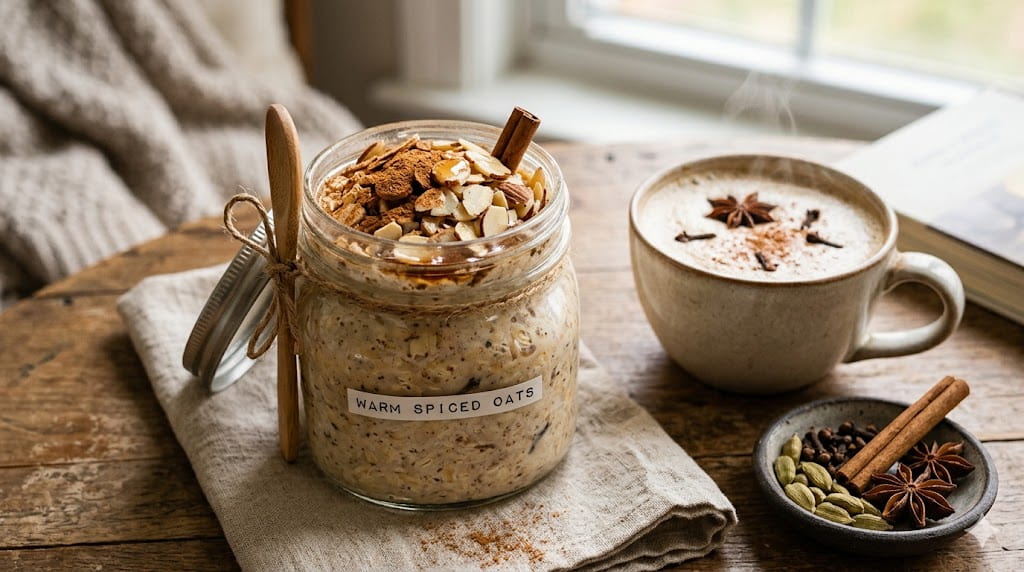
| Recipe #15: Chai Spice Oats
Calories: ~320 kcal | Protein: 11g | Net Carbs: 46g | Fat: 7g | Prep: 5 min |
Ingredients
Instructions
|
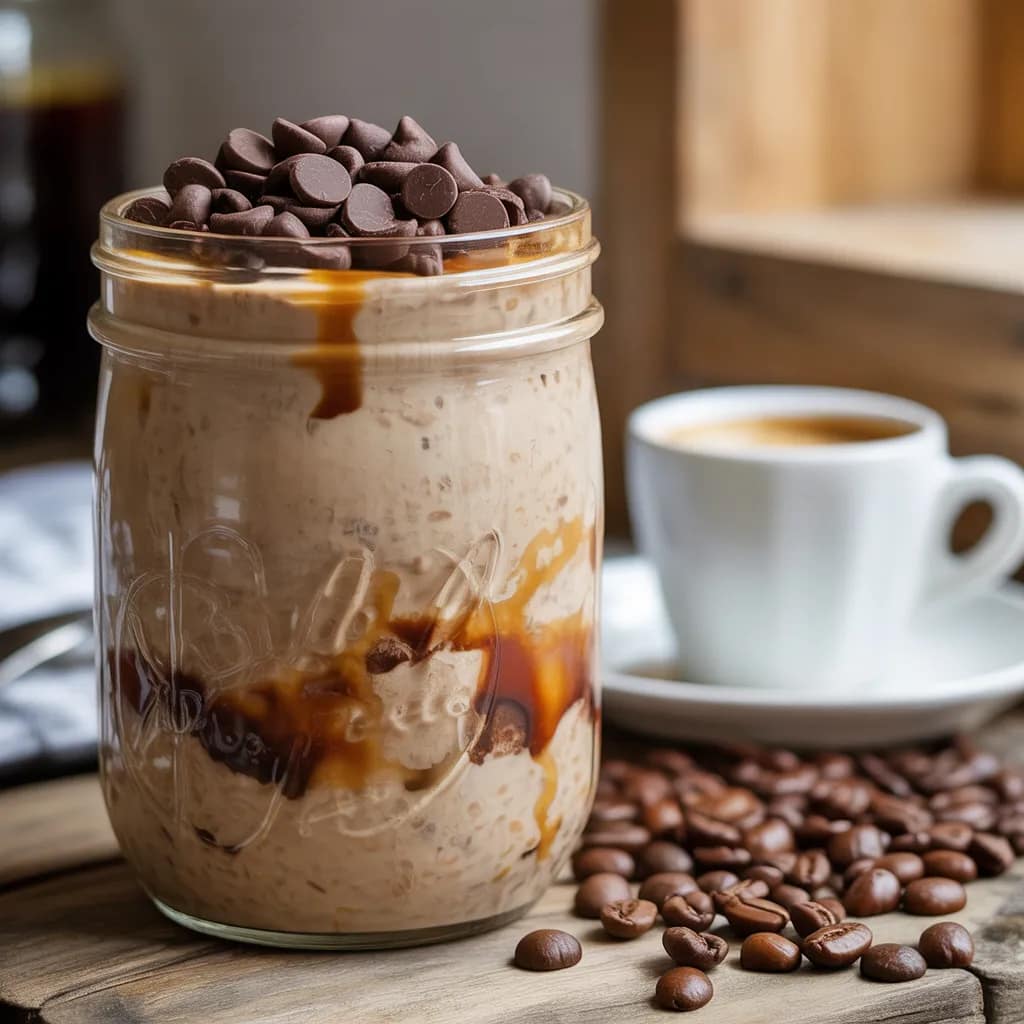
| Recipe #16: Espresso Dark Chocolate Oats
Calories: ~350 kcal | Protein: 11g | Net Carbs: 44g | Fat: 11g | Prep: 5 min |
Ingredients
Instructions
|
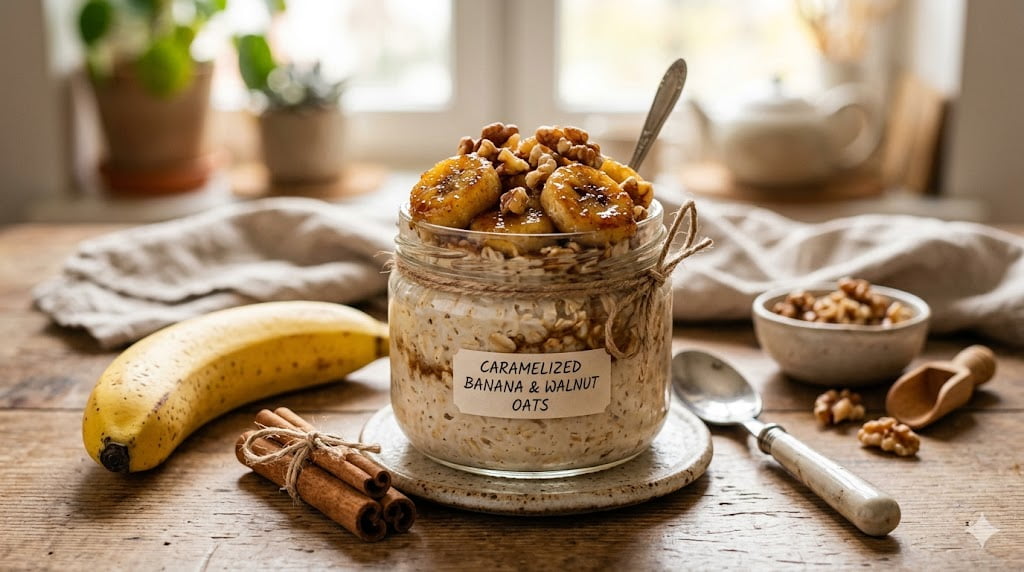
| Recipe #17: Banana Foster Oats
Calories: ~370 kcal | Protein: 10g | Net Carbs: 58g | Fat: 9g | Prep: 6 min |
Ingredients
Instructions
|
| Recipe #18: Cranberry Orange Oats
Calories: ~330 kcal | Protein: 10g | Net Carbs: 52g | Fat: 6g | Prep: 5 min |
Ingredients
Instructions
|

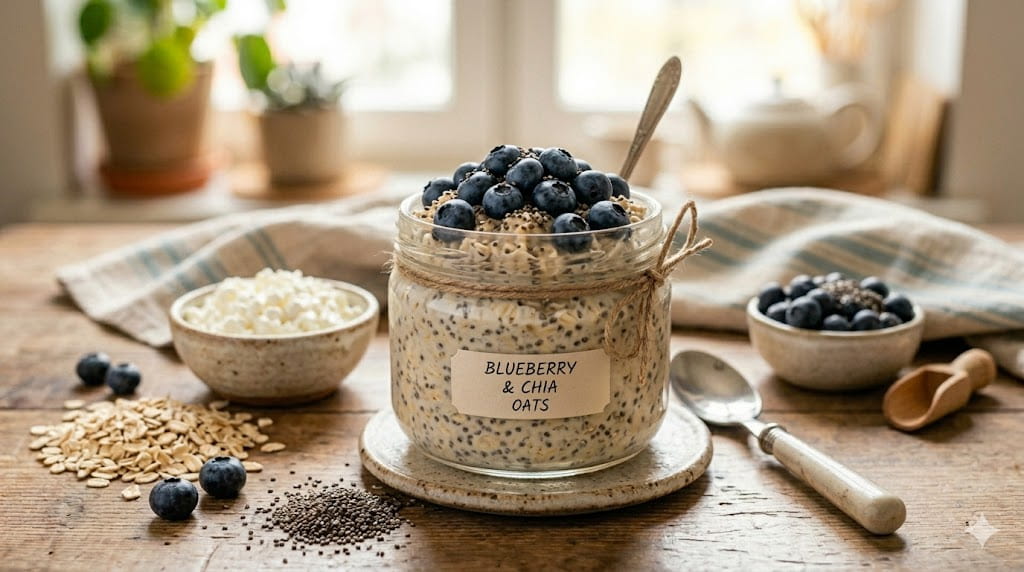
| Recipe #19: High-Protein Cottage Cheese Oats
Calories: ~360 kcal | Protein: 24g | Net Carbs: 38g | Fat: 8g | Prep: 5 min |
Ingredients
Instructions
|
| Recipe #20: Mediterranean Fig and Walnut Oats
Calories: ~400 kcal | Protein: 12g | Net Carbs: 54g | Fat: 13g | Prep: 5 min |
Ingredients
Instructions
|

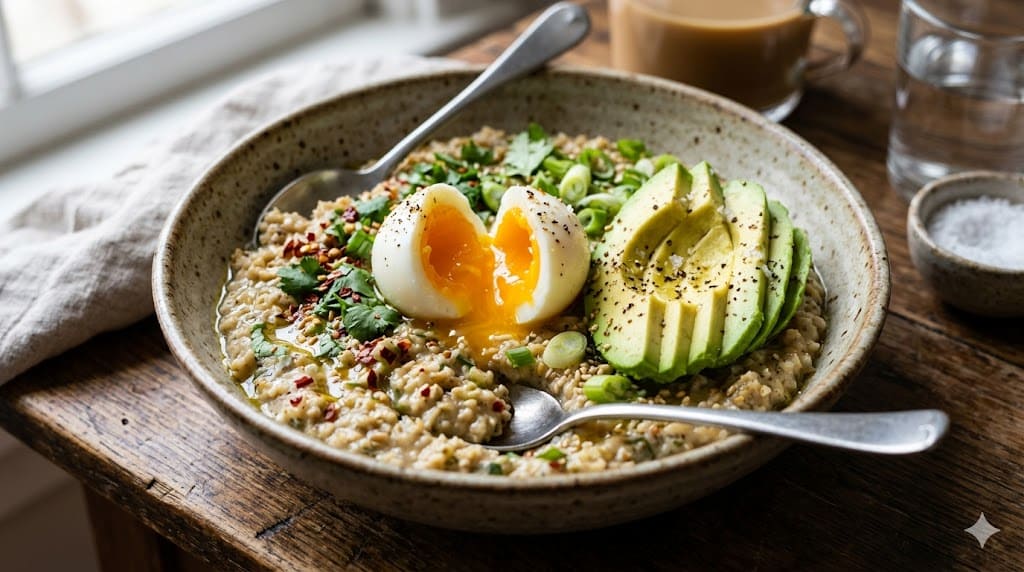
| Recipe #21: Savory Avocado and Egg Oats
Calories: ~390 kcal | Protein: 18g | Net Carbs: 34g | Fat: 19g | Prep: 8 min |
Ingredients
Instructions
|
| Recipe #22: Golden Turmeric Oats
Calories: ~330 kcal | Protein: 11g | Net Carbs: 46g | Fat: 9g | Prep: 5 min |
Ingredients
Instructions
|

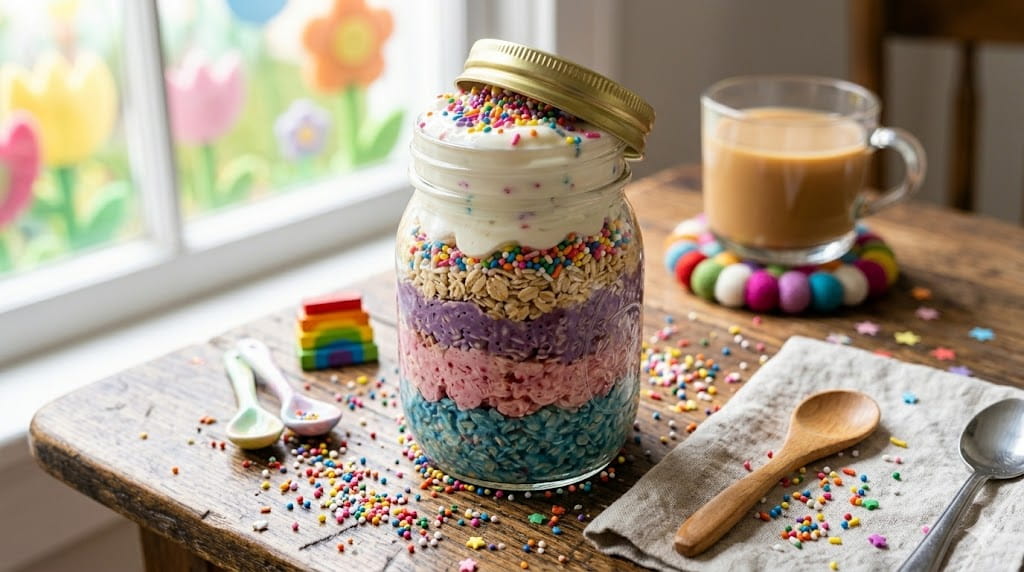
| Recipe #23: Birthday Cake Oats
Calories: ~380 kcal | Protein: 14g | Net Carbs: 50g | Fat: 10g | Prep: 5 min |
Ingredients
Instructions
|
Quick Macro Comparison: All 23 Recipes at a Glance
| # | Recipe | Cal | Protein | Carbs | Fat |
|---|---|---|---|---|---|
| 1 | Classic Rolled Oats | 320 | 12g | 44g | 7g |
| 2 | PB Banana Protein | 420 | 20g | 50g | 14g |
| 3 | Blueberry Lemon | 350 | 14g | 48g | 8g |
| 4 | Chocolate PB | 400 | 16g | 46g | 16g |
| 5 | Apple Cinnamon Pie | 340 | 10g | 58g | 6g |
| 6 | Mango Coconut | 360 | 9g | 55g | 10g |
| 7 | Strawberry Cheesecake | 340 | 15g | 46g | 7g |
| 8 | Green Spinach Protein | 310 | 18g | 40g | 7g |
| 9 | Carrot Cake | 370 | 12g | 52g | 9g |
| 10 | Raspberry Dark Choc | 360 | 11g | 48g | 11g |
| 11 | Vanilla Almond Crunch | 390 | 13g | 46g | 14g |
| 12 | Peaches and Cream | 330 | 11g | 50g | 6g |
| 13 | Pumpkin Spice | 340 | 12g | 52g | 6g |
| 14 | Almond Butter and Jelly | 380 | 13g | 50g | 13g |
| 15 | Chai Spice | 320 | 11g | 46g | 7g |
| 16 | Espresso Dark Choc | 350 | 11g | 44g | 11g |
| 17 | Banana Foster | 370 | 10g | 58g | 9g |
| 18 | Cranberry Orange | 330 | 10g | 52g | 6g |
| 19 | High-Protein Cottage Cheese | 360 | 24g | 38g | 8g |
| 20 | Mediterranean Fig and Walnut | 400 | 12g | 54g | 13g |
| 21 | Savory Avocado and Egg | 390 | 18g | 34g | 19g |
| 22 | Golden Turmeric | 330 | 11g | 46g | 9g |
| 23 | Birthday Cake | 380 | 14g | 50g | 10g |
Best for highest protein: Recipe #19 (Cottage Cheese, 24g) and #2 (PB Banana Protein, 20g). Best for lowest calorie: Recipe #8 (Green Spinach, 310 kcal). Best for lowest carb: Recipe #21 (Savory Avocado, 34g net carbs).
How to Meal Prep a Full Week of Overnight Oats in 20 Minutes
Sunday batch preparation is the single biggest predictor of whether someone sticks to overnight oats long-term. When Monday morning arrives and you are tired, you will not make a fresh jar. If it is already in the fridge, you will eat it.
- Set out 5 mason jars on your counter. Label lids with the day of the week using a piece of masking tape and a marker.
- Measure 1/2 cup rolled oats into each jar. This takes under 2 minutes.
- Add your protein source (Greek yogurt or protein powder) to all 5 jars.
- Add liquid, chia seeds, and base spices/sweetener to each jar.
- Vary the flavor: do 2 jars of one recipe, 2 of another, and 1 wild card experiment.
- Fold in any fruit or add-ins that can soak overnight (bananas, blueberries, raspberries). Keep crunchy toppings (nuts, seeds, granola) separate — add in the morning.
- Seal all jars and refrigerate. They keep well for up to 4 days. Day 5 is possible but the texture gets noticeably softer.
Total Sunday prep time: 18-22 minutes, including cleanup. That is 3-4 minutes of saved morning time per day. Over a month, that is roughly 90 minutes returned to your life.
Realistic Weight Loss Expectations from Overnight Oats
I need to be direct about this because the internet is full of unrealistic claims. Overnight oats are not a weight loss accelerator. They are a behavior modification tool.
The average person who switches from skipping breakfast or eating a sugary pastry to eating a properly made overnight oats jar typically reduces their morning caloric intake by 150-300 calories and their hunger at lunch by a meaningful degree. That aggregate effect — replicated over 8-12 weeks — produces real, sustainable weight loss.
My 14-pound loss over 8 weeks was from a 400-calorie daily deficit that overnight oats made genuinely easy to maintain. I did not struggle with hunger. I did not have the 11 a.m. vending machine temptation. The oats did not burn fat. They made eating less feel effortless.
If you have 15-30 pounds to lose and you build an overnight oats habit alongside a modest caloric awareness, expect 1-2 pounds per week of fat loss after the first 2 weeks of water weight adjustment. That is not a spectacular claim. It is an honest one.
Frequently Asked Questions
Can I heat overnight oats in the morning?
Yes, absolutely. Transfer the jar contents to a microwave-safe bowl and heat for 60-90 seconds, stirring halfway. Or heat in a small saucepan with a splash of extra milk over medium heat for 2-3 minutes. The texture changes slightly when warmed — the chia seeds soften further and the oats loosen up. Some people strongly prefer them warm. Others find that cold oats keep them fuller longer, which has some support from the resistant starch research mentioned earlier.
Are overnight oats good for diabetics or people managing blood sugar?
Rolled oats have a glycemic index of approximately 55, which is classified as medium GI. The fiber content and the cooling process (which increases resistant starch) both help reduce the blood sugar response. However, many overnight oats recipes add honey, fruit, or yogurt that raise the total glycemic load. If you are managing Type 2 diabetes or prediabetes, use unsweetened Greek yogurt, limit added sweeteners, and choose lower-sugar fruits like berries instead of mango or banana. Always discuss dietary changes with your healthcare provider.
Can overnight oats be frozen?
Yes, with some caveats. Freeze them without dairy toppings or fresh fruit. The oat and chia base freezes well for up to 3 months. Thaw overnight in the refrigerator, then add yogurt and fresh fruit in the morning. The texture is slightly softer after freezing but still very good. This is excellent for people who want to batch-prepare 2-3 weeks at a time.
What is the best milk for overnight oats?
For weight loss specifically, unsweetened almond milk (about 30-40 calories per cup) is the lowest-calorie liquid option. Unsweetened oat milk (around 90-120 calories per cup) adds a slightly creamier texture and a touch more carbohydrates. Low-fat dairy milk (about 100 calories per cup) adds extra protein. Full-fat coconut milk from a can (around 220 calories per quarter cup) makes the richest, creamiest oats but adds significant calories — use it sparingly, as in the Mango Coconut recipe above.
How long do overnight oats last in the fridge?
Properly sealed in a mason jar, overnight oats last 4-5 days. The texture is best on days 1 and 2. By day 4 they are noticeably softer. If you notice any sour smell, discoloration, or visible mold, discard them. Recipes with banana or avocado are best consumed within 2 days as those ingredients oxidize and change flavor quickly.
Can I make overnight oats without yogurt?
Yes, and they are still good. Simply use extra milk (go from 1/2 cup to 3/4 cup) and add a tablespoon of chia seeds to compensate for the thickening and protein that yogurt provides. The result is a slightly thinner texture with less protein per serving (drop from around 12-15g to 6-8g). If protein is your priority and you cannot use yogurt, a scoop of protein powder is the best substitute.
Is it better to use steel-cut oats for weight loss?
Steel-cut oats have a slightly lower glycemic index (approximately 42 vs 55 for rolled oats) and marginally more fiber per serving. However, they require either 24 hours of soaking or a brief 5-minute cook before overnight refrigeration. The difference in weight loss outcomes between steel-cut and rolled oats in an overnight preparation is negligible for most people. Rolled oats are the practical winner because they work reliably with zero cooking and a simple 1:1 ratio.
The Bottom Line
That Tuesday in October 2022 did not change my life because of some breakthrough nutritional discovery. It changed because I eliminated the daily decision of what to eat for breakfast, removed the hunger that was driving bad lunchtime choices, and started the day feeling like I was doing something right for myself. That last part is underrated.
Start with three recipes from this guide. Make them on Sunday. Eat them Monday, Tuesday, and Wednesday morning. Notice what happens to your 11 a.m. hunger, your lunchtime portion size, and your energy level. Do that for three weeks before you judge the results.
The 23 recipes in this guide cover every flavor preference I have encountered — sweet, savory, fruity, chocolatey, high-protein, dairy-free, and warm-spiced. There is at least one in here that will become a permanent part of your morning.
The only question worth asking yourself now is: which three do you want to make this Sunday?
| Disclaimer
Nutritional values are estimates based on standard USDA data and commonly available brands as of 2026. Individual results vary. This guide is not a substitute for medical or dietary advice. Consult a registered dietitian or healthcare provider before making significant dietary changes, especially if you have diabetes, celiac disease, or other relevant conditions. |