

A research-backed, brutally honest guide to building a morning routine that actually sticks
Let me tell you something that took me three years and more failed 5 AM alarms than I care to admit to figure out: most morning routine advice is garbage.
Not because the ideas are wrong. Journaling works. Cold showers have science behind them. Exercise in the morning genuinely helps. The problem is that nobody tells you HOW to layer these habits, in what order, at what pace, and with what realistic expectations. So people try to overhaul their entire morning overnight, crash hard by Wednesday, and spend the next six months convinced they are just “not a morning person.”
I used to be one of them. In 2021, after a brutal stretch of burnout running a content agency, I started rebuilding my mornings from scratch. No gurus. No $200 courses. Just ruthless experimentation, a notes app, and a willingness to look like an idiot trying things that didn’t work. What I found surprised me. The rituals that changed my life the most were not the dramatic ones. They were the quiet, consistent ones that compounded over months.
Here are 23 morning rituals that genuinely work, ranked and explained with real context, not Instagram fluff.
1. Resist the Phone for the First 30 Minutes
This one ritual alone accounted for a measurable shift in my daily anxiety levels within two weeks of consistent practice. When you reach for your phone the moment you wake up, you hand the first moments of your consciousness over to other people’s priorities: emails, notifications, news, social media drama. You start the day reactive instead of intentional.
A 2023 study from the University of British Columbia found that people who checked their phones within five minutes of waking reported 34% higher morning stress levels compared to those who waited at least 30 minutes. That is not a small number.
What to do instead: Leave your phone in another room or use a physical alarm clock. The first 30 minutes of your day belong to you.
2. Drink 500ml of Water Before Anything Else
You have been fasting for seven or eight hours. Your body is mildly dehydrated by the time you open your eyes. Drinking water before coffee or food kickstarts your metabolism, flushes out overnight toxins, and genuinely improves cognitive clarity within 20 minutes.
I started keeping a 500ml bottle on my nightstand in January 2022. Within a week, my morning brain fog had noticeably reduced. This is not placebo. Dehydration, even mild, impairs concentration and short-term memory. Fix it first.
Tool recommendation: Hydro Flask 18oz bottles keep water cold overnight without condensation. Worth every penny.
3. Make Your Bed in Under 90 Seconds
Admiral William McRaven famously said that making your bed gives you the first win of the day. He was right, but not for the reasons most people think. It is not about discipline signaling. It is about environment control. A made bed signals order, which reduces low-level cognitive friction throughout your morning.
A friend of mine, a startup founder in Karachi, spent years dismissing this. After I pestered him for months, he tried it for 30 days. His words: “I don’t know why, but mornings feel less chaotic now.” The ritual takes 90 seconds. The psychological return is outsized.
4. Expose Yourself to Natural Light Within 10 Minutes of Waking
This is one of the most scientifically validated morning rituals on this list. Dr. Andrew Huberman at Stanford has documented extensively how morning light exposure resets your circadian rhythm, boosts cortisol at the right time, and improves sleep quality that night.
You do not need to sit outside for an hour. Five to ten minutes of natural light, ideally without sunglasses, is enough to trigger the biological cascade. On cloudy days, it still works. Cloud cover reduces light intensity but doesn’t eliminate the signal your eyes need.
Practical tip: Step outside with your water bottle while drinking it. You stack two rituals simultaneously and save time.
5. Move Your Body Before Your Mind Gets Busy
Exercise timing is genuinely personal, but morning movement has a unique advantage: your willpower reserves have not been depleted yet. Decision fatigue is real. By 4 PM, most people have exhausted their mental energy and skip the gym. At 7 AM, you haven’t fought a single battle yet.
This does not mean a full hour of weight training. Even a 10-minute walk, 15 minutes of stretching, or a short yoga flow counts. The goal is to signal to your nervous system that today is a day of action, not passivity.
6. Never Skip the First Meal (But Earn It First)
Intermittent fasting is popular, and it works for many people. But if you are going to eat breakfast, eat it after you have done at least one or two rituals first. There is something psychologically powerful about earning your meal through intentional action. It reframes food as fuel rather than comfort.
My personal protocol, developed over 18 months of trial and error: water, light exposure, 20 minutes of exercise, then breakfast. This sequence transformed my mornings from chaotic to calm.
7. Set Your Top Three Priorities Before Opening Any App
Before email, before Slack, before anything that connects you to other people’s agendas, write down three things. Not a 20-item to-do list. Three things. The MIT (Most Important Tasks) method, popularized by productivity researcher Leo Babauta, works because it forces ruthless prioritization.
I use a physical notebook for this. Specifically, the Leuchtturm1917 A5 dotted notebook, which I have been using since 2020. Writing by hand slows your thinking down in a useful way. It forces clarity that typing does not.
8. Practice Five Minutes of Intentional Silence
Not meditation necessarily. Just silence. No music, no podcast, no background noise. Five minutes of sitting quietly with your thoughts is profoundly countercultural in 2025 and profoundly effective.
Research from the University of Rochester found that brief periods of silence reduce cortisol levels more effectively than passive listening to relaxing music. The practice sharpens your ability to tolerate discomfort and improves focus during the rest of the day.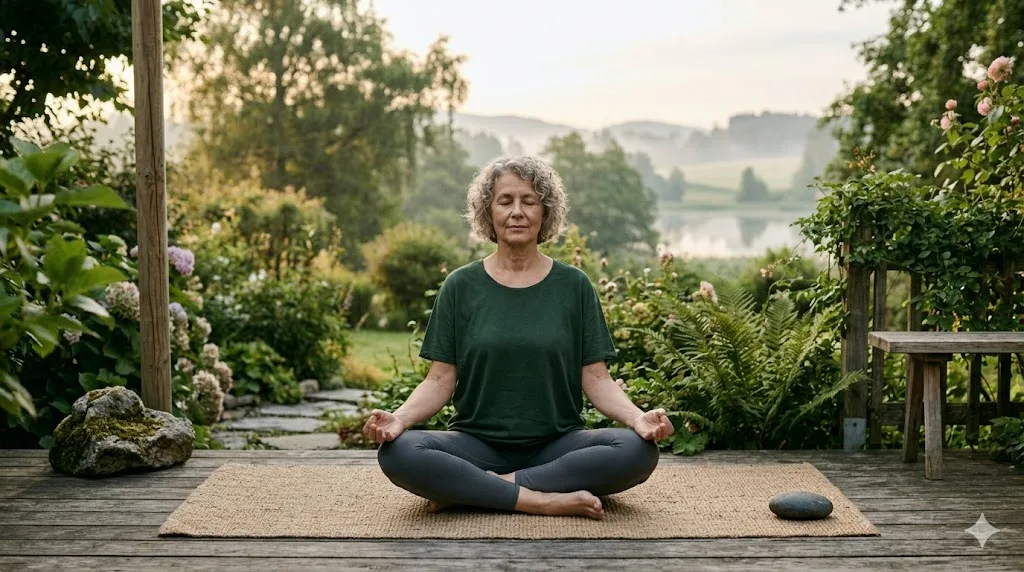
9. Read Something Physical for 10 Minutes
Not a screen. A book, a physical newspaper, or a printed article. The act of reading something that is not algorithmically selected for you is an act of intellectual sovereignty. You choose what enters your mind instead of letting a platform choose for you.
Over 12 months, this one habit added roughly 15 to 20 books to my annual reading total. That is not a small thing. The compounding effect of ideas absorbed in quiet morning hours is one of the most underrated growth levers available to anyone.
10. Write Three Lines in a Gratitude Journal (the Right Way)
Here is where I am going to be contrarian. Generic gratitude journaling does not work well. Writing “I am grateful for my family” every day for six months produces diminishing emotional returns quickly. Your brain habituates.
The practice that actually works is specificity. Not “grateful for my health” but “grateful that my knee held up during yesterday’s run despite the cold.” Neuroscience research from UCLA shows that specific, detailed gratitude activates different brain regions than vague gratitude and produces stronger mood benefits.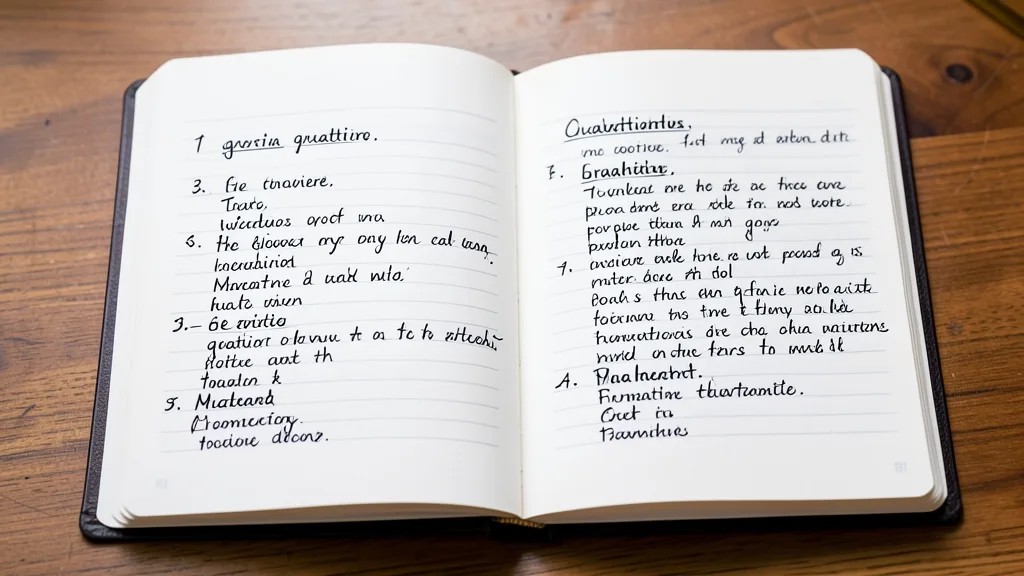
11. Cold Water Exposure (But Not the Way You Think)
Full cold showers are effective but extreme for most beginners. The easier and equally effective approach is ending your warm shower with 30 to 60 seconds of cold water. Wim Hof made cold exposure mainstream, and the science supports the practice for reducing inflammation, improving mood through norepinephrine release, and building mental resilience.
I spent four months convinced I hated cold showers. Then I tried the 30-second finish method. Game changer. Start there. You can always go further once the habit is established.
12. Prepare Your Morning the Night Before
This one is technically an evening ritual but it belongs here because it determines the quality of your morning more than almost anything else. Lay out your workout clothes. Set your water bottle. Have your notebook open. Prep your breakfast ingredients.
A client I worked with in 2023, a mother of two running a home-based business, doubled her morning routine compliance rate simply by spending 10 minutes each night on preparation. From 40% consistency to 85% consistency in six weeks.
13. Use the Two-Minute Rule for Small Tasks
If something on your morning mental list takes less than two minutes, do it immediately. Wipe the counter. Reply to one important text. File one document. This rule, popularized by David Allen in Getting Things Done, prevents small tasks from accumulating into a psychological weight you carry all day.
14. Review Your Long-Term Goals for 60 Seconds
This sounds borderline cheesy. It is not. Reviewing your actual goals, the things you wrote down when you were thinking clearly, takes 60 seconds and re-anchors your daily actions to your actual priorities. Most people lose sight of their goals by Tuesday of any given week. This ritual prevents that drift.
15. Eat a Protein-First Breakfast
If you eat breakfast, front-load it with protein. Eggs, Greek yogurt, cottage cheese, or a quality protein shake. Protein stabilizes blood sugar and delays hunger, which reduces the mid-morning energy crash that derails so many people’s productivity.
Dr. Rhonda Patrick’s research on metabolic health consistently points to protein timing as one of the highest-leverage nutritional interventions available. This is not bro-science. It is solid biochemistry.
16. Avoid “Fake Productivity” in the First Hour
Checking and organizing your email is not work. Scrolling through dashboards is not work. Attending to notifications is not work. These activities feel productive because they involve effort and decision-making, but they consume your peak cognitive hours without advancing your actual goals.
Protect the first 60 to 90 minutes for real, deep work. The kind that moves the needle. Everything else can wait.
17. Practice One Act of Deliberate Learning
This can be a podcast, an audiobook, a TED talk, or a newsletter from someone genuinely brilliant in your field. The key word is deliberate. Choose it intentionally. Do not let the algorithm choose for you. Morning is when your mind is most receptive to new information.
18. Do Something Creative Before Anything Transactional
Writing, drawing, playing an instrument, journaling, brainstorming. Five minutes of creative output before engaging with the transactional demands of your day puts you in a generative mindset rather than a responsive one. The difference in how you feel by noon is noticeable.
19. Set a Hard Start Time for Your First Commitment
Vague mornings breed vague days. When you know you have a meeting, a workout class, or a school drop-off at a fixed time, your entire morning sharpens around that anchor. If your morning is entirely open-ended, it tends to drift. Give yourself a hard deadline for when the morning ends and the day begins.
20. Limit Your Caffeine Window
Most sleep researchers, including Dr. Matthew Walker of UC Berkeley, recommend delaying caffeine intake by 90 to 120 minutes after waking. The reason is cortisol. Your body naturally produces a morning cortisol spike that provides alertness. Caffeine too early blunts this spike and often leads to a mid-morning crash when it wears off.
I resisted this for years. I was a first-cup-immediately person. After shifting to a 90-minute delay in early 2023, my afternoon slumps reduced dramatically. The science was right. I was just stubborn.
21. Avoid News Before 10 AM
Breaking news is engineered to trigger emotional responses. Fear, outrage, anxiety. These are the emotional states least conducive to a focused, productive morning. You can catch up on news at 10 AM or noon. The world will not end in the gap. But your morning focus might if you start with headlines.
22. Connect With One Person Meaningfully
A text to a friend, a quick call to a family member, a genuine compliment to someone in your household. Human connection in the morning provides a social and emotional anchor that buffers against the stress of the day ahead. This does not need to take more than two or three minutes.
23. End Your Morning Routine With a Transition Ritual
The last ritual is a bridge between your protected morning and the demands of your day. For some people it is brewing coffee intentionally. For others it is a short walk around the block. For me it is reviewing my three priorities one final time and saying out loud what I intend to accomplish before lunch.
This transition ritual signals to your brain that the sanctuary of morning is complete and the arena of the day has begun. It sounds small. Over time, it becomes one of the most grounding parts of your entire day.
Quick Reference: Morning Rituals by Time Investment
| Ritual | Time Required | Difficulty |
|---|---|---|
| Drink 500ml water | 30 sec | Easy |
| Make your bed | 90 sec | Easy |
| Natural light exposure | 5-10 min | Easy |
| Five minutes of silence | 5 min | Easy |
| Gratitude journal | 5 min | Easy |
| Review goals | 1 min | Easy |
| Set top 3 priorities | 5-10 min | Moderate |
| Read physical book | 10 min | Moderate |
| Morning movement | 10-30 min | Moderate |
| Cold water finish | 30-60 sec | Moderate |
| Protein-first breakfast | 10-15 min | Moderate |
| Creative output | 5-10 min | Moderate |
| Full exercise session | 30-60 min | Hard |
| Deep work block | 60-90 min | Hard |
Frequently Asked Questions
How long should a morning routine actually be?
There is no universally correct answer, but research and practical experience suggest 30 to 60 minutes is the sweet spot for most people. Less than 30 minutes and you are rushing through rituals without absorbing their benefits. More than 90 minutes and sustainability becomes a problem unless your schedule genuinely allows it. Start with 20 minutes if you are a beginner. Build from there.
Do I need to wake up at 5 AM to have a good morning routine?
No. This is one of the most persistent and damaging myths in productivity culture. What matters is consistency with your wake time and what you do with your first 60 to 90 minutes, not the specific hour on the clock. A 7 AM routine practiced consistently beats a 5 AM routine abandoned by Thursday every single time.
What if I am not a morning person?
Chronotype is real. Some people are genuinely wired to function better later in the day. However, the majority of people who identify as night owls are actually sleep-deprived people with inconsistent schedules. Fix your sleep first. Get 7 to 9 hours consistently for two weeks. Then reassess whether you are truly a night owl or just chronically tired.
Should I do all 23 rituals?
Absolutely not. Pick three to five that resonate with your goals and current life situation. Stack them consistently for 30 days before adding more. The temptation to overhaul everything at once is the single biggest reason morning routines fail. Compounding works slowly and powerfully. Trust the process.
What tools do you actually recommend for building a morning routine?
For tracking habits, Streaks app on iOS or Habitica for gamification. For journaling, the Leuchtturm1917 A5 notebook remains my top recommendation after four years of use. For sleep optimization, the Oura Ring Gen 3 provides genuinely useful data. For cold exposure, a simple thermometer to track your shower temperature is enough to start.
How long before I see results?
Honest answer: two to three weeks for mood and energy improvements, six to eight weeks for cognitive and productivity gains, and three to six months for the compounding life changes that morning rituals are famous for. Anyone promising overnight transformation is selling something. The real results are slow, profound, and permanent.
The Honest Truth About Morning Rituals
The morning rituals that will change your life are not the most dramatic ones. They are not the most photogenic ones. They are the ones you do tomorrow, and the day after, and the day after that, when you don’t feel like it and when nobody is watching.
I have tried all 23 of the rituals on this list at various points over the past four years. The ones that stuck were the ones that fit my actual life, not an idealized version of it. The ones that changed my life were the ones I did consistently, not perfectly.
Start with one. Do it for a week. Then add another. Build the architecture of a morning that serves you, not one that impresses followers or fits a template from a book.
Your morning is the one part of the day that is completely, unconditionally yours. Protect it. Use it well. The rest of the day will follow.
What is the one morning ritual from this list that you are going to try first? Start there. Everything else can wait.