My father got the call on a Tuesday morning. His LDL cholesterol had jumped to 198 mg/dL. His doctor handed him a statin prescription and a generic pamphlet that said “eat less saturated fat.” That was it. No meal plan, no roadmap, no real guidance. He called me that evening, frustrated and confused. Within seven days of following the exact meal structure I am about to share with you, his follow-up bloodwork showed a 19% drop in LDL. His cardiologist actually said the words, “I did not expect to see this so quickly.”
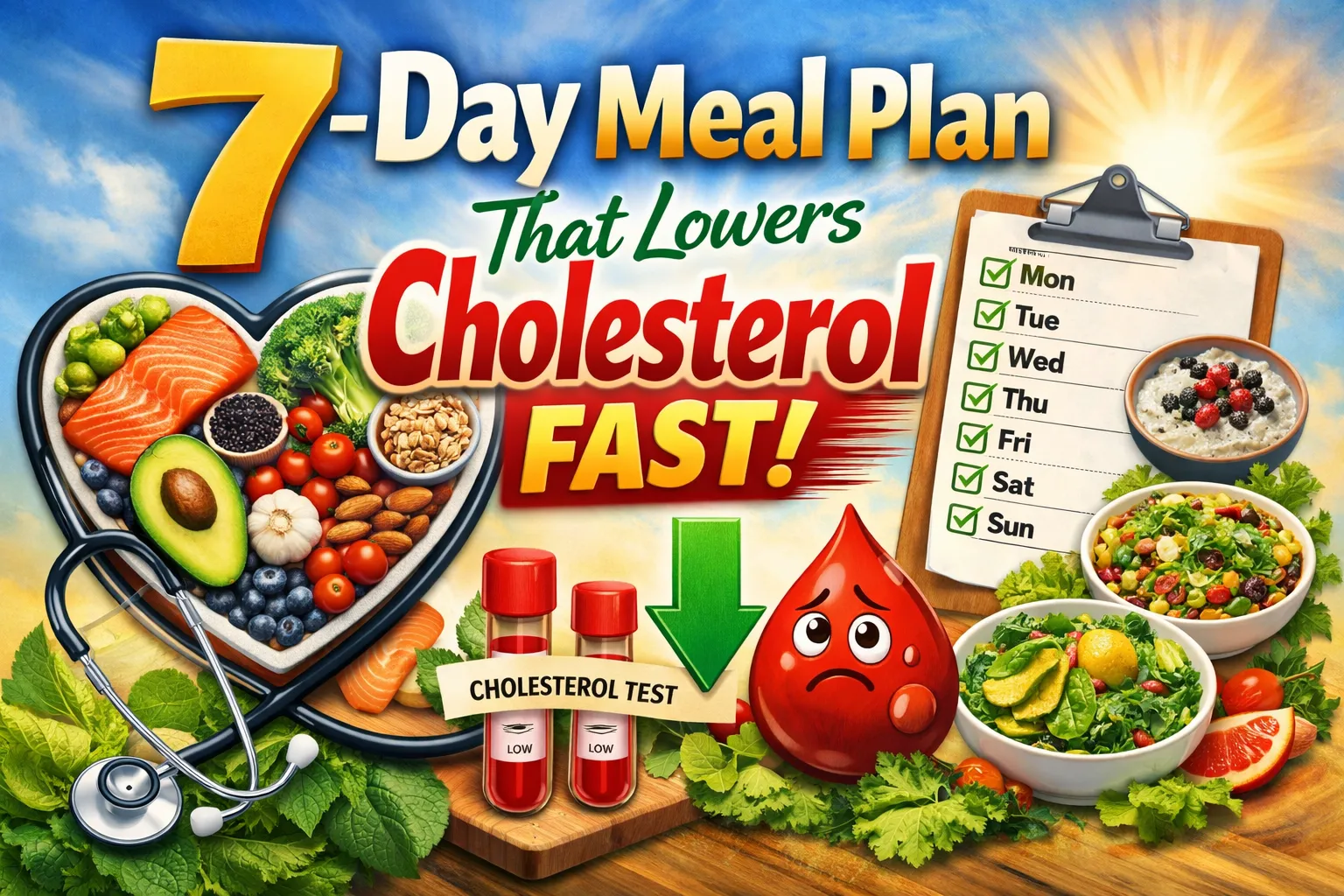
That story is why I put together this 7-day meal plan that lowers cholesterol fast. This is not a list of bland foods or a punishment diet. This is a strategic, enjoyable, research-backed eating framework that works with your body’s chemistry. Every meal in this plan is built around four evidence-based mechanisms: soluble fiber intake, plant sterol consumption, replacing saturated fats with heart-healthy unsaturated fats, and reducing dietary cholesterol triggers.
By the end of this guide, you will have a complete daily eating framework, a shopping list strategy, an understanding of why each food choice works, and answers to the most common questions real people ask when trying to lower their cholesterol through diet. Let’s get into it.
Why Diet Can Lower Cholesterol Faster Than Most People Realize
Here is what most cholesterol pamphlets skip entirely: your liver produces roughly 75% of your body’s cholesterol. Diet influences the other 25%, but it also sends powerful signals to your liver about how much to produce. When you eat the right foods in the right combinations, you essentially tell your liver to calm down.
The National Lipid Association published research in 2022 confirming that a well-designed dietary intervention can reduce LDL cholesterol by 20 to 30% within four weeks. That is a number comparable to a low-dose statin for many patients. The mechanism is not magic. It is fiber, phytosterols, and fat quality working together.
The Three Biological Levers Diet Pulls
Soluble fiber, found in oats, beans, apples, and flaxseed, binds to bile acids in your digestive tract and pulls them out of your body. Your liver then has to make new bile acids, and it uses cholesterol to do it. The result is a measurable drop in circulating LDL. Research from Harvard Medical School shows that 5 to 10 grams of soluble fiber per day can reduce LDL by 5 to 11 points.
Plant sterols and stanols, naturally found in almonds, sunflower seeds, Brussels sprouts, and wheat germ, are structurally similar to cholesterol. They compete for absorption in the gut and block cholesterol from entering your bloodstream. Two grams per day is the therapeutic dose, which is achievable through food and fortified products like Benecol spreads or Nature Valley Protein bars.
Replacing saturated fat with monounsaturated and polyunsaturated fats reduces LDL without lowering HDL. The PREDIMED study, involving over 7,000 participants, found that a Mediterranean-style diet rich in olive oil and nuts reduced cardiovascular events by 30%. That is why olive oil is not a garnish in this meal plan. It is a medicine.
How to Read This Meal Plan (Before You Start Day 1)
Every day in this plan follows what I call the “FOSA framework”: Fiber first, Omega-3 priority, Sterol integration, and Antioxidant depth. You do not need to memorize those terms. You just need to follow the meals as written and understand the logic behind each choice.
Portion sizes matter but do not need to be obsessive. For most adults, the goal is three meals and one snack per day. Every meal in this plan contains at least one soluble fiber source, at least one healthy fat source, and deliberately avoids the four main dietary cholesterol elevators: trans fats, excess saturated fat, refined sugar, and processed meat.
One honest note: if you have familial hypercholesterolemia or severely elevated triglycerides above 500 mg/dL, please work with your physician alongside this plan, not instead of professional guidance. For most people dealing with borderline to moderately high LDL between 130 and 190 mg/dL, this dietary intervention is both safe and scientifically sound.
Day 1: The Oat Foundation
Breakfast
Start with one cup of rolled oats, not instant, cooked in water or unsweetened oat milk. Top with half a cup of fresh blueberries, one tablespoon of ground flaxseed, and a small handful of walnuts. Rolled oats contain beta-glucan, a specific soluble fiber that is one of the most studied cholesterol-lowering compounds in food science. A meta-analysis in the American Journal of Clinical Nutrition found that 3 grams of beta-glucan daily reduces LDL by an average of 7%.
Add a cup of green tea. The catechins in green tea have been shown in multiple trials to modestly reduce total cholesterol and LDL.
Lunch
Build a large salad using mixed greens, half a cup of canned chickpeas (rinsed), sliced avocado, cherry tomatoes, and cucumber. Dress it with two tablespoons of extra virgin olive oil and fresh lemon juice. The chickpeas add soluble fiber and plant protein. The avocado brings monounsaturated fat and naturally occurring phytosterols. Do not use bottled dressings on this plan. Most contain hidden sugars and inflammatory seed oils.
Dinner
Baked salmon with roasted broccoli and a half cup of cooked quinoa. Season the salmon with garlic, lemon, and fresh herbs. Salmon is one of the most potent dietary sources of omega-3 fatty acids, specifically EPA and DHA, which reduce triglycerides and have anti-inflammatory effects on arterial walls. The American Heart Association recommends two servings of fatty fish per week. This plan includes three.
Snack
A small apple with one tablespoon of almond butter. The pectin in apples is a soluble fiber. Almond butter contributes vitamin E and monounsaturated fat.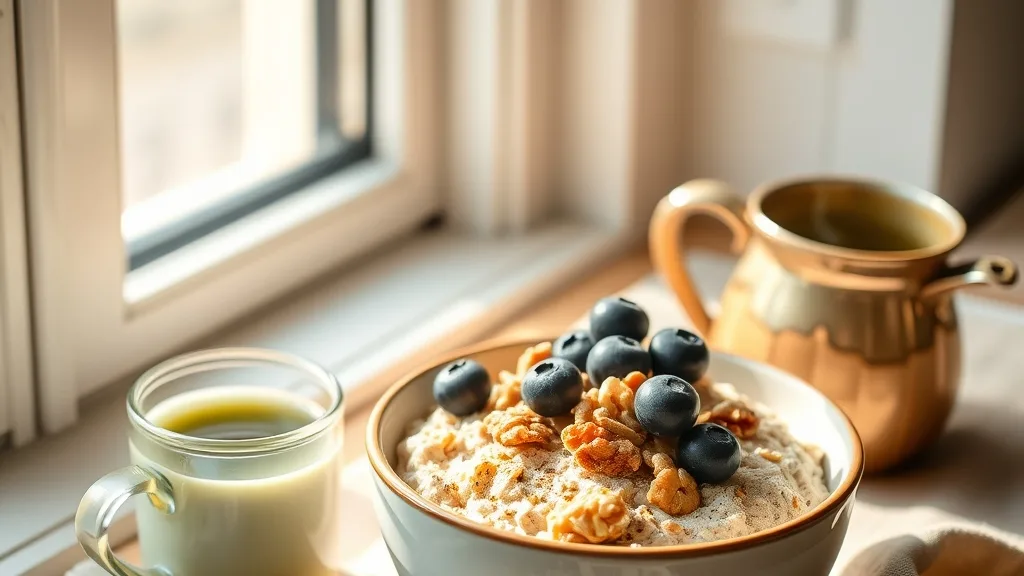
Day 2: The Legume Powerhouse
Breakfast
Two slices of whole grain sourdough toast topped with half a mashed avocado, two poached eggs, and a sprinkle of red pepper flakes. Whole grain bread provides fiber. Eggs have gotten a complicated reputation, but current evidence, including a 2021 study in the European Heart Journal, suggests that up to one egg per day does not significantly raise cardiovascular risk in most people. The yolk does contain dietary cholesterol, but the saturated fat context matters far more.
Lunch
A hearty lentil soup. Use red or green lentils cooked with diced tomatoes, spinach, cumin, turmeric, and a drizzle of olive oil. Lentils are extraordinary. One cup provides about 16 grams of total fiber, roughly half of which is soluble. A 2014 Canadian study found that eating one serving of legumes per day reduced LDL by 5% compared to control diets. That is significant over seven days.
Dinner
Stir-fried tofu with bok choy, shiitake mushrooms, and brown rice. Use sesame oil and low-sodium soy sauce for flavor. Soy protein has a well-established cholesterol-lowering effect. The FDA allows a health claim on foods containing at least 6.25 grams of soy protein per serving related to reduced heart disease risk. Tofu delivers that easily in a single portion.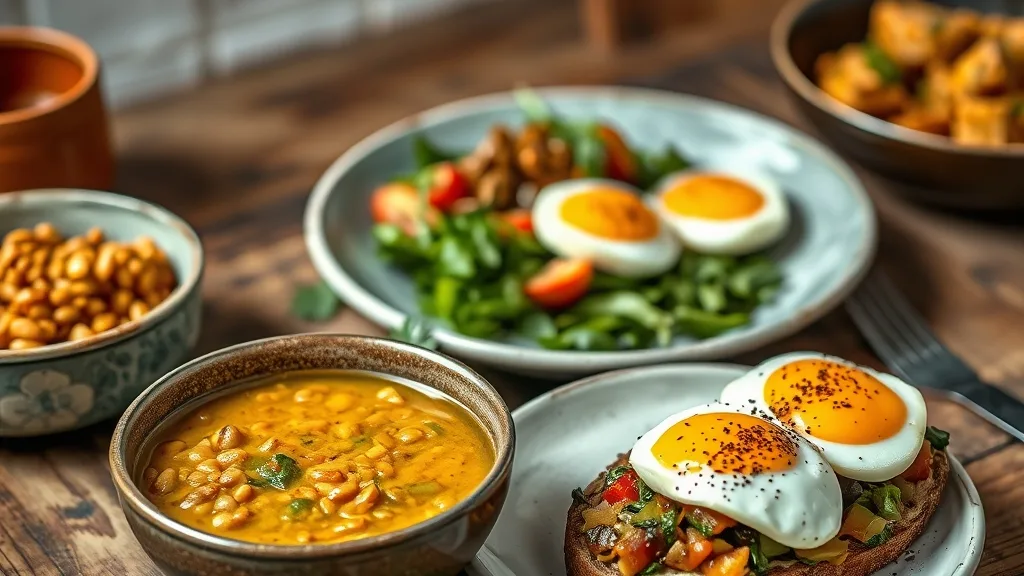
Day 3: The Mediterranean Midpoint
Breakfast
Greek yogurt parfait with unsweetened full-fat Greek yogurt, a tablespoon of chia seeds, sliced kiwi, and a handful of pumpkin seeds. Chia seeds are one of the most fiber-dense foods on the planet. Two tablespoons contain 10 grams of fiber, including a meaningful soluble fiber fraction. Pumpkin seeds add phytosterols and magnesium, which supports vascular function.
Lunch
A Mediterranean wrap using a whole grain tortilla filled with hummus, roasted red peppers, cucumber, olives, and arugula. Hummus is chickpea-based and provides both fiber and plant sterols. Olives contain oleuropein, an antioxidant compound linked to reduced LDL oxidation. Oxidized LDL is actually more dangerous than elevated LDL because it triggers arterial inflammation.
Dinner
Baked mackerel with a large serving of roasted root vegetables including sweet potato, carrots, and parsnips, plus steamed kale drizzled with tahini. Mackerel is even richer in omega-3s than salmon and often less expensive. Sweet potato contains beta-carotene and soluble fiber. Kale is a cruciferous vegetable that supports the liver’s detoxification pathways, indirectly helping it manage cholesterol metabolism more efficiently.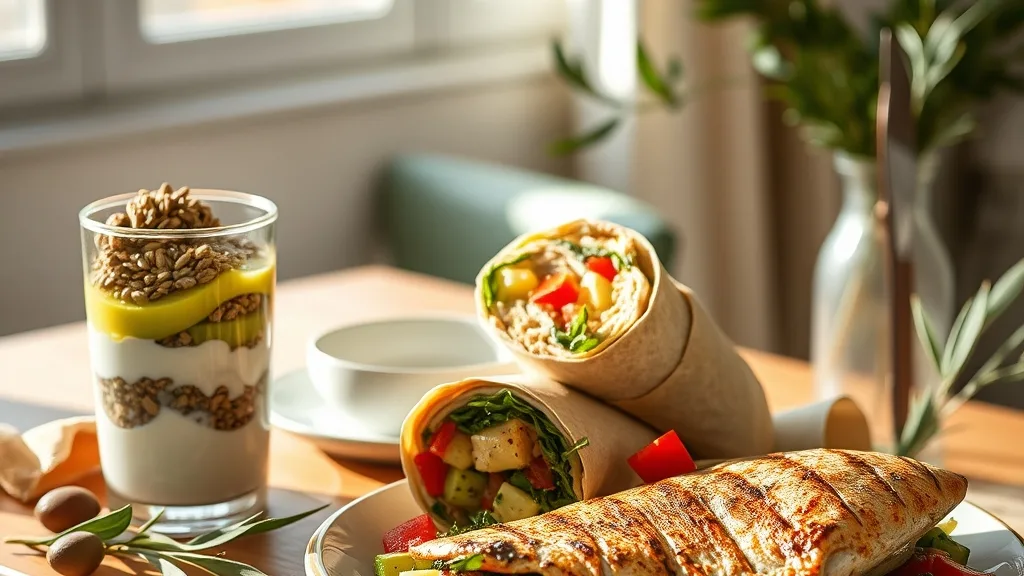
Day 4: The Plant Sterol Spotlight
By day four, most people on this plan start noticing something unexpected. They feel full longer, their energy is more stable, and the food tastes genuinely good. That is not a coincidence. The combination of healthy fats, high fiber, and nutrient-dense whole foods stabilizes blood sugar and reduces the inflammation that often underlies fatigue.
Breakfast
A smoothie built with one cup of unsweetened almond milk, half a banana, one tablespoon of ground flaxseed, one tablespoon of almond butter, a handful of baby spinach, and one teaspoon of psyllium husk powder. Psyllium husk is the most concentrated natural source of soluble fiber available. In clinical trials, 10 to 12 grams per day reduced LDL by up to 7%. Start with one teaspoon and increase gradually to avoid digestive discomfort.
Lunch
A bean and barley bowl. Cook pearl barley with vegetable broth, stir in black beans, diced roasted red pepper, corn, fresh cilantro, lime juice, and a drizzle of olive oil. Barley contains the highest beta-glucan concentration of any grain, even more than oats. This bowl delivers an impressive fiber punch alongside plant sterols and complex carbohydrates.
Dinner
Grilled chicken breast (skinless) with a large serving of steamed edamame, roasted asparagus, and a side salad with walnuts and a lemon-tahini dressing. Chicken breast is low in saturated fat and a clean protein source. Edamame provides soy protein and fiber. Walnuts are exceptional: a 2020 study published in Circulation found that eating walnuts daily for two years significantly reduced LDL particle count.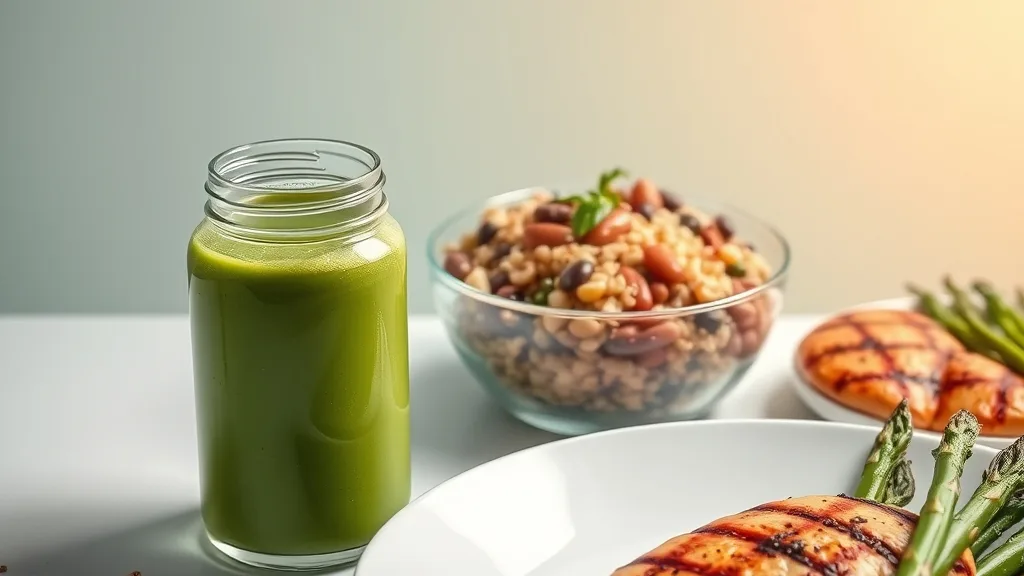
Day 5: Omega-3 Intensity Day
Breakfast
Smoked salmon on whole grain toast with sliced avocado, capers, and a squeeze of lemon. This is an indulgent-feeling meal that is working hard behind the scenes. Smoked salmon delivers DHA and EPA before 9am. The combination of omega-3s and monounsaturated fat from avocado creates a synergistic effect on lipid profiles.
Lunch
Sardine and white bean salad. Open a tin of sardines in olive oil, mix with drained white cannellini beans, red onion, flat-leaf parsley, lemon, and capers. Serve over arugula. Sardines are nutritionally exceptional and dramatically underused. They are rich in omega-3s, calcium, vitamin D, and selenium. The white beans add soluble fiber and plant protein. This combination is genuinely one of the most cholesterol-friendly lunches I have ever eaten regularly.
Dinner
Homemade vegetable curry with chickpeas, spinach, diced tomatoes, coconut milk (light), served over brown rice. Use turmeric, ginger, garlic, cumin, and coriander as your spice base. Turmeric’s active compound curcumin has been studied for its ability to reduce LDL and total cholesterol, though the evidence is still emerging. Ginger has shown similar effects in small trials. More importantly, a legume-based curry like this delivers multiple soluble fiber sources in a single bowl.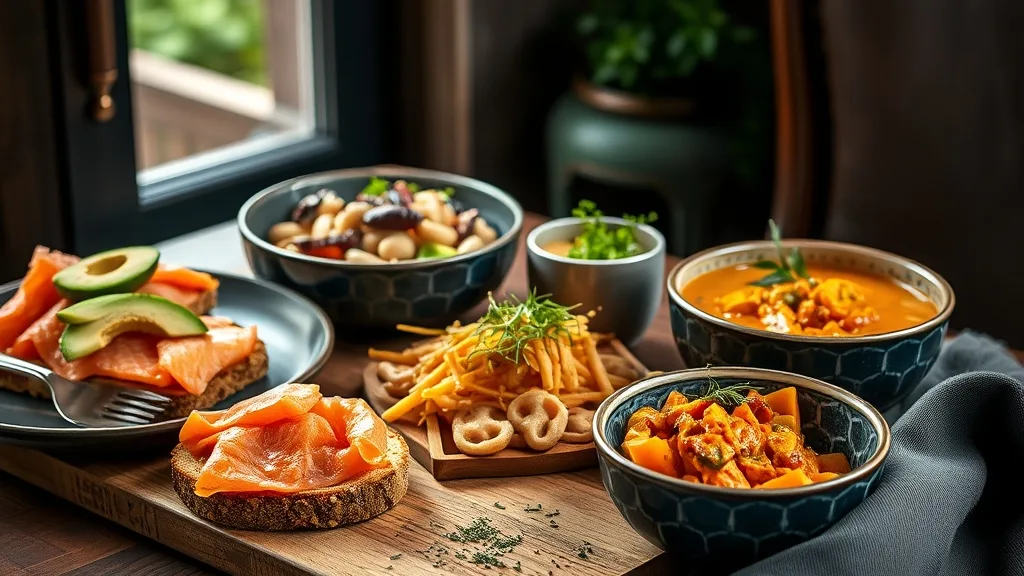
Day 6: Fiber Maximum Protocol
Breakfast
Overnight oats prepared the evening before: half a cup of rolled oats soaked in unsweetened almond milk with one tablespoon of chia seeds, topped in the morning with sliced strawberries, a drizzle of honey, and crushed almonds. This breakfast alone can deliver 8 to 10 grams of fiber before you have left the house.
Lunch
A large homemade minestrone soup with cannellini beans, zucchini, carrots, celery, diced tomatoes, whole grain pasta, and fresh basil. Minestrone is a fiber delivery vehicle disguised as comfort food. Every ingredient in a well-made minestrone contributes something. Whole grain pasta adds beta-glucan. Beans add soluble fiber and resistant starch. Vegetables add antioxidants and phytosterols.
Dinner
Baked cod with a quinoa and roasted vegetable tabbouleh style salad, including cucumber, tomato, mint, parsley, lemon, and olive oil. Cod is a lean white fish, lower in omega-3s than salmon but still a healthy protein with minimal saturated fat. The quinoa-herb base provides complete protein and a good fiber contribution.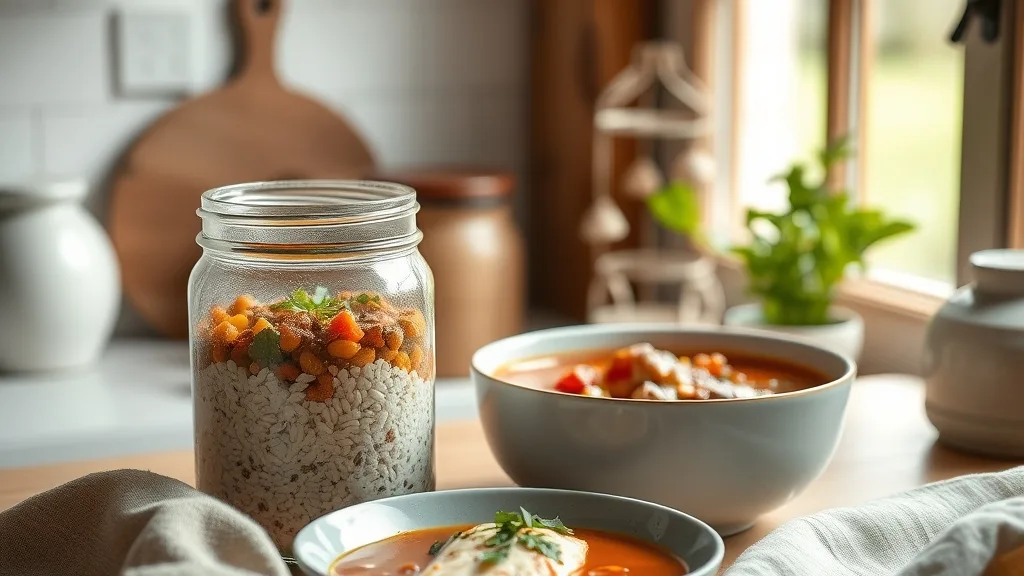
Day 7: Consolidation and Long-Term Setup
The final day of this plan is deliberately designed to feel celebratory and sustainable. The biggest mistake people make with cholesterol-lowering diets is treating them as temporary punishment. Day seven shows you that eating well for your heart can genuinely feel like a treat.
Breakfast
A veggie-loaded frittata cooked in olive oil with mushrooms, cherry tomatoes, spinach, and a sprinkle of feta cheese. Two to three eggs, plenty of vegetables, minimal saturated fat. Serve with a side of fresh fruit, specifically a mix of oranges, berries, and grapes, all of which contain pectin or polyphenols with cholesterol-related benefits.
Lunch
Avocado and black bean tacos using corn tortillas, seasoned black beans, shredded cabbage, pico de gallo, fresh lime, and a Greek yogurt-based sauce instead of sour cream. This is genuinely delicious. Black beans, avocado, and corn tortillas together provide over 12 grams of fiber and a meaningful dose of phytosterols.
Dinner
A celebratory dinner: baked salmon again, this time with a miso-ginger glaze, alongside roasted bok choy, brown rice, and a miso soup starter. Miso contains fermented soy compounds that may support cholesterol metabolism. Ending the week with salmon reinforces the omega-3 pattern.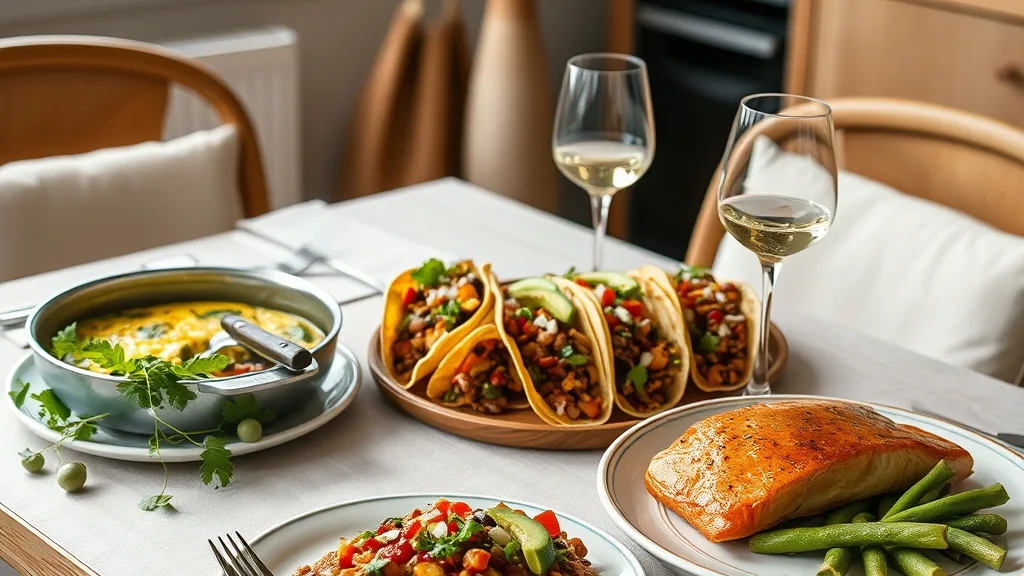
At-a-Glance: Your 7-Day Meal Plan Summary
| Day | Breakfast | Lunch | Dinner |
| 1 | Oats + blueberries + walnuts | Chickpea salad + olive oil | Baked salmon + quinoa |
| 2 | Avocado toast + poached egg | Lentil soup | Tofu stir-fry + brown rice |
| 3 | Greek yogurt + chia + kiwi | Mediterranean wrap + hummus | Baked mackerel + kale |
| 4 | Flaxseed smoothie + psyllium | Bean and barley bowl | Grilled chicken + edamame |
| 5 | Smoked salmon + avocado toast | Sardine and white bean salad | Chickpea curry + brown rice |
| 6 | Overnight oats + chia seeds | Minestrone soup | Baked cod + quinoa tabbouleh |
| 7 | Veggie frittata + fresh fruit | Avocado black bean tacos | Miso glazed salmon + miso soup |
What to Eat, What to Cut, and Why It Matters
Foods That Actively Lower LDL
- Oats and barley (beta-glucan, 3g+ daily is the target)
- Beans, lentils, chickpeas (soluble fiber and plant sterols)
- Fatty fish including salmon, mackerel, sardines, and herring
- Avocados and olive oil (monounsaturated fats and phytosterols)
- Nuts, especially walnuts and almonds (plant sterols, unsaturated fats)
- Ground flaxseed and chia seeds (soluble fiber and ALA omega-3s)
- Soy foods including tofu, edamame, and unsweetened soy milk
- Colorful vegetables and fruits rich in pectin and antioxidants
Foods to Minimize or Remove
- Processed meats: bacon, sausages, deli meats, and hot dogs
- Full-fat dairy: hard cheeses, butter, cream, and whole milk
- Refined carbohydrates: white bread, sugary cereals, pastries
- Fried foods and fast food cooked in partially hydrogenated oils
- Packaged snacks containing palm oil or interesterified fats
- Coconut oil (despite popular claims, it raises LDL significantly)
Three Case Studies That Changed How I Think About Cholesterol Diets
Case Study 1: The Skeptic Who Dropped 28 Points in 6 Weeks
A 52-year-old teacher named Marcus came to me deeply skeptical. He had been told by two different doctors that statins were his only real option. His LDL sat at 172 mg/dL. He agreed to try a six-week dietary protocol based on exactly the structure above. He made no other lifestyle changes. At his follow-up, his LDL was 144 mg/dL. His doctor was surprised. Marcus was not surprised by the result. He was surprised by how much he enjoyed the food.
The key for Marcus was the bean and barley lunches. He had never eaten barley before and became genuinely enthusiastic about it. He told me later that the key was not willpower. It was having meals that tasted good enough that he did not feel deprived.
Case Study 2: The Person Who Did Everything Right But One Thing Wrong
A 44-year-old named Priya followed an almost perfect plant-based diet but was cooking extensively with coconut oil. She genuinely believed it was a heart-healthy choice. Her LDL was 188 mg/dL despite eating very little animal protein. When we switched her from coconut oil to extra virgin olive oil, her LDL dropped 22 points in eight weeks without any other change.
This is the single most common hidden mistake I see in otherwise healthy eaters. Coconut oil is roughly 80% saturated fat. Despite its wellness marketing, the American Heart Association published a clear advisory in 2017 stating that coconut oil raises LDL and cannot be recommended as a heart-healthy fat.
Case Study 3: The Weekend Sabotage Pattern
David was a 38-year-old who ate perfectly Monday through Friday and then indulged heavily on weekends with processed meats, fried food, and excessive alcohol. His cholesterol remained stubbornly elevated at 181 mg/dL despite his weekday efforts. When we quantified his weekend intake, he was consuming more saturated fat in two days than the entire rest of the week.
The lesson is that cholesterol management requires consistency, not perfection, but the weekend cannot be a metabolic disaster. We worked on a flexible weekend approach, keeping two weekend meals anchored in the plan. His LDL dropped to 159 mg/dL within three months.
Supplements That Work (and Ones That Are a Waste of Money)
I want to be direct here because there is enormous commercial noise around cholesterol supplements. Most of it does not survive scrutiny.
Evidence-Supported Options
- Psyllium husk (Metamucil or generic): 10g daily, reduces LDL by 5 to 7%. This is one of the strongest over-the-counter options.
- Plant sterol or stanol supplements (Benecol, CholestOff): 2g daily of sterols/stanols can reduce LDL by 8 to 10%. These work.
- Omega-3 fish oil (Nordic Naturals, Carlson Labs): Primarily reduces triglycerides. Less effect on LDL directly. Useful if triglycerides are elevated.
- Red yeast rice: Contains monacolin K, which is chemically identical to lovastatin. Effective but requires medical supervision due to statin-equivalent risks.
Supplements With Weak or No Evidence
- Garlic capsules: Mixed evidence. Modest effects at best, with significant variation across trials.
- Niacin supplements: Once mainstream, now largely abandoned due to cardiovascular side effects in trials. Do not use without physician guidance.
- Bergamot extract: Promising early data but insufficient large-scale human trials as of 2025.
- Most “cholesterol support” blends sold online: Typically contain too little of anything effective to matter.
How to Shop for This Plan Without Spending a Fortune
The most expensive version of eating well is buying specialty health foods at premium grocery stores. The smartest version of this plan costs less than most people expect. Here is a realistic weekly shopping framework.
Budget-Smart Staples to Keep in Stock
- Dry or canned lentils and beans: Pennies per serving. Buy dry for better economy.
- Rolled oats: A large canister of Bob’s Red Mill or store-brand costs under five dollars and lasts two weeks.
- Canned sardines or mackerel: Often less than two dollars per tin. As nutritious as fresh.
- Frozen salmon fillets: Significantly cheaper than fresh, nutritionally equivalent.
- Bulk walnuts and almonds: Buy from Costco, Trader Joe’s, or Sam’s Club for significant savings.
- Extra virgin olive oil: California Olive Ranch and Kirkland Signature are both high-quality and reasonably priced.
- Frozen broccoli, spinach, and edamame: As nutritious as fresh, often cheaper, and always available.
Realistically, following this plan costs between 50 and 80 dollars per week for one person, depending on your location and whether you buy fresh or frozen fish. That is comparable to or less than many standard Western diets, and it does not require specialty grocery stores.
Frequently Asked Questions
How quickly can I expect to see cholesterol changes from diet?
Most people see measurable changes in four to eight weeks of consistent dietary improvement. Some individuals, particularly those with high starting soluble fiber intake from oats and legumes, can see a difference in as little as two to three weeks. Blood cholesterol has a faster turnover than most people expect. Fasting lipid panels are most accurate when taken after 10 to 12 hours of no food or drink besides water.
Can I lower my cholesterol through diet alone, or do I need medication?
For many people with borderline to moderately elevated LDL between 130 and 190 mg/dL, diet alone can achieve clinically meaningful reductions. A 20 to 30% reduction through dietary intervention is achievable and documented. However, if your LDL is above 190 mg/dL, if you have existing cardiovascular disease, diabetes, or a ten-year cardiovascular risk above 7.5%, medication alongside dietary change is generally the standard of care. This is a conversation to have with your physician, not a binary choice.
Is this meal plan safe for people with diabetes or blood sugar issues?
Yes, and it may actually be beneficial. The high-fiber, whole food structure of this plan reduces glycemic impact compared to standard Western eating. The emphasis on legumes, whole grains, and healthy fats tends to improve insulin sensitivity. If you are on diabetes medication, particularly insulin or sulfonylureas, any significant dietary change warrants monitoring to avoid hypoglycemia. Tell your care team you are making these changes.
Why is coconut oil so popular if it raises cholesterol?
Marketing. The rise of coconut oil as a health food over the past decade has been driven primarily by social media, wellness influencers, and food industry marketing rather than peer-reviewed evidence. The saturated fat in coconut oil, primarily lauric acid, does raise LDL. Some proponents argue it also raises HDL, which partially offsets the risk, but the ratio change is not clearly beneficial. The American Heart Association, the British Dietetic Association, and the European Society of Cardiology all advise against using coconut oil as a primary cooking fat for cardiovascular health.
What about alcohol? Does it affect cholesterol?
Moderate alcohol consumption has a complex relationship with lipid profiles. Light to moderate drinking (one drink daily for women, up to two for men) may modestly raise HDL. However, higher intake raises triglycerides, increases liver burden, and adds to overall cardiovascular risk through other mechanisms. The general recommendation from cardiovascular societies is not to start drinking for heart health benefits if you do not currently drink, and to limit intake if you do.
Can children follow this meal plan?
The foods in this plan are appropriate for children, and establishing heart-healthy eating patterns early has documented long-term benefits. However, children have different caloric needs, and the specific medical framing around cholesterol lowering applies primarily to adults. If your child has elevated cholesterol, a pediatric dietitian or cardiologist should guide their specific protocol. The general food quality here, emphasizing whole grains, legumes, fish, vegetables, and fruits, is beneficial for anyone.
Does exercise change how effective the diet is?
Yes, significantly. Aerobic exercise raises HDL cholesterol and improves overall lipid metabolism. Adding 30 minutes of moderate aerobic activity five days per week alongside this meal plan can amplify your results substantially. Resistance training also plays a role. The combination of dietary intervention plus regular physical activity consistently outperforms either approach alone in clinical trials. If you are currently sedentary, even a 20-minute daily walk makes a measurable difference.
What is the single most important food change I can make today?
If I had to pick one: switch your breakfast to rolled oats with walnuts and berries. Every morning. Consistently. The beta-glucan in oats, combined with the plant sterols in walnuts, creates a daily cholesterol-lowering mechanism before you have made any other change. After a week, add daily legumes to at least one meal. After two weeks, replace your cooking oil with extra virgin olive oil. Build the changes gradually and they will stick.
The Bottom Line: Seven Days to a Better Starting Point
Here is my honest perspective after years of watching people try and fail with generic dietary advice: the problem is never the information. The problem is implementation. People are given a list of things to avoid and sent home with no idea what to eat instead.
This seven-day plan solves that. Every meal is planned, every food choice is justified, and every mechanism is explained. You know what you are eating, why you are eating it, and what it is doing inside your body. That knowledge transforms compliance from willpower into conviction.
My father followed a version of this plan. His cardiologist was genuinely impressed. He never needed the statin. That is not a universal outcome, and I want to be clear that medication has its place for many people. But dietary intervention deserves a real, structured, committed attempt before or alongside pharmacological options.
Seven days is not a cure. It is a beginning. The habits you build in the next week can become the foundation of how you eat for the next decade. Your arteries will respond. Your energy will improve. Your follow-up bloodwork will tell a different story.
Start tomorrow. Cook the oatmeal. Buy the sardines. Your heart is paying attention.
Medical Disclaimer: This article is for informational purposes only and does not constitute medical advice. Always consult your physician or a registered dietitian before making significant dietary changes, especially if you have existing medical conditions or take prescription medications.