
By a Real Person Who Tried It, Failed Twice, and Finally Got It Right
I want to be honest with you right from the start. I did not walk into this experiment with a six-pack and a meal prep container. I walked in with 14 extra pounds, a pantry full of pasta, and a very real addiction to 10 PM toast. The first time I tried keto, I lasted four days before I stress-ate an entire baguette. The second attempt ended on day nine at a birthday party when the cake looked at me and I had zero willpower left.
The third attempt worked. And it worked because I stopped treating keto like a punishment and started treating it like a cooking challenge. I gave myself exactly 25 dinner recipes, a 30-day window, and permission to actually enjoy food. The result surprised me more than anyone else. I lost 11.4 pounds, my energy in the afternoons improved noticeably, and my evening cravings dropped by what felt like 70 percent. More importantly, I understood food differently by the end.
This is not a list of sad lettuce wraps. These are real dinners that satisfied real hunger. Let me walk you through exactly what I did, which recipes worked, which ones flopped, and what the science actually says about why this approach produces results.
What Does a Keto Dinner Actually Look Like?
Most people imagine keto as a giant pile of bacon with nothing else on the plate. That mental image is both inaccurate and deeply unappealing. A proper keto dinner has a protein anchor, a fat source, and a low-carbohydrate vegetable component. The goal is to keep net carbs under 20-25 grams for the entire day, which means dinner can comfortably sit at 8-12 net grams without stress.
The shift I made that changed everything: I stopped thinking about what I was removing and started focusing on what I was building.
The ketogenic diet was originally developed at Johns Hopkins Hospital in the 1920s as a treatment for epilepsy. Researchers noticed that fasting reduced seizures, and the keto diet mimicked fasting’s metabolic effects while still allowing food intake. Today, the application has expanded dramatically. Studies published in journals like Nutrition and Metabolism show measurable improvements in weight loss, blood sugar regulation, and triglyceride levels in subjects following a low-carb, high-fat protocol.
The core mechanism is simple. When you cut carbohydrates significantly, your liver begins producing ketone bodies from stored fat. Your brain and muscles run on these ketones instead of glucose. This metabolic state, called nutritional ketosis, typically kicks in within 2-4 days of strict carbohydrate restriction.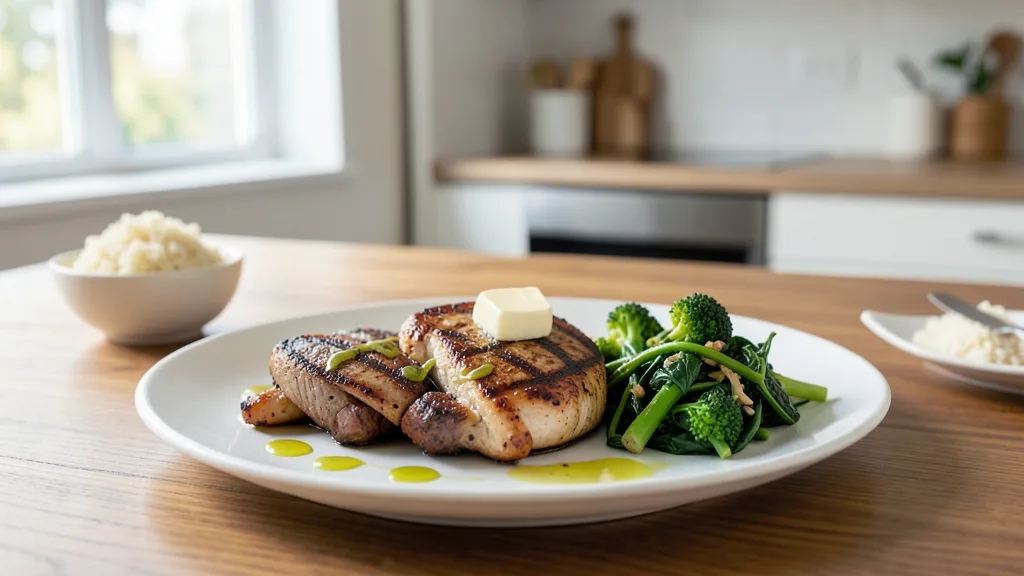
The Macronutrient Framework I Used
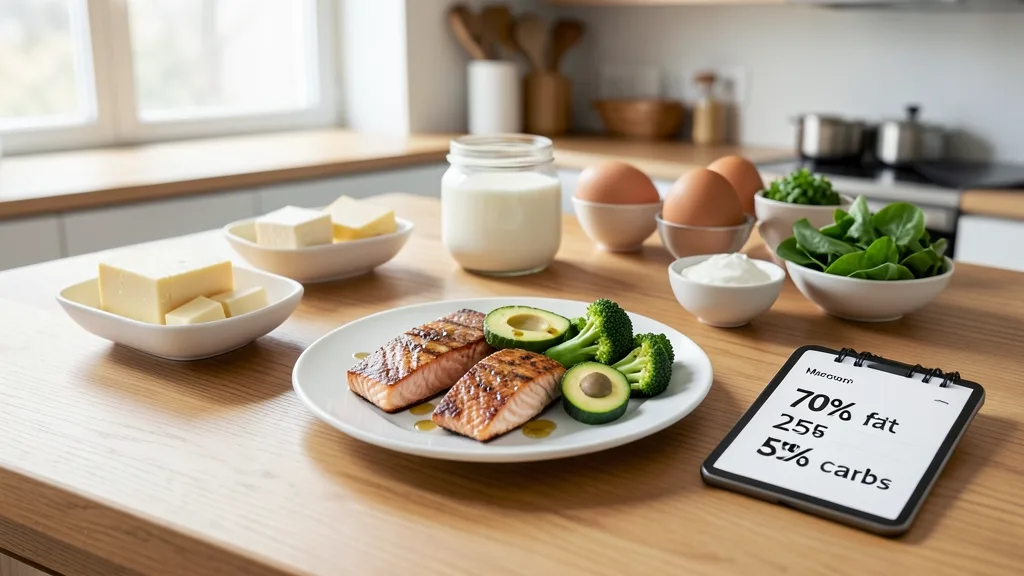
My daily targets during the 30 days were roughly 70 percent fat, 25 percent protein, and 5 percent carbohydrates. In practical terms, that meant aiming for 130-150 grams of fat, 100-120 grams of protein, and staying under 25 grams of net carbohydrates. I used the Cronometer app to track everything for the first two weeks, then relied on pattern recognition in weeks three and four.
- Fat sources I used most: avocado oil, grass-fed butter, heavy cream, full-fat coconut milk, olive oil, cheese
- Protein anchors I rotated: salmon, chicken thighs, grass-fed beef, pork belly, sardines, eggs
- Low-carb vegetables I relied on: cauliflower, zucchini, spinach, broccoli, cabbage, asparagus, mushrooms
The 25 Keto Dinners That Built My 30-Day Protocol
I want to be clear about how I selected these 25 recipes. They had to meet three criteria. First, they had to be genuinely satisfying, meaning I did not feel hungry an hour later. Second, the prep time had to be under 40 minutes on a weeknight. Third, they had to use ingredients I could actually find at a regular grocery store, not a specialty health food shop.
Week One: The Foundation Meals (Dinners 1-7)
Week one is make-or-break territory. Your body is still transitioning away from carbohydrates, and you will likely feel the keto flu somewhere around day two or three. Headache, fatigue, irritability. This is your body recalibrating, and it passes. The solution is electrolytes and satisfying food.
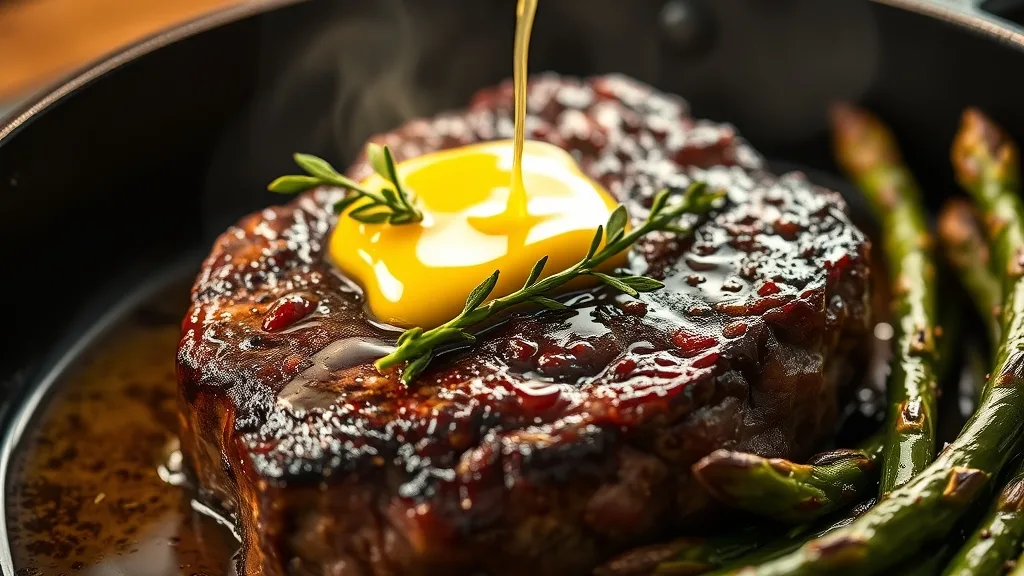
- Butter-Basted Ribeye with Roasted Asparagus – This dinner silenced every craving I had. A ribeye cooked in a cast-iron skillet, finished with 2 tablespoons of grass-fed butter and fresh thyme, served with asparagus roasted at 425 degrees for 12 minutes. 2 net carbs. Deeply satisfying.
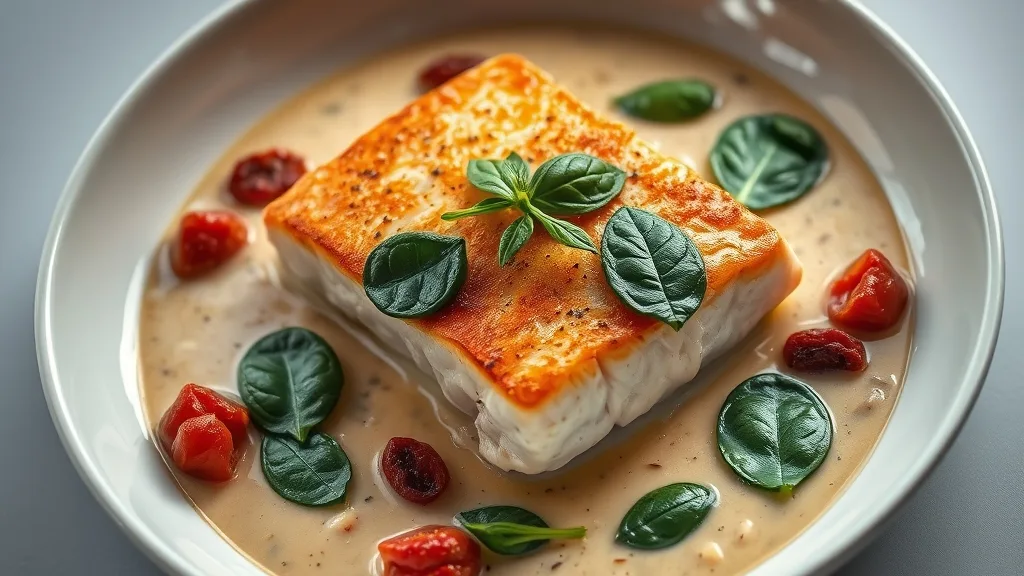
- Creamy Tuscan Salmon – Pan-seared salmon fillet in a cream sauce with sun-dried tomatoes, garlic, and fresh spinach. Heavy cream does the work here. 6 net carbs. This became a weekly staple.
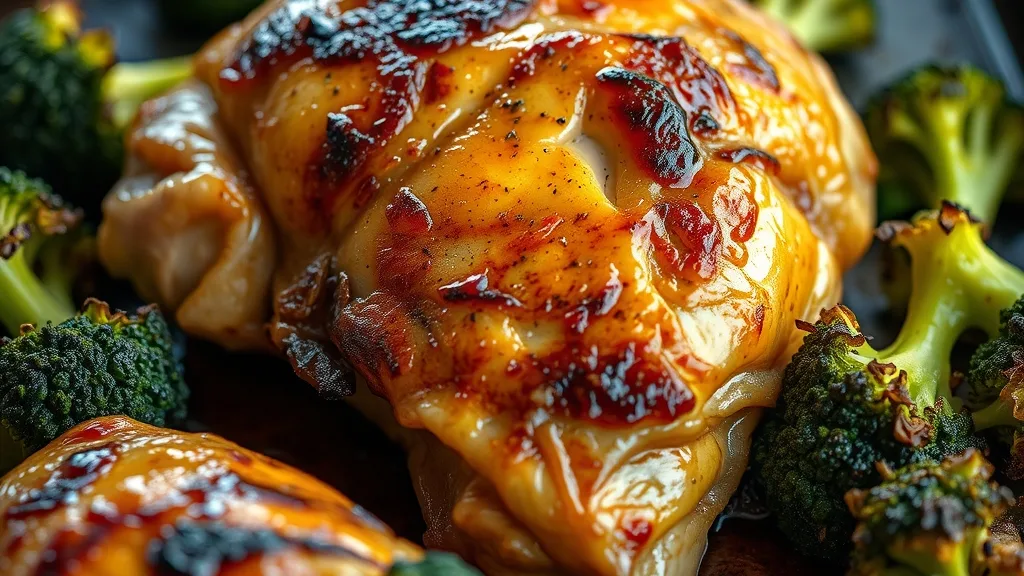
- Sheet Pan Chicken Thighs with Broccoli – Bone-in, skin-on chicken thighs rubbed with paprika, garlic powder, and olive oil, roasted at 400 degrees alongside broccoli florets. 5 net carbs. Essentially no effort.
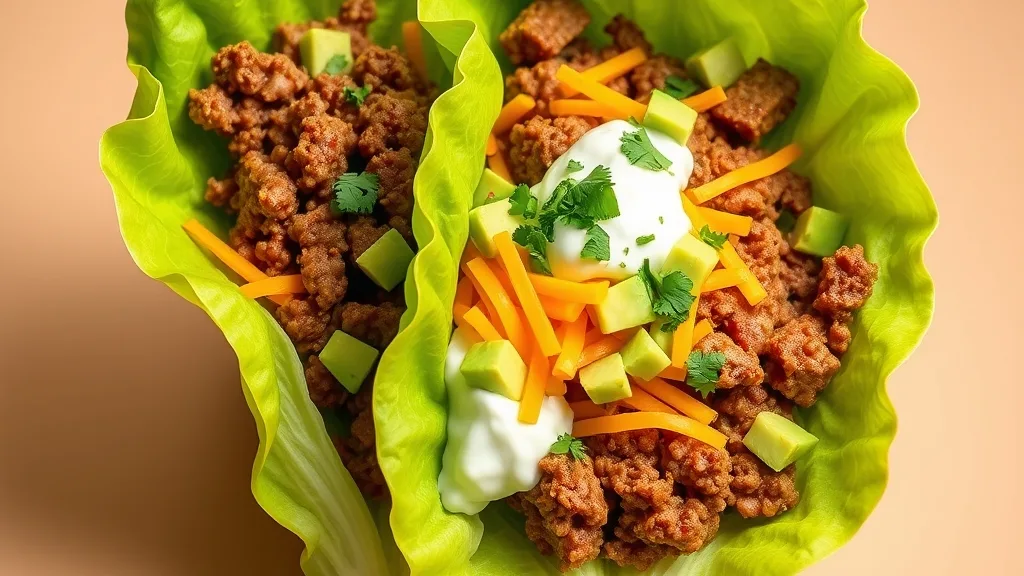
- Ground Beef Lettuce Tacos – Seasoned ground beef with cumin, chili powder, and garlic, wrapped in butter lettuce leaves with sour cream, shredded cheese, and avocado. 4 net carbs. My family ate this without realizing it was keto.
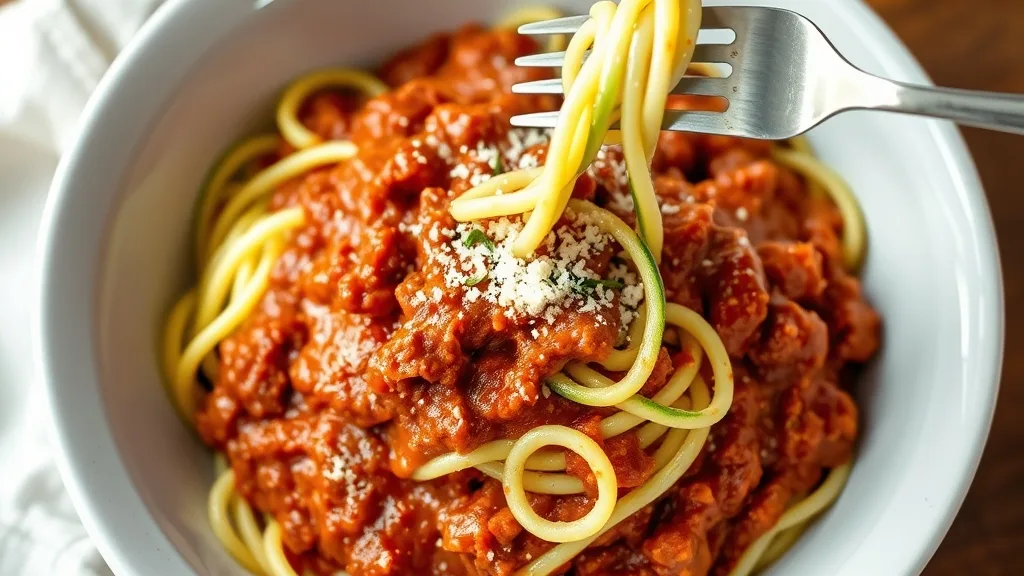
- Zucchini Noodles with Bolognese – Spiralized zucchini topped with a rich beef and tomato bolognese. Crucial tip: salt the zucchini and let it drain for 20 minutes before cooking, otherwise you get a watery mess. 8 net carbs.
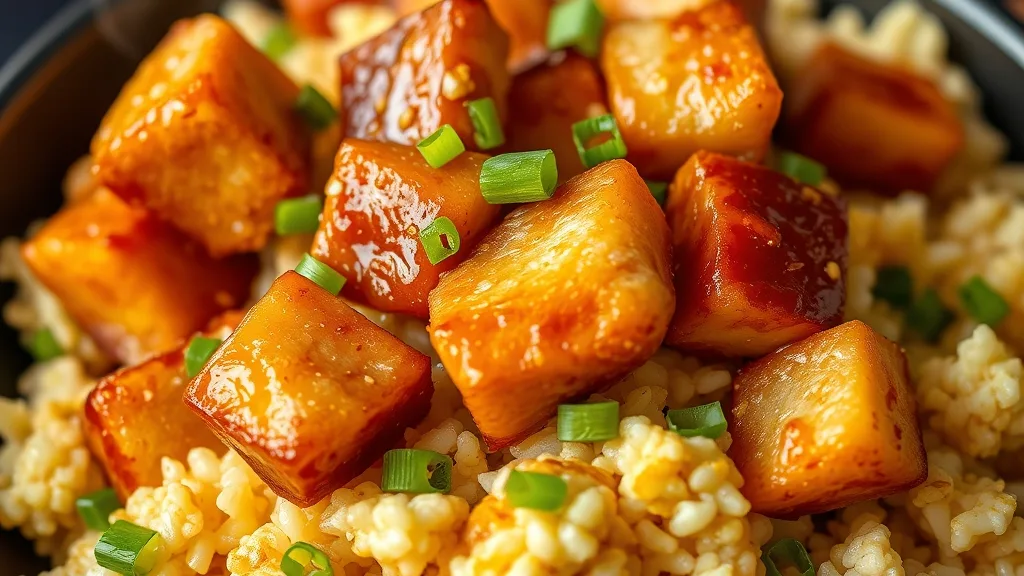
- Pork Belly Fried Cauliflower Rice – Crispy pork belly cubes tossed with cauliflower rice, soy sauce, sesame oil, eggs, and green onions. This one genuinely fooled my cravings for Chinese takeout. 7 net carbs.
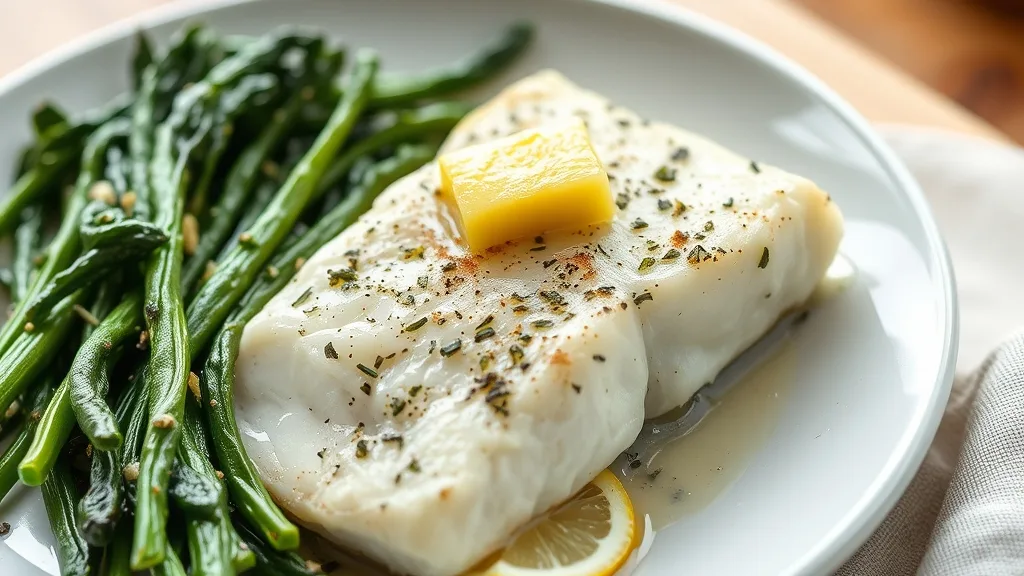
- Baked Lemon Herb Cod with Garlic Butter Spinach – Simple and fast. Cod fillets with lemon zest, herbs, and a pat of butter baked at 375 degrees, paired with spinach wilted in garlic butter. 3 net carbs.
Week Two: Building Confidence (Dinners 8-14)
By week two, something interesting happens. The cravings settle. Not disappear, but settle. I noticed I was no longer thinking about bread at dinner. More importantly, my appetite felt more stable throughout the day. This is the ketones kicking in properly.
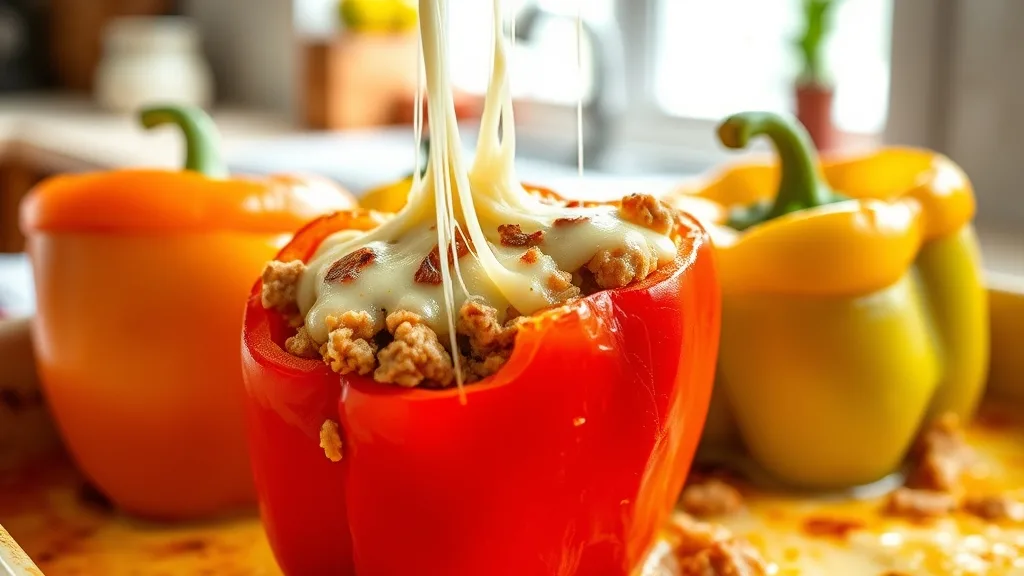
- Cheesy Stuffed Bell Peppers (No Rice) – Bell peppers stuffed with seasoned ground turkey, cream cheese, and shredded mozzarella, baked until bubbling. 9 net carbs. Visually impressive, family-friendly.
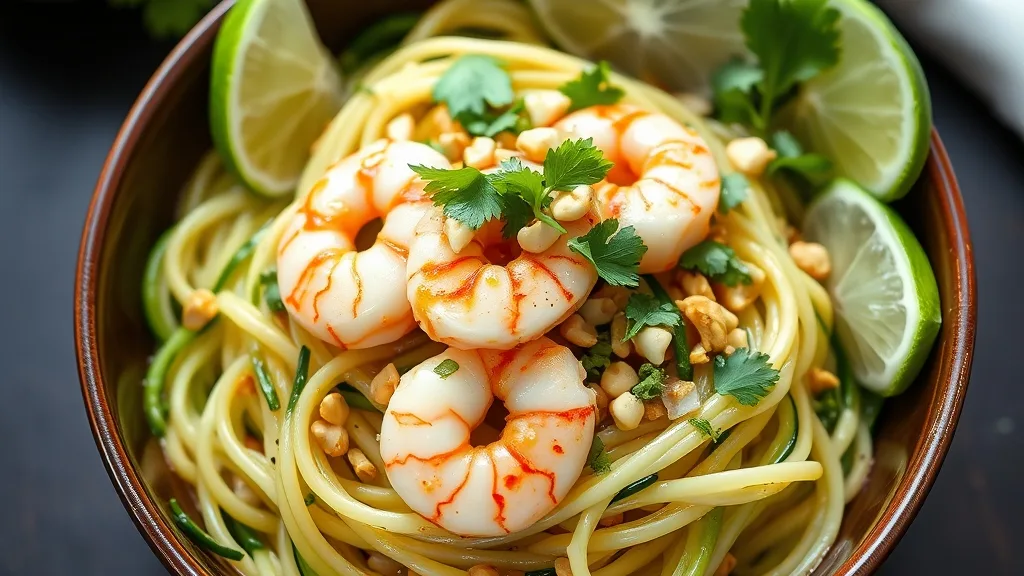
- Thai Peanut Zucchini Noodles with Shrimp – A peanut-lime sauce made with natural peanut butter, coconut aminos, lime juice, and ginger, tossed with shrimp and zucchini noodles. 8 net carbs. Addictive.
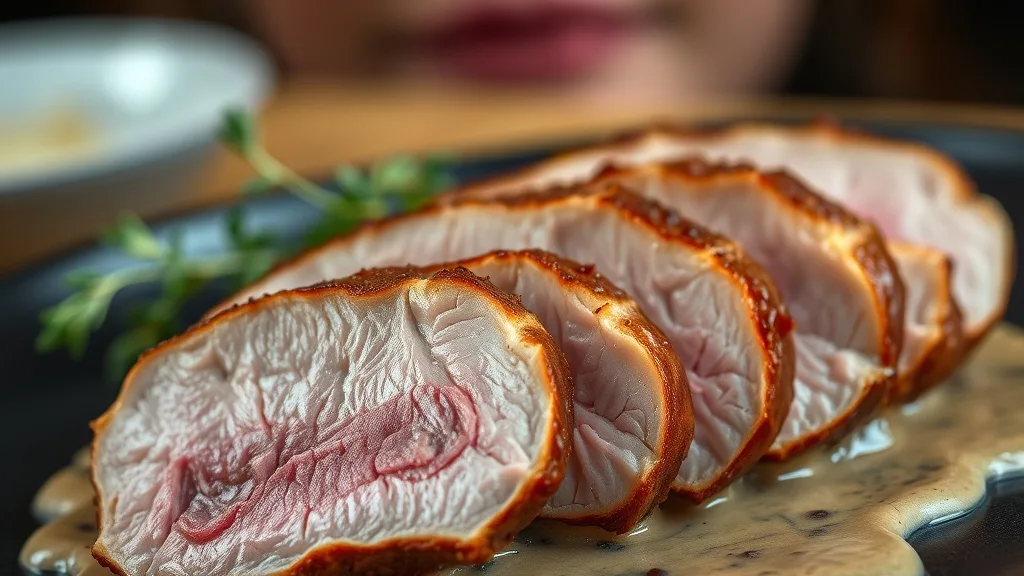
- Pan-Seared Duck Breast with Mushroom Cream Sauce – Duck breast is intimidating until you try it once. Score the fat cap, sear fat-side down for 12 minutes, flip for 3 minutes, rest. Mushroom cream sauce comes together in the same pan. 4 net carbs.
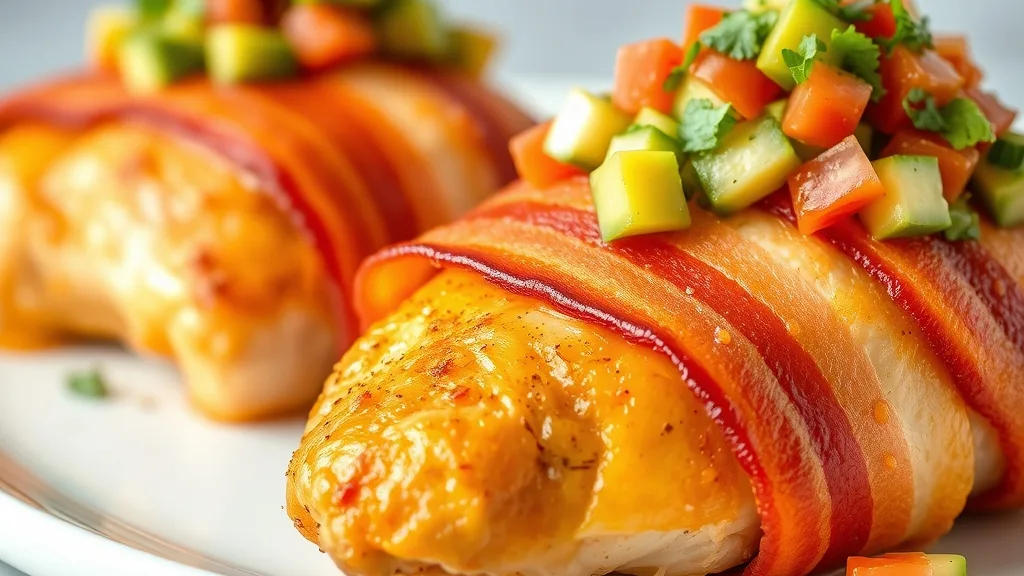
- Bacon-Wrapped Chicken with Avocado Salsa – Chicken breasts wrapped in bacon, baked at 400 degrees until the bacon is crispy. Topped with fresh avocado salsa. 5 net carbs.
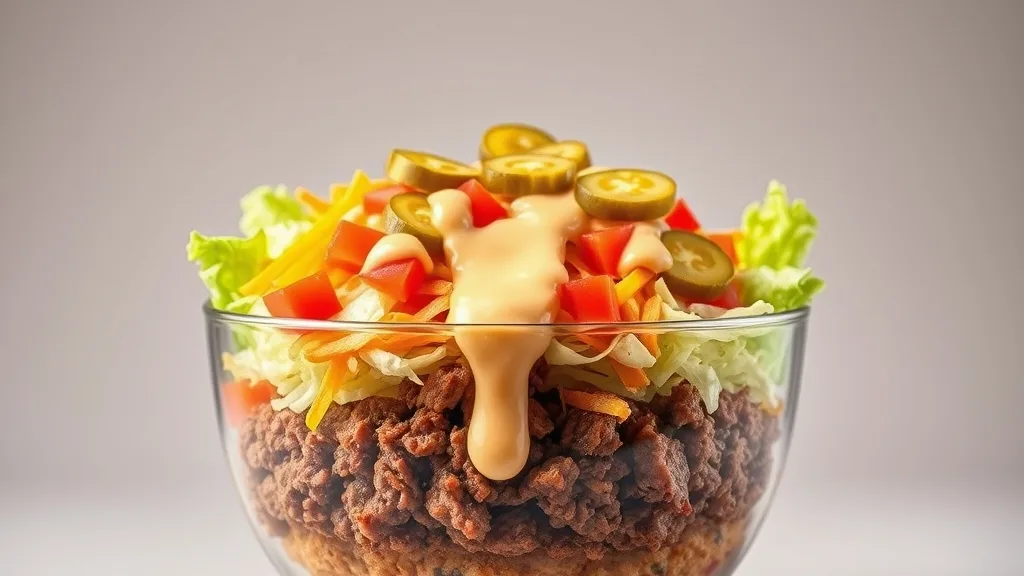
- Keto Cheeseburger Bowl – All the components of a cheeseburger in a bowl: seasoned beef patty crumbles, shredded lettuce, diced tomato, pickles, shredded cheddar, mustard, and a keto-friendly special sauce made with mayo and dill. 6 net carbs.
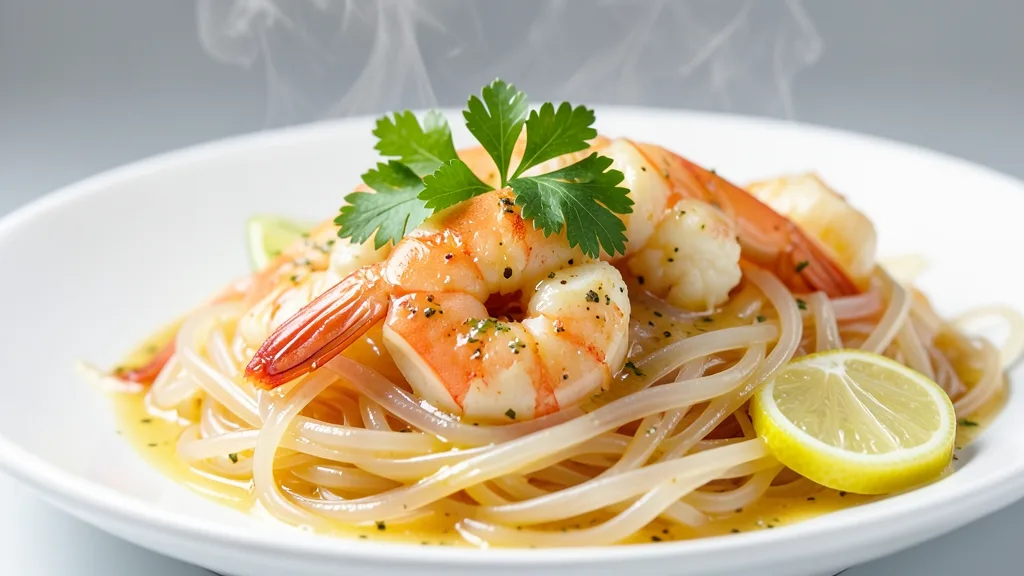
- Shrimp Scampi with Shirataki Noodles – Shrimp in white wine, garlic, lemon, and butter sauce over shirataki noodles. Shirataki noodles are an acquired texture but they work here. 3 net carbs.
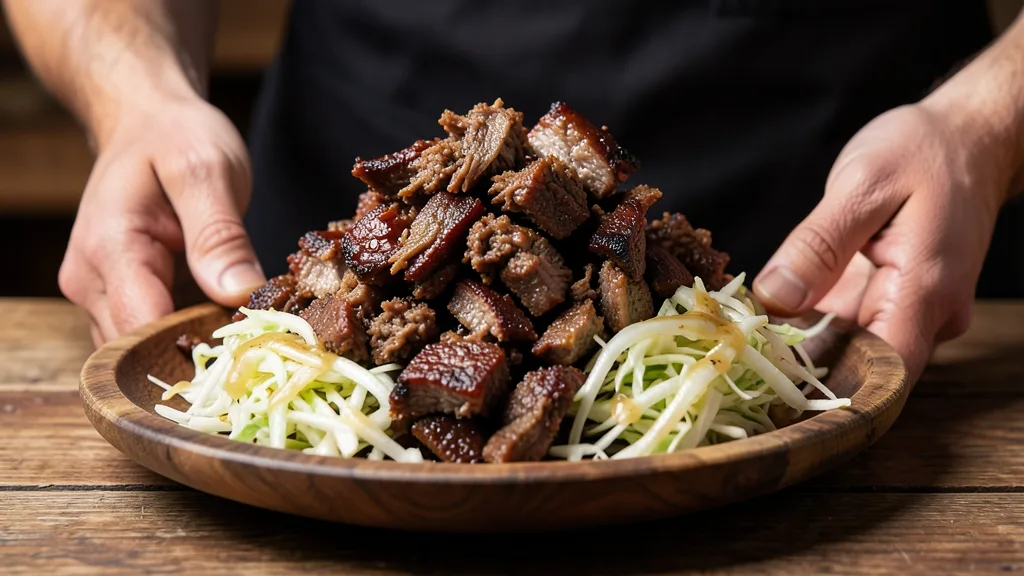
- Slow-Cooked Pulled Pork with Coleslaw – Pork shoulder in the slow cooker with spices and apple cider vinegar for 8 hours. Served over a vinegar-dressed coleslaw. 6 net carbs. Worth every hour of waiting.
Week Three: The Momentum Phase (Dinners 15-20)
Week three is when the results become undeniable. By day 18, I had dropped 7 pounds. My sleep quality improved. I stopped crashing at 3 PM. My partner started asking what I was eating differently. The meals in this week are where I got more creative.
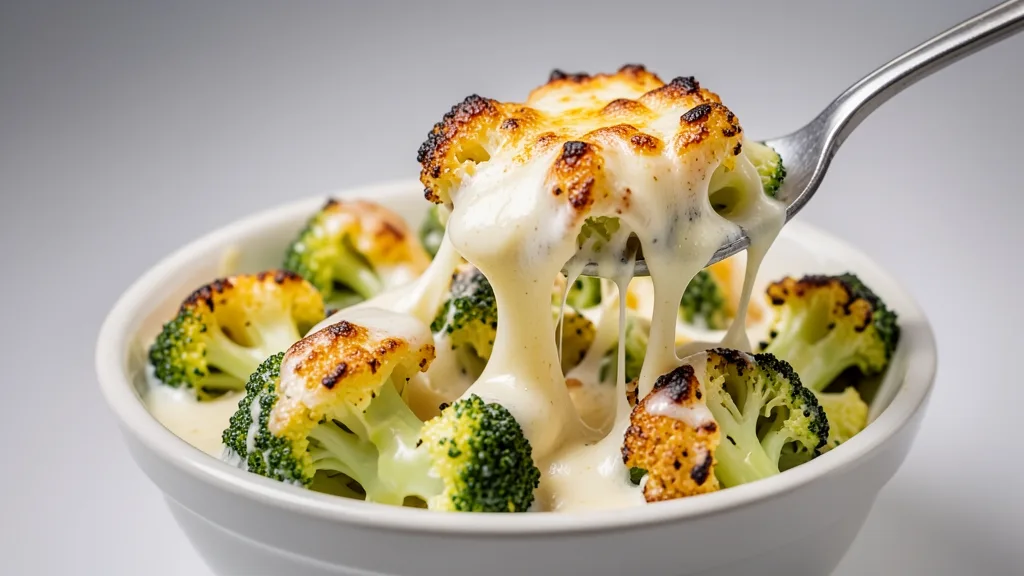
- Cauliflower Mac and Cheese – Roasted cauliflower florets in a homemade three-cheese sauce made with cheddar, gruyere, and cream cheese. Finished under the broiler. 7 net carbs. This one genuinely surprised me.
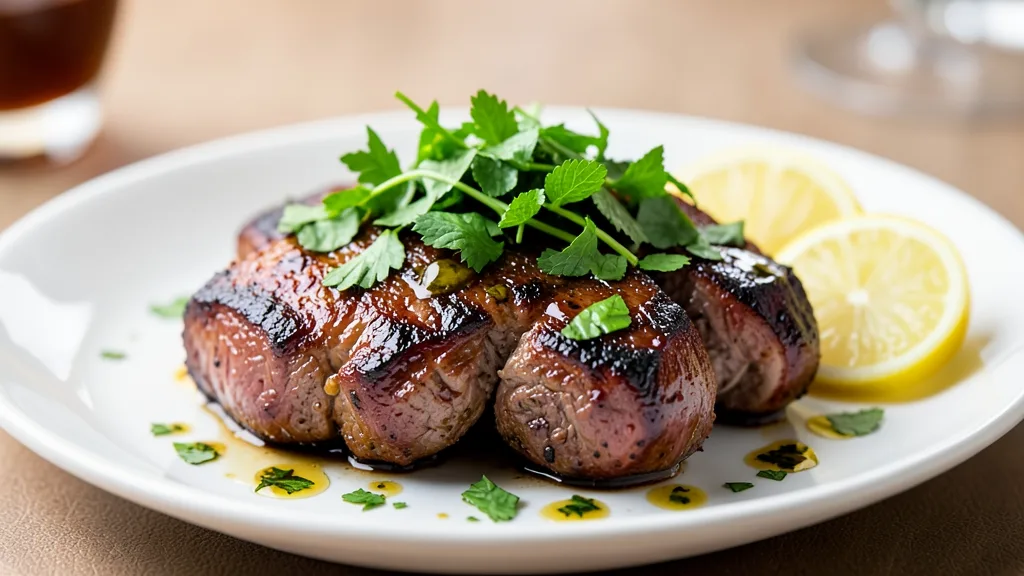
- Lemon Garlic Lamb Chops with Mint Chimichurri – Lamb chops marinated in olive oil, lemon, and garlic, seared hard for 3 minutes per side. Paired with a fresh mint and parsley chimichurri. 2 net carbs. Restaurant quality.
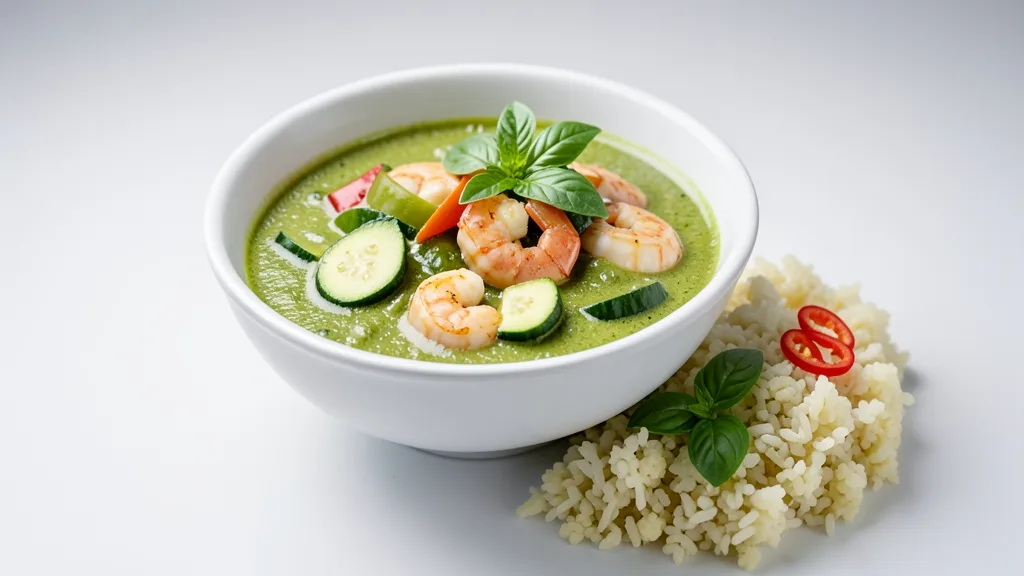
- Thai Green Curry with Coconut Milk and Shrimp – Full-fat coconut milk, green curry paste, shrimp, zucchini, and bell peppers. Served over cauliflower rice. 9 net carbs. This satisfied every craving I had for Thai food.
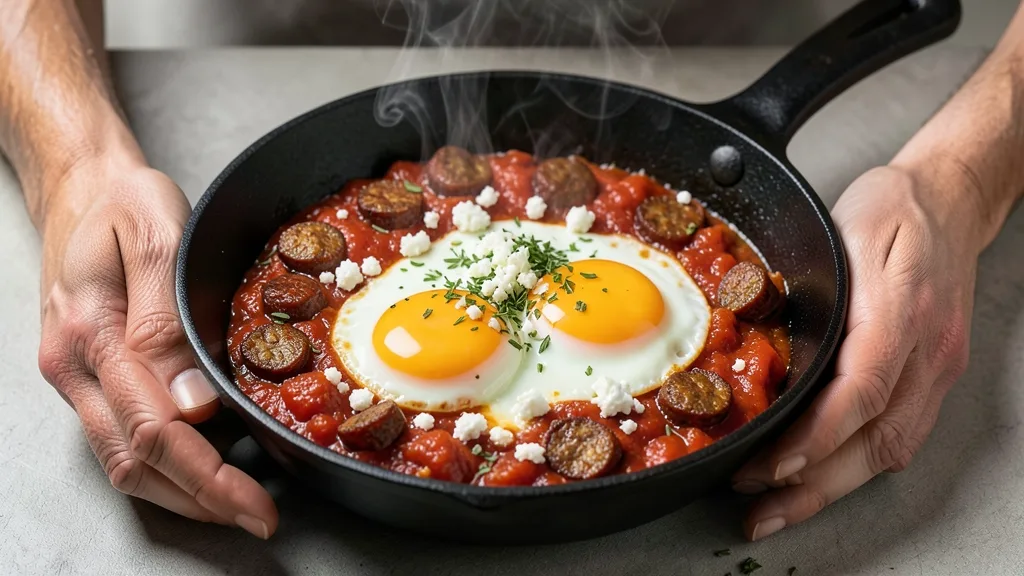
- Egg and Chorizo Shakshuka – Spiced tomato and chorizo base with eggs poached directly in the sauce, topped with feta. 8 net carbs. Dinner that feels like brunch. Perfect.
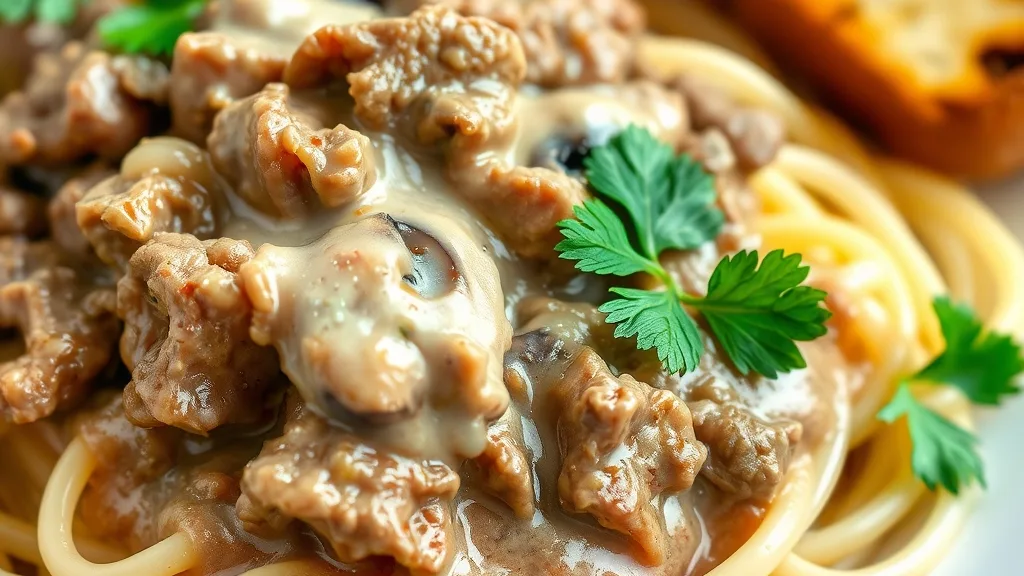
- Keto Beef Stroganoff – Ground beef and mushrooms in a sour cream and beef broth sauce, served over shirataki noodles or zucchini noodles. 7 net carbs.
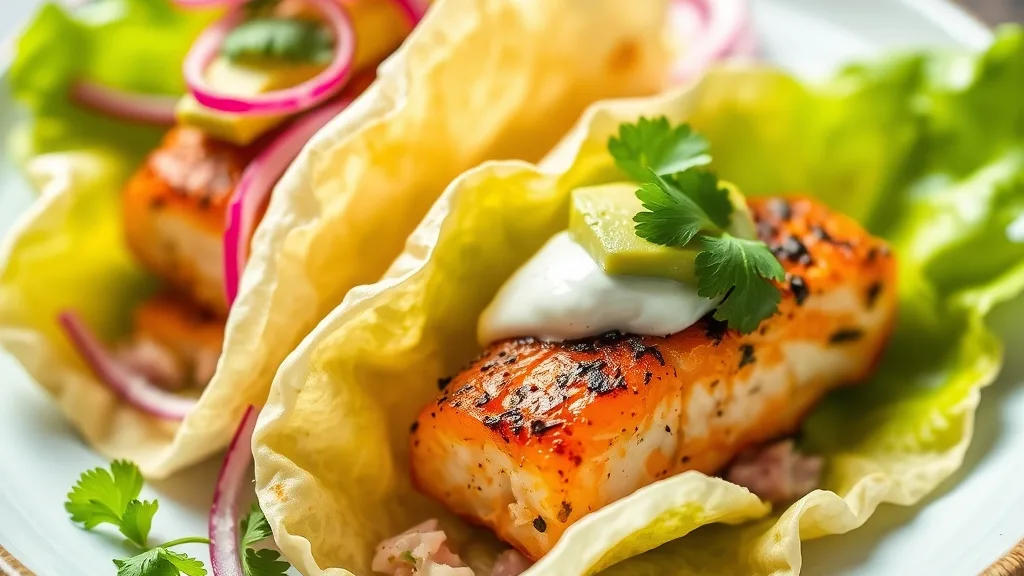
- Blackened Salmon Tacos in Lettuce Cups – Blackened salmon broken into chunks, served in butter lettuce cups with avocado crema, pickled red onion, and cilantro. 5 net carbs.
Week Four: Advanced Recipes and Results (Dinners 21-25)
The final week I challenged myself to cook meals I would have previously considered impossible on a diet. I wanted to prove to myself that keto was sustainable long-term, not just a 30-day sprint.
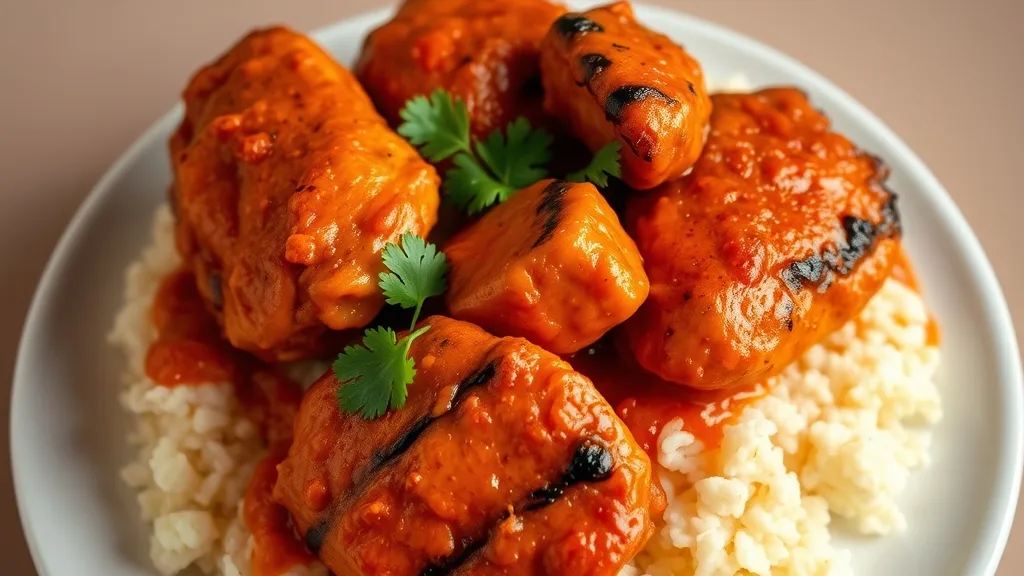
- Keto Chicken Tikka Masala – Chicken thighs marinated in yogurt and spices, grilled, then simmered in a rich tomato and heavy cream masala sauce. Served over cauliflower rice. 10 net carbs. My most impressive dinner of the month.
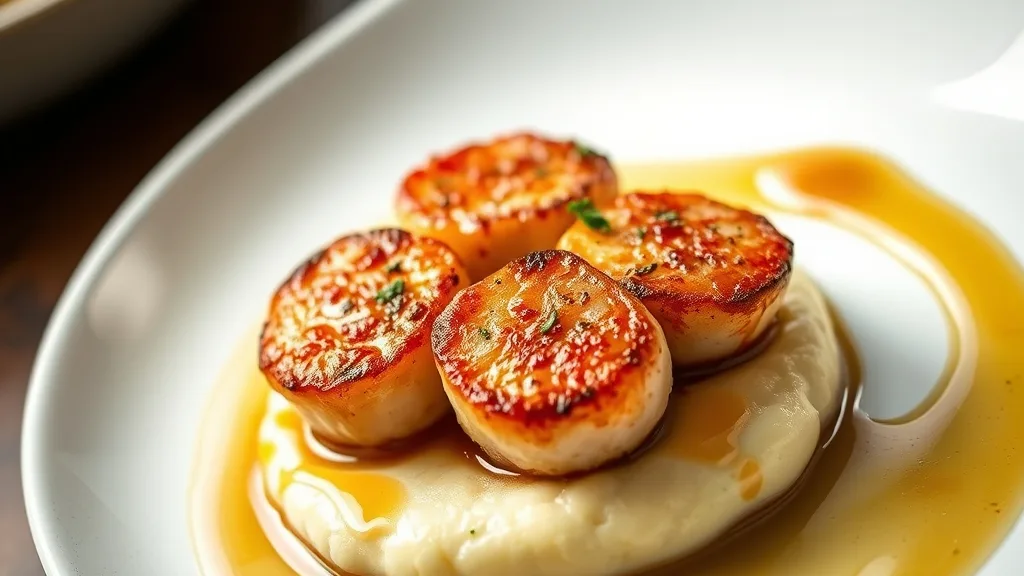
- Seared Scallops with Cauliflower Puree and Brown Butter – Large scallops seared in a smoking-hot pan until golden, served over silky cauliflower puree with a brown butter drizzle. 6 net carbs. Worth the price of good scallops.
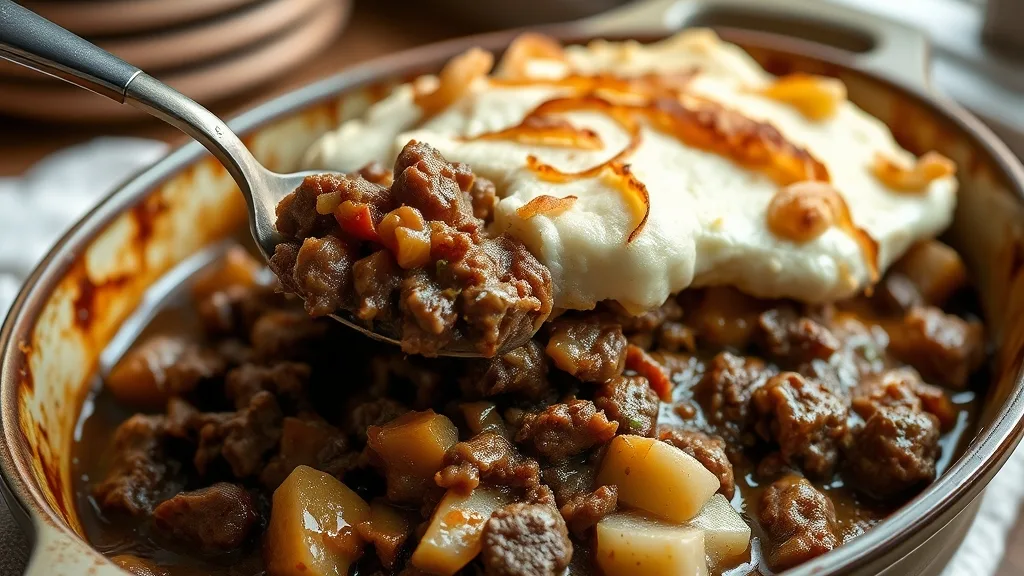
- Deconstructed Shepherd’s Pie – Ground lamb with vegetables in a rich gravy, topped with whipped cauliflower instead of potato. Baked until golden. 9 net carbs.
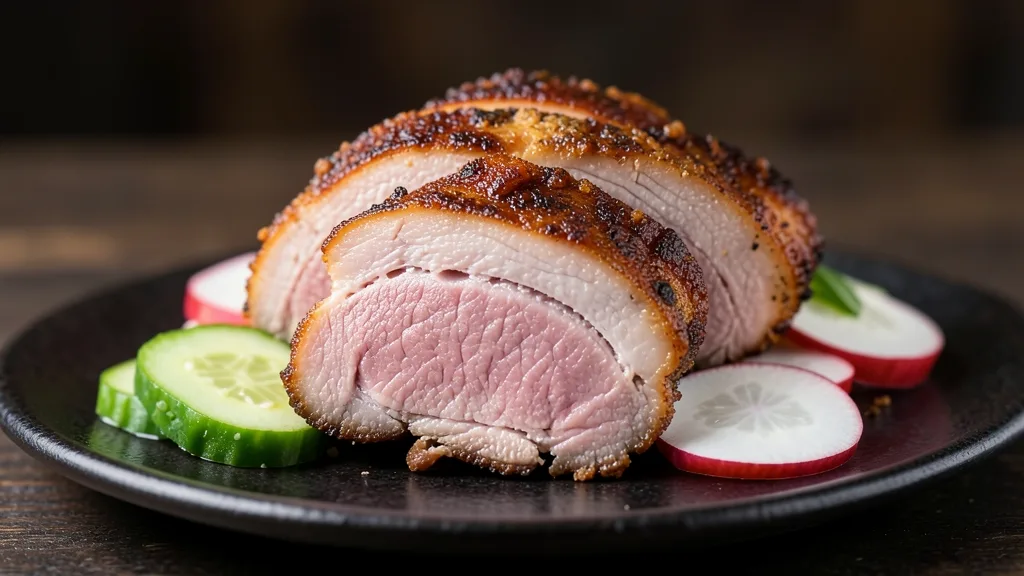
- Crispy Skin Pork Belly with Pickled Vegetables – Slow-roasted pork belly finished at high heat for crackling skin, served with quick-pickled cucumber and radish. 2 net carbs. The crackling alone was worth the effort.
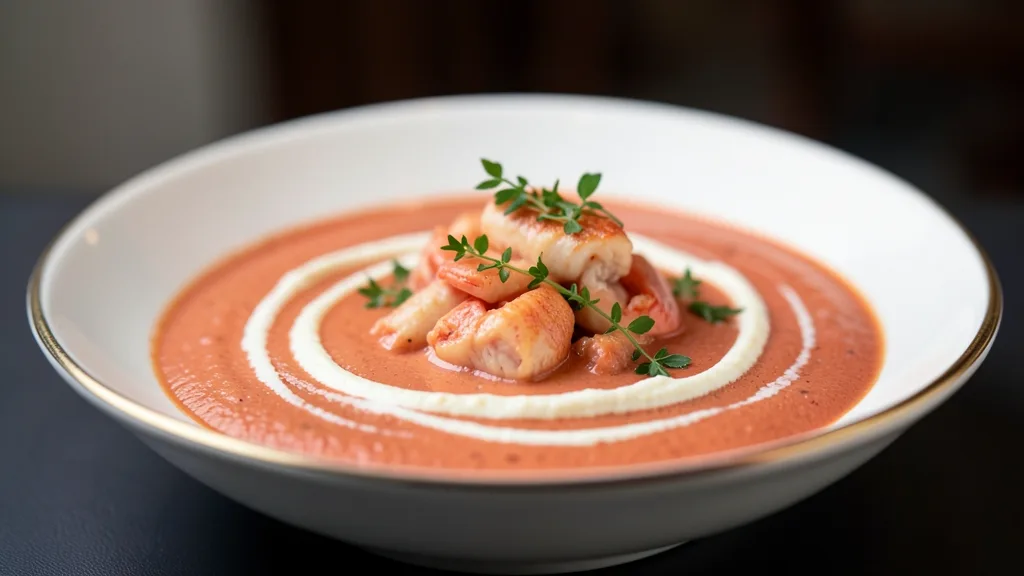
- Lobster Bisque with Cream and Sherry – A proper bisque made from scratch with lobster shells, heavy cream, sherry, and aromatics. 6 net carbs. The celebration dinner for completing 30 days.
My 30-Day Results: The Honest Numbers
Let me give you the actual data because vague claims help nobody. These are my personal results and I am not a doctor or dietitian. Individual results vary significantly based on starting weight, activity level, adherence, hormones, and a dozen other factors.
| Metric | Day 1 | Day 30 | Change |
| Body Weight | 187.4 lbs | 176.0 lbs | -11.4 lbs |
| Energy (1-10) | 5/10 | 8/10 | +3 points |
| Sleep Quality | Poor | Good | Improved |
| Evening Cravings | Daily, intense | Occasional, mild | Reduced ~70% |
| Afternoon Energy Crash | Every day | Rarely | Mostly resolved |
| Cooking Enjoyment | Low | High | Significant shift |
The weight loss came primarily in the first two weeks, which is typical. Some of that early loss is water weight as glycogen stores deplete. The more meaningful change was in weeks three and four when my energy stabilized and my relationship with hunger fundamentally changed.
What I did not expect: I started actually looking forward to cooking dinner. That shift, more than any number on a scale, changed how I viewed food long-term.
The Tools and Brands That Actually Made This Work
I want to be honest about the products I used because I have strong opinions about all of them. None of these are sponsored mentions.
Tracking and Planning
- Cronometer (free and premium, about $35/year): Far superior to MyFitnessPal for micronutrient tracking. Essential for the first two weeks when you are learning portion sizes.
- Carb Manager (free tier is sufficient): Good for quickly checking net carbs on ingredients when grocery shopping.
- A kitchen scale: I used an OXO 5-pound stainless steel scale. This is non-negotiable. Eyeballing portions on keto is how people accidentally stall their progress.
Cooking Equipment That Elevated the Results
- Lodge 12-inch cast iron skillet: Used for nearly every protein. Indispensable for achieving proper sears on salmon, steak, and scallops.
- Instant Pot Duo 7-in-1 (6 quart): The pulled pork and tikka masala would not have happened without it.
- Spiralizer: Essential for zucchini noodles. I used the OXO Good Grips model.
- Immersion blender: Critical for the bisque, the cauliflower puree, and blending cream sauces without transferring hot liquids.
Ingredients Worth the Investment
- Primal Kitchen avocado oil mayo: The best keto-friendly mayo I found. Clean ingredients, good flavor.
- Coconut aminos instead of soy sauce: Slightly lower in sodium and carbs, works identically in cooking.
- Kerrygold grass-fed butter: The flavor difference matters on a diet where butter carries half your meals.
- Anthony’s Goods almond flour: For any baked item or breading. Far better texture than most competitors.
The Biggest Mistakes I Made (And How to Avoid Them)
Nobody talks about the failures enough. Here is what went wrong during my 30 days and what I learned from each mistake.
Mistake One: Not Salting the Zucchini
Day five, I made zucchini noodles without draining them first. The result was a watery, sad soup masquerading as pasta. You must salt spiralized zucchini, let it sit for 20 minutes, then squeeze it in a clean kitchen towel. This one step is the difference between a meal that satisfies and one that disappoints.
Mistake Two: Ignoring Electrolytes
Days two and three I had a headache that I initially blamed on caffeine withdrawal. It was actually low sodium and potassium, the classic keto flu. The fix is straightforward: add more salt to food, consume foods high in potassium like avocado and spinach, and consider supplementing magnesium. I used Natural Calm magnesium powder every evening starting day four and never had the headache issue again.
Mistake Three: Eating Too Much Protein
This is a common misconception: keto is not a high-protein diet, it is a high-fat diet with moderate protein. Excess protein converts to glucose through a process called gluconeogenesis, which can interfere with ketosis. I was eating close to 180 grams of protein in week one. Once I pulled that back to 110-120 grams and increased fat, my energy and results improved noticeably.
Mistake Four: Hidden Carbs in Sauces and Seasonings
I nearly derailed my progress on day 11 with a store-bought curry paste that had 8 grams of carbs per tablespoon. I had used three tablespoons. Always read labels on condiments, spice blends, and prepared sauces. A marinade that seems innocent can demolish your daily carb budget in one application.
What the Research Actually Says About Keto for Weight Loss
I want to ground this in evidence rather than anecdote alone. Here is what current peer-reviewed research shows.
A meta-analysis published in the British Journal of Nutrition in 2013 analyzed 13 randomized controlled trials involving over 1,400 participants. Individuals following a very low-carbohydrate ketogenic diet lost more weight than those following low-fat diets over 12 months, with the difference being statistically significant.
Research published in Nutrition and Metabolism in 2004 by Eric Westman and colleagues at Duke University found that participants following a ketogenic diet for 24 weeks saw significant reductions in body weight, body mass index, blood glucose, and triglycerides. Total cholesterol improved as well.
A 2020 review in Current Obesity Reports noted that while ketogenic diets produce strong short-term results, long-term adherence remains the primary challenge. This aligns entirely with my personal experience. The diet works when you follow it. The question is whether you can sustain it.
My honest opinion: keto is not a forever diet for most people. It is an extraordinarily effective tool for resetting metabolic patterns, breaking carbohydrate dependency, and understanding what food actually does in your body.
Frequently Asked Questions
Can I eat fruit on a keto dinner plan?
Most fruit is too high in natural sugars for a strict keto protocol. Berries are the exception. A small handful of raspberries, strawberries, or blackberries can fit within your daily carb budget. Avoid bananas, grapes, mangoes, and most tropical fruits entirely during a strict 30-day phase.
How do I know if I am in ketosis?
The most accessible method is urine ketone strips, which cost about $10 for 100 strips. They measure acetoacetate, one of the ketone bodies your liver produces. Blood ketone meters are more accurate but more expensive. Practical signs of ketosis include reduced hunger, improved mental clarity, slight fruity odor on breath, and increased urination in the first week.
Will my cholesterol go up on keto?
This is a legitimate concern and the answer is nuanced. Most people see an improvement in the HDL to LDL ratio and a significant reduction in triglycerides. Some people experience a temporary rise in LDL. If you have existing cardiovascular concerns, consult your doctor before starting. Get bloodwork done before and after a 30-day trial so you have actual data rather than guesswork.
What do I do if I accidentally eat carbs?
Do not panic and do not abandon the plan. One off-plan meal does not erase your progress. Simply return to your keto meals at the next opportunity. Binging on carbs after an accidental slip is the real problem, not the initial slip itself. Get back to your protocol and move forward.
Is keto safe for women specifically?
Women may experience different hormonal responses to very low carbohydrate diets. Some women report disrupted menstrual cycles on strict keto, particularly athletes or women with lower body fat percentages. A more moderate low-carb approach with 50-75 grams of carbs per day may work better for hormonal balance. Listen to your body and do not treat any dietary protocol as more important than your hormonal health.
How do I handle keto at restaurants?
Most restaurants are easier to navigate than you expect. Protein with vegetables and a sauce on the side works at almost any establishment. Ask for burgers without the bun, substitue fries for a side salad, request grilled proteins instead of breaded, and always ask about what sauces contain. Steakhouses are the easiest. Italian and Chinese restaurants require the most creativity.
The Conclusion: 30 Days, 25 Dinners, One Genuine Shift
I started this experiment skeptical and mildly desperate. I ended it with a different understanding of my own appetite. The 11.4 pounds mattered less than the realization that I had been eating reactively for years, responding to habit and comfort rather than actual hunger.
These 25 keto dinners are not magic. They work because they are built on real food with real fat and real protein, which triggers genuine satiety signals in ways that refined carbohydrates simply do not. The science backs this up. My scale backed this up. My energy levels backed this up.
If you decide to try this, give yourself the full 30 days before you judge it. Push through the first week when it feels difficult. Track your food honestly, at least in the beginning. And pick dinners you actually want to eat, not ones that feel like penance.
The best diet is not the one with the most rigid rules. It is the one you can follow long enough to see results and learn something real about how your body works.
What has been your experience with low-carb or keto eating? Did you hit the same stumbling blocks I did, or did you find a different rhythm entirely? I would genuinely love to know what worked and what did not for you.
Disclaimer: This article reflects personal experience and general nutritional information. It is not medical advice. Consult a qualified healthcare professional before making significant dietary changes, especially if you have existing health conditions.