
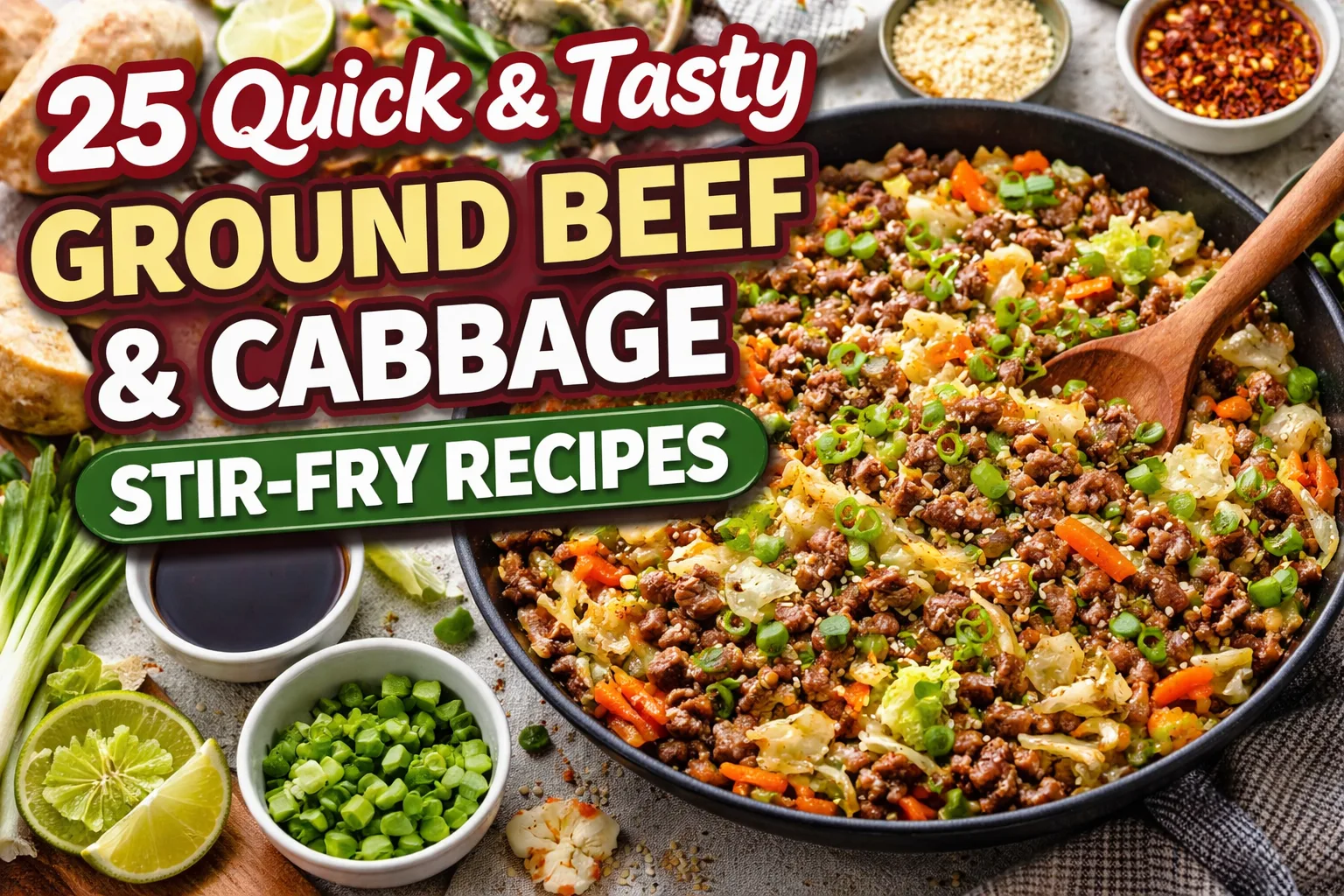
| “I came home exhausted on a Tuesday night. One pound of ground beef, half a cabbage, and 22 minutes later, my family cleared the plate and asked for seconds. That night changed how I cook forever.” |
Ground beef and cabbage stir-fry is one of the most underrated meals in home cooking. It is fast. It is cheap. And when you season it right, it genuinely competes with takeout. Yet most recipe sites give you a bland list and call it a day.
This guide is different. I have cooked these combinations for over eight years, tested dozens of variations, failed plenty of times, and found what actually works on a busy weeknight. Below you will find 25 real, tested ground beef and cabbage stir-fry recipes, plus the technique secrets, seasoning science, and shopping tips that no one else bothers to include.
Whether you are cooking for one, feeding a family of five on $15, or trying to hit your protein macros without spending an hour in the kitchen, this is the only resource you need.
Why Ground Beef and Cabbage Work So Well Together
Here is what nobody tells you: cabbage is not just filler. It is a flavor sponge. When you cook shredded green cabbage in a hot wok with ground beef drippings, it absorbs every bit of that savory fat and becomes something almost meaty on its own. That is the secret behind why this combination punches so far above its price point.
Ground beef brings fat and umami. Cabbage brings crunch, slight sweetness, and bulk. Together, they create textural contrast in every bite. Add soy sauce, garlic, and ginger, and you have a dish that hits all five taste receptors.
From a nutrition standpoint, this pairing is excellent. An 80/20 ground beef and green cabbage stir-fry delivers roughly 28 to 32 grams of protein per serving, along with meaningful amounts of vitamin C, vitamin K, and B12. Cabbage is also a prebiotic food, which supports gut health. Not bad for a $4 dinner.
The Right Cut of Cabbage Makes a Difference
Green cabbage is the standard choice and the best for high-heat stir-frying. It holds its shape, releases minimal water, and caramelizes beautifully. Napa cabbage is softer and cooks faster but can go soggy if your pan is not hot enough. Red cabbage adds visual drama and a slightly peppery bite. Savoy cabbage, with its crinkled leaves, has a more delicate flavor and works well in lighter, broth-based variations.
Why 80/20 Ground Beef Is the Right Choice
I tried leaner ground beef (90/10) for years trying to be healthy. The result was drier, less flavorful stir-fries every single time. The fat in 80/20 is not the enemy. It is the cooking medium. You do not need to add oil when you start with 80/20 because the beef renders enough fat to cook your aromatics and cabbage perfectly. Lean beef requires added oil and still tastes inferior. Stick with 80/20 and simply drain excess fat after browning if you prefer a lighter dish.
The 5 Core Techniques That Separate Good Stir-Fry from Great Stir-Fry
Most people treat stir-fry like scrambled eggs and wonder why their result is gray and steamed instead of golden and fragrant. The technique matters more than the recipe. Master these five steps and all 25 recipes below will come out brilliantly.
- Get the pan screaming hot first. Cast iron or a carbon steel wok at high heat for 90 seconds before adding anything. You want to hear a loud sizzle the instant beef hits the surface. Without that heat, beef steams instead of browns.
- Brown the beef in a single layer and do not touch it. Let it sit for 90 seconds before breaking it up. That first crust is where flavor lives.
- Drain excess fat, but not all of it. Leave about one tablespoon of beef fat in the pan. This is your flavor base for the cabbage.
- Add cabbage in stages. If you dump all the cabbage in at once, the pan temperature drops and you get steamed cabbage. Add half, let it wilt slightly, then add the rest.
- Season at the end. Soy sauce added too early causes steaming and bitterness. Add your sauce in the last two to three minutes of cooking for the best result.
| Pro Tip: The 30-Second Rule
After your sauce hits the pan, stir constantly for 30 seconds on high heat. This caramelizes the sugars in the sauce and coats every strand of cabbage with a lacquered, glossy finish instead of a wet, soupy mess. |
25 Ground Beef and Cabbage Stir-Fry Recipes Ready in 25 Minutes
Every recipe below follows the same base method: brown beef, remove excess fat, cook aromatics, add cabbage, add sauce, finish and serve. What changes is the flavor profile. That is the beauty of this dish. One technique, infinite cuisines.
| # | Recipe Name | Key Flavors & Notes |
|---|---|---|
| 01 | Classic Soy-Ginger | Soy sauce, fresh ginger, garlic, sesame oil, green onions. The foundation recipe. Make this first. |
| 02 | Korean Bulgogi Style | Gochujang, soy sauce, sesame, Asian pear puree, and brown sugar. Serve over steamed rice. |
| 03 | Thai Basil Beef | Fish sauce, oyster sauce, Thai basil, bird-eye chili, and a fried egg on top. |
| 04 | Szechuan Numbing Beef | Doubanjiang, Szechuan peppercorns, dark soy, dry chili. Bold, mouth-tingling heat. |
| 05 | Low-Carb Keto Bowl | Coconut aminos, garlic, ginger, red pepper flakes. Zero sugar, full flavor. Under 8g net carbs. |
| 06 | Teriyaki Beef Cabbage | Homemade teriyaki glaze (soy, mirin, sake, sugar) with sesame seeds. Family favorite. |
| 07 | Mexican Taco-Spiced Fry | Cumin, chili powder, smoked paprika, lime juice, cotija cheese. Serve in lettuce wraps. |
| 08 | Egg Roll in a Bowl | Hoisin, soy, rice vinegar, cabbage, carrots, water chestnuts. All the flavor, none of the frying. |
| 09 | Vietnamese Lemongrass | Lemongrass, fish sauce, lime, chili, and fresh herbs. Light and incredibly fragrant. |
| 10 | Mongolian Ground Beef | Dark soy, hoisin, brown sugar, ginger, scallions. Sweet-savory glaze that clings beautifully. |
| 11 | Japanese Miso Cabbage | White miso paste, mirin, sake, dashi powder. Umami-forward and deeply satisfying. |
| 12 | Indian Spiced Keema | Cumin, coriander, turmeric, garam masala, tomato. Serve with flatbread or rice. |
| 13 | Oyster Sauce Cantonese | Lee Kum Kee oyster sauce, light soy, Shaoxing wine. Classic takeout flavor at home. |
| 14 | Honey Sriracha Beef | Sriracha, honey, soy, garlic, lime. Sweet heat that even spice-shy eaters enjoy. |
| 15 | Black Pepper & Garlic | Freshly cracked black pepper, loads of garlic, butter finish. Simple and deeply savory. |
| 16 | Whole30 Compliant Bowl | Coconut aminos, garlic, ginger, compliant fish sauce, no sugar added. Clean eating done right. |
| 17 | Fried Rice Style | Add day-old rice, egg, soy sauce, sesame oil. Turns the stir-fry into a complete meal. |
| 18 | Mediterranean Beef | Za’atar, lemon, olive oil, garlic, fresh mint. Unexpected and absolutely delicious. |
| 19 | Peanut Butter Noodle | Peanut butter, soy, rice vinegar, chili oil, served over vermicelli. Satay-adjacent magic. |
| 20 | Smoky Chipotle Beef | Chipotle in adobo, cumin, orange juice, soy sauce. Smoky, citrusy, and bold. |
| 21 | Garlic Butter Herb Fry | European-style butter, garlic, thyme, Worcestershire. Comfort food with a French accent. |
| 22 | Chili Oil Mapo Style | Lao Gan Ma chili oil, ground beef, tofu cubes, cabbage, Szechuan seasoning. Hearty and warming. |
| 23 | Tangy Tamarind Beef | Tamarind paste, palm sugar, fish sauce, chili, shallots. Southeast Asian sweet-sour profile. |
| 24 | Sheet Pan Variation | Same flavors, hands-off method. Roast at 425 degrees F for 20 minutes. Great for meal prep. |
| 25 | Napa Cabbage Soup Fry | Add chicken broth, ginger, soy. Half stir-fry, half soup. Perfect for cold nights. |
The Ultimate Sauce Cheat Sheet
Every great stir-fry lives or dies by its sauce. Here is my go-to ratio framework that I have refined over hundreds of batches. Think of it as a formula, not a fixed recipe.
| Flavor Profile | Base Sauce | Acid | Heat | Sweetener |
|---|---|---|---|---|
| Classic Asian | Soy sauce | Rice vinegar | Chili flakes | Brown sugar |
| Korean | Gochujang + soy | Apple or pear | Gochugaru | Honey |
| Low-Carb/Keto | Coconut aminos | Lime juice | Sriracha | Monk fruit |
| Southeast Asian | Fish sauce + oyster | Tamarind or lime | Bird-eye chili | Palm sugar |
| Mexican Fusion | Worcestershire + lime | Lime juice | Chipotle | None or honey |
The Golden Ratio: For a single pound of beef and half a head of cabbage: 3 tablespoons soy sauce, 1 tablespoon rice vinegar, 1 teaspoon sesame oil, 1 teaspoon sugar, 1 teaspoon cornstarch mixed with 2 tablespoons water. Mix before the beef hits the pan. Add in the final two minutes. You will never have a watery stir-fry again.
Budget Breakdown: What This Meal Actually Costs
One of my strongest opinions about food is this: you should never have to choose between eating well and eating affordably. This dish proves that those two goals are not in conflict.
As of March 2026, in most US grocery stores, one pound of 80/20 ground beef costs between $4.50 and $6.00. Half a head of green cabbage (about 600 grams) runs $0.80 to $1.20. Garlic, ginger, and basic pantry sauces add roughly $0.50 per serving. Total cost for four generous portions: $6.50 to $8.00, or under $2.00 per serving.
For comparison, a single takeout stir-fry entree averages $12 to $16 in 2026. This home version saves you $10 to $14 per meal with superior ingredient control and roughly the same cook time including delivery wait.
Meal Prep and Storage Guide
Ground beef and cabbage stir-fry meal preps beautifully, but there is one mistake I see constantly: people store the stir-fry with the rice mixed in. Do not do that. The rice absorbs all the sauce and turns the leftovers into a dense, dry block by day two.
Storage Best Practices
Store the stir-fry mixture separately in an airtight glass container. It keeps well in the refrigerator for up to four days. For longer storage, portion into silicone freezer bags and freeze flat for up to three months. Reheat in a hot skillet with one tablespoon of water to restore moisture. Microwave reheating works but produces a softer texture.
Which Recipes Freeze Best
Recipes 1 through 6, 10, 11, and 13 freeze excellently because their sauces are oil and soy-based. Recipes with fresh herbs (9, 18) are better eaten fresh as the herbs lose their brightness after freezing. Peanut sauce variations (19) can separate when frozen but reheat fine with stirring.
Common Mistakes and How to Fix Them
I have made every mistake on this list personally, which is why I can tell you exactly what causes each one and how to fix it fast.
Soggy Cabbage Syndrome
The pan was not hot enough, or too much cabbage was added at once. Fix: use maximum heat and add cabbage in two batches. If the cabbage is already soggy, crank the heat and stir vigorously for 60 to 90 seconds to cook off the water.
Bland, Flat Flavor
This usually means under-seasoned beef and sauce added too early. Always season the raw beef with salt and pepper before browning. Add sauce only in the final two minutes. Finish with a small splash of rice vinegar or lime juice right before serving to brighten all the flavors dramatically.
Gray, Steamed Beef Instead of Browned Beef
The pan was not hot enough before the beef went in, or the pan was overcrowded. One pound of beef in a 10-inch skillet is the maximum. If you are doubling the recipe, cook the beef in two batches. There is no shortcut here.
Too Much Grease
After browning the beef, tilt the pan and spoon out all but one tablespoon of fat. A paper towel pressed gently into the excess fat also works well. This simple step eliminates the greasy mouthfeel without sacrificing flavor.
Tools That Actually Make a Difference
You do not need expensive equipment, but a few tools genuinely change the result. Based on personal use across hundreds of stir-fry sessions, here is what I recommend.
For the pan, a Lodge 12-inch cast iron skillet (currently around $30 to $40) is my everyday choice. It holds heat better than any non-stick and develops a beautiful sear. For faster cleanup and lighter weight, the Made In carbon steel wok (around $85) is exceptional and heats faster than cast iron on a gas burner.
For prep, a Kyocera ceramic mandoline ($25 to $35) slices cabbage to uniform thickness in two minutes flat, which means more even cooking. A sharp chef knife works fine, but the mandoline saves meaningful time.
For sauces, keep Lee Kum Kee oyster sauce and Kikkoman soy sauce in your pantry at all times. Both are widely available, consistently good, and affordable. The Lee Kum Kee brand in particular has a richness that store-brand equivalents simply do not match.
Nutritional Profile at a Glance
One serving (approximately 350 grams) of the classic soy-ginger version provides roughly: 380 to 420 calories, 30 grams of protein, 18 grams of fat, 14 grams of carbohydrates, and 4 grams of fiber. For the keto variation using coconut aminos and no sugar, carbs drop to under 8 grams per serving. This makes it one of the most macro-efficient quick meals available.
Frequently Asked Questions
Can I use frozen ground beef for stir-fry?
Yes, but thaw it completely first. Partially frozen beef will steam rather than brown in the pan. Thaw in the refrigerator overnight or submerge the sealed package in cold water for 30 to 45 minutes. Never cook beef straight from frozen for stir-fry purposes. The texture suffers significantly and you lose all the browning that creates flavor.
What can I substitute for soy sauce?
Coconut aminos are the best substitute for a soy-free or lower-sodium version. They are slightly sweeter and less salty, so reduce any added sugar in the recipe. Tamari is a gluten-free soy sauce alternative with nearly identical flavor. Worcestershire sauce can work in Western-style variations but changes the flavor profile noticeably.
How do I keep cabbage crisp and not mushy?
High heat, short cook time, and dry cabbage are the three keys. Pat cabbage dry after washing, use maximum burner heat, and cook cabbage for no more than three to four minutes total. You want it wilted but still with a slight bite. Once it goes past that window, it continues softening and you cannot reverse the process.
Is this recipe good for weight loss?
It is one of the better options for satiety per calorie. The protein from beef and fiber from cabbage both contribute to fullness. Using 90/10 lean beef, skipping added sugar in the sauce, and serving without rice brings a full portion under 300 calories while keeping protein above 28 grams. That is a genuinely effective macro ratio for weight management.
Can I add other vegetables?
Absolutely. The best additions that cook in the same time window as cabbage are thinly sliced carrots, snap peas, bean sprouts, and bell peppers. Add harder vegetables like carrots at the same time as the cabbage. Add softer vegetables like bean sprouts in the final 60 seconds. Avoid water-heavy vegetables like zucchini or mushrooms unless you cook them separately first, as they release too much liquid into the pan.
Can I make this dish ahead for a dinner party?
Yes, with one important adjustment. Cook the beef and prepare the sauce ahead of time, but cook the cabbage fresh just before serving. Cabbage that sits for more than 30 minutes loses its texture and releases water. The whole dish comes together in under five minutes if the beef is already cooked. This approach works very well for entertaining without kitchen stress.
Is ground turkey or chicken a good substitute for ground beef?
Ground turkey works well in recipes 1, 7, 9, and 16 where lighter, cleaner flavors are the goal. It is significantly lower in fat, which means you need to add one to two teaspoons of neutral oil to the pan to compensate. Ground chicken has a finer texture and works best in Asian-style sauces. Neither produces the same depth of flavor as 80/20 ground beef, but both are genuinely good in their own right.
Why does my stir-fry always taste watery?
Three common causes: cabbage that was washed but not dried, sauce added too early, or pan temperature that was too low. Fix all three and you will never have a watery stir-fry again. Spin cabbage in a salad spinner after washing, mix your sauce with cornstarch before adding, and preheat the pan for a full 90 seconds on high before any ingredient touches it.
What rice pairs best with these recipes?
Jasmine rice is the most versatile pairing for Asian-style variations. Its slight floral fragrance complements soy and sesame-based sauces beautifully. For Korean and Japanese variations, short-grain rice holds sauce better. For Mexican and Mediterranean versions, skip rice entirely and serve with warm flatbread or in lettuce cups.
How long does it actually take from start to finish?
If your cabbage is pre-shredded and sauce pre-mixed, the actual cook time is 15 to 18 minutes. Add 5 minutes for prep and you are consistently under 25 minutes total. The recipes that take the full 25 minutes are those with marinated beef (recipes 2, 6, 10) where a short 10-minute marinade is recommended before cooking.
| Final Thoughts: The Meal That Earns a Permanent Spot in Your Rotation
Ground beef and cabbage stir-fry is not a compromise meal. It is not something you make when there is nothing else in the fridge. It is a genuinely great dish that deserves the same respect you give to any recipe you have spent time mastering. The 25 recipes above give you a full year of weeknight variety without ever repeating yourself. Master the technique in the first three recipes and the rest become effortless. Buy the Lodge skillet, keep soy sauce and oyster sauce in your pantry, and learn the golden sauce ratio. Which variation will you try first? Are you going straight for the classic soy-ginger, or is the Korean bulgogi calling your name? Drop a comment with your result because the best recipes are the ones that get passed on. |