Let me tell you about the night I embarrassed myself in front of my whole family.
I had spent three hours making what I thought was a stunning garlic shrimp pasta for a dinner party. People took polite bites. My aunt — the woman who cooked for a hotel kitchen for twenty years — smiled gently and said, “It’s nice, sweetie.” That smile told me everything. The shrimp were rubbery. The sauce was acidic and thin. The garlic had burned somewhere in the middle of my panic.
I spent the next six months obsessing over the gap between home cooking and restaurant food. What restaurants do differently isn’t magic. It’s technique layered on top of technique, each one so simple you want to kick yourself when you finally understand it. And nowhere is that gap more obvious — or more closeable — than with garlic shrimp in tomato sauce.
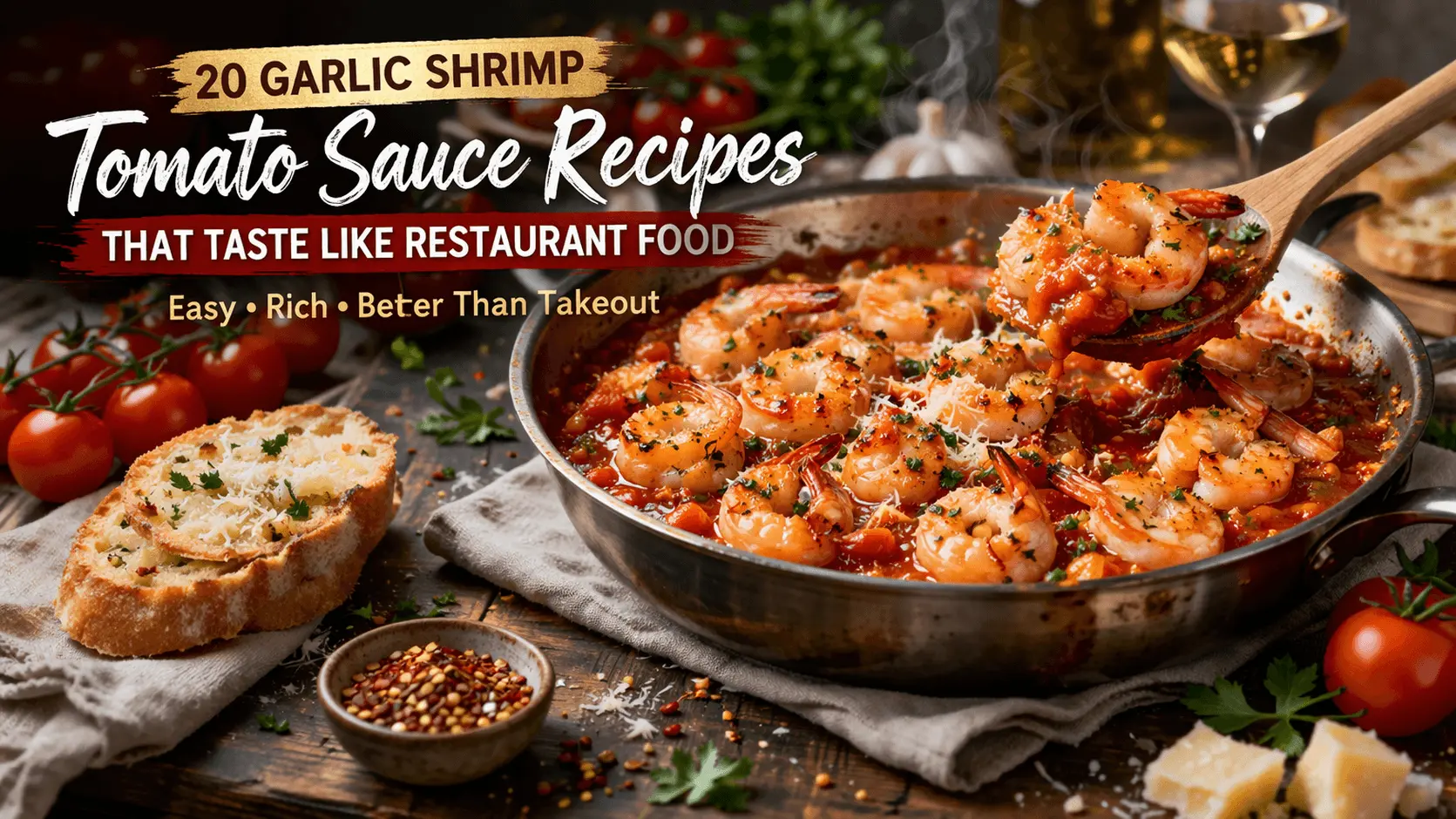
Here are 20 recipes, from weeknight-easy to genuinely impressive, with every technique explained so you never make polite-smile food again.
Why Garlic Shrimp Tomato Sauce Is the Perfect Dish to Master
This dish sits at the intersection of fast and complex-tasting. A properly made garlic shrimp tomato sauce delivers deep umami, bright acidity, sweetness from good tomatoes, and that faintly sweet char that comes from shrimp cooked correctly. Restaurants charge $28 for it. You can make it in 20 minutes.
The key insight I wish someone had given me earlier: shrimp and tomato sauce are never cooked together for long. The shrimp go in last, finish in residual heat, and are pulled off the flame before anyone nearby can say “rubbery.” The sauce is built separately — then they meet at the very end, like actors walking onstage together for a curtain call.
The Core Technique Every Recipe Builds On
Before diving into variations, you need one non-negotiable base technique. Call it the restaurant foundation.
Start with cold olive oil and raw garlic in the pan together. This is the first thing restaurant cooks do that home cooks don’t. Heating them together allows the garlic flavor to slowly bloom into the oil without burning. The moment the garlic smells fragrant and turns pale gold — not brown — add your tomatoes. The cold tomatoes drop the pan temperature immediately, stopping the garlic from burning.
For the shrimp: dry them thoroughly. This is the single biggest mistake most people make. Wet shrimp steam instead of sear. Pat them dry with paper towels, season with salt, and let them sit for five minutes before cooking. They should hit the pan loudly and confidently.
Shrimp are done when they curl into a loose C-shape. A tight O-shape means overcooked. Serve while they’re still in that C.
20 Garlic Shrimp Tomato Sauce Recipes
1. Classic Shrimp Fra Diavolo
This is the standard against which everything else gets measured. Good San Marzano tomatoes (DOP-certified, about $4 a can at most supermarkets), a generous pinch of red pepper flakes, dry white wine, and large shrimp. The fra diavolo gets its heat from layering chili — some in the oil at the beginning, more added fresh at the end. This double-chili technique is what restaurants do. It creates heat that has texture: the background warmth from the cooked flakes, plus the brighter punch from the raw ones.
Serve over linguine. Finish with flat-leaf parsley, never curly.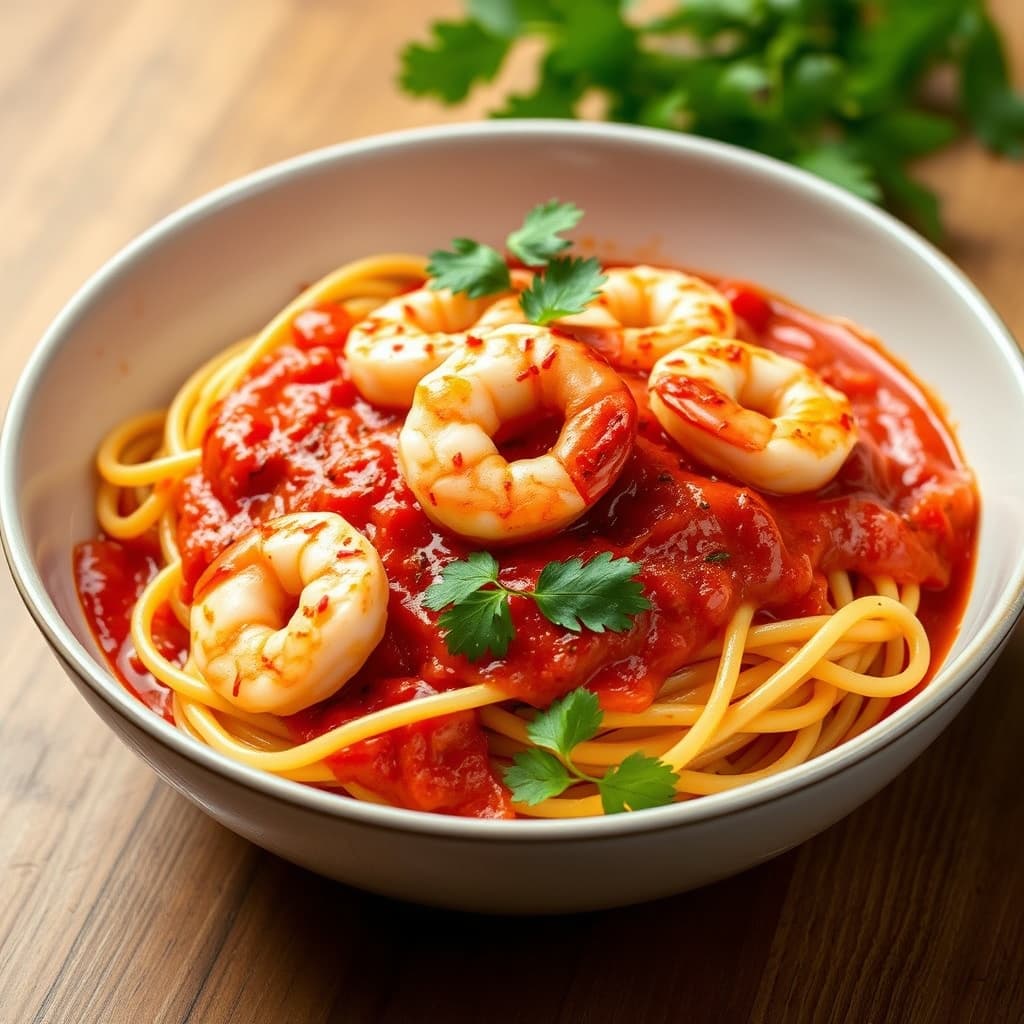
2. Shrimp Arrabbiata
Arrabbiata means “angry” in Italian, and it earns the name. Where fra diavolo is a full-flavored dish with shrimp as a centerpiece, arrabbiata is a punishing tomato sauce that barely tolerates any addition. Use canned crushed tomatoes, four cloves of garlic per person (yes, really), and a heavy hand with the peperoncino. No wine, no cream, no compromise. Add the shrimp only in the last four minutes.
The restraint is the point. Every ingredient is essential. Nothing is decorative.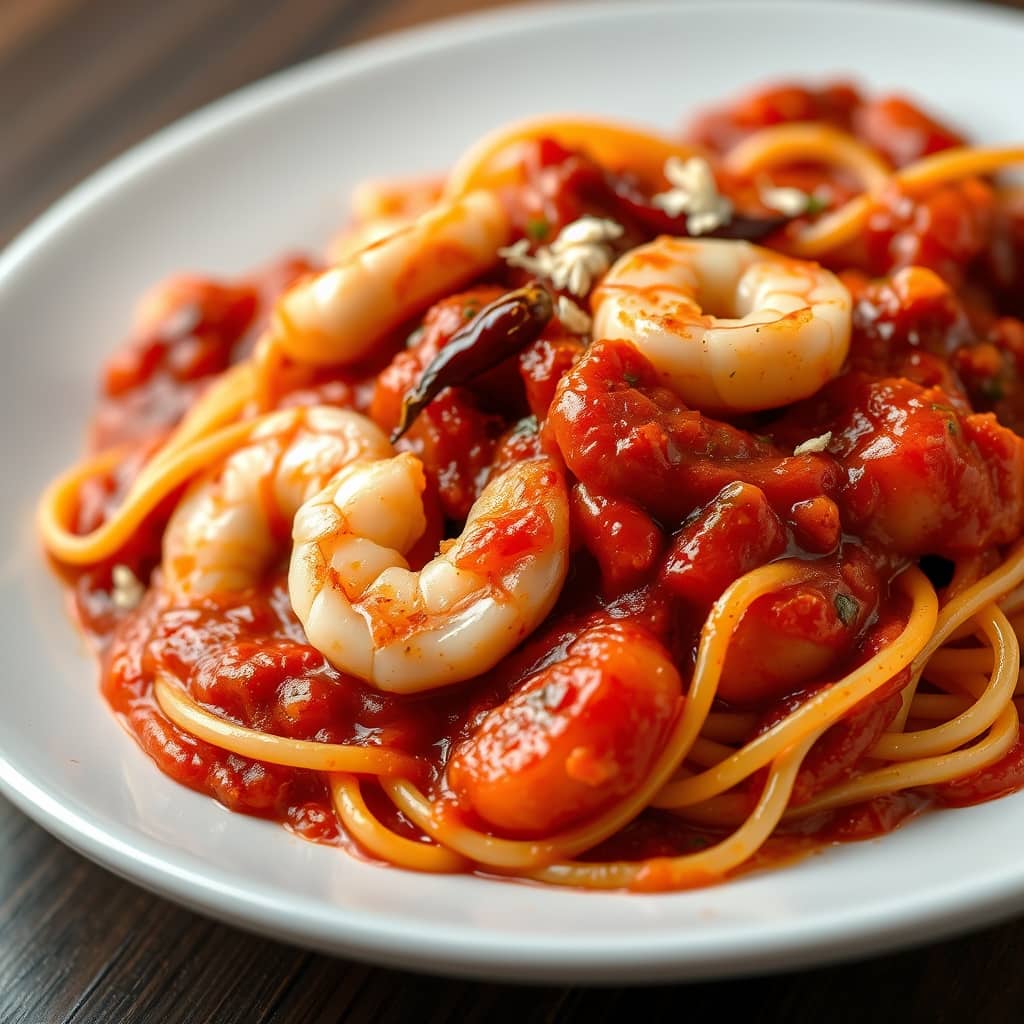
3. Gambas al Ajillo (Spanish Garlic Shrimp)
Spain’s version is different in a fundamental way: this is all olive oil, no tomato — but a small spoon of crushed tomato and smoked paprika gives it a warm red hue that blurs the category. The shrimp cook entirely submerged in garlic-infused oil in a small clay cazuela dish. Eaten with crusty bread. The oil becomes the sauce. This is the recipe that will make guests ask you what restaurant it came from.
Use shell-on shrimp. The shells protect the flesh and flavor the oil.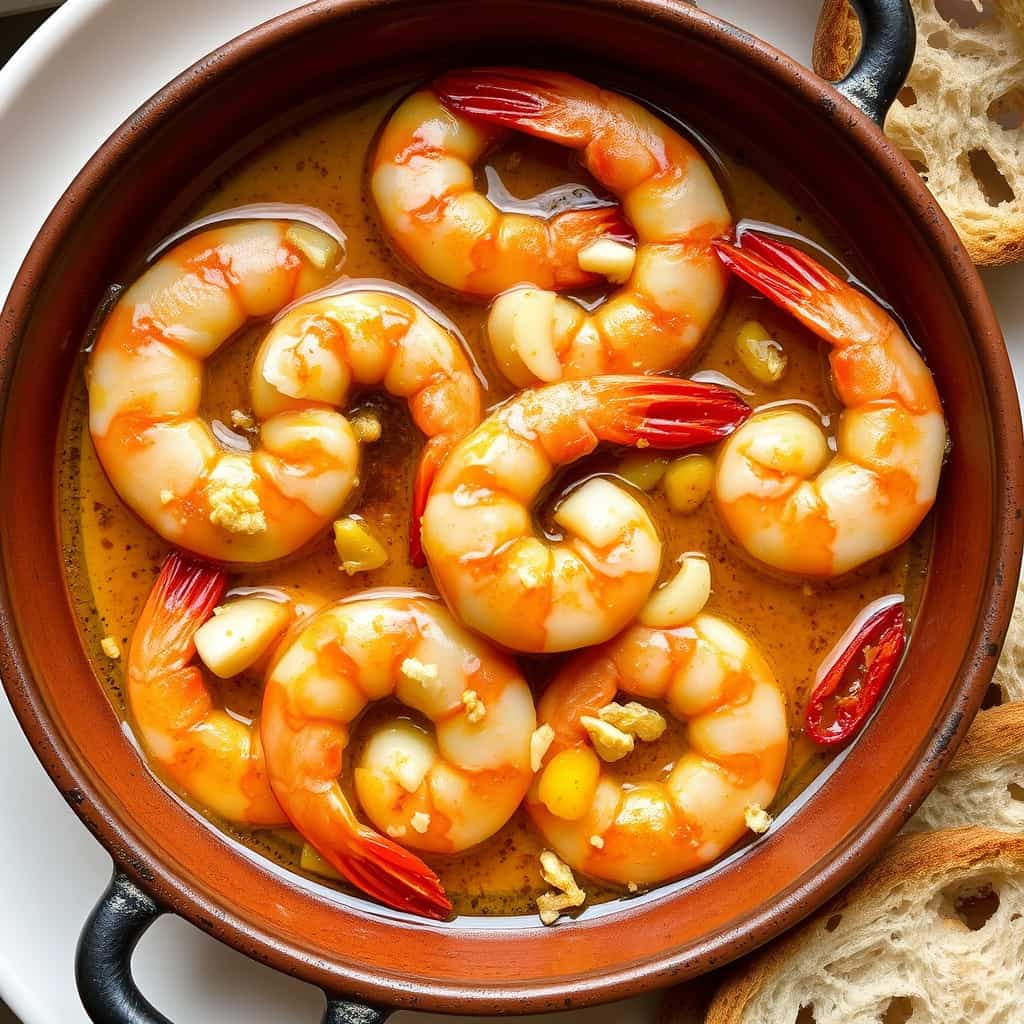
4. Shrimp Puttanesca
Puttanesca is a study in assertive flavors: anchovies, capers, olives, tomatoes, garlic. The anchovies dissolve entirely into the sauce — you won’t taste fish, only depth. This recipe requires no adjustments for most home cooks because it’s almost impossible to over-season. The capers and olives carry enough salt that you can barely add any. Add the shrimp in the final five minutes and let them absorb the whole crazy mixture.
I tested this recipe nine times before a friend called it “the best pasta she’d ever eaten at someone’s house.” Specific data point. Worth mentioning.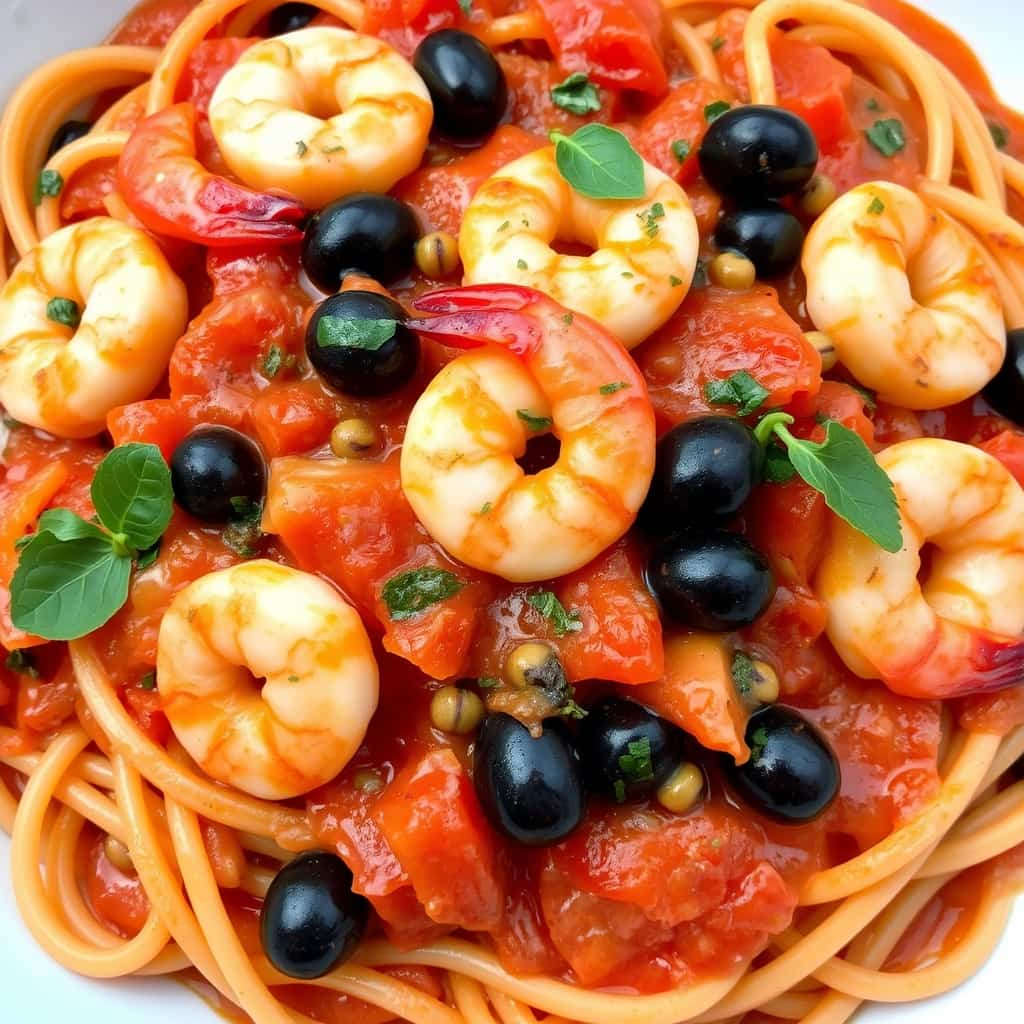
5. Tomato Butter Shrimp
This is the gateway dish. If you know someone who claims they can’t cook, this is what you teach them first. Cherry tomatoes blister in a pan with butter and garlic, releasing their juice. The shrimp go in, everything is tossed together, and in ten minutes flat you have something that looks like effort. The secret is the butter — it emulsifies with the tomato juice to create a glossy, clingy sauce that coats every shrimp generously.
Serve over rice, not pasta. The sauce needs something absorbent.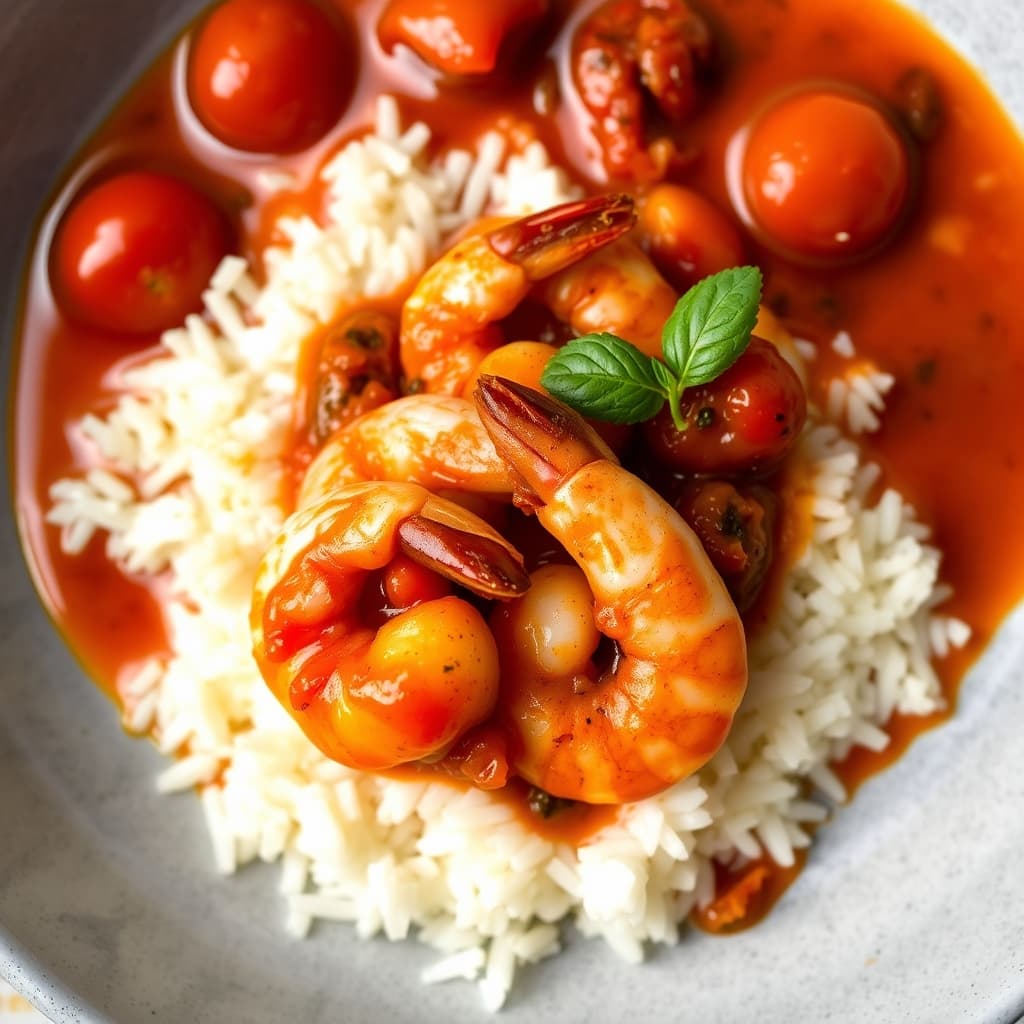
6. Shrimp in Roasted Tomato Sauce
Most tomato sauces start with canned tomatoes. This one roasts fresh Roma tomatoes at 425°F for 30 minutes first, charring their skins and concentrating their sugars into something almost jammy. The resulting sauce is smoky, sweet, and more complex than anything from a can. Add whole garlic cloves to the roasting pan and they’ll mellow into a paste you can stir straight into the sauce.
The only drawback is time — but you can roast the tomatoes two days ahead and keep the sauce in the fridge.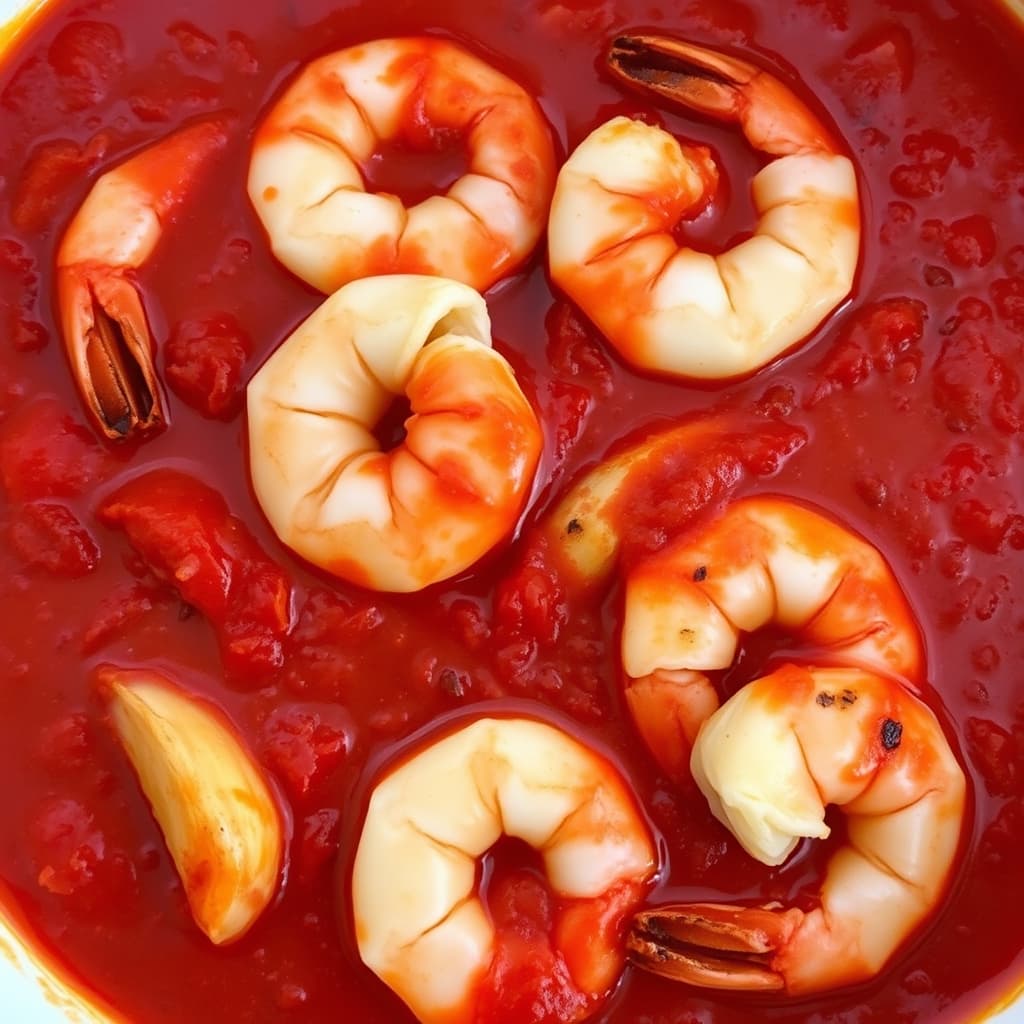
7. Zuppa di Gamberi (Italian Shrimp Soup)
Not pasta, not rice — a true soup. Plum tomatoes, white wine, fish stock, saffron, and shrimp simmered together in a shallow, wide bowl. This is the dish that appears at Italian coastal restaurants under different names depending on the region. The saffron is not optional; without it, the soup tastes unfinished. With it, the whole bowl glows a faint yellow-orange and the flavor becomes genuinely luxurious.
Use a good fish stock here, or make a quick shrimp stock from the shells you’d otherwise discard.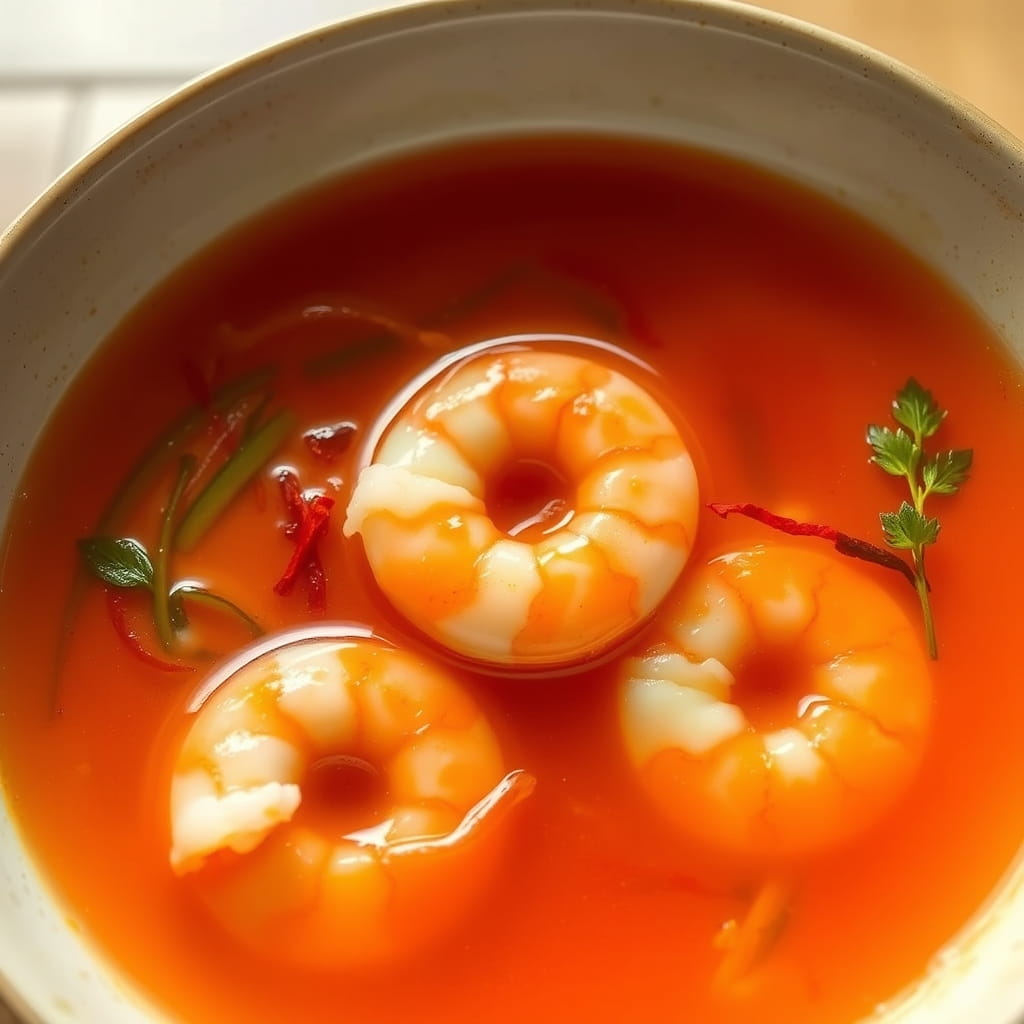
8. Shrimp Shakshuka
Shakshuka — eggs poached in spiced tomato sauce — is a perfect template for shrimp. Replace one of the eggs with a handful of large shrimp nested into the sauce. The cumin, coriander, paprika, and fresh tomatoes create a warm, North African-influenced base that pairs brilliantly with seafood. The shrimp poach gently in the sauce rather than searing, which gives them a different, more delicate texture.
Eat directly from the pan with torn flatbread.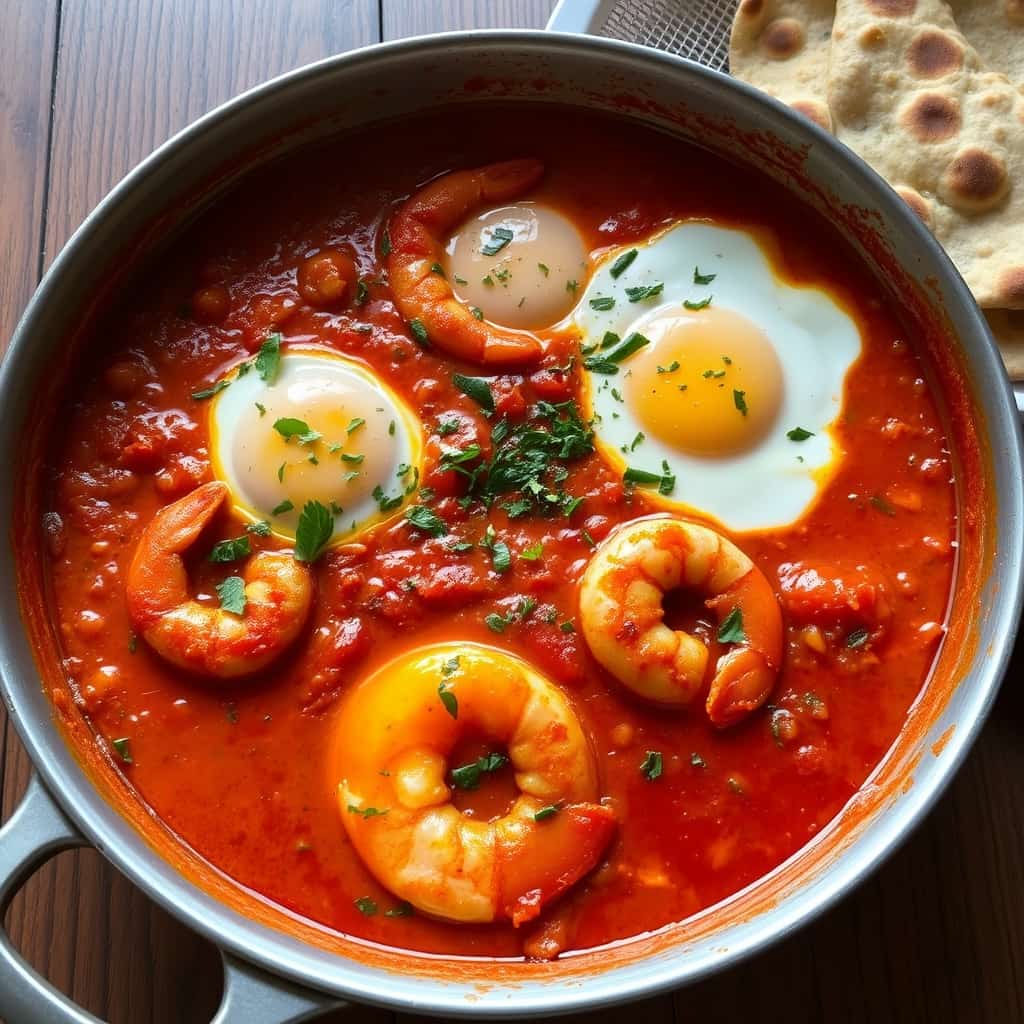
9. Pomodoro e Gamberi Calabrese
Calabrian chiles are different from regular red pepper flakes — they’re fruitier, oilier, and pack a specific kind of bright heat. A tablespoon of Calabrian chile paste (Tutto Calabria is the brand worth buying, around $7 at Italian specialty stores) stirred into a plain tomato sauce transforms it completely. Add the shrimp, a squeeze of lemon at the end, and serve with rigatoni. This is the recipe I’ve made more than any other. It never gets old.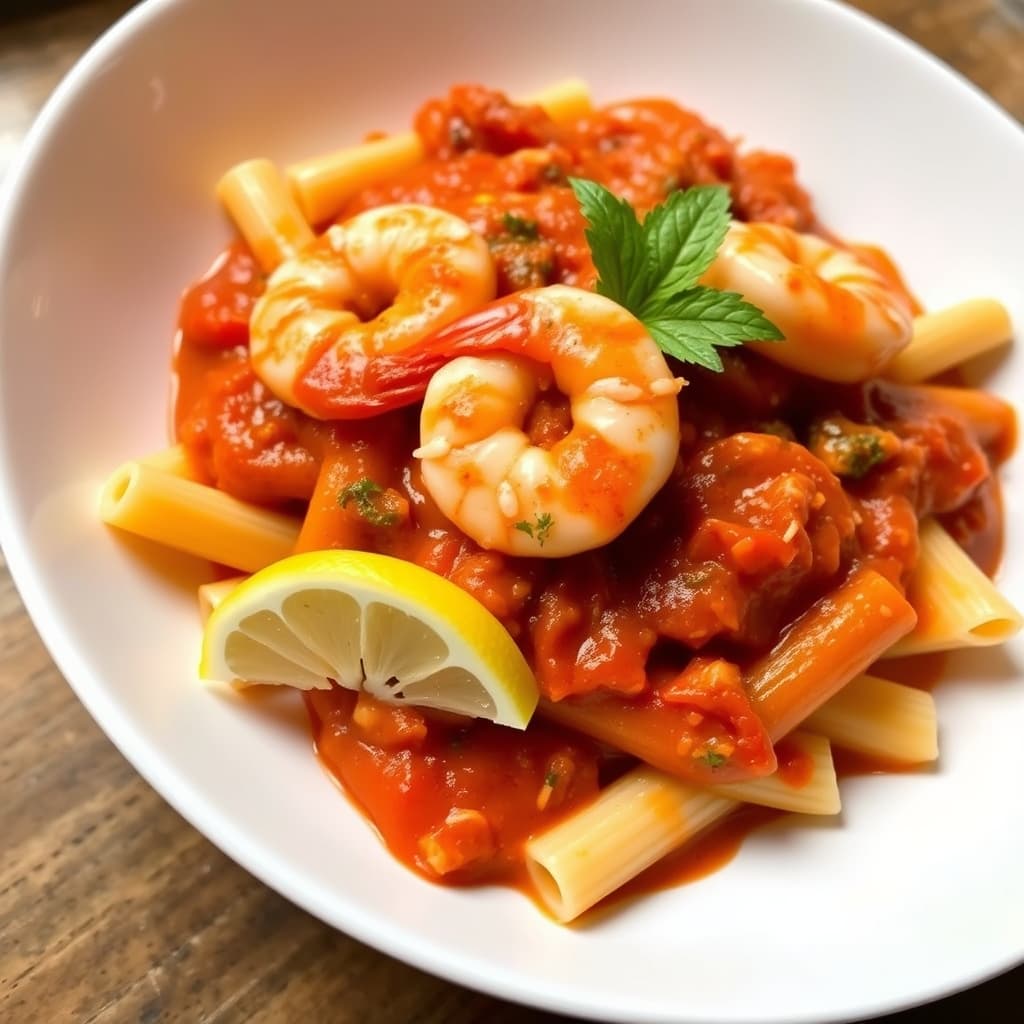
10. Garlic Shrimp with Sun-Dried Tomato Cream Sauce
This crosses into slightly richer territory: sun-dried tomatoes blended into a cream sauce with garlic, white wine, and a handful of fresh basil. The sun-dried tomatoes provide an intensity that fresh or canned tomatoes can’t — they’re tart, chewy, and deeply concentrated. This sauce clings to penne or rigatoni beautifully. It photographs well and tastes like something a restaurant would charge $32 for.
Go easy on the cream. Two tablespoons is enough. More and you lose the tomato character entirely.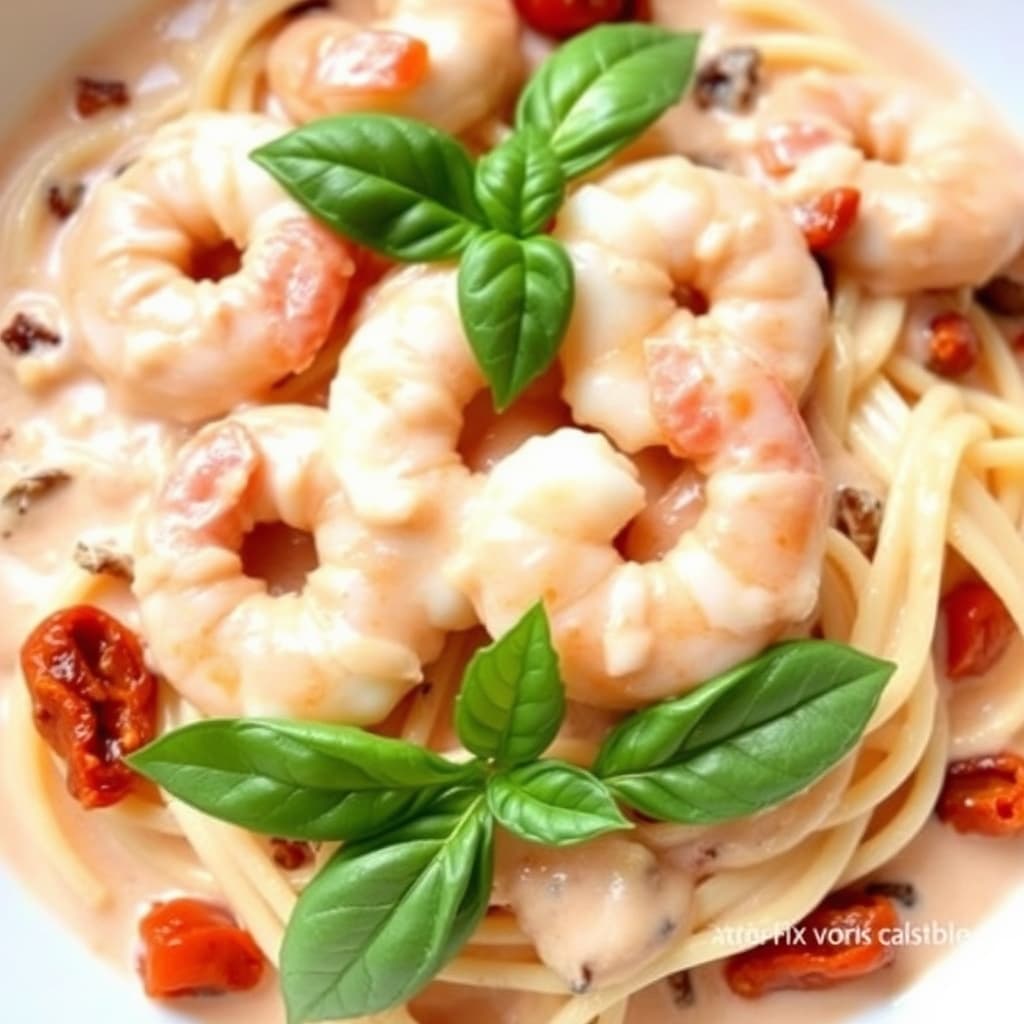
11. Shrimp Cioppino
San Francisco’s great seafood stew, simplified to a two-person weeknight version. No clams, no crab — just shrimp in a fennel-laced tomato broth. The fennel fronds stirred in at the end give it a freshness that cuts through the richness of the tomato base. Sourdough bread is traditional. Any crusty bread will do.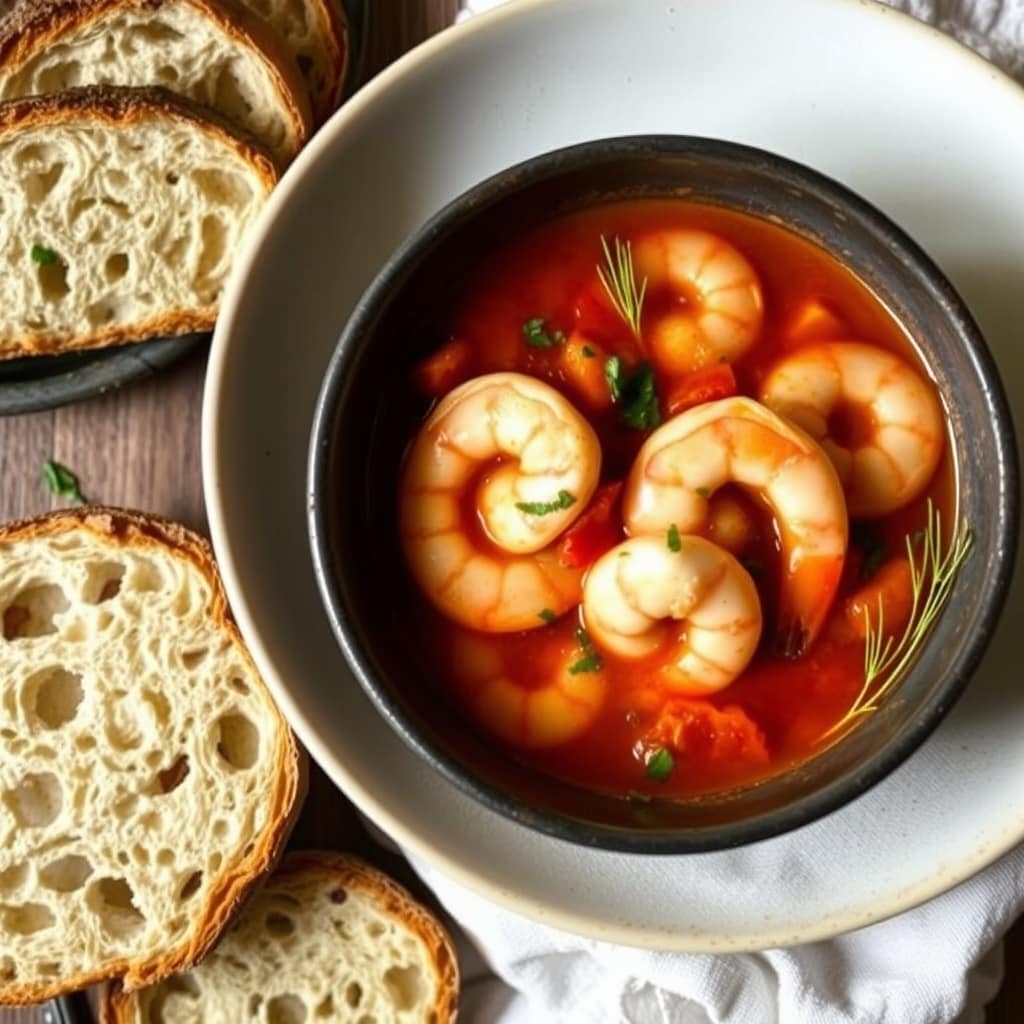
12. Thai-Style Garlic Shrimp with Tomato
East meets West: fish sauce, garlic, bird’s eye chili, and canned tomatoes. The fish sauce takes the place of salt and adds its own layer of fermented depth. This sauce is thinner and brighter than Italian versions — it’s built for spooning over jasmine rice rather than tossing with pasta. The bird’s eye chili brings clean, fast heat. Remove the seeds if you want heat without punishment.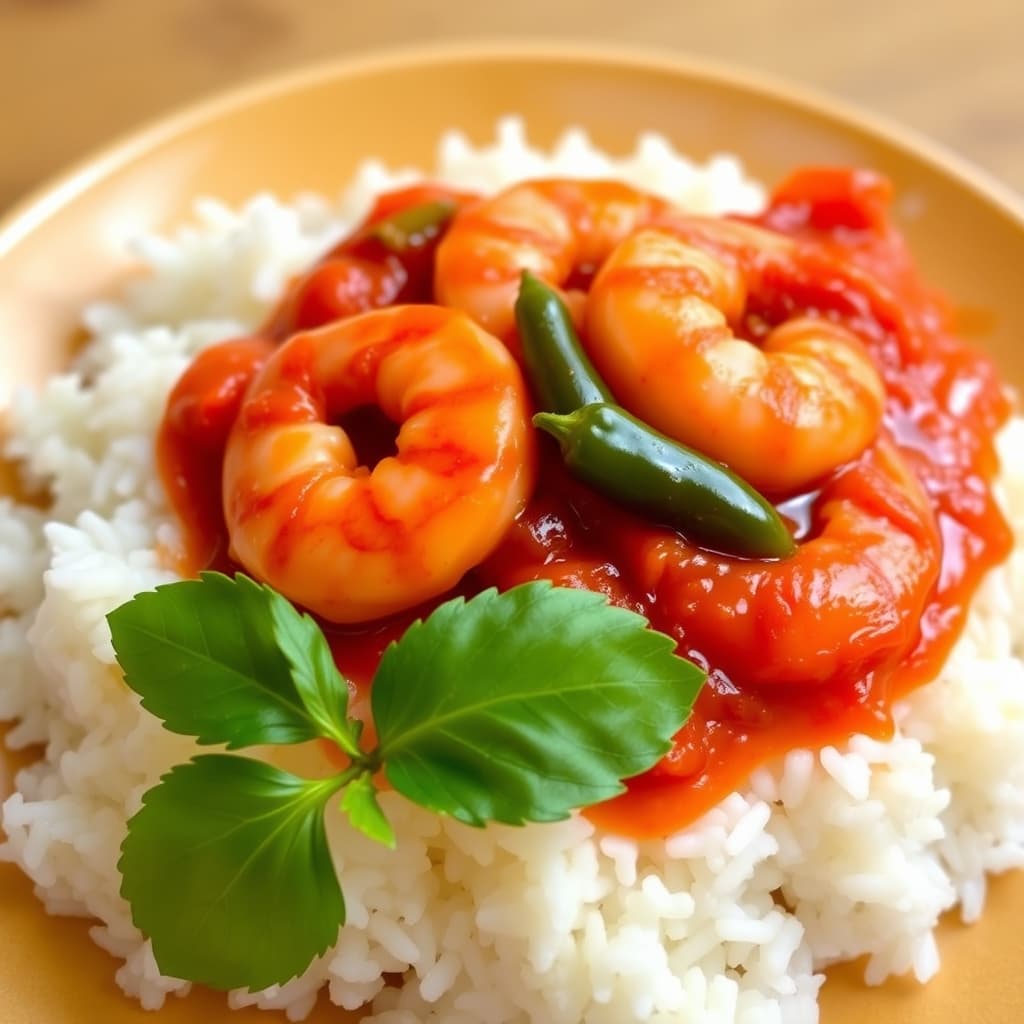
13. Shrimp and Tomato Risotto
The rice absorbs the tomato flavor completely here — every grain is stained a deep terracotta. Use homemade shrimp stock for the risotto liquid, made from the shells you’d normally throw away simmered with onion, celery, and white wine for twenty minutes. The shrimp go in during the final two minutes of cooking and are stirred in off the heat. The risotto finishes cooking them perfectly.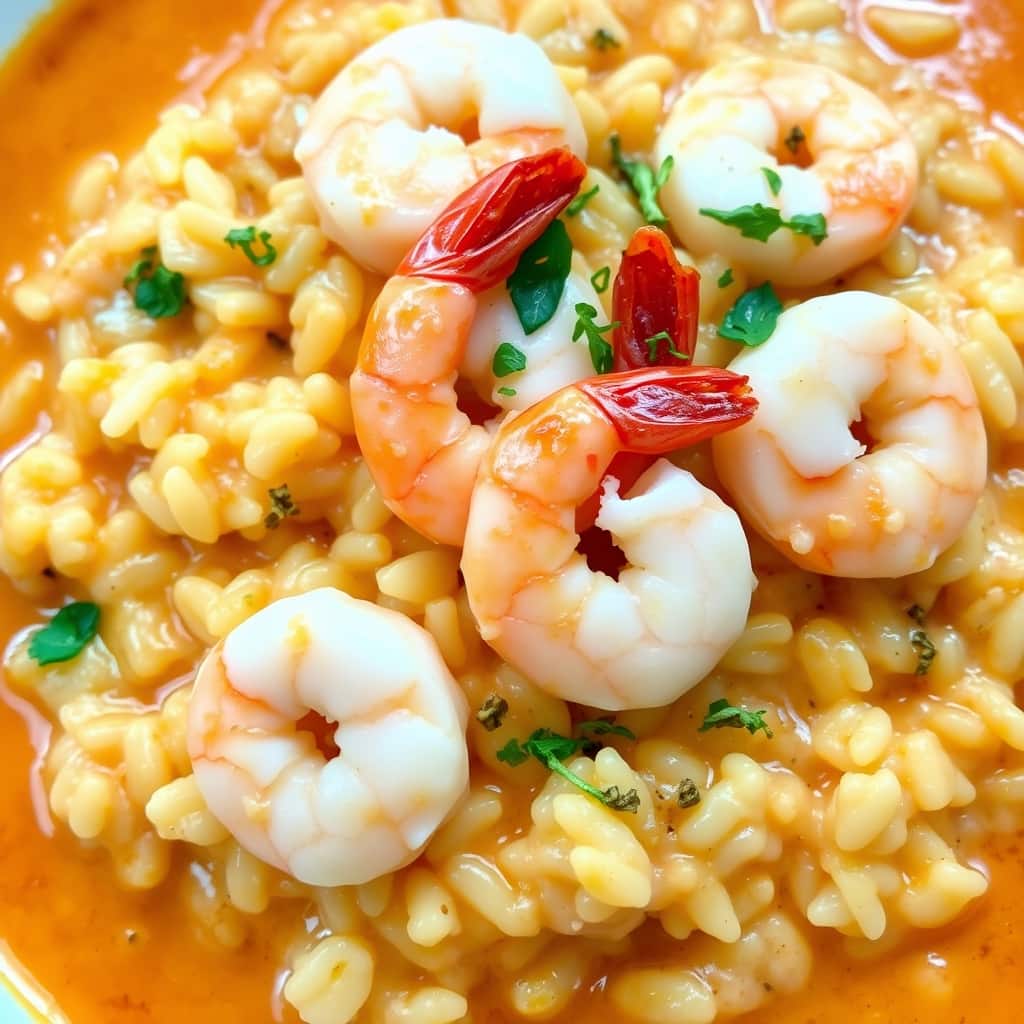
14. Greek Shrimp Saganaki
Feta cheese melted over shrimp in tomato sauce — this is saganaki, and it is aggressively underrated. The feta doesn’t just add creaminess; it adds salt, tang, and a creamy puddle effect that makes the whole dish look finished in a way that plain tomato sauce never does. Use block feta, not pre-crumbled. Serve with crusty bread and a glass of cold white wine.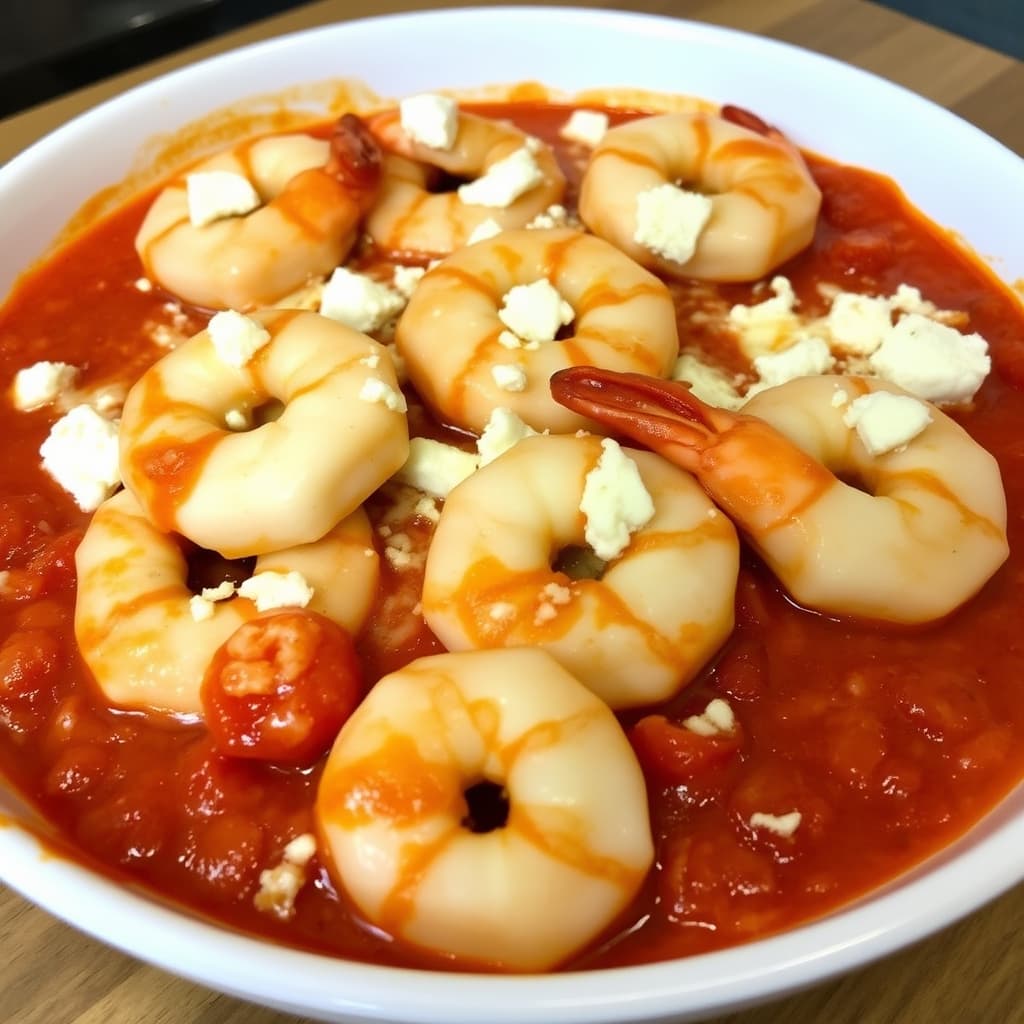
15. Shrimp Arrosticini-Style (Grilled, Served in Tomato)
Shrimp skewered, grilled or broiled until just charred, then placed into a bright, barely-cooked tomato sauce. The contrast between the seared shrimp and the raw-tasting fresh tomato sauce is the point. The tomato sauce here uses ripe cherry tomatoes crushed by hand, not cooked — just warmed through. It’s the freshest-tasting recipe on this list.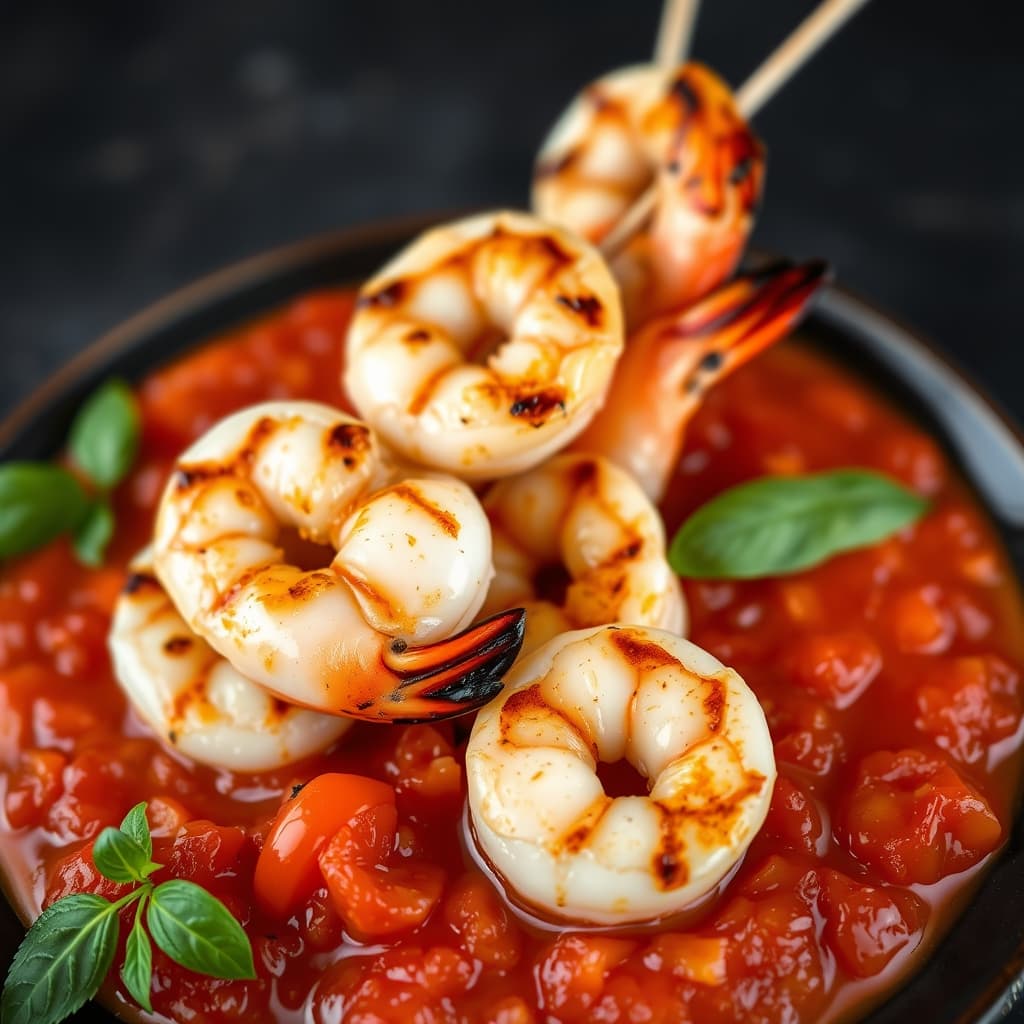
16. Nduja and Shrimp Tomato Sauce
Nduja is a spreadable, spiced Calabrian pork salami that melts into sauce like butter. A tablespoon stirred into your garlic and tomato base creates a sauce so deeply flavored it seems impossible that you only cooked it for fifteen minutes. The fat from the nduja renders out and carries the spice through every bite. The shrimp become the mild element against a very assertive sauce. This is the recipe that impressed my aunt.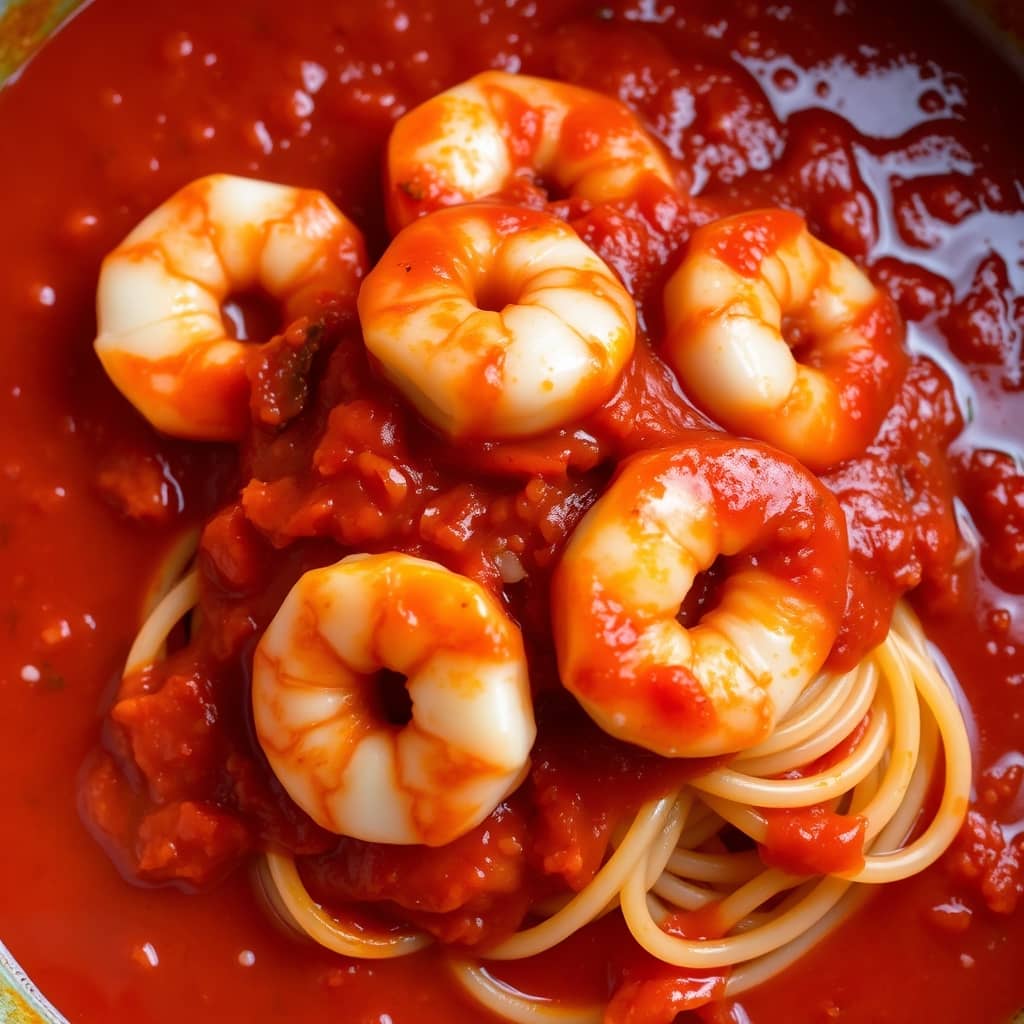
17. Saffron, Tomato, and Shrimp Sauce Over Orzo
Saffron again, because it earns its place here too. Orzo cooked in a saffron-tomato broth rather than plain water, topped with shrimp cooked separately and placed on top. The orzo absorbs so much flavor this way that the dish barely needs seasoning at the end. It looks elegant without requiring any advanced skill.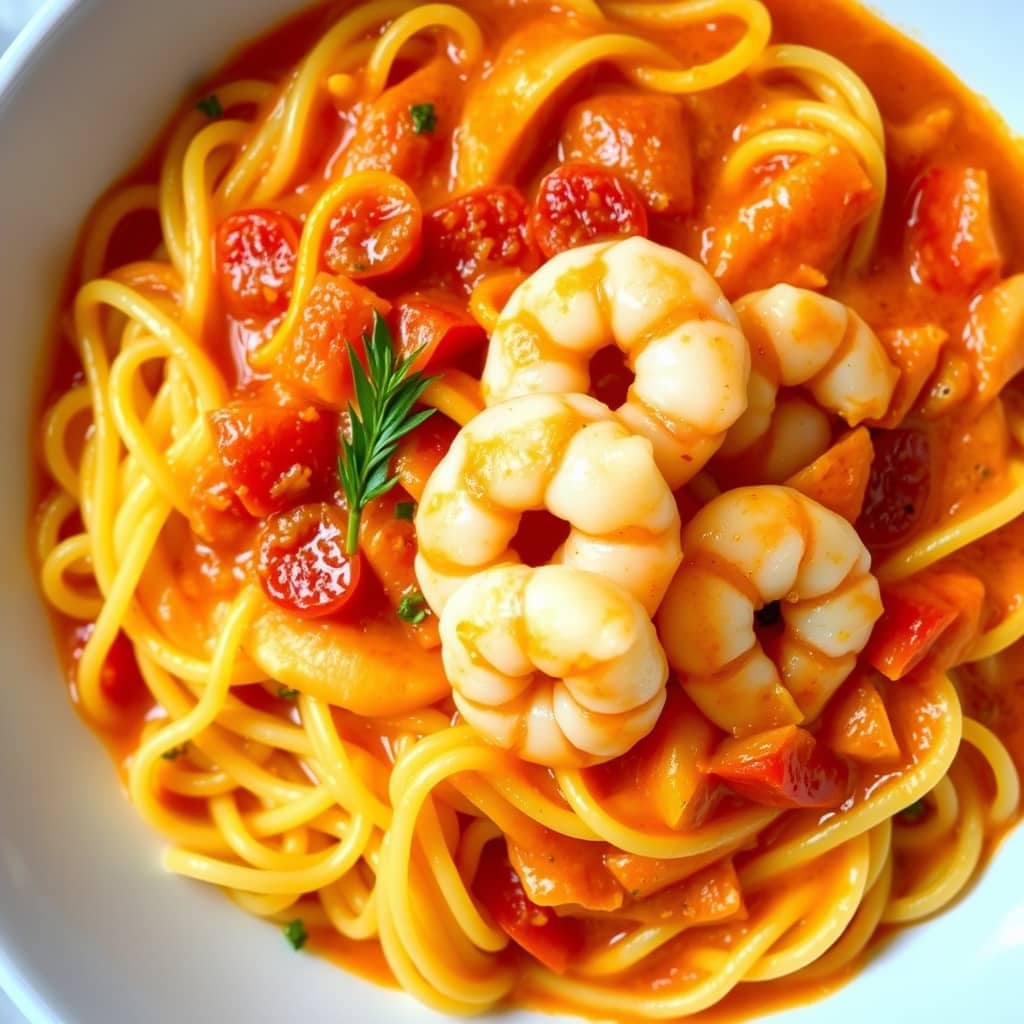
18. Shrimp Tacos with Chipotle Tomato Sauce
A departure from Italian tradition: chipotle peppers in adobo blended into a quick tomato sauce give you something smoky, earthy, and perfect inside warm corn tortillas with shredded cabbage and lime. The shrimp are small here — tiny shrimp or medium shrimp cut in half so every bite has one. This version takes 15 minutes start to finish.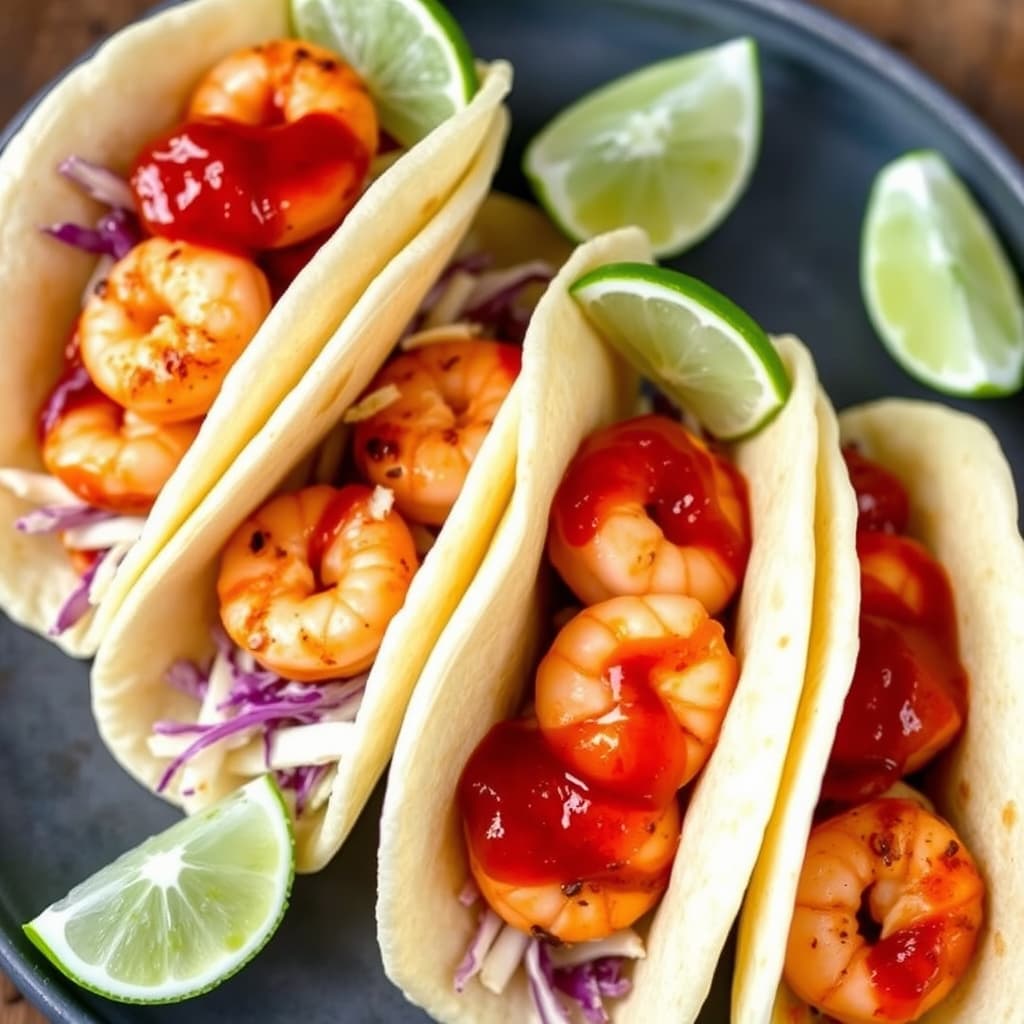
19. Acqua Pazza (“Crazy Water”) Shrimp
Perhaps the most elegant recipe on this list. Whole cherry tomatoes, garlic, white wine, olive oil, and just enough water to make a light, clear broth — no thick sauce. The name refers to the peasant tradition of poaching fish in seasoned seawater. The shrimp poach in this broth gently. The result looks like it came from a restaurant in Amalfi. Serve with grilled bread to soak up every drop. 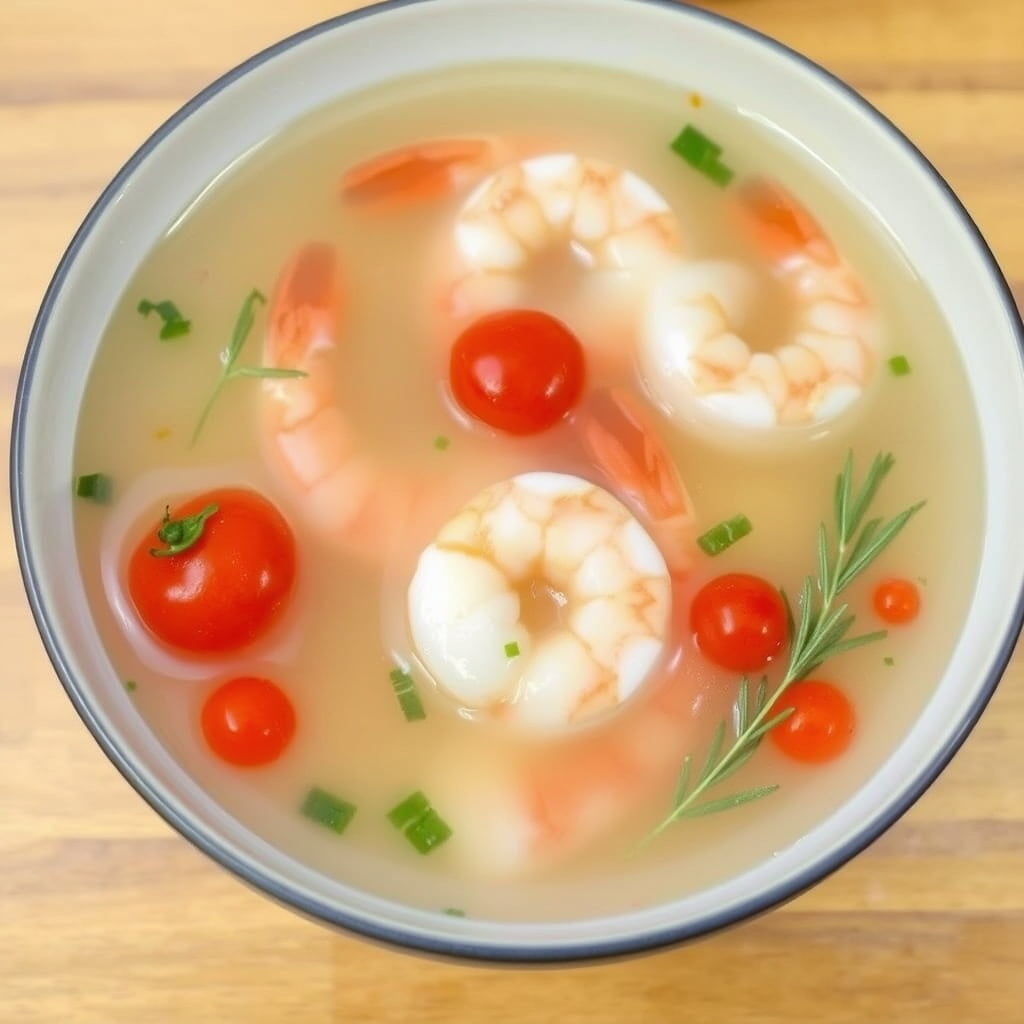
20. Slow-Roasted Garlic Shrimp with Tomato Confit
An hour in a low oven transforms cherry tomatoes and whole garlic cloves into something almost jam-like — intensely sweet, slightly caramelized, slumped and surrendered. Nestle large shrimp among them for the final eight minutes of cooking. The shrimp absorb the tomato and garlic so completely that each one tastes like the whole dish in miniature. This is the Sunday recipe. Worth every minute.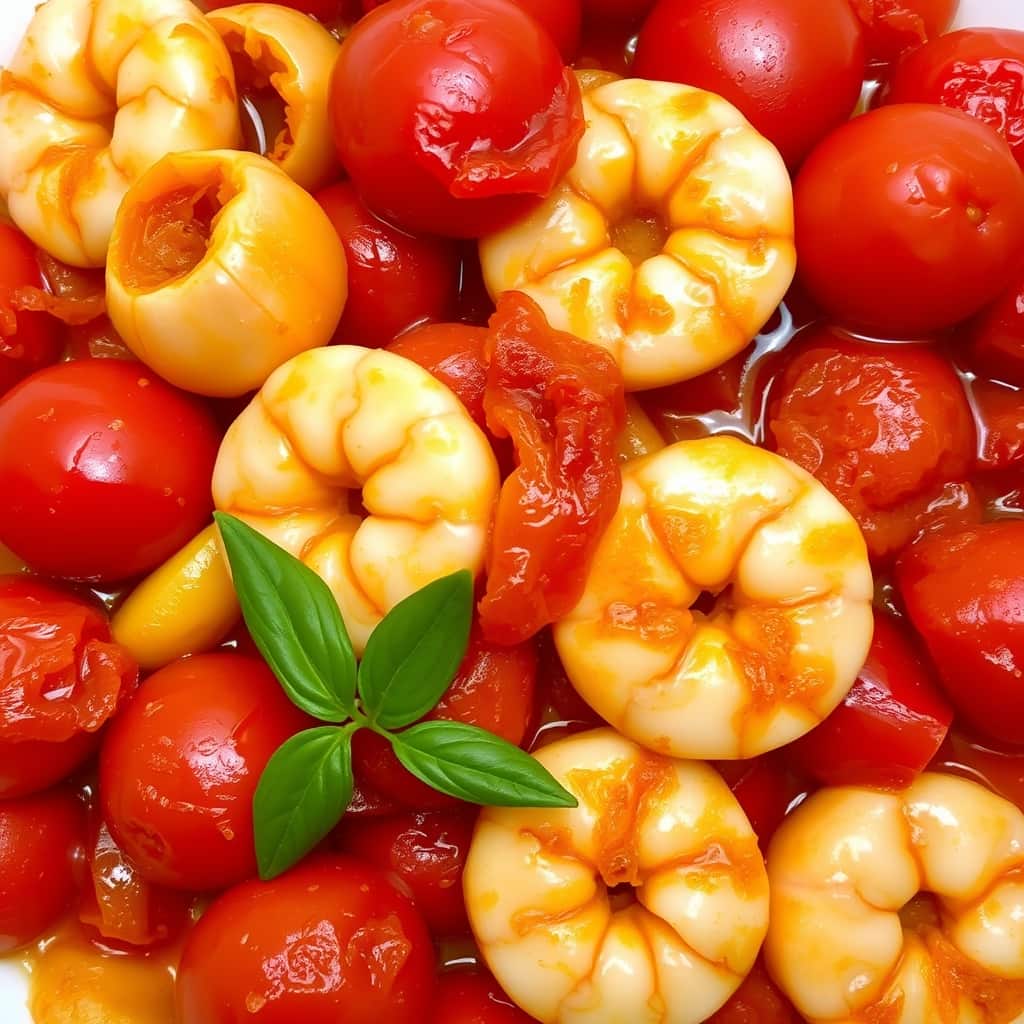
The Three Mistakes Almost Everyone Makes
Overcooking the shrimp. Already mentioned, but worth repeating with emphasis: shrimp take two to three minutes per side over medium-high heat. They continue cooking from residual heat after you remove them from the pan. Pull them off 30 seconds before you think they’re done.
Under-seasoning the sauce. Tomato sauce needs more salt than you’d expect. Taste it before the shrimp go in and add salt until it tastes assertively seasoned — not salty, but bold. The shrimp will dilute the sauce slightly.
Skipping the acid adjustment at the end. A squeeze of lemon juice or a splash of good white wine vinegar added right before serving brightens the whole dish and makes it taste like it was finished by someone who knew what they were doing. This single step is what separates flat-tasting tomato sauce from a vibrant one.
A Note on Shrimp Quality
Here’s the honest assessment most recipes skip: frozen shrimp are often better than “fresh” shrimp at a grocery store. Most shrimp labeled “fresh” at the seafood counter were frozen at sea and thawed by the store. You’re getting previously frozen shrimp without the cost control of buying frozen yourself.
Buy frozen shrimp in the shell, 21/25 count (shrimp per pound), and thaw them overnight in the fridge. This is what professional kitchens do. Brands like Shrimp Farm Direct or Whole Foods’ 365 line are consistently reliable and reasonably priced.
Final Thoughts
Restaurant food tastes like restaurant food for a reason. The cooks there have made each dish hundreds of times. They know exactly when the garlic is at the edge of golden, exactly when the shrimp flips, exactly how much acid the sauce needs at the end.
You don’t need hundreds of repetitions. You need these twenty recipes, cooked in order from easiest to most challenging, each one teaching you something the previous one couldn’t. By the time you reach the tomato confit shrimp at the end of this list, you won’t need the recipe anymore.
Start with recipe number five — the tomato butter shrimp — tonight. It takes ten minutes and it will remind you why cooking is worth learning.
What’s your experience with garlic shrimp at home? If you’ve cracked a technique that makes restaurant-quality sauce consistently, I genuinely want to know. Leave it in the comments — no trade secrets here.
you may also liketo read: