I quit yoga three times before it actually stuck.
The first time, I drove forty minutes to a studio, paid $28 for a single class, couldn’t do half the poses, and left with a sore ego and a parking ticket. The second time, I bought a $180 annual app subscription in January (classic) and used it for eleven days. The third time, I joined an in-person challenge with a friend, got sick in week two, fell off, and never restarted.
What finally worked was none of those things. It was a free 30-day YouTube series from Adriene Mishler — Yoga With Adriene, which at the time of writing has over 12 million subscribers and a back catalog of hundreds of free videos — done in my bedroom at 6 AM before anyone else woke up. No commute. No payment. No audience. Just a mat, a free video, and enough commitment to show up the next morning.
That was four years ago. I’ve never paid for yoga since.
Here’s what I’ve learned: the barrier to yoga is not cost. It’s not access. It’s the friction between wanting to start and actually starting. The 21 challenges below eliminate that friction completely. Every one of them costs nothing, requires minimal space, and builds something specific — flexibility, strength, mindfulness, or just the habit of showing up.
Start with one. Just one. The rest will follow.
Why Yoga Challenges Work Better Than Random Practice
Here’s the counterintuitive truth about yoga progress: variety is overrated, especially at the beginning.
Random practice — picking a different video every day based on mood — feels flexible but produces inconsistent results. You never develop a pose deeply enough to feel what it actually teaches. Challenge-based practice, where you commit to a specific sequence or theme for a defined period, creates the repetition that leads to real change.
A 2018 study published in the International Journal of Yoga found that participants who followed structured yoga programs for 12 weeks showed significantly greater improvements in flexibility, strength, and stress markers than those who practiced without structure. Consistency, not variety, drives results.
The challenges below are structured around that principle. Some are pose-specific. Some are duration-based. Some target a body area or a mental outcome. All of them give you a clear target and a defined end date, which is exactly the kind of container most people need to actually finish something.
The 21 Yoga Challenges
Challenge 1: The 30-Day Morning Yoga Challenge
Duration: 30 days | Daily time: 15 to 20 minutes | Best for: Building a sustainable habit
Use Yoga With Adriene’s free “BREATH” or “HOME” series on YouTube. Both are sequenced for daily progression. The goal is not perfect poses. The goal is 30 consecutive mornings. Even five minutes counts on the days when life compresses everything.
The one thing that made this work for me: I put my mat out the night before. Waking up and seeing it there removed the decision. I didn’t have to choose to do yoga. I just had to step onto the mat I’d already set up.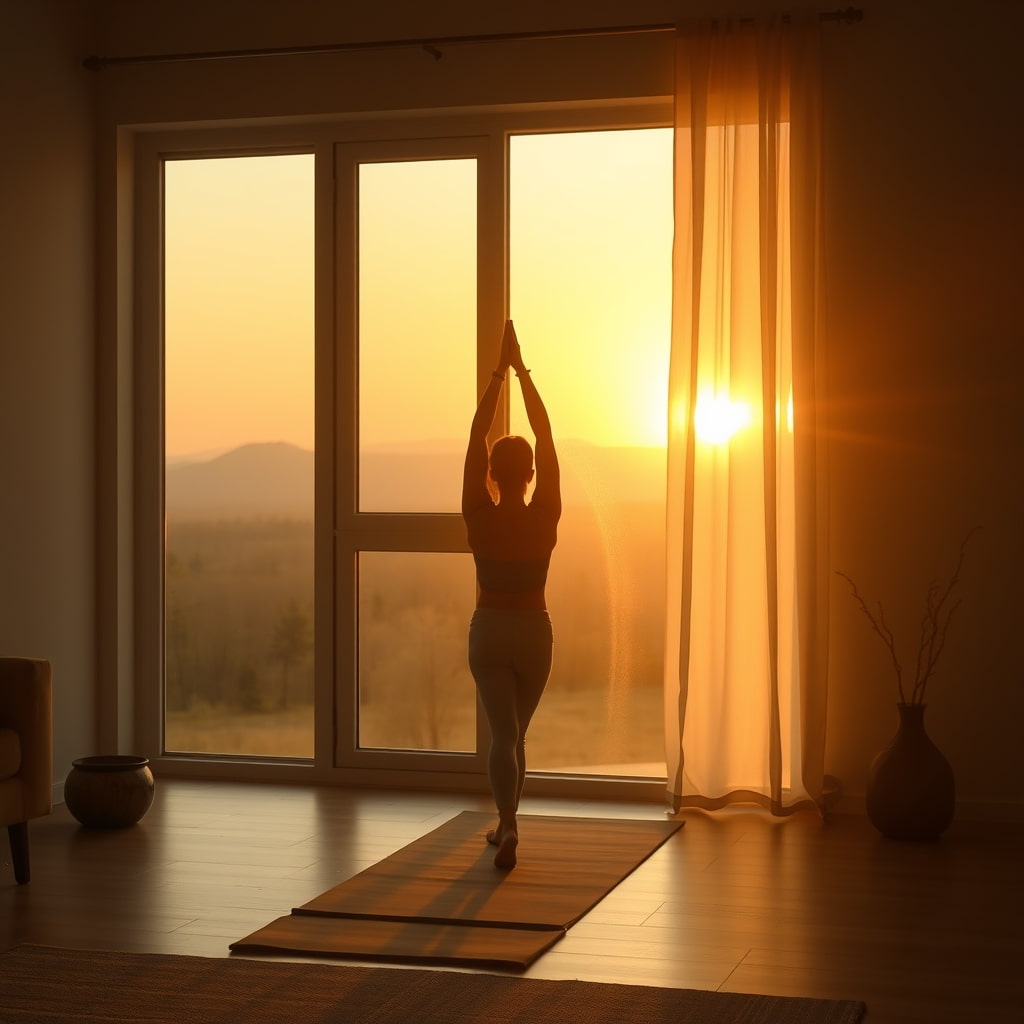
Challenge 2: The 7-Day Flexibility Reset
Duration: 7 days | Daily time: 20 minutes | Best for: People who are tight everywhere
Focus exclusively on yin yoga. Every pose is held for three to five minutes. No movement, just gravity and breath. The YouTube channel “Kassandra Yoga” offers a free 7-day yin series that’s excellent. The deeper connective tissue — fascia, tendons, ligaments — responds to slow, sustained pressure rather than dynamic movement. Most people never give it long enough.
Warning: yin yoga feels boring for the first two sessions. Then, around day three, something releases and it becomes the practice you look forward to most.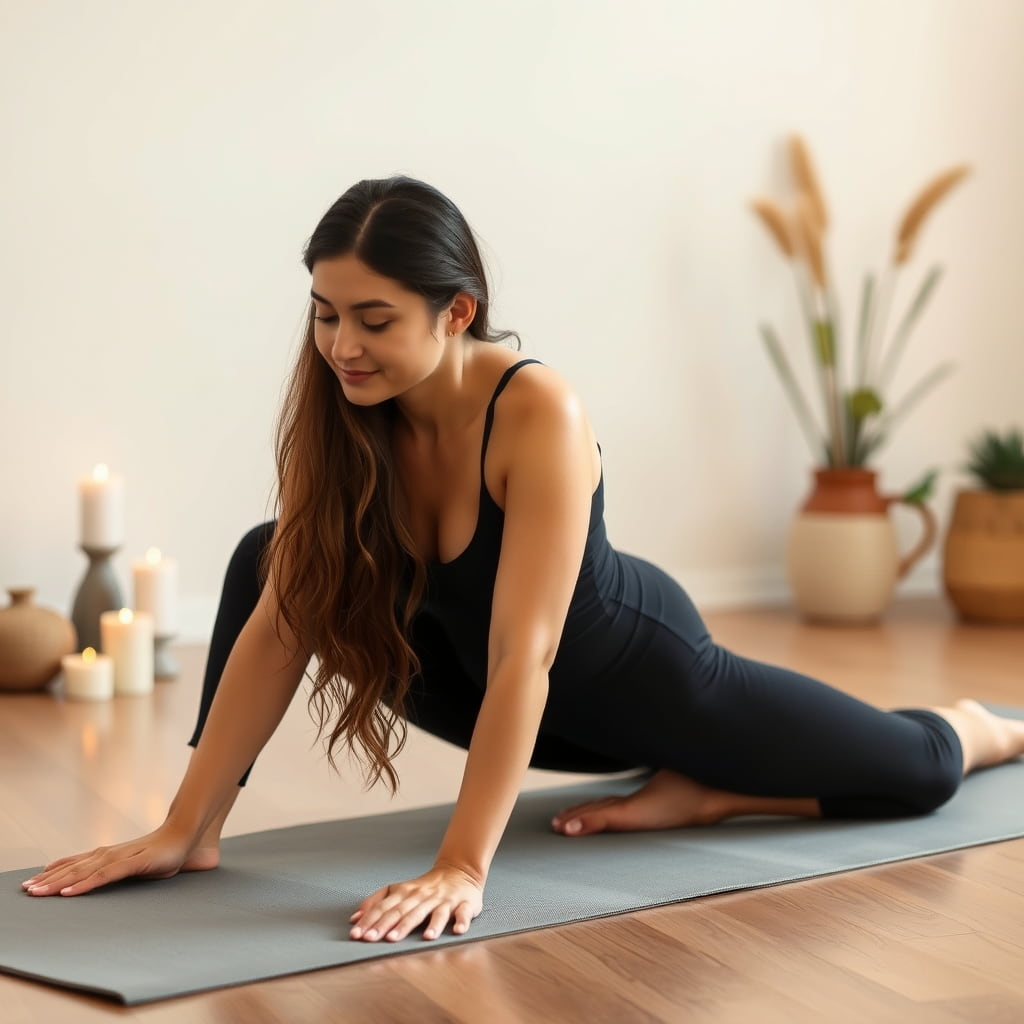
Challenge 3: The 21-Day Core Challenge
Duration: 21 days | Daily time: 10 minutes | Best for: Building functional core strength
Choose five core-focused poses and do them every day for 21 days: plank (one minute), boat pose (three sets of 30 seconds), bicycle crunches (20 per side), forearm plank (45 seconds), and hollow hold (30 seconds). That’s all. The consistency over 21 days produces visible strength change in most people.
The key distinction: yoga core work trains stability, not just strength. Boat pose (Navasana) and hollow hold develop the deep transverse abdominis in ways that crunches alone never reach.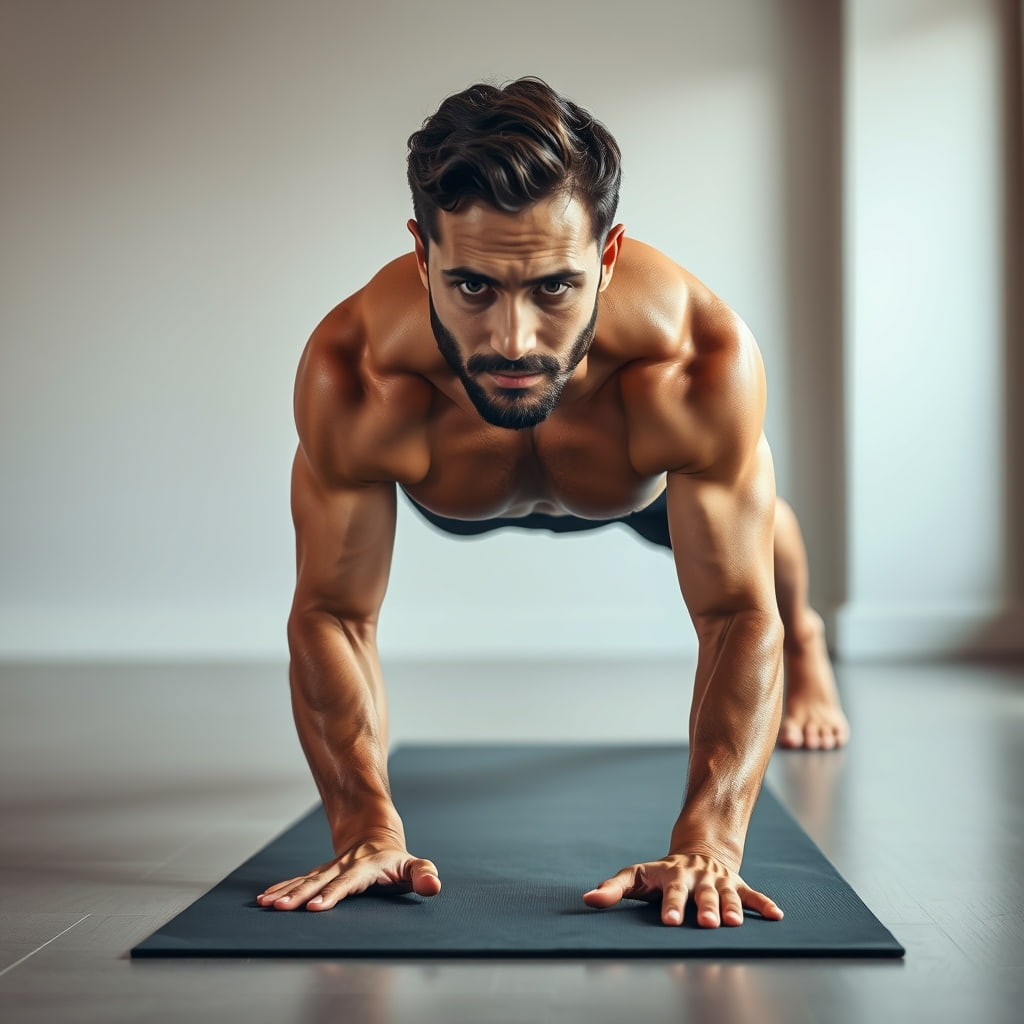
Challenge 4: The Daily Sun Salutation Challenge
Duration: 30 days | Daily time: 5 to 15 minutes | Best for: Learning yoga’s most fundamental sequence
Commit to a minimum of five Sun Salutation A rounds every single day. That’s it. On good days, do ten or twelve. On hard days, do five. The Sun Salutation — a sequence of twelve linked poses including mountain pose, forward fold, low lunge, plank, chaturanga, upward dog, and downward dog — teaches the fundamental language of yoga. Every other pose becomes easier after you know this sequence in your body.
Surya Namaskar, as it’s called in Sanskrit, has been the opening sequence of yoga practice for over a century for good reason. It builds heat, improves coordination, and creates full-body mobility in under five minutes.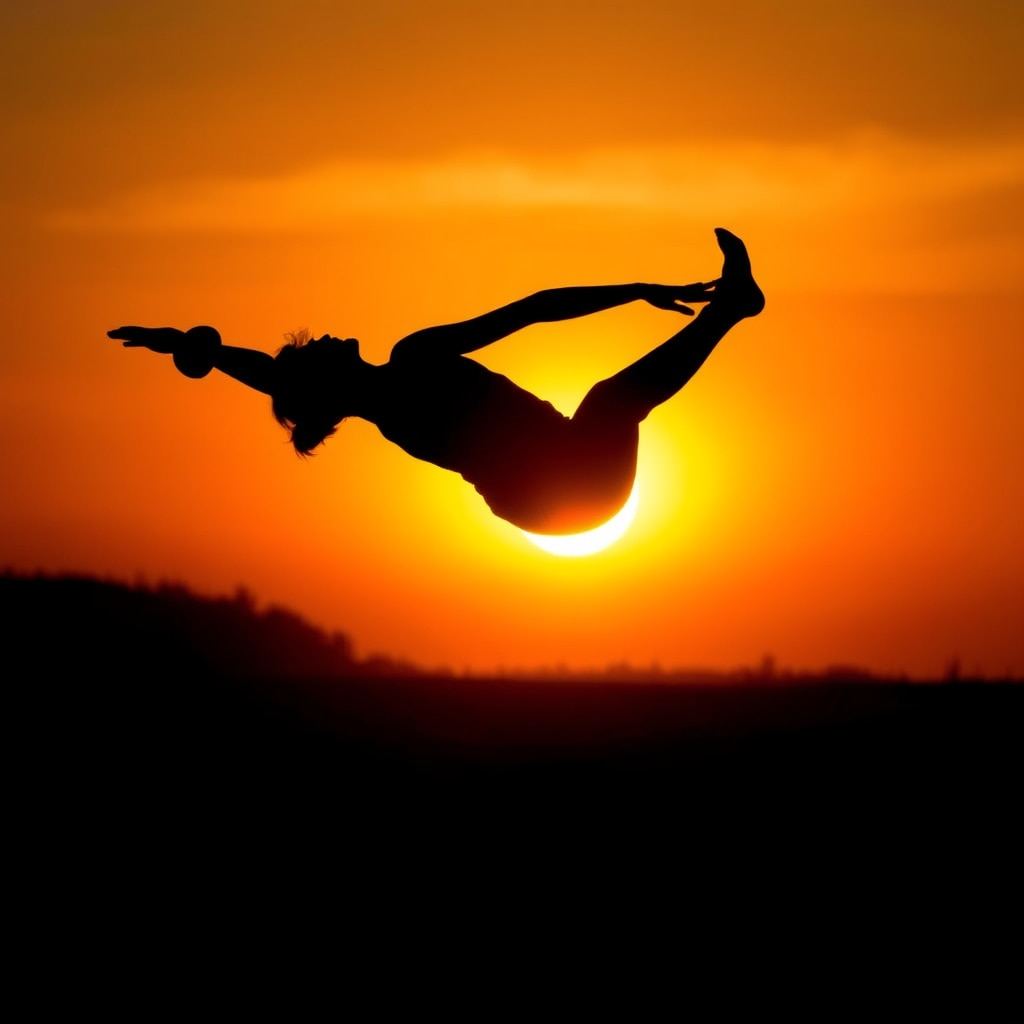
Challenge 5: The 10-Minute Evening Wind-Down Challenge
Duration: 14 days | Daily time: 10 minutes | Best for: Sleep quality and stress reduction
Seven evening poses held for 90 seconds each: child’s pose, supine twist (both sides), legs up the wall, butterfly pose, seated forward fold, supine pigeon (both sides), and savasana. The YouTube channel “Boho Beautiful” has a free 10-minute evening sequence that follows almost exactly this structure.
The research on this is solid. A 2015 review in Evidence-Based Complementary and Alternative Medicine found yoga-based relaxation interventions consistently improved sleep quality across multiple studies. The mechanism involves activating the parasympathetic nervous system — the rest-and-digest mode — through slow breathing and passive stretching.
Challenge 6: The Hip Opener 14-Day Challenge
Duration: 14 days | Daily time: 15 minutes | Best for: Desk workers, people with lower back pain
The hips hold tension from sitting, stress, and old injuries. Fourteen days of focused hip work creates changes you’ll feel in your lower back, knees, and even your shoulders. Core sequence: pigeon pose (3 minutes per side), lizard pose (2 minutes per side), fire log pose (2 minutes per side), and garland pose (2 minutes). Use Kassandra Yoga’s free hip-opening playlist on YouTube to guide each session.
Pigeon pose is the one that breaks people open — literally and emotionally. It’s the pose most responsible for the “crying in yoga” phenomenon that experienced practitioners talk about. The hip flexors store tension in a way other muscle groups don’t. Long holds release more than tightness.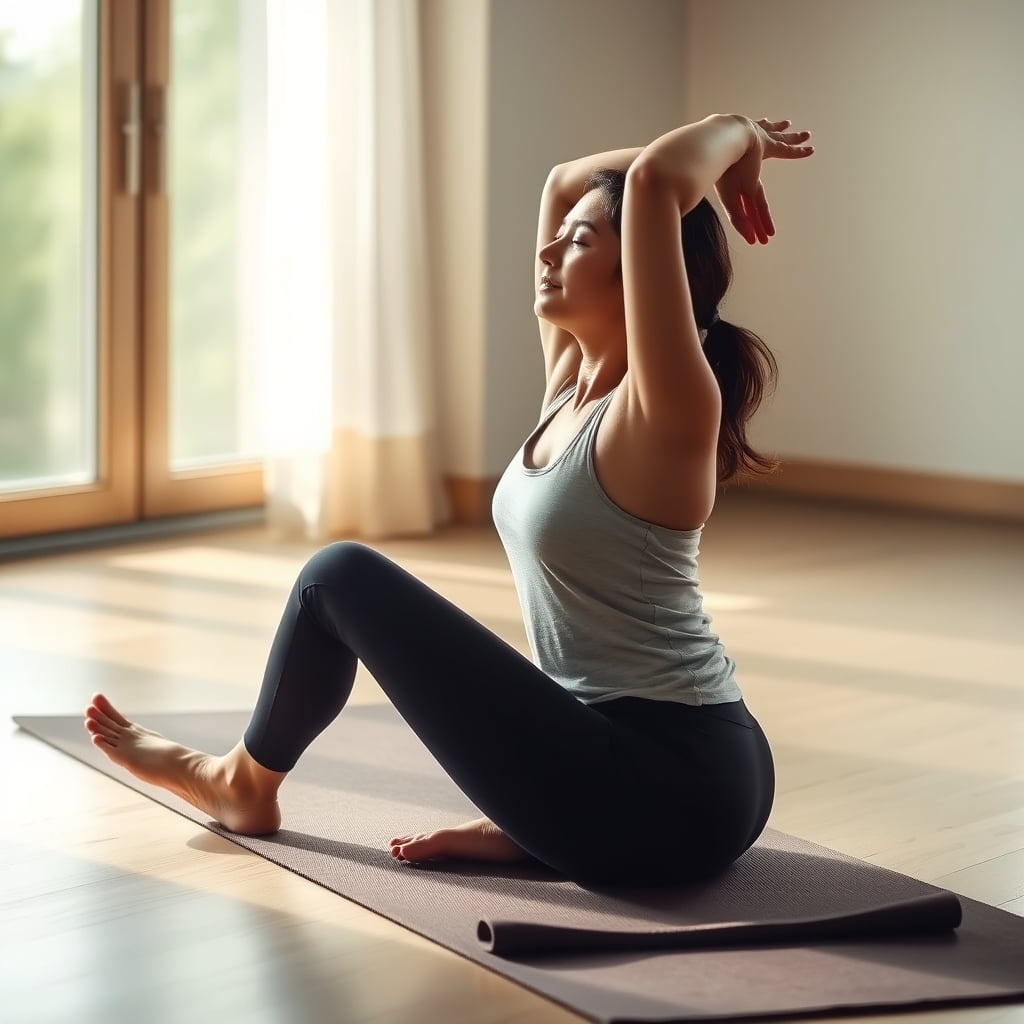
Challenge 7: The Balance Challenge
Duration: 21 days | Daily time: 10 minutes | Best for: Focus, ankle stability, proprioception
Three balance poses practiced daily: tree pose (2 minutes per side), warrior III (90 seconds per side), and half moon pose (90 seconds per side). Balance improves faster than any other yoga skill with consistent practice. Most people see measurable improvement within ten days.
The surprising benefit: daily balance practice improves cognitive focus. A 2019 study in Frontiers in Human Neuroscience found that balance training activated prefrontal cortex activity associated with attention and executive function. Yoga balance work is, in a real sense, brain training.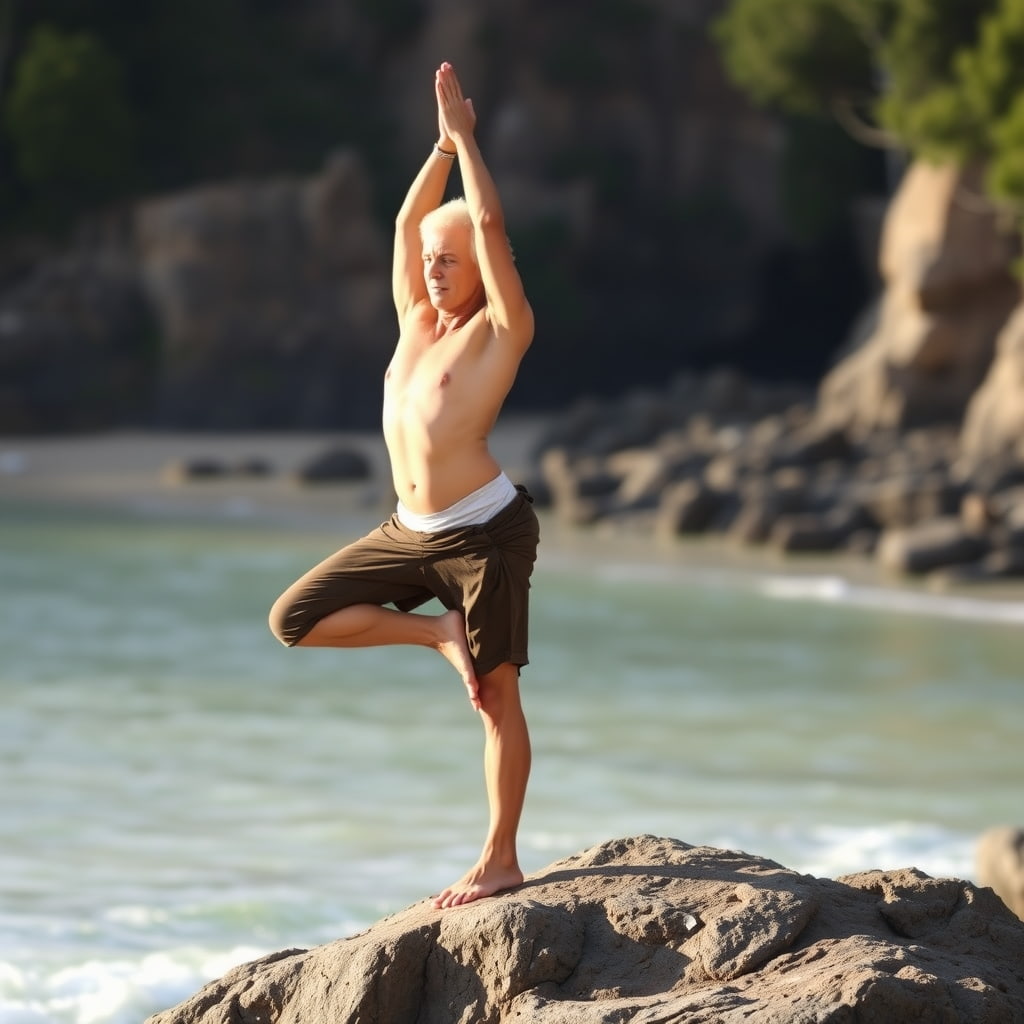
Challenge 8: The Beginner’s 7-Day Chair Yoga Challenge
Duration: 7 days | Daily time: 15 minutes | Best for: Older adults, those with injuries or limited mobility
Every pose is adapted for a chair. Seated cat-cow, chair warrior, seated forward fold, chair pigeon, seated spinal twist. “Yoga With Adriene” has free chair yoga videos. This challenge belongs on this list because yoga has an access problem — too many resources assume full-floor mobility. Chair yoga is legitimate yoga, not a lesser version.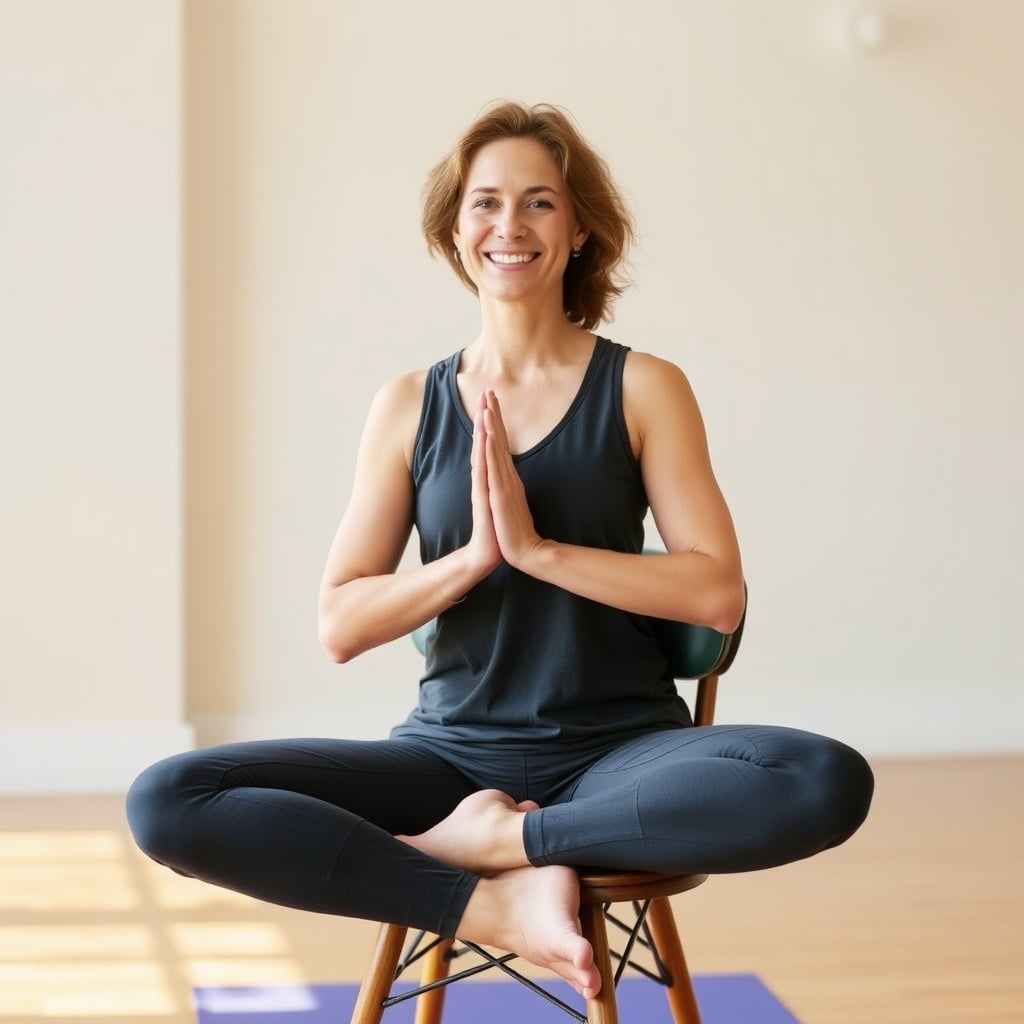
Challenge 9: The Crow Pose 30-Day Challenge
Duration: 30 days | Daily time: 10 minutes | Best for: Arm strength, core power, conquering fear
Crow pose (Bakasana) is the first arm balance most yoga practitioners learn. It looks intimidating and it isn’t — once you understand the geometry. The arms are not holding you up. You’re balancing on your upper arms with your knees pressed above your elbows. Daily practice routine: wrist warmups (2 minutes), core activation in boat pose (3 minutes), crow attempts from squat (5 minutes).
I couldn’t hold crow pose for more than a second for my first 18 days. On day 19, something clicked. I held it for 12 seconds. By day 30, I could hold it for 45 seconds consistently. That nonlinear progression — long plateau, then sudden breakthrough — is how almost every yoga skill develops.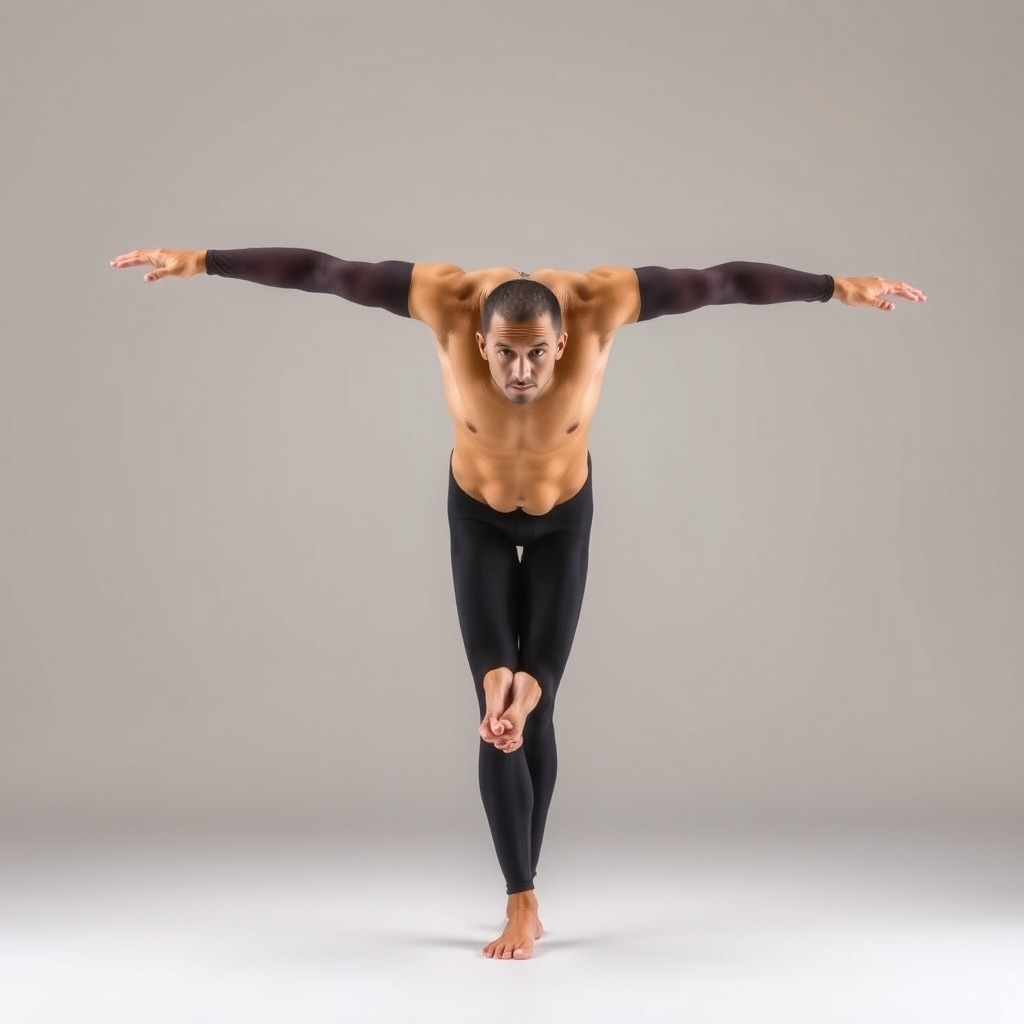
Challenge 10: The Spinal Health Challenge
Duration: 21 days | Daily time: 15 minutes | Best for: Back pain, posture, desk workers
Sequence: cat-cow (2 minutes), thread the needle (90 seconds per side), sphinx pose (3 minutes), seated spinal twist (2 minutes per side), and bridge pose (3 sets). The spine needs movement in every direction — flexion, extension, rotation, and lateral bend — and most people’s daily lives provide only one or two. This challenge delivers all four.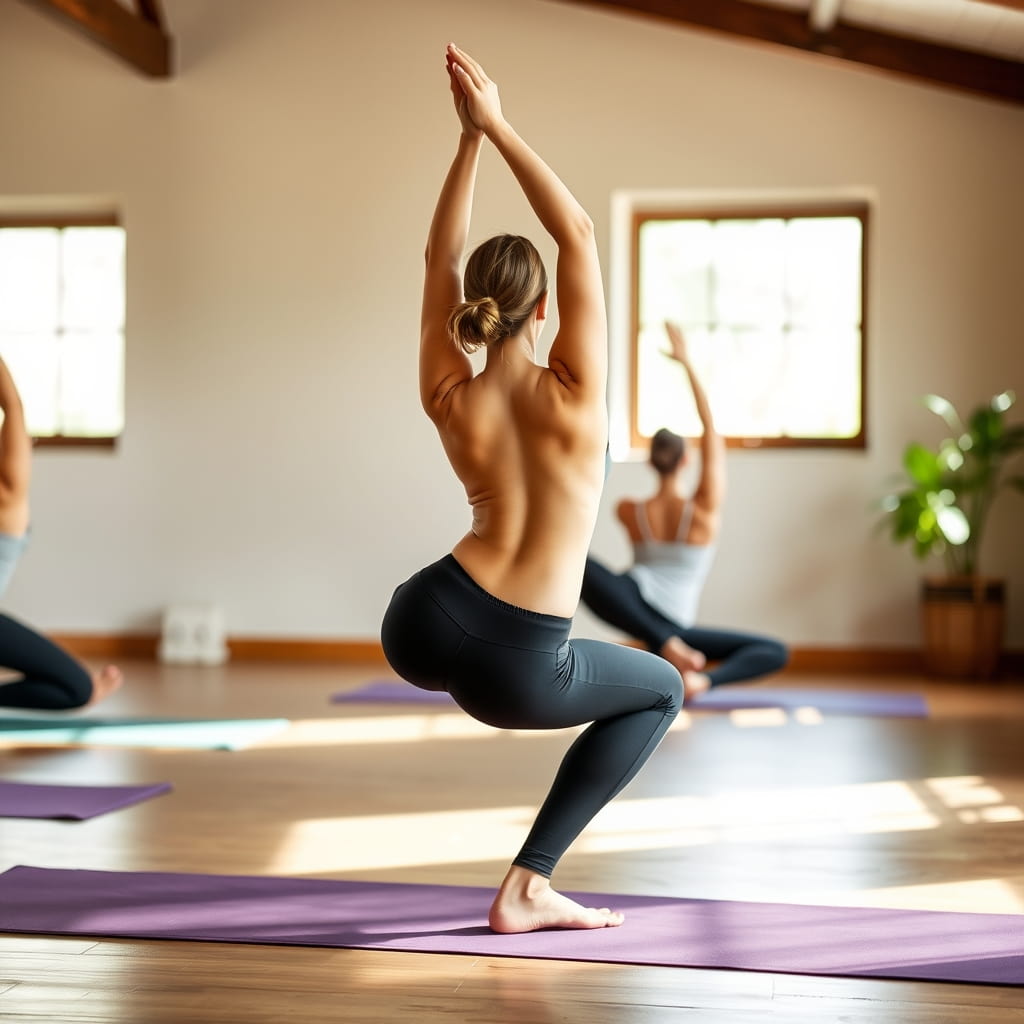
Challenge 11: The 5-Minute Daily Challenge
Duration: 30 days | Daily time: 5 minutes | Best for: People who claim they have no time
This is the entry-level challenge for the time-skeptical. Five poses, one minute each, every single morning: mountain pose, forward fold, downward dog, warrior I, child’s pose. No video required after the first day. The goal is not fitness improvement. The goal is building the identity of someone who practices yoga.
Here’s the thing about five-minute challenges that longer ones miss: completion rate is dramatically higher. A challenge you finish teaches you more than a challenge you abandon on day 11.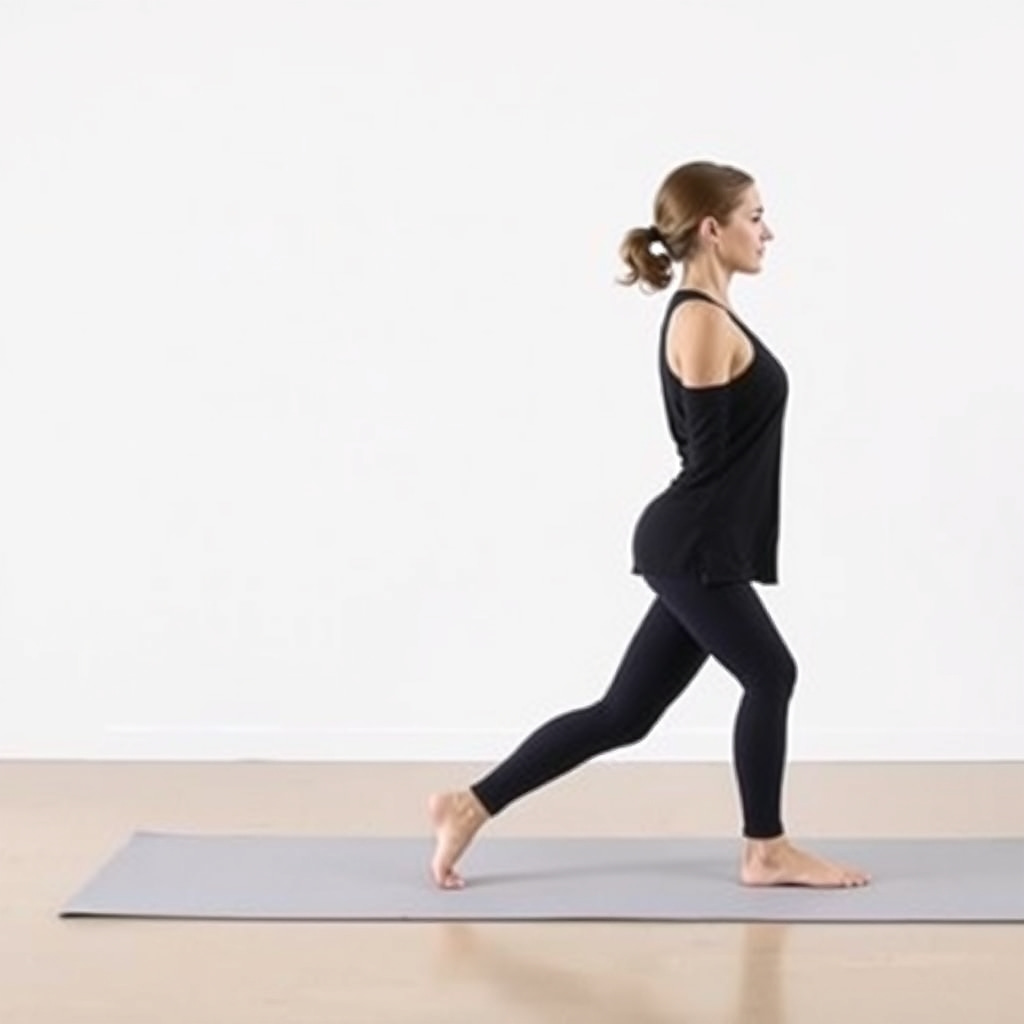
Challenge 12: The Breathing and Pranayama Challenge
Duration: 14 days | Daily time: 10 minutes | Best for: Anxiety, stress, respiratory health
Pure breathwork, no poses. Week one: box breathing (four counts in, hold, out, hold) for 10 minutes daily. Week two: alternate nostril breathing (Nadi Shodhana) for 10 minutes daily. The Insight Timer app (free version) has guided pranayama sessions.
This challenge often produces the most dramatic wellbeing results of anything on this list, because breath regulation directly modulates the autonomic nervous system. People are regularly surprised at how powerful something so simple turns out to be.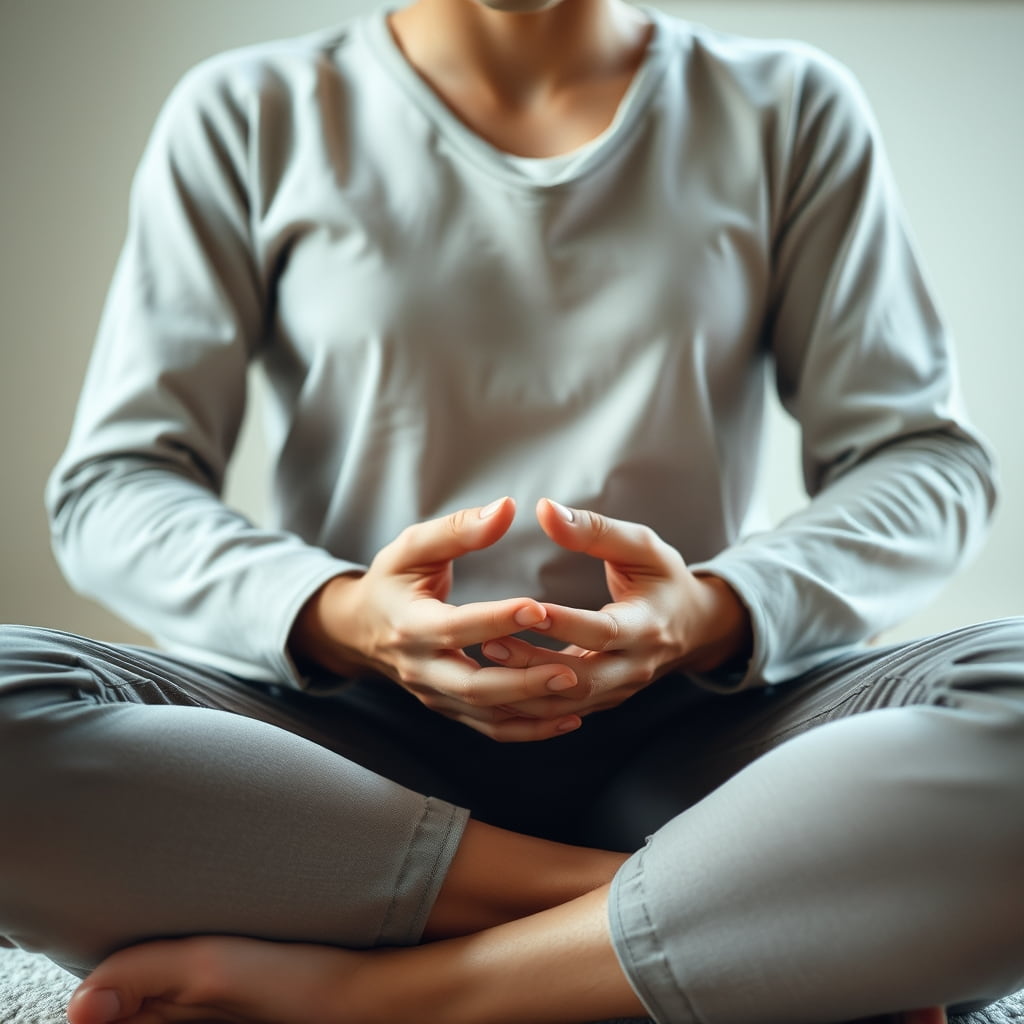
Challenge 13: The Handstand Prep 60-Day Challenge
Duration: 60 days | Daily time: 10 minutes | Best for: Shoulder strength, body awareness, ambitious practitioners
A handstand is a two-year goal for most people. This challenge starts that journey. Daily work: downward dog holds (3 minutes), dolphin pose (2 sets of 1 minute), pike press practice (10 reps), wall-supported L-shape (3 sets of 30 seconds). Use a wall. Always. People who skip the wall take twice as long to progress.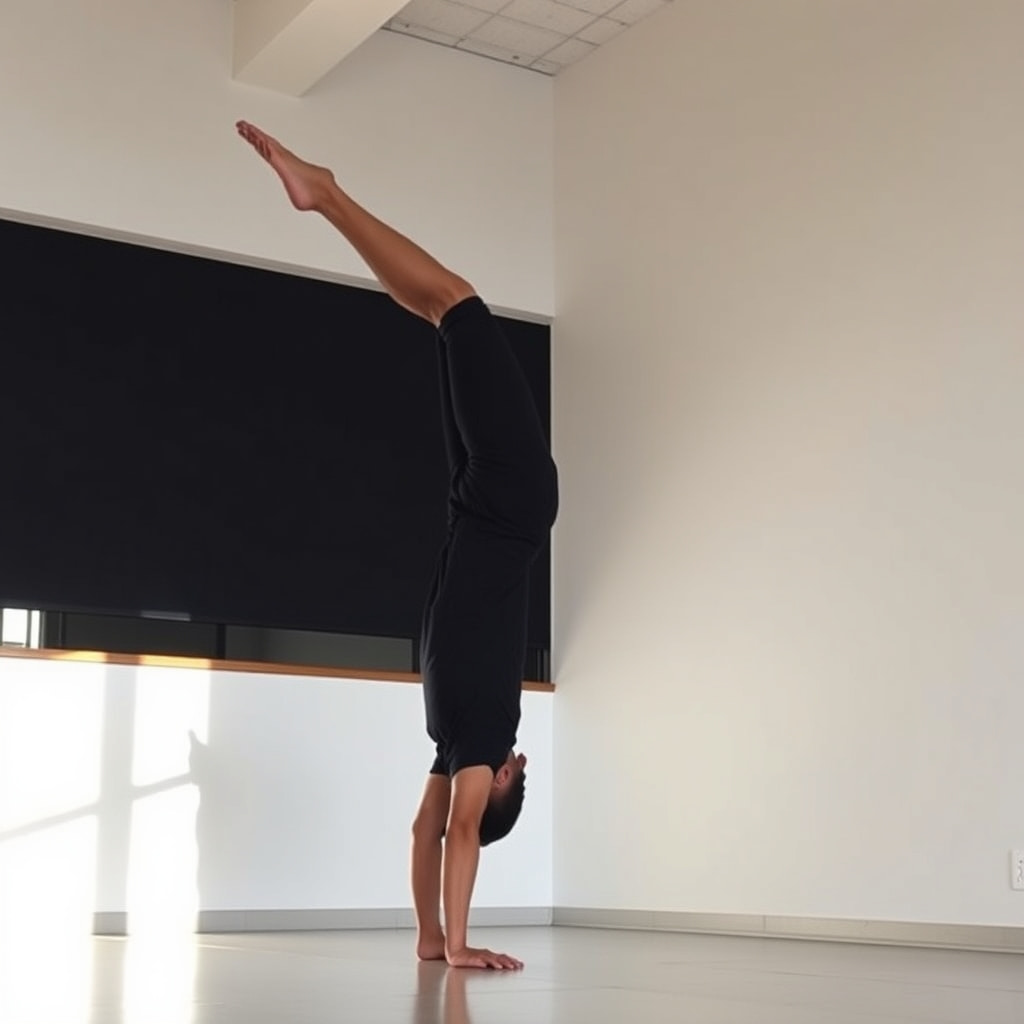
Challenge 14: The Mindfulness Yoga Challenge
Duration: 21 days | Daily time: 20 minutes | Best for: Anxiety reduction, emotional regulation
Each session ends with five minutes of seated meditation. The yoga sequence is secondary to the quality of attention you bring to it. The Mindful Movement channel on YouTube is free and specifically designed for this integration. Research from Harvard Medical School found that eight weeks of mindfulness-based practice produced measurable changes in the amygdala — the brain’s stress-processing center. The yoga is the warm-up. The stillness is the practice.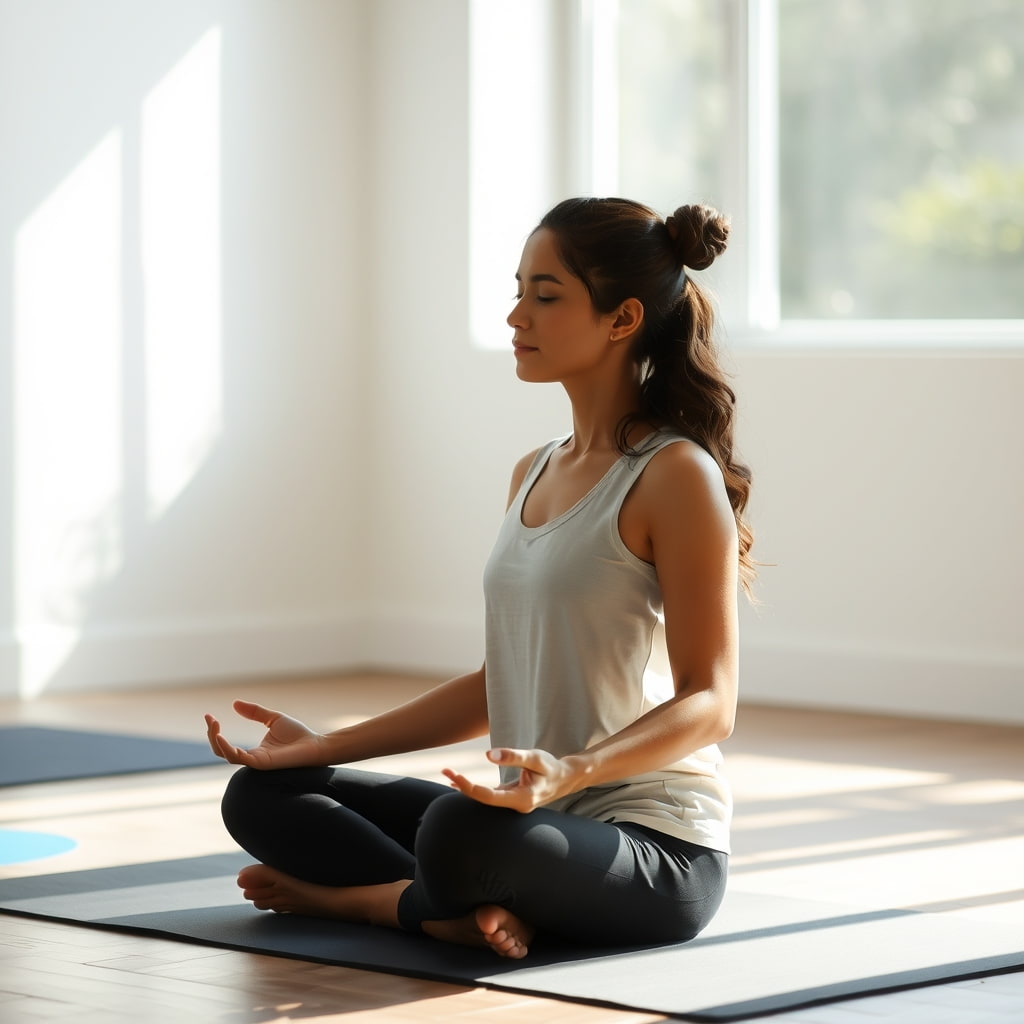
Challenge 15: The Full-Body Stretch Challenge
Duration: 7 days | Daily time: 20 minutes | Best for: Athletes, post-workout recovery, general tightness
Seven days, seven body areas: day one is hamstrings, day two is hip flexors, day three is chest and shoulders, day four is upper back, day five is calves and ankles, day six is neck and traps, day seven is full body flow. The Yoga with Bird channel on YouTube covers each of these areas in free targeted videos.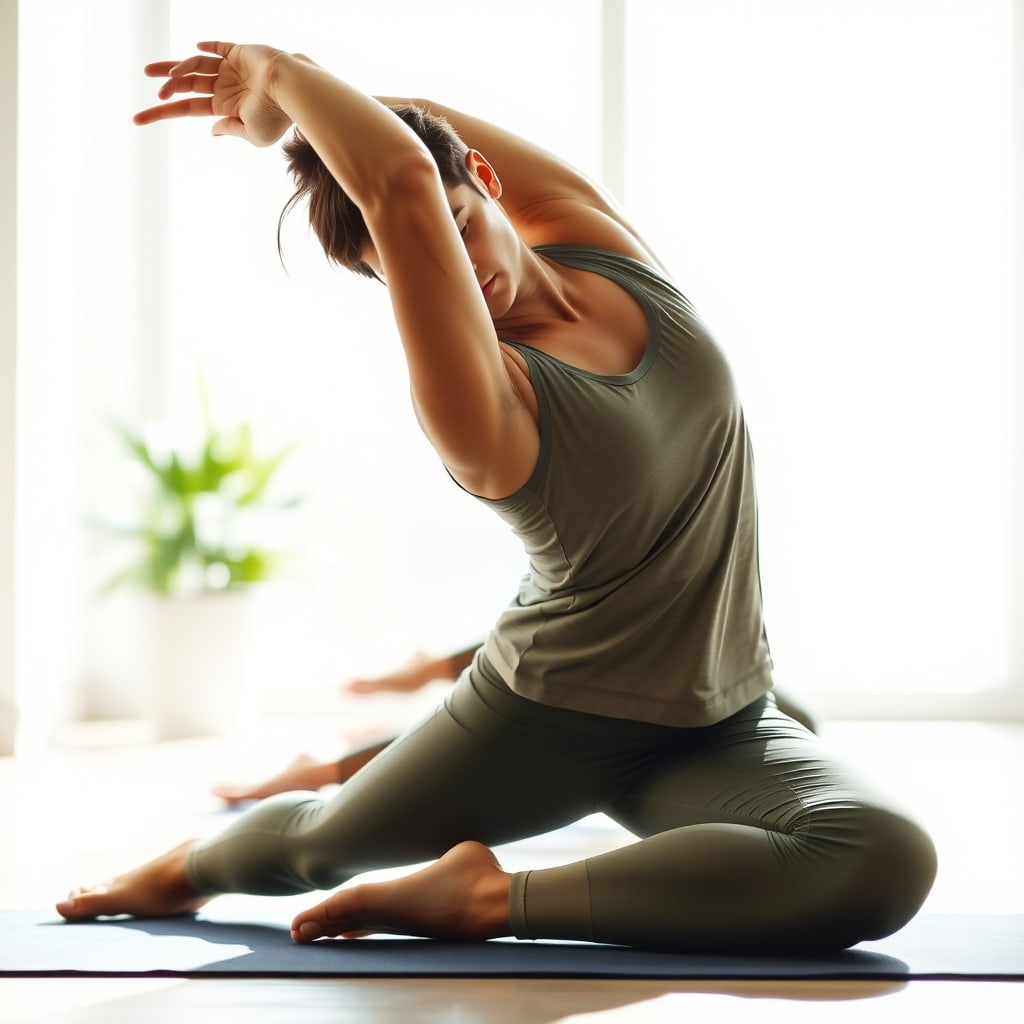
Challenge 16: The No-Mat Challenge
Duration: 14 days | Daily time: 15 minutes | Best for: Travelers, people without equipment
Every pose adapted for carpet, grass, or a towel on a hard floor. Standing poses only for the first week: mountain, warrior I, warrior II, triangle, side angle. Week two adds gentle floor work with a folded blanket for padding. This challenge exists to remove the last possible excuse. You don’t need a mat to practice yoga.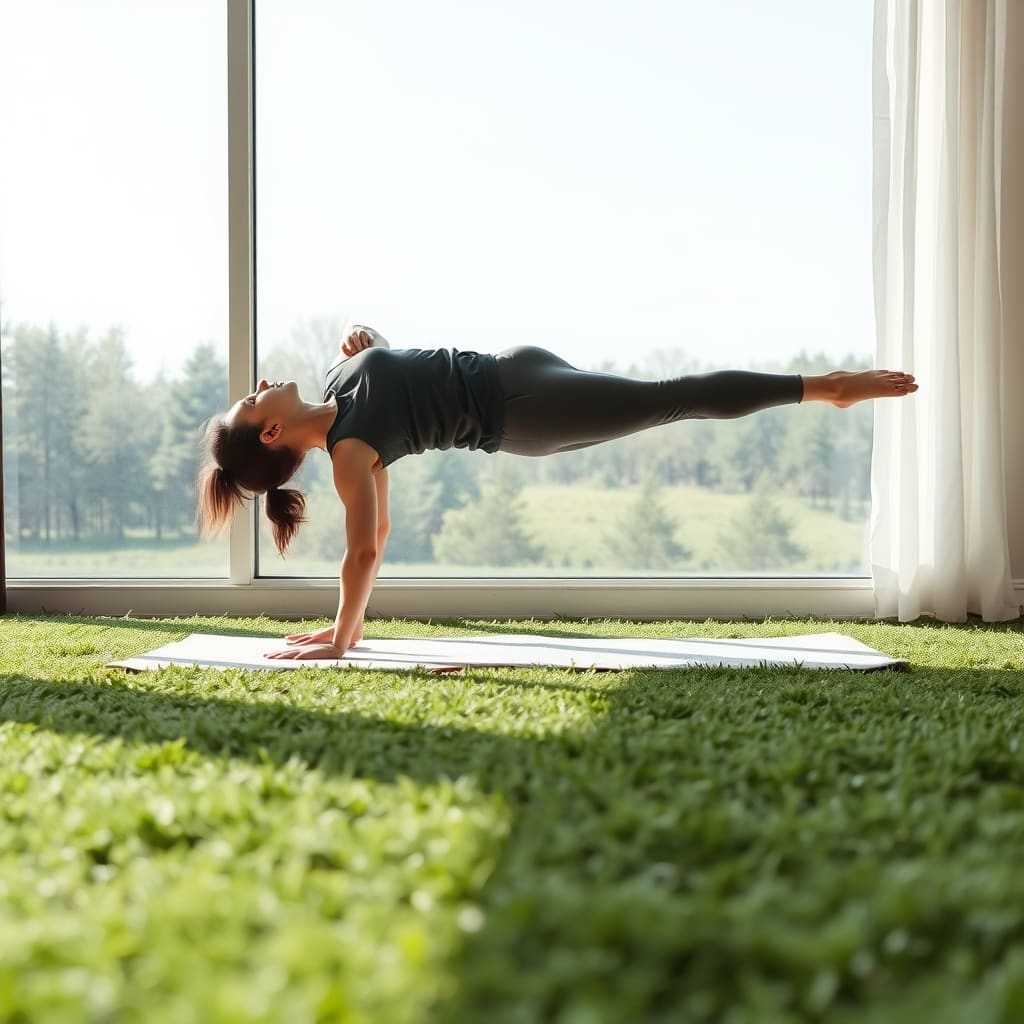
Challenge 17: The Shoulder Opening Challenge
Duration: 14 days | Daily time: 10 minutes | Best for: Overhead athletes, desk workers, anyone who carries tension in their neck and shoulders
Daily sequence: thread the needle (2 minutes per side), puppy pose (3 minutes), eagle arms (90 seconds per side), chest opener with clasped hands (2 minutes), and supported fish pose (3 minutes). Most people don’t realize how tight their shoulders are until they hold puppy pose for three minutes. It will tell you everything you need to know.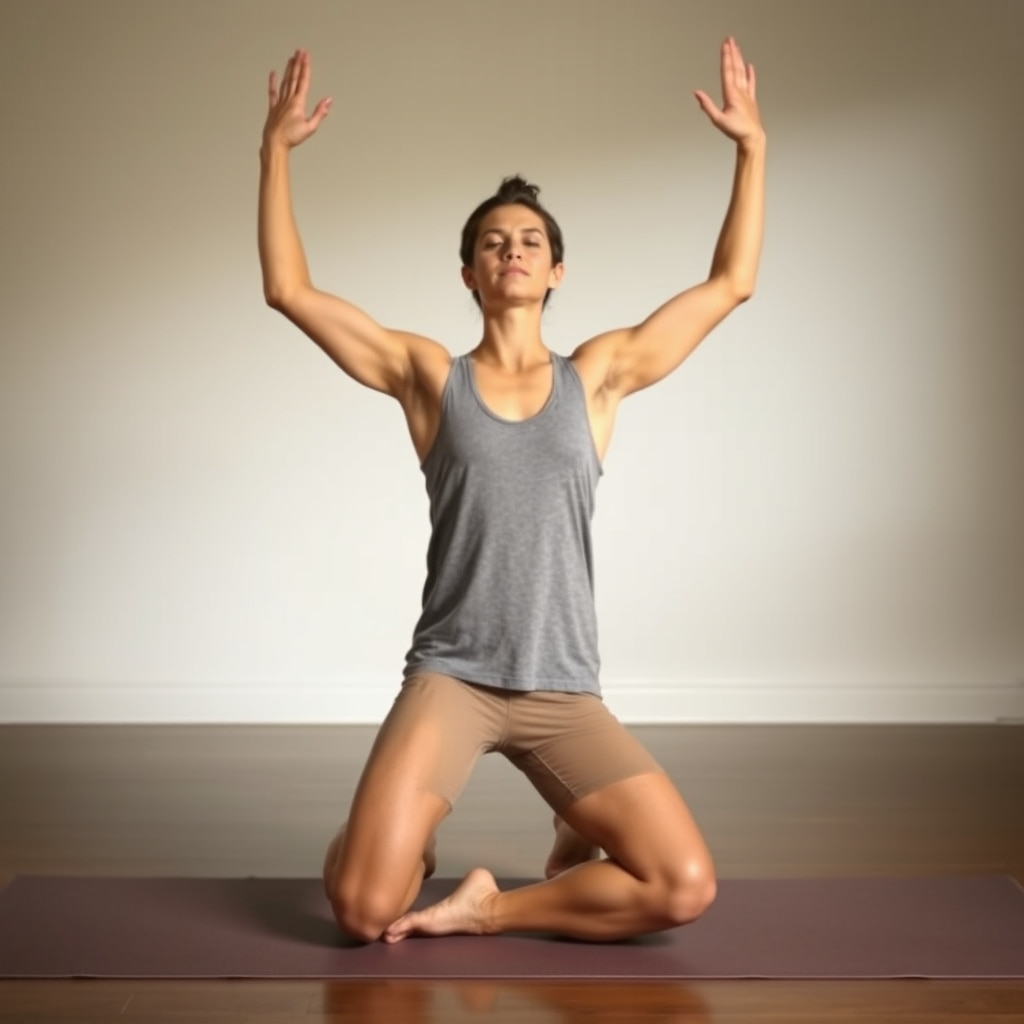
Challenge 18: The Restorative Yoga Challenge
Duration: 7 days | Daily time: 30 minutes | Best for: Burnout, chronic stress, overscheduled people
Restorative yoga uses props — blankets, pillows, folded towels — to support the body in completely passive positions for five to ten minutes each. The nervous system genuinely cannot tell the difference between a yoga bolster and a rolled-up blanket. You don’t need to buy anything. The YouTube channel “Sarah Beth Yoga” offers free restorative sessions that use household items as props.
This challenge will feel indulgent. That feeling is the point.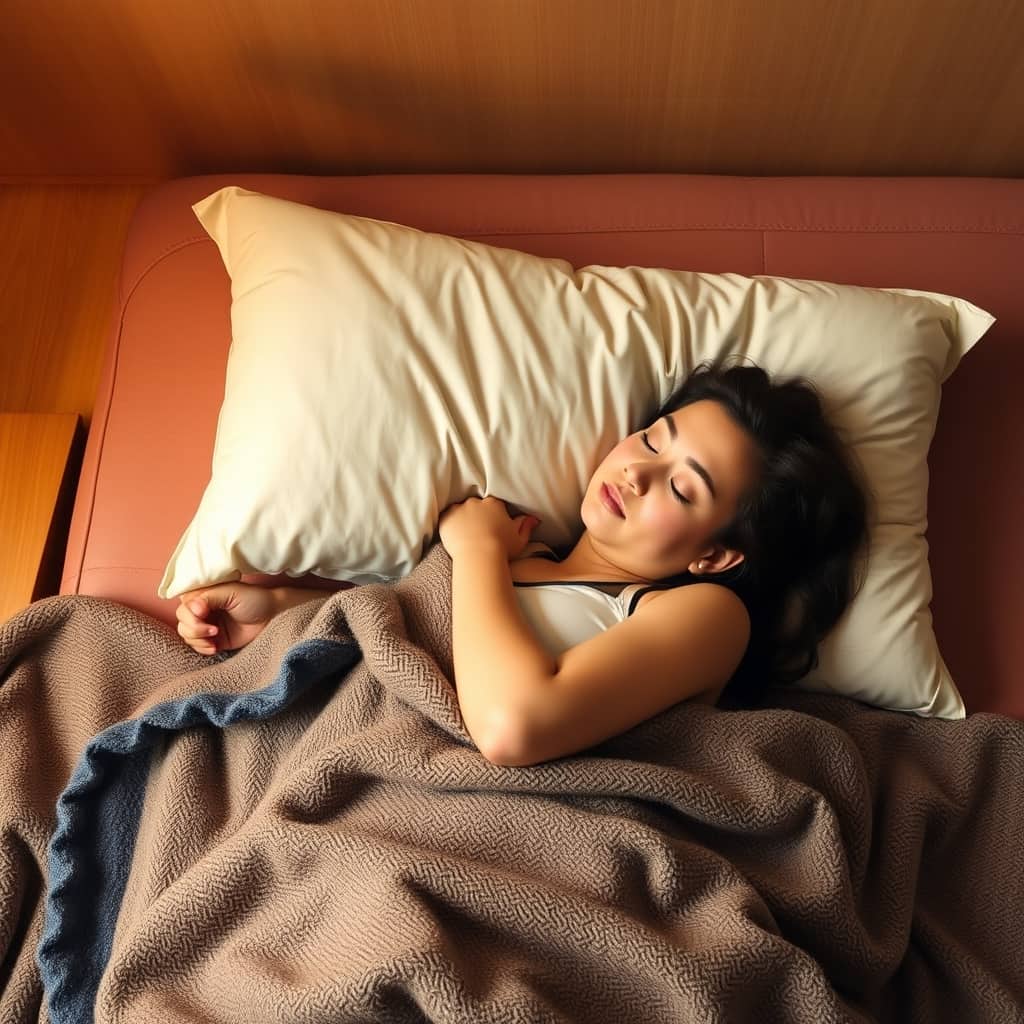
Challenge 19: The Yoga Nidra Challenge
Duration: 21 days | Daily time: 20 minutes | Best for: Insomnia, deep relaxation, stress recovery
Yoga nidra is not movement yoga. It is guided meditation done lying down, systematically rotating awareness through the body. It is considered a state of consciousness between waking and sleep. One 20-minute session is said to produce the restorative equivalent of four hours of sleep, though that claim needs more rigorous research. What is documented: significant reductions in cortisol levels in practitioners who do regular yoga nidra.
Find free sessions on Insight Timer, YouTube (search “Jennifer Piercy yoga nidra”), or the free tier of the Calm app.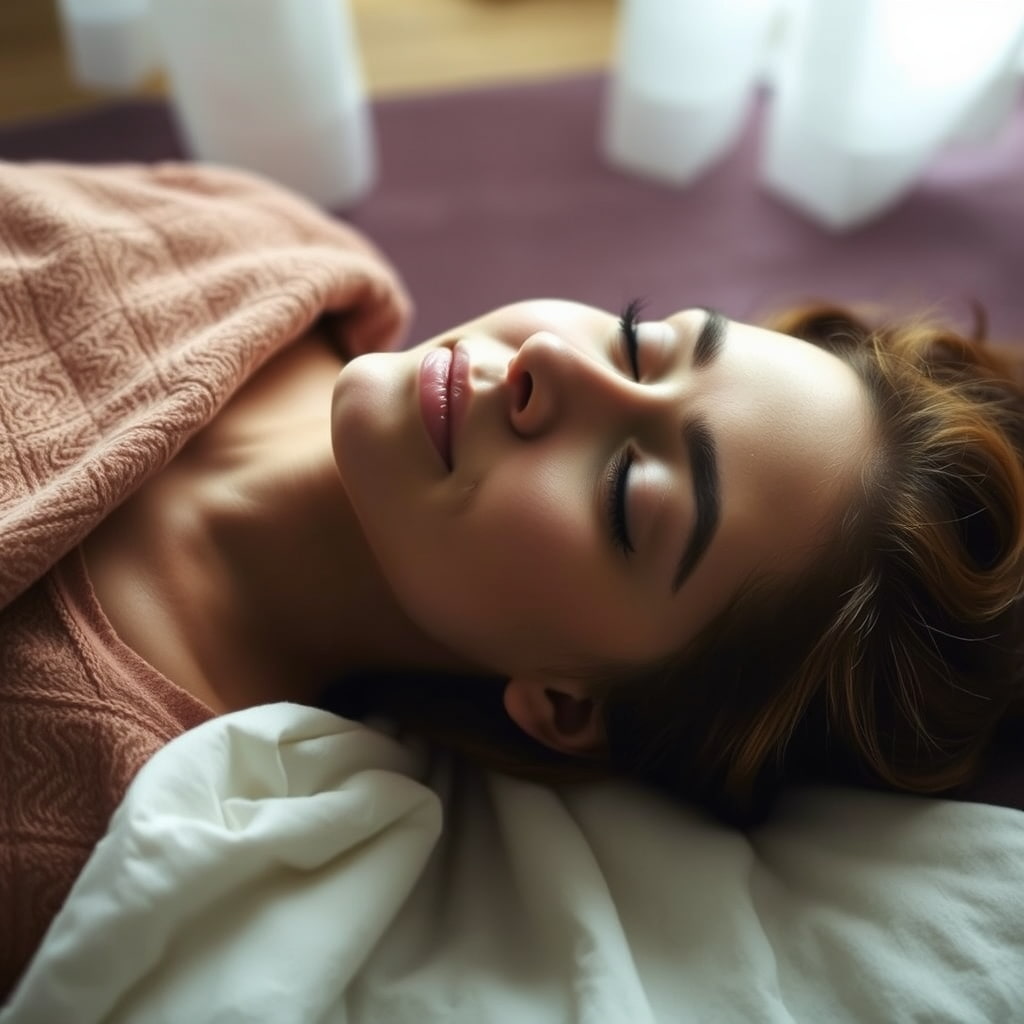
Challenge 20: The Partner Yoga Challenge
Duration: 7 days | Daily time: 20 minutes | Best for: Connection, accountability, making yoga social
Partner yoga requires no special training. Start with simple mirroring: one person leads a slow flow, the other follows. Progress to assisted stretches: your partner gently deepens your forward fold or spinal twist. The accountability effect here is enormous. You are dramatically less likely to skip when someone else is waiting for you.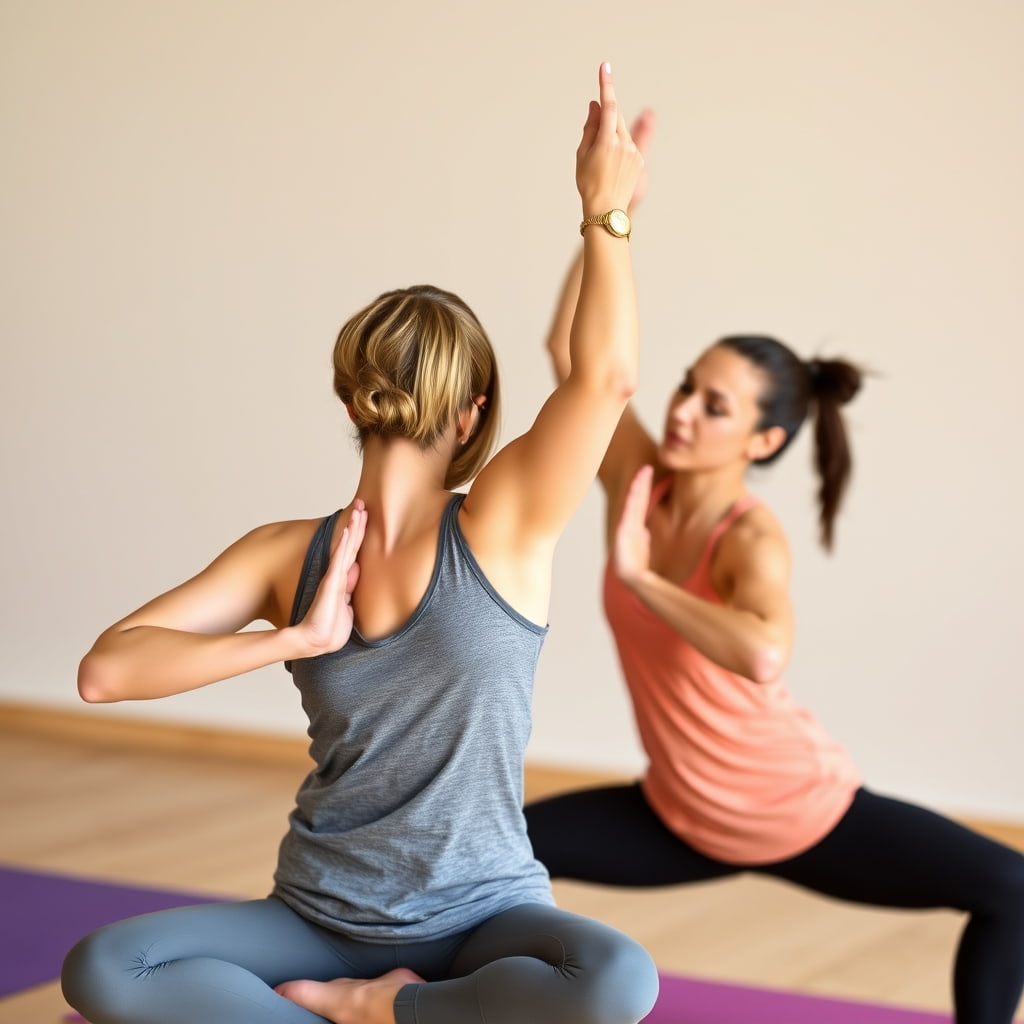
Challenge 21: The Create-Your-Own 30-Day Challenge
Duration: 30 days | Daily time: Your choice | Best for: Experienced beginners who want ownership of their practice
Choose three poses you want to master. Practice them every single day for 30 days alongside any other yoga you do. Document your progress with a weekly photo or written note. This challenge produces the deepest engagement because you designed it. You chose the poses. You set the rules. And on day 30, the progress belongs to you entirely.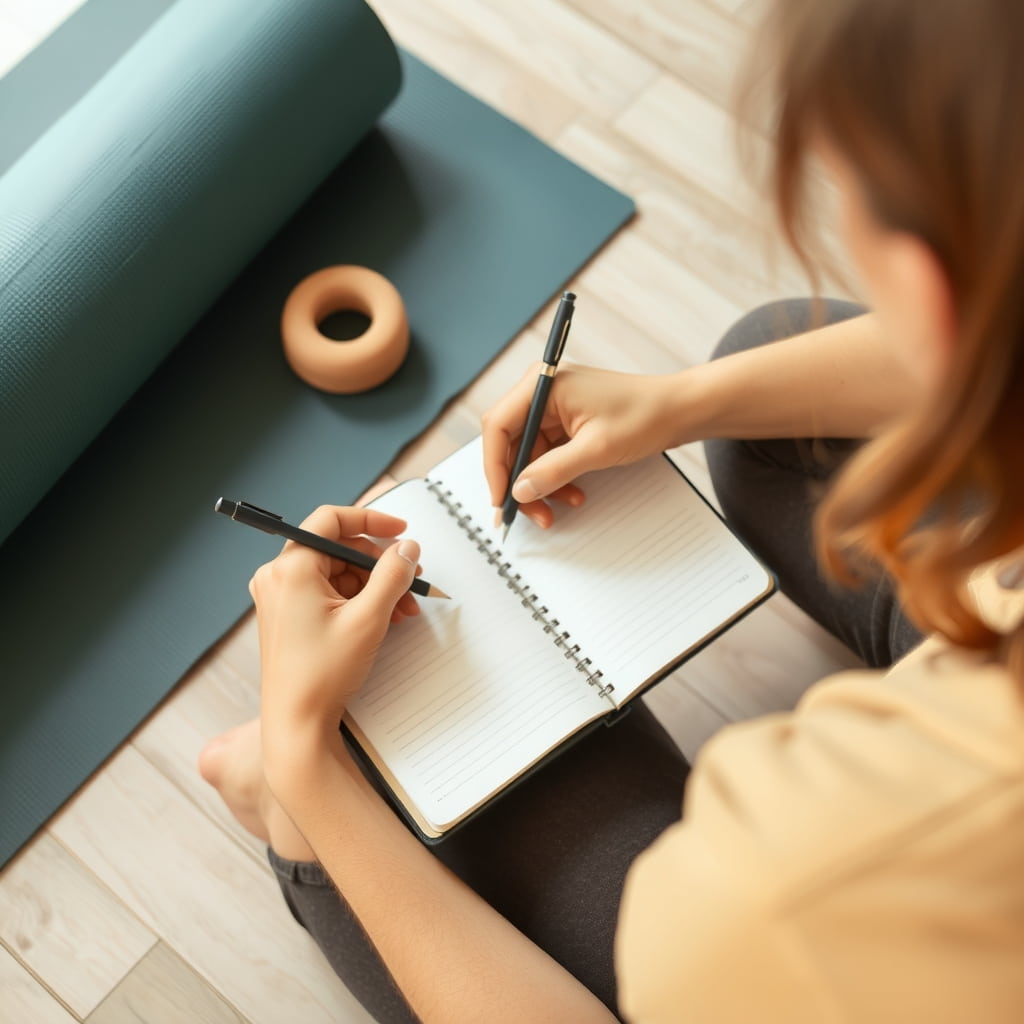
The Truth About Free Yoga Resources
The best free yoga on the internet is genuinely excellent. Yoga With Adriene, Kassandra Yoga, Boho Beautiful, Sarah Beth Yoga, and The Mindful Movement collectively offer thousands of free hours of instruction that equal or exceed most paid programs in quality. A subscription to Glo or Alo Moves (both around $20 per month as of early 2026) adds variety and structure, but they are not necessary for progress. They’re a nice upgrade, not a requirement.
What no free resource can provide is accountability. That’s the one thing worth paying for if you consistently struggle to stay consistent. But before you spend money, try challenge 20 (partner yoga) or any challenge with a specific end date. External structure solves most accountability problems for free.
Before You Start: The Two Rules
Rule one: choose one challenge and start it today. Not Monday. Today. The research on habit formation is unambiguous — future-start commitments have dramatically lower completion rates than immediate starts. Roll out your mat right now if it’s 11 PM. Do five minutes of child’s pose. You’ve started.
Rule two: imperfect practice always beats perfect absence. Three minutes on a morning when you have nothing is more valuable than skipping because you don’t have your full 20 minutes. Yoga doesn’t grade on duration. It rewards showing up.
Frequently Asked Questions
Do I need a yoga mat to start these challenges? No. Challenge 16 is specifically designed for this. A folded blanket, a towel on carpet, or a patch of grass outdoors works for everything except inversions and arm balances, where a non-slip surface genuinely helps.
Which challenge is best for complete beginners? Challenge 11 (5-minute daily challenge) or Challenge 1 (30-day morning series with Yoga With Adriene’s beginner series). Both assume zero prior experience.
Can I do more than one challenge at a time? Yes, but choose challenges that complement rather than duplicate. Combining Challenge 1 (morning flow) with Challenge 5 (evening wind-down) works well. Combining two strength challenges at once creates unnecessary fatigue.
How quickly will I see flexibility results? Most people notice measurable flexibility improvements within two to three weeks of daily practice. The hip-specific challenges (Challenge 2 and 6) tend to show results fastest because the hips respond quickly to sustained pressure.
Is yoga safe for people with back pain? Many yoga poses are specifically therapeutic for back pain. However, a few poses (deep backbends, full forward folds) can aggravate certain conditions. Challenge 10 (spinal health challenge) is designed conservatively. If you have a diagnosed spinal condition, consult a physiotherapist before starting.
What if I miss a day in the middle of a challenge? Start from the missed day the following morning. Do not restart from day one. Restarting from day one is perfectionism masquerading as discipline, and it’s the number one reason people abandon yoga challenges permanently.
Where to Begin
Four years after my bedroom floor breakthrough with a free YouTube video, I’m still practicing. Not because I’m disciplined. Because I removed every barrier between wanting to practice and actually practicing.
You already have everything you need. A floor, a body, and 21 challenges that cost nothing.
Pick one. Start today. Tell me in the comments which challenge you chose and what day you’re on. Reading those updates genuinely helps other people find the courage to start.
What’s the one thing that’s stopped you from sticking with yoga before? Understanding that might be the most useful thing you share here.
you may also like to readhttps://caloriehive.com/workout-plan-to-lose-20-pounds/excersices-tips/