It was 104°F in my kitchen and my blender had exactly three things in it: a frozen mango, a can of coconut milk, and a lime.
I had been mid-recipe for something far more ambitious — a layered tropical smoothie bowl with four toppings and a spirulina swirl — when the heat made me abandon all of it. I dumped those three ingredients in, blended for 45 seconds, poured it into the biggest glass I owned, and stood over the kitchen sink drinking it.
It was, without question, better than the thing I had planned.
That was the summer I stopped overcomplicating smoothies. Three ingredients is not a compromise. Three ingredients is a discipline. It forces you to choose well, balance deliberately, and trust the process enough to stop adding things. The best chefs I know talk about subtraction as a skill. Removing ingredients until what remains is essential. Three-ingredient smoothies are that principle applied to your blender.
Here’s the other thing most smoothie content won’t tell you: complexity doesn’t create refreshment. Cold temperature, high water content, and natural sweetness do. Every recipe below delivers all three. None of them requires more than two minutes of active effort. All of them will cool you down faster than standing in front of an open refrigerator, which — I’ve timed this — works for about 40 seconds before the cold air dissipates completely.
Why Three Ingredients Actually Works Better Than More
The smoothie industry has a complexity problem. Walk into any juice bar and you’ll see twelve-ingredient “wellness blends” that cost $14 and taste like everything and nothing simultaneously. The flavors fight each other. The textures clash. You finish it and can’t quite identify what you drank.
Three ingredients forces flavor clarity. Each component plays a specific role: one for bulk and creaminess, one for flavor and sweetness, one for brightness or contrast. When those three are chosen well, the result tastes intentional in a way that a nine-ingredient smoothie rarely achieves.
Here’s the blender reality that no recipe card explains: most home blenders — including the Vitamix A2500 (around $550 as of early 2026) and the more affordable Ninja BN701 (around $100) — achieve their best texture with fewer, denser ingredients. More ingredients don’t improve texture. They often degrade it, particularly when you combine ingredients with conflicting water activities (dense nut butters fighting with watery citrus, for example). Three ingredients blend to a smoother, more consistent result in less time than ten.
The Three-Role Framework Every Recipe Uses
Every recipe in this list follows the same structural logic, even though they taste completely different.
The base provides creaminess and bulk: frozen banana, frozen mango, frozen cauliflower (trust me, it disappears completely and adds zero flavor), Greek yogurt, avocado, or coconut milk. The base determines texture.
The flavor star defines the identity of the smoothie: berries, tropical fruits, coffee, peanut butter, matcha, cocoa, cucumber, watermelon. The flavor star is what you’ll remember.
The liquid and brightness element determines drinkability and the finishing note: coconut water, almond milk, oat milk, orange juice, lime juice, or plain water with ice. This element also controls thickness — more liquid, thinner smoothie; less liquid, spoonable texture.
Once you understand these three roles, you can riff on any recipe below or create your own. The framework is more useful than any single recipe.
The 21 Smoothie Recipes
1. Frozen Mango, Coconut Milk, and Lime
The one that started this whole philosophy.
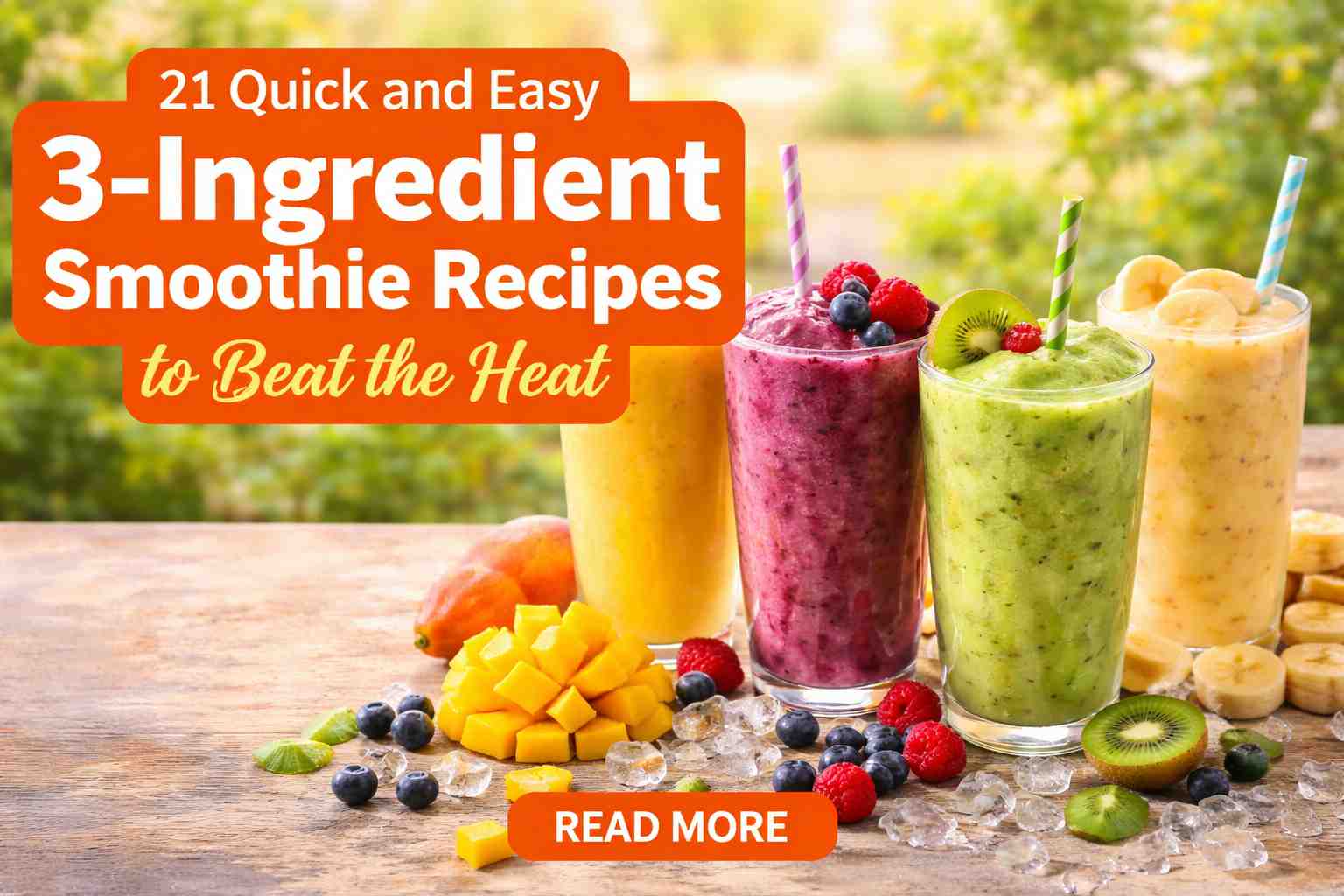
Blend 1.5 cups frozen mango with 1 cup full-fat coconut milk and the juice of 1 lime. The coconut milk provides fat for creaminess. The mango delivers sweetness and tropical flavor. The lime cuts through both and prevents the whole thing from tasting heavy. Serves two. Takes 45 seconds.
The full-fat coconut milk matters here. Light coconut milk produces a thin, slightly watery result. Thai Kitchen and Aroy-D are both reliably consistent brands, both around $2 to $3 per can.
2. Frozen Banana, Peanut Butter, and Oat Milk
The one that replaced breakfast for me for most of last summer.
One frozen banana, 2 tablespoons natural peanut butter, 1 cup oat milk. Blend until smooth. The frozen banana provides sweetness without any added sugar and creates a texture so thick it’s almost milkshake-adjacent. The peanut butter adds protein and fat. The oat milk brings it to drinkable consistency.
Natural peanut butter — just peanuts and salt — blends smoother than commercial brands with added oils. Smucker’s Natural and Adam’s both work well and cost around $5 for a 16 oz jar.
3. Watermelon, Mint, and Lime
The most refreshing combination on this list, full stop.
Two cups fresh watermelon (cubed and frozen the night before for best results), 10 fresh mint leaves, juice of 1 lime. No dairy, no thickener — just pure, cold fruit. Watermelon is 92% water by weight, which makes this the most genuinely hydrating smoothie on the list. Freeze the watermelon chunks for at least four hours or overnight. Room-temperature watermelon produces a lukewarm, slightly mealy result that defeats the entire purpose.
4. Frozen Strawberry, Greek Yogurt, and Honey
The classic, done correctly.
1.5 cups frozen strawberries, 3/4 cup full-fat Greek yogurt, 1 tablespoon raw honey. Blend smooth. The full-fat yogurt — Fage 5% or Chobani whole milk — provides genuine creaminess and about 12 grams of protein per serving. Frozen strawberries taste more intensely strawberry than fresh ones in smoothies because the freezing process concentrates flavor compounds. This is one of those facts that sounds counterintuitive and is absolutely true.
5. Frozen Peach, Ginger, and Orange Juice
The one that tastes like a spa.
1.5 cups frozen peach slices, 1 teaspoon fresh ginger (grated), 1 cup fresh orange juice. Blend until silky. The ginger adds warmth and anti-inflammatory compounds — specifically gingerols — that make this smoothie feel functional as well as refreshing. Don’t use ground ginger here. Fresh ginger has a brightness and bite that the dried version completely lacks.
6. Frozen Banana, Cocoa Powder, and Almond Milk
The one that satisfies a chocolate craving without making you feel guilty about it afterward.
1 frozen banana, 2 tablespoons unsweetened cocoa powder, 1 cup unsweetened almond milk. Blend smooth. The frozen banana provides all the sweetness this needs. Raw cocoa powder (like Navitas Organics Cacao Powder, around $12 for 16 oz) has a more complex, slightly bitter flavor than Dutch-process cocoa and higher antioxidant content. Either works. The banana carries both.
7. Frozen Mango, Turmeric, and Coconut Water
The anti-inflammatory smoothie that doesn’t taste like medicine.
1.5 cups frozen mango, 1 teaspoon ground turmeric, 1.5 cups coconut water. Blend smooth. The mango’s natural sweetness neutralizes turmeric’s earthiness completely. Add a pinch of black pepper — technically a fourth ingredient, but quantities small enough to call optional — because black pepper’s piperine increases curcumin absorption from turmeric by up to 2000%, according to a study published in Planta Medica in 1998. That’s the most impactful pinch of anything you’ll add to a blender this summer.
8. Frozen Blueberry, Avocado, and Almond Milk
The creamiest smoothie on this list.
1 cup frozen blueberries, half a ripe avocado, 1 cup almond milk. Blend until completely smooth. Avocado in smoothies is one of those ideas that sounds odd until you try it, at which point it becomes obvious. It adds healthy monounsaturated fats, creates a texture that no other ingredient replicates, and has a flavor neutral enough to disappear completely behind the blueberry. The result looks like a deep purple velvet. It drinks like cold silk.
9. Frozen Pineapple, Spinach, and Coconut Water
The green smoothie for people who claim they hate green smoothies.
1.5 cups frozen pineapple, 1 large handful of fresh spinach, 1.5 cups coconut water. Blend on high for 60 full seconds. The pineapple is doing two jobs here: it flavors the smoothie and its natural enzymes (bromelain) help break down the spinach cell walls during blending, which improves nutrient absorption. The result is bright green, completely tropical-tasting, and contains no detectable green vegetable flavor whatsoever. This is the recipe I use to convert green smoothie skeptics.
10. Frozen Raspberry, Banana, and Oat Milk
Tart, sweet, and pink enough to make everyone at the table ask what it is.
1 cup frozen raspberries, 1 frozen banana, 1 cup oat milk. Blend smooth. The raspberries bring tartness and color. The banana sweetens and thickens. The oat milk adds a subtle creaminess that dairy-free smoothies often lack. Oat milk (Oatly Barista or Califia Farms are reliable) works particularly well here because its slight natural sweetness complements rather than competes with the fruit.
11. Frozen Cherry, Greek Yogurt, and Almond Milk
Recovery smoothie that also happens to taste like dessert.
1.5 cups frozen dark cherries, 1/2 cup Greek yogurt, 3/4 cup almond milk. Blend smooth. Tart cherries in particular — Montmorency variety, available frozen at most health food stores — contain melatonin and anthocyanins that research associates with reduced exercise-related muscle soreness. A 2010 study in the Scandinavian Journal of Medicine and Science in Sports found significant reduction in post-exercise pain in athletes who consumed tart cherry juice for seven days. Dessert that helps your body recover from the gym is a good deal.
12. Frozen Mango, Carrot Juice, and Ginger
The one that looks like sunshine in a glass.
1.5 cups frozen mango, 1 cup cold-pressed carrot juice, 1 teaspoon fresh ginger. Blend smooth. Carrot juice is surprisingly sweet and provides beta-carotene in quantities that make this smoothie a meaningful nutritional contribution rather than just a cold drink. Cold-pressed carrot juice from the refrigerated section (brands like Suja or Evolution Fresh, around $5 to $8 per bottle) tastes dramatically better than shelf-stable carrot juice, which tends to have a cooked, slightly metallic undertone.
13. Frozen Banana, Matcha, and Coconut Milk
Calm energy without the coffee jitters.
1 frozen banana, 1 teaspoon high-quality matcha powder, 1 cup coconut milk. Blend smooth. Matcha contains L-theanine, an amino acid that moderates the stimulating effects of caffeine and produces what practitioners describe as “alert calm” — focused energy without anxiety or crash. Ceremonial-grade matcha (Ippodo or Encha, both around $25 to $30 for 30g) tastes noticeably smoother and less bitter than culinary grade. For smoothies, culinary grade is an acceptable compromise at around $12 per 30g.
14. Watermelon, Cucumber, and Mint
The hydration smoothie.
2 cups frozen watermelon, 1 cup fresh cucumber (roughly chopped), 10 mint leaves. Blend until smooth. Both watermelon and cucumber are over 90% water by weight, which makes this simultaneously the most hydrating and lightest smoothie on the list. No dairy, no sweetener, no thickener. Just cold, green-tasting water in the most appealing form possible. This is the one to make after a long day in direct sun.
15. Frozen Pineapple, Coconut Cream, and Lime
Piña colada energy, zero effort.
1.5 cups frozen pineapple, 1/2 cup coconut cream (not coconut milk — the thicker version), juice of 1 lime. Blend until smooth. Coconut cream (Chaokoh brand is excellent and available at most Asian grocery stores for around $2 per can) creates a richness that makes this feel like an indulgent drink rather than a health choice. It’s both, which is the best possible outcome.
16. Frozen Banana, Almond Butter, and Cinnamon-Spiced Milk
The one that tastes like a dessert that’s good for you.
1 frozen banana, 2 tablespoons almond butter, 1 cup milk of any kind plus 1/2 teaspoon cinnamon. Blend smooth. Cinnamon adds warmth and has a surprisingly significant effect on perceived sweetness, which means you don’t need to add anything else. Almond butter (Barney Butter Bare Smooth is particularly good in smoothies, around $10 for 10 oz) blends more smoothly than many other nut butter brands because of its lower fiber content.
17. Frozen Mixed Berries, Beet Juice, and Greek Yogurt
Striking color. Serious nutrition.
1.5 cups frozen mixed berries, 1/2 cup cold beet juice, 1/2 cup Greek yogurt. Blend until smooth. Beet juice is rich in dietary nitrates, which the body converts to nitric oxide — a compound that dilates blood vessels and can measurably improve exercise performance and lower blood pressure. A 2012 study in the Journal of the Academy of Nutrition and Dietetics found significant performance improvements in cyclists who consumed dietary nitrates before exercise. The berries and yogurt prevent the earthiness of beet from dominating. The color is a deep, vivid burgundy.
18. Frozen Peach, Raspberry, and Lemon Sorbet
The cheating recipe. Worth including anyway.
1 cup frozen peach, 1 cup frozen raspberries, 2 large scoops lemon sorbet. Blend smooth. This is technically a smoothie the same way a Frosty is technically a milkshake. It’s gloriously cold, intensely flavored, and completely irresistible. Ciao Bella and Talenti both make lemon sorbets that work well here. Make it on the hottest day of the summer. No justification required.
19. Frozen Mango, Jalapeño, and Lime
The smoothie that surprises people.
1.5 cups frozen mango, 1/4 of a fresh jalapeño (seeded for mild heat, whole slice for serious heat), juice of 1 lime. Blend smooth. Capsaicin from the jalapeño triggers a thermogenic response that paradoxically makes you feel cooler — your body’s cooling mechanisms activate in response to the perceived heat. This is the same principle behind hot spicy food in tropical climates. The mango and lime carry enough sweetness and brightness to make the heat feel intentional rather than accidental.
20. Frozen Banana, Frozen Spinach, and Pineapple Juice
The sneaky vegetable delivery system.
1 frozen banana, 1 large handful of frozen spinach (freeze fresh spinach in zip-lock bags for convenience), 1 cup pineapple juice. Blend on high for 60 seconds. Frozen spinach blends more completely than fresh and has identical nutritional value. The pineapple juice covers it completely. The banana thickens it. This is reliably the recipe I use to add vegetables to the diets of people who insist they don’t eat vegetables.
21. Frozen Blueberry, Lemon, and Coconut Water
The simplest one. Also perhaps the best.
1.5 cups frozen blueberries, juice and zest of 1 lemon, 1.5 cups coconut water. Blend smooth. Nothing complicated. Blueberries provide anthocyanins and a deep, complex sweetness. Lemon adds brightness. Coconut water adds electrolytes and a subtle sweetness that makes this genuinely hydrating rather than just cold. The color is a vivid, deep purple. The taste is clean and direct. This is the recipe I reach for most often, and the fact that it’s the simplest thing on this list is not a coincidence.
The Equipment Truth Nobody Tells You
Here’s what I’ve learned after testing these recipes in three different blenders: the container shape matters more than motor power for three-ingredient smoothies.
The Vitamix 5200 (tall, narrow container) creates incredible vortex action with small amounts of liquid but can struggle with very thick, frozen-heavy blends. The Vitamix A2500 (wider, shorter container) handles frozen fruit more consistently. The NutriBullet Pro 900 (around $80) is the honest best-value option for three-ingredient smoothies specifically because its personal-cup design creates perfect blending action for small-batch recipes. You’re not blending a gallon. You’re blending 16 ounces. A 900-watt motor handles that perfectly.
The one universal mistake: not letting frozen fruit sit for five minutes after removing it from the freezer. Rock-solid frozen fruit at minus-18°C creates unnecessary strain on any blender motor and frequently produces an uneven texture with hard chunks at the bottom. Five minutes of counter rest produces dramatically better blending results.
Frequently Asked Questions
Can I make 3-ingredient smoothies ahead of time? You can, with caveats. Smoothies with avocado or banana oxidize and brown within two to three hours. Smoothies made with coconut milk or yogurt separate after about four hours in the fridge. Berry-based smoothies hold their color and flavor better than most. For make-ahead convenience, blend and freeze in ice cube trays — then re-blend in the morning with your liquid of choice for a smoothie that takes literally 60 seconds.
Are frozen fruits as nutritious as fresh? Often more so. Frozen fruits are picked at peak ripeness and frozen within hours, locking in nutritional content. Fresh fruits at most grocery stores have traveled days or weeks from harvest and lose significant water-soluble vitamins (particularly vitamin C) during transit and storage. A 2017 study from the University of California found that frozen blueberries contained equal or higher levels of certain antioxidants compared to fresh ones bought at retail.
How do I thicken a 3-ingredient smoothie without adding a fourth ingredient? Use less liquid, not more frozen fruit. Many people’s instinct is to add more fruit when the texture is too thin. Adding less liquid achieves the same result without altering the flavor balance. Start with 3/4 cup liquid and add more in tablespoon increments until you reach the consistency you want.
Can I substitute regular milk for plant-based milk in any of these recipes? Yes, in every recipe except the watermelon-cucumber-mint (which doesn’t need dairy of any kind) and the coconut-specific recipes where coconut milk is part of the flavor profile. Whole milk adds creaminess. Skim milk adds liquid with minimal body. Both work structurally.
Why do my smoothies taste flat even when I follow the recipe? Salt. A tiny pinch of sea salt — smaller than you’d believe necessary — amplifies every fruit flavor in a blended drink. This is the same principle professional pastry chefs use: salt enhances sweetness perception by suppressing bitterness. Add it before blending. You will notice an immediate difference.
Where to Start
If the heat hit you before you finished reading this: make recipe 3 (watermelon, mint, lime) or recipe 21 (blueberry, lemon, coconut water). Both require minimal prep and deliver maximum cooling in under two minutes.
If you have a ripe banana sitting on your counter right now: freeze it immediately, slice it first, and come back to recipe 2 or recipe 6 tomorrow morning.
The most important thing is that three ingredients is not a limitation to work around. It’s the framework that makes any of these work as well as they do. Simpler is not easier — it’s more demanding. These 21 recipes do the demanding work for you.
What’s the strangest three-ingredient combination you’ve tried that actually worked? I’m genuinely asking. Some of the best recipes on this list came from moments of necessity that turned out to be revelation.